Bright Spot
 

BRIGHT SPOTS


OhioHealth Wellness on Wheels — in partnership with March of Dimes — brings women’s health care and prenatal care to neighborhoods in central and southeast Ohio. A related report from University of Florida researchers points to mobile clinics as an effective methods to improve maternal health in rural and low-income communities.


QUOTABLE & NOTABLE

“Perhaps, then, instead of asking whether children are ready for kindergarten, educators should be asking whether early instructional systems are ready for children.


“In early literacy, this question is especially urgent. Foundational skills are not acquired through brief exposure or rapid movement across tasks. They are built through repeated, connected practice. When expectations, materials and assessments move faster than children can reasonably integrate new learning, compliance can mask fragility.”

Who:

Susan B. Neuman, Ed.D., and Lillie Bukzin, New York University

Where:

“Why We Keep Asking the Wrong Question About Kindergarten Readiness” — analysis from The 74’s zero2eight


FACT OF THE WEEK

 
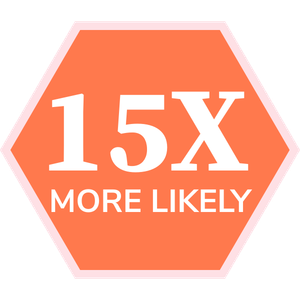
15 times more likely

Ohio has invested millions into growing the Dolly Parton’s Imagination Library program so that more children ages 0-5 receive free books and can benefit from shared storybook reading. A new study on shared book reading led Dr. Claire Galea of United Way Australia found that children participating in the Imagination Library program across the U.S. (and in four other countries) experience literacy gains and improved home learning environments. The study found that children who received Imagination Library books were 15 times more likely to respond to and join in reading activities, compared to children not enrolled in the program.


POLICY RADAR

Ohio

This week, Gov. Mike DeWine delivered his final State of the State address, outlining key accomplishments and priorities for his remaining 9 1/2 months in office. He spotlighted state efforts to advance the science of reading, the launch of the OhioSEE program to provide vision care for Ohio children, and efforts to protect children and youth online and to ban cellphones in Ohio schools. He also announced the creation of a new dashboard to capture real-time data on student attendance and absenteeism, to be available next month. For more coverage of his speech:


Lawmakers in the Ohio House are hoping to support children in foster care by improving the coordination between and among systems serving them (e.g., K-12 schools, child welfare agencies, and higher education). HB 25 aims to improve the education attainment of Ohio’s foster care youth by asking schools to assign key points of contact to assist in the form of education liaisons and foster family navigators, and requiring the Department of Education and Workforce provide training for those serving in these roles. The bill also includes requirements for children’s services agencies to provide youth in their custody with supports related to living independently and as well as life skills assessments to inform those services.


EVENTS AND HAPPENINGS

Zero to Three is hosting a webinar about “What Is Moving the Needle on ECE Compensation” on Wednesday, March 18, from 2-3:30 p.m. ET.

The Crane Center is hosting a virtual event on “Understanding Family and Program Strengths in Early Head Start: What They Mean for Infant/Toddler Social-Emotional Development” on Wednesday, March 25, at 11 a.m. ET. The event is part of a new series intended to share research findings from Crane-connected faculty or research staff in a digestible format.

Also on Wednesday, March 25, Education Commission of the States is hosting a discussion on “2026 Education Trends in Governors' State of the State Addresses” at 3 p.m. ET.


BEYOND THE BUCKEYE STATE

Alabama lawmakers are looking to pass a law that sets limits on screen time and technology use in child care centers, preschools, and kindergarten. Separately, the state is also being highlighted its efforts in training and retaining teachers in preschool classrooms.

In southwest Colorado, the Rural Homes Early Childhood Initiative is piloting a project that builds affordable housing that doubles as space to support in-home child care businesses. So far, several providers have moved into the housing units and set up in-home care with the hope of one day owning their homes outright.


WHAT WE’RE READING

In a thought-provoking read published in The Conversation, a professor of economics and expert on measuring poverty in the U.S. challenges the usefulness of a rigid poverty-line metric (e.g., the $33,000 annually for a family of four in the U.S.). He invites readers to a series of thought exercises to consider various ways of measuring it, including a conceptually simple, concrete measurement of the average amount of time it takes to earn $1 in income. The author asserts that poverty “should be understood as a spectrum” and points to significant income inequality in the U.S. as a driver of poverty, even while U.S. citizens experience higher average incomes than in many countries.

Richland Source continues its series on child care in north central Ohio describing how dependent care accounts, flexible work, and paid maternity leave can help support parents in the workforce.


This edition was written by Jamie O’Leary and Janelle Williamson.

If you like this newsletter, forward to a friend! Subscribe here.


crane.osu.edu

X  LinkedIn