Supreme Court Strikes Down IEEPA Tariffs — But Uncertainty Remains | | In the most significant trade ruling in decades, the U.S. Supreme Court ruled 6–3 on February 20 that the International Emergency Economic Powers Act does not authorize the president to impose tariffs. That includes the "Liberation Day" tariffs that had been driving up costs on imported food and supplies for over a year. The ruling was a win — but it did not last long. Within hours, Trump signed a new order imposing a 15% global tariff under Section 122 of the Trade Act of 1974, the maximum allowed under that law. That tariff expires in 150 days on July 24, 2026 unless Congress acts to extend it. The good news for Nevada operators is that goods from Canada and Mexico that qualify under USMCA are exempt from the new tariff. On refunds — do not count on a quick check. The administration has signaled it will fight refund claims in court, a process that could take years. Bottom line: costs are not going back to normal anytime soon, and the trade fight is far from over. | | National Restaurant Association Releases 2026 Federal Policy Agenda - Immigration, Swipe Fees, and Trade at the Center | | The National Restaurant Association released its federal priorities for 2026 on February 19, and three issues are front and center: immigration reform, credit card swipe fee relief, and USMCA trade renewal. A survey of more than 900 operators found that 55% say immigration enforcement changes have hurt their business, with 37% reporting drops in sales and customer traffic. On swipe fees, 66% of operators say their processing costs have gone up over the past two years by an average of 9.4% — and credit card fees are already the third-largest operating expense behind food and labor. The NRA's immigration framework calls for protecting the existing workforce, fixing the work visa system, and building a legal path forward. Nearly 1 in 4 restaurant workers nationally is an immigrant. NvRA supports all three priorities and is engaging Senators Cortez Masto and Rosen on workforce and swipe fee provisions that directly affect Nevada operators. | | Washoe County Launches Announced Inspection Pilot for Higher-Risk Food Establishments | Northern Nevada Public Health launched a new inspection model on February 15 that gives certain restaurants advance notice before a routine inspection. The pilot applies to Risk Category 3 establishments — restaurants that do more complex cooking, handle raw ingredients, or prepare food in advance. Under the new system, operators get an automated email letting them know an inspection is coming. The actual visit happens within a 7-day window from that email, but the exact day and time are still a surprise. Follow-up inspections for violations, complaints, and foodborne illness investigations stay unannounced. This is a pilot program — whether it expands depends on results. If you operate in Washoe County, do two things now: confirm your risk category with NNPH and make sure the email on file for your permit is current — that is how you will get notified. NvRA will watch the results as a potential model for conversations with Southern Nevada health districts. | | |
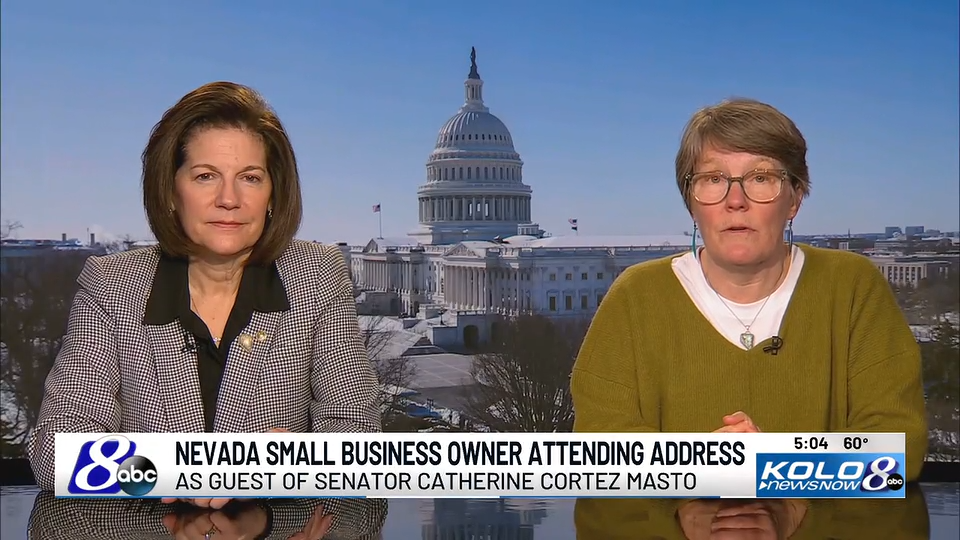
Nevada Business Owner at State of the Union Spotlighting Tourism Impact
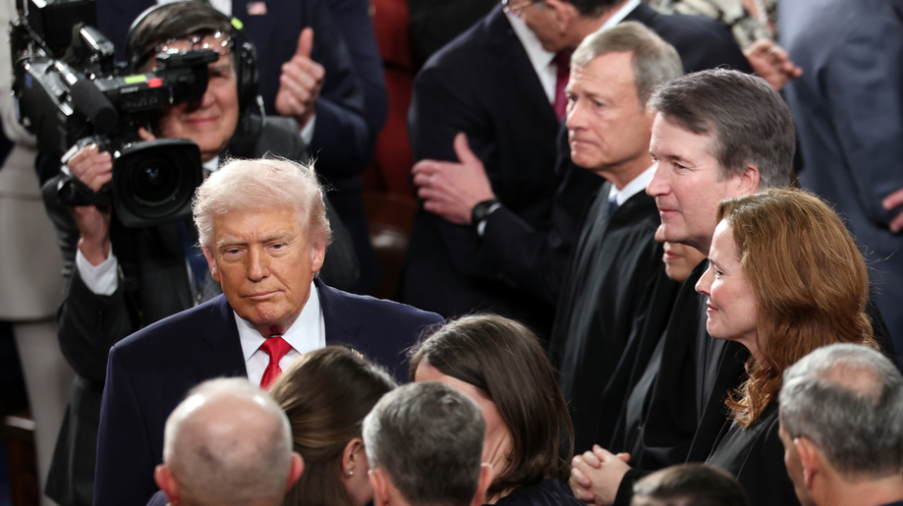
Senator Catherine Cortez Masto brought Liz Woolsey, owner of the Stargazer Inn and Bristlecone General Store in Baker, Nevada, as her guest to President Trump's State of the Union address on February 24. Woolsey's inn sits at the gateway to Great Basin National Park, which draws more than 140,000 visitors a year. She told reporters that international reservations have dried up and tied it to a broader 7.5% drop in Las Vegas visitation in 2025 — the lowest since 2021. Senator Cortez Masto cited a Brand USA study showing an 11% increase in international travelers who view the U.S. political climate as a reason not to visit. She also noted that in 2025, the U.S. was the only major tourism destination in the world to see a drop in foreign visitors. Senator Rosen brought a nurse practitioner and small business owner to highlight impacts of tariffs and health care costs on Nevada workers. When tourists stop coming, the entire food and beverage economy feels it — from the Strip to rural Nevada.
| |  | |
Arts District Parking Dispute Continues — Operators Divided, City Holding Firm
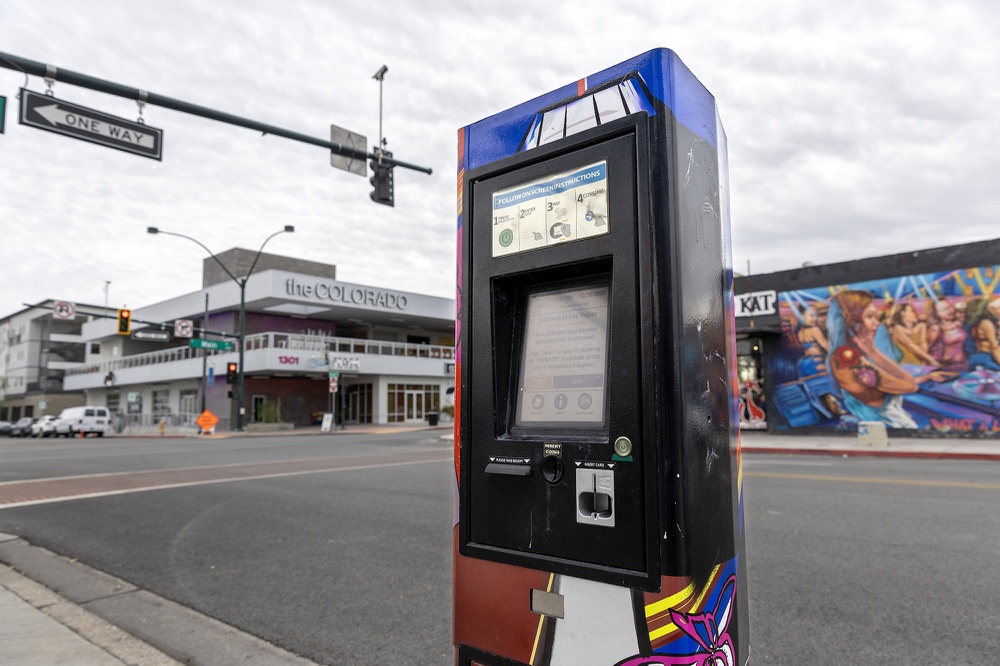
Paid parking in Las Vegas' Arts District is still a fight. Last October, the city raised meter rates to $2–$4 per hour — the first increase since 2019. On February 24, more than 100 residents, workers, and business owners showed up to a city meeting at Third Street Theatre to push back. Councilwoman Olivia Diaz faced sharp criticism, with one attendee saying she "has had years to support small businesses and she has failed every single time." The city is not backing down, pointing to a 32,000-transaction increase in parking activity — a 24% jump — and arguing Las Vegas rates are still lower than comparable western cities. The city did agree to pause meter expansion north of Charleston and updated meter displays to show the free parking window from 11 a.m. to 2 p.m. on weekdays. No rate rollback is planned. Diaz called the meeting a starting point, not a resolution. NvRA is engaged and will continue to represent member interests as the city decides its next move.
| |
| |
Optimize your management and staff performance
Make your team members' jobs more meaningful and rewarding by building their confidence and improving their skills
- Dozens of courses and micro-training videos for managers and staff
- Hundreds of templates & checklists to standardize your systems
- Learn best practices from other successful independent owners
| | | |
| | |
Train With Us: ServSafe
Nevada requires one person on each shift to be certified for answer questions from an inspector. A ServSafe certification is recommended for managers, cooks, front-line employees or the shift PIC (designated person in charge). NvRA has best-in-class training online or in the classroom. The program is ANSI-certified and available in multiple languages. Sign up for one of our next classes.
| | | |
| | |
Restaurant Law Center: Advocating for Your Business
The Restaurant Law Center provides legal advocacy and resources to help restaurants navigate complex regulations and protect their operations. From labor laws to compliance guidance, they ensure our industry’s voice is heard in the courts and beyond. NvRA members can access expert resources, legal insights, and updates to stay informed and empowered.
📞 Phone: (202) 331-5913
📧 Email: aamador@restaurant.org
Learn more at RestaurantLawCenter.org.
| | | | | |
Please note, the NvRA does not render, imply or offer legal advice at any time. Nothing on this page should be construed as legal, financial or medical advice. Information and resources are provided as communication for our members to help keep them apprised of issues and to help them make their own informed decisions. We strongly recommend members seek legal advice from their company representatives when needed.
Nevada Restaurant Association
www.nvrestaurants.com
|
| | | |