|
New York Issue | June 2026
Volume 11, Issue 2
| | |
The Hidden Cost of Age Discrimination | |
Nearly six decades after the Age Discrimination in Employment Act, age discrimination remains a persistent barrier. AARP research found that two-thirds of workers over 50 see or experience workplace ageism—a number that climbs even higher among African American, Hispanic, and Asian American professionals.
The consequences are immediate and serious. Unconscious bias can quickly spiral into financial instability. Rather than an outright refusal, ageism usually looks like a resume that never gets a callback or a culture where older employees are quietly sidelined from training and advancement.
This toll extends beyond individual workers. Research by AARP and the Economist Intelligence Unit estimates that age discrimination could cost the U.S. economy $3.9 trillion by 2050. This staggering loss represents the economic impact of qualified older individuals being completely locked out of the job market through involuntary retirement or extended unemployment. When experienced workers are left on the sidelines, businesses lose out on massive productivity, and the entire economy loses out on trillions in potential economic growth.
Programs like MaturityWorks are changing that narrative, connecting skilled older adults with forward-thinking employers who understand that experience is a premium asset, not a liability.
Source: AARP
|
| |
What Is Driving Older Workers to Continue Working | Broadcast Retirement Network Interview Association of Healthcare Journalist Liz Seegert to unpack how mindset shapes aging. Learn the research-backed link between positive views of aging and longer, healthier lives, the workplace dynamics between generations, and practical steps to prioritize mobility, cognition, and planning for a longer, better third act. |
| |
The Ultimate Workplace Superpower: Why Soft Skills Give Older Workers the Edge | |
When talking about hiring, it is easy to get caught up looking for the newest technical skills on a resume. But the traits that keep a business running smoothly such as resilience, leadership, and a level head, can’t be fast-tracked. They take time to develop, and that is exactly where older workers shine.
For employers trying to build a strong team, mature professionals bring a massive advantage through their everyday soft skills. They don't just get their own work done; their experience helps elevate the whole workplace culture:
-
Communication: Decades of experience mean mature workers excel at active listening, clear collaboration, and navigating different personalities smoothly to keep team morale high.
-
Problem Solving: Having seen all kinds of workplace challenges over the years, older professionals don't panic when things go sideways. They bring a practical perspective that helps them find solutions quickly.
-
Work Ethic: A long career builds a deep sense of professional pride. Older workers bring a focused, dedicated approach to their daily tasks, setting a great example for the rest of the team.
-
Dependability: Mature talent brings a strong sense of stability and reliability to an organization. Employers can count on them for consistent performance, which significantly cuts down on costly turnover.
Software and digital tools change constantly and can be taught to anyone. But the personal skills that make a workplace actually function well take a career to build. Looking at mature talent as a major asset isn’t just a nice thing to do—it is a smart move for any business that wants a stronger, more reliable team.
Source: BrightMine, Vantage Aging
| | Participant Spotlight: Success in Action | | |
When Tina Selleck enrolled in the MaturityWorks program in November 2025, she was eager to return to administrative work after being unemployed for more than a year. Like many older job seekers, Tina faced barriers to employment, including her age and the need to strengthen her computer skills. Her goal was to gain office experience, enhance her administrative abilities, and improve her opportunities for permanent employment.
Through MaturityWorks, Tina was placed as a Receptionist at New Lane Senior Center. In this role, she greeted visitors, answered phones, assisted with administrative tasks, maintained records, and provided customer service to participants and staff. The hands-on experience allowed her to strengthen her clerical, communication, customer service, and office administration skills while building confidence in her abilities.
Tina's hard work and dedication quickly paid off. After completing her training assignment, she secured employment with Encore Community Services Inc. as a Member Associate and successfully exited the program. Her success demonstrates how hands-on training, skill development, and updated work experience can help MaturityWorks participants overcome barriers and achieve their employment goals.
| | | |
Lighthouse Guild is a leading nonprofit organization dedicated to addressing vision loss and helping individuals who are blind or visually impaired live independently and with dignity. Based in New York City, the organization offers comprehensive range of healthcare, rehabilitation, and community support services.
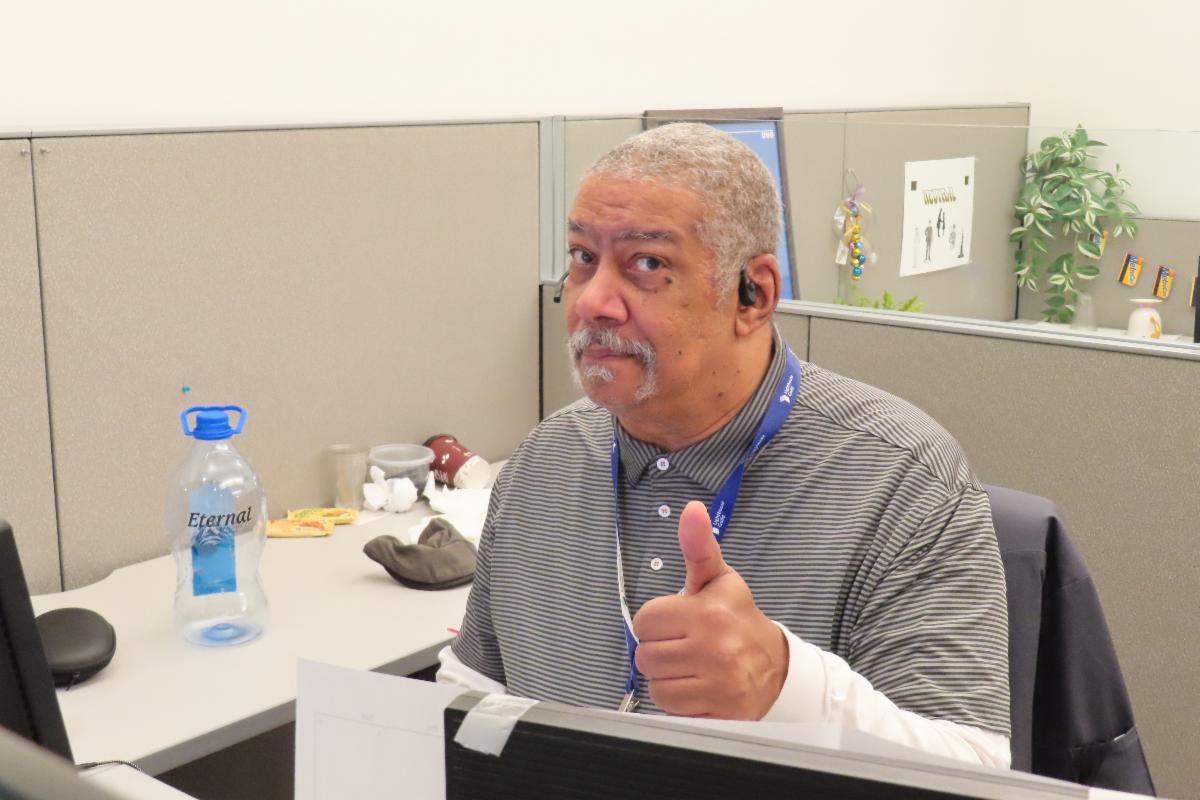
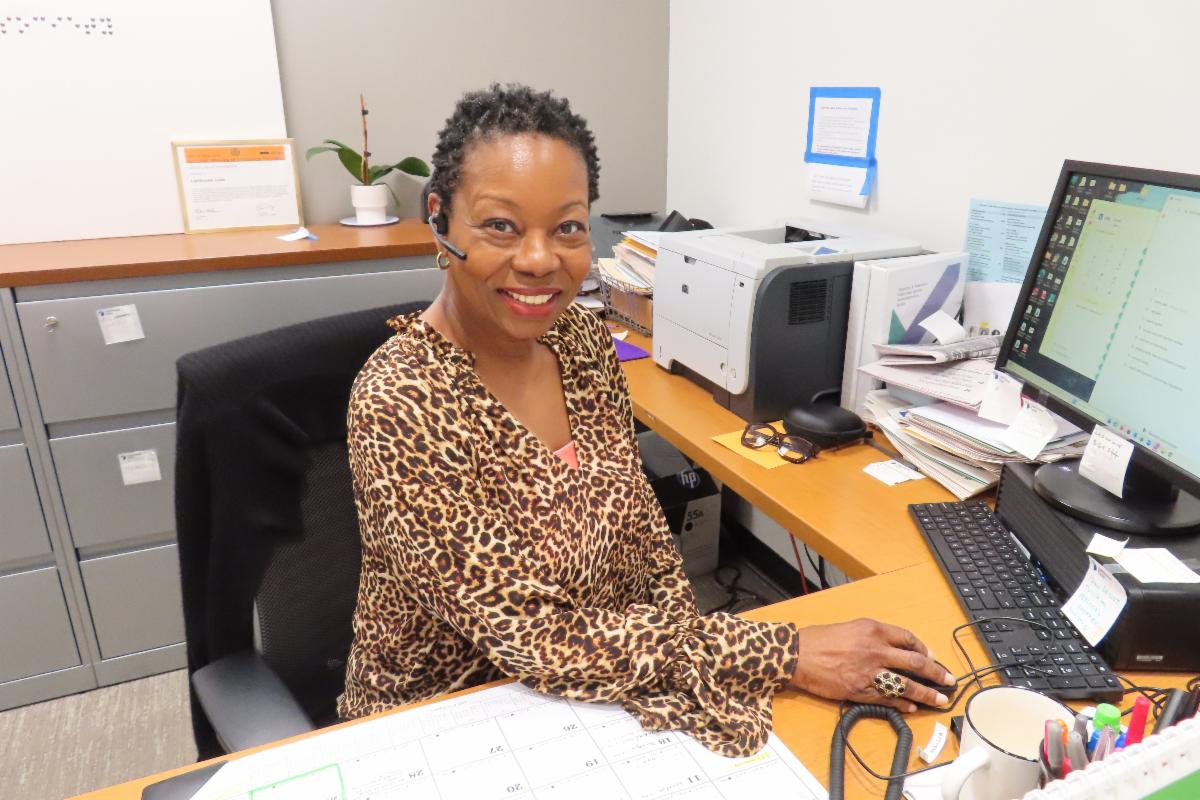
MaturityWorks has been a proud partner with the Lighthouse Guild for many years. Currently, Lighthouse Guild is hosting two of our outstanding participants, Brian Jacobs and Renelza Duckette. In their roles, they handle front-line operations—managing reception desks, coordinating community outreach initiatives, and supporting daily program development—while actively building their professional skills.
“The partnership with MaturityWorks has enabled Lighthouse Guild to add consistent support to our departments,” says Cheryl Pemberton-Graves, Chief Volunteer Officer of Lighthouse Guild. “Participants not only sharpen their existing skills, but they also learn new electronic platforms, customer service, event planning, and data analysis.”
Through this hands-on experience, MaturityWorks participants gain the modern technical proficiency and professional confidence needed to successfully transition into permanent, unsubsidized employment.
| | | The total cost of the Senior Community Service Employment Program (SCSEP) is $13,071,445.56. $11,764,301(90%) is funded through a U.S. Department of Labor grant. The other $1,307,144.56 (10%) is funded through non-Federal resources. | | | | |