Special Edition to PSK Newsletter Subscribers | | Leading Off: You Might be Interested | | |
As a subscriber to the Alpha Chapter Monthly Newsletter, I thought you might be interested in this four-part series.
This story is published as an edition of my Wednesday Weblog, which includes observations about leadership, society, and self-reflection. You can click the button at the bottom of this post to subscribe at no charge. --Ed Doherty
| | Resurrecting Alpha Chapter: A Phi Sigma Kappa Story | | |
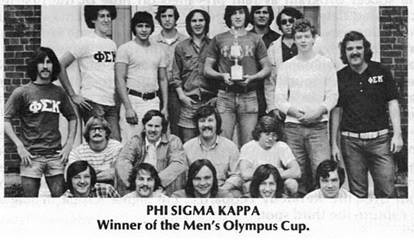
Long time readers are aware that I am a member of Phi Sigma Kappa fraternity at the University of Massachusetts in Amherst. Today it is a national fraternity with more than 70 chapters from coast to coast.
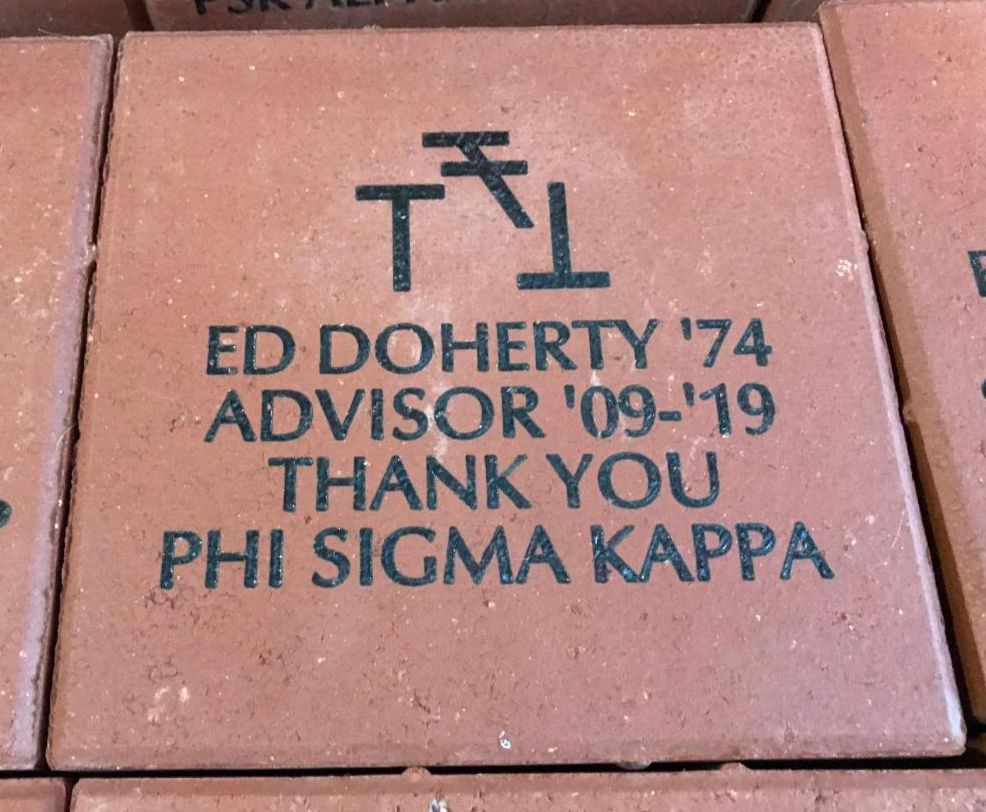
Since 2009 I have been involved in a variety of Alumni roles, but this chapter of my volunteer life is winding down. I have shared snippets of the experience from time to time, and over the next four weeks, I will be diving into more detail about what, how, why, and who enabled the Chapter to be 'resurrected.'
| | |
Background
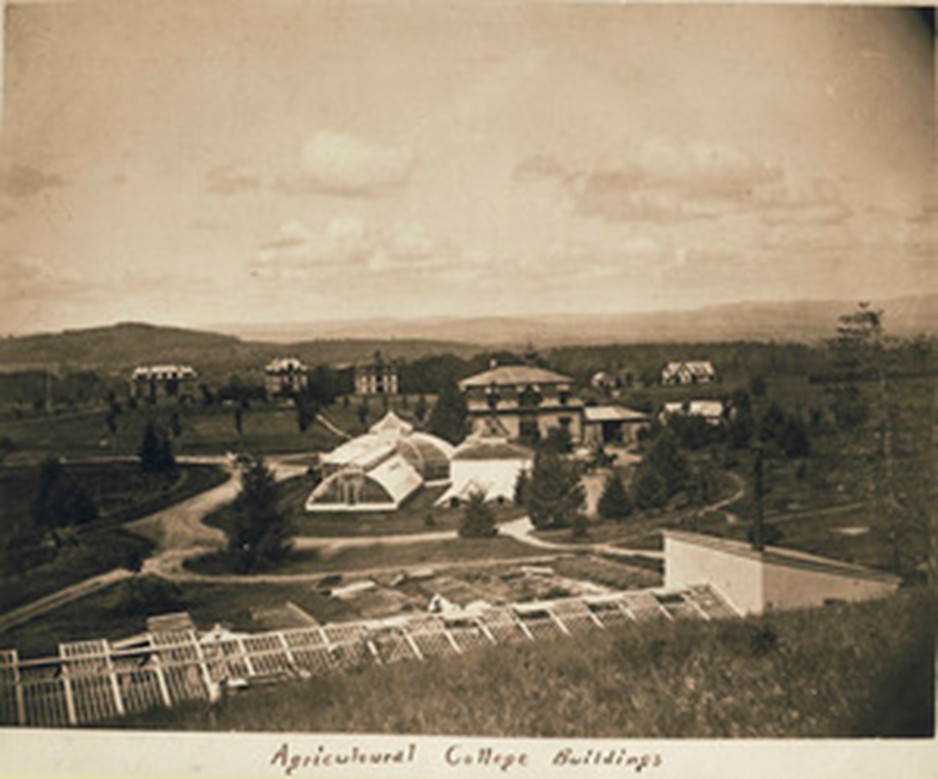
In 1873, Phi Sigma Kappa was founded at Massachusetts Agricultural College—what would later become the University of Massachusetts at Amherst.
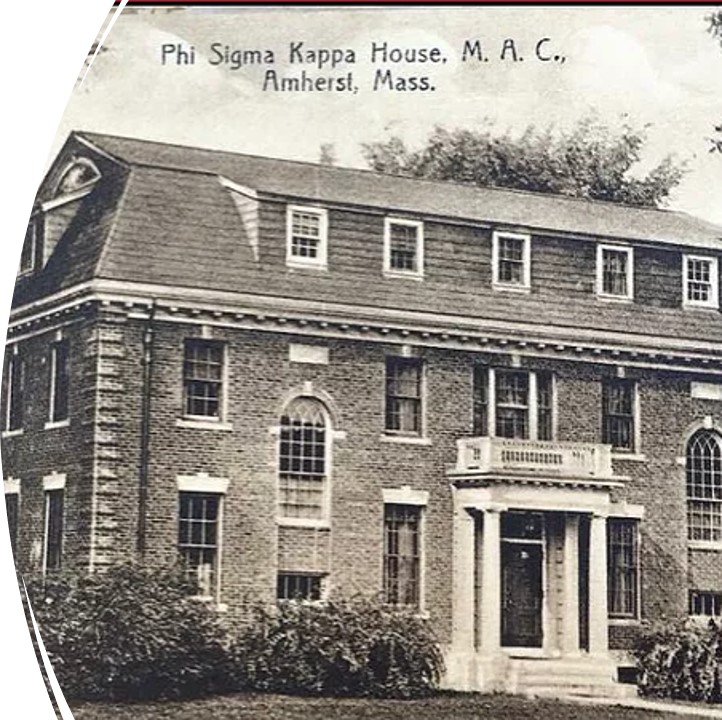
Known as the Alpha Chapter, it stood as the birthplace of a national brotherhood and a proud part of campus life. By 2009, however, the Alpha Chapter faced a crisis: dwindling membership, financial instability, and a deteriorating house that no longer reflected its proud heritage.
This four-part series tells the story of how a group of alumni—men who had once called that house their home—returned to confront the challenges, rally the undergraduates, and chart a path from decline to renewal. It is a story of shock and discovery, but also of pride, purpose, and perseverance.
Part 1: A Fraternity in Crisis
Shock, disappointment, and the choice to step back in.
Part 2: Rebuilding Brotherhood
Recruiting new members, reviving rituals, and restoring accountability.
Part 3: Restoring Pride
Fixing finances, repairing the house, and rebuilding reputation.
Part 4: Sustaining the Legacy
Keeping alumni engaged and ensuring the future of the Alpha Chapter.
| | Part 1: A Fraternity in Crisis | | |
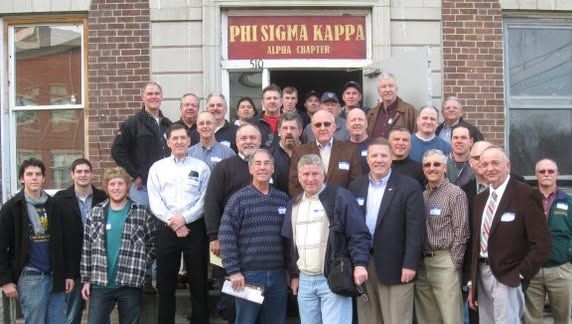
In October of 2009, about 20 University of Massachusetts Alumni from the 1970’s who were members of the fraternity traveled from around the state, New England and the country to meet at the Newman Center Cafeteria in the middle of campus. My Little Brother from the 70’s, Jim McDonough, led the effort.
The reason for the meeting was that the fraternity we had belonged to was facing serious trouble. Low membership, significant debt, and a deteriorating facility were identified as the issues.
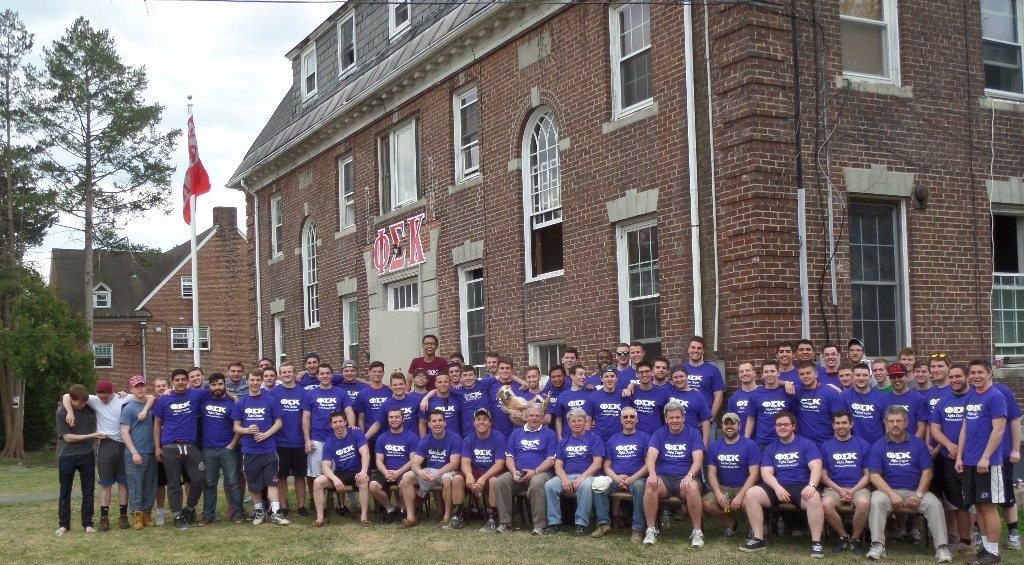
We had coffee and pastries at the Newman Center, reconnected with each other after dozens of years, and then walked over for a tour of the house, only two doors down North Pleasant Street.
| | |
Most of us were in shock at what we found. The Chapter Room was filled with broken furniture, mostly legless couches and a full bar, yes that kind of bar. Back in the day, this room was not exactly sacred but was a special place for members to connect and for weekly meetings.
On the tour, we learned that only 16 men were living in the building that was designed to house thirty people. Trash and dirt were so prevalent that my personal instant reaction was that the town of Amherst didn’t have a health department. Our visit was not a surprise, so we knew that the standards must be very low or the members didn’t give a crap that we were coming. Not sure which it was, but either of them was a reason for concern.
To be fair, we only partially blamed the undergraduates for the disaster. The under resourced House Corporation (owner and landlord), the National Organization (named the Grand Chapter and current deed holder) and the University of Massachusetts all shared the responsibility for the deterioration. But overall, it was the lack of alumni engagement that produced what we found.
| |
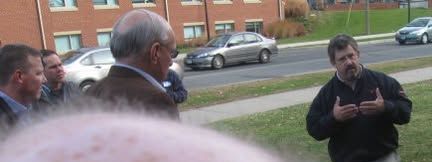
After the tour, on the front lawn, an alumni Brother, Frank Puopolo, gave an impassioned speech about the challenges, the obstacles, and the financial situation, and indicated that in his heart he believed that if more alumni were involved that things would get better and stay better.
When you join a fraternity, they say it is for life, but college kids don’t really have a perspective on that. The alums who traveled to Amherst that day still felt pride at their affiliation with the house and were extremely disappointed in what they found and what they saw.
Most of us hadn’t been back in many years. In my situation, I hadn’t been back in more than 35 years, and while I didn’t feel I had abdicated my responsibility to the fraternity in the time I was away, I was confronted with a decision that day: dive in or walk away.
| |
That evening, we all gathered at the University Club for dinner before attending the basketball game. We discussed just letting the house collapse and starting over, renting it to a sorority and a half-dozen other ideas.
The details are a little fuzzy on the next part of the narrative, and I could be corrected by someone who was there, but as I remember it, I went to the restroom, and when I got back, Jim McDonough said something like: “Ed, we think you are the right person to lead the house out of this mess.”
Many of the guys in the room had voted for me for President when they were undergraduates in 1972 and those same guys remembered something about me that gave them confidence I could do the job.
So, I accepted. I’d been back in Massachusetts for three years, after living out of state for more than 25 years. I hadn’t done any volunteering since my return, which was a sharp contrast to most of my adult life. I accepted the challenge because I had always volunteered for good causes and because I liked the way volunteering made me feel about myself. I needed an outlet for my volunteerism, and it found me.
| |
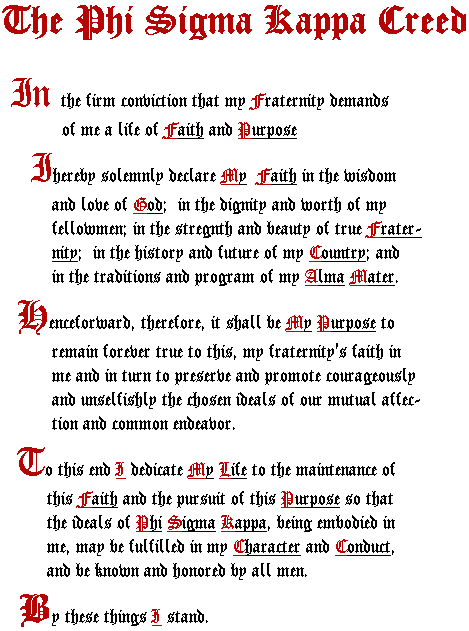
As we walked to the basketball game after dinner, someone challenged someone else to say the Phi Sigma Kappa Creed, which we all had to memorize back in the day in order to be initiated.
I was the most shocked person in the group when I was able to say 80% of it verbatim. Why was I shocked? I hadn’t uttered the words in more than 35 years and still knew them. I realized that night that I had more or less lived my life on the principles of the Creed.
The first line became my theme for involvement: “In the firm conviction that my fraternity demands of me a life of faith and purpose.” Resurrecting my fraternity became my purpose, and it was a strong purpose because the other alums had faith in me.
| |
The three areas of focus were membership, financial stability, and the physical facility. Over the past couple of decades, alumni engagement had been very low and only a few alums had been involved at all in about ten years. Bryan Cohen and Matt Young were fairly young alums, and Frank Puopolo had more experience, but all lived a long way from the house and limited resources. They poured their hearts and time into the role, but it was simply a wave too big to withstand.
The first domino in the demise had actually occurred ten years earlier, when the town had condemned the house and ordered it to be closed. The National fraternity stepped in and loaned money for repairs to keep the place open and took possession of the deed as collateral.
During the initial alumni planning meetings in 2009 we believed the loan was almost paid off, and our first order of business was to get the house ‘back’ in the hands of local leadership by paying off the last couple of loan payments.
However, when we discovered that the Grand Chapter had been paying the property taxes for almost ten years, without communicating that to the local House Corporation, we realized that the debt was not just about paid off, but rather it was $150,000 more than we anticipated.
Because the money to pay off the debt and fix the facilities could only be generated by having more people live in the house, step 1 of the ‘resurrection’ process was generating more members.
It also meant that the first $150,000 generated by increasing rent revenue and by increasing residents would go to the debt instead of repairs and upgrades.
| |
The ‘break even’ point for profitability was 17 residents. Every resident above that generated several thousand dollars that could be put back into the house. It was clear that Job 1 was recruitment to impact finances and facilities.
Chapter meetings were held every Sunday and so, more often than not, that winter I drove the 90 minutes to Amherst to join the undergrads so that I could learn and teach. I could learn about the brothers and the issues and teach them some element of accountability and traditions and rituals.
I had been gone from the world of fraternity so long, that I forgot a lot of the rituals and basic protocols, so I arranged to ‘relearn’ them at the Phi Sigma Kappa Chapter at Worcester Polytechnical Institute (WPI), less than ten miles from my house. Those brothers were welcoming and helpful, some even drove out to UMass one Sunday night to help me to re-establish the correct way to hold a chapter meeting.
| |
These were guys who weren’t even born when I was a Phi Sig, and yet they welcomed me and helped us get the Alpha Chapter back on track.
To say we were on a roll would be overstating things. We still needed to do a lot of things to return the house to a place where the fraternity’s motto of ‘Damn Proud’ applied to the members, the practices, the building, and the reputation of Phi Sig.
Some claim that identifying the problem is half the battle. We’d identified the problem, and we had a rough idea of the causes, but the solution wasn’t as clear. We knew we needed more people to care about more people if the mountain was going to be climbed. We also knew that the alumni were 100% helpless in turning the place around without undergraduates who had the same commitment.
We further knew that many of the members didn’t think there was a problem, so that was another problem.
| |
As the first few months of alumni engagement passed, we began having monthly conference calls to brainstorm solutions, and we distributed a monthly newsletter to keep others informed.
We had incorporated an Alumni Association to formally sustain our efforts, the House Corporation had renewed motivation since others were now involved, and we had an Advisor, me, who was determined to succeed. These three entities were all pushing in the same direction.
Over the years people have asked me why I got involved and my answer was simple: “you get to heaven your way, I’ll get there mine.” But my second sentence in the answer was more practical.
As an undergraduate, Phi Sig changed the trajectory of my life, and I was simply paying it back, or paying it forward. In the Spring of 2010, we were ready to make a major move. What that would be, and how it would be done, was anybody’s guess.
| |
Next Week:
Resurrecting Alpha Chapter: A Phi Sigma Kappa Story
Part 2: Rebuilding Brotherhood
| | Surprise Photo at the End: | | Joe's Positive Post of the Week | | Join the Smart Subscribers | | If you are reading this on a social media platform, click below and you'll automatically receive a 'different' story every week on Wednesday. | | |
The Roll Call of states and countries where readers reside: Arizona, California, Colorado, Connecticut, Delaware, Florida, Georgia, Hawaii, Illinois, Indiana, Iowa, Kansas, Kentucky, Louisiana, Maine, Massachusetts, Michigan, Mississippi, Missouri, Montana, New Hampshire, New Jersey, New Mexico, New York, North Carolina, North Dakota, Ohio, Pennsylvania, Puerto Rico, Rhode Island, South Carolina, South Dakota, Tennessee, Texas, Vermont, Virginia, Washington and Washington DC, Wisconsin plus Canada, Conch Republic, Australia and the United Kingdom.
| | Refer a friend to Sign Up for the Wednesday Weblog | | |
Ed Doherty
774-479-8831
www.ambroselanden.com
ed-doherty@outlook.com
Forgive any typos please.
| | | | | |