A central Ohio grade-school teacher now has a PBS show teaching math to young viewers.


QUOTABLE & NOTABLE

“The link between inadequate child care and economic strain is well-documented but bears repeating due to its substantial impact. A report by the Council for a Strong America reveals that the U.S. loses an estimated $122 billion annually due to child care challenges that affect parents' ability to work effectively. This figure encapsulates lost earnings, diminished productivity, and reduced tax contributions. But the cost is not solely monetary — it also manifests in reduced workplace diversity and stifled professional growth, particularly among women who disproportionately bear the brunt of child care shortages.”

Who:

Bryan Boroughs, Chief Operating Officer and General Counsel, Institute for Child Success

Where:

“Supporting Families, Strengthening Businesses: The Crucial Role of Child Care Support” published in Newsweek


FACT OF THE WEEK

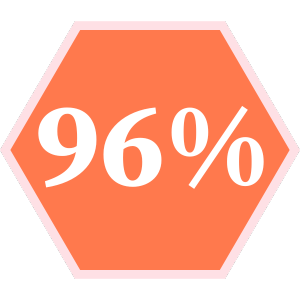
96 percent
 

A recent report to Congress from the Task Force on Maternal Mental Health highlights research that 96% of birthing-age women live in areas with a shortage of mental health care professionals.


POLICY RADAR

Ohio 

Ohio Director of Jobs and Family Services Matt Damschroder testified last week to the Ohio Senate Finance Committee about a set of rule changes the agency intends to propose that would expand eligibility for Ohio’s Supplemental Nutrition Assistance Program (SNAP) to 200% of FPL. As participants approach that threshold, benefits would decrease, thus alleviating the stark “benefits cliff” effect that disincentivizes participants from earning more and losing their public benefit. Current eligibility is at or below 130% of FPL. The proposed change is estimated to help support an additional 60,000 Ohioans.

Federal 

The U.S. Department of Health and Human Services’ Task Force on Maternal Mental Health recently submitted a report to Congress outlining five pillars to address maternal mental health in the United States. Newsweek summarizes the report, which calls for universal child care (via tax credits and child care subsidies), a universal federal income for post-partum mothers, a requirement that states offer six months of paid family and medical leave, and requiring that states expand Medicaid coverage to 60 days after pregnancy. The report also outlines the need for mental health and substance abuse care to be integrated into pre-and post-natal care settings.


EVENTS & HAPPENINGS

The Campaign for Grade-Level Reading is hosting a webinar on Tuesday, June 4 titled “The ‘Sturdy Bridge’: Ensuring a Seamless Transition into Kindergarten.”


WHAT WE'RE READING

An op-ed written by one Ohio child care administrator describes the rising costs of providing quality care for young children and how Ohio’s reimbursement rates to providers — even the recently increased ones — don't cover the true cost of care, especially accounting for inflation.

The Frameworks Institute, a non-profit research organization focused on communications strategy and messaging, offers a fascinating and important report on how people view care work broadly in America, including child care. Based on findings from in-depth interviews and surveys, researchers found common themes, such as the belief that care work is essential but exists “outside of the economy” (that is, it is not seen as a productive economic activity in itself) or that caring for one’s family offers its own non-monetary rewards (downplaying the need to properly incentivize and financially reward care work). To better support care workers and invest in care industries, it is imperative to understand these cultural attitudes.

A recent survey conducted by Teaching Strategies found that 39% of early learning teachers were “not familiar at all” with the science of reading and only 28% feel “very prepared” to teach early literacy. When asked what would promote preparedness in teaching early literacy, 35% of teachers surveyed stated smaller class sizes would help and 34% reported needing more educator materials and guides. For 91% of respondents, caregiver engagement was seen as critical for teaching early literacy in young students. The survey also found an increase in early learning teachers who are considering leaving the field in the next five years (22% in 2022; 26% in 2024). Teachers cited mental health, lack of benefits, and low pay as top reasons for wanting to exit the field.


RESEARCH ROUNDUP

A new study from Ohio State’s College of Social Work investigated the impact of pandemic-related family stress and child mental health. Survey participants included 259 parents experiencing economic hardship and at least one child under 12. Parents were surveyed at two different time points in the early weeks of the COVID-19 pandemic. They were asked about financial insecurity, partner relationship dynamics, depressive symptoms, harsh parenting practices, and child behavior. Results showed a direct link between financial stress leading to conflict with partners, and parental depressive symptoms. These factors in turn led to harsher parenting practices and children displaying behavior like crying and loneliness. Dr. Joyce Lee, lead study author, states, “There are these cascading effects that begin with pandemic-initiated economic difficulties that all trickle down to children’s mental health. ... We need a better social safety net to catch these parents early on before the economic pressures lead to these negative consequences.”

This edition was written by Jamie O’Leary and Janelle Williamson.

If you like this newsletter, forward to a friend! Subscribe here.


crane.osu.edu

X  LinkedIn