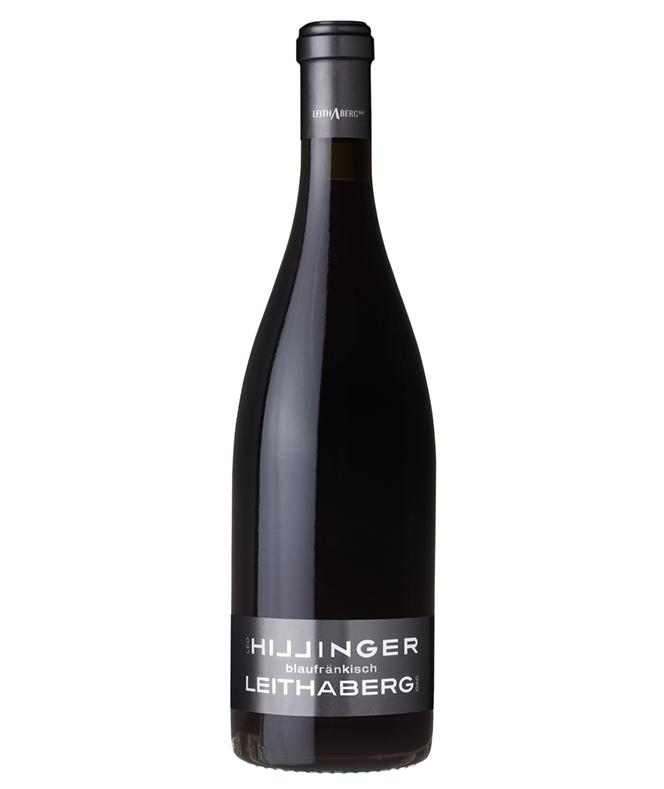
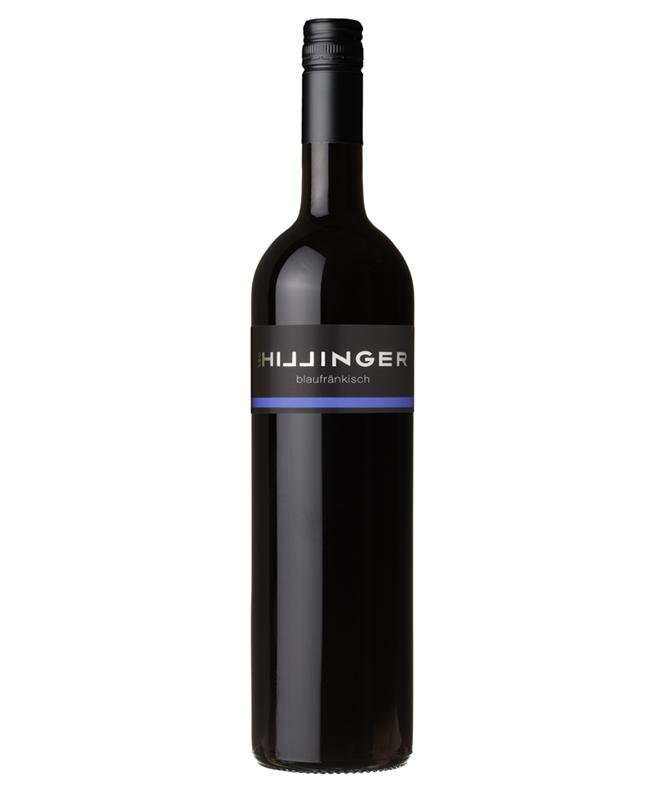
The Blaufränkisch Leithaberg DAC is a strong ruby red with a dark core.
Pure cherries, blackberries, graphite, licorice, and herbal spice on the nose. Fresh cherry fruit on the pallet, rigid structure, playful, yet straight-forward.
A wine with elegant tannins carried by its acidity. Dark berries and spices dominate the palate.
|
|
|
"The exquisite freshness of tart, red cherry mingles with the perfume of cinnamon-sprinkled blueberries. The palate then presents wonderfully ripe but tart fruits of the forest, again with that lovely cinnamon inflection. The body is sinuous, slender but firm. The finish is gloriously spicy. A very elegant wine." $39
|
|
Leithaberg DAC, the Leitha Range
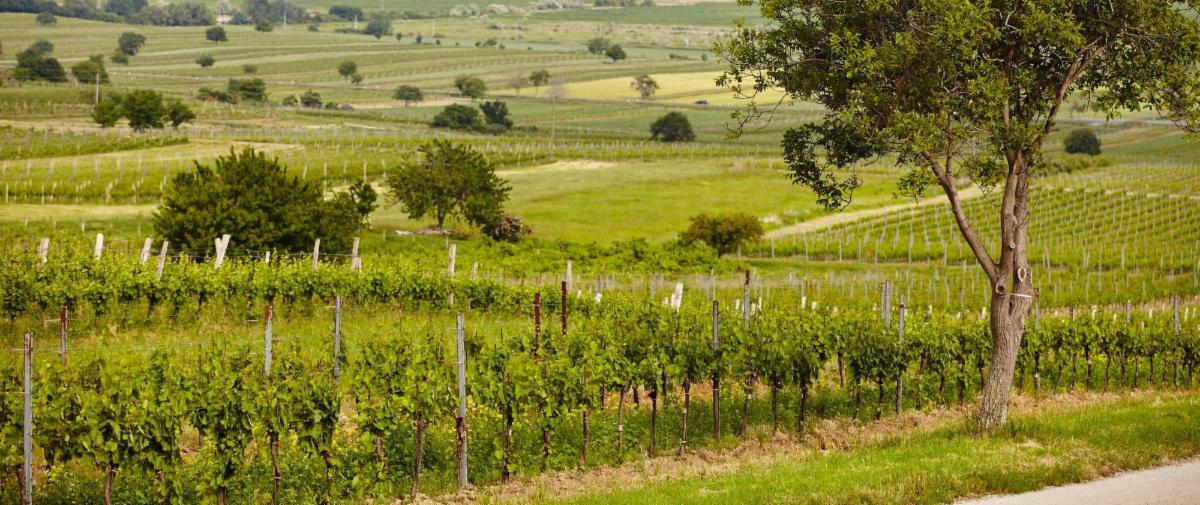
The Leitha Range consists of about 3,100 hectares on the western shores of Lake Neusiedl in the North Burgenland. Findings of grape pips as burial objects in a Celtic tumulus from the 8th century before Christ represent the oldest evidence of winegrowing in Middle Europe in this region. It’s dominated by a very wide range of different grape varieties. The principal varieties are Weissburgunder (Pinot Blanc), Chardonnay, and Blaufränkisch.
The soils of the Leitha Range are rich and are formed out of layers of acidic crystalline schist and gneiss. These emerge through carbonate-rich layers so it’s all about schist, chalk, and shell limestone. The Leithaberg DAC wines are influenced by the Leithagebirge and Lake Neusiedl alike. Warm winds of the lake favor the important ripeness. The mountains induce nightly temperature drops and thus fruitiness, freshness, finesse, and longevity. This gives the distinctive style of minerality to the wines. Especially the Leithaberg DAC wines do have this profile in common and are only allowed to come from a legally defined viticultural area.
Leithaberg DAC white wines may be only produced using the varieties Weissburgunder (Pinot Blanc), Chardonnay, Neuburger, and Grüner Veltliner, either as a monovarietal or as a blend of any of these varieties. Red Leithaberg DAC is produced using Blaufränkisch as the principal grape variety, yet the blend may contain up to fifteen percent of Zweigelt, Sankt Laurent, or Pinot Noir. Using traditional production methods, they mature in wooden barrels, yet flavors derived from oak should remain in the background and only emphasize the character, elegance, and power, also preserving the region-typical wine style which combines terroir-influenced spiciness, minerality, fruit with freshness with elegance typical for the varieties in this area. The wines labeled as Leithaberg DAC display consistent mineral-driven characteristics, tension, and vivacity, and are tightly knit and multi-layered. They are on the Reserve level, with declared alcohol levels of 12.5% to 13.5% by volume.
|
|
|
|
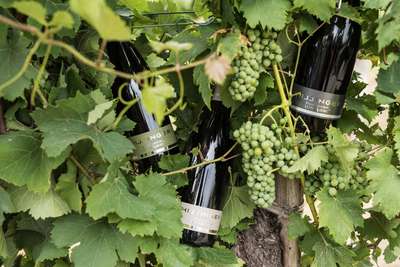
The best locations in Northern Burgenland create wines that proudly display their origins.
|
|
|
|
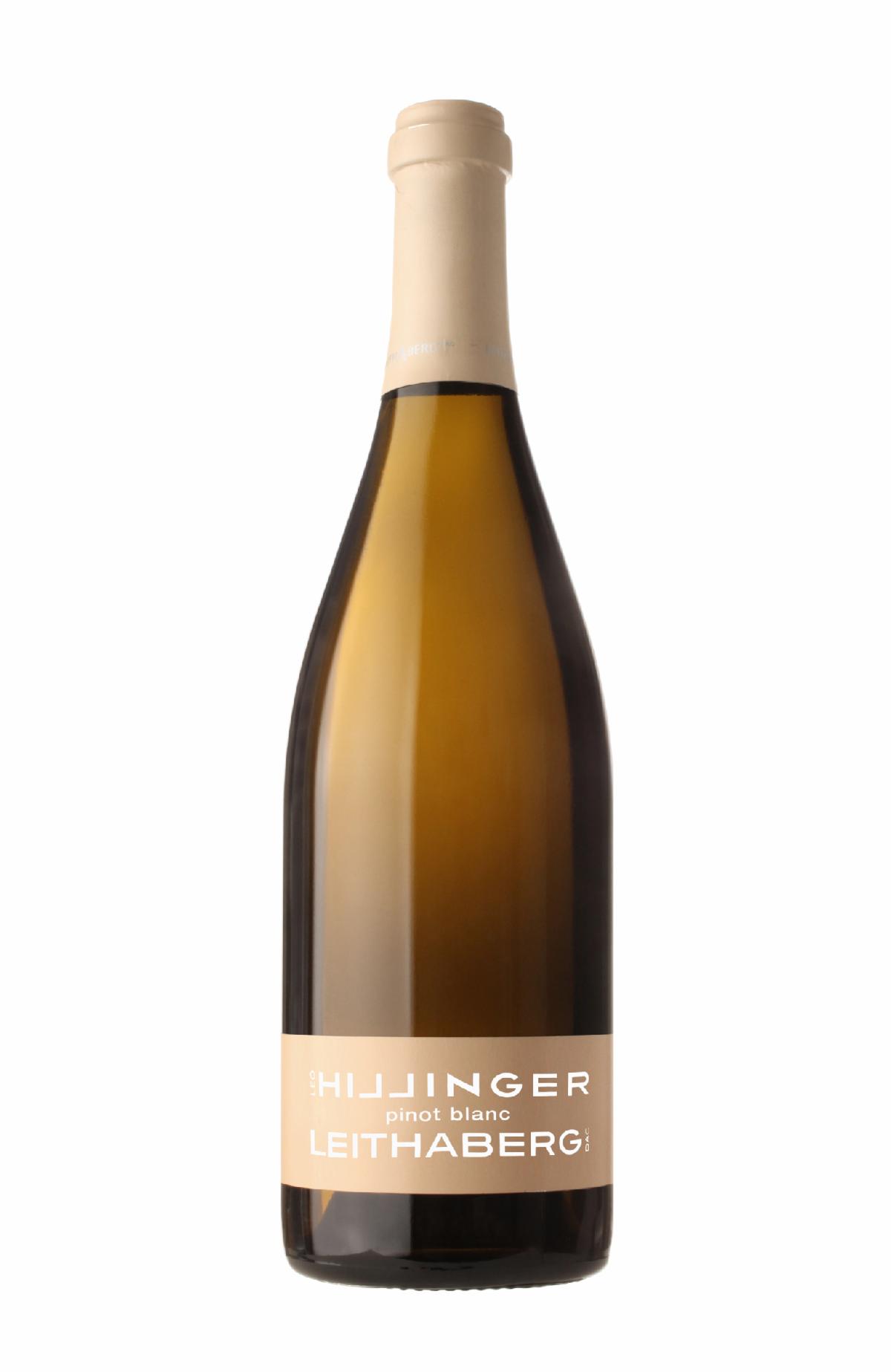
Most subtle hazelnut notes envelop smoke and creaminess on the nose. The balanced palate is rounder than expected with a mellow stone fruit juiciness that sits well with the subtle smokiness that speaks of well-handled oak. A lovely texture completes this subtle, rounded and mellow yet fresh wine. KWSelection.com.
— A.K. abv: 12.5% Price: $39
|
|
|
|
POINTS
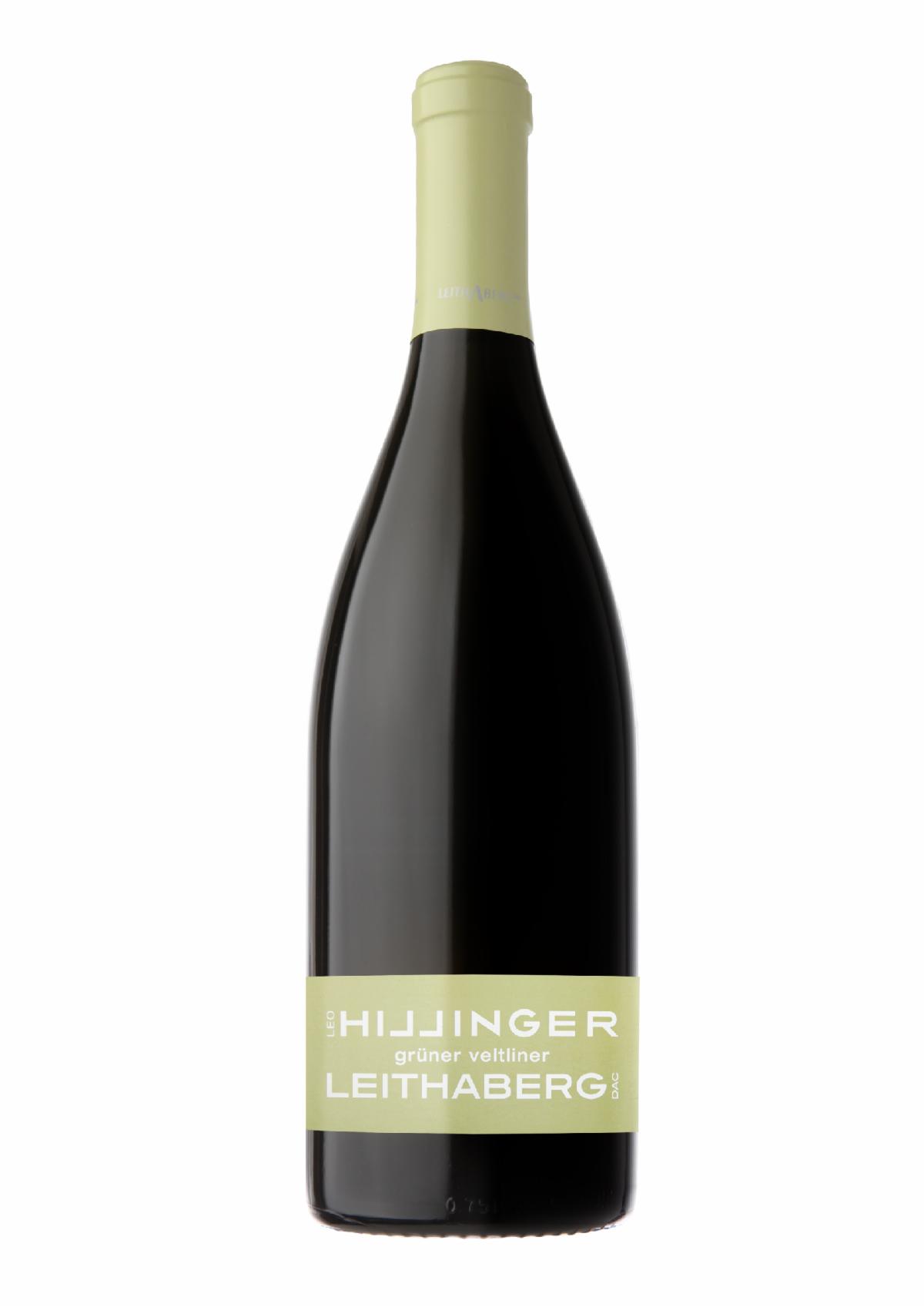
Mossy freshness and gentle hazelnut make for an appetizing nose. It is on the palate that very aromatic fruit appears, almost akin to apricot on this rounded, mellow but fresh wine that finishes with almost tropical overtones of passion fruit. KWSelection.com.
— A.K. abv: 13.5% Price: $39
|
|
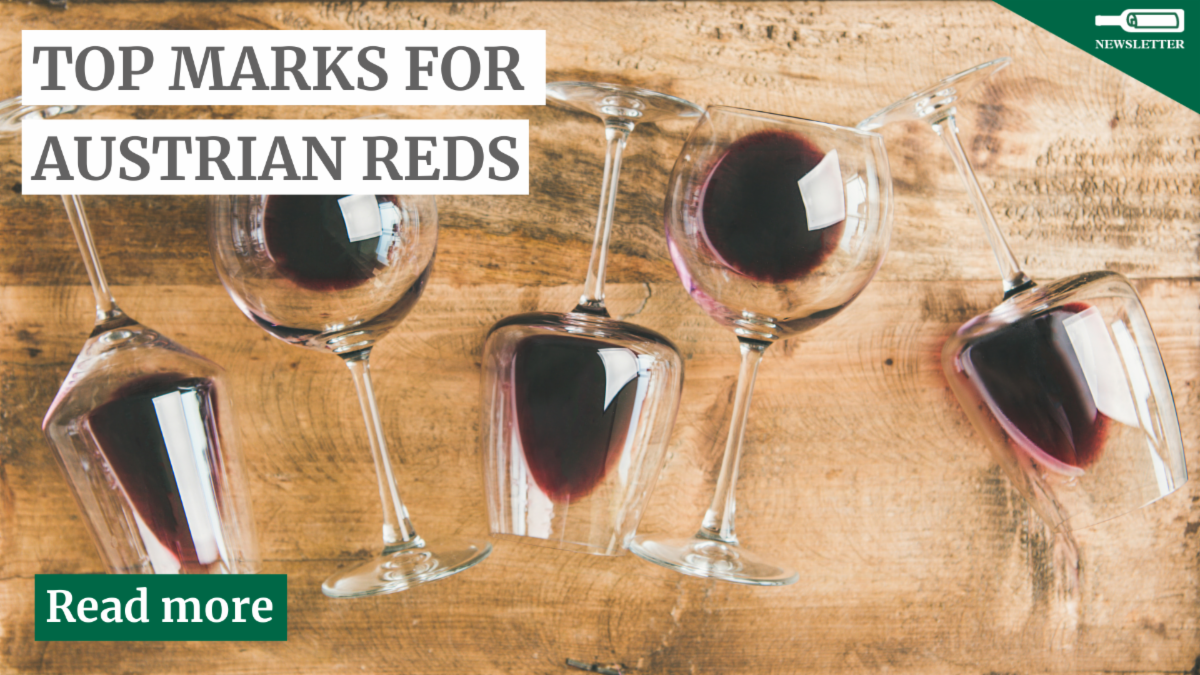
There’s definitely something going on in Austria: although the small wine-producing land in the heart of Europe is still regarded as white wine country (67% of the area under vines is planted to white varieties), Austria’s distinctive red wines have also been articulating their position more and more clearly in recent years, right alongside Grüner Veltliner & Co. It is primarily Austria’s indigenous grape varieties that are attracting remarkable attention on the international stage – the sort of wines that make a country or a region irreplaceable and represent a unique opportunity for consumers.
Blaufränkisch is currently creating the greatest sensation among international experts. Lead taster for Austria Aleks Zecevic focuses on this grape variety in his article “Bettering Blaufränkisch” for the highly respected consumer magazine Wine Spectator. Zecevic even awarded 94 points to a 2017 Blaufränkisch from the winegrowing region Carnuntum, the highest rating that an Austrian red wine has ever achieved in Wine Spectator.
AUSTRIA’S THE GOLD STANDARD
Although the grape variety is also planted in southern Germany (as Lemberger) and Hungary (as Kékfrankos), the quality and character of Blaufränkisch from Austria make it the gold standard. Often compared with Pinot Noir, Nebbiolo and Syrah, writes Zecevic, its floral and dark berry aromas pair with a unique mineral expression to make Austria’s second-most-widely-planted red wine variety totally distinctive.
Zecevic concludes his enthusiastic evaluation with some good advice: “If you haven't explored the distinctive reds of Austria yet, now is the time to start.”
|
|
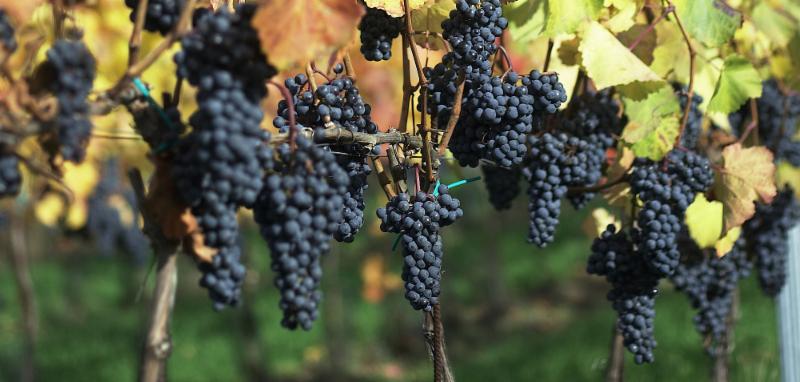
is a thoroughly central European variety. This traditional Austrian variety is a cross between Blauer Zimmettraube and Weißer Heunisch (Gouais blanc). Blaufränkisch was previously widely-planted throughout the Habsburg Monarchy and is one of the most important varieties in Burgenland, the dedication of three DACs to this variety shows the importance as well. The first mentioning of this variety has been in the 18th century, however already during the middle ages, “Fränkisch” varieties named by Charlemagne the Great have been existing. At that time, in what was then Germany, it had the name of Lemberger or Limberger, which was derived from the town of Limberg – today Maissau – in Niederösterreich. In Hungary known as Kékfrankos. In the Czech Republic, the grape is known as Frankovka. DNA Analyses are showing, the most likely origin is in South Styria, today Slovenia, in the village of Lemberg. Today Blaufränkisch is planted across the globe from Japan, the United States (Washington State), and Australia to Germany, Hungary, and Austria.
There are about 3.000 hectares for Blaufränkisch planted in Austria, by far the biggest portion is planted in Burgenland due to the warmer climate and the guaranteed ripeness of the late-ripening grape. The variety is highly demanding in the vineyard. Early budding can cause coulure easily if the weather is cool during the flowering period and the soil needs to be able to store the warmth throughout the day and release it again during nighttime. It’s a dark-skinned variety with lots of tannin and higher acidity levels. The variety has got an affinity to oak as well and can transport the sense of place. Powdery and downy mildew are the biggest threats.
The typical palate shows deep wood berry, blackberries, red currant, or cherry tones, supported by lively acidity and black pepper spice. On higher quality levels, like on Leithaberg DAC, the wines show a dense structure and full but ripe tannins. The wines are often impetuous in their youth, but they have got potential to age and develop over time a velvety appeal underlined by tertiary aromas of earthiness always showing spice in the finish. The best food pairings are with lamb and grilled meat.
|
|
"Plum and black cherry notes create an appetizing and aromatic nose. Their fruitiness also characterises the juicy, vivacious palate where both freshness and hints of cinnamon set attractive accents. It is the plum that takes over on the fresh, smooth finish."
|
|
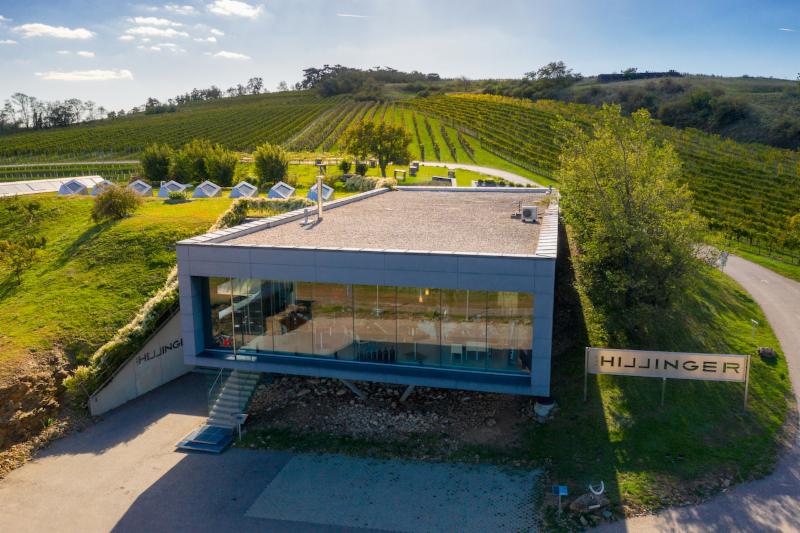
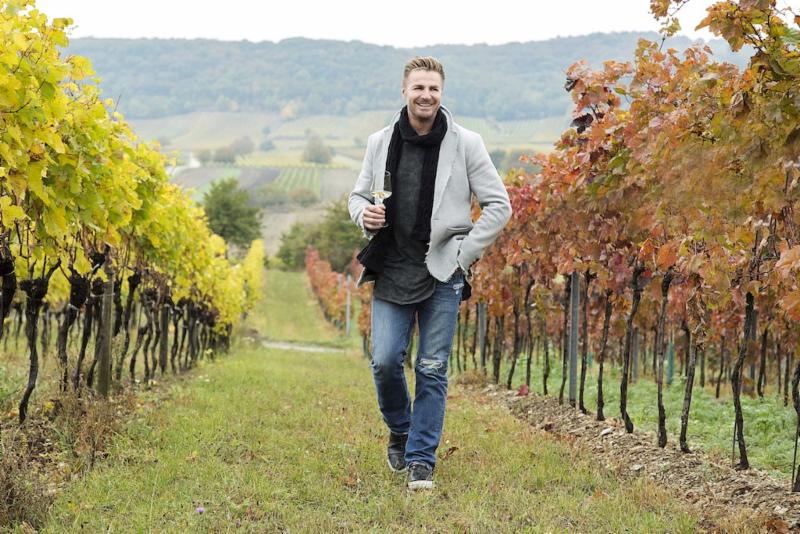
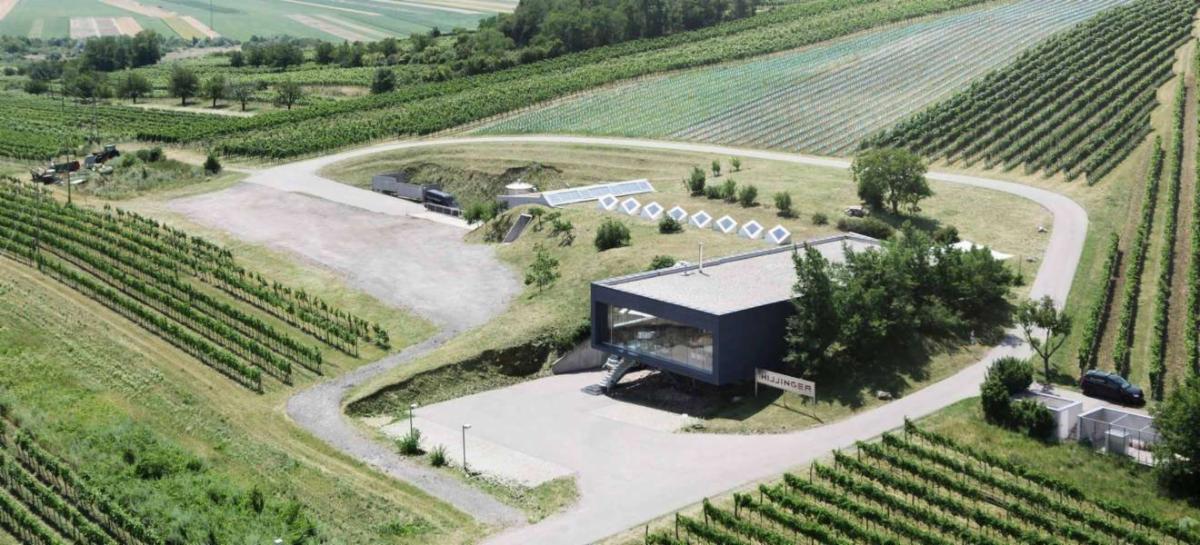
With a cultivated area of 222 acres in Austria, the Hillinger winery is one of the major wine producers in the top-quality segment in Austria. Since Leo Hillinger took over his father’s small wine business in 1990, he has been developing operations through intelligent structural reforms and acquisitions of good locations around Jois and Rust to produce and make a model Austrian company. His passionate commitment has been rewarded in many respects. The estate now covers vineyards in Rust, Oggau and Jois.
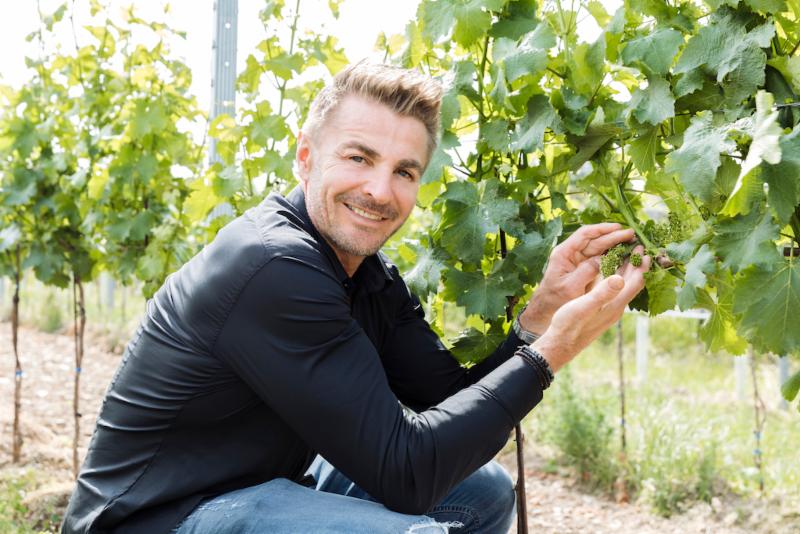
"More than wine" means that Leo Hillinger doesn't just fill his bottles with top wines, but also his outlook on life, or as he likes to describe it, "his heart and soul". And it's filled with joy, passion, energy, pain and not least of all, strict consistency! But "more than wine" means so much more for Leo Hillinger and his team, which reinforces the company's motto even more. It stands for innovation, development, creativity, belief, intention & lust life in the most diverse areas. Starting with sport, ranging through to events, cuisine and much more!
The nation of Austria honored Leo HILLINGER in 2016 with the title Councillor of Commerce. This professional title stands not only for successful business management, but above all for efforts to benefit the general public. Leo HILLINGER received it for his services to the Austrian republic and for his commitment ‘with passion’.
Latest wine scores in International Magazines:
2016 Pinot Blanc Leithaberg - Wine Enthusiast 94 points
2017 Pinot Blanc Leithaberg - Wine Enthusiast 93 points
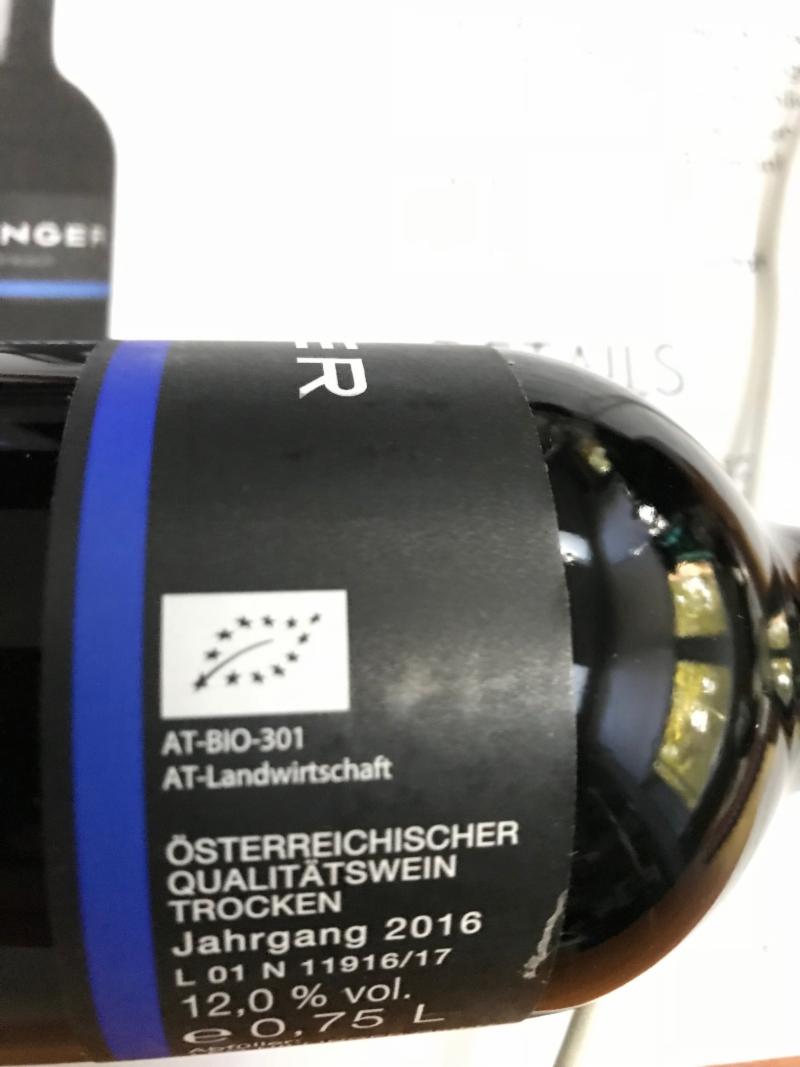
2016 Blaufränkisch Leithaberg - Wine Enthusiast 94 points
|
|
For The Latest Wine News, Follow Us on Social Media |
|
3 wines also listed in the printed issue with labels
|
|
|
|
|
|
|
|
|