|
Decolonizing assessment in Puerto Rico:
Collaborative opportunities for the psychological evaluation
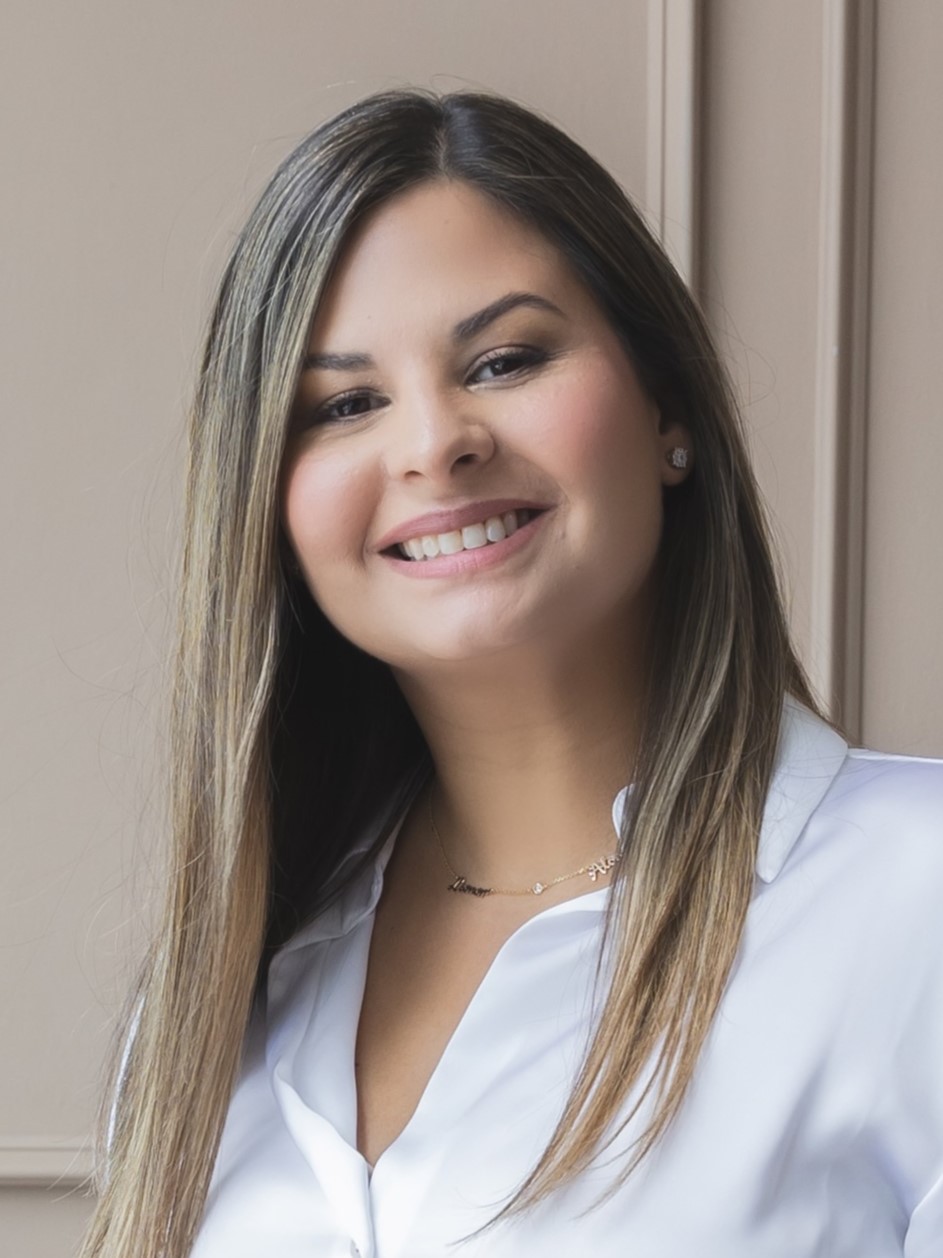
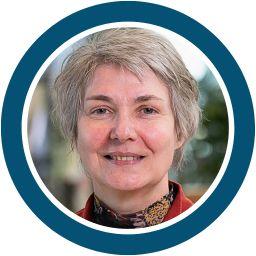
By Frances Ruiz Alfaro, Taos Associate
| | |
As a clinical psychologist and professor in Puerto Rico, I’ve had the opportunity to supervise graduate students in their development as future therapists. Throughout their courses, and clinical training, they’ve gradually become critical and reflective thinkers and practitioners. However, in the context of assessments, I have found that students often revert to conventional roles and seem easily persuaded by the dominant positivist attitudes prevalent in assessment psychology.
As a United States colony, Puerto Rican psychological institutions are embedded in imperialistic and paternalistic attitudes toward non-WEIRD (White, Educated, Industrialized, Rich, and Democratic) populations. A collaborative approach to assessment must deeply engage with critical psychology and an in-depth understanding of Puerto Rican culture and worldviews. This perspective will allow multi-beings to emerge through relational interactions that provide contextual understanding and interpretation of numeric results, while resisting deficit-based narratives that sustain a traditional and singular view of the person. Through the problematization of diagnostic terminology to describe a person and fostering curiosity to provide multiple and alternate meanings, this approach disrupts colonial dynamics in assessment, creating a space that allows for voices and stories that have historically been silenced.
| |
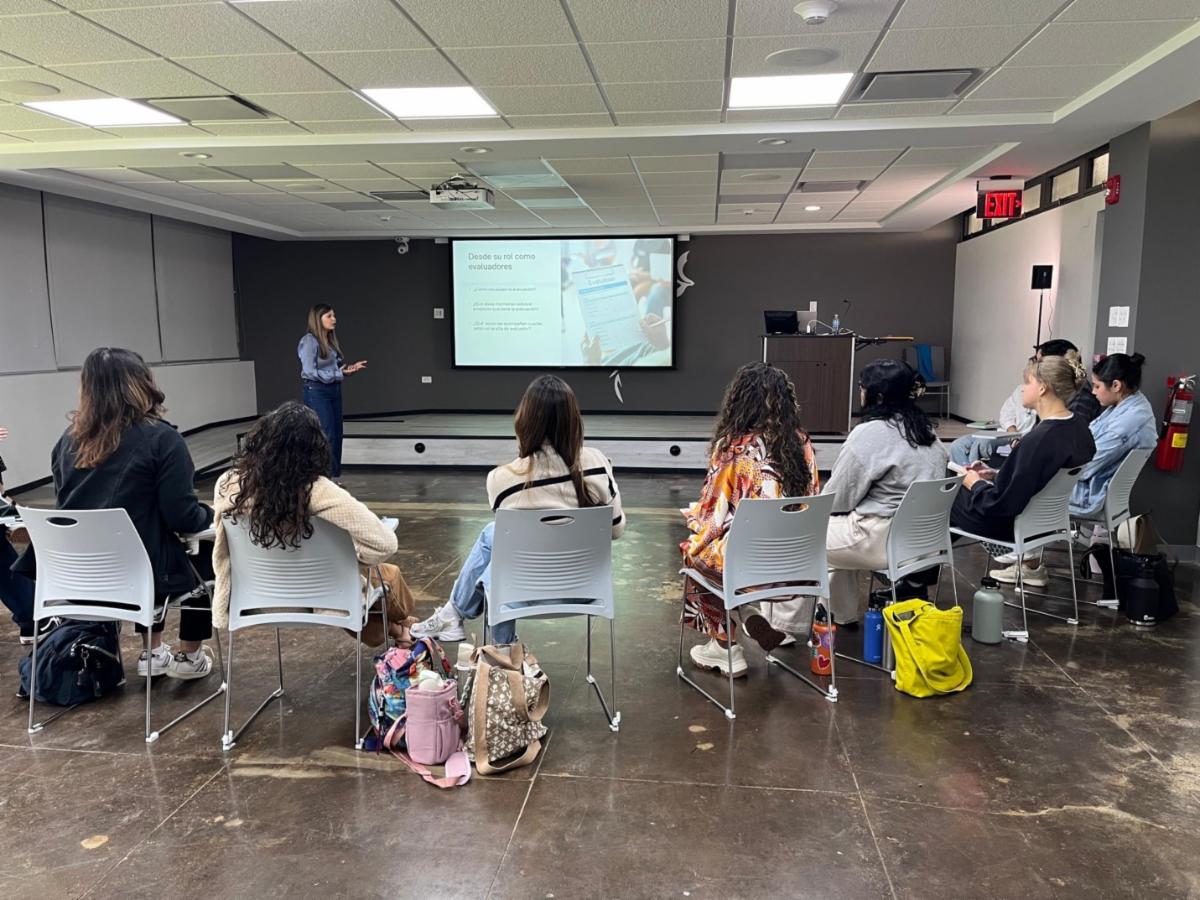
Through a Taos Associate Grant (TAG), I was able to design a 6-hour workshop for 10 to 15 clinical psychology students that included discussions and various group activities that promote a collaborative approach for psychological assessment. To my surprise, in a few hours after announcing the workshop, the 15 spaces were filled, and a waiting list was created by students and even faculty interested in participating in the workshop. Recognizing the importance of fostering a space that cultivates ideas and dialogue, I decided to keep this workshop as originally intended, just for students. Having a small group was important to design and carry out activities that allowed for a co-creation of relational possibilities that break away from the deficit discourse that traditionally characterizes assessment practices.
Throughout the workshop, I witnessed the emergence of critical reflections, questioning of positivistic assessments, and the emergence of novel ideas, fostering a collaborative and ethically generative approach to assessment. Discussions included questioning traditional statements from referrals, as well as reimagining data gathering strategies that provide context to assessment findings and analysis. Our dialogue included specific ideas and practices that allow for a relational approach to the writing and discussion of the assessment report. Challenging traditional individualistic ideas of assessment, this approach recognized both the evaluator and the person being assessed as multi-beings.
After the workshop encounter, we gathered to discuss ideas that we took away from this experience. Several students shared these in a “Statement of opportunity”, a short video that tried to convey the thoughts, reflections, and dialogue produced in our encounter. To keep the discussion alive, we invite you to hear these final expressions on what generative practices in assessment some attendees were planning to implement in their future in this short video.
| | |
Self-Paced Course, Start Anytime
Provocative, unsettling, liberating, inspiring…all have been applied to the dialogues on the social construction of knowledge. The ideas have swept across the academic world and into personal and professional life. For many, they contain the ingredients for a promising life together on this planet.
We are pleased to introduce the Taos Institute's first online self-paced course! In six modules, each with 3 short videos and questions for reflection, Ken Gergen introduces basic premises of social constructionist theory and how they apply to professional practices in all domains as well as everyday life. More details here.
| |
Includes six modules with videos by Taos Institute Co-founder & President Ken Gergen! | | |
With Sandra Kensen, The Netherlands
September 17, 11:00am-12:30pm EST
Join Sandra Kensen for an inspiring conversation exploring the practice of co-creation between governments and their communities—grounded in appreciative approaches, social construction, and dialogue. Drawing from her work with several local governments in the Netherlands, Sandra will share compelling real-life examples, including both inspiring collaborations and challenging power dynamics. She will reflect on key interventions, the dynamics they provoked, and the growing challenges of authoritarian tendencies, ongoing protest movements, and post-process tensions. This session invites participants to reflect on their own experiences with democratic practice and offers insight into how we can move forward—together. More details.
| |
| |
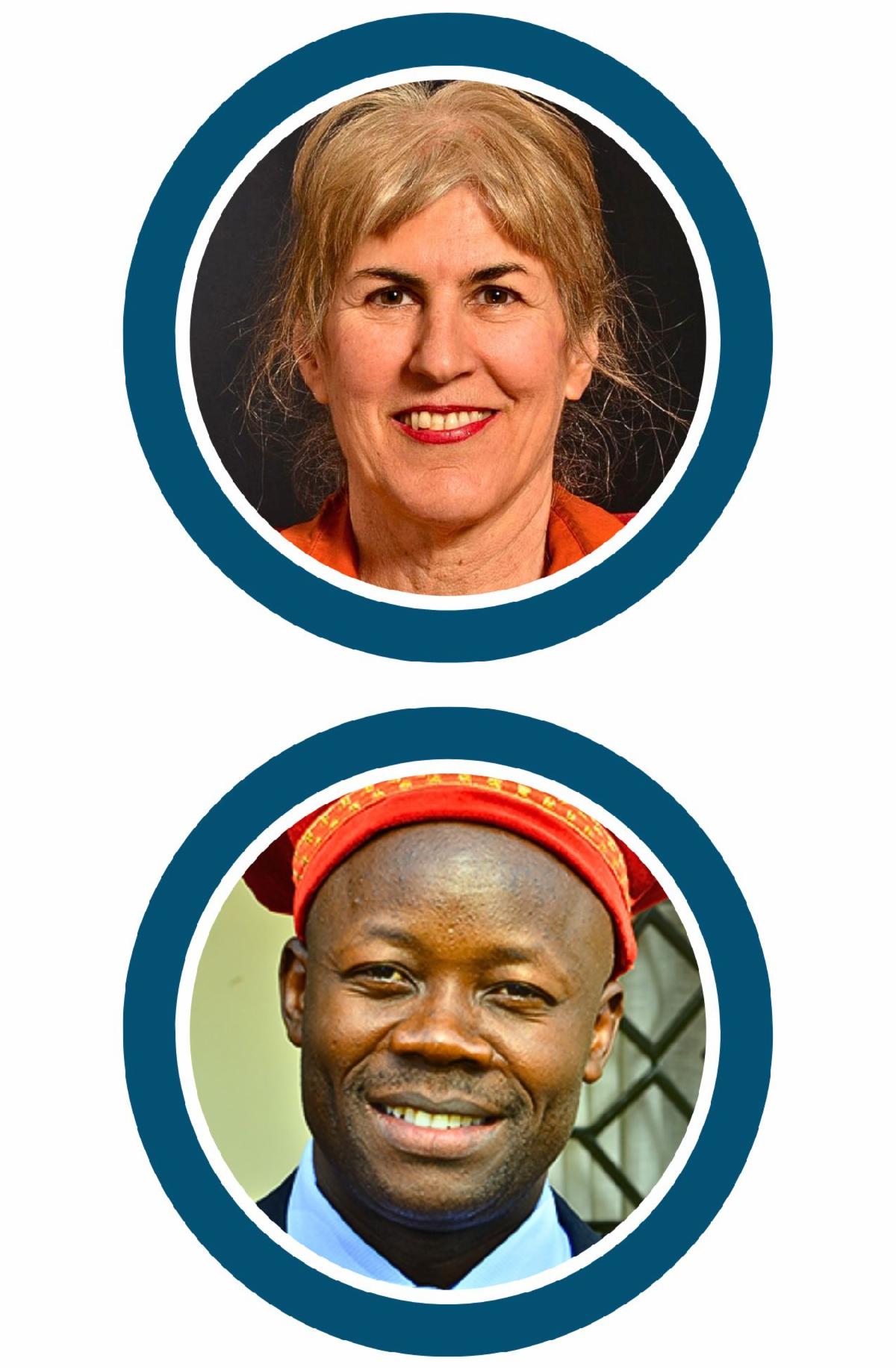
With Norma Romm and Francis Akena Adyanga, South Africa and Uganda
October 8, 10:00-11:30am EST
As professional researchers, Norma and Francis have worked alongside research participants with the intent that fruitful constructions can be dialogically generated via the research process. They will share two examples from their work in Northern Uganda to indicate how research participants can participate in reconstructing ways of living together in relation to their expressed concerns. The first effort was to intervene in peace-building between farmers and pastoralists in the context of land disputes. The second context was about a community engaging in dialogue with foreign-owned companies to re-construct the notion of “development”. Finally, Francis and Norma will point to research in South Africa exploring Indigenous practices for advocating food sovereignty (as a counterpoint to globally dominant narratives around “food security”). More details.
| | |
Dialogue with the Author
With Susan Riva, Switzerland
October 24, 12:00-1:30pm EST
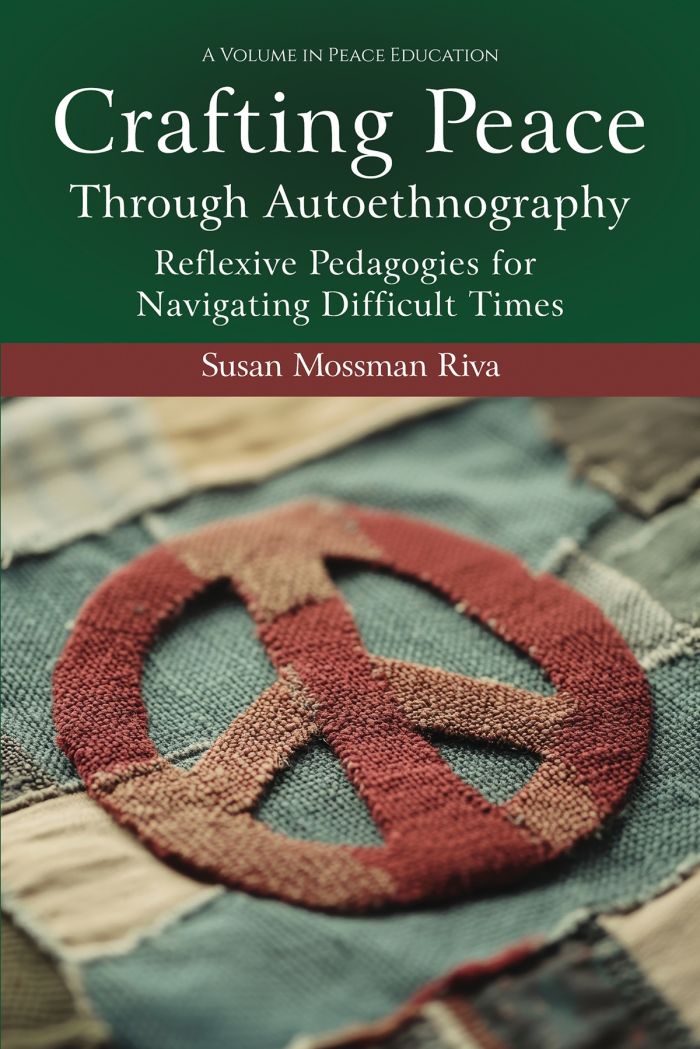
In this book, the author offers a reflective framework for navigating complexity in higher education. She introduces the Transformational Learning Model and features students’ Transformagram Portfolios—creative, personal expressions of their transformative learning journeys. She also shares how her conflict resolution course uses personal conflict narratives to connect lived experience with theoretical frameworks. Students craft story mandalas and engage with autoethnography as a social science method, deepening their understanding of conflict, identity, and personal transformation. In another one of her courses on complementary and alternative medicine, Susan explores traditional healing practices through illness narratives. Students’ artistic representations of conflict and illness showcase the power of story in healing and transformation. By viewing personal and societal challenges through an interconnected, holistic lens, students discover how storytelling can serve as a bridge between peacemaking, healing, and constructive social change. More details.
| |
| *You will be prompted to join, or sign in to, the free Taos Institute Commons online community to access these events. | | | |
Join with over 2600 members from around the world in the Taos Institute Commons online community (free) as we explore social constructionist, relational, and appreciative theory and practices. You will instantly get access to free webinars, free books, event replays, announcements, workshops and courses, special interest and language groups, and meaningful connections with others interested in creating more promising futures, one conversation at a time.
Join in the Taos Institute Commons — it's free, quick and easy, to become a part of our global family!
| | | |
TIE is a center of gravity for researchers, practitioners and other like-minded people in Europe, who challenge the known and frozen paradigms of understanding, to build a better world for tomorrow. You are invited to contribute to its new Embodied Constructionist Anecdotes blog. What anecdote would you like to share about a lived, embodied, and meaningful constructionist experience? Visit the TIE group in the Taos Institute Commons online community (free) to learn more.
| | |
TILAC serves as a regional and language hub to strengthen networks of cooperation and support among Spanish- and Portuguese-speakers; share and validate the unique knowledge and practices emerging from these regions; and contribute to the promotion of social constructionist thought. Join the Spanish or Portuguese group in the Commons (free), follow TILAC on Facebook or email tilac@taosinstitute.net.
| | |
The mission of TIJ is to build a network of collaboration and support led by Taos Institute Associates in Japan; to create a forum for dialogue centered on theory, to gather interesting cultural practices in Japan, and to disseminate them both domestically and internationally; and to contribute to the dissemination of social constructionist theory by translating foreign literature and organizing seminars. In addition to their Facebook page, you are invited to join the new Taos Institute Japan group in the Commons, and the TIJ Festival, October 25-26, 2025!
| | |
The RRN is a global initiative to explore, share, learn, and create practices and processes for doing research from a relational perspective. Online presentations featuring relational research projects will continue through the spring. Visit the Relational Research Network group in the Commons (free) for announcements. You may also explore their video series.
| | |
Taos Associates represent a network of more than 850 scholars and practitioners around the world, who have demonstrated exceptional talents, research, practices, and dedication relevant to the Taos Institute’s mission. You can find Taos Associates in your area on our website.
| | |
The ICCP Network, co-hosted by The Houston Galveston Institute and The Taos Institute, is an interdisciplinary program that provides an intensive, in-depth study of postmodern-social construction-relational theory and the possibilities for personal, organizational, and social transformation. ICCP partners with organizations in 15 countries and regularly host multilingual workshops. SAVE THE DATE for the International Conference on Collaborative-Dialogic Practices, June 24-27, 2026, Bratislava, Slovakia. Visit the ICCP website for details.
| | |
Relational Construction for System Designers:
Designing Better Social Worlds
October 11, 2025, 9:00-10:30am EST
The annual Relating Systems Thinking and Design Symposium (RDS14) has become the go-to gathering for actionable insights, applicable methods, and direction-setting ideas, offering rigorous, transdisciplinary sessions led by researchers and practitioners generating arcs of impact across multi-scale, multi-actor systems. As part of the CMM Institute's takeover of RSDX Online, this online workshop with Sheila McNamee and Celiane Camargo-Borges introduces the Constructionist-Design Framework, an approach that blends social constructionist philosophy with design thinking principles. Instead of focusing on discovery, this framework emphasizes creativity, innovation, and future-forming action. This session is one of a four-part series of CMM-informed sessions that cover topics ranging from co-constructing democracy to designing for inclusivity. More details.
| | |
Book Release Party for
A Developmentalist's Guide to Better Mental Health
October 10, 2025, 7:15-8:30pm EST
This book grows out of Lois Holzman's lifelong passion for development as a creative, social activity. Through letters and responses on dilemmas we all face—trauma, family, uncertainty, work—Lois shares how we can turn muddles into developmental journeys. Her hope is that it will be both a resource for practitioners and an invitation to anyone interested in creating new possibilities for living and relating. Raise a glass with friends and colleagues near and far to celebrate this book release. RSVP here.
| | |
Performing The World 2025
November 13-16, 2025
What does creating and organizing power look like? Sound like? How is it created? How does it move? How does it dance? How does it sing? What ideas, emotions, relationships does it generate? How is the mess impacting the nature and tone of our creativity? How is our creativity and power impacting on the mess? These are some of the questions we want to explore together, not abstractly, but with those from far-flung communities of activists, artists, educators, therapists and play revolutionaries. Performing The World 2025 is starting to take shape. In this short video, co-convener Dan Friedman shares the names and stories of presenters already confirmed— from Kenya to Nigeria, Greece to Israel-Palestine. Watch now and see the beginnings of this global gathering come alive. Details.
| | |
November 21, 10:00am-1:30pm EST
This workshop addresses the real effects of working with distraught, suffering, and traumatized individuals. Explore new understandings and practices to sustain yourself while protecting the integrity and hope within your work. This 3.5-hour workshop will explore burnout, compassion fatigue, empathic strain, secondary stress, and moral injury, with a focus on their unique effects in high-stakes helping environments. Drawing on examples from advanced illness care and other emotionally intense practice settings, we will explore how these challenges impact clinicians’ sense of purpose, connection, and hope. Participants will examine practical, ethical, and organizational strategies to protect empathy and rebuild a sense of professional meaning for themselves and their clients. Details.
| | One way the Taos Institute carries out its mission to create brighter futures through social construction is by creating and disseminating a wide variety of resources for scholars, practitioners, and students interested in dialogic and relational approaches. These free resources span many disciplines and languages. To suggest a resource, email info@taosinstitute.net. | | | | |
This month's feature: On Appreciative Inquiry and Positive Change
In this Coordinated Management of Meaning (CMM) podcast episode, host Abbie VanMeter and Diana Whitney, co-founder of the Taos Institute, explore Appreciative Inquiry as focusing on what we do when we are at our best; Positive Change as a process for shifting narratives, not people; and Appreciative Leadership as an implicitly relational process. More details.
| | | | The Taos Institute is a non-profit educational organization. We strive to keep our offerings free or at low cost to make social constructionist, relational, and appreciative ideas available to as many people as possible around the globe. Please consider supporting our mission of creating brighter futures through social construction by making a donation. For small, convenient monthly contributions, consider becoming a sustaining donor. | | | | |