|
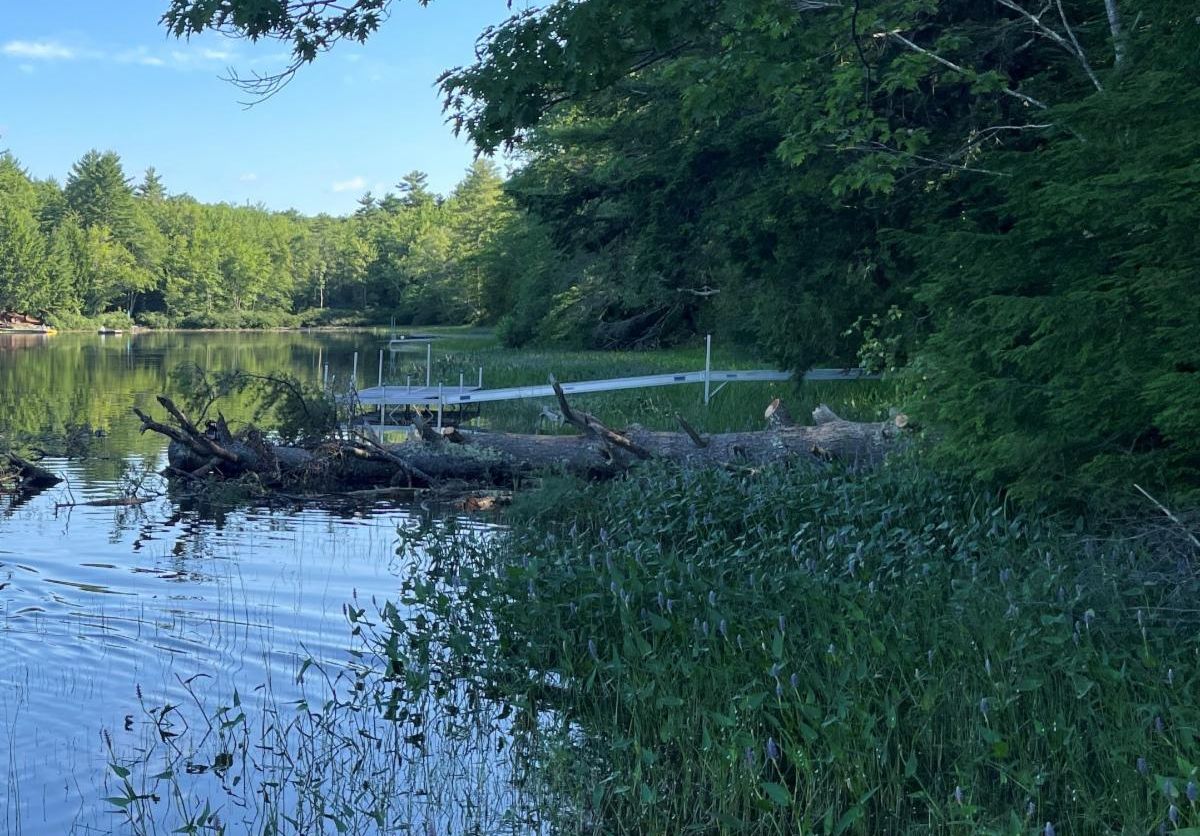
A vegetated shoreline buffer is the "last line of defense" for slowing and infiltrating nutrient-laden stormwater runoff before it reaches a lake.
Resilient buffers offer many benefits for lakes, wildlife, and people, including:
- Improving water quality
- Moderating air and water temperatures
- Providing habitat, shade, and nutrients for terrestrial and shallow-water wildlife
- Reducing erosion by stabilizing soils and intercepting rain
- Maintaining property values
Planting a new buffer or restoring a compromised buffer is the most effective improvement you can make on your shoreland property. Here are some tips for success as you plan and plant a shoreline buffer.
Where do I start? Learn what plants are growing well on your property. These plants would make a good addition to your buffer palette.
What should I plant? Decide which areas and conditions along your shoreline will be planted. Choose the "right plant for the right place", meaning you should choose plants best suited to the conditions on your property. These conditions include moisture (wet or dry). Wet shorelands are closest to the water, often with fluctuating water levels. Dry shorelands are upslope and well drained. Other conditions to consider include light (sun and/or shade) and soil type (sand, silt, clay, or a mix).
The LakeSmart Program recommends adding diverse layers (trees, shrubs, groundcovers) of native plants to your buffer. Native plants are well adapted to local soils and changing climate conditions.
Examples of native plants that grow well together include: (a) in wet shorelands with full to part sun, highbush blueberry, blue flag iris, and marsh fern are good choices. Witch hazel can be planted upslope but adapts well to different moisture levels, and (b) in dry shorelands with full sun to part shade, try lowbush blueberry, black chokeberry, and Pennsylvania sedge.
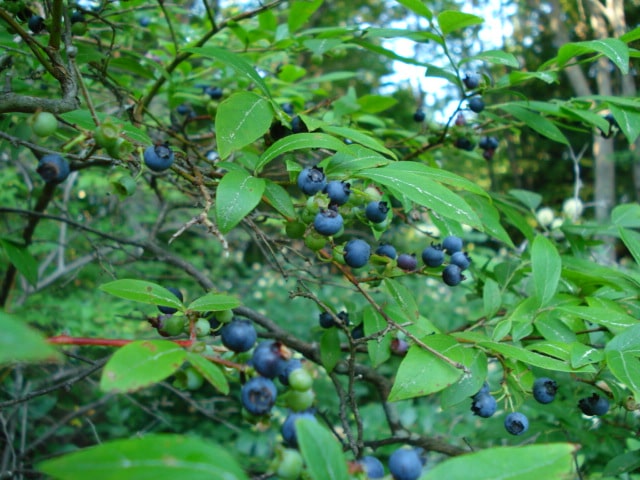
Highbush and lowbush blueberry are Keystone Plants because they host a high diversity of caterpillars and native bee pollinators, and they are critical to food webs in healthy ecosystems. More ideas for plant companions can be found in Native Plants for your Shoreland.
Where can I buy native plants? See link below in New Resources of Interest to access an interactive map of native plant nurseries and sales in Maine.
Planting! Fall is a great time to plant. Cool air temperatures and warm soil favor root growth, rain is more consistent, and there is less weed competition.
What about after planting? Water new plantings weekly in the first year. Once established, plants will only need watering during droughts.
Good luck building your new buffer!
Feel free to email me if you have questions along the way.
|