|
Keep our Wildlife Safe this Halloween
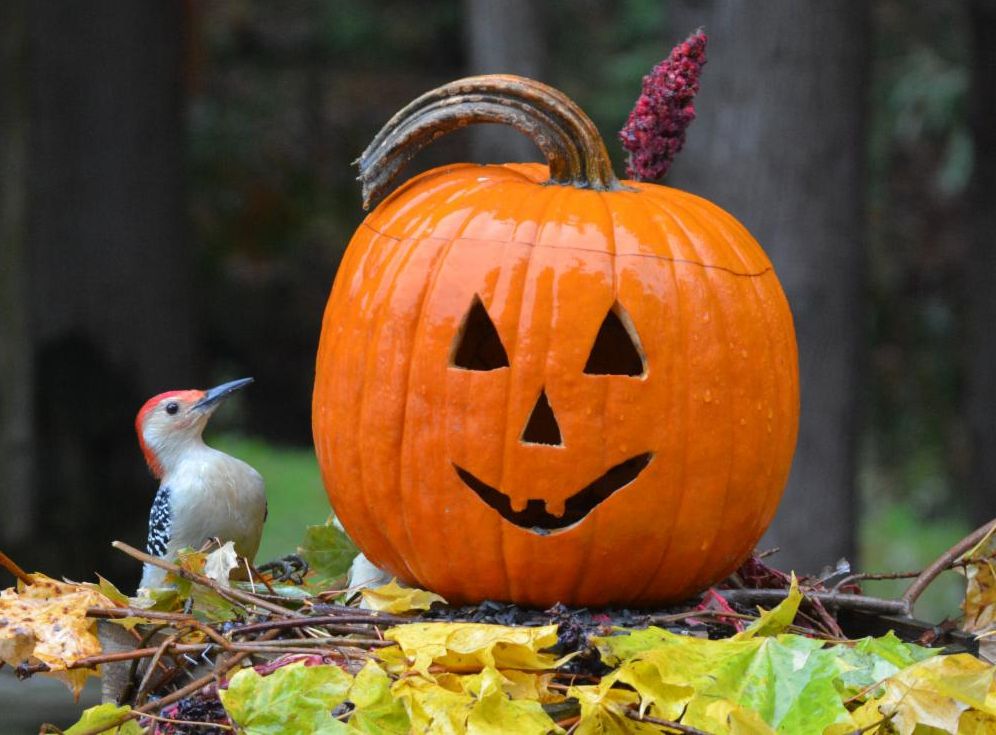
It's that time of year for carving Jack-O’-Lanterns and spooky decorations for Halloween. You can have fun, and help keep our pets and wildlife safe while decorating for the season. Carved pumpkins rot quickly and can grow toxic fungi. If you notice your Jack-O'-Lanterns getting moldy, it’s time to take them off your porch. Mold, candle-wax, painted or bleached pumpkins can be toxic to animals if ingested and should be disposed of safely.
Don't leave candy out outside overnight. Opossums, mice and raccoons especially have a sweet tooth.
If your pumpkins are clean and fleshy, add them to your compost pile and “pump” up your soil. Cut your pumpkin in half, and turn it into a bird feeder filled with birdseed. Many bird species, squirrels, and other animals also enjoy pumpkin seeds. Just rinse the seeds and lay them out to dry.
Fake spider webs are another potentially dangerous Halloween decoration. Birds can become entangled in them when stretched on bushes and trees so it's best to use them as indoor decorations only.
Have a fun and safe Halloween!
Stephanie Ellis
Executive Director
| | |
Whooo’s There? Watch for low flying Owls While Driving at Dusk & Dawn
November 1st starts the end of Daylight Savings Time . This means darker commutes which can put our native owls at risk. Barred Owls and Eastern Screech Owls are crepuscular, making them most active at dawn and dusk. With the time change, their prime hunting hours overlap with evening traffic, increasing the risk of vehicle collisions as they fly low across roads in search of prey.
What you can do to help keep our skies wild and our owls safe:
• Slow down, especially near wooded areas
• Watch for low-flying birds at dawn and dusk
• If you accidentally hit a bird, stop if it’s safe to do so. Gently secure the bird in a towel-lined box and take it to the nearest licensed wildlife rehabilitator for treatment, or call us at 508-240-2255 (every day 9am-5pm)
Some of our recent owl patients…
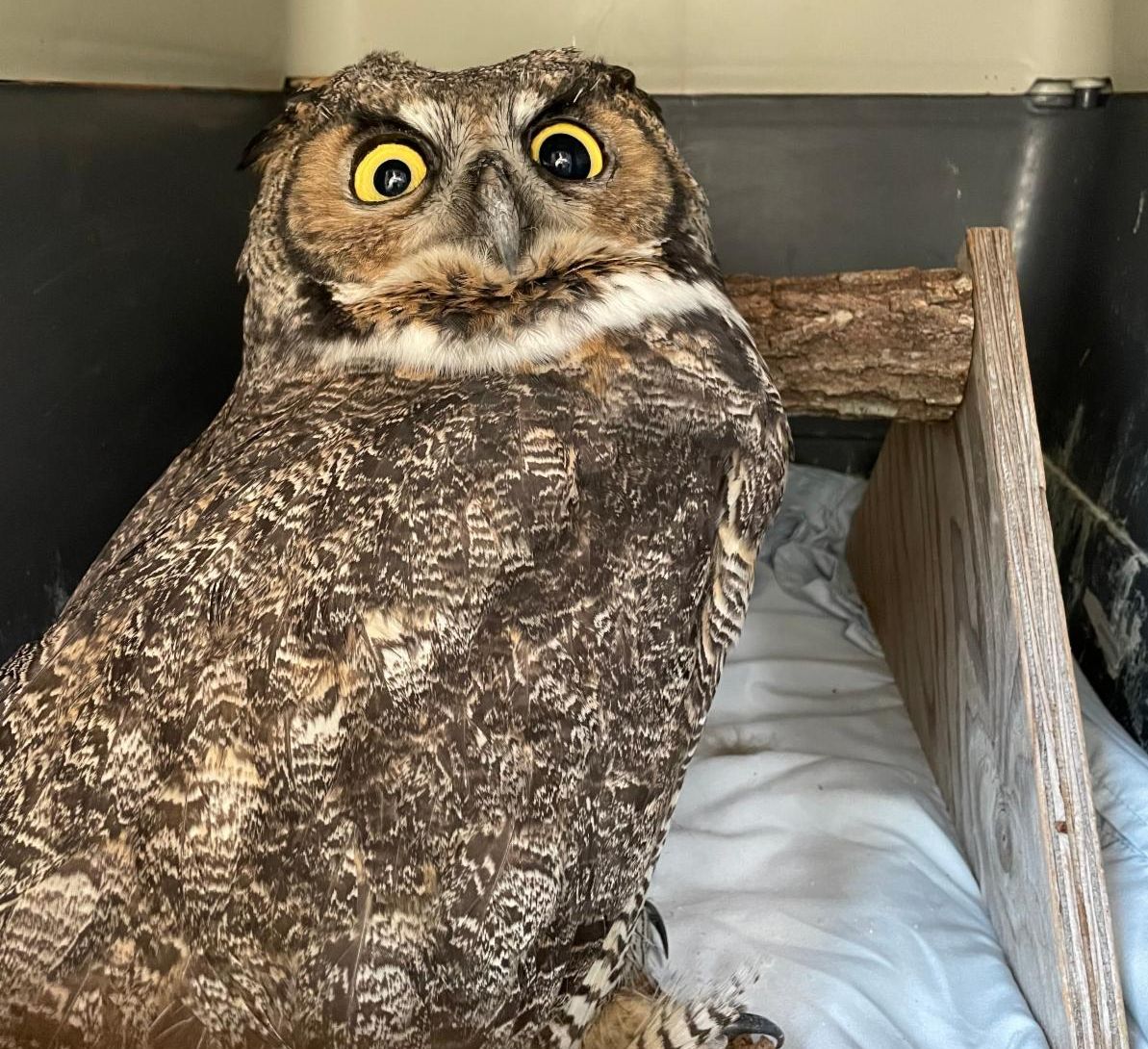
An adult Great horned Owl was found by the Route 6 off ramp in Orleans. The bird is believed to have been hit by a car, and was transported to Wild Care by volunteer Elena Calabrese and treated for head trauma, and probable rodenticide exposure. This feisty bird responded well to treatment, and has been released.
(Photo above: Leah Myrbeck, when the owl was admitted to Wild Care.)
READ Wild Care's Director Stephanie Ellis's WRAM article: Why Wildlife Matters - Something to Hoot About - The Great Horned Owl.
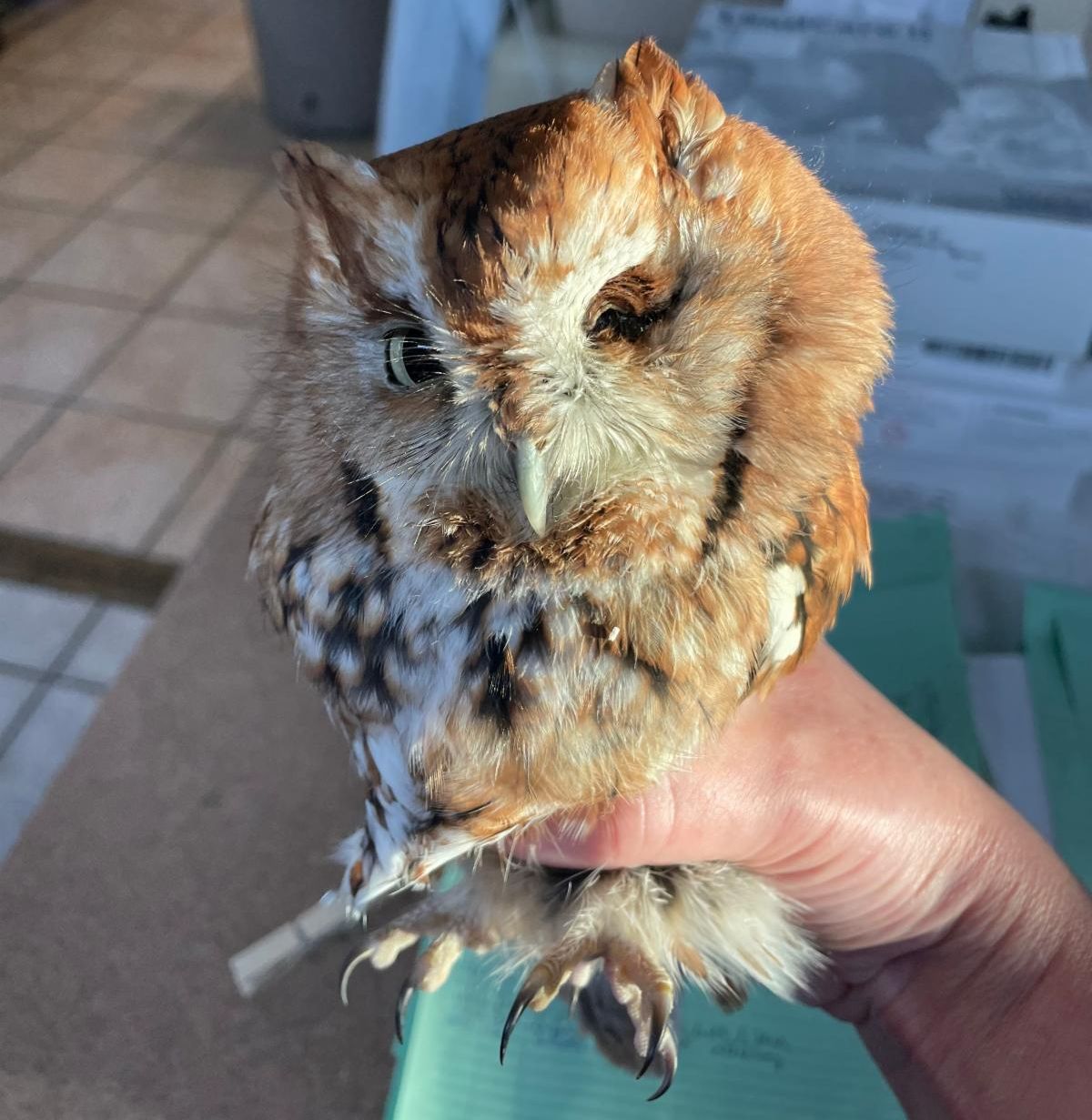
| | An Eastern Screech Owl suffered head trauma including an eye injury after being hit by a vehicle on Route 28 in Orleans. The bird was examined by Dr. Venezia and has received eye medication and pain management. The owl has been moved to an aviary and is currently being assessed for its ability to hunt. Sometimes adult owls can compensate for the lack of an eye due to life experience in the wild. We are hopeful! | | Eastern Screech Owl with eye injury | | |
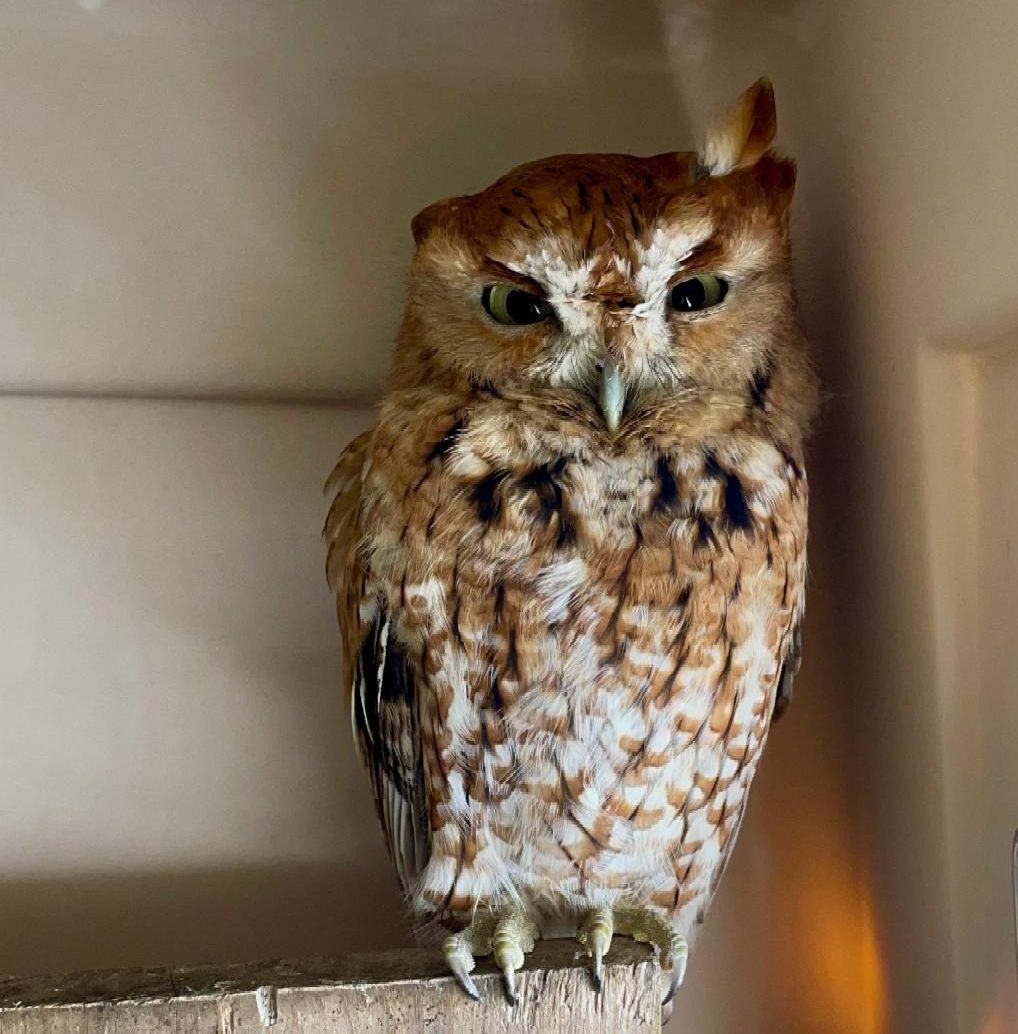
An Eastern Screech Owl Was found trapped in a fireplace in Orleans. The bird was weak and thin with probable head trauma. The finder noted a lot of feces in the fireplace meaning it was likely there for a while. Our staff provided anti-inflammatory medications, fluids and supportive care.
This screech owl is eating and more active but is still in guarded condition.
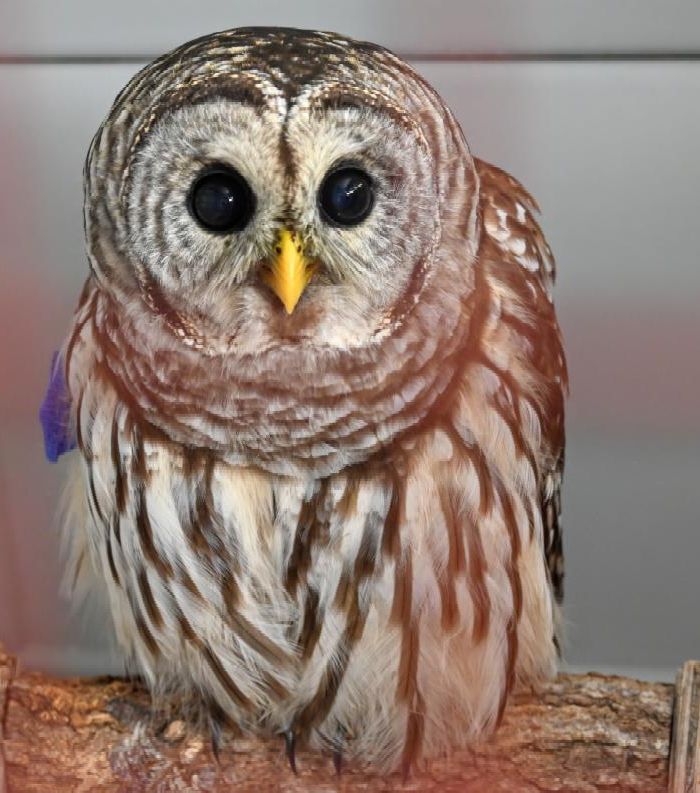
| | Eastern Screech Owl found in fireplace | | This stunning adult Barred Owl was struck by a vehicle and caught in the car’s grill on Route 28 in front of the Cotuit Performing Arts Studio. It was transported to us by Wild Care volunteer Elena Calabrese. As a result, the bird suffered a fracture of the radius and ulna of one wing. Dr. Venezia surgically pinned the wing., The pin has since been removed, and the bird received physical therapy. The bird has been moved to an outdoor aviary and it is flying! | | |
|
Diamondback Terrapins hatch from one egg in a rare case of "twinning."
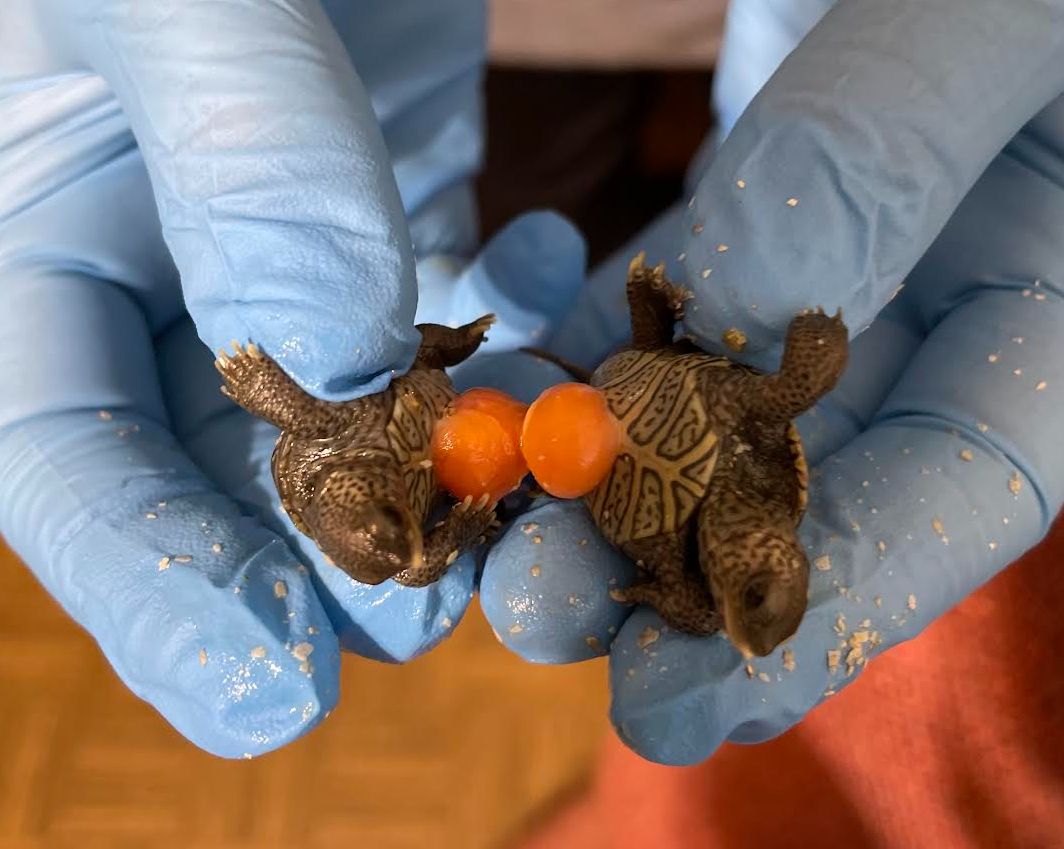
Wild Care, a wildlife rehabilitation center in Eastham, Massachusetts cared for a cold-stunned Diamondback Terrapin turtle from Wellfleet that laid six eggs while in their care. Two hatched and were released, two were infertile, one is still being incubated. The final egg was truly unusual, and appears to be consistent with twinning within a single turtle egg. Twinning is when there are two separately formed hatchlings sharing a common yolk/yolk-sac system. While this phenomenon is well documented in turtles, it is extremely rare for them to develop into two live, well-developed hatchlings.
The turtles were successfully separated by Wild Care staff using a method recommended by Rob Adamski, DVM, and Tracy Zustra, Berkshire County Turtle Rescue, Inc. Once their yolk sacs were absorbed, they were placed into an aquarium with water. Sadly, one of the turtles did not survive, but the other is thriving and we are hopeful for a release next spring.
Diamondback Terrapins are a protected species in Massachusetts.
More about Diamondback Terrapins in Massachusetts
| | | |
Wild Care's "CareCrow" Welcomes Wildlife
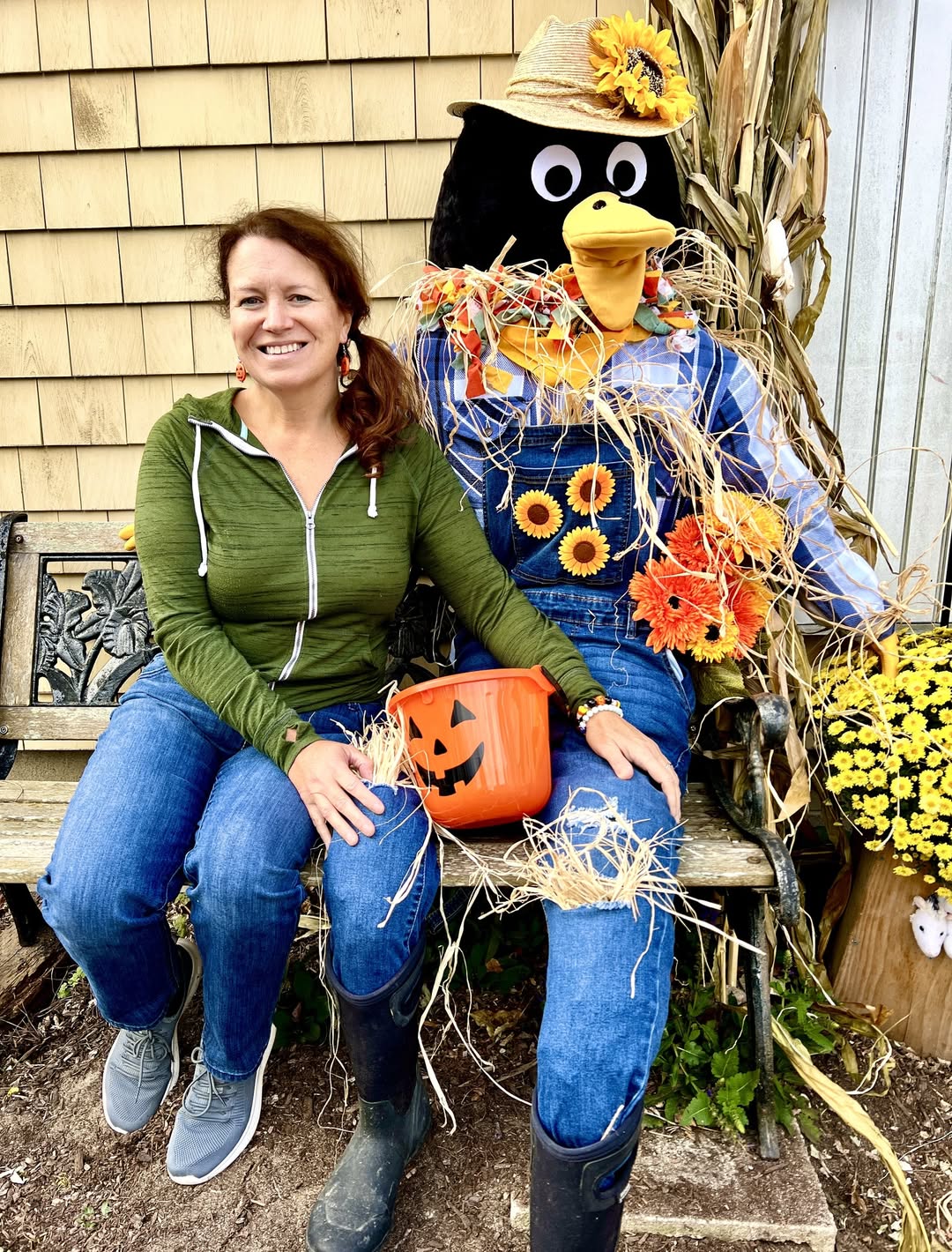
Dating back to ancient Egypt, scarecrows have traditionally been used by farmers and gardeners to scare crows and other birds away from damaging their crops. This fall Wild Care has put more care and less scare into the tradition. Seated outside Wild Care's barn through Halloween is a wildlife friendly CareCrow. We are asking Wild Care Friends to bring gifts you can gather in nature such as acorns, chestnuts, apples, pinecones and walnuts for birds and other wild creatures. (Pesticide free, please)
DROP OFF ITEMS for the CARECROW
Please drop off items for the CareCrow at Wild Care any day from 9am til 5pm at 10 Smith Lane, Eastham, MA.
Pictured Wild Care's Director Stephanie Ellis and CareCrow
| | | | |
What do you call a Group of Crows? The Name Might Give you Chills!
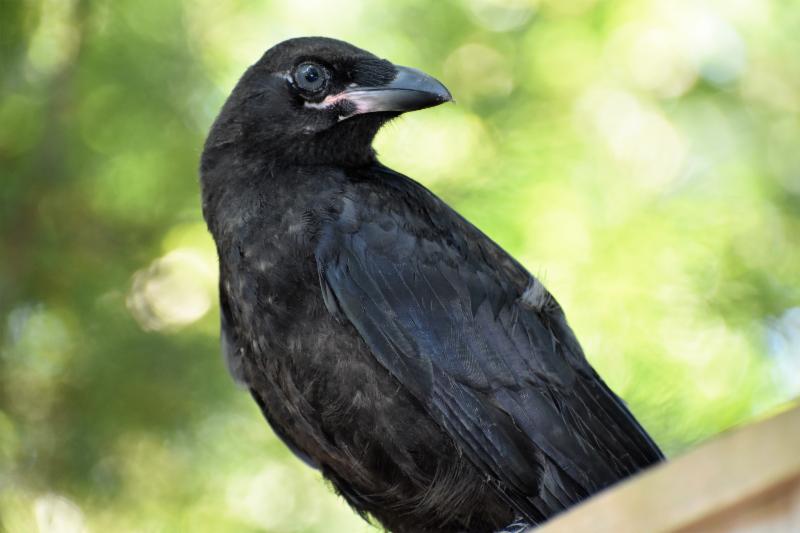
There are many strange and interesting collective nouns for birds, but none quite as macabre as a murder of crows. So why such a sinister name? Superstitions and folklore around crows being associated with death could be the cause. In reality crows are extremely social and intelligent birds known for their loud “caw”. So if you see a group of crows, chances are they are not plotting a murder, but communicating with each other. Not to be confused with a conspiracy of Ravens, but that’s another story.
For decades the city of Lawrence, Massachusetts has been home to an incredible annual winter crow roost which starts as a swarm of approximately 2,500 in October, and grows to an impressive 15,000 crows in late January and early February! Watch this four minute documentary which shares beautiful footage of the flight and sound of American and Fish Crows in their annual gathering in Lawrence.
WATCH the Lawrence, MA Winter Crow Roost
| | Photo - Dr. Kumara Sidhartha | | |
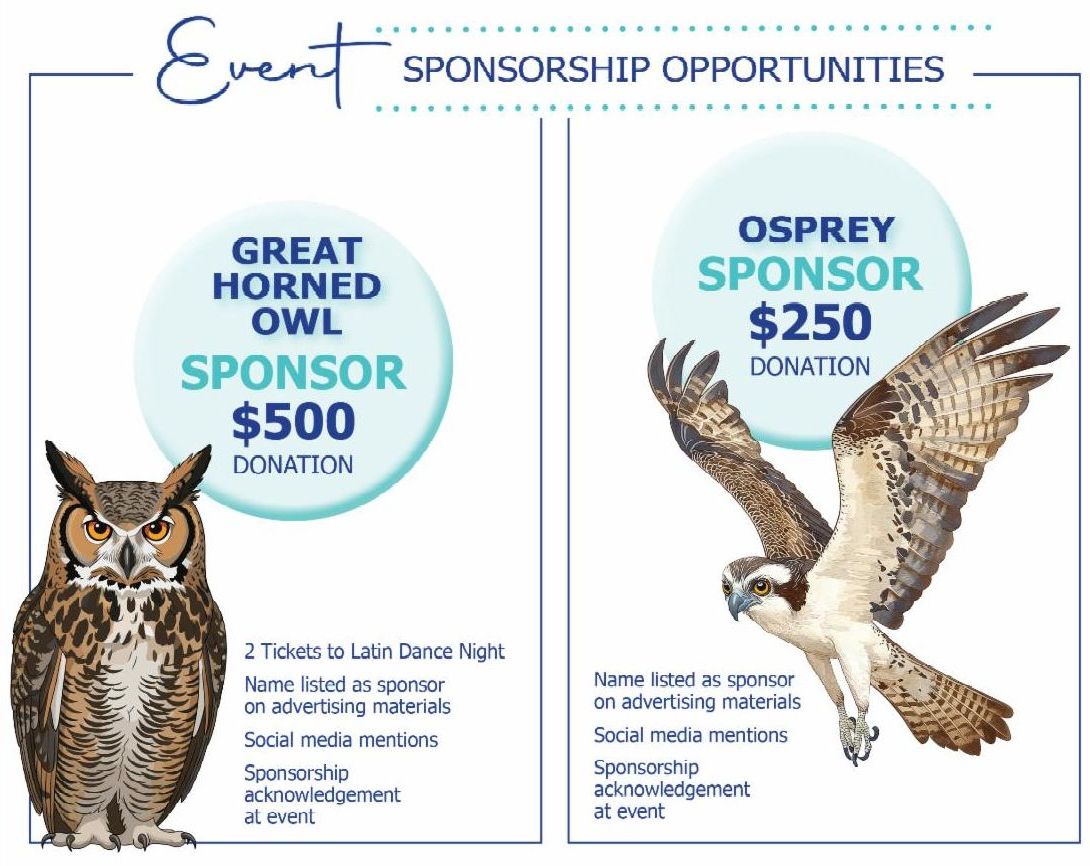
Dance the Night Away with Live Music from Alex Torres and his Latin Orchestra
Tickets Available Now
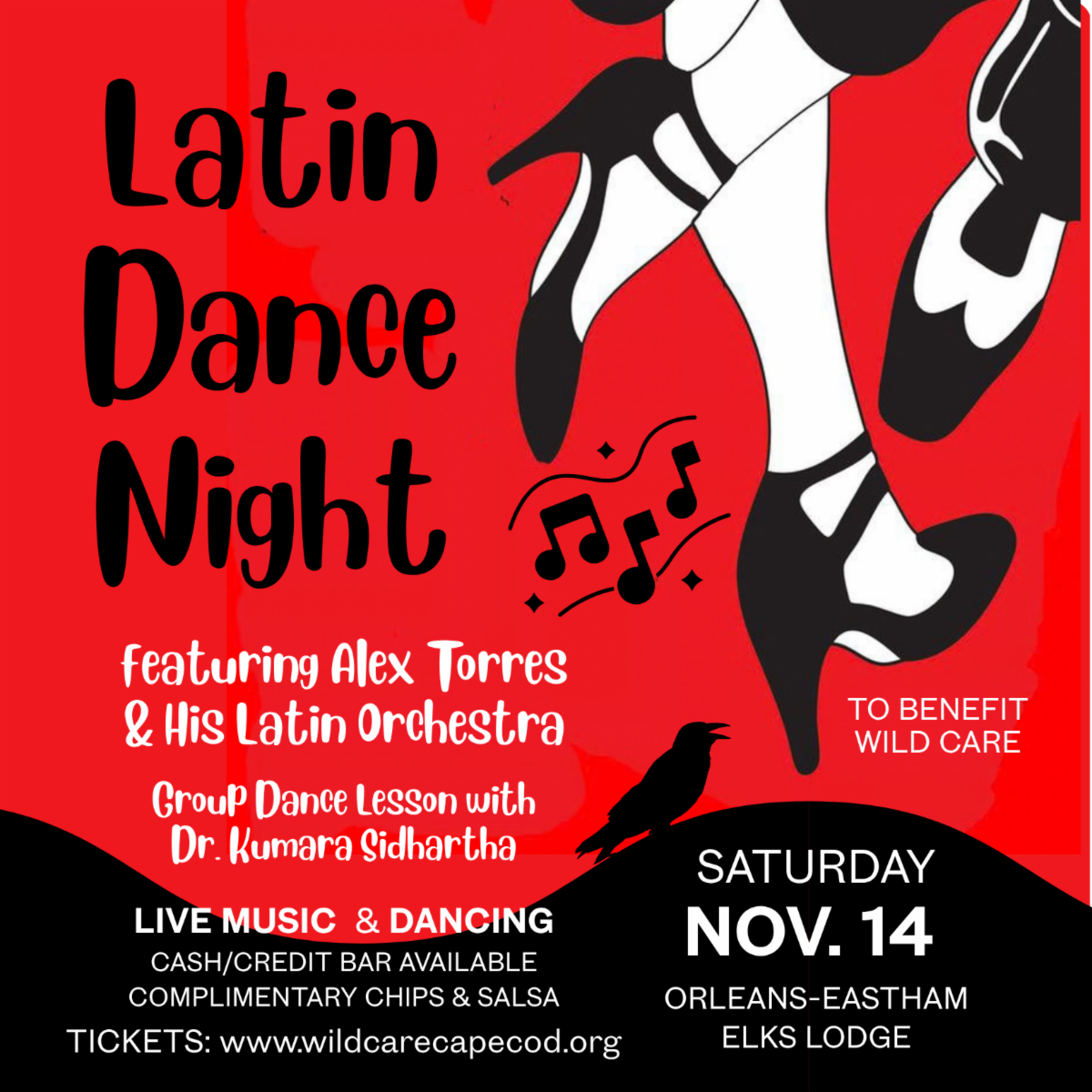
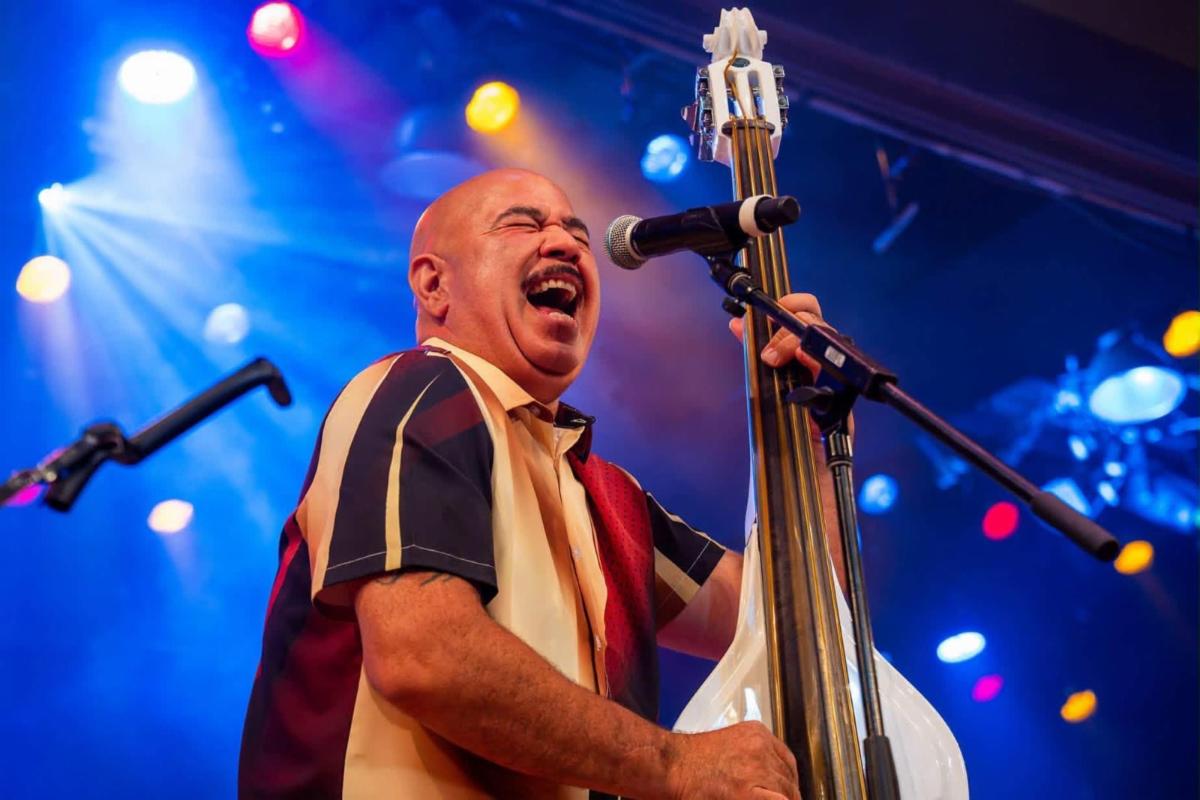
Join Wild Care for an exciting night of live music & dancing featuring Alex Torres & His Latin Orchestra.. This twelve piece orchestra is led by the Bronx-born bassist Alex Torres performing an original blend of Afro-Caribbean rhythms such as Salsa, Merengue, Cha-cha, Bomba, Plena and Latin Jazz.
Start the evening off with a group dance lesson featuring Dr. Kumara Sidhartha. Known for his easy to follow teaching style, students not only learn dance movements, but have fun doing it - singles and couples of all ages welcome, no partner necessary.
Latin Dance Night
Saturday, November 14th
6:00 PM til 9:00 PM
Orleans/Eastham Elks Lodge
Tickets are available for purchase online through Eventbrite for $35 each. Tickets purchased at the event $40.
Event to benefit Wild Care.
| | | |
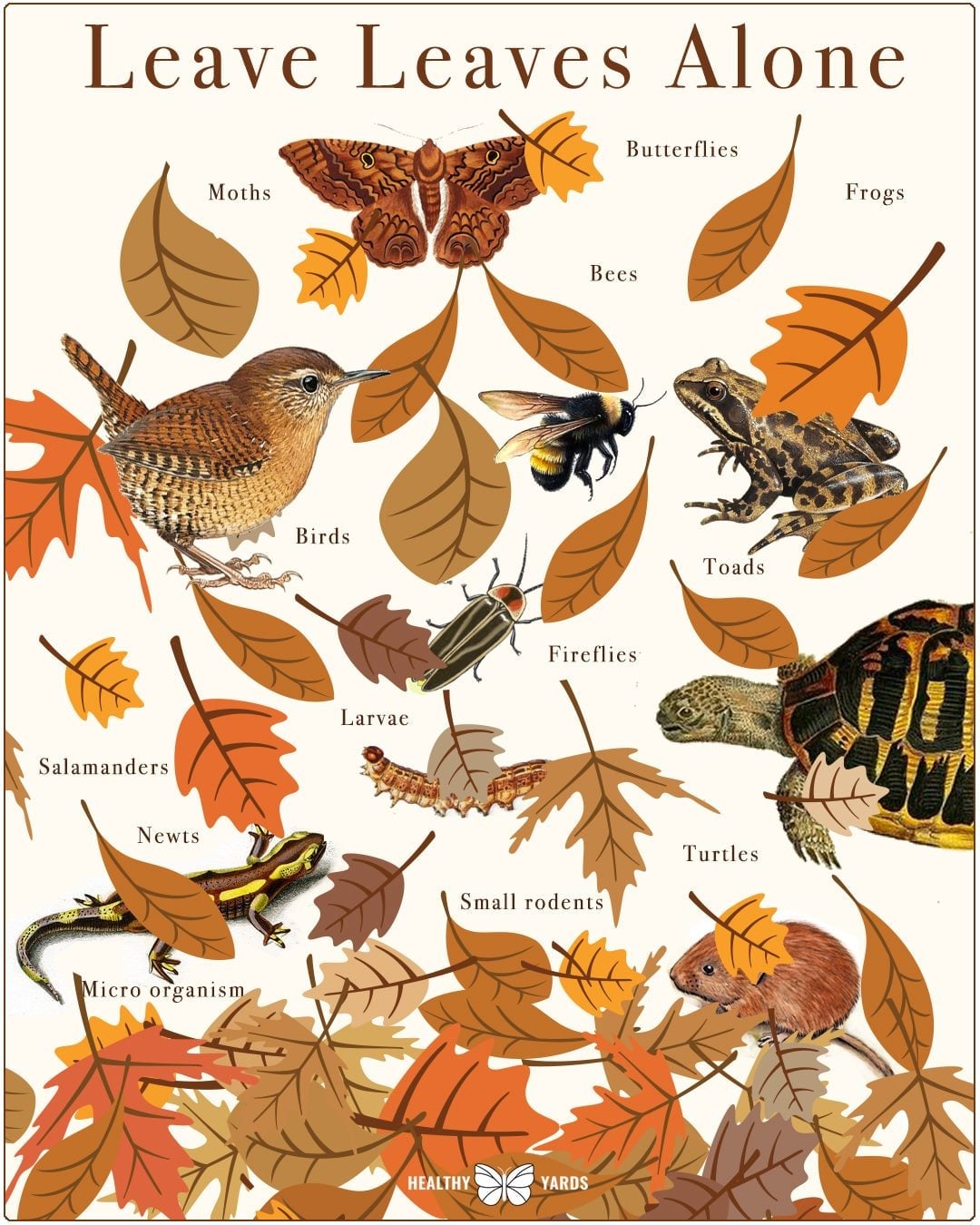
Leave the Leaves Alone
It's that time of year again - Please consider raking your leaves into a corner of your property, putting them in a compost area or using them as a blanket for your flower beds until spring. Wildlife such as turtles, toads, songbirds, mammals and invertebrates rely on leaf litter for food, shelter and nesting material. Many moth and butterfly caterpillars overwinter in fallen leaves before emerging in spring. Rotting leaves are the food that feed our forests and their decomposition is an important part of our environment. Avoid gas powered leaf blowers as the blasts are strong enough to kill the smallest creatures who use leaves as shelter; plus, raking is good exercise. Good advice from the Catskill Native Nursery.
NOTE: “Leave the leaves” truly benefits insects if leaf litter is left permanently, or at least through summer. Removing it in spring provides little benefit for butterflies and moths, which generally overwinter in soil or established leaf litter. Temporary leaf cover can benefit shrews, but otherwise it’s fine to chop and compost fall leaves while maintaining permanent leaf litter elsewhere, such as in bordering woods.
| |
|
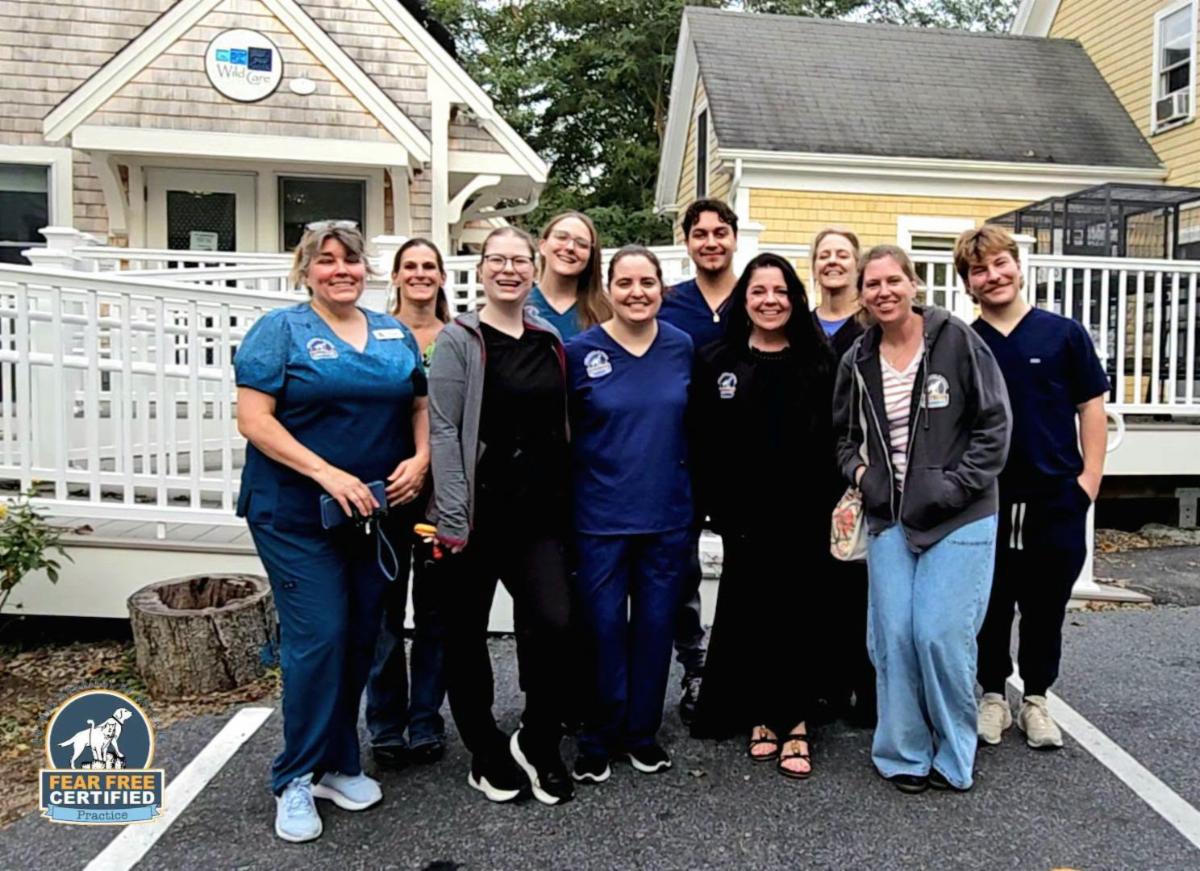
Animal Hospital of Orleans to Volunteer at Wild Care Through Their “Compassion in Action” Program
We are thrilled to partner with Animal Hospital of Orleans through their “Compassion in Action” Volunteer Program! Recently their incredible team visited Wild Care to kick off their commitment to volunteering with us—and we couldn’t be more excited about what’s ahead! Their skills, expertise, passion, and enthusiasm for animals will be an incredible addition to our work caring for wildlife. We’re so grateful to have such a dedicated team joining us in our mission to give injured, orphaned, and displaced wildlife the care they need to thrive.
This is what compassion in action looks like—and we can’t wait to see where this partnership takes us! More exciting things to come.
| | | | WILD CARE & THE CAPE COD COMMUNITY | | |
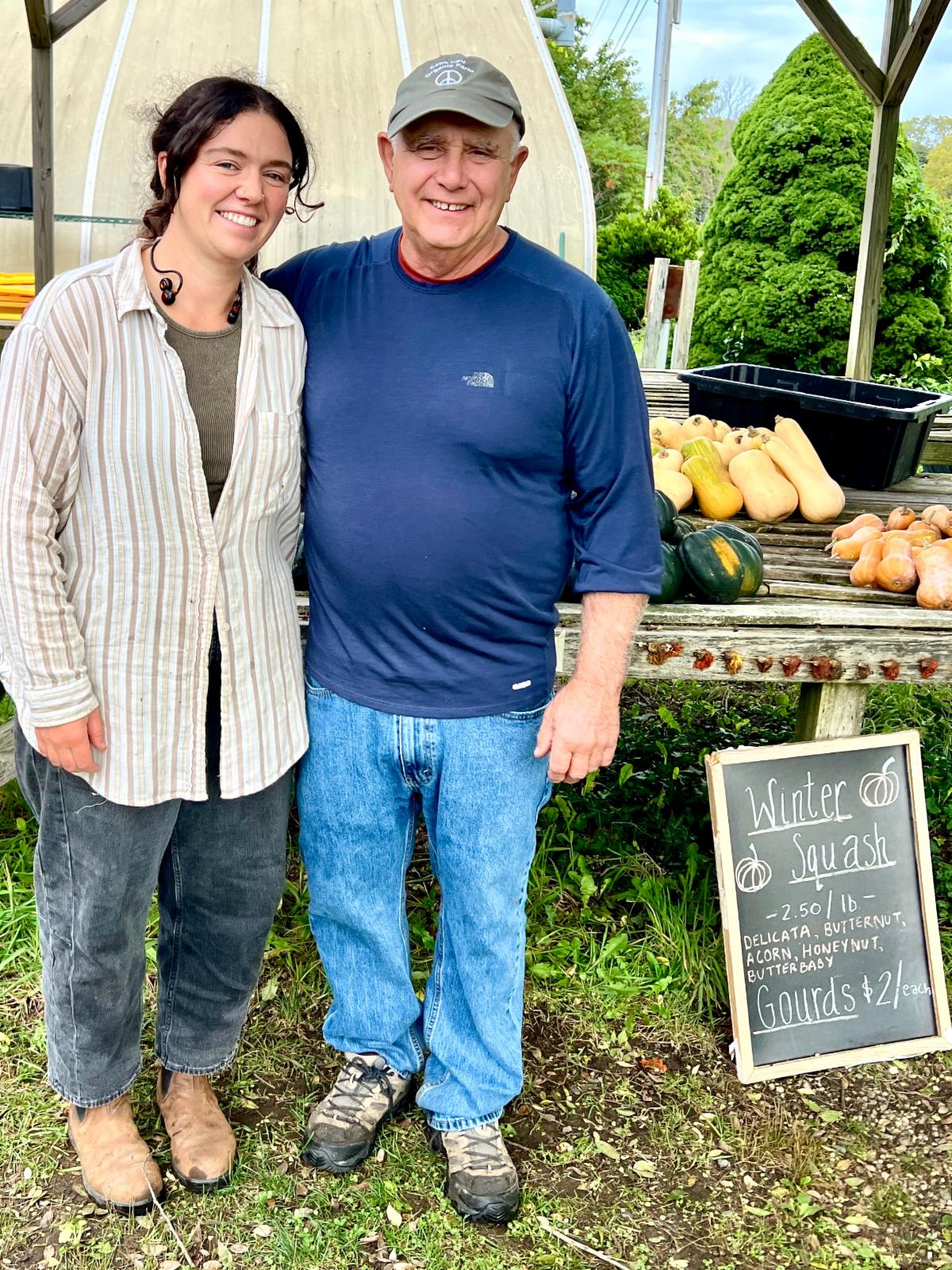
Farm Provides Sunflowers for Squirrel Enrichment
Thank you to Tim Friary of Cape Cod Organic Farm for providing lots of sunflowers and sweet potatoes for our squirrel patients. Sunflowers are excellent for mental and physical enrichment, encouraging natural foraging, climbing, and chewing.
You can visit this beautiful farm for pesticide free seasonal fruits, veggies and flowers on Route 6A in Barnstable.
| |
Photo - Cape Cod Organic Farm's Tim and Lily
Video: Leah Myrbeck
| | |
Wild Care Attends Vinegrass Music Festival at Truro Vineyards
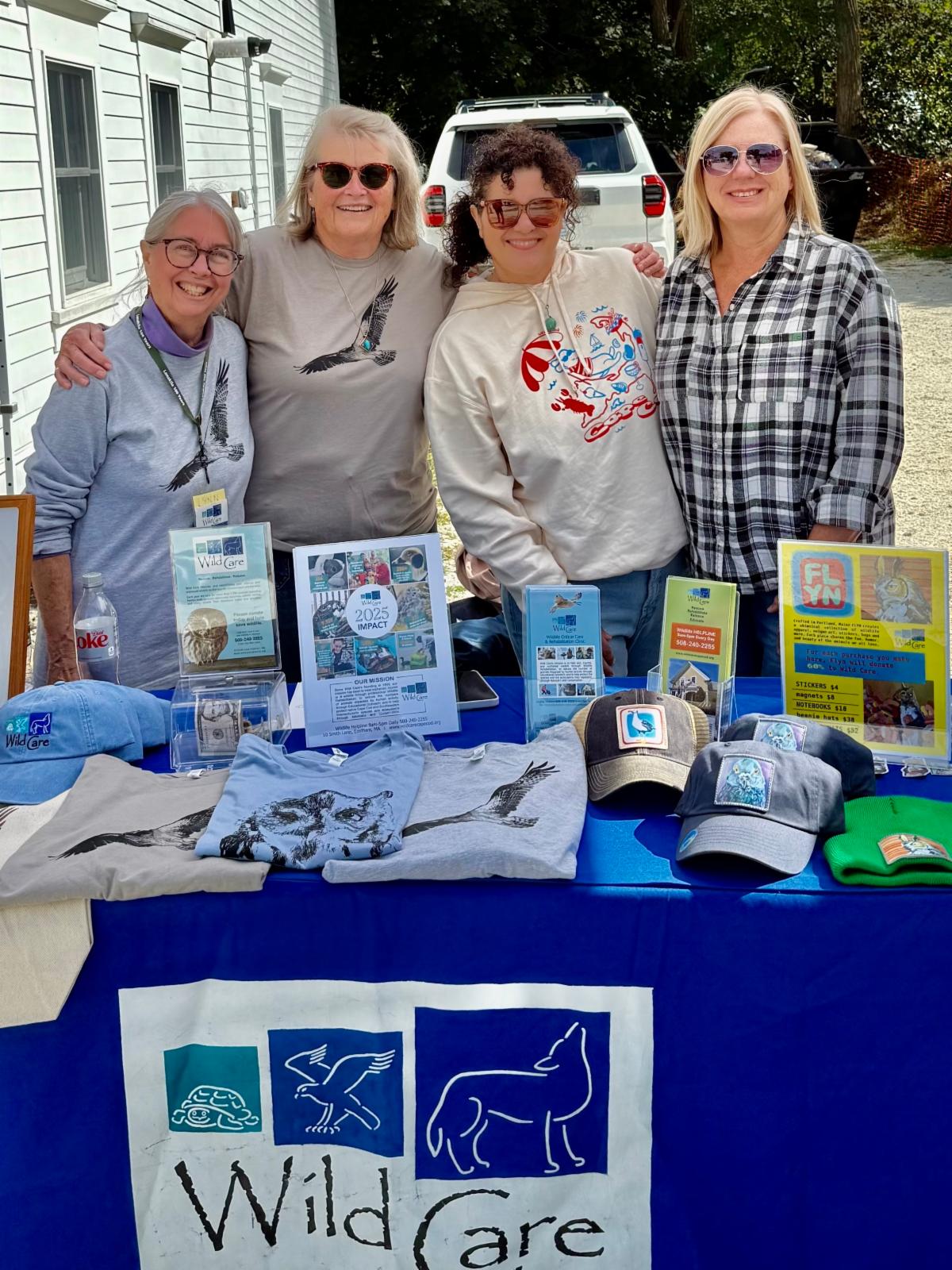
Wild Care enjoyed the music and beautiful grounds of the Truro Vineyards, and met some awesome people at the Vinegrass Music Festival. Thank you to volunteers Lynn Adams and Chris Kelly for spending the day with us. Vinegrass raises money for youth music scholarships.
VOLUNTEERS NEEDED - Wild Care is always looking for friendly faces to volunteer at events in our community. Email Amy if you are interested.
Pictured above from left - Lynn Adams, Kerry Reid, Eva Carbonaro, and Chris Kelly
| | | | |
Cape Cod Women’s Golf League Champ Jean Piette Chose Wild Care as Recepient of Luncheon Donations
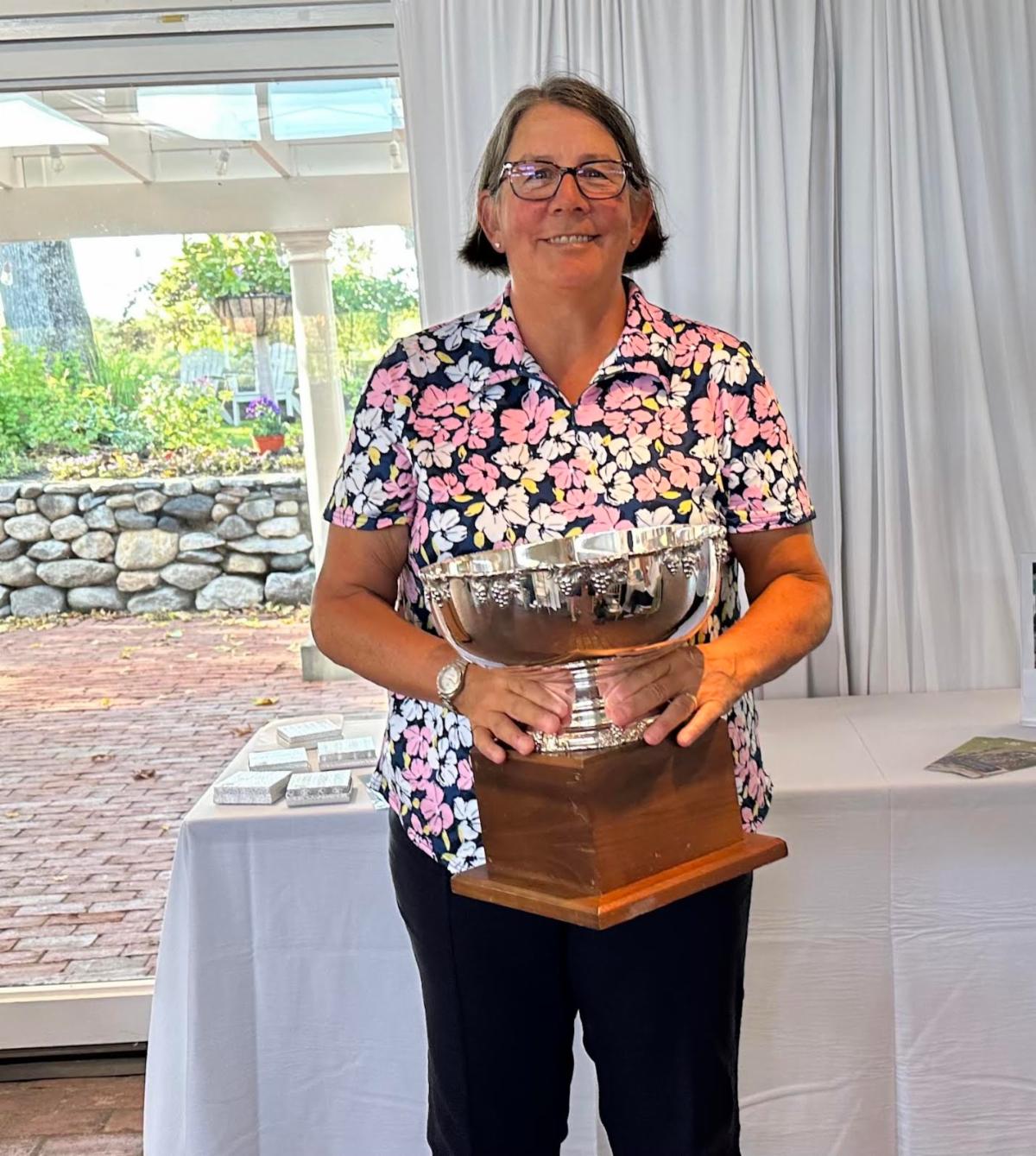
Congratulations to Jean Piette on winning the 2026 Cape Cod Women’s Golf League Championship! As the winner, Jean chose Wild Care as her charity of choice from donations received at the end of season luncheon held at the Ridge Club in Sandwich We are thrilled to say that donations from the event totaled $1,000. Thank you Jean, and everyone in attendance that made this possible.
| |
Check out our Amazon and Chewy WISH LISTS and donate much
needed supplies to help the animals being cared for at Wild Care.
| | | | |