Video showing bitunicate (or jack-in-the-box) ascus dehiscence in
Lindgomyces carolinensis
, a freshwater Dothideomycete fungus
Submitted by Huzefa A. Raja, Department of Chemistry and Biochemistry, University of North Carolina at Greensboro, Greensboro, NC 27402, United States
What is happening in the video?
(Click the image to view the video.)
In the video you see the endotunica emerging out as a long tube-like projection from the ectoascus (bottom right of the screen). The ascospores then move up in the ascus wall due to a vacuole that regulates inner pressure [1], and these are shot off forcibly through the apex of the ascus. Once the ascospores are shot out, you see how the gelatinous sheath unravels, thereby surrounding the entire ascospore, as soon as the spores touch water. After the sheath has unraveled in water, it shows the presence of gelatinous cap-like structures on the apical apices of the sheath [9].
The gelatinous sheath is hypothesized as an evolutionary adaptation for an aquatic existence [3]. In
L. carolinensis
, the sheath quickly disintegrates and, within a few minutes, it completely disappears and becomes invisible when the material is mounted in glycerin and/or lactic acid [9].
I hope this video is useful to students of mycology. While many may have seen pictures of this in books and journal articles, it is rare to capture on video. It is fascinating to see how swiftly, and elegantly, the ascospores are ejected and released outside the ascus by the rupturing of the ectoascus and extending of the endoascus in a manner similar to that of a jack-in-the-box. In addition to social media platforms such as Facebook and Twitter, you can find this video on the website below:
For the full article, video, and selected references,
please click the button below!
|
|
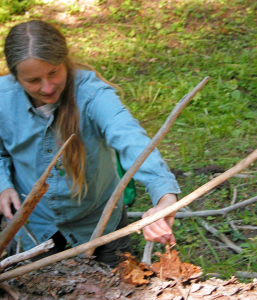
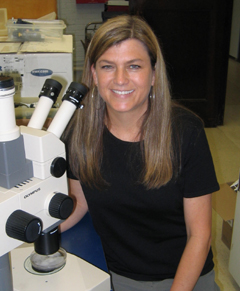
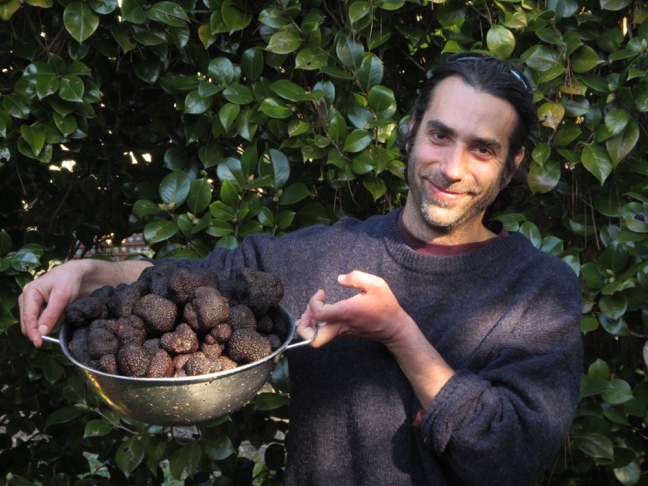
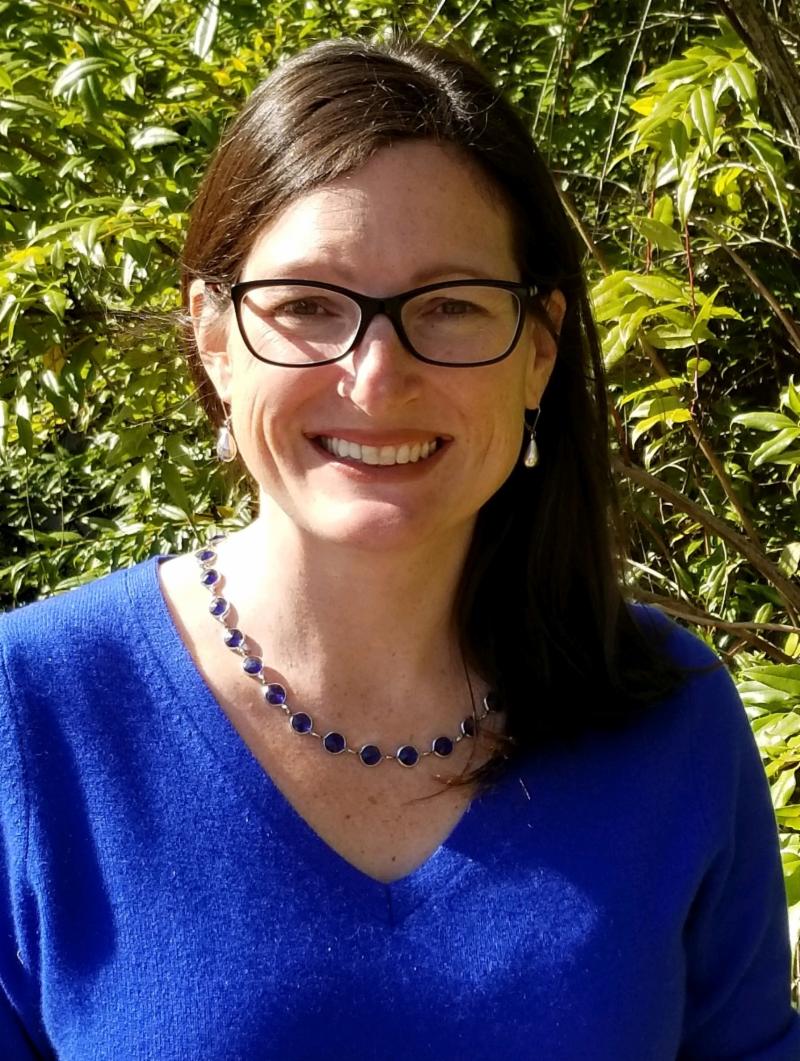
The Mycological Society of America is pleased to announce and congratulate the following MSA members on election to their respective council positions; Elizabeth Arnold (Vice-President), Jessie Glaeser (Treasurer), Meritxell Riquelme (Cell Biology/Physiology Councilor), Julia Kerrigan (Ecology/Pathology Councilor), Kathryn Bushley (Genetics/Molecular Biology Councilor), and Greg Bonito (Systematics/Evolution Councilor). The newly elected members will officially begin their term at the end of the business meeting at the MSA Annual Conference in Minneapolis, Minnesota.
|
|
 |
Elizabeth Arnold
Vice-President
|
Meritxell Riquelme
Cell Biology/ Physiology Councilor
|
Kathryn Bushley
Genetics/ Molecular Biology Councilor
|
|
|
|
Julia Kerrigan
Ecology/ Pathology Councilor
|
Greg Bonito
Systematics/
Evolution Councilor
|
|
|
|
Executive Vice President's Report
|
|
Greetings! This is my first column as MSA Executive Vice President. You can expect my columns to come out more often now that
Inoculum is on a regular schedule with our transition to our new association management company, The Rees Group. I want to express my appreciation to Sarah Bergemann for her dedicated work as executive vice president for the past three years, and for her assistance to me in this transition period. This first year has been busy as I have been learning the inner workings of the MSA while transitioning over to The Rees Group. I have enjoyed working with members of the MSA, Executive Council, and the Committees, and look forward to continuing to work with everyone.
It is a busy time for the MSA in preparation for the MSA Annual Meeting in Minneapolis, Minnesota, August 10-14! Registration is online at
https://msafungi.org/2019-annual-meeting/. The early bird discount is available until July 14. Please take a moment to check out the MSA program, workshops and field trips. I hope to see you there!
and here
https://msafungi.org/wp-content/uploads/2019/06/MSA-%E2%80%93-2019-Midyear-Reports.pdf. There were 19 email polls conducted by Council since the 2018 MSA meeting in San Juan, Puerto Rico. These included: 6 for approval of Emeritus membership status, 5 for approval of discounted memberships for mycologists from developing countries, approval of the candidates proposed by the Karling Committee for the Karling lecture, approval of MSA sponsorship of the Fungal Olympics, approval of an MSA Diversity survey proposed by the Diversity and Inclusion Committee, approval of Priscila Chaverri as Executive Editor of
Mycologia, approval of research award funding, approval of the Honorary Member and MSA Fellows proposed by the Honorary Awards Committee, approval of a named student award, and approval for the MSA to hold a joint meeting with the Botanical Society of America in 2021 in Boise, Idaho.
REMINDER — MSA Directory Update:
Have you checked your information in the MSA directory recently? Now is a good time to make sure your address, phone, and email are up-to-date. The Society relies almost entirely on email to bring you timely information on MSA news, awards, elections, meetings, and other activities. To ensure that you receive Society blast emails and
Inoculum
, and so your colleagues can keep in touch, please check the accuracy of your contact information in the online directory. This can be accessed via our website (
https://msafungi.org/
). Look for the membership menu option and drop down to “Member Login”. Once you log in, you will see your profile with options such as “edit profile”, “my directory profile”, and “email subscriptions” (see the example image below). If you need assistance with updating your membership information, please contact our MSA Membership Coordinator, Cori VanGalder, at
msafungi@reesgroupinc.com
.
|
|
Please feel free to contact me about MSA business or with any other questions you have about the Society. And don’t forget to recommend MSA to your amateur and professional colleagues, and in particular to students and postdoctoral associates who are interested in fungi. MSA members include pathologists, geneticists, systematists, ecologists, and those people who just want to know more about the fascinating world of fungi.
Hope to see you at the meeting in Minnesota!
Respectfully submitted,
Marin Brewer (mtbrewer@uga.edu)
MSA Executive Vice President
|
|
We Want to See Your Fungal Photos!
|
|
|
|
Your fungal photo could be featured as the header for the next issue of
Inoculum!
MSA is calling for your photos! Chosen photos will appear in future issues of
Inoculum
. Submit your photos along with your name and any text you'd like to accompany the image (optional) below!
|
|
Are fungi hidden drivers of plant distributions and population persistence?
|
|
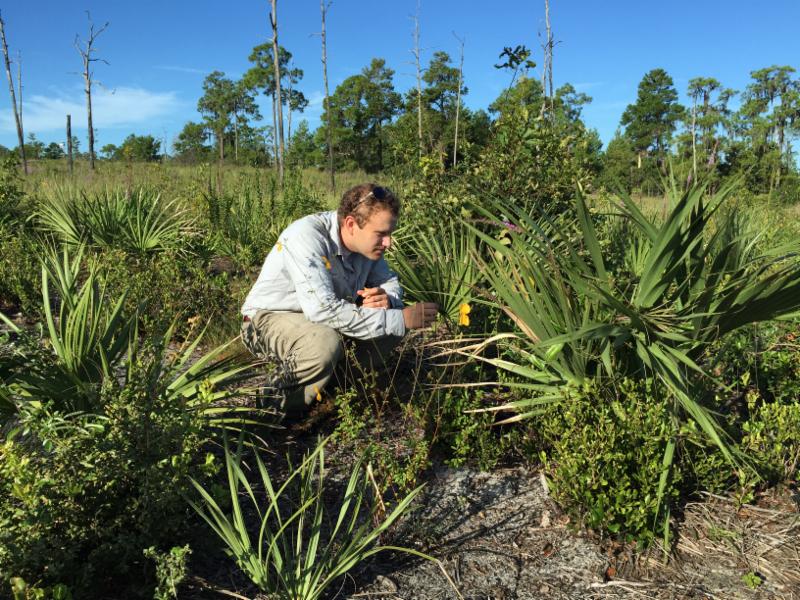
Aaron David in the Florida Scrub
|
|
An article written by Aaron S. David, who received MSA's 2017 Forest Fungal Ecology grant award.
By now it’s become a well-worn phrase, but the fungal communities that inhabit soils are complex. Our sequencing projects reveal off-the-wall levels of diversity, including many un-culturable taxa previously unknown to science, that can vary wildly in their composition among samples. Yet, through all the noise....
|
|
|
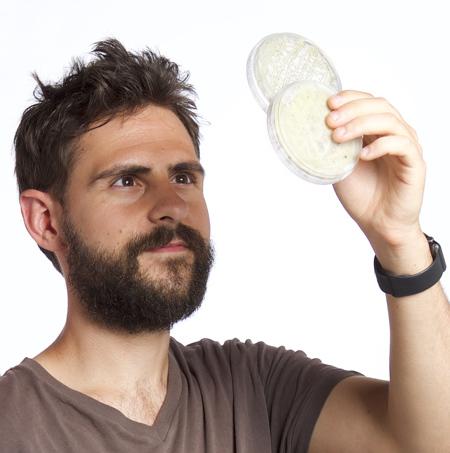
The American Institute of Biological Sciences Awards MSA Graduate Student, Brian Lovett, with an Emerging Public Policy Leadership Award
|
The AIBS describes the award and Brian: “The American Institute of Biological Sciences annually recognizes, with the Emerging Public Policy Leadership Award, one or two graduate students in the biological sciences and science education who have demonstrated initiative and leadership in science policy. Brian Lovett’s accomplishments, communication skills, and promise for continued leadership at the interface of science and public policy clearly distinguished his application. He is actively engaged with professional...
|
|
|
|
An informal study of growing fruticose lichens in greenhouses
|
Carly R. Anderson Stewart, University of Colorado at Boulder, Ecology and Evolutionary Biology Department, Boulder, CO, 80309
ABSTRACT – Two species of wild-collected lichens, Usnea lapponica (from Colorado) and Ramalina menziesii (California) were placed into wet and dry greenhouses at the University of Colorado (Boulder). The purpose was to determine whether the lichens could survive within the confines of a greenhouse and assess whether wetness or dryness had any discernable effect on the survival of the lichens.
Although the greenhouses received the same amount of sunlight and their internal temperatures were the same, lichens in Greenhouse A were watered daily at regular time periods using Boulder County (Colorado) tap water while the lichens in Greenhouse B were not watered except by an occasional thorough misting with deionized water.
Likely due to a combination of factors regarding frequency of watering, content of water, and amount of water, the lichens did not survive long-term in the greenhouse. Lichens in Greenhouse A died very quickly (complete ‘bleaching’ or death of algal photobiont causing whitening of the lichen and subsequent presumed death of mycobiont), while the lichens in Greenhouse B survived over a year and a half from the time of translocation, albeit with some signs of distress (some bleaching).
|
|
|
|
Don't forget to register for this year's Annual Meeting, which offers two free workshops and a foray at the Cedar Creek Ecosystem Science Reserve!
Registration covers the meeting program, lunch and coffee breaks, and the Wednesday evening social. Add-on opportunities and workshops may be chosen while registering for the meeting.
|
|
|
Note:
The Inoculum interim editors are Anne Pringle (
apringle2@wisc.edu
) and Don Natvig (
dnatvig@gmail.com
). Please feel free to contact us with comments or articles for future issues.
|
|
The Mycological Society of America |
(608) 441-1060 | 2424 American Ln. Madison, WI, 53704 |
MSAfungi2.org
|
|
|
|
|
|
|