|
Diabetic peripheral neuropathy is a covered condition by Medicare and many other insurers however, Cigna has incorporated into the new policy effective August 4, 2026 to cover diabetic peripheral neuropathy when all the criteria are met as follows:
Trial
A short-term trial (i.e., at least [5] days) of a non-high-frequency or high-frequency (HF10 SCS) dorsal column spinal cord stimulator is considered medically necessary when ALL of the following criteria have been met:
- Performed for the treatment of chronic, intractable pain secondary to diabetic peripheral neuropathy in the lower extremities
- Symptoms include BOTH of the following:
- lower extremity neuropathic pain present for >12 months
- pain is rated at least VAS ≥5
- Ineffective pain relief with or intolerance to at least TWO of the following:
- anticonvulsants
- tricyclic antidepressant
- SNRI (serotonin-norepinephrine reuptake inhibitor)
- opioids
- If taking opioids, the opioid use is ≤100MME (morphine milligram equivalent) per day.
- Hemoglobin A1c (HbA1c) <10% within three (3) months prior to trial
- There are no other medical diagnoses (e.g. chronic inflammatory demyelinating polyneuropathy [CIDP]; Hepatitis B; HIV; Lyme disease; chemotherapy or vitamin deficiency induced neuropathy) that are concordant with the presenting symptoms, signs, and results of relevant studies (e.g., imaging, electrodiagnostic testing, laboratory testing, etc.).
- Attestation by a behavioral health provider (i.e., a face-to-face or virtual assessment [with or without psychological questionnaires and/or psychological testing]) reveals no evidence of inadequately controlled mental and/or behavioral health conditions/issues (e.g., substance use disorders, depression, or psychosis) that would impact perception of pain, and/or negatively impact the success of a SCS or contraindicate placement of the device
Permanent Implant
Permanent implantation of a non-high-frequency or high-frequency (HF10 SCS) dorsal column spinal cord stimulator is considered medically necessary when BOTH of the following criteria have been met:
- Must meet ALL criteria for a short-term trial spinal cord stimulator as noted above.
- There has been documented pain relief of at least 50% during a short-term trial of SCS.
Click here to view the Cigna Medical Coverage Policy
| | |
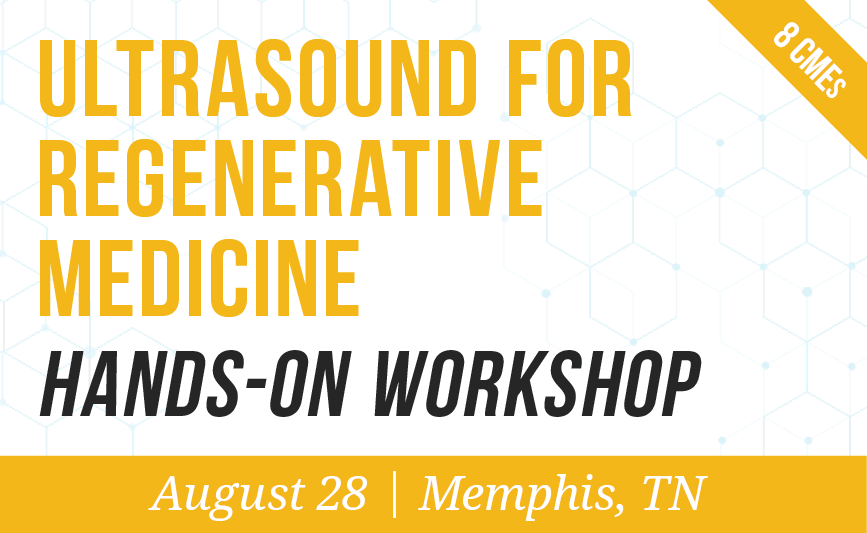
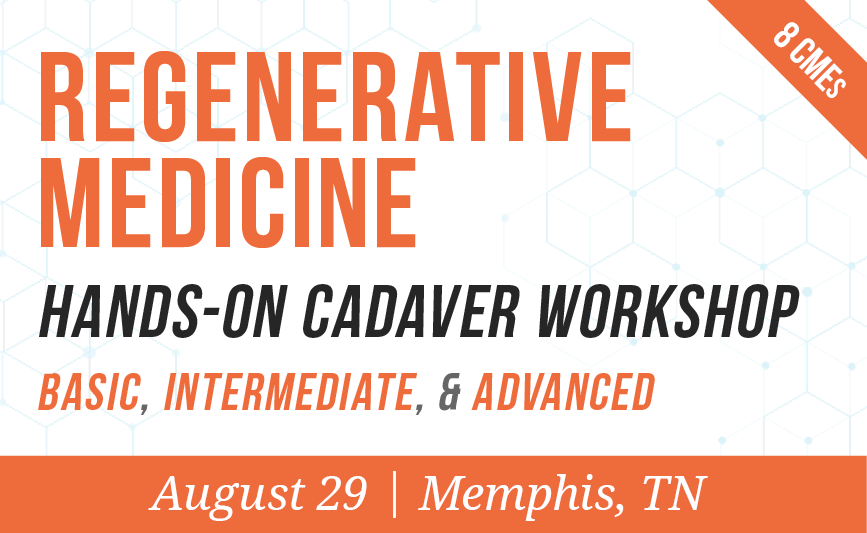
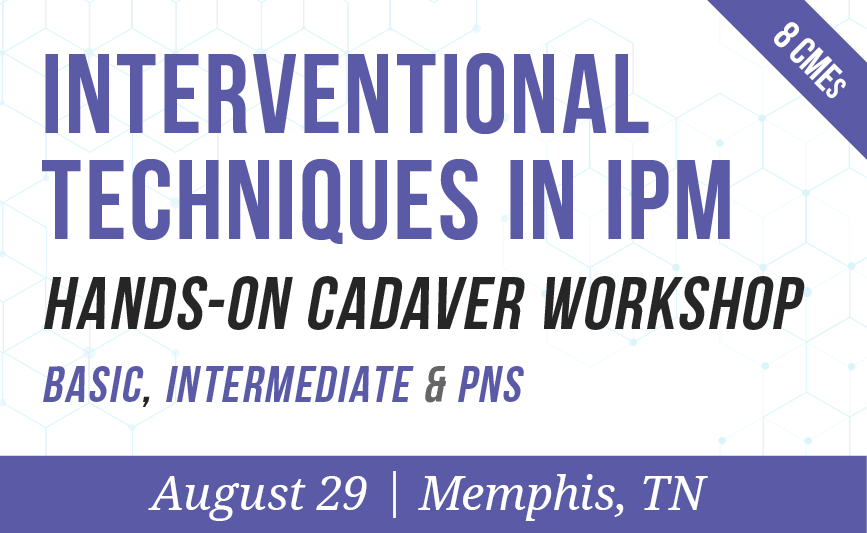
Register Today for these
Upcoming ASIPP Workshops
| |
Some potential non-cardiometabolic benefits lack strong evidence
| | |
Apply now for one of the following dates:
May 23 & June 27, 2026
Four (4) hour virtual exam
- ABIPP Path – Combined CCPM/ CSM Exam
For those with subspecialty in Pain Medicine
Two (2) hour virtual exam
- ABIPP Competency Exam in IPM
For those without primary board certification
Two (2) hour virtual exam
- ABIPP Competency Exam in Regenerative Medicine
Two (2) hour virtual exam
- Controlled Substance Management Competency Exam
Two (2) hour virtual exam
- Documentation, Coding, Compliance, Practice Management Competency Exam
Two (2) hour virtual exam
August 28, 2026
- ABIPP Part II Practical Examination
Topics that will be covered:
Caudal epidural injections; Lumbar interlaminar epidural injections; Lumbar/sacral transforaminal epidural injections; Cervical epidural injections; Thoracic epidural injections; Lumbar/sacral medial branch and L5 dorsal ramus blocks; Cervical medial branch blocks; Thoracic medial branch blocks; Lumbar/sacral facet joint nerve radiofrequency neurolysis; Cervical medial branch radiofrequency neurolysis; Thoracic medial branch radiofrequency neurolysis; Sacroiliac joint injections; Cervical sympathetic blocks; Lumbar paravertebral sympathetic blocks; Intercostal nerve blocks; Lumbar discography; Celiac plexus blocks (not Splancnic nerve blocks); Percutaneous epidural adhesiolysis; Spinal cord stimulation lead placement
| |
After ingestion, the patient experienced digoxin-like toxicity
When a 24-year-old woman took a dietary supplement called "raiz de tejocote," she encountered some dangerous and unpleasant side effects.
On arrival to the emergency department, she was experiencing confusion, nausea, vomiting, diarrhea, whole-body numbness, pain in her abdomen, and generalized malaise. She had taken four tejocote root pills 14 hours earlier to help trigger a bowel movement. She had never tried the pills before and had not eaten anything else with tejocote, reported Catherine Kiruthi, PharmD, of Johns Hopkins Bayview Medical Center in Baltimore, and co-authors in Annals of Internal Medicine Clinical Cases.
The patient was afebrile, pale, and appeared toxic on arrival, the authors noted. Her blood pressure was low at 82/59 mm Hg, and her heart rate was slow at 53 bpm, or 39 bpm at its lowest. Laboratory tests revealed a high potassium level (6.1 mmol/L), along with an abnormally high white blood cell count (14 × 109/L). An ECG showed sinus bradycardia with sinus arrhythmia and nonspecific ST-T wave changes described as "scooped ST segments."
Click here to read the full article.
| |
It will be replaced by a new company with an aim of combating the opioid crisis
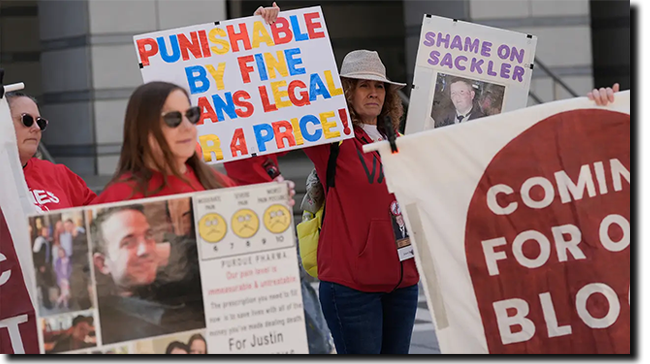
Oxycodone hydrochloride (OxyContin) maker Purdue Pharma is set to be dissolved and replaced by a company focused on the public good by the week's end, as a massive legal settlement resolving thousands of lawsuits takes effect.
A federal judge on Tuesday delivered a criminal sentence to the company to resolve a U.S. Department of Justice probe -- a last necessary step to clear the way for the settlement.
U.S. District Judge Madeline Cox Arleo made her decision after listening to hours of impact statements from people who lost loved ones or struggled with addiction themselves and requested she reject the negotiated sentence. While she didn't go that far, she said she sympathized with people who bore the brunt of an epidemic linked to more than 900,000 deaths in the U.S. since 1999.
Click here to read the full article.
| |
The American Society of Interventional Pain Physicians has submitted a formal letter to Greg Murphy, MD, sponsor of H.R. 8163, the Provider Reimbursement Stability Act, expressing strong support for the legislation.
In the letter, ASIPP highlights ongoing concerns related to physician reimbursement and patient access to care, including:
-
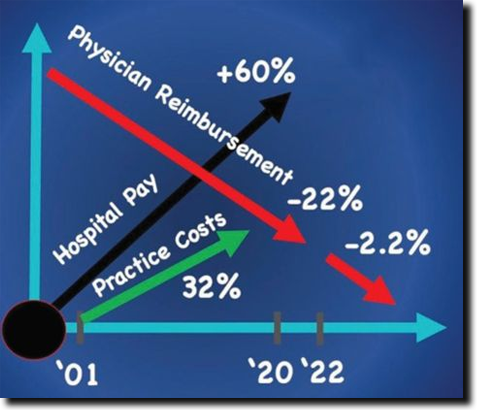
Declining reimbursement: Physician payment has decreased by 33% since 2001 when adjusted for inflation, with additional 2% sequestration cuts each year and looming 4% PAYGO cuts each year based on the Congressional Budget Office report.
-
Rising practice costs: Medical inflation has significantly outpaced general inflation, with healthcare costs increasing by 121.3% compared to 86.1% for consumer goods and services. Practice costs have increased 56% from 2001 to 2025, while reimbursement has declined 33% overall and 41% for interventional pain physicians, with supply costs rising 78%.
-
Access to care challenges: Current Medicare reimbursement policies are contributing to the closure of community-based practices, which is reducing patient access to high-quality interventional pain management services—particularly in the ambulatory surgery center (ASC) setting.
ASIPP emphasizes that H.R. 8163 would help stabilize physician reimbursement by modernizing Medicare payment policies, including increasing the budget neutrality threshold, indexing it to the Medicare Economic Index (MEI), and ensuring more frequent updates to practice expense inputs used in RVU calculations.
The letter underscores the importance of supporting independent physician practices to ensure continued access to high-quality, evidence-based pain care.
Click here to read the full letter.
| |
ASIPP is pleased to announce the launch of the Regenerative and Longevity Medicine Section!
This section reflects the growing importance of regenerative and longevity medicine—fields dedicated to restoring health, enhancing vitality, and extending the healthy years of life. From stem cell therapies and tissue engineering to gene therapy and orthobiologics, these disciplines are transforming the way we approach pain management and age-related decline.
Section membership offers:
- Access to ASIPP’s physician database and future data registry
- Opportunities for certification and continuing education
- Section-exclusive resources and updates
No additional cost for ASIPP members!
| | |
Anecdotes about awakening from anesthesia often describe unusual or amusing experiences after surgery, including unexpected thoughts, expressions of affection, or imagined scenarios. These accounts differ from the common expectations of waking with pain or being unable to move. In current practice, neither these fears nor isolated anecdotes, often depicted in films or described in rare cases, reflect how anesthesia works. Awakening from anesthesia does not cause hallucinations, immobility, or residual pain.
When the effects of anesthesia wear off, patients do not make unexpected declarations or reveal hidden thoughts. These portrayals are more consistent with fiction than with clinical reality.
Speaking with El Médico Interactivo, María José Colomina Soler, MD, PhD, professor and head of the Department of Anaesthesiology and Resuscitation from the Bellvitge University Hospital in Barcelona, Spain, said, “There are many myths to debunk about anesthesia and its effects. The reality is much simpler: It is like waking from a dream.”
Click here to read the full article.
| | |
ASIPP is proud to launch our Resident and Fellow Mentorship Program. This initiative is designed to connect trainees with experienced pain physicians to foster professional growth, provide guidance, and strengthen the future of our specialty.
Each mentor would be paired with one to two trainees, but can take more if interested. Trainees will be responsible for initiating introductions and arranging at least one to two video calls per year. These sessions will provide opportunities for mentees to seek advice on clinical decision-making, career planning, research opportunities, and professional development.
We believe that your experience, expertise, and insight can have a lasting impact on the next generation of pain physicians. By volunteering as a mentor, you will play a critical role in shaping the future of our field and ensuring that ASIPP continues to cultivate excellence in interventional pain medicine.
If you are interested in serving as a mentor, please confirm your participation by filling out the appropriate form below.
| |
An excerpt from Peter Grinspoon's book, "Aging Well with Cannabis"
Older patients represent the group in which cannabis use is increasing most rapidly. The rates of use in this population doubled from 2005 to 2015 and roughly doubled once again from 2015 to 2018. As of 2023, roughly 7% of adults 65 and older reported using the drug in the past month. The earlier numbers might have been an undercount, however, as some people in this generation may not have felt comfortable admitting to using cannabis because of lingering stigma. But according to one study of patients ages 50 years and over, "Attitudes toward cannabis have changed over time with four of five survey respondents currently holding a favorable attitude."
Older adults are discovering that cannabis helps them with many of the symptoms and discomforts of aging and, for some, may provide more relief than conventional pharmaceuticals -- and sometimes with fewer side effects (although cannabis itself isn't entirely free of potentially difficult side effects).
As we age, we accumulate diagnoses, specialists, and prescriptions. "Polypharmacy," the simultaneous use of five or more medications, is common, expensive, confusing, and dangerous. I have many primary care patients who are on 10 or more different medications. But some older patients are finding that they can reduce their reliance on traditional pharmaceuticals with the use of medical marijuana. Many of my patients have experienced improved symptom relief, relaxed mood, and a better health-related quality of life, as well as better-quality end-of-life care.
Click here to read the full article.
| | |
The Opportunity:
- Well-established group seeking an interventional pain physician with pain fellowship training
- Comprehensive interventional pain management program with physicians, nurse practitioners, and two Ambulatory Surgery Centers
- Established interventional pain management practice with strong clinical and research focus
- High-volume practice that is ethical and fully legally compliant
- Research and publication opportunities available
- Early and generous partnership opportunities in both the practice and ASC
| |  | |
The Community:
- Excellent quality of life in a county of more than 60,000 residents, with a regional drawing area exceeding 200,000
- High standard of living with abundant recreational and social opportunities
- Strong public school system and a private parochial elementary school
- Convenient location: approximately 2.5 hours to Nashville and St. Louis; 3 hours to Memphis, Louisville, and Lexington
- Daily one-hour flights to major international hubs, including Chicago O’Hare and Houston, TX
| | Please email Cindy Jackson at cindy@thepainmd.com with your current CV to schedule an interview or to learn more about this practice. | | | |
We're excited to let you know that the new ASIPP Community, hosted by DocMatter, is now live!
The ASIPP Community on DocMatter will serve as a place for members to collaborate around clinical and research topics to advance the care of their interventional pain patients.
Click here to be a part of the conversation!
| | |
Pain Medicine Case Reports (PMCR) and Editor-in-Chief Alaa Abd-Elsayed, MD, PhD would like to invite you to submit case reports and case series to the PMCR journal. Your article will be published free of charge.
Open access journals are freely available online for immediate worldwide open access to the full text of published articles. There is no subscription fee for open access journals. Open access journals are no different from traditional subscription-based journals: they undergo the same peer review and quality control as any other scholarly journal.
Interested in becoming a member of the PMCR Editorial Board?
Editorial board members are asked to review 2-6 manuscripts per year. Please submit your most up-to-date CV to sgold@asipp.org for consideration.
For more information or to submit your articles, click here.
| | |
We are excited to announce that Pain Medicine Case Reports (PMCR) journal (eISSN 2768-5152) has been accepted for inclusion in MEDLINE and PubMed, the prestigious bibliographic database of the U.S. National Library of Medicine. PMCR, a companion publication to the prestigious Pain Physician journal by ASIPP, joins its counterpart in achieving indexing in both MEDLINE and PubMed, marking ASIPP’s dual presence in these renowned databases.
The inclusion of PMCR journal in MEDLINE signifies a higher level of selectivity, as MEDLINE consists of the top 5,200 biomedical journals. This indexing also means that articles from PMCR will be searchable using NLM Medical Subject Headings (MeSH terms) and other metadata.
The selection for MEDLINE follows a rigorous evaluation process by reviewers from the Literature Selection Technical Review Committee (LSTRC). According to their criteria, the scientific quality of a journal’s content is the primary factor considered for indexing.
We extend our congratulations to the Pain Medicine Case Reports Editor-in-Chief, Deputy Editor-in-Chief, Journal Team, and Editorial Board for this achievement, which underscores the significance and excellence of this esteemed journal.
| | | | |