|
March marks the beginning of “budget season” for both the state and federal government, and Elder Services’ ability to deliver services residents of Cape Cod, Martha’s Vineyard and Nantucket rely on depends on the decisions made by our elected representatives at both levels.
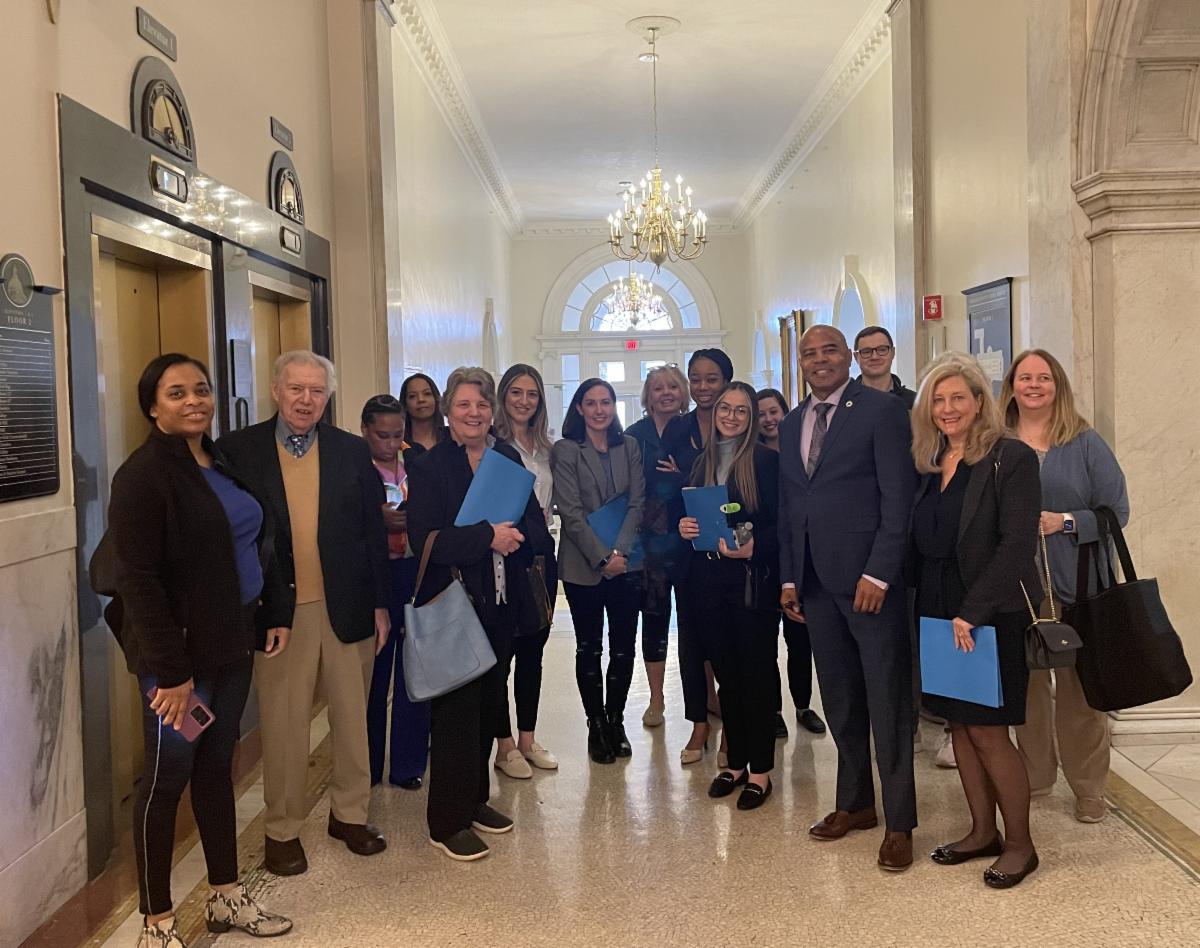
This past week, CEO Maryanne Ryan joined colleagues from across the country in visiting key U.S. Senators in their Washington offices. There, she met with Sedef Berk of Senator Ed Markey’s staff. Senator Markey has a leadership role in the re-authorization of the Older Americans Act, which is scheduled for a vote this year. Advocates want the re-authorization to commit resources on a scale that reflects the growing numbers of older adults, a demographic trend that is particularly acute on Cape Cod where the number of people age 85 and older is projected to increase by over 60% by 2050.
Perhaps the best known of Older Americans Act programs is the Senior Nutrition Program, which offers both home delivered Meals-on-Wheels and social dining at several locations across our service area.
In March 2020, with Covid-19 spread, Senior Dining sites were abruptly closed and demand for Meals-on-Wheels rose steeply. People needed a dependable source of food and were wary about interacting in supermarkets or restaurants. Individuals wishing to receive Meals-on-Wheels must be age 60 or older and are clinically screened to determine need and eligibility. During the pandemic years, more people heard about Meals-on-Wheels and were open to sharing the medical and personal information required for enrollment.
Aware of rising food insecurity across all demographics, the federal government designated additional funding under the Families First, CARES and American Rescue Plan Acts to supplement those already in the budget for Meals-on-Wheels. Those supplementary monies expire this year, but the need for Meals-on-Wheels, elevated during the pandemic years, has not declined. In our area, it is rising more rapidly than ever.
Yet early signals from both Beacon Hill and Capital Hill point to the possibility of “level funding” for Senior Nutrition in Fiscal Year 2025. “Level funding” – Fiscal Year 2024 funding without the supplements – is really a funding cut and in no way reflects the increasing costs of food or labor.
At the same time the demand for Meals-on-Wheels continues to grow, fueled not just by demographics but by the same inflationary pressures. Just as our catering costs have risen, so to has the price of groceries, while typical SNAP benefits have been cut.
With these challenges on the horizon, we need all our elected representatives in our corner.
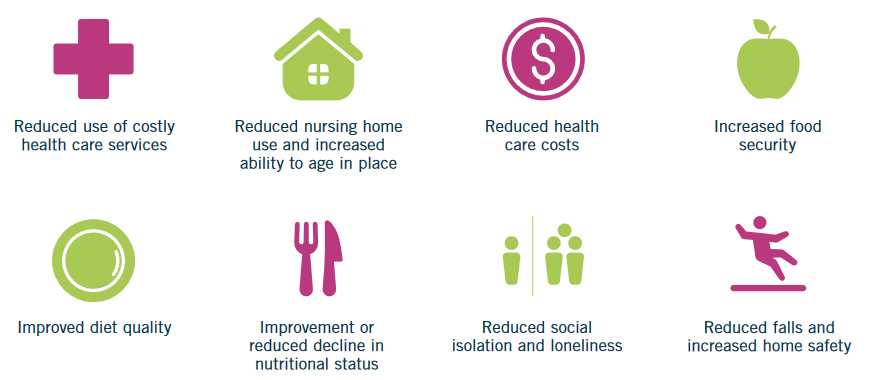
THE CASE FOR MEALS-ON-WHEELS, AN EVIDENCE-BASED SOLUTION TO SENIOR HUNGER AND ISOLATION:
|