|
Sharing stories of conserving 30% of California’s lands and coastal waters by 2030 (30x30) in action, highlighting funding opportunities, and connecting with each other to inspire new partnerships.
"Like the resource it seeks to protect, wildlife conservation must be dynamic”
– Rachel Carson
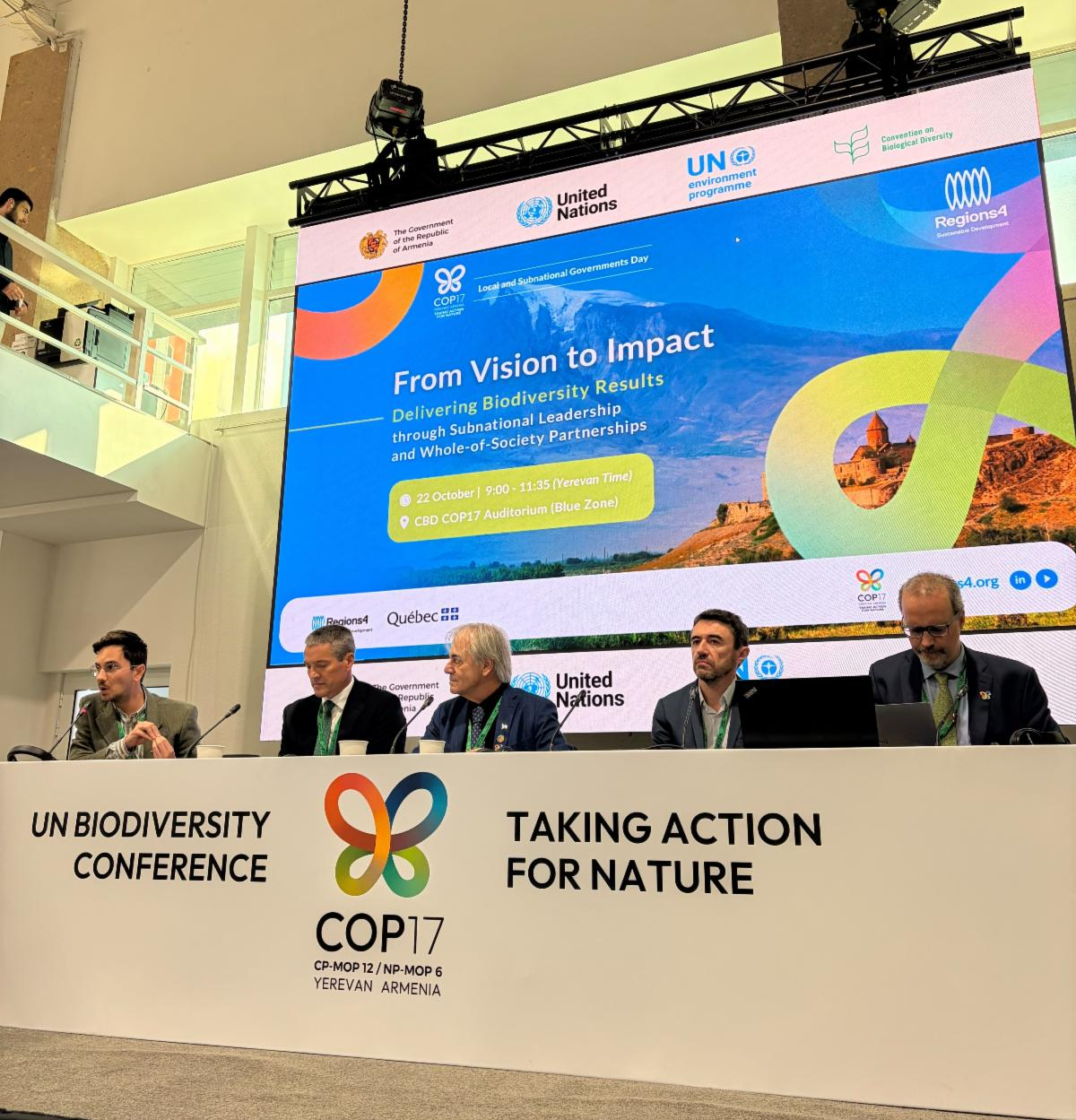
With the changing of the seasons comes movement, for humans and animals alike. As migrating birds began their journeys south for the winter, global biodiversity leaders flew to Armenia for the 17th meeting of the Conference of the Parties to the United Nations Convention on Biological Diversity (COP17). COP17 is a global meeting where nearly every country comes together to assess progress on protecting and restoring nature, strengthening international cooperation, and agreeing on actions to halt and reverse biodiversity loss by 2030.
California’s delegation took to the global stage to highlight the partnerships and actions that have been instrumental to the state’s continued momentum toward achieving 30x30. The United States is one of two countries in the world that is not a signatory to the global biodiversity treaty—but California’s success highlights what strong subnational governments are capable of.
This month, we’re also highlighting conservation wins at home, including the addition of two new marine protected areas and progress on mountain yellow-legged frog conservation. But you don’t just have to read about conservation—you too can take an active role. Participate in the upcoming El Niño Watch and take the Nature Pledge to support the movement right here at home!
| |
30x30 in Action
Highlighting conservation successes that will help us reach 30x30.
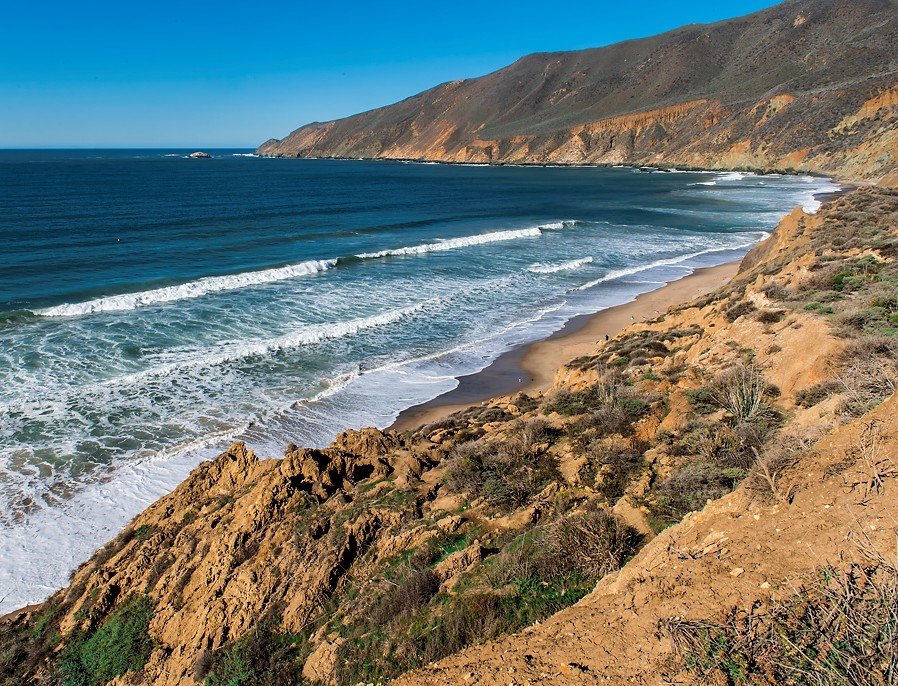
| | | | California’s Leadership on the Global Stage for Biodiversity – As world leaders gathered in Armenia for COP17, California is demonstrating how states and provinces can help turn global biodiversity commitments into real results. With its 30x30 initiative, the state is advancing an ambitious approach to protecting lands and coastal waters, restoring ecosystems and bringing together tribes, communities, governments and conservation partners. Our leadership highlights the important role subnational governments can play in accelerating global progress to halt and reverse biodiversity loss. | | | | Governor Newsom Announces Historic New Ocean Protections as Trump Pushes Offshore Drilling – California has two new marine protected areas! This month, the Fish and Game Commission approved adding 15,000 acres to its network of marine protected areas, bumping the amount of conserved coastal waters from 21.9% to 22.2%. These areas were proposed by Chumash tribes, making them the first tribally-nominated marine protected areas, as well as the first additions to the state’s network of marine protected areas in the last decade. | | | | California’s Fifth Climate Change Assessment Released – As the state faces unprecedented warming and increasingly severe climate impacts, new research from California’s Fifth Climate Change Assessment details how conditions are changing and what communities can expect. With warnings of more wildfires, hotter weather, and bigger storms, it’s essential that conservation and climate resilience projects are prioritized. This assessment translates climate science into information that can be used for action. | | | | Environmental Protection Agency (EPA) Touts $82M for San Francisco Bay Water Grants – The EPA has allocated $82 million to San Francisco Bay water quality projects. These projects—which include pollution cleanup and habitat restoration—will help maintain and restore the health of one of California’s most prominent biodiversity hotspots. Despite threats from the Trump administration, the EPA’s San Francisco Bay program was created by Congress, protecting it from being unilaterally cut. | |
Community Conversations
Sharing voices from partners across California committed to the 30x30 goal.
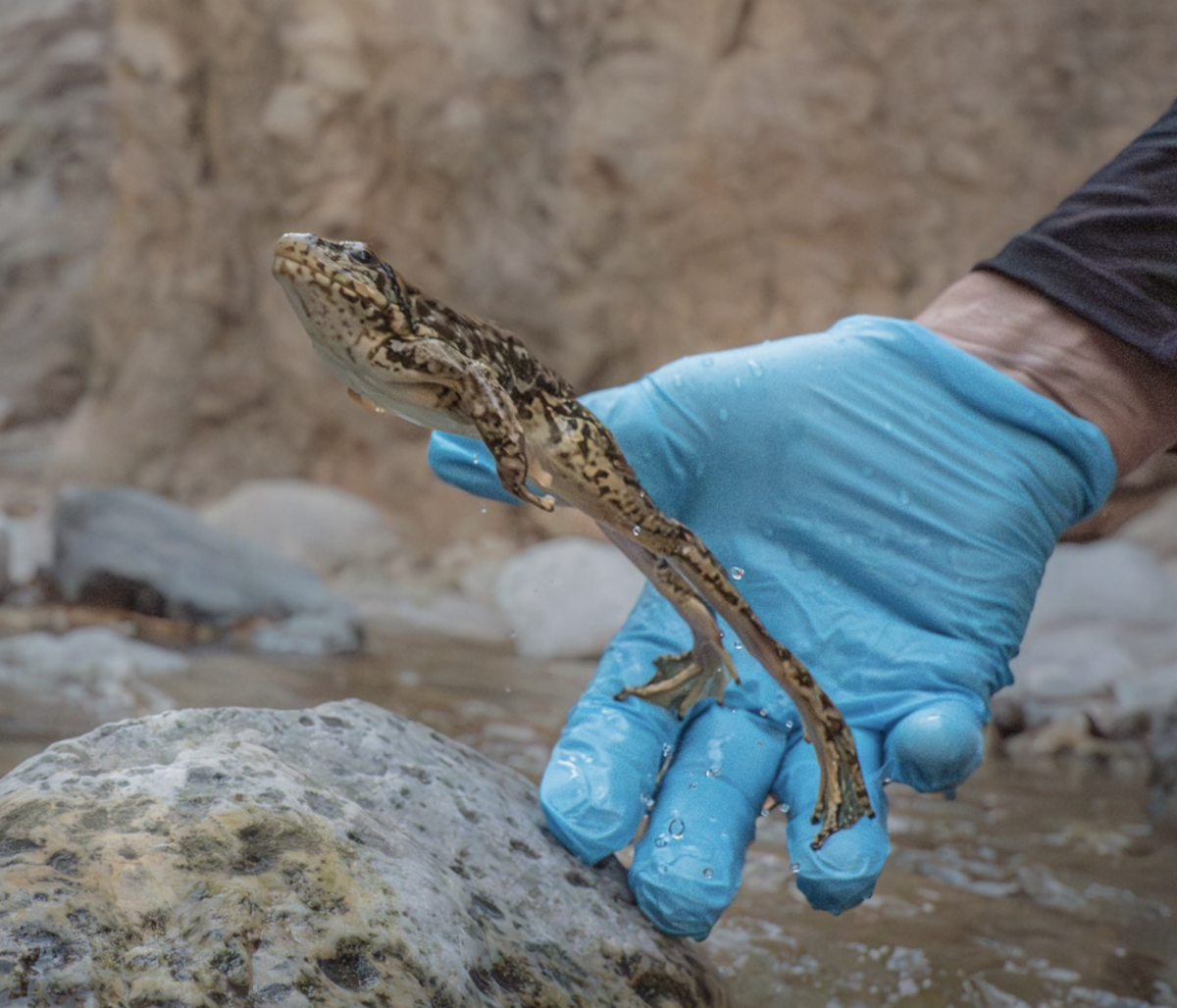
| | | | Trial by Fire: Saving the Mountain Yellow-Legged Frog – A group of biologists—including California Department of Fish and Wildlife (CDFW) representatives—is helping the endangered mountain yellow-legged frog get back on its feet. Fewer than 200 individuals remain in their native Southern California habitat, an area now characterized by burn scars from the Bobcat Fire. A combination of captive breeding, reintroduction, and genetic monitoring will help these populations recover. | |
Funding Opportunities
A space to share funding opportunities that will support 30x30.
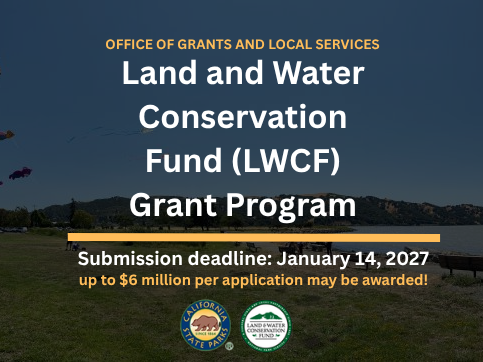
| | | | El Niño Rapid Monitoring and Response for Coastal and Marine Ecosystems – The California Ocean Protection Council (OPC) has released an expedited solicitation for urgent monitoring, assessment, and rapid response to El Niño across California’s coastal and marine ecosystems. Projects addressing the full range of El Niño-related impacts are eligible, including those that affect species, public safety, coastal access, and communities. Proposals are due November 6, 2026. | | | | Statewide Park Development and Community Revitalization Program – California State Parks is accepting applications for $188.5 million in Proposition 4 funding to create new parks and expand recreation opportunities in underserved communities across the state. Cities, counties, districts, joint powers authorities, and 501(c)(3) nonprofits are eligible, with grants ranging from $200,000 to $8.5 million and no match required. Applications are due December 17, 2026. | | | | Land and Water Conservation Fund – California State Parks is accepting applications for $27.5 million in Land and Water Conservation Fund grants to help local communities acquire or develop land for outdoor recreation. Eligible applicants include cities, counties, federally recognized tribes, park and recreation districts, and other public agencies. Applications are due January 14, 2027, with grants of up to $6 million available per project. | |
California Biodiversity Network (CBN) News
Bringing together environmental experts and community leaders to conserve California’s biodiversity.
| | Join the California Biodiversity Network (CBN) – Sign up to receive CBN updates and participate in the equity forum and collaborative roundtables on biodiversity protection, stewardship, environmental education, and scientific inquiry. | | |
News from Network Partners:
- The next meeting of the Stewardship Roundtable will be on November 18 from 10:00 am – 11:30 am. This meeting will be an overview of an opportunity to provide input to the new stewardship section of the 2027 Pathways to 30x30 Progress Report and related discussions.
| | |
Take Action
Highlighting opportunities to get involved to help advance 30x30.
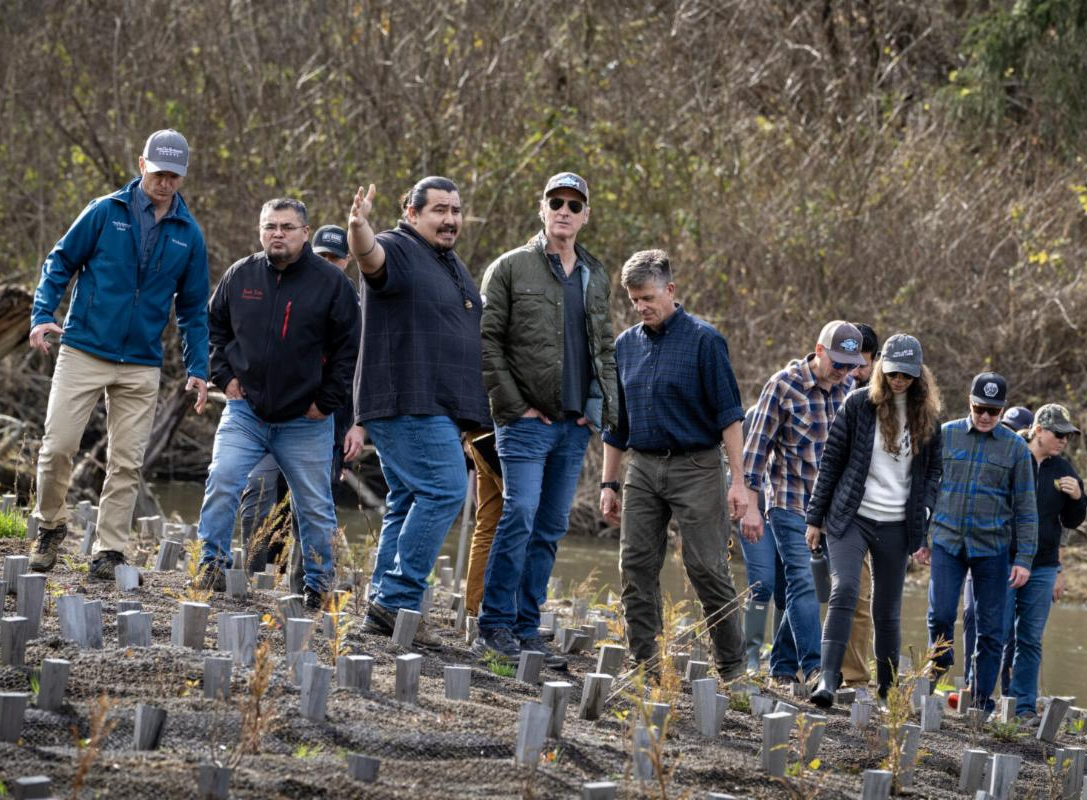
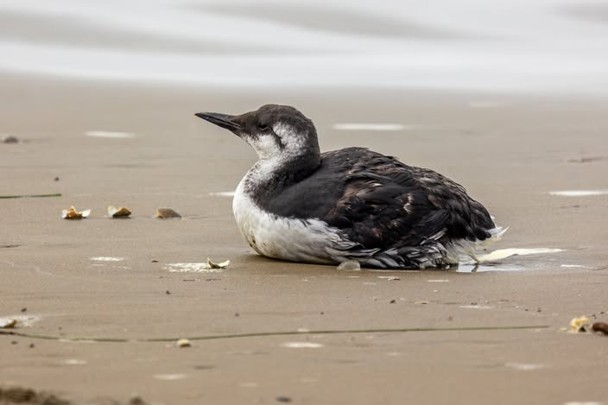
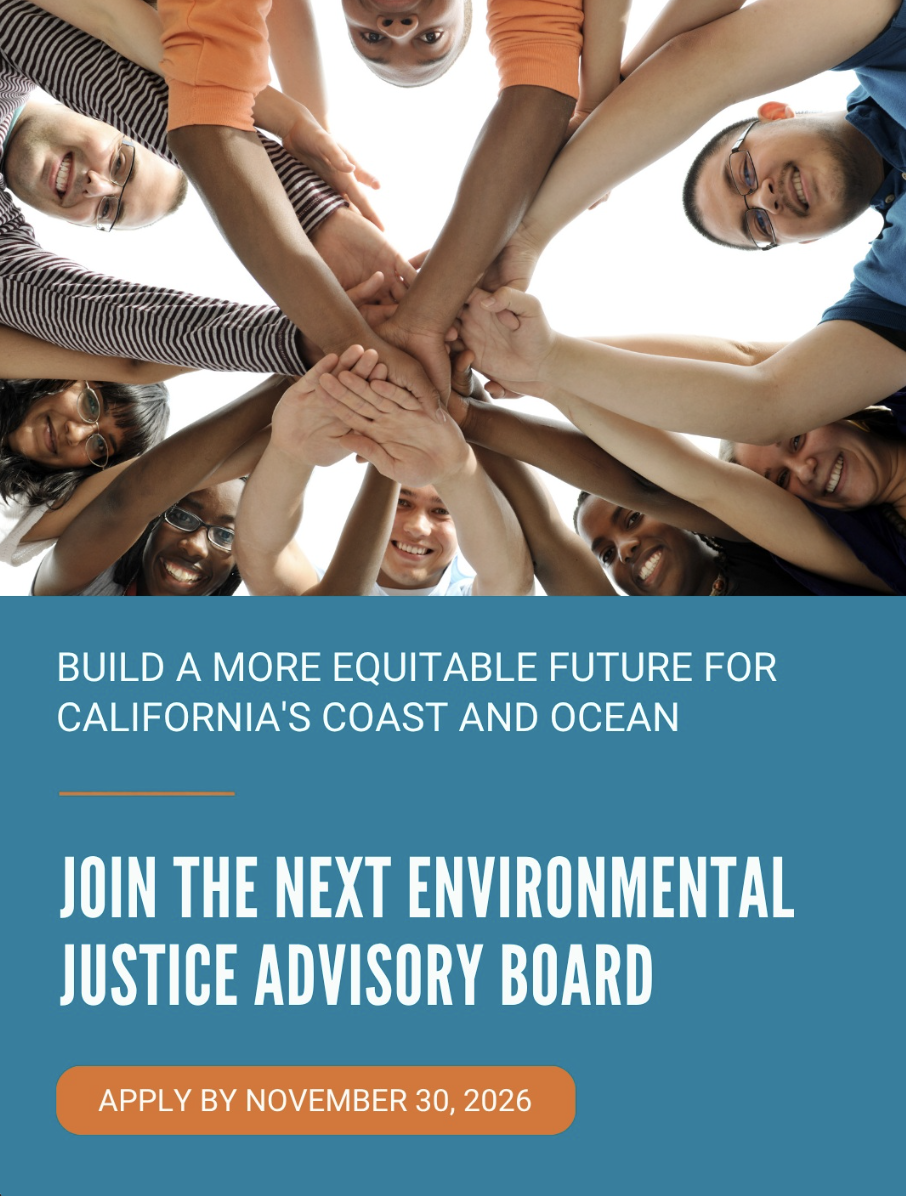
| | | | Take the Nature Pledge – The 30x30 Partnership Summit may be over, but the work continues! Take the Nature Pledge and commit to an action to protect and connect with nature in your community, whether it’s restoring habitat, exploring a local park, supporting conservation, or sharing the importance of California’s natural places. Together, these individual actions can build lasting momentum far greater than any one event. | | | | Keep Your Eyes on the Shore: Join El Niño Watch California – It can be easy to feel overwhelmed by the news of how El Niño is already shifting ocean conditions along our coast, and the additional impacts expected this winter. But the California Academy of Sciences’ El Niño Watch California: 2026-2027 project offers a powerful way to get involved and make a tangible difference. You can help monitor changes by using iNaturalist to record warm-water species moving north and beach strandings along the coast. Turn your coastal walks into meaningful climate action and contribute to real-time ocean science and policy! If you have any questions, reach out to Jessica Carver (jcarver@calacademy.org). | | | | Environmental Justice Advisory Board for California’s Coast and Ocean – The OPC and Better World Group are looking for 10 people to join the next Environmental Justice Advisory Board for California’s Coast and Ocean. They welcome applicants with lived or professional experience connected to environmental justice communities, California Native American tribes and tribal communities, tribally led organizations, and community-based work related to oceans. The advisory board will bring community-informed perspectives and equity expertise to advise the OPC and broader state work through elevating the needs of environmental justice communities. Applications are due November 30, 2026. | |
Stay Connected
Find more information and reach out to us.
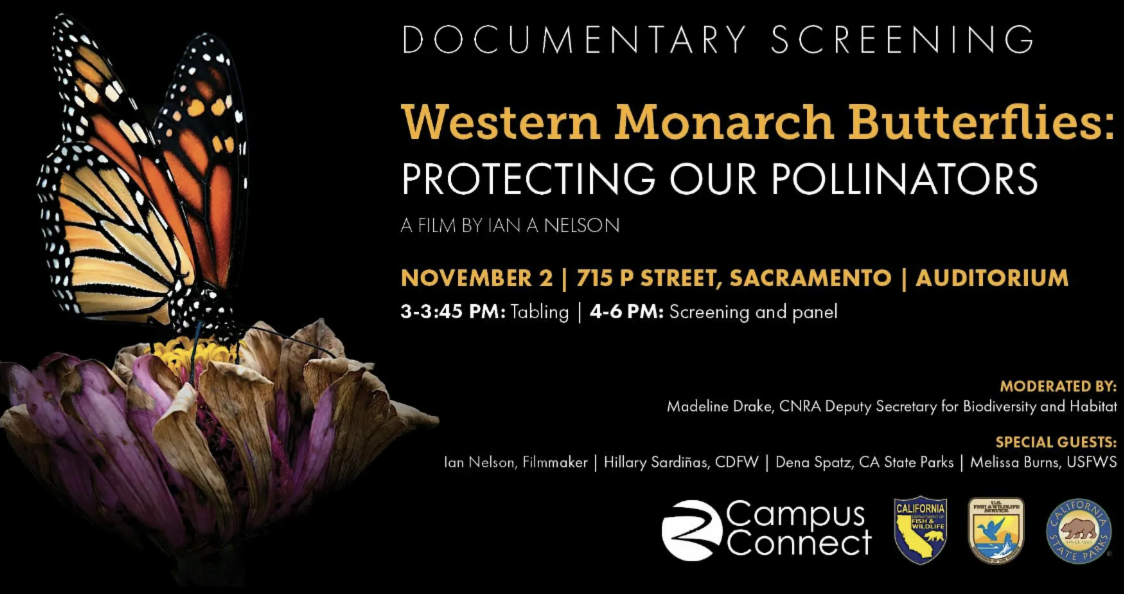
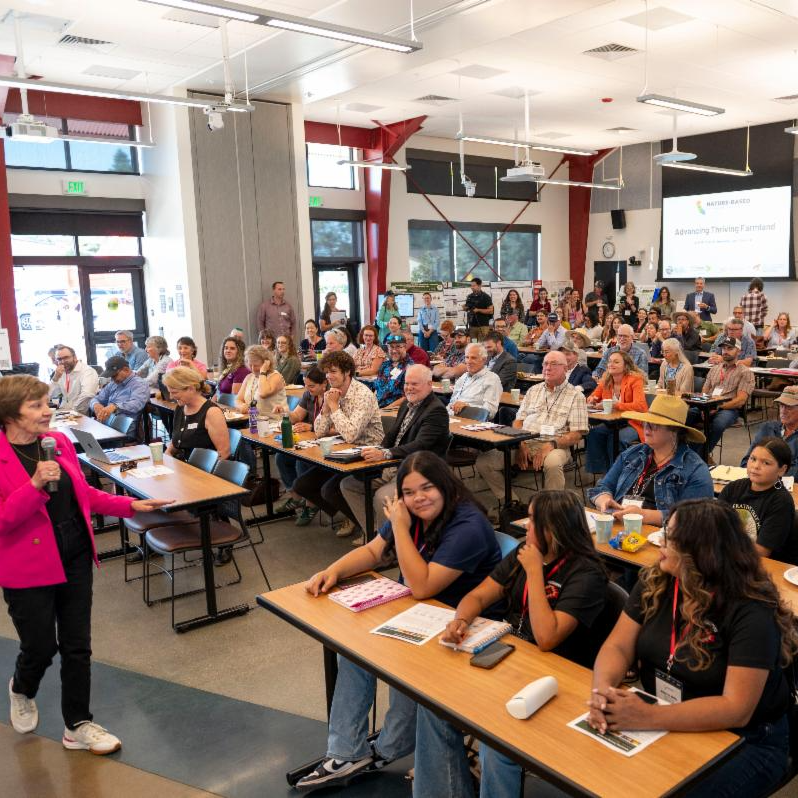
| | | | Western Monarch Butterflies: Protecting Our Pollinators Film Screening – Join us for a film screening and panel on western monarch butterfly conservation on November 2, 2026, in the California Natural Resources Agency (CNRA) auditorium! The panel will feature Melissa Burns from the U.S. Fish and Wildlife Service, Hillary Sardiñas from CDFW, Dena Spatz from California State Parks, and the filmmaker Ian A. Nelson. It will be moderated by the CNRA's very own Madeline Drake, Deputy Secretary for Biodiversity and Habitat. | | | | Nature-Based Solutions Summits Continue Across California – CNRA, in partnership with The Nature Conservancy and other partners, is continuing the statewide conversation on nature-based solutions through a series of eight landscape-specific summits in 2026. Upcoming events include the Greening Communities Summit on November 10 in Los Angeles and the Inland Wetlands Summit on November 12 in Davis, which will explore how conservation and restoration can strengthen climate resilience, biodiversity, and communities. These events are free to attend: Register here! | | | | |
From the Source Podcast –
Eight years. Historic wildfires, droughts, and an energy transition that has reshaped the fourth largest economy in the world. Now California Natural Resources Secretary Wade Crowfoot is pulling back the curtain. From the Source brings you unfiltered conversations with leaders across the Newsom Administration who have made the tough calls and consequential decisions that impact us all. No spin. No talking points. Just the truth behind California’s unfolding environmental story.
| | | | |