TALENT
Lights, camera ... job offer?
The video résumé: helpful trend or half-baked fad?
| |
|
THERE WAS ONCE a time when all jobseekers needed was a good résumé, a good attitude and maybe a firm handshake to land a job.
Tell that to anyone looking for a job these days and they’ll probably laugh you out of the room: today, a jobseeker likely needs their résumé to align with an array of digital portfolios, social media presences, LinkedIn accounts and more. (Plus, a resume, still.) “Résumés alone,” says a senior VP at Indeed, “are no longer enough.”
Not surprisingly, more and more companies are entering this space to provide supplements (or alternatives) to the traditional résumé. A company called ClipHire is targeting Gen Z workers with a “video-based, video-only hiring platform” where jobseekers create a video résumé. TikTok, the behemoth of short-video content, recently launched TikTok Resumes, and is working with major employers (including Shopify, Contra and Chipotle) to make it work.
Even if you’re not on board with a video résumé, jobseekers today can learn from this. The idea of a video resume is partly about highlighting skills and talents rather than degrees and work history. Skills pay the bills these days, not accolades, references or college credits.
And as Gen Z come to comprise more and more of the workforce, this change is coming whether employers are ready or not ― and experts recommend that hiring managers get with the times.
“Rather than focus on antiquated performance indicators like education and degrees, or length of stay at previous companies,” says Margaret Lilani, VP at Upwork, “employers should put greater emphasis on the quality and relevance of the work itself.”
| |
CULTURE
Dear everyone who’s running late: it’s not your fault
If you’re part of the 20 per cent who finds it hard to be punctual, know this: tardiness has its virtues
| |
|
EVERY FRIENDSHIP GROUP has at least one person who is known as ‘the late one’, and that person may even be you. But why do some people struggle so much with their punctuality?
Grace Pacie, author of Late! A Timebender’s Guide to Why We Are Late and How We Can Change, describes those of us who are habitually late as ‘timebenders’ ― people who struggle with punctuality but who are also capable of being very productive under tight time constraints.
“Research shows that 20 per cent of the population finds it hard to be punctual,” says Pacie, who also identifies as a Timebender. “Time seems to work differently for us. We bend time; sometimes it stretches and sometimes it shrinks.”
Fortunately, being a Timebender is not all bad. “We are universally criticized for being late, but our positive attributes are never acknowledged,” says Pacie.
For example, she says Timebenders are often adaptable and flexible. They don’t mind being interrupted by something interesting. They can increase the speed at which they work, focus well under pressure, and are usually good at hitting real deadlines.
Yes, being late is often seen as a character defect, especially in the workplace, and there are techniques to help manage the behaviour. However, Pacie says this negative view is out of proportion and should be challenged.
“Colleagues who are obsessive about punctuality fail to notice that the person last to arrive is also usually the person last to leave,” she says. “People who arrive early for meetings and events are often less productive than those who arrived a few minutes late, because the Timebenders were working right up to the deadline on their previous task.”
| |
|
|
Terry Talks: Are you an employer of choice? | Becoming an employer of choice is not an easy task, nor will it happen overnight. But by monitoring key indicators like employee satisfaction, engagement and commitment, any employer — even a small one — can become a great place to work. | | | |
PERKS
The hot new employee benefit
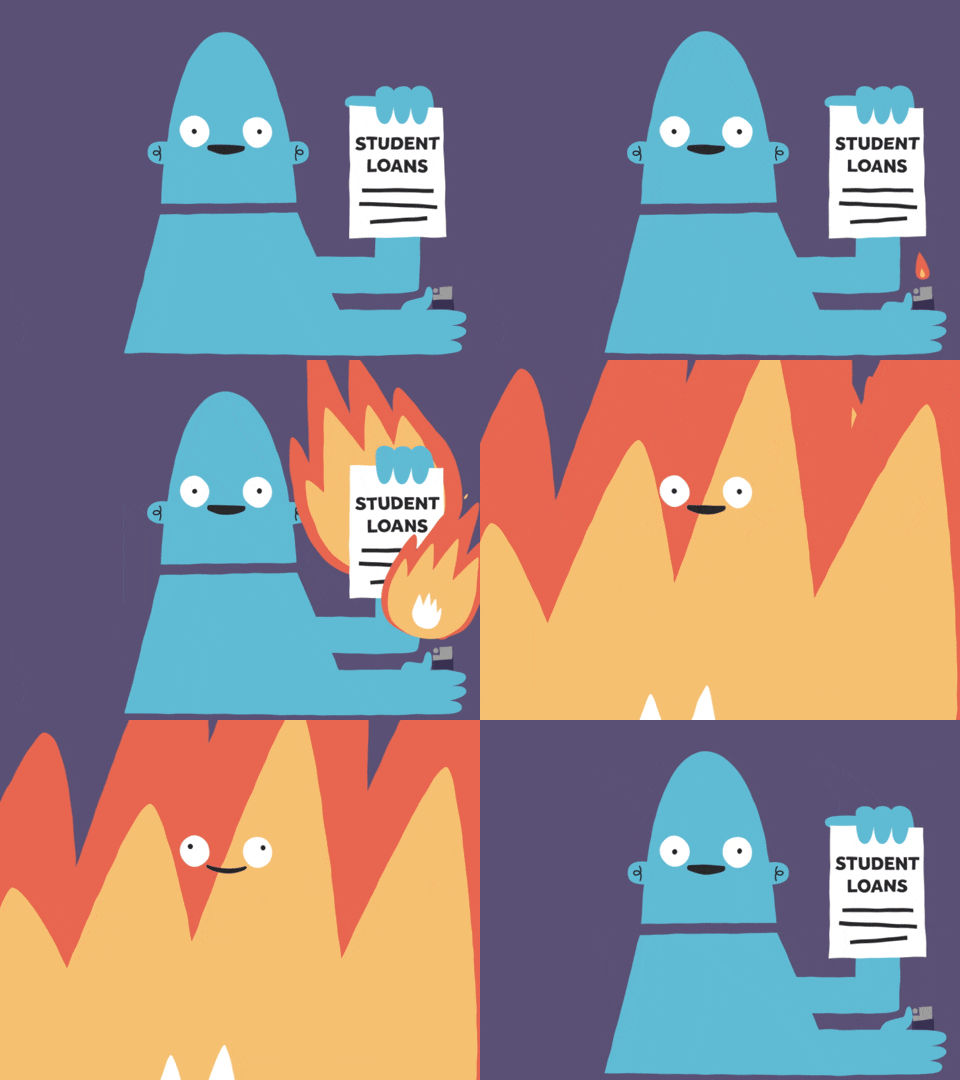
More companies are wooing workers by paying off their student loans
| |
|
STUDENT DEBT IN both Canada and the U.S. is at an all-time high, representing a long-term drain on the spending power of millions of young workers for huge parts of their early careers.
This, unsurprisingly, is not good for the economy as a whole. But more and more employers (recognizing both that student loans are an investment from which they benefit, and that lightening that debt load would be an attractive perk in a tight labour market) are beginning to offer student debt repayment as a job perk — and a pretty good one, at that.
Research from the Employee Benefit Research Institute found that about 17 per cent of large employers offered some form of student debt assistance as part of a benefit package used to lure new employees in 2021. The form this takes can vary, from matching programs to direct payments to employees. There are even start-ups, like Goodly, that specialize in managing these programs.
It’s one of those ideas that, so far, seems to be a win-win. Employees get help with their loans, while a Fidelity Investments study found that attrition rates for employees getting student debt help are 75 per cent lower.
"If we can help take something off our employees’ plate,” says Chris Candela, president and CEO of McLaren Flint Hospital, which has been using this program to fix chronic staffing shortages, “we can help reduce their stress and anxiety instead of just throwing them more money on a per-hour basis.”
| |
SECURITY
One password away from your worst day
SMEs are still making terrible choices with passwords, even though everyone knows better
| |
 | |
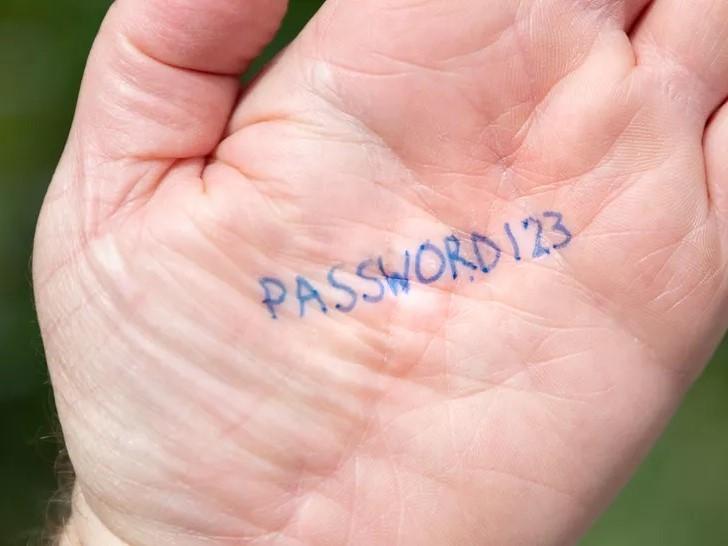
WE'VE ALL LIKELY been guilty of poor password habits at one point or another in our digital lives — reusing the same one, falling back to a simple word (“password” or “admin” ring any bells?) or leaving them stored in insecure places. It’s a problem as old as the internet.
But small- and medium-sized businesses (SMEs) have a lot to lose when it comes to cybersecurity breaches — and, according to some new studies, they are generally really bad at it.
The internet security firm Nord Security spoke to many small businesses, and found “interesting yet alarming insights,” according to one of their security experts. Of the companies they spoke with, nearly half were storing company passwords in Word or Excel files. All of them admitted to sharing passwords over (often insecure) email, and one company even admitted that they have one password for everything related to their business.
When they analyzed password data from Fortune 500 companies, they found that the most common passwords were — big sigh here — “password” and “123456.” (It isn’t just companies dropping the ball with company passwords — workers themselves are almost as bad, with one in four storing company passwords in their phone’s notes app.)
If this isn’t sobering information yet, consider the other stat Nord Security found: 60 per cent of SMEs that are victims of a cyberattack are out of business within six months.
Experts almost unanimously recommend that companies implement password management tools at a bare minimum, but technology is also pushing further. Plenty of companies, including Apple and Microsoft, as well as auto makers Buick, Porsche and BMW, are ditching passwords in favour of biometrics-based systems. A bit creepy? Maybe. But way, way more secure.
| | | | | | | |