June, 2025

Become Their Voice

June is a powerful reminder of the invisible battles many face. As we recognize PTSD Awareness Month, Loneliness Awareness Week and World Well-Being Week, we're reminded how vital it is to check in - with ourselves and each other. At Become Their Voice, we remain committed to advocating for mental health, connection, and compassionate support for all.


-- Deric and Kathy Kidd


Planning your 2025-2026 school year?


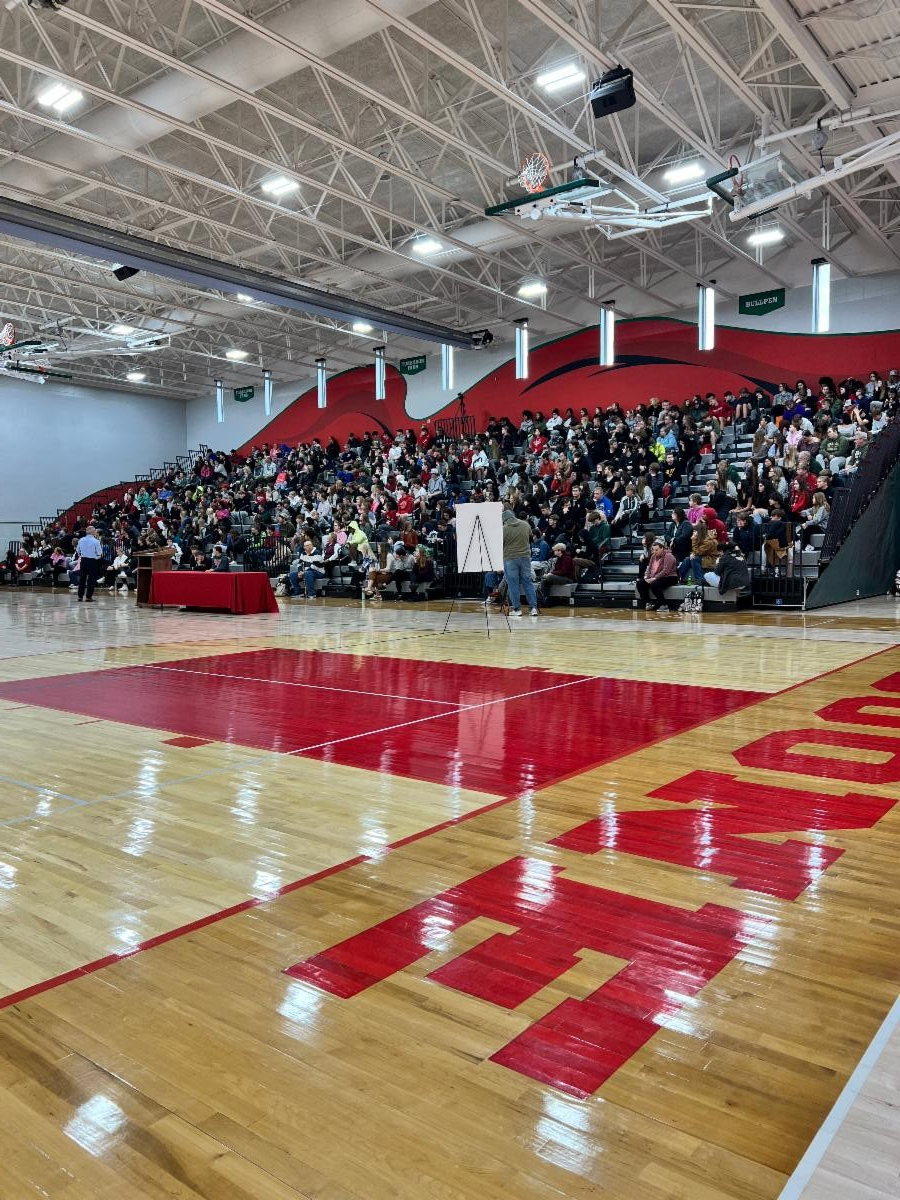
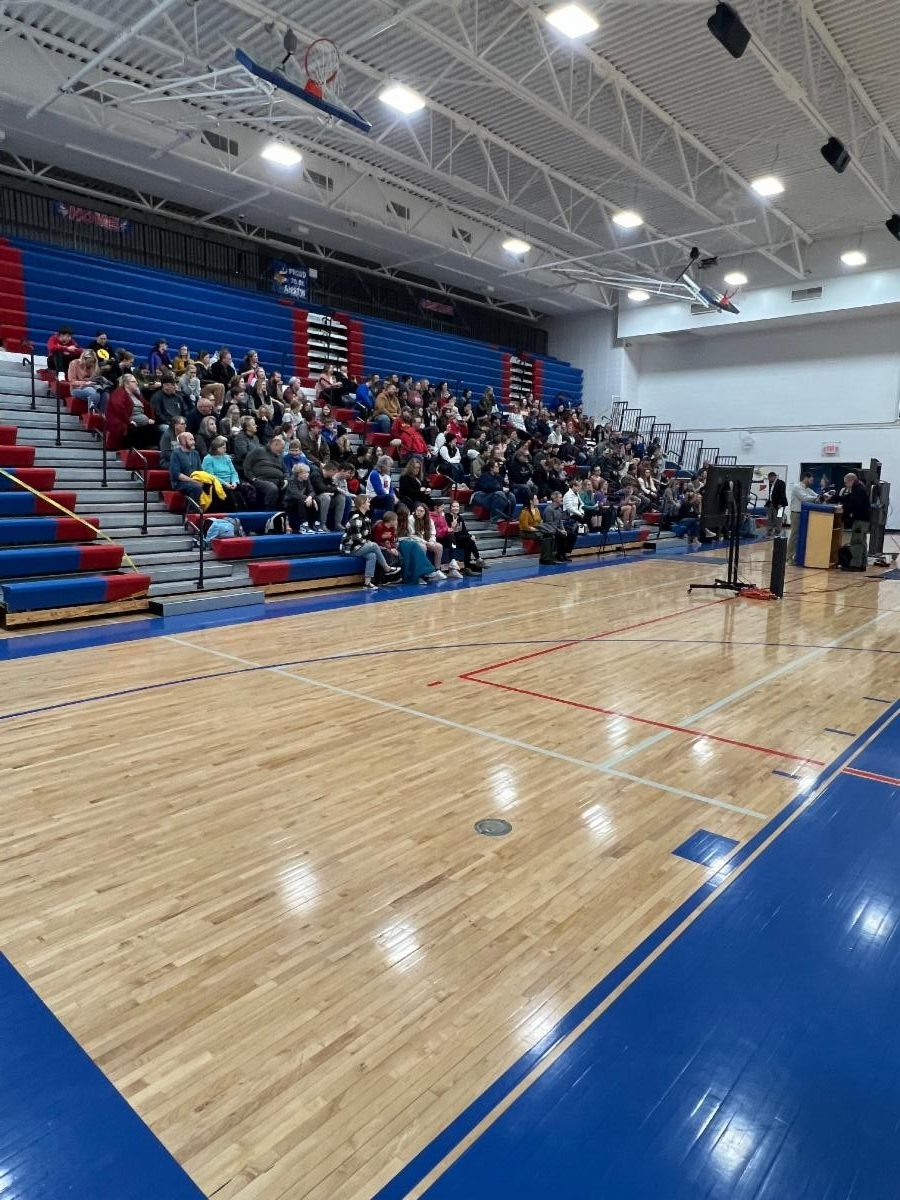
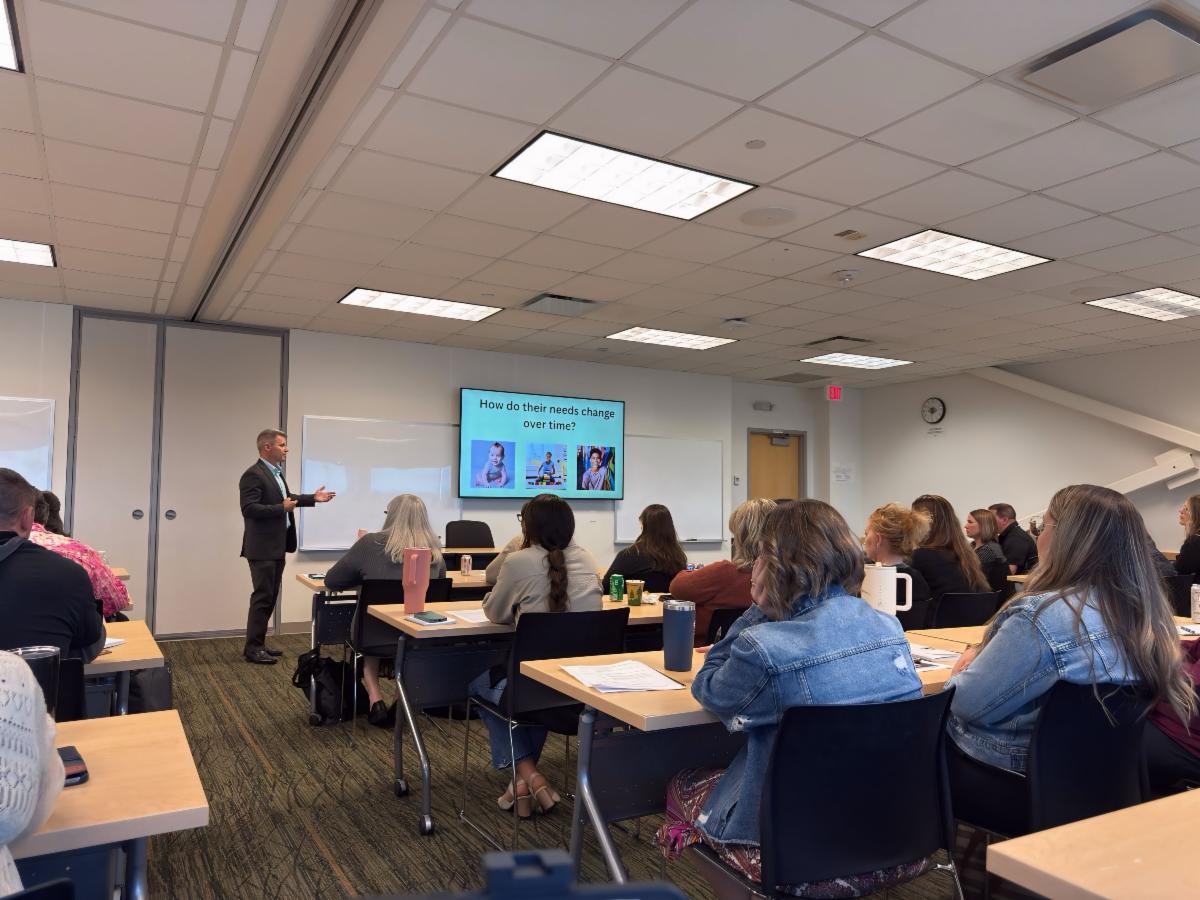
We would love to speak to your students and faculty.


Each presentation is tailored to your needs.


We bring diverse content and additional presenters for engagement!


What is PTSD?


Post-Traumatic Stress Disorder (PTSD) is a mental health condition that can develop after someone experiences or witnesses a traumatic event. This might include combat, abuse, serious accidents, natural disasters, or the unexpected loss of a loved one.


Signs of PTSD:


PTSD can look different for everyone, but many people experience symptoms that fall into these categories:


  • Intrusive memories: Flashbacks, nightmares, or distressing thoughts related to the traumatic event.


  • Avoidance: Steering clear of places, people, conversations, or activities that are reminders of the trauma.


  • Negative changes in thinking or mood: Ongoing feelings of guilt, shame, hopelessness, emotional numbness, or detachment from others.


  • Changes in physical and emotional reactions: Being easily startled, feeling constantly on edge, experiencing angry outbursts, or having difficulty sleeping or concentrating.


These symptoms may begin shortly after the event or surface months (or even years) later. PTSD can affect anyone—regardless of age, background, or profession.


Could you have PTSD?


If you've experienced a traumatic event and are struggling with intense emotions, recurring memories, or feel like you're "stuck" in the moment long after it passed, you may be dealing with PTSD. Here are some questions to consider:


  • Do you have frequent flashbacks, nightmares, or intrusive thoughts about the event?


  • Do you avoid certain places, conversations, or people because they remind you of what happened?


  • Have your emotions changed—feeling numb, disconnected, or overwhelmed by guilt or anger?


  • Are you more irritable, jumpy, or on edge than before?


  • Has it been more than a month since the trauma, and these symptoms are still disrupting your life?


If you answered yes to several of these, it may be time to speak with a mental health professional. PTSD is treatable, and healing is possible.


How can you support someone that has PTSD?


Supporting someone with PTSD starts with understanding, patience, and compassion. Here’s how you can help:


  • Listen without judgment. You don’t have to “fix it”—just being present matters.


  • Avoid pushing them to talk. Let them open up in their own time.


  • Be patient. Healing takes time, and good days may be followed by tough ones.


  • Encourage professional help. Offer to help find a counselor or therapist if they’re open to it.


Take care of yourself, too. Supporting someone else can be emotionally demanding.


DID YOU KNOW??


There is a difference between being lonely and loneliness?


Loneliness Awareness Week – Let’s Talk About It

Each June, Loneliness Awareness Week encourages us to recognize the profound impact loneliness can have on our mental, emotional, and physical well-being. It’s more than a fleeting feeling — it’s a growing public health concern affecting people of all ages and backgrounds.


Lonely vs. Loneliness – What’s the Difference?

  • Feeling lonely is a temporary emotion — something we all experience from time to time, especially after a big life change, loss, or even during quiet seasons of life.
  • Loneliness, on the other hand, is a chronic state — a deep sense of disconnection even when surrounded by others. It can feel isolating, persistent, and emotionally exhausting.


Why Loneliness Matters

Loneliness doesn’t just affect how we feel — it impacts how we function. Research shows that chronic loneliness can lead to:

  • Increased risk of depression and anxiety
  • Impaired immune function
  • Higher rates of heart disease and stroke
  • Greater risk of substance use
  • Decline in cognitive health, especially in older adults


Loneliness can be silent, but it’s powerful. That’s why awareness, connection, and community are so important.


What You Can Do

Sometimes the smallest gesture — a phone call, a kind word, a shared conversation — can make a difference in someone’s day. During Loneliness Awareness Week, let’s be intentional:

  • Reach out to someone who may be struggling
  • Listen with empathy, without trying to “fix” them
  • Check in on yourself, too — your mental health matters


June 9 - 15th, 2025

2025 "Meeting Loneliness Together"

#LonelinessAwarenessWeek


💬 What Does Loneliness Mean for Your Kids?

With school out and routines changing, summer can bring unexpected feelings of loneliness for children and teens. While we often think of summer as carefree and fun, it can also be a time when kids feel disconnected, especially if they aren’t seeing friends daily, participating in activities, or feeling emotionally supported at home.


🚸 Why It Matters

Loneliness in young people isn't just about being alone—it’s about feeling unseen, unheard, or misunderstood. Over time, this can lead to:

  • Lower self-esteem
  • Increased anxiety or sadness
  • Withdrawal from family or friends
  • Greater risk of screen dependency or isolation
  • Difficulty regulating emotions

Kids may not always say “I’m lonely,” but they may show it by acting out, becoming unusually quiet, or expressing boredom in ways that go deeper than needing something to do.


🌟 What You Can Do This Summer

  • Check in emotionally. Ask open-ended questions like, “What was the best part of your day?” or “Is there anything that’s been on your mind?”
  • Create routine and purpose. Even simple things like a daily walk, scheduled reading time, or family dinners help create a sense of security.
  • Encourage social interaction. Camps, clubs, volunteer work, or even a regular park meetup can go a long way.
  • Model connection. Kids watch how adults handle relationships and communication—being open and attentive matters more than we realize.


June 24th - 30th

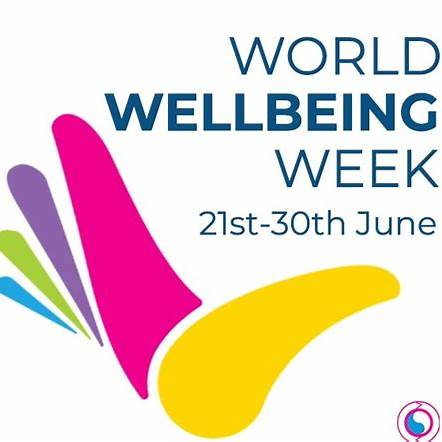
World Well-Being Week


World WellBeing Week is a global initiative held annually to celebrate and promote holistic wellbeing—including physical, mental, emotional, social, financial, environmental, and vocational health. Now in its fifth year, the 2025 observance runs from June 24 to June 30th.


Founded in 2019 on the island of Jersey in the Channel Islands, World Well-being Week was created to shine a light on all dimensions of wellbeing—physical, mental, emotional, financial, social, and environmental.


Since then, it has evolved into a worldwide initiative, celebrated during the last week of June to promote holistic health awareness. 

7 Days of WellBeing Challenge!


  • Monday: Take a walk without your phone


  • Tuesday: Compliment someone sincerely


  • Wednesday: Turn off screens an hour early


  • Thursday: Journal what you’re grateful for


  • Friday: Eat one meal without multitasking


  • Saturday: Check in on someone you haven’t talked to in a while


  • Sunday: Rest—really rest


😮 Surprising Facts About Wellbeing, Loneliness & Mental Health


  • Loneliness is as deadly as smoking.

Chronic loneliness has been shown to be as harmful to health as smoking 15 cigarettes a day. (Source: Holt-Lunstad, Brigham Young University)


  • Social isolation increases the risk of early death by 29%.

People who are socially disconnected are significantly more likely to die prematurely, especially from heart disease and stroke. (Source: National Academies of Sciences)


  • Children as young as 5 can experience emotional loneliness.

Even when surrounded by family, kids can feel emotionally disconnected if they don’t feel seen, heard, or valued.


  • One in three adults in the U.S. reports feeling lonely regularly.

That number spiked even higher during the pandemic and has remained elevated. (Source: CDC, 2023)


  • Workplace wellbeing matters more than ever.

Employees who feel cared for at work are 3x more likely to be engaged and 5x more likely to strongly advocate for their company. (Source: Gallup)


  • Wellbeing isn’t just mental—it’s physical.

Positive social connections are linked to lower blood pressure, improved immune function, and reduced inflammation.


  • People with strong social ties recover faster from illness.

Support systems don’t just help us cope—they actually speed up healing and improve outcomes after surgery, illness, or trauma.


Pain Into Purpose: Our Story...


Drug Endangered Children Conference

We were honored to speak at the DEC (Drug Endangered Children) Conference in Ankeny on May 5th, where we had the opportunity to share our story and advocate for stronger awareness around youth mental health and substance use. Our presentation focused on how each individual in the room has the power to make a difference — through their roles, their voices, and their actions.


Connecting with so many professionals dedicated to protecting and supporting our youth was both inspiring and energizing. Together, we’re building a future where every child’s voice is heard, and their safety and well-being come first.


June Events in Iowa:


June 5, 2025 – Culturally Responsive Health Care Conference

Location: Medical Education Research Facility, University of Iowa, Iowa City

Focus: Exploring culturally competent care practices in mental health and substance use treatment.

Audience: Healthcare professionals, educators, and community leaders.

Details: Continuing Medical Education (CME) credits available. 


June 18, 2025 – Make It OK: Talking About Mental Health and Illnesses

Format: Online webinar (12:00 PM – 1:00 PM)

Focus: Reducing stigma and promoting open conversations about mental health.

Audience: General public, community advocates, and those interested in mental health awareness.

Details: Free registration; hosted by the Iowa Healthiest State Initiative. 


June 19, 2025 – Lakes Health Conference (Day 1)

Location: Iowa Lakes Community College, Estherville

Focus: Addressing behavioral health topics, including mental health and substance use disorders.

Audience: Healthcare providers, counselors, and public health professionals.

Details: Early bird registration available until May 15, 2025. 


June 20, 2025 – Lakes Health Conference (Day 2)

Location: Iowa Lakes Community College, Estherville

Focus: Continued sessions on mental health strategies and substance abuse prevention.

Audience: Same as Day 1; attendees can choose to attend one or both days.

Details: Early bird registration available until May 15, 2025. 


Upcoming July events in Iowa:


2025 Counselor Toolbox Training Series – Ethics & Dual Relationships

Type: Substance Abuse / Counselor Training

Dates: Tuesday, July 15, 2025

Time: 9:00 AM – 12:15 PM (Central)

Format: Live via Zoom

Details: Focused on ethical issues and dual relationships in counseling—part of a CEU series for substance use professionals 

Iowa Board of Certification


Enhancing Judicial Knowledge on Addiction, Treatment & Supervision

Type: Addiction Treatment Seminar

Dates: Wednesday, July 16 & Friday, July 18, 2025

Time: 12:00 PM – 1:15 PM (CT)

Format: Virtual

Details: Designed for judges and legal professionals to better understand evidence-based supervision and addiction treatment strategies 

Cvent


Recovery Coach Training – Spirituality and Recovery Coaching

Type: Peer Recovery Coaching (Substance Use Focused)

Dates: Wednesday & Thursday, July 2–3, 2025

Time: 9:00 AM – 1:00 PM (Central) each day

Format: Virtual via Zoom (Connecticut Community for Addiction Recovery)

Details: Explores integrating spirituality into recovery coaching practice 

Iowa Peer Workforce Collaborative


Recovery Coach Training – Ethical Considerations for Recovery Coaches

Type: Peer Recovery Coaching

Dates: Monday–Wednesday, July 14–16, 2025

Time: 9:00 AM – 1:00 PM (Central) each day

Format: Virtual via Zoom (Connecticut Community for Addiction Recovery)

Details: Training on ethical boundaries and best practices for recovery coaches


If your organization has an upcoming event and would like us to add it to our newsletter, please contact us.


Why Donate


Make a lasting impact.


Your donation directly supports initiatives that raise awareness about the connection between mental health and substance abuse, helping to prevent tragedies and support those in need as well as their families.


Support a meaningful cause.


Funds go towards education, advocacy, and outreach programs that provide resources to individuals and families affected by mental health and addictive challenges. This includes grants, scholarships, and funding to bridge the gap for recovery programs. Click on the link below for full details.


Tax-Deductible contribution.


As a 501(c)(3) non profit, donations to the the Sebastian Kidd Foundation are tax-deductible, allowing you to support a vital cause while receiving potential tax benefits.


If you know someone that would enjoy our newsletter, please forward it on. They can use the link below to subscribe.

If you would like to read our previous newsletters, use the link below.

Sebastian Kidd Foundation


Become Their Voice is funded by the Sebastian Kidd Foundation, a registered 501(c)(3) non profit organization. 92-0524029

Contact Us

Email: DericAndKathyKidd@BecomeTheirVoice.org

Website: BecomeTheirVoice.org


Facebook  Instagram  YouTube  LinkedIn