Three Congressional Committee Chairs at One Meeting! |
|
ASIPP has been actively addressing recent coverage issues through letter correspondence to various agencies. The issues and letters include the following:
AIM published new guidelines effective 04/09/2023. Owned by Anthem, Inc (ANTM), the AIM guidelines are utilized by multiple insurers. ASIPP has addressed the guidelines with a comment letter on the guidelines for Appropriate Use Criteria: Interventional Pain Management. Our comments were related to paravertebral facet joint injection/medial branch nerve block/neurolysis/therapeutic facet joint interventions.
We are requesting LCD reconsideration requests to all of the Medicare Contractors for the LCD covering Facet Joint Interventions for Pain Management.
ASIPP immediate past president, Amol Soin, sent a letter to Cigna on February 7 addressing their Medical Policy Update on Peripheral Nerve Block Procedures (for trigeminal and occipital neuralgia) which considering them experimental, investigational, or unproven, with an efficacy date of April 18th, 2023. In the letter, we ask that the policy update restricting the use of peripheral nerve blocks be re-evaluated and modified. We recommended that these procedures continue to be covered and we find the characterization of these procedures to be experimental or investigational to be inaccurate.
|
|
Novitas and First Coast Services have not issued their policies nor have they participated in multijurisdictional committee and have not issued a policy.
You can use this algorithmic approach whenever you see your patients by utilizing these checklists for each patient prior to performing epidural steroid injections and facet joint interventions.
|
|
A single vaccine that protects against both COVID-19 and flu will not be ready ahead of the next virus season, a top FDA official said March 1.
Peter Marks, MD, PhD, director of the FDA's Center for Biologics Evaluation and Research, called the task "too heavy of a lift" to be completed by this fall, noting that the need for annual COVID-19 vaccination only became clear in the past few months.
"But our goal is for the following season to have that available," he said during an FDA webinar on COVID-19 vaccine updates.
|
|
For every 500 extra steps per day, or an additional one-quarter mile walked, adults aged 70 years or older could reduce risk for a CVD event by approximately 14%, a speaker reported.
The results of a substudy from the ARIC cohort were presented at the American Heart Association’s Epidemiology, Prevention, Lifestyle & Cardiometabolic Health Scientific Sessions 2023.
“Steps are an easy way to measure physical activity, and more daily steps were associated with a lower risk of having a cardiovascular disease-related event in older adults,” Erin E. Dooley, PhD, assistant professor of epidemiology at the University of Alabama at Birmingham School of Public Health, said in a press release. “However, most studies have focused on early-to-midlife adults with daily goals of 10,000 or more steps, which may not be attainable for older individuals.”
|
|
A sugar replacement called erythritol – used to add bulk or sweeten stevia, monkfruit and keto reduced-sugar products – has been linked to blood clotting, stroke, heart attack and death, according to a new study.
“The degree of risk was not modest,” said lead study author Dr. Stanley Hazen, director of the Center for Cardiovascular Diagnostics and Prevention at the Cleveland Clinic Lerner Research Institute.
People with existing risk factors for heart disease, such as diabetes, were twice as likely to experience a heart attack or stroke if they had the highest levels of erythritol in their blood, according to the study, published Monday in the journal Nature Medicine.
|
|
ABIPP Part I; ABIPP Path - Combined DCCPM/CSM virtual exam; ABIPP Competency Exam in IPM; ABIPP Competency Exam in Regenerative Medicine
ABIPP Part II; ABIPP Competency Exam - Practical Portion; ABIPP Regenerative Medicine Competency Exam - Practical Portion
|
|
Present in nearly one half of all reported cases, study found
Opioids were the most common substance contributing to fatal poisonings among children age 5 years and younger in recent years, researchers reported.
Examination of 731 poisoning-related fatalities from 2005 to 2018 in young kids reported to the National Fatality Review-Case Reporting System (NFR-CRS), showed that opioids were involved in 346 of the fatal cases (47.3%).
Additionally, the proportion of fatal cases involving opioids trended upward over the study period, said Christopher Gaw, MD, MBE, of the Children's Hospital of Philadelphia, and colleagues. In 2005, opioids were involved in 24.1% of the fatal poisonings, increasing to 52.2% in 2018.
|
|
Two US Drug Enforcement Administration (DEA) proposals on how telehealth can be used going forward to prescribe controlled substances are drawing criticism from mental health and addiction treatment specialists.
The proposed rules — one for Schedule III-V substances, and the other for buprenorphine — are due to go into effect on May 11, when the COVID-19 public health emergency (PHE), and temporary flexibilities, end.
Essentially, both proposals would allow providers to prescribe a 30-day supply of a controlled substance or buprenorphine, but then require a face-to-face meeting for patients to receive additional prescriptions.
|
|
Resident/Fellow News and Updates |
|
The amount of medical knowledge is said to double every 73 days, making it much tougher for physicians to identify innovative findings and newer guidelines for helping patients. Yet not keeping up with the latest information can put doctors at risk.
"Most doctors are feeling lost about keeping up to date," said John P.A. Ioannidis, MD, professor of medicine at Stanford University School of Medicine in Palo Alto, California. "The vast majority of new studies are either wrong or not useful, but physicians cannot sort out which are those studies."
The sheer number of new studies may even force some doctors to retreat from areas where they have not kept up, said Stephen A. Martin, MD, professor of family medicine and community health at UMass Chan Medical School in Worcester, Massachusetts. "When doctors don't feel they can stay current, they may refer more cases to specialists or narrow their focus," he said.
|
|
These prescriptions could lead to abuse, OIG report warns
Some doctors have been prescribing opioids to Medicare Part D drug plan beneficiaries to relieve their cancer pain -- even though they didn't actually have cancer, according to a report from the Office of Inspector General (OIG) at HHS.
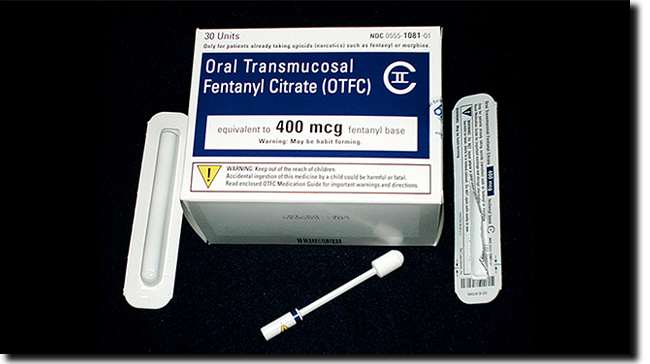
The report noted 7,552 prescription fills for transmucosal immediate-release fentanyl (TIRF) dispensed to 810 beneficiaries who did not have a cancer diagnosis in their Medicare claims history to support a medically accepted indication for use. And for 65 of those beneficiaries, the plans kept approving the prescriptions even after they had been disallowed.
Some doctors have been prescribing opioids to Medicare Part D drug plan beneficiaries to relieve their cancer pain -- even though they didn't actually have cancer, according to a report from the Office of Inspector General (OIG) at HHS.
|
|
- ASIPP Members Only Site Information - |
|
-
To log in for the first time you will need to click “forgot password” at the bottom of the login window.
- Check your email and then log in as directed.
-
If you have problems logging into your account, click here.
|
|
Pain Medicine Case Reports (PMCR) and Editor-in-Chief Alaa Abd-Elsayed, MD, PhD would like to invite you to submit case reports and case series to the PMCR journal. Your article will be published free of charge.
Open access journals are freely available online for immediate worldwide open access to the full text of published articles. There is no subscription fee for open access journals. Open access journals are no different from traditional subscription-based journals: they undergo the same peer-review and quality control as any other scholarly journal.
Interested in becoming a member of the PMCR Editorial Board?
Editorial board members are asked to review 2-6 manuscripts per year. Please submit your most up-to-date CV to sgold@asipp.org for consideration.
For more information or to submit your articles, click here.
|
|
| CASE REPORT |
George Soliman, MD, Nathan Pham, MD, and Casey Pas, MD
Abstract
BACKGROUND: The axillary nerve is one of the most common peripheral nerve of the shoulder to be injured. If a patient does not desire invasive surgical intervention, then other options, such as neurostimulation, should be explored. Until recently, there were no specific devices for peripheral nerve stimulation (PNS), and the hardware for spinal cord stimulation was used, but these systems were powered by an implantable battery, which can be difficult to use for PNS. Externally powered systems are the ideal technology to target peripheral nerves.
CASE REPORT: A 67-year-old man presented with chronic right shoulder pain after multiple surgeries following a fracture. It was determined that the patient would not likely benefit from any further surgical interventions, and thus the patient was referred to pain management for further evaluation. The decision was made to trial the patient for PNS of the right axillary nerve.
RESULTS: The patient reported drastically reduced pain (pain reduction of approximately 90% at 6-month follow-up). Activities of daily living, quality of life, sleep, and range of motion were also all improved at 6 months after the permanent implant procedure.
CONCLUSIONS: Subthreshold, externally powered PNS at the axillary nerve was a successful choice for a patient suffering from chronic shoulder pain after multiple surgical interventions.
KEY WORDS: Peripheral nerve stimulation, shoulder pain, axillary nerve, externally powered stimulation
|
|
| RETROSPECTIVE ANALYSIS |
Ji Hee Hong, MD, PhD, Jae Yoon Lee, MD, Seung Ju Kim, MD, and Kyeong Hwan Seo, MD
Abstract
BACKGROUND: Trigeminal neuralgia (TN) is usually established using characteristic clinical features such as sudden, severe, and unilateral facial pain. Studies about diverse clinical features and epidemiologic data of TN have been reported previously; however, most of the previous studies have evaluated in and focused on Caucasian and Western populations.
OBJECTIVES: The purpose of this study was to evaluate diverse clinical features, currently applied types of treatment, and brain imaging studies in patients with TN in a Korean population.
STUDY DESIGN: Retrospective analysis.
SETTING: An interventional pain management practice in South Korea.
METHODS: Patients with a primary diagnosis of TN were identified using Clinical Data Warehouse v 2.5 (CDW, Planit Healthcare, Seoul, Korea) using the key words “trigeminal neuralgia and G50.0 (International classification of disease 10 code).”
RESULTS: TN occurred predominantly between the fifth and seventh decades of life, with female predominance. The V3 division and unilateral right-side involvement were the most common affected region. An electric shock like sensation and the intraoral side (teeth and gingiva) were the most common pain description and location, respectively. Normal brain imaging studies and vascular compression on the trigeminal nerve were observed in 92 (64.7%) and 36 (25%) patients, respectively. The superior cerebellar artery was the most common offending vessel (19;13.3%). Monotherapy with carbamazepine alone was the most common (91;37.7%), whereas radiofrequency thermoablation was the most common invasive treatment.
LIMITATIONS: The results of this study were based on data on TN patients from a single center. The generalizability of the findings to the Korean population is thus limited.
CONCLUSION: There is little difference between Korean and other Asian patients with TN in their demographic and clinical characteristics.
KEY WORDS: Brain imaging, clinical feature, electric shock-like sensation, intraoral side, trigeminal neuralgia, vascular compression
|
|
| PROSPECTIVE STUDY |
Qingcai Peng, MB, Jiyuan Wang, MB, Xiaoqiong Xia, BS, Yuanhai Li, MD, PhD, Cheng Qiu, MB, Jun Li, MB, Hongwang Zhou, MB, Yawen Li, MB, and Mingyue Zhang, MB
Abstract
BACKGROUND: Postdural puncture headache (PDPH) is one of the serious complications after lumbar puncture, but there is no effective tool to predict it.
OBJECTIVES: To explore whether ultrasound measurement of optic nerve sheath diameter (ONSD) as a predictor of PDPH can be a reliable tool supported by reliable protocols and data.
STUDY DESIGN: A prospective observational study.
SETTING: Department of Anesthesiology.
METHODS: This prospective observational study was performed in 156 patients undergoing cesarean section (CS). The patient’s ONSD was recorded before anesthesia (T0), 10 minutes after anesthesia (T1), at the end of the operation (T2), at the first postoperative day (T24), at the second postoperative day (T48), and the third postoperative day (T72). During the 3-day follow-up, the patients were evaluated, identified, and divided into a PDPH group and a non-PDPH group. Age, weight, height, ASA, lumbar puncture location, and the number of lumbar puncture attempts were also recorded. We mainly analyzed the changes and differences between the 2 groups of ONSD.
RESULTS: Twenty-four patients (15%) developed PDPH. The ONSD was significantly lower in the PDPH group than in the non-PDPH group at T2, T24, T48, and T72. All patients showed a significant reduction in ONSD at T1 compared to T0. Women whose ONSD continued to fall without recovery from T0 to T2 were more likely to experience PDPH (RR 5. 022; 95 CI 3.343 to 7.508). The ONSD at T24 was the best predictor of PDPH (ACU 0. 9787, 95 CI 0.9578 to 0.9996), with a cutoff value of 0.40 cm (sensitivity 92%, specificity 94%).
LIMITATIONS: This is a single-center study, and ONSD may vary in different regions or ethnic groups.
CONCLUSIONS: We believe that continuous measurements of ONSD may be a useful tool for predicting PDPH.
KEY WORDS: Postdural puncture headache (PDPH), Optic nerve sheath diameter (ONSD), Combined spinal-epidural anesthesia (CSEA), cesarean section
|
|
ASIPP is now in collaboration with Curi Medical Liability Program
Since this malpractice insurance program officially launched in November 2018, ASIPP has signed up hundreds of providers with an average savings of 30%. This is professional liability insurance tailored to our specialty and will stand up for us and defend our practices.
Curi is a full-service advisory firm that serves physicians and their practices. Their valued advice is grounded in your priorities and elevated in your outcomes. They are driven by a deep understanding of your specific circumstances in medicine, business, and life. To read a few important points to keep in mind about the program, including discounts, administrative defense, cyber coverage, aggressive claims handling, and complimentary risk management CME activities, visit our website.
|
|
ASIPP® has formed a partnership with Henry Schein and PedsPal, a national GPO that has a successful history of negotiating better prices on medical supplies and creating value-added services for independent physicians. Working with MedAssets, PedsPal provides excellent pricing on products like contrast media that alleviate some of the financial pressures you experience today.
|
|
ASIPP® is now offering our members the benefit of a unique revenue cycle management/ billing service.
We have received a tremendous amount of interest in the ASIPP® billing and coding program.
Click here to learn more about the negotiated rate for practices and more!
|
|
|
up-to-date news related to you, your practice, and your patients!
|
|
|
|
|
|
|