|
Sun safety is about more than avoiding a sunburn, it’s a daily habit that protects your skin, eyes, and overall health while still letting you enjoy time outdoors. It’s important to keep in mind during the summer, but not just on hot or sunny afternoons. Ultraviolet (UV) light, not heat, is what can cause damage, and that damage can begin in as little as 15 minutes when you’re outdoors without protection. UV rays are strongest between 10 a.m. and 4 p.m., but they can still affect you on cloudy days and cooler days since up to 80% of the sun’s rays can pass through fog and clouds. The UV index can offer a helpful forecast of how intense the sun’s rays will be, and extra precautions should be taken if the UV index is 3 or higher. UV rays can also reflect off water, sand, pavement, and snow, increasing your exposure even when temperatures feel mild and throughout each season.
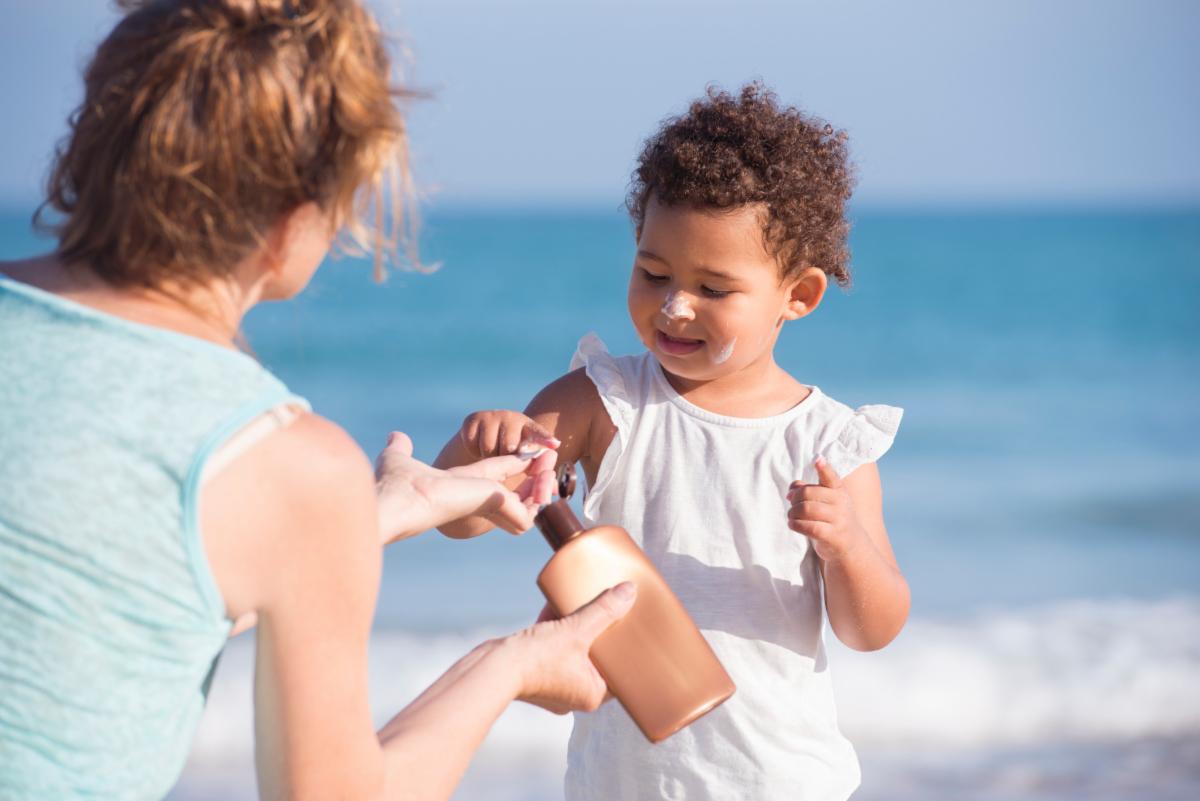
One of the best ways to protect yourself from these UV rays is by using sunscreen correctly. Sunscreen acts like a shield between your skin and the sun’s damaging UVA and UVB rays. Choose a broad-spectrum sunscreen with SPF 30 or higher and apply it before going outside so it has time to start working. Be sure to also reapply every two hours, and again after swimming or sweating. And remember, a higher SPF sunscreen doesn’t mean you can stay out longer without reapplying, and sunscreen should always be checked for its expiration date since it should be no more than three years old. Don’t forget to apply sunscreen to often-missed spots like your ears, neck and the tops of your feet, or your lips either with an SPF 15 lip product to help protect that sensitive skin as well.
When choosing sunscreen, both mineral and chemical formulas can work well. What you choose to use mostly comes down to personal preference. Mineral sunscreens, which contain ingredients such as zinc oxide or titanium dioxide, sit on the skin’s surface and reflect and scatter UV rays away. They often provide immediate protection and may be a better option for people with sensitive or acne-prone skin, although they can feel thicker and sometimes leave a white cast.
Chemical sunscreens, with ingredients like avobenzone, oxybenzone, and octanoate, are absorbed into the skin, where they absorb UV rays and convert them to heat which is then released by the skin. These formulas are often transparent on the skin, easier to apply, and frequently available in water-resistant formulations that can offer better water resistance than many mineral sunscreens, though regular reapplication is still necessary. They do require time to absorb before being effective, so make sure to apply 20 to 30 minutes prior to going outside. Some people may experience irritation or allergic reactions with chemical formulas due to it needing to be absorbed into the skin to be effective. In the end, both types offer protection, so the best sunscreen is often the one you are most likely to use consistently and feel comfortable using on your skin.
Clothing and accessories can also be just as important in protecting yourself from UV rays as sunscreen. Lightweight, loose-fitting, tightly woven clothing can help shield your skin, and UPF (Ultraviolet Protection Factor) clothing can offer added protection by blocking more UV rays. A wide-brimmed hat helps protect your face and neck, while sunglasses labeled 100% UV protection help shield your eyes from damage linked to conditions such as cataracts and ocular melanoma. For infants younger than 6 months, shade, hats, and protective clothing are the safest options, while children 6 months and older can wear sunscreen safely.
It’s also important to remember that a base tan does not protect your skin from sun damage. UVA rays, which can contribute to skin aging and cancer, come not only from the sun but also from tanning beds and sunlamps and offer no health benefit to you. Your best decision is to stay away from tanning beds and utilize sun safety techniques like sunscreen and the above to protect your skin so you can enjoy the sun and time outside safely.
In addition to using sunscreen and clothing as part of your sun safety efforts, seek shade whenever possible and stay hydrated, especially during peak UV hours. Drinking water helps cool your body and replace fluids you lose through sweating, which is especially important during outdoor activities. UV rays may be dangerous for the skin, but it’s important to also ensure you don’t get overheated too.
Think of sun safety not as a restriction, but as a way to keep enjoying the outdoors for years to come. Safe periods of sun exposure, combined with protective strategies like sunscreen, clothing, and shade, allow you to get outside, stay active, and support your overall well-being while minimizing long-term risks.
|