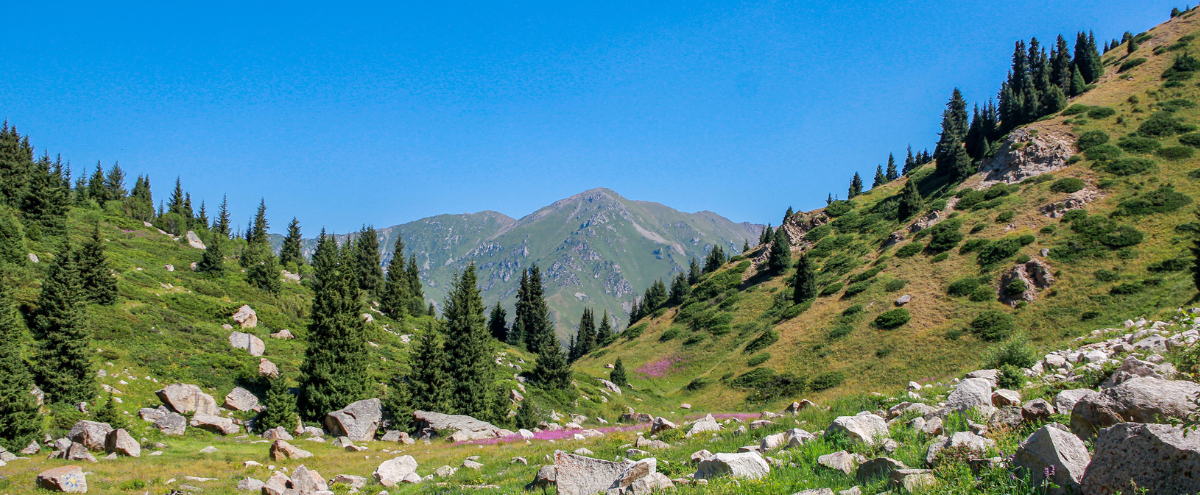
A monthly newsletter for scholars, policy-makers, and civil society members | | Ile-Alatau National Park, Kazakhstan. AdobeStock. | | In this edition, we share two new blog entries, which look at 1) the horrors inside an ICE detention facility and 2) Azerbaijan's post-oil economy. We also bring you new data from our campaign tracking methane pollution in Kazakhstan. | | Join us in uncovering narratives, promoting transparency, and advocating for environmental and human rights of people and communities, especially those who are marginalized by extractive, corporate, and authoritarian actions. | | This year, the call for climate justice has never been greater. If our mission resonates with you, please consider supporting us to ensure that our vital work can continue in these fraught and fragile times. | |
New Blog Post: Pending Green-Card Applicant Alleges Medical Neglect at ICE Detention Facility
| |
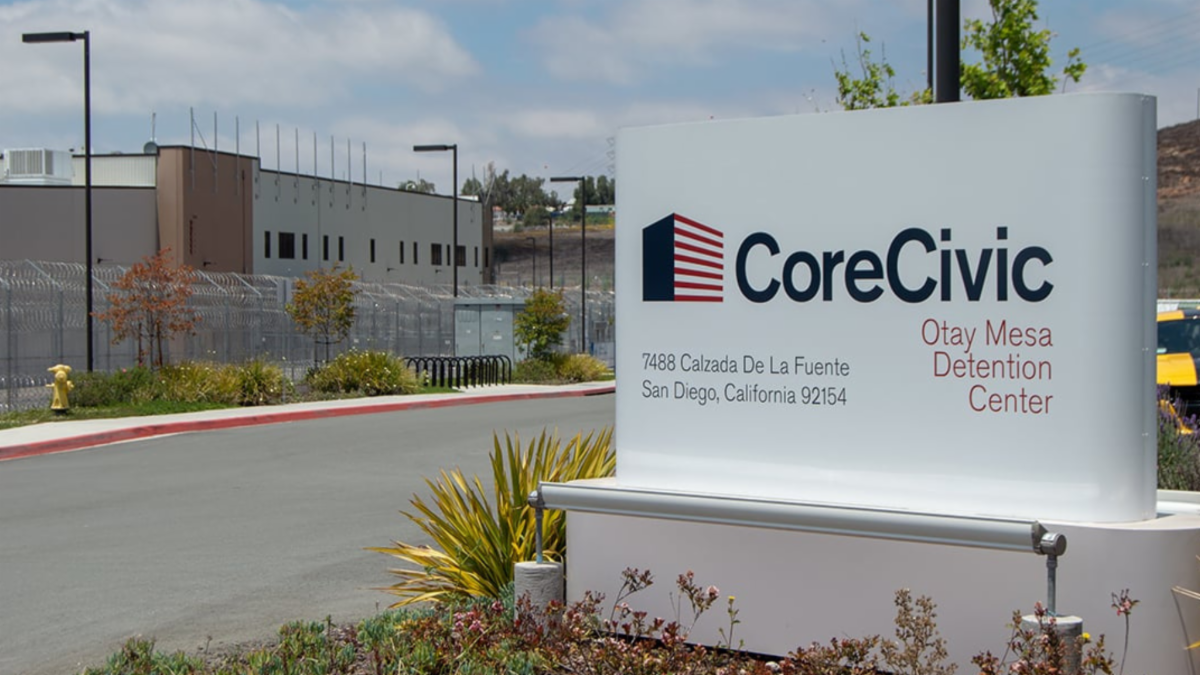
| Otay Mesa Detention Center, San Diego, CA. CoreCivic. | |
In a new blog post, “Homeland Insecurity: Otay Mesa,” Crude Accountability Researcher Lina Olberding interviews a woman, married to a US citizen, who was detained by ICE in the middle of a green card interview.
he woman, diagnosed with type 1 diabetes, claims she was denied proper medical attention, access to clean water and quality food, and experienced solitary medical confinement during her stay at Otay Mesa Detention Center in San Diego, CA.
After she was released, she was tracked by ICE via an ankle monitor.
The US has seemingly violated both domestic and international law, violating the civil and human rights of detainees held in ICE detention.
| | Campaign Update: New Data on Toxic Pollution Sources | |
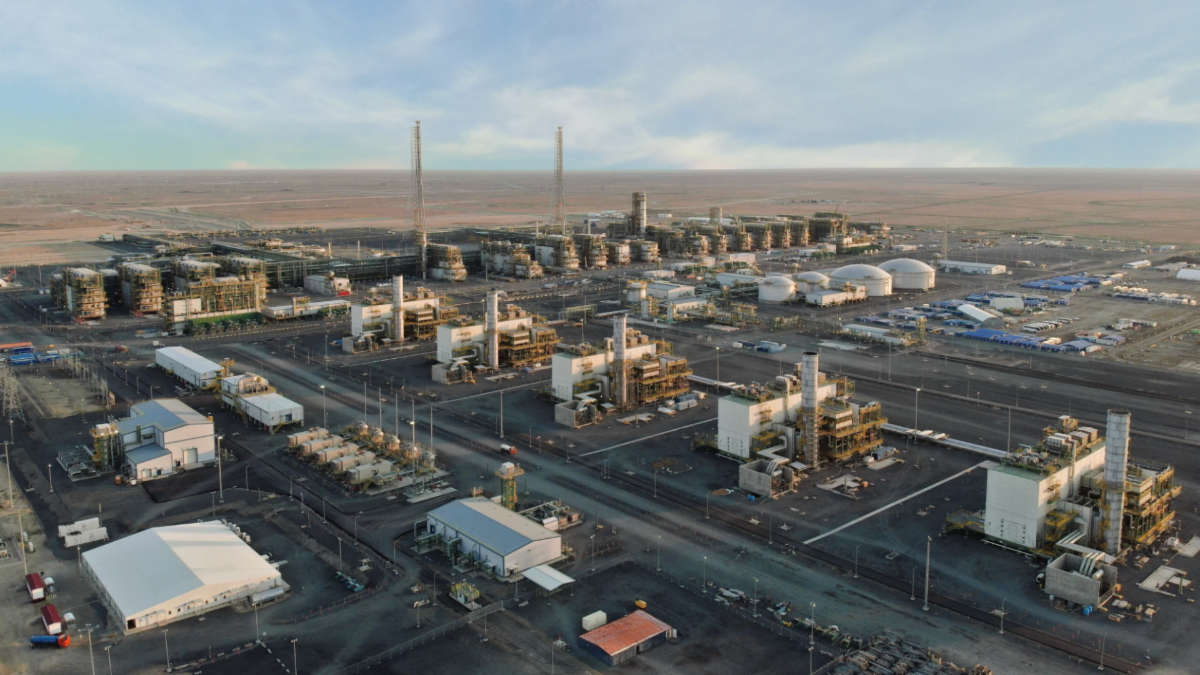
| Tengiz oil field, Kazakhstan. Tengizchevroil. | |
Crude Accountability and Omanos Analytics examine sources and events of flaring, methane, NO2, and SO2 emissions at Tengiz and Kokzhide oil fields.
By analyzing satellite imagery to detect leaks or plumes, we were able to compare instances of flaring events with information gathered in interviews during our visit to the region last year.
We aim to close the transparency gap and provide civil society the necessary information to hold the Kazakhstani government accountable.
| | New Blog Post: Azerbaijan's Economy is Increasingly Lagging Behind in the Caspian Region | |
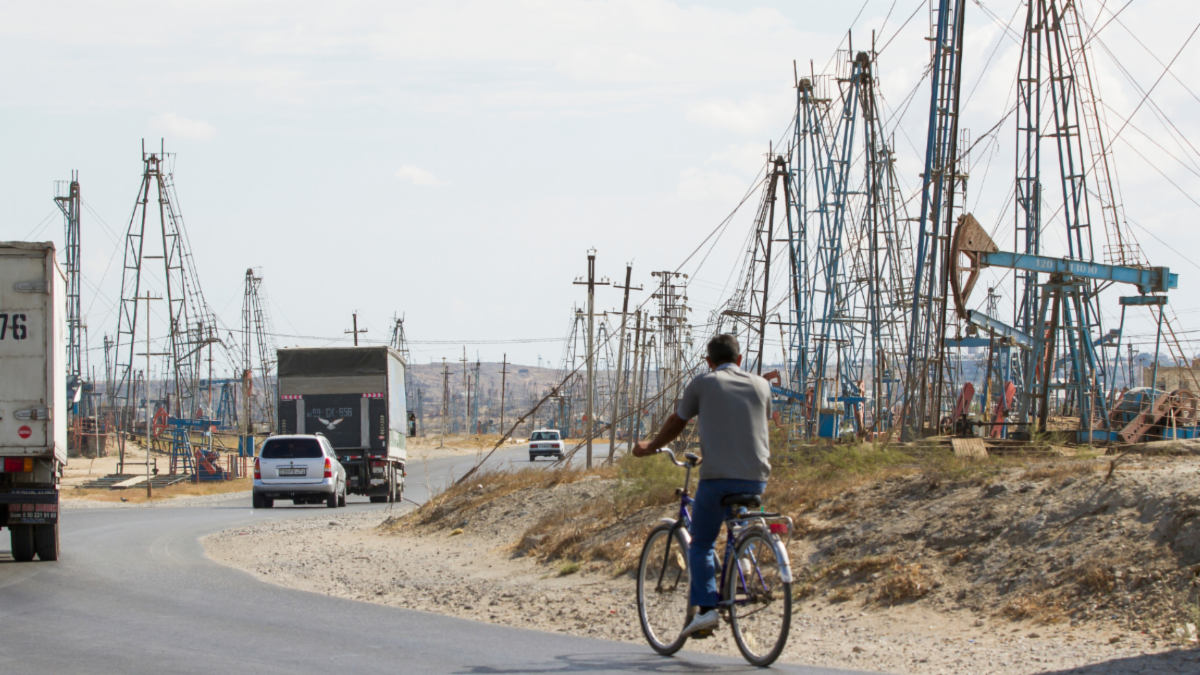
| Balakhani village, Azerbaijan © European Commission, EU4Energy Azerbaijan, 2016. | |
In April's blog entry, "Azerbaijan’s Post-Oil Economy and the Middle-Income Trap: A Comparative Analysis," Dr. Gubad Ibadoghlu finds that Azerbaijan's structural reliance on fossil fuels and authoritarian landscape has stymied the emergence of competitive markets, innovation, and productivity growth.
Armenia, Georgia, and Kazakhstan, are outperforming Azerbaijan, despite having structurally relevant economies.
This divergence in development trajectories underscores the critical role of institutional quality, governance, and structural transformation in shaping long-term economic outcomes.
Dr. Ibadoghlu, who has been under house arrest since April 2024, following nine harrowing months in pre-trial detention, has been detained by the Azerbaijani government on trumped-up charges, and denied access to a fair trial, critically needed medical care, and contact with his family.
He has now been held in Azerbaijan for over 1,000 days.
Crude Accountability continues to call for the immediate and unconditional release of Dr. Ibadoghlu.
| | |
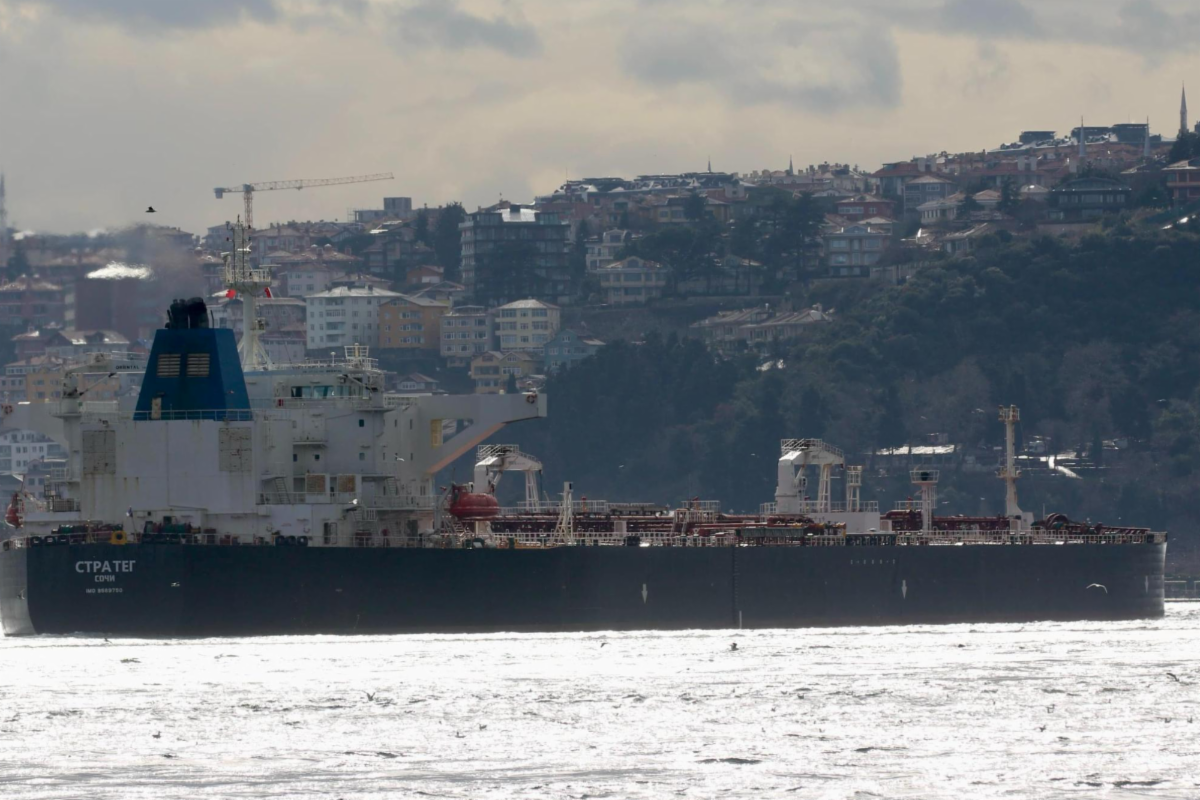
Last month, the EU approved its 20th sanctions package that bans an additional 46 vessels of the “shadow fleet." (Euronews)
However, a full ban on maritime services for Russian oil tankers is on hold.
The maritime industry is opaque and extremely lucrative, making it attractive for exploitation by the shadow fleet, which Crude Accountability has documented in two previous reports on tracking transnational corruption.
| | |
The Eurasian Climate Brief released a new episode, “Breathless in Bishkek.”
Angelina Davydova speaks with Maria Kolesnikova, director and co-founder of MoveGreen - МувГрин, an environmental NGO based in Kyrgyzstan to discuss the air quality in Bishkek.
Boris Schneider also provides a historical overview of the city’s environment with the recent development of luxury high-rises and the removal of green spaces.
| | |
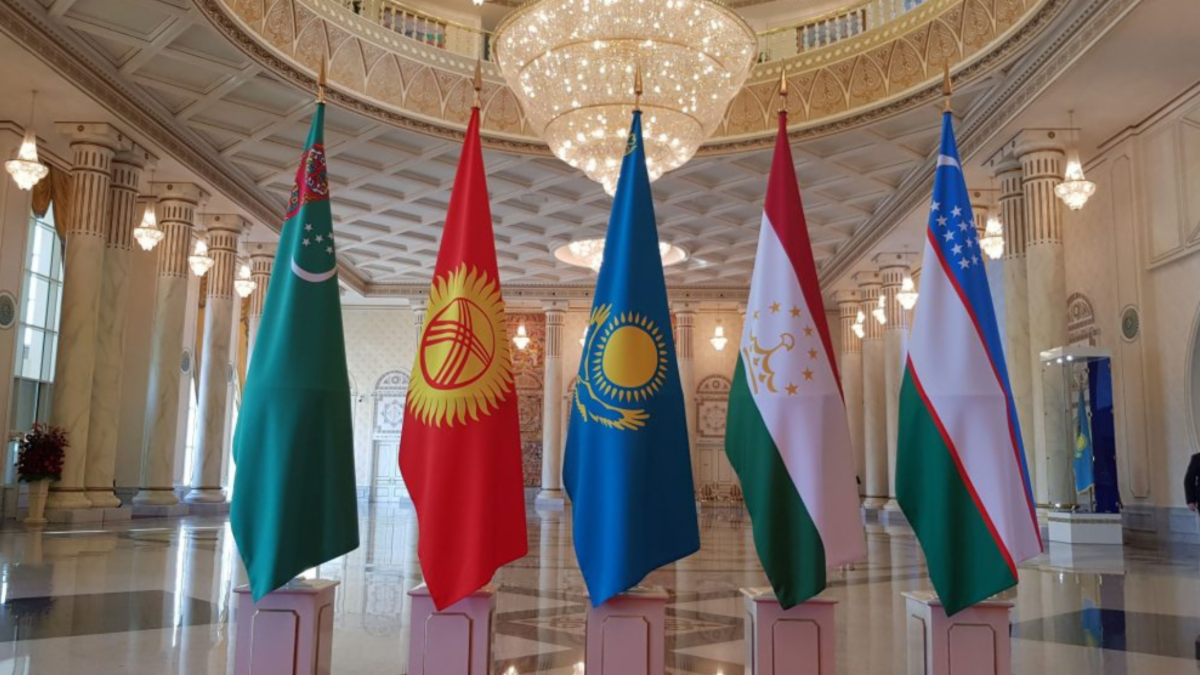
Our board member Sebastien Peyrouse, Director of the Central Asia Program at the Institute for European, Russian, and Eurasian Studies (IERES) at The George Washington University, published a new report, calling for a recalibration of Western donor priorities and methods to support civil society in Central Asia.
| | If you like this newsletter, then please consider supporting us with a monthly or one-time donation. You may also write a check to Crude Accountability, P.O. Box 423, Linden, VA, 22642. | | Images in this newsletter are either licensed for editorial use or belong to Crude Accountability. | | Flags of the five Central Asia countries, 16 March 2018 © Euractiv / Georgi Gotev. | | | | |