|
Last weekend, the shocking assassination of Speaker Emerita Melissa Hortman has weighed heavily on many of us. My heart is with her family, her community, and everyone in Minnesota’s state government as they grieve this profound loss.
This tragedy did not happen in a vacuum. It is the devastating outcome of years of escalating political violence—violence fueled by reckless, dehumanizing rhetoric from some political leaders and public figures. We cannot allow this to become normalized. The anguish we feel in the wake of Speaker Hortman’s death must be a wake-up call. Her memory should compel all of us in public life to raise the standard of our political discourse, reject hate, and lead with decency and accountability.
Here in Oregon, the legislative session is in the final two weeks. We convened on January 21 and since then have been steadily holding hearings and passing legislation. Today's count: 530 bills and resolutions have made it through both the House and Senate. We've already passed noteworthy pro-consumer, pro-environment, and pro-safety legislation, and there are still some bills in the queue. Now the pace is quicker with the Constitutional end date (sine die) June 29. So in these final weeks we need to wrap up a few big policy packages with budgets, including those focused on transportation and wildfire.
| | |
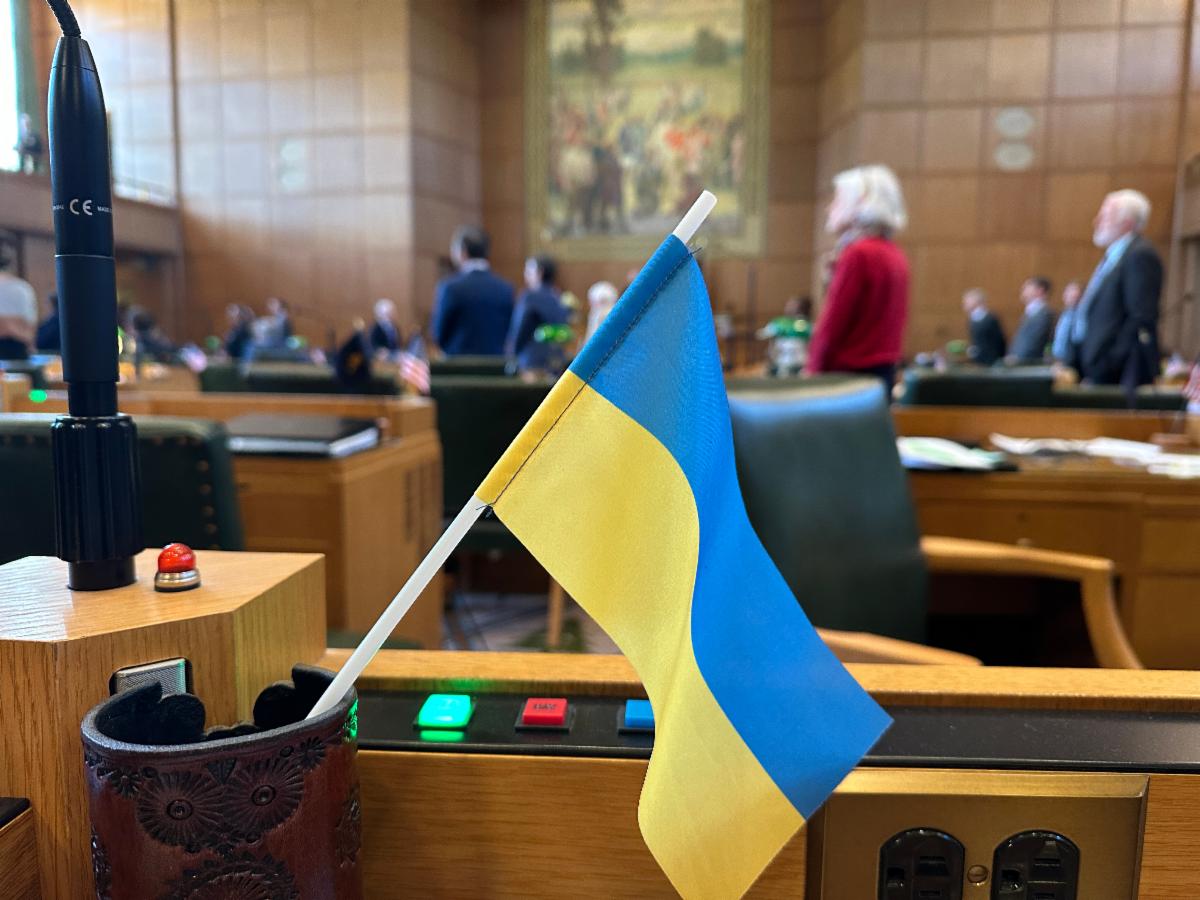
photo: My desk in the House Chamber. Last week I brought some snips from my garden to be with me in Salem, including parsley, sage, rosemary, and thyme (name that tune!).
If you missed my latest e-news, here's the link to March-April, Making progress in Salem.
| | A selection of bills that we've passed in the last few weeks | |
Consumer protection
Medical debt
Far too many Oregonians have their credit scores ruined by an illness, an unexpected medical emergency, or even an error on their bill. We passed legislation designed to ensure that medical debt from an illness or injury does not destroy someone’s financial future: it stops medical debt from showing up on credit reports and prohibits anyone from providing that information to a credit reporting agency. (SB 605)
Wheelchair repair and replacement
A national initiative is urging states to expand health insurance coverage of prosthetic and orthotic devices, including repair and replacement. Prosthetic devices help people continue to work, participate in household responsibilities, and gain independence. Children and adults living with limb loss or limb differences often require specialized prostheses and orthoses that can cost up to $50,000 over a patient's lifetime. Oregon's bill closes the insurance gap, requiring coverage to buy, replace, and repair active prosthetic and orthotic devices necessary for staying active. (SB 699)
Ticket sales
The Fan Fairness & Transparency Act will protect consumers and independent venues from deceptive ticketing practices, prohibiting deceptive websites and branding tactics that plague Oregon’s arts, entertainment, and live event industries. (HB 3167)
|
Crime victims
Survivors of sexual abuse
The House unanimously passed a bill that I cosponsored to remove the civil statute of limitations for sexual abuse claims and addresses a critical technical barrier to justice for survivors. The legislation ensures that survivors will no longer be restricted by a deadline to file a civil claim. Under current law, adult survivors have just five years from the time they discover the connection between the assault and their injuries to file a civil suit. For child survivors, the limit is five years from discovery or until they turn 40—whichever is later. (HB 3582)
Deepfake harassment
See my one-minute reel about this! The legislature voted unanimously to expand Oregon’s criminal statutes to prohibit digitally created or manipulated intimate images, sometimes called deepfakes. AI-generated intimate photos and videos increased four-fold (464%) from 2022 to 2023 alone and over 20,000 AI-generated images of children were posted to an online forum within one month. The legislation ensures that victims of AI-generated deepfakes have the same legal protections as those harmed by traditional revenge porn. (HB 2299)
| | |
And some more
For people with a security camera or alarm for their home, for workers who receive hard-to-figure-out paystubs, for people who donate blood, for travelers, online shoppers, crime victims ...
Here's a quick mention of some more of the interesting bills we passed in the last few weeks.
- Make pay stubs easier to interpret, requiring employers to clearly show earnings and deductions (SB 906).
- Allow employees to use earned sick leave for blood donation at an accredited Red Cross or Blood Banks site (SB 1108).
- Crack down on criminal use of Wi-Fi signal jammers, which thieves use to disrupt home and business alarms and communication systems (SB 959).
- Privacy in your hotel room—allowing a right to sue a transient lodging provider that makes or transmits a visual image or audio recording in a private space without consent (SB 470).
- Protect online shoppers from hidden fees on grocery orders, online tickets, etc. (SB 430).
I’ve also been voting on technical bills that help people or keep government running behind the scenes. Examples: making it easier and safer to dispose of used medical supplies like needles and medications (SB 139), improving bottle and can return options (SB 992), and helping Tribal health organizations access public health data for disease tracking and the Prescription Drug Monitoring Program (SB 841)
| |
A few of my bills are now signed by Governor
Several bills have made it through the House and Senate and have been signed by the Governor. Several others are waiting in Joint Ways and Means (see below).
- A bill to protect pharmacies against onerous Pharmacy Benefit Manager (PBM) business practices (HB 3226), requiring PBMs to follow the law governing fair practices with pharmacies when the pharmacy contracts directly with a PBM or through a Pharmacy Services Administrative Organization (PSAO). The legislation builds off bipartisan work in prior sessions to rein in middle-man Pharmacy Benefit Managers
- Criminal background check streamlining for human service and behavioral health providers: this bill paves the way to consolidate and reduce the number of different background checks for similar programs. The bill confronts a problem that has caused hiring complications for employers, headaches for workers, and delays for the people they serve. Redundant background checks for people who had one recently could be avoided if the scope and frequency of checks were merged for similar programs, such as for public schools and child care programs (HB 3224)
- Directs the Oregon Department of Transportation to take a more active role in joint planning, public outreach, funding strategies, and operations — giving the state the tools to enter into agreements with other governments and agencies to deliver improved freight and passenger rail service. I chair a rail caucus that meets occasionally with colleagues in Washington and Canadian provinces; we're eager to work together on regional approaches to planning and applying for federal grants (HB 3233)
- Eugene's East Blair Housing Co-op needed a legislative fix so they can qualify for property tax exemption that supports affordable housing like other co-ops. We passed the bill! HB 3232.
... and still waiting
Passed out of committee, now in Joint Ways and Means waiting to see if they will be funded in this tight budget environment.
- Urgent care centers regulation (HB 3221)
- Lessening regulatory burdens for behavioral health providers (HB 3229)
- Funding "Rap Back" to streamline background checks to reduce delays for providers (for example, counselors, therapists, and home care workers) and for people waiting for help (HB 3239)
- Oregon Hazards Lab (OHAZ) funding to support systems for earthquake early warning and wildfire smoke and fire detection (HB 3219)
| | |
Nearly every constituent group that visited me in Salem mentioned some problem with access to health care or affordability - even in meetings about transportation, home insurance, and public safety! We have a shortage of doctors and people can’t get appointments. Eugene has seen firsthand the consequences of business arrangements and contracts in health care, which are vastly different from other industries. Health care isn’t a commodity like cereal, a computer, or a car. When you need health care, you need health care.
Last week the statewide organization Health Care for All Oregon met in Eugene. The HCAO mission: "HCAO educates about and advocates for an equitable, affordable, comprehensive, high-quality publicly funded universal healthcare system that will improve the lives of individuals, families and communities across Oregon and throughout the United States."
In my remarks to them I said, “The legislature keeps plugging away within the system we have, and you are the foundation for replacing a profit-driven free market system with a people-centered system, focused on health. Real change takes a lot of work. It’s not accomplished in just one rally or one bill, but through a sustained effort over months and years ...
While we wait for system change - state or federal - and for the Universal Health Plan Governance Board to finish its work, I’ve been working to address serious flaws in our system that can be fixed in the short-term. And then I filled them in on the wins and losses. (see below)
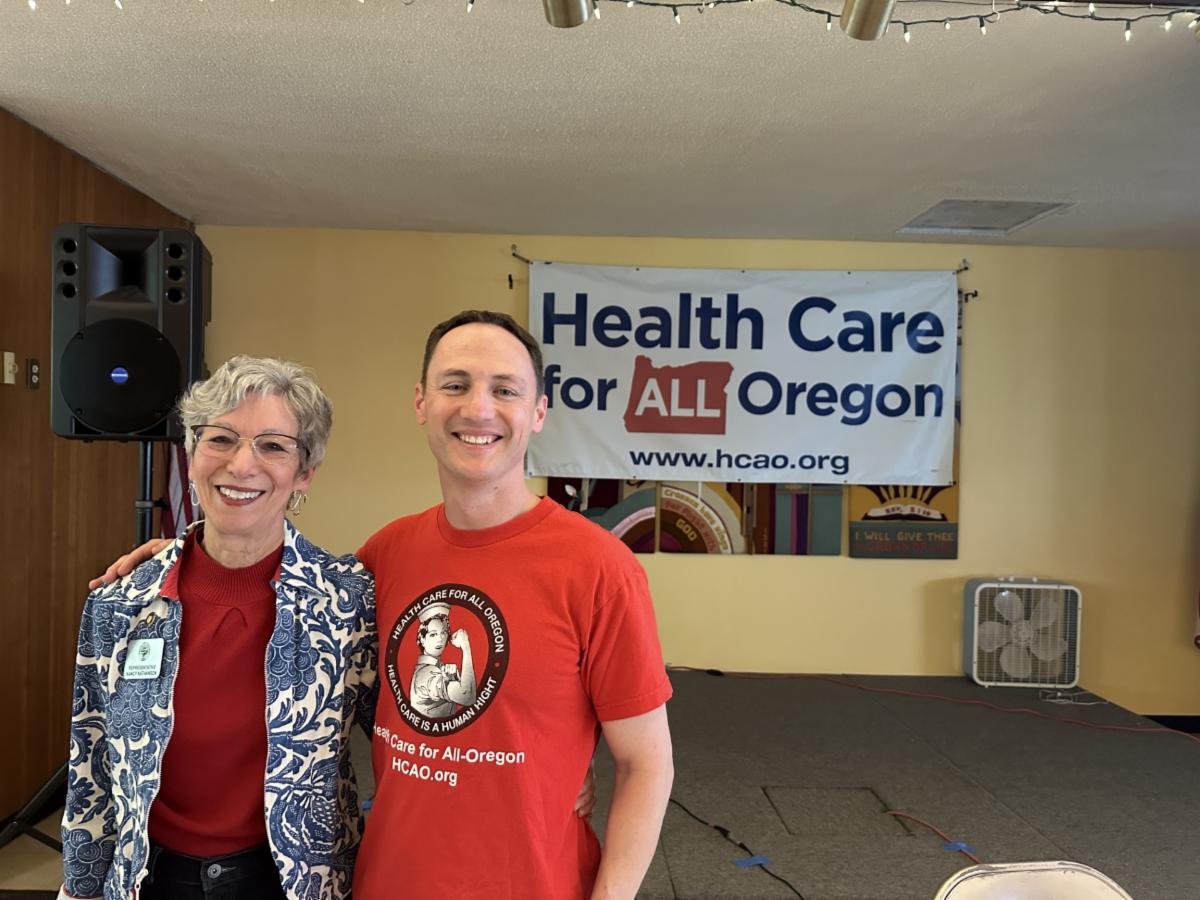
(In this photo: With Dr. Tony Germann, a rural family medicine physician and member of the Oregon Health Policy Board, at a recent conference of Health Care for All Oregon.)
|
Health Care: Three losses and a big win!
The bills that would have directly defined physician in charge, and prohibit noncompete contracts, and give the Attorney General the authority to sue, didn’t pass. We made a good fight. Testimony on our side was strong. Corporate interests, including the insurance industry, was just stronger. Nevertheless, the big bill, SB 951, made it over the finish line!
CPOM: Corporate Practice of Medicine
SB 951, over a year in the making with lots of compromises and "blood sweat and tears" led by Representative Ben Bowman, did pass. I co chief sponsored this and also teamed up with Sen. Anthony Broadman to ensure a prohibition on noncompete contract language would be included. It’s a strong statement that in Oregon we’ll put patients over profits. It ensures that practices are owned and controlled by licensed medical professionals and includes the prohibition on “noncompete clauses” for certain physicians. Check out our press release.
| | Federal actions striking local programs | | |
Wildfire, science, arts, workers: cuts to cities, counties, and local nonprofits
The Trump administration has been making cuts across the country. Here are a few examples close to home. In some cases, this is not about scaling back government programs over time - it's canceling contracts already awarded. Cutting the budget requires Congressional action and policy choices. Reneging on signed contracts is wrong.
(In this photo: with friends at a fundraiser for Eugene Public Library.)
- We’re proud of the arts in Eugene. The Eugene Symphony tentatively lost $50,000 in promised grants. National Endowment for the Arts sent grant cancellations to Lane Arts Council, Jordan Schnitzer Museum of Art, and Bach Festival too.
- Last week Lane County received notice from the Environmental Protection Agency (EPA) that the $19.5 million grant to establish six resiliency hubs for wildfire and other disasters was terminated.
- OSU lost $45 million in federal funding to expand research in the Corvallis Microfluidics Tech Hub. This funding was initially awarded in January authorized by the CHIPS Act.
- At UO, National Institutes of Health terminated 13 grants; 2 were reinstated and the remaining 11 are being appealed or are in the queue for appeal.
- A KLCC story explained and summarized the federal cancellation of of a program supporting disaster preparedness. One Lane County example: the Mapleton Water District lost a $2.7 million grant to purchase a 300,000-gallon water storage tank and replace aging and brittle water lines.
- On May 22 the U.S. Department of Labor terminated four federal Unemployment Insurance (UI) grants awarded to Oregon Employment Department (OED), losing up to $12.2 million on variety of programs. These grants were paying for community-based organizations to help workers with unemployment insurance claims, improve outreach to help workers learn about unemployment insurance, and improve UI integrity through recovering overpayments.
| | |
A surprising twist on a tribute to Ukraine
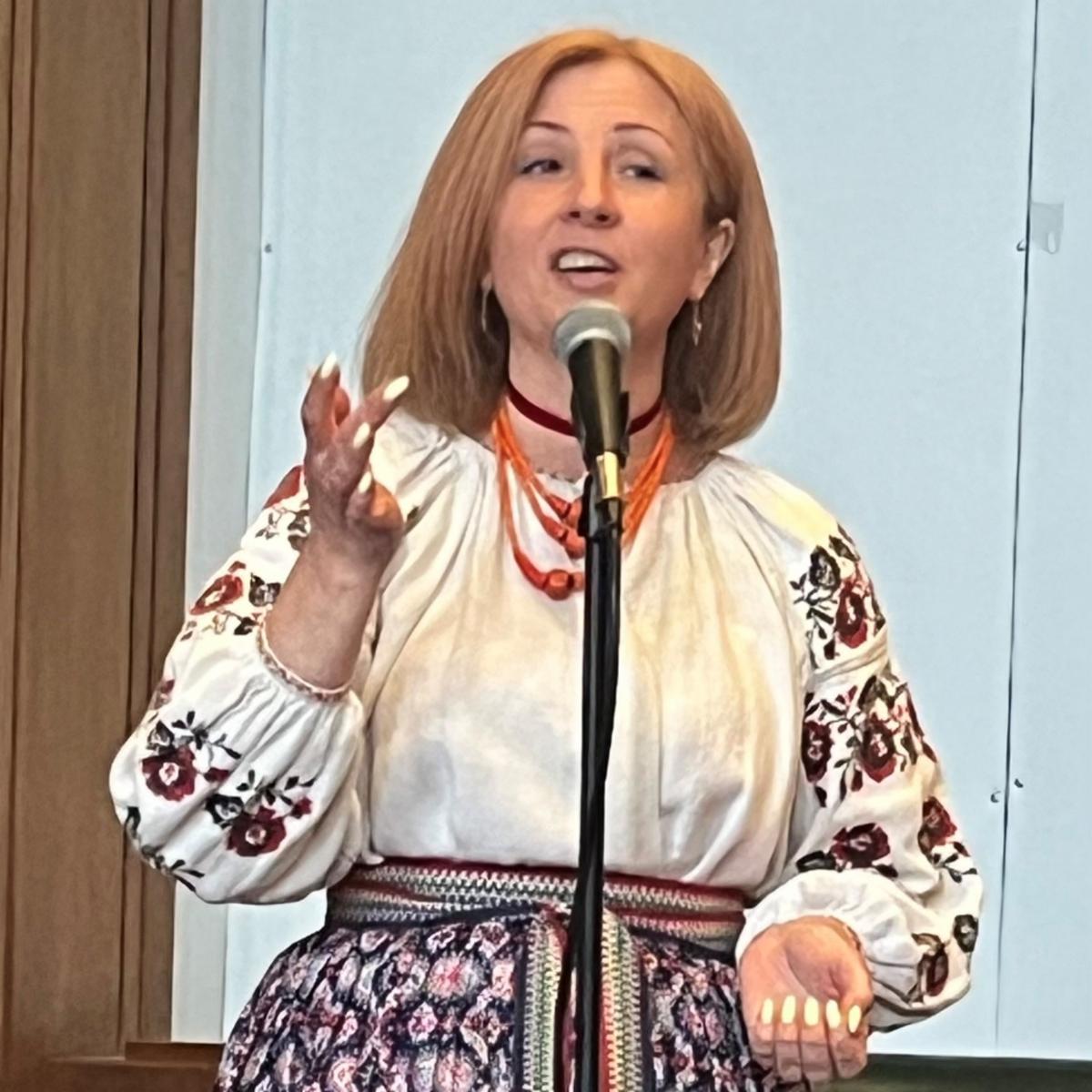
On May 21 one veteran stood up in the House chamber and spoke to defend Putin, while another veteran gave an eloquent speech supporting SCR 23 to create a ceremonial sister state relationship between Oregon and Cherkasy Oblast, Ukraine, stand in solidarity with the people of Ukraine, and condemn Russia's war against Ukraine. The resolution passed with 45 yes votes, 2 no votes, and one member left the chamber, not voting. Five strong Ukrainian women were there to watch the vote.
| | | |
And then there's the budget. But there isn't "one budget" that the legislature adopts. About 90 budget bills are processed through eight Joint Ways and Means budget subcommittees, with separate bills for each agency, board, commission, etc., with a handful of bills to handle last-minute changes.
Unlike the federal government, Oregon’s constitution requires the state to have a balanced budget. The budgets this year will be different, recognizing growth in the state’s population and rising costs to deliver services or programs to Oregonians but also less money than was initially forecasted. The state economists point out that federal chaos generally and funding cuts specifically, already done or anticipated, leaves Oregon’s economic outlook sluggish and uncertain. Because of prudent budgeting and strategic investments, including Oregon's Rainy Day Fund established in my first term as a legislator, Oregon is still very well positioned to deliver much needed programs at least in the near term.
Agency budgets this year are mixed; some will be receiving more funding to keep up with inflation and caseload ("current service level") and others may see shifts in funding or programs. The total for funding K-12 is about $16.7 B, a 10.5% increase over the 2023-25 biennium.
| | |
Oregon Department of Forestry (ODF) reports that large fire activity started in Oregon earlier than anticipated. The Rowena Fire has burned 3,563 acres since it started last week. Of Oregon's 12 protection districts, 10 are in fire season; the other two are in northwest Oregon. As of June 13 there have been 394 fires and 14,380 acres burned.
ODF has 200 engines, 400 firefighters, 15 large dozers, lookouts and dispatchers, 21 tactical aircraft to drop water and retardant on fires, 8 detection and aerial supervision aircraft, and 25 unmanned aerial systems for mapping, situational awareness and detection. Through incident resource agreements with private contractors they also access to additional crews, 240 dozers, 186 tenders, and more, and private landowners have 640 trained personnel and 445 pieces of equipment that can also be called on.
Federal actions are impacting ODF and firefighting. ODF says, "The full scope of operational impacts won’t likely be known until we’re well into fire season, but we do know already that there are several fewer interagency incident management teams in the national system than usual. Thankfully, Oregon is one of only 4 states with its own incident management teams: 3 from ODF and 3 from OSFM. We’re also anticipating more asks to assist in fighting fire on federal lands than usual. As we receive those requests, we’ll be weighing them against potential impacts to our ability to keep fires small on the lands we’re obligated to protect and, most importantly, the safety and wellbeing of our employees."
Here's a link to follow ODF Wildfire News
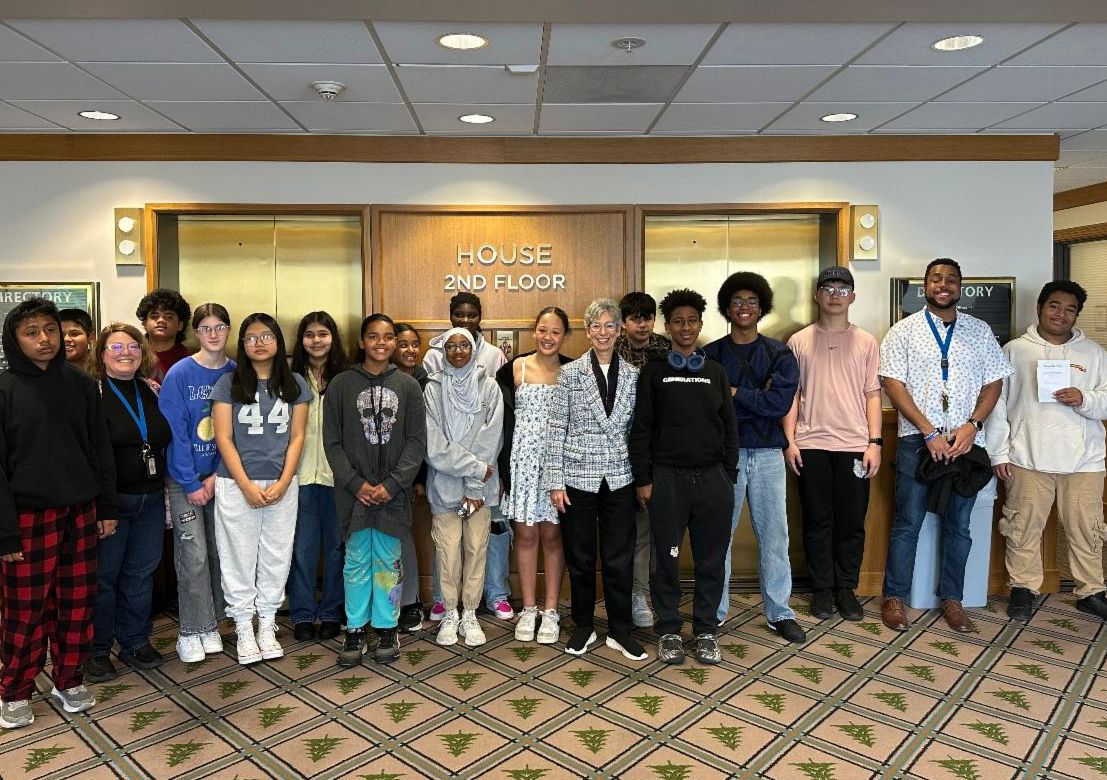
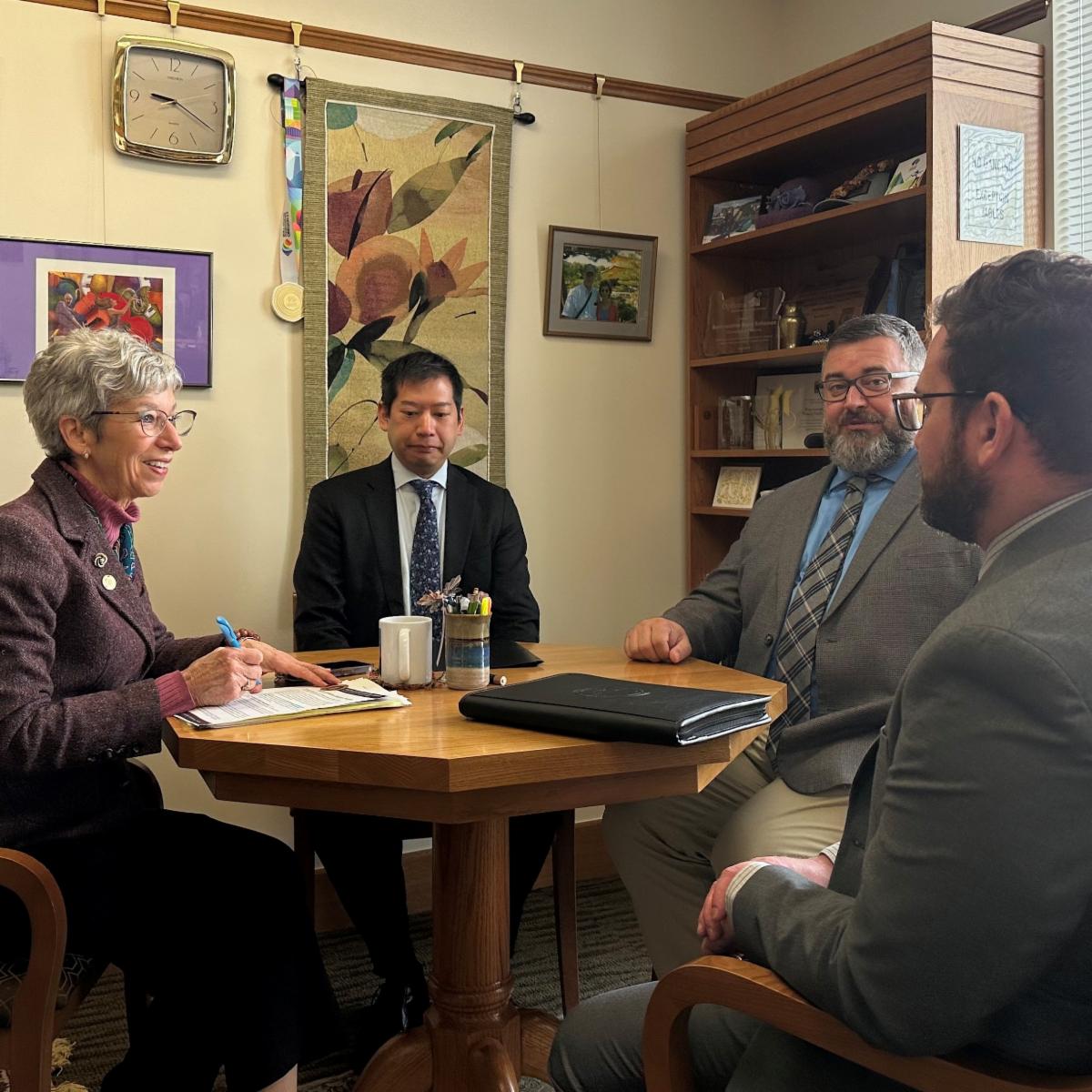
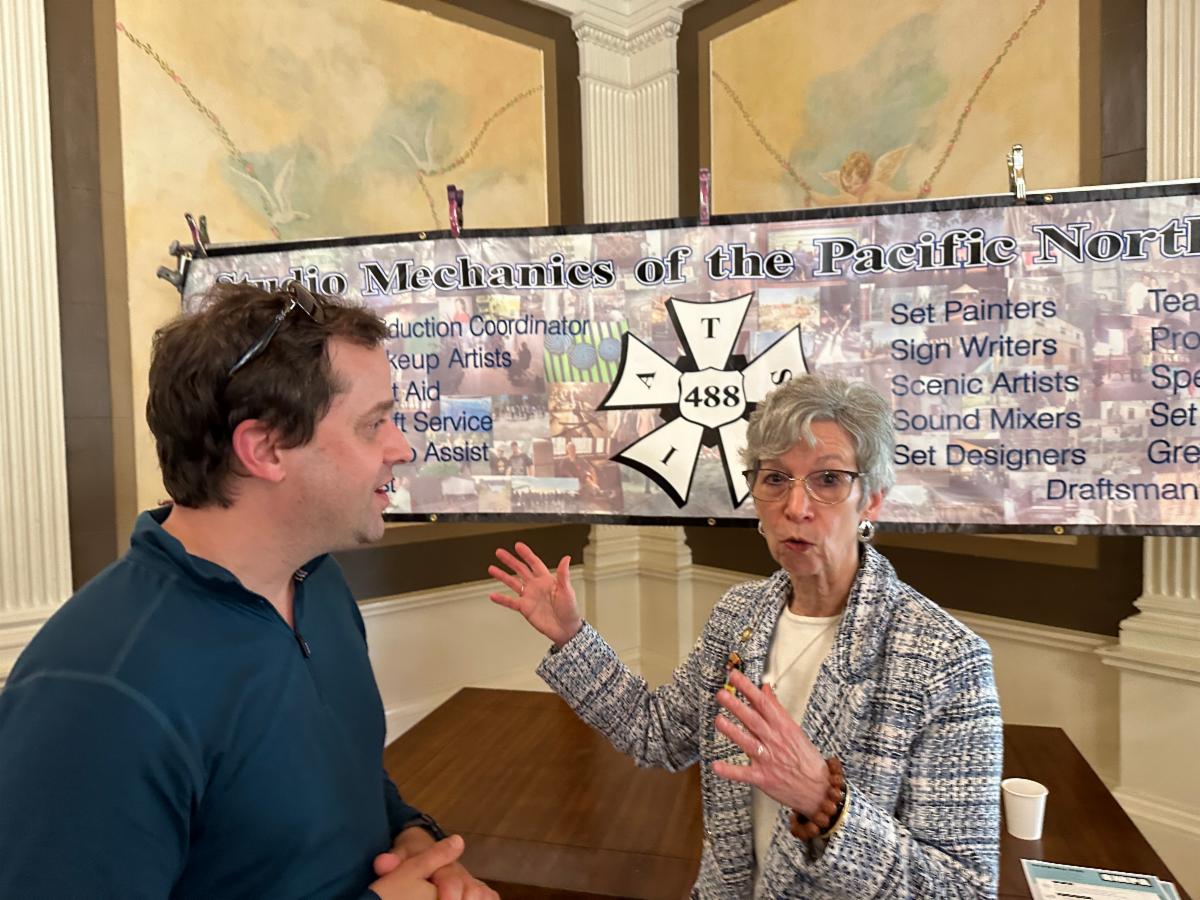
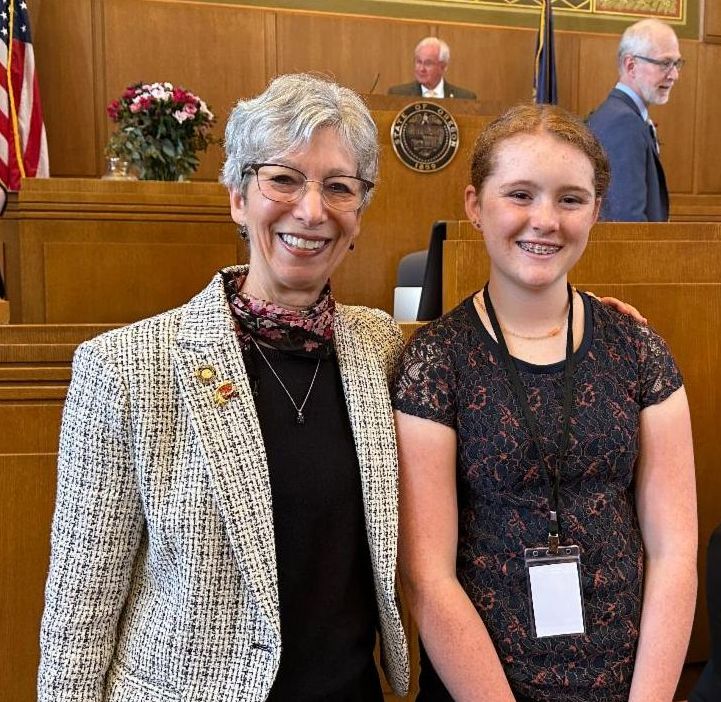
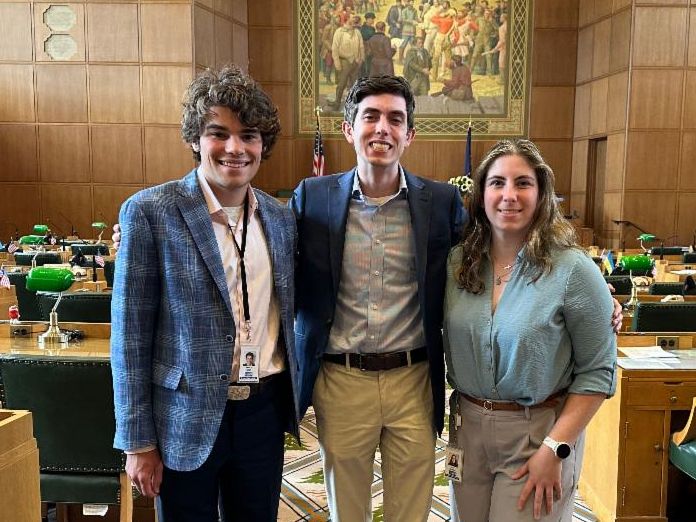
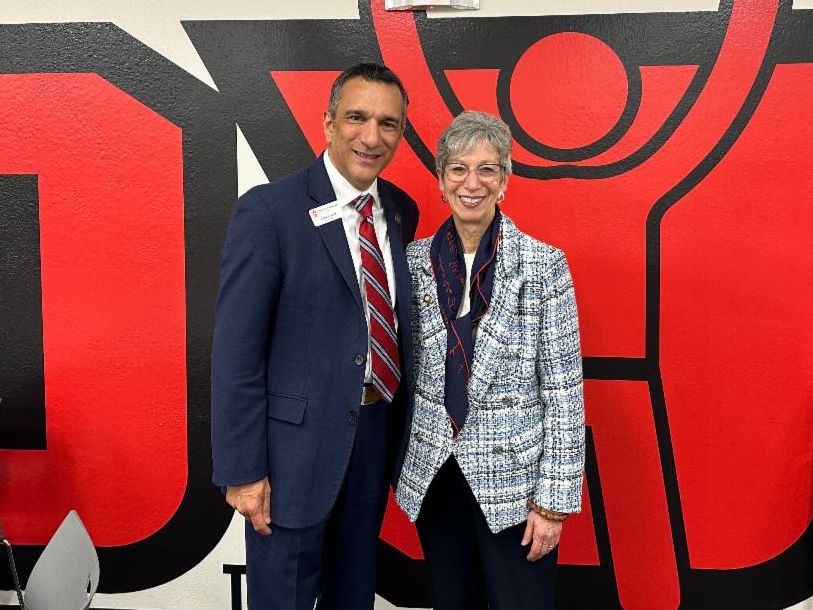
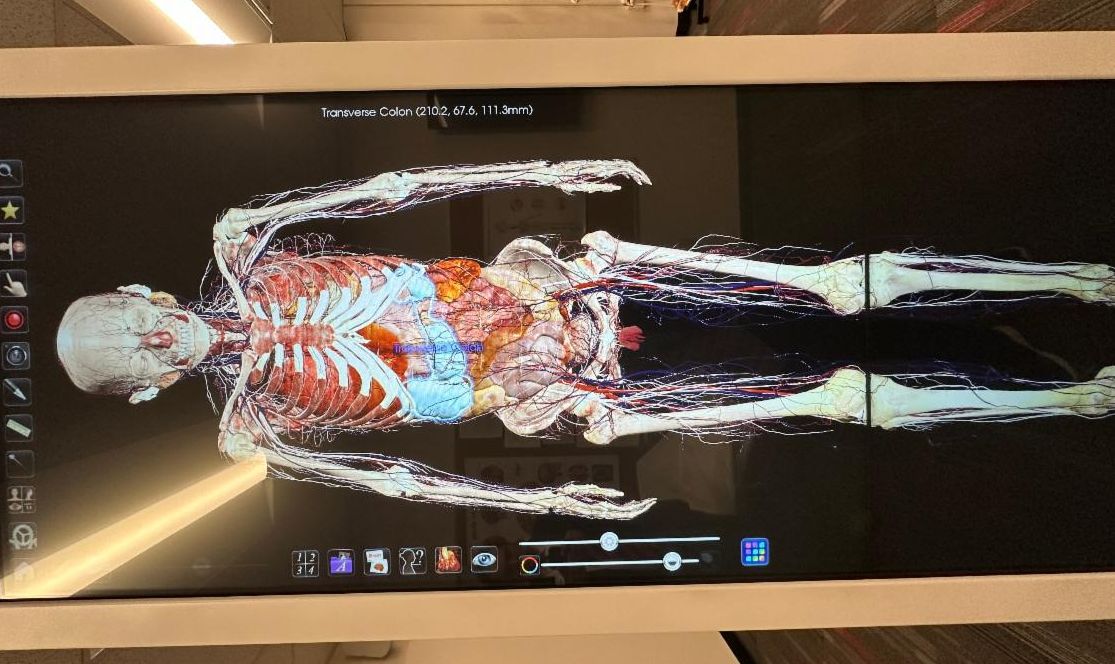
| | | | Eugene Police Department representatives | | Film, video, and media workers advocating for investing in film and video jobs | | Insurance agents from Eugene; we talked about fire risk, home ownership, and health care. | | Honorary Page from Eugene | | Interns Jefferson, Jacob, and Kiley on their last day working together at the Capitol. Jefferson is off to American University to pursue a master's degree in public policy. | | Great visit with Western Oregon University leadership. In this photo, Dr. Jose Coll, Provost. We talked about WOU's role as a regional state university and also how they serve as a regional security operations center for the local school district, county, and nearby cities. | | I saw a demonstration of WOU's virtual cadaver lab used for health professions. An Anatomage Table enables 3-D virtual dissection and anatomy visualization. It functions like a high-tech tablet at the size of an operating bed. These are life-sized 3-dimensional images of a real cadaver. Layers reveal nerves, bones, muscle and tendon, and I even watched (virtually) the birth of a baby. This was fascinating! | | | | |