*Depending upon your browser, the newsletter may be clipped. Please click “View Entire Message” or "Read More", to ensure you can see the full newsletter. * | | Leading the Way in Risk Management for Wisconsin's Education Community! | | | | |
| |
|
WERMC MEMBER MEETING
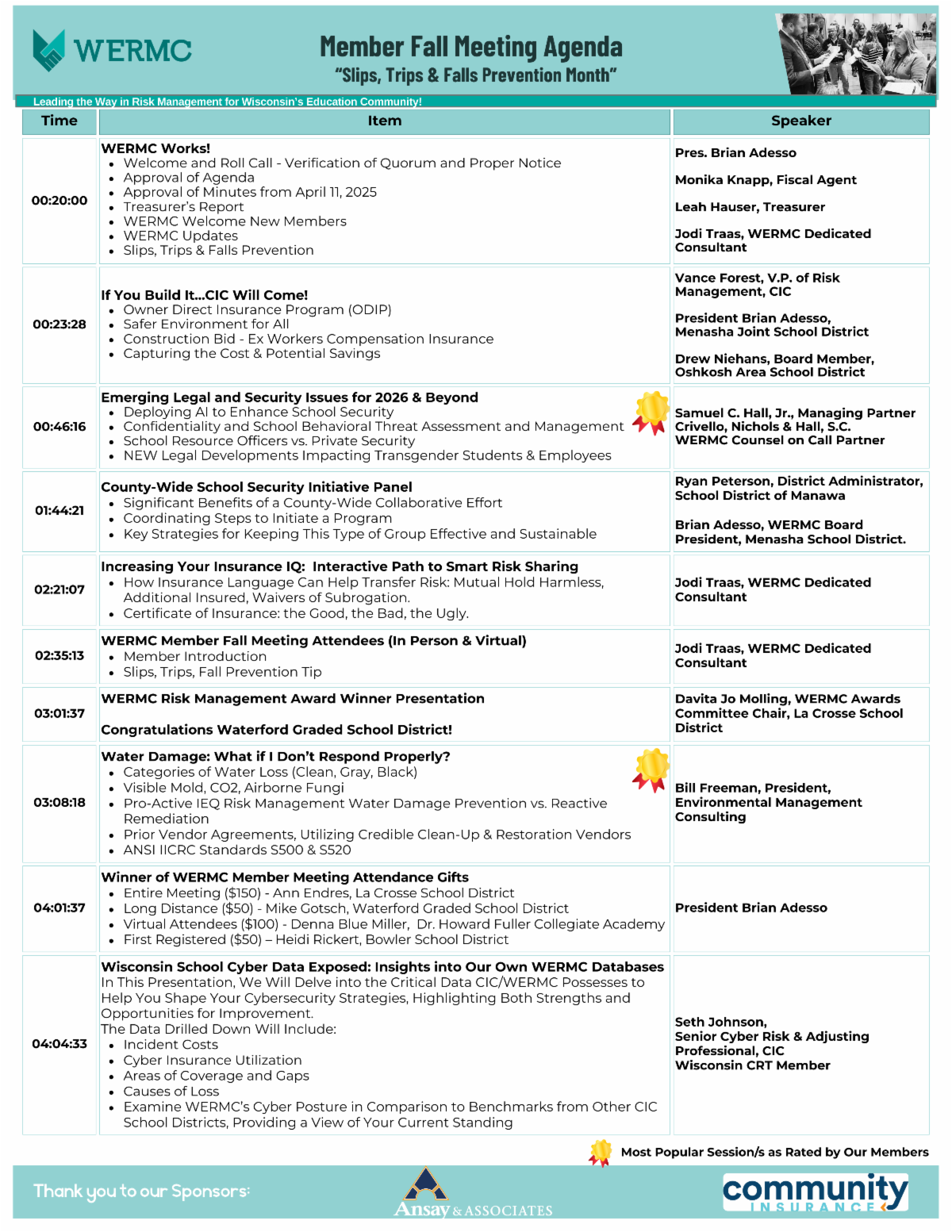
- WERMC Member Fall Meeting Agenda and Recording 11.07.2025
- Spring Member Meeting Save the Date 05.01.2026
- Bill's Presentation Top Tip
- Member Slips, Trips, and Fall Tips
- School District of Onalaska Liquid De-Icing & Anti-Icing Agent
| |  | |
WERMC MEMBER RISK MANAGEMENT AWARD WINNER
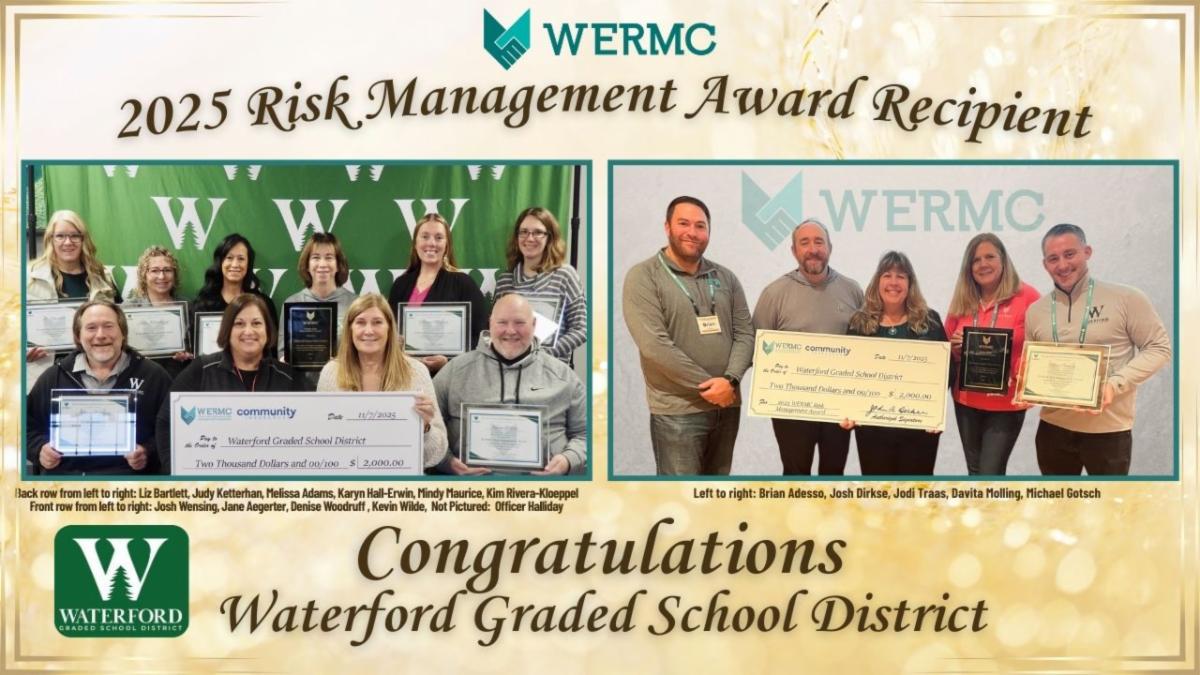
- Congratulations Waterford Graded School District
- Building a Strong School Safety Culture
| | | |
CYBER RISK MANAGEMENT
- Understanding Your Cyber Benchmarking Results
| | | |
NEW RISK MANAGMENT SAFETY AND SECURITY TOOLS
-
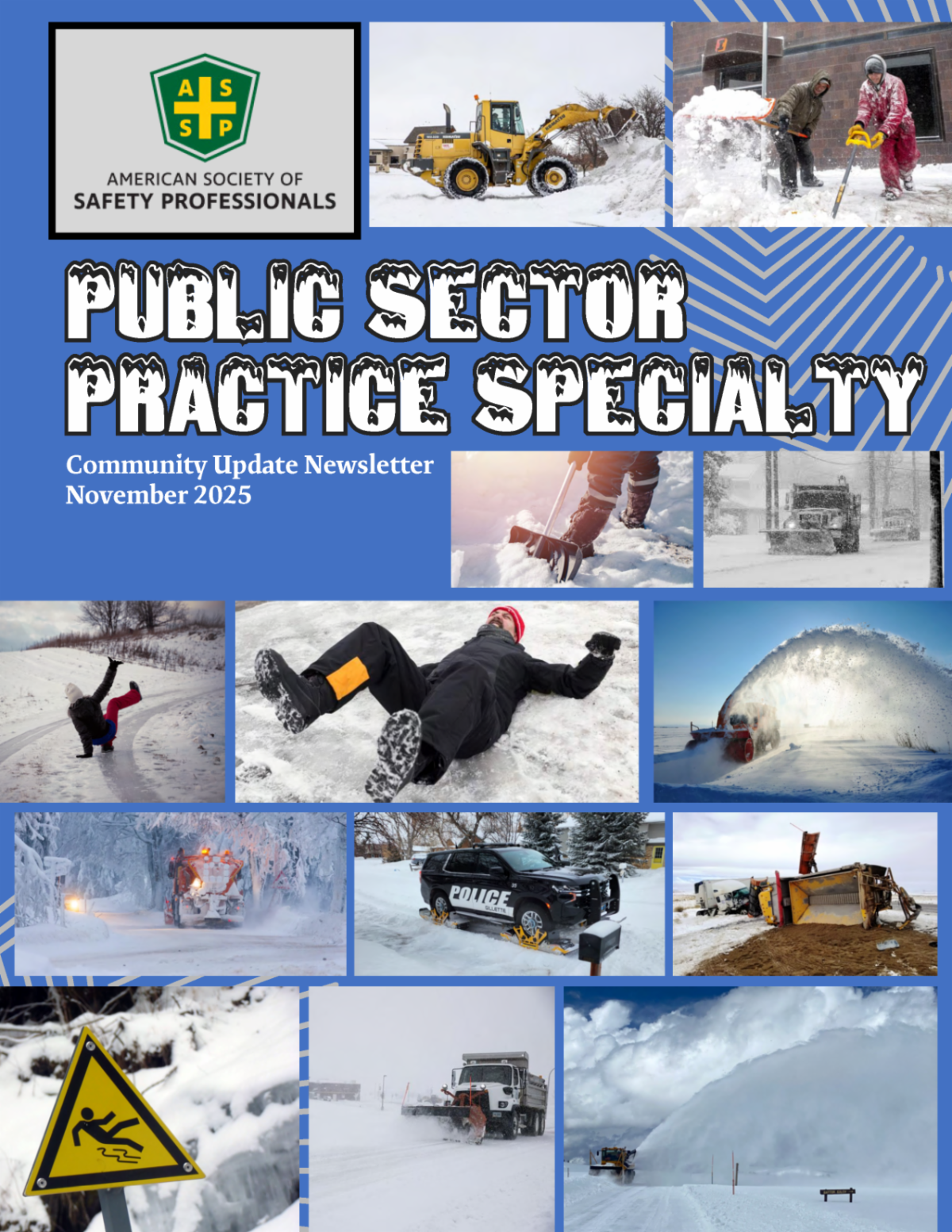
American Society of Safety Professionals November Newsletter
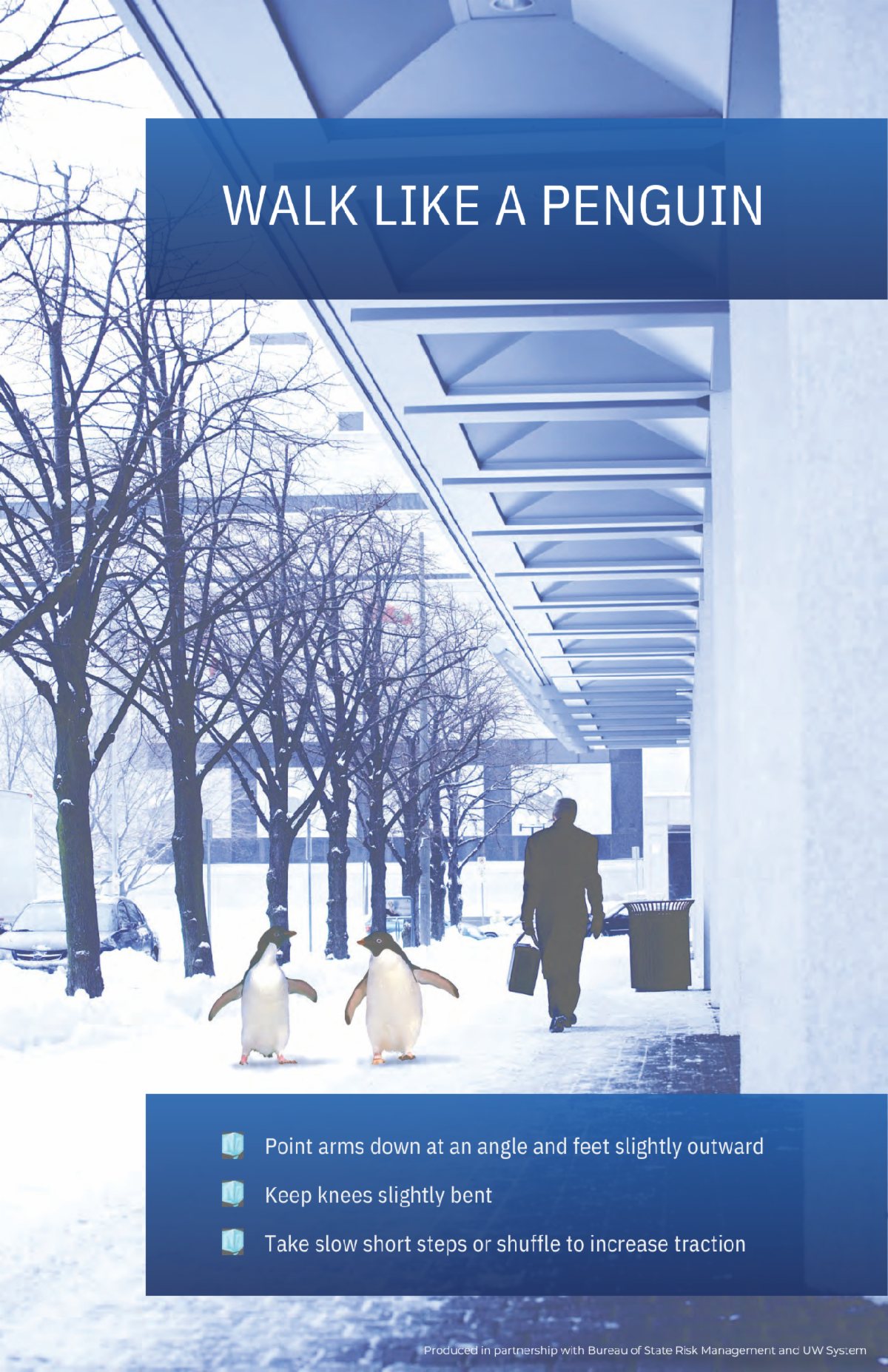
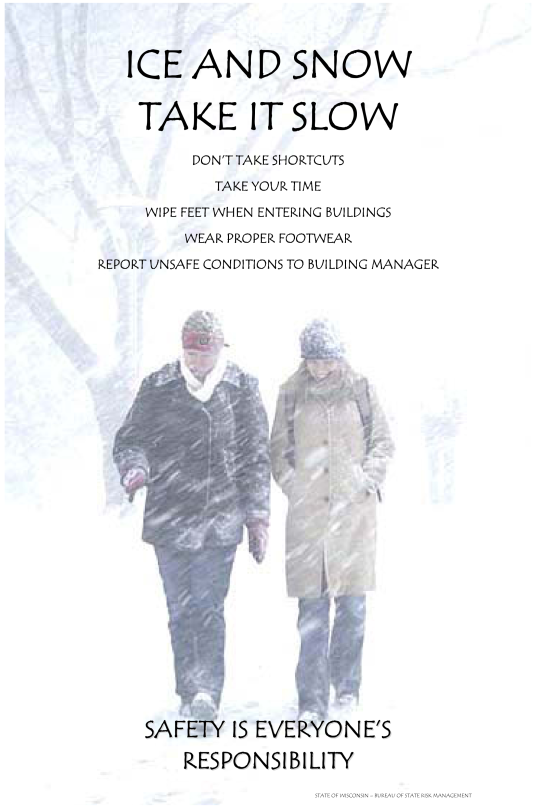
- Walk Like a Penguin
- Crises Prevention Institute Fostering Positive Educational Climates
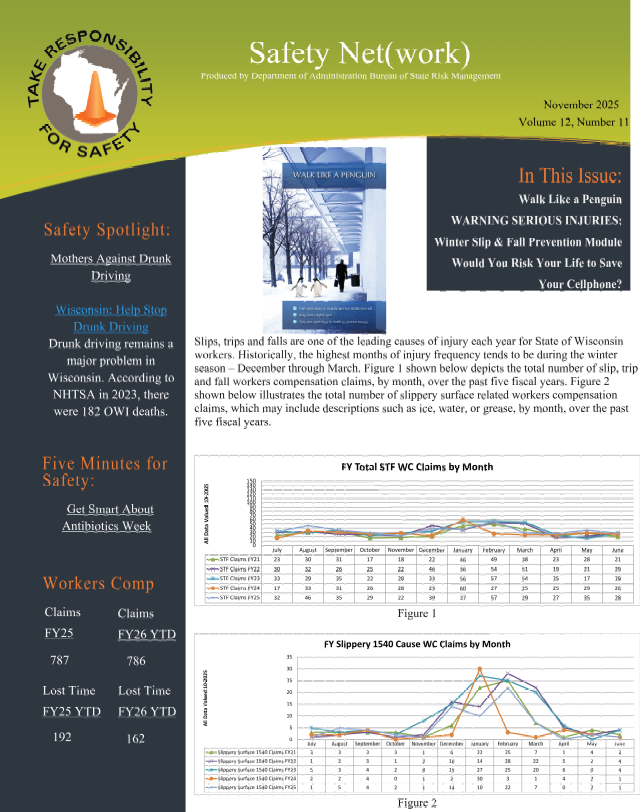
- Wisconsin Department of Administration Safety Newsletter
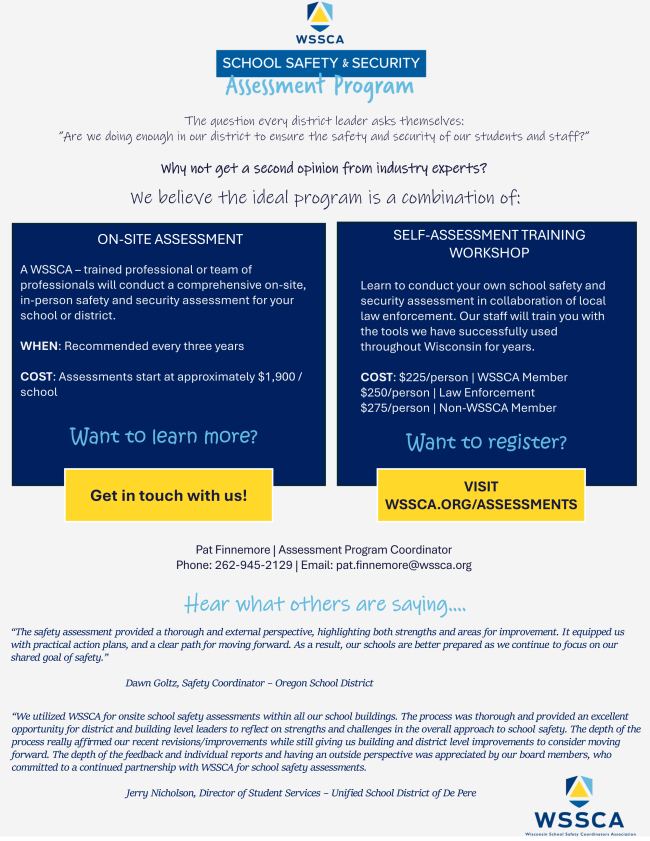
- WSSCA School Safety & Security Assessment Program
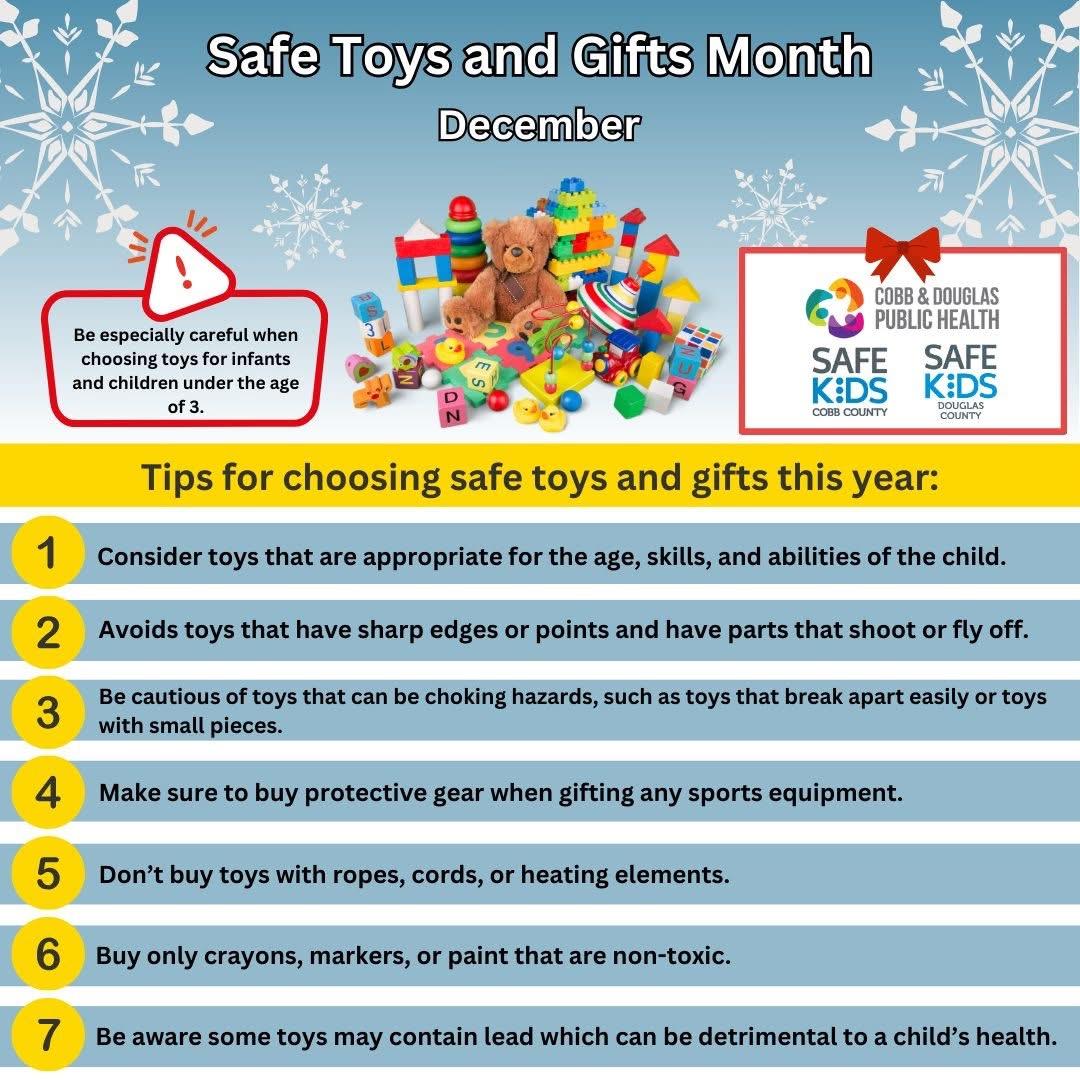
- Safe Toys and Gifts Month
| | | |
RISK MANAGEMENT PROPERTY
- How Code-Compliant Key Safes Can Reduce Door Damage and Response Times During School Emergencies
- October Fire Report: How Safe Are Your Lithium-ion Batteries
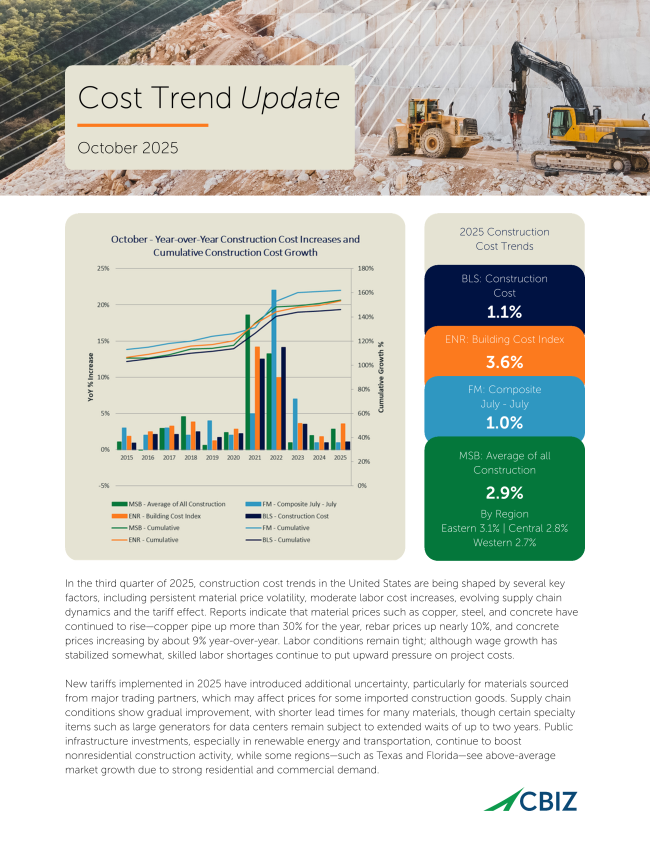
- Property Insurance: Appraisals and Cost Trend Updates
| | | |
WERMC WORKS
- WERMC Member Accolades
- Menasha Joint School District
- Howards Grove School District
- WERMC Committees
- Upcoming Risk Management Events
- Safety Planning for Volatile School Board Meetings
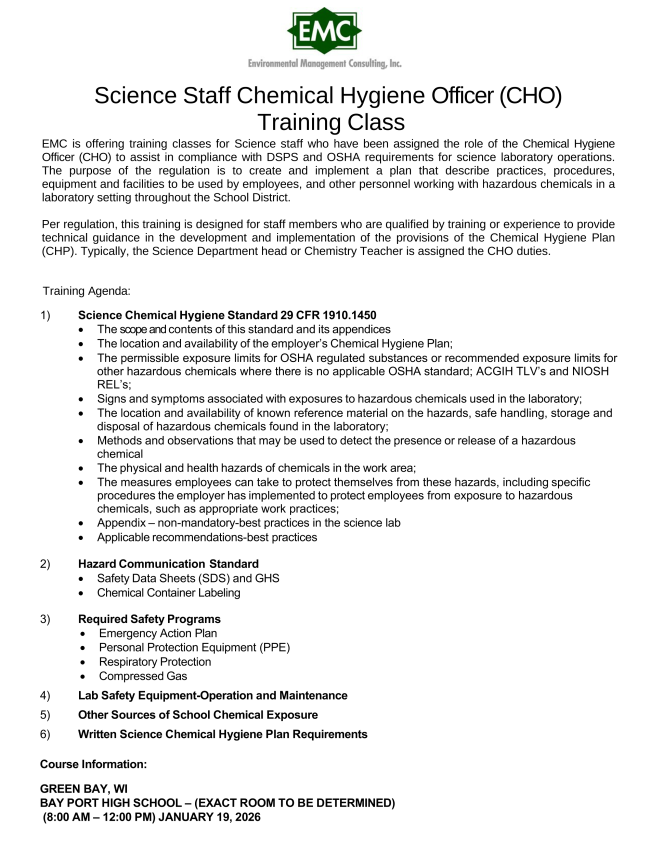
- Science Staff Chemical Hygiene Officer Training
- Winter Salt Week - January 26-30, 2026
- WERMC Mission, Vision, and Motto
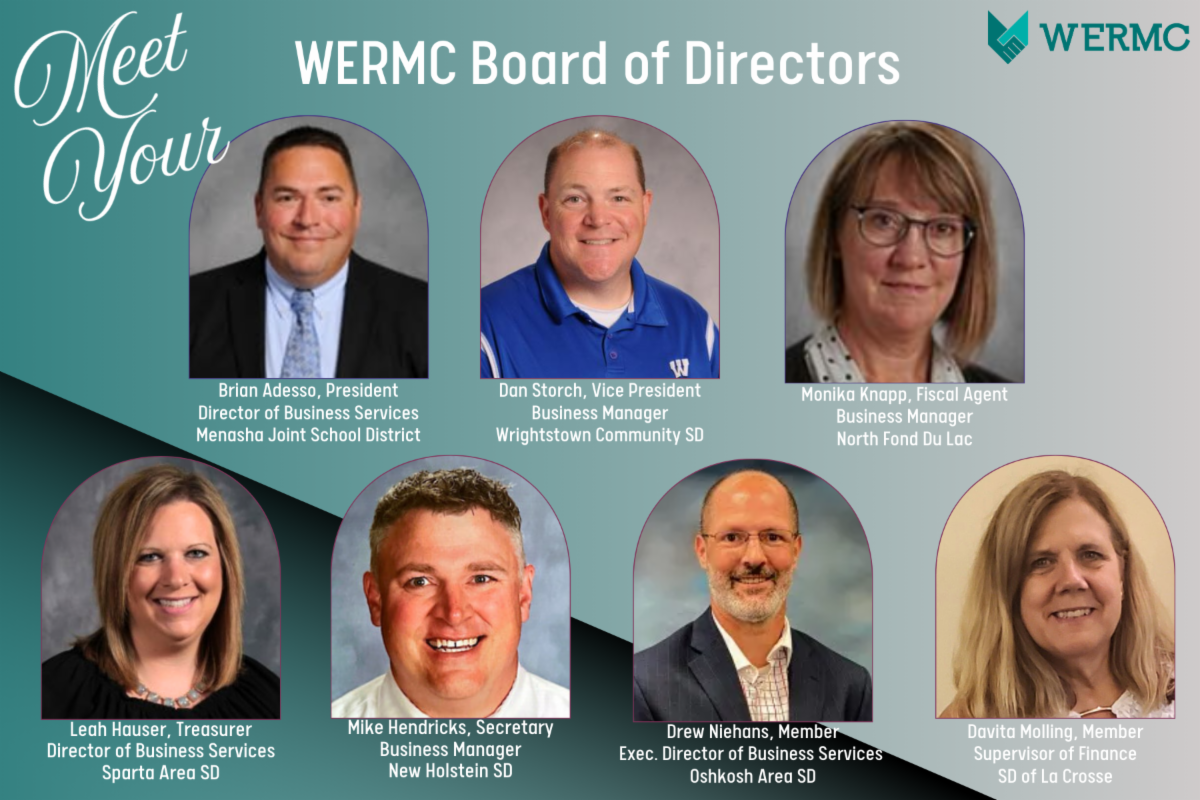
- WERMC Board of Directors
| | | | | |
|
The WERMC Works newsletter contains interactive links, buttons, and images.
Please Click On the orange links, purple buttons🟪, or images for more information or details.
| | | | |
2025 WERMC Member Fall Meeting | | | | |
WERMC Member Fall Meeting Agenda and Recording | | | |
Member Meeting Survey Results: Impressions from the 2025 WERMC Fall Meeting. | | | | | |
Future WERMC Member Meetings | | | | |
| | Thank You to Our Sponsors: | | | | | |
Risk Management Initiatives | | | | |
|
Bill's Presentation Top Tip:
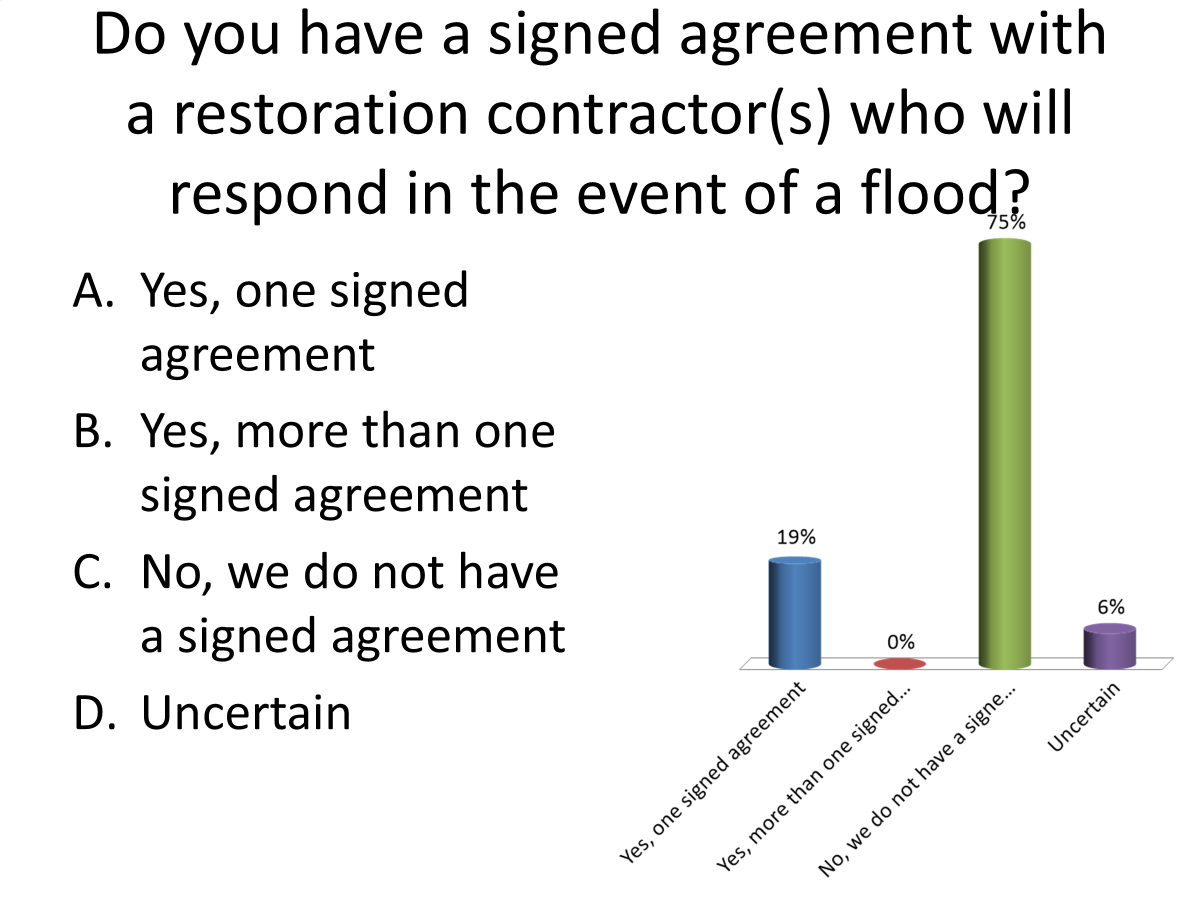
Have two signed agreements with restoration contractor(s) located in different regional areas since often these natural disasters are geographically regional, and restoration contractors are at capacity. Districts & CESA's with signed agreements in advance will receive priority assistance. There is no cost to have these signed agreements ahead of time.
| | | | | |
Slips, Trips, and Fall Tips | | At the WERMC Member Fall Meeting, Member introductions included sharing a slip/trip/fall tip from their district or CESA. | |
Liquid De-Icing and Anti-Icing Agent
Shelli Kult, Facilities Admin Assistant
School District of Onalaska
| |
At the WERMC Fall Member Meeting, Shelli Kult from the School District of Onalaska shared an innovative and practical tip to help prevent slips and falls during icy conditions.
The Onalaska School District has transitioned from traditional granular products to a liquid de-icing and anti-icing agent, which has proven to be more effective and efficient. This solution is stored in a 55-gallon drum, allowing custodians to easily refill battery-powered or walk-behind sprayers.
By using the spray application, they achieve better coverage on sidewalks and entryways while also reducing the amount of product needed. This not only enhances safety for students and staff but also helps minimize environmental impact and lowers long-term maintenance costs.
Additionally, the use of liquid products and ergonomic spray equipment helps reduce the physical strain on custodial staff, making the process safer and more comfortable for them.
Schilling Supply | Entry Liquid Ice Melter 2.5 gal 2/cs
Schilling Supply | Entry Liquid Ice Melter 55 Gallon Drum
SDS Sheet - Entry De-Icing Fluid, Anti-Icing Fluid
| |
|
You will find some of the top tips identified:
- Walk Off Entry Carpets
- Check Your Downspouts
- Install Grippy Tape
- Snow and Salt Logs
- Shake Your Way to Safety Shakers
- Weather Appropriate Shoes
- Snow Pile Removal and Management
These tips are excellent for preventing slips, trips, and falls because they address common hazards that arise during the winter months. Effective de-icing, proper footwear, and regular maintenance minimize slick surfaces and obstacles, significantly reducing the risk of injury. By proactively managing ice, snow, and potential trip hazards, these strategies help create a safer environment for students, staff, and visitors.
|
Watch Those Down Spouts
Mark McGinnis, Certified Consulting Meteorologist
Fair Skies Consulting
WERMC Partner
| |
Over the last 12 to 18 months increasingly more plaintiffs’ attorneys are using faulty downspouts as a strategy to win slip and fall cases.
When you or others are performing site evaluations, keep an eye on downspouts and their proximity to doors and sidewalks!!!
| |
| | | |
WERMC Member Risk Management Award Winner | | | | |
Congratulations!
Waterford Graded School District
| |
| |
Waterford Graded School District
Building a Strong School Safety Culture:
The Power of Structure, Collaboration, and Creativity
| | | |
Effective school safety does not happen by accident; it is the result of intentional structure, diverse participation, and ongoing engagement. Over the years, our district’s safety team has learned that the combination of clear processes, broad representation, hands-on risk identification, and creative student involvement forms the backbone of a strong, sustainable safety culture.
Using Agendas and Minutes to Drive Meaningful Progress
One of the most essential but often overlooked components of a productive safety program is the consistent use of agendas and meeting minutes. Agendas help guide discussion, keep the team focused, and ensure that all necessary topics are addressed. Minutes, on the other hand, provide a record of what was discussed, what decisions were made, and what follow-up is required.
This documentation becomes invaluable—not only for holding ourselves accountable, but also for tracking where we have been and identifying where we want to go. Over time, it creates a road map of progress and a resource for new team members stepping into the work.
During the years when meetings occurred during the school day, we often began each session with building security or classroom walk-throughs. Once each year we used the assessment checklist dividing its sections among team members to evaluate the building where we held the meeting. During the remainder of the meeting, we reviewed and discussed results. These walk-throughs allowed committee members to observe real-time conditions, identify areas of concern, and discuss how risks could be mitigated. Team members were also able to relate the findings back to their own schools, increasing the transfer of learning and encouraging proactive improvements districtwide. Completing a risk-identification checklist in small groups not only strengthened our understanding of potential hazards but also trained team members in the foundational principles of risk prevention and control. These shared experiences-built confidence, heightened awareness, and reinforced our collective commitment to creating safer schools.
Building a Safety Team That Represents Every Voice
From the beginning, our safety team prioritized broad representation. Each school had at least one representative, and we included staff from a variety of job roles including administration, teachers, support staff, health services, and facilities. We also welcomed participation from law enforcement and invited the local fire department whenever they were available and interested in attending.
This diverse membership ensured that decisions were not made in a vacuum. Every group brought unique insights into safety protocols, potential vulnerabilities, and practical solutions. The result was a stronger, more informed team capable of identifying issues before they became problems.
In addition to building strong internal representation, our district has benefited significantly from engaging with CASPARR, Racine County’s collaborative school response and recovery program. CASPARR brings together schools, law enforcement, fire/EMS, emergency management, and mental health professionals to create a unified, countywide approach to crisis preparedness and response.
Through this partnership, we access shared training opportunities, coordinated emergency protocols, and a network of support that is activated during critical incidents. CASPARR ensures that all responders, whether school-based or community-based, operate from the same framework, improving communication, efficiency, and effectiveness during emergencies. By participating in the CASPARR program, we extend our safety culture beyond our school walls and reinforce the principle that creating safe learning environments is a community-wide responsibility.
Finding Creative Ways to Involve Students
Student involvement has always been important to us. While including students directly on the safety team became challenging during the school day or during the evening hours, we continued seeking meaningful ways to elevate their voice.
One successful strategy was creating annual student safety contests centered around a specific topic. When our district implemented ALICE training, for example, the contest focused on the principles of ALICE and what students had learned. Entries could take any form; writing, poetry, art, fashion, or video. The creativity was remarkable. Two students designed and sewed dresses featuring the ALICE acronym. Others submitted thoughtful essays or original poems. Several created videos, some of which we later used as training tools. These contests not only engaged students, but also helped us gauge how well they understood safety concepts.
Expanding Student Voice Through Courage and Kindness Retreats
Another powerful avenue for student involvement has been our partnership with Youth Frontiers to provide annual Kindness and Courage retreats for 4th and 8th graders. These experiences have become an integral part of building a positive, connected, and safe school culture.
The 4th grade Kindness Retreat focuses on empathy, inclusiveness, and the impact small actions can have on others. Through interactive activities, reflective conversations, and guided challenges, students learn what it means to choose kindness, speak up when someone is excluded, and take responsibility for helping create a welcoming environment. These skills reduce relational conflict and foster a culture where students look out for one another—contributing directly to our broader safety goals. What originally began as teacher-, staff-, and school board-led small groups has now transitioned into a student-led model, where 8th grade students serve as the group facilitators. This shift has increased engagement, strengthened peer-to-peer influence, and provided meaningful leadership opportunities for our middle school students. The younger students benefit from seeing positive role models who are closer to their own age, while the 8th graders gain confidence, responsibility, and ownership in shaping a safer, kinder school culture.
The 8th grade Courage Retreat helps students understand what everyday leadership looks like: standing up for what is right, resisting negative peer pressure, and making choices rooted in integrity. At a time when social dynamics grow more complex and students navigate new pressures, these lessons are essential. The retreat equips students with the confidence, language, and strategies needed to handle challenges, repair relationships, and make decisions that support a respectful school climate. In the 8th Grade Retreat, high school student leaders are used to facilitate the small-group discussions. These high school leaders are released from their regular classes for the day to support the retreat, reinforcing the idea that this work is valued and essential. Their presence underscores authentic leadership, showing middle school students that courage and character continue to matter beyond 8th grade. This model deepens student voice, expands mentorship opportunities, and strengthens the district’s long-term commitment to developing students who contribute to a positive and safe school environment.
| | | |
We’ve also extended the impact of these retreats through student creativity. One year, students who participated in the Courage and Kindness retreats submitted designs for a T-shirt that would be printed and worn by staff and student leaders the following year. This tradition gave students ownership of the program and elevated their role in shaping the district’s culture of respect.
The outcomes have been clear: when students feel valued, empowered, and connected, safety improves. These retreats build the social-emotional foundation that makes all other aspects of school safety more effective—from conflict prevention to crisis response.
Evolving Meeting Structures While Preserving Core Safety Values
As with any long-standing initiative, our safety team has experienced changes in meeting structures, schedules, and formats over the years. What began in 2012 as a four-hour monthly working session gradually shifted to shorter, evening meetings as staffing, availability, and responsibilities evolved. These adjustments required us to rethink how we used our time, but they also underscored an important truth: the structure may change, but the core values of safety must remain constant.
During the early years, the extended daytime meetings allowed us to build a strong foundation—developing crisis plans, creating procedures, conducting building walk-throughs, and establishing consistent processes for risk identification. These sessions were hands-on, collaborative, and deeply analytical. They helped us identify vulnerabilities, clarify expectations, and ensure every member of the team had a shared understanding of our systems.
As meetings moved to shorter evening sessions, the format naturally shifted. Instead of lengthy work sessions, meetings became opportunities to provide updates, conduct essential training, and address emerging concerns. Even with less time, the spirit of the original team remained intact.
We adapted by prioritizing the most critical information, using agendas and minutes more intentionally, and keeping communication and collaboration at the center of our work. We also relied more heavily on small working groups and daytime operational teams to carry projects forward.
Most importantly, we preserved the team’s core purpose: maintaining safe, prepared, and connected school communities. The change in meeting structure never altered our expectations for high-quality safety practices or our belief that safety is a shared responsibility.
Adapting to change is inevitable in education. Staff roles evolve, schedules shift, and new mandates emerge. What matters most is having a clear set of values to anchor the work. For our team, those values of collaboration, preparedness, communication, and care for our students and staff have remained consistent. They have carried us through transitions in leadership, procedural updates, and the natural ebb and flow of the school year.
In many ways, the evolution of our meeting structure reflects the realities faced by districts everywhere. But it also reinforces a key lesson: effective safety work is less about how much time you have and more about how intentionally you use it. By maintaining our core values and adapting our structure to meet current needs, we’ve ensured that our team remains productive, responsive, and aligned with our mission.
Balancing Serious Work with Creative Engagement
Safety is an undeniably serious topic and one that affects every student, staff member, and family. Our team approached the work with dedication and professionalism, fully aware of the responsibility we carried. But we also discovered the value of incorporating creativity and approachability into our work
.
Engaging staff sometimes means stepping outside the traditional mold. Catchy reminders, light-hearted activities, and even music can help reinforce important concepts and make topics that can otherwise feel heavy more accessible.
Over the years, our team has rewritten lyrics to familiar songs to support safety messaging. The first, ““Safety Plan,” set to the tune of The Safety Dance, was performed at our beginning-of-year in-service as we introduced our newly revised Crisis/Safety Plan. Later, we created “Super Safe,” performed to the tune of Super Freak, to re-introduce the safety plan following significant ALICE-related updates. While unconventional, these efforts boosted engagement, normalized safety discussions, and strengthened our overall culture.
Conclusion
A strong safety culture in our district has been built on structure, collaboration, creativity, and authentic connection. The consistent use of agendas and minutes has kept our work focused and forward-moving, while the involvement of representatives from every school, job type, and partner agency has ensured that every voice is heard. Our engagement with community partners, including programs like CASPARR has strengthened our ability to respond collectively and confidently when it matters most. Hands-on activities, such as building walk-throughs and risk-identification checklists, have helped our team see safety through a shared lens and bring valuable insights back to their own buildings.
Just as important, our student-focused efforts, from safety contests to our Kindness and Courage Retreats, have shown that safety is shaped not only by policies but by the character, leadership, and compassion we nurture in our students. We’ve learned that balancing serious work with approachability, creativity, and even a bit of fun helps staff and students feel more connected and invested.
Safety is everyone’s responsibility, and in our district, it has truly become a shared source of pride, especially among the dedicated members of our safety committee.
| | | | |
New Risk Management Safety & Security Tools | | | | |
American Society of Safety Professionals November Newsletter | | Jodi's Take: This is the most informative and helpful winter safety newsletter I have ever distributed in my career. Please take a page a week and forward it to your staff to further increase awareness and promote safety. | | ASSP Newsletter Highlight Links: | |
|
| | | |
| |
Crises Prevention Institute
Fostering Positive Educational Climates
| | | | |
Wisconsin Department of Administration Safety Newsletter | | | | |
WSSCA School Safety & Security
Assessment Program
| | |
CIC is one of three sponsors.
| |
Our own WERMC Dedicated Consultant, Jodi Traas,
is also, a WSSCA Safety and Security Assessor
&
WSSCA Board Advisor
| |
| | | |
Safe Toys and Gifts Month | | |
Too often, accidents involving children and toys occur and may result in eye injuries. Each year, thousands of children age 14 and younger suffered serious eye injuries, even blindness, from toys.
There are three important ways you can protect your child's eyes from injuries while playing with toys:
- Only buy toys meant for their age.
- Show them how to use their toys safely.
- Keep an eye on them when they play.
Toy Selection Guidelines
Before you purchase a toy:
- Read all warnings and instructions on the box.
- Ask yourself if the toy is right for your child’s ability and age.
- Avoid purchasing toys with sharp or rigid points, spikes, rods, or dangerous edges.
- Check the lenses and frames of children’s sunglasses; many can break and cause injuries.
- Buy toys that will withstand impact and not break into dangerous shards.
- Look for the letters “ASTM.” This means the product meets the national safety standards set by the American Society for Testing and Materials (ASTM).
- Avoid toys that shoot or include parts that fly off.
- Remember that BB guns are NOT toys.
Before letting children play with toys:
- Inspect toys for safe, sturdy construction.
- Explain how to use the toy.
- Fix or throw away broken toys.
Always
- Keep young children away from toys meant for older children.
- Supervise your children while playing.
- Store toys properly after play to avoid risks or falls.
- Supervise children’s craft projects (scissors and glue can be extremely dangerous to a child’s eyesight).
- Have children wear the right eye protection for sports (face shields, helmets, eye guards).
| |
| | | |
| |
|
Understanding Your Cyber Benchmarking Results
Community Insurance
| | |
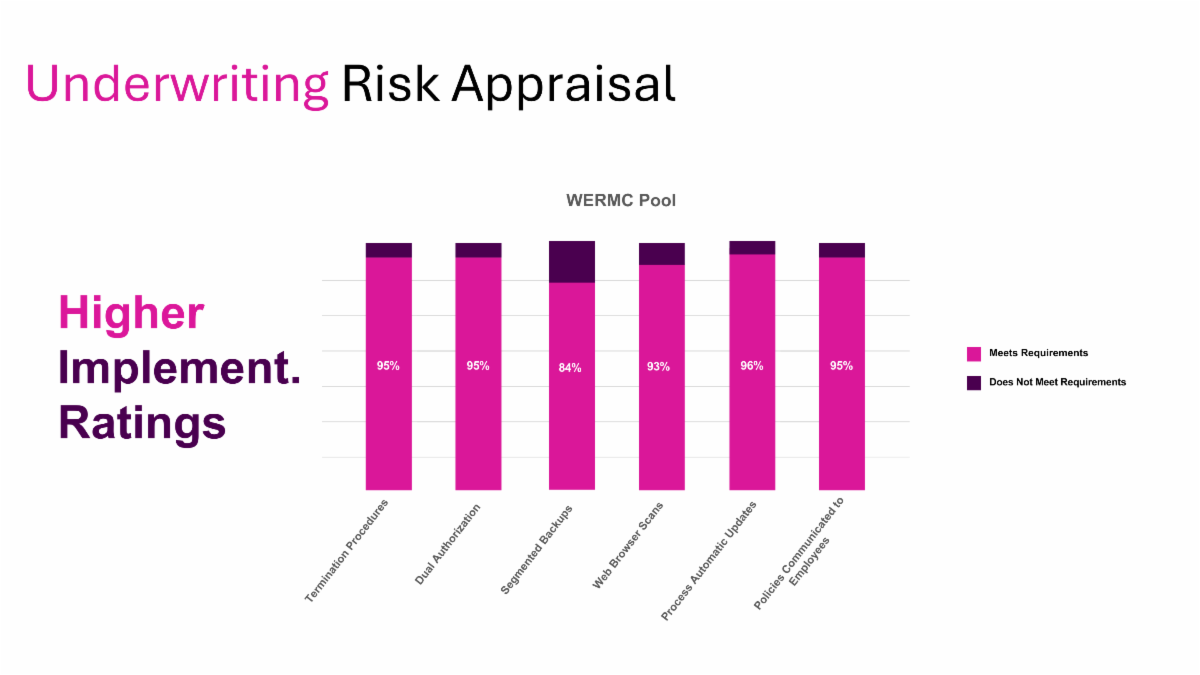
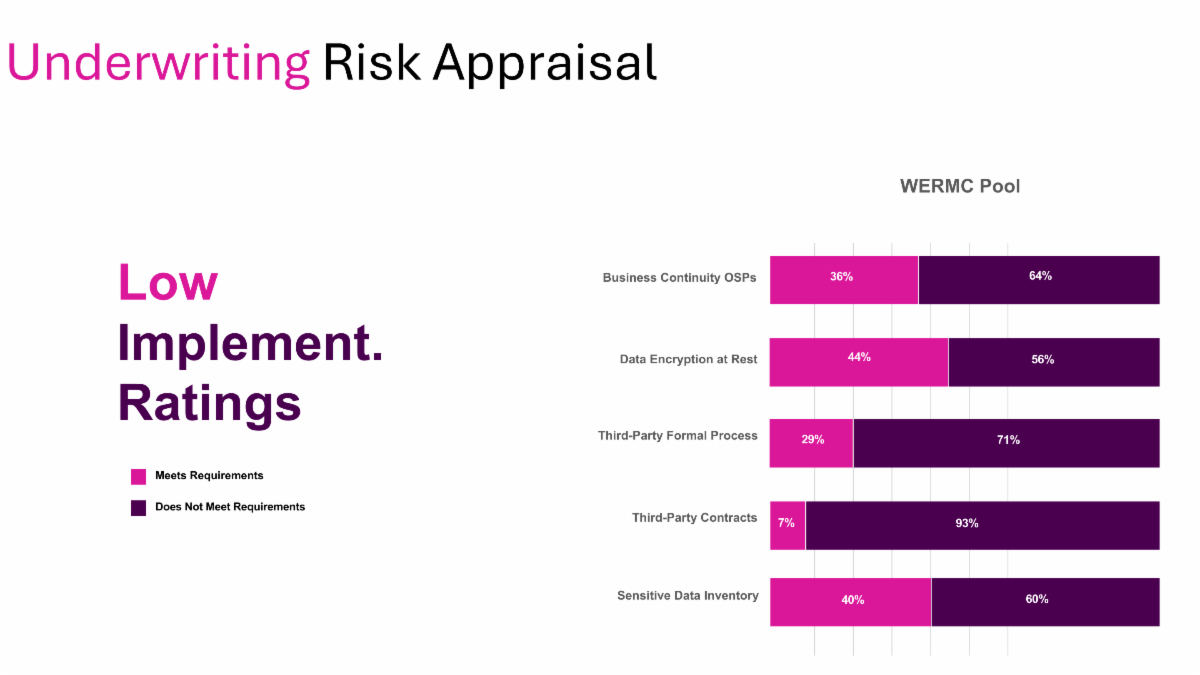
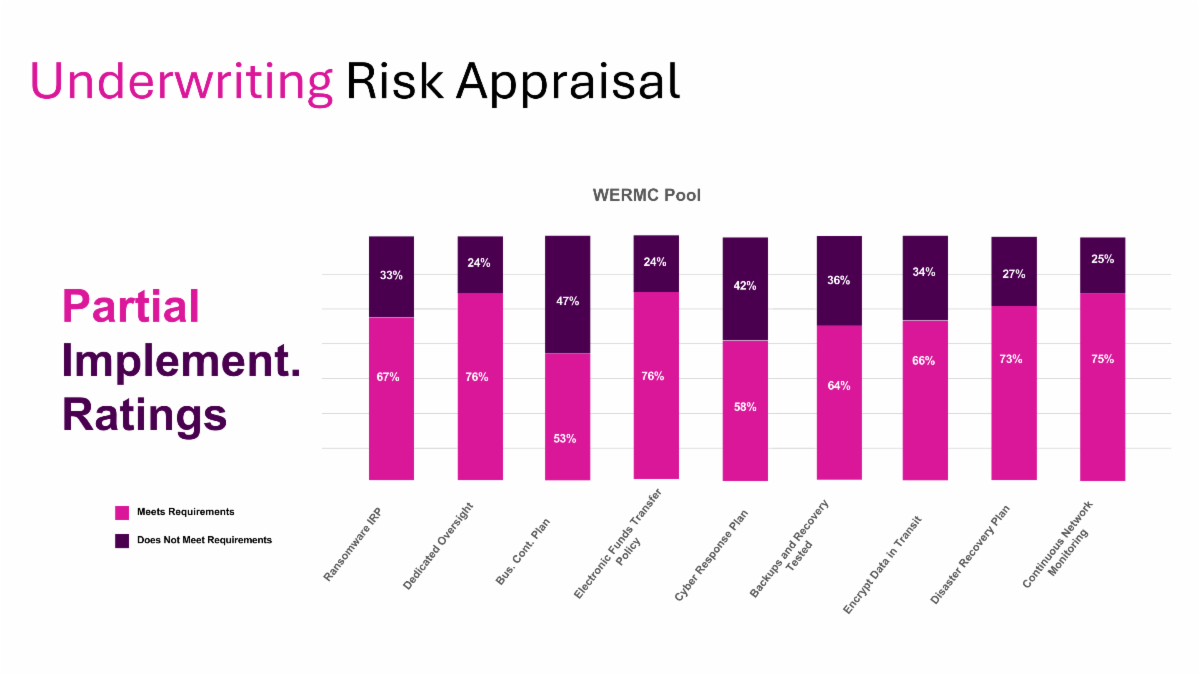
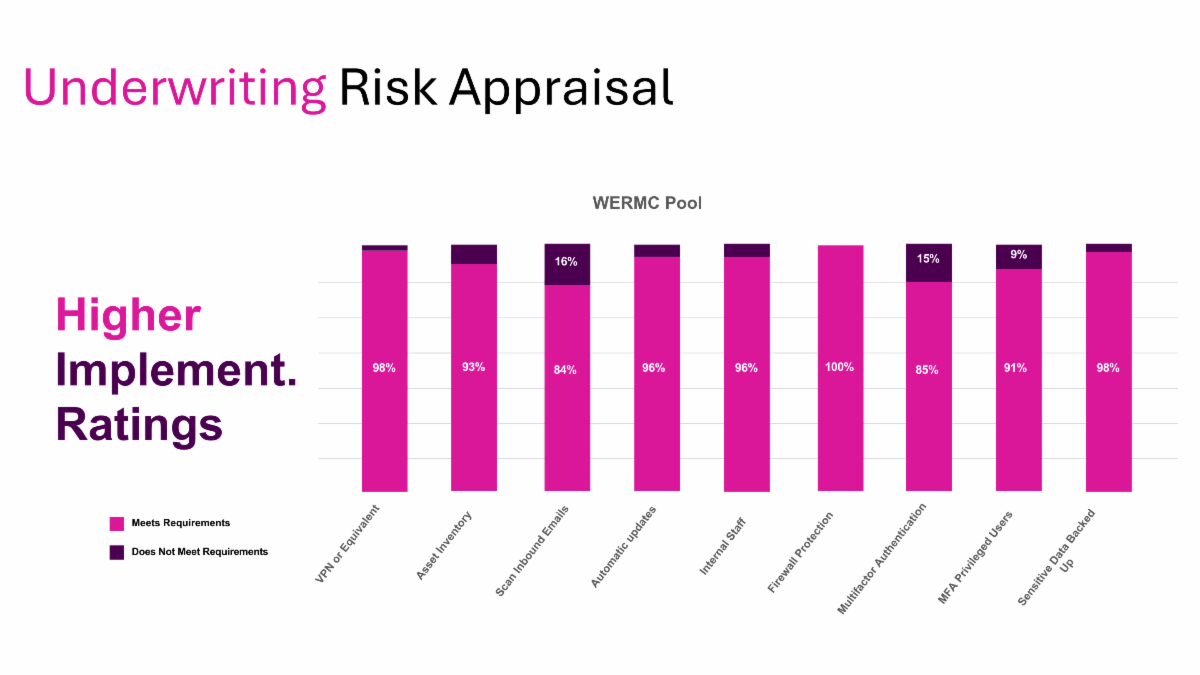
School districts use many types of cybersecurity assessments to guide their security efforts. Cyber insurers do something similar: when you apply for coverage, they evaluate certain controls to determine eligibility and rates. Recently, many districts have asked how their results compare to others. Great question and you can review those comparisons for the WERMC group here: View Graphs.
Before you dive in, a quick reminder: benchmarking is helpful, but it has limits. It shows where your district falls within low, partial, or high implementation groups, but it doesn’t measure how well specific controls reduce risk. Not all controls carry the same weight, and not all risks affect districts in the same way.
Here’s what really matters: after you see where you stand, the next step is understanding how these controls apply to real-world risk scenarios—like ransomware. Strong cybersecurity maturity comes from focusing on the threats most likely to impact your district, then aligning and strengthening the controls that meaningfully reduce that risk. Use the benchmarking results as a reference point—but not as a standalone measure of resiliency.
So how do you do that? Start by looking at the individual benchmark controls and grouping the ones that matter most for the risk you’re trying to reduce. Different controls contribute differently; each one has a “weight” based on how much it actually lowers risk.
A recent example:
One district was flagged by insurance underwriting for elevated ransomware risk. MFA alone was not providing the expected protection, as modern attacks increasingly bypass weaker MFA methods. Without fully implemented supporting controls—such as VPN enforcement and implemented least-privilege access—credential misuse becomes far easier, raising the district’s exposure and affecting insurance eligibility and rates. To tie this back to our earlier discussion, even if a single control category (like MFA, VPN, or least privilege) appears to be rated high, partial, or low; that rating alone doesn’t accurately reflect a district’s true cybersecurity posture. In this case, improving their posture required strengthening those dependency controls and upgrading how MFA was deployed.
| | | | |
Risk Management Property Strategies | | | | |
How Code-Compliant Key Safes Can Reduce Door Damage and
Response Times During School Emergencies
By: Justin Daniels
| | |
Damaged doors resulting from law enforcement responding to active shooters and swatting calls remain a major cost, liability and emotional burden for campuses. Code-compliant key safes can help address this problem.
Schools and universities nationwide are investing in a range of initiatives to address the active shooter threat, from mental health resources to upgraded security systems. However, one overlooked vulnerability can cost schools millions and retraumatize communities long after an emergency has ended: door damage resulting from law enforcement’s active-shooter response.
The December 2023 shooting at the University of Nevada, Las Vegas (UNLV) resulted in responding police officers damaging nearly 500 doors as they cleared campus buildings. Officers were forced to break down the doors because they were locked out of the building where three faculty members were slain. It cost UNLV $2.5 million to repair the doors.
These damages weren’t just a financial hit; they became daily trauma triggers for students and staff trying to reclaim their space after the tragedy. Additionally, swatting calls — hoax calls designed to trigger a large emergency response —often result in the same problems.
Swatting incidents are surging in U.S. schools, with more than 800 calls reported at K-12 campuses between spring 2023 and summer 2024. Although this type of threat is fake, the damage is real, resulting in smashed doors, broken glass, injuries and emotionally shaken students and staff members.
For example, in one swatting call, a police officer broke glass to get into a room, cutting his arm on the glass and dripping blood all over the floor. Although his injury wasn’t serious, it appeared serious and created more panic and chaos. It presented a more serious situation than it actually was, causing even more property damage and trauma.
Students and school personnel inherently struggle to return to the scene of the crime, especially when it can increase their trauma.
How Building-Mounted Key Safes Enable Faster First Responder Access
We can reduce delays by enabling quick first responder access with building-mounted key boxes.
No other incident better underscored the importance of accurate communication, training, leadership, tactics, policy and building access than the Uvalde mass casualty at Robb Elementary School in 2022, where 21 people were killed and at least 17 others were wounded and trapped in a classroom with their attacker for more than an hour. Numerous grave errors led to multiple casualties that day, but the most painful, preventable error was that law enforcement could not locate the correct keys to access the classrooms and stop the threat.
By contrast, during the 2023 University of Oklahoma’s (OU) swatting incident (a false alarm that they later determined to have originated from outside the country), the first responders cleared all campus buildings in 90 minutes, thanks to their uniformly mounted building safes (except for the library, which lacked a key safe).
(In addition to granting police access to the school buildings, allowing first responders to view video and audio feeds from campus cameras can help them pinpoint if and where an active threat is occurring.)
Are Electronic Card Readers Sufficient During Emergencies?
While electronic card readers look good on paper, they have a few shortcomings. Card readers are vulnerable to power outages and occasional data wipes of cards with infrequent use. Even when systems work and they have access to a fail-safe physical key, responders often fumble through dozens of keys lumped on the same key ring before finding the right one.
Key safe systems solve this by consolidating only the necessary keys into one secure, code-compliant location.
During the swatting incident at OU, every building that had the key safe was cleared in the same amount of time it took to clear the library alone, which did not have a safe. In the case of the library, first responders had to track down a special key across campus before they could enter the building.
During an active shooter incident, agencies from all over will show up to campus. With the right key safe system, a designated security administrator is assigned to control who has access to the school buildings. They can also share a lock code with neighboring jurisdictions and other law enforcement agencies expected to respond to a particular school’s area. Whether it be county police, state patrol, the fire marshal or even public works, they can share the access information with the first official on the scene.
With a key box, emergency responders can go directly to the safe and find only the essential keys they need. The keys are scaled down to a few instead of a hundred.
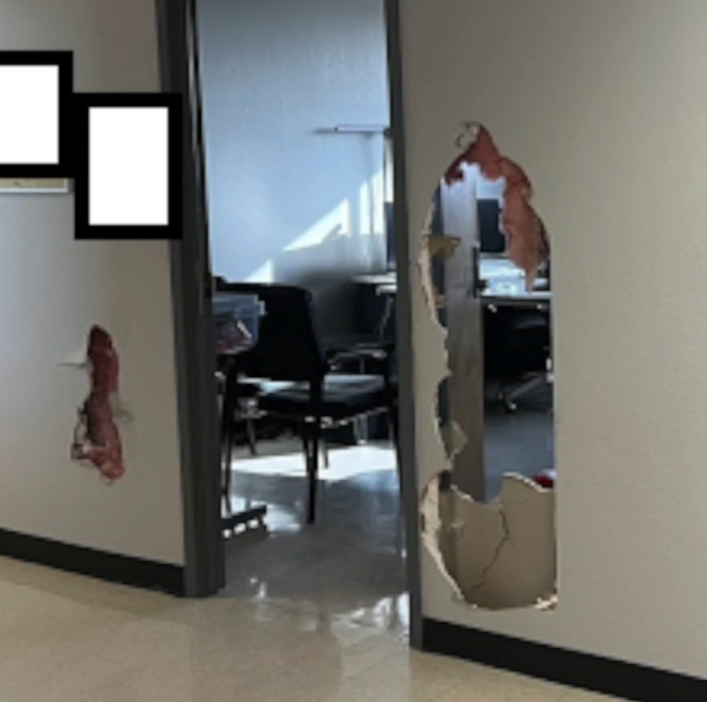
| | Damage to a UNLV office door after it was breached by law enforcement responding to the school's 2023 active shooter attack. Photo courtesy Knox |
What Schools Should Look for When Purchasing Key Safes
When looking for lock box options, it’s important that the school installs a box that meets the stringent UL-1037 certification, a requirement in several states. UL-1037-compliant key boxes undergo rigorous testing to prove the product’s integrity. It acts as both anti-break-in and theft protection from third parties. This certification is the industry standard, and testing includes a prolonged attack test after which the product “must remain unopened.”
Make sure the safety product is considered and “anti-theft device,” which means it is nearly impossible to penetrate or move the box from its secured location.
Texas, Minnesota and Utah have already passed bills adopting requirements for lock box installations in K–12 schools, and several other states are poised to follow. These measures strengthen student safety while also reducing property damage, shortening incident duration and helping to minimize student trauma during and after crises.
How Campuses Can Implement Key Safe Systems
A solid first step towards safety, peace of mind and minimized property damage would be for schools to adopt school safety guidelines from Partner Alliance for Safer Schools (PASS). They are the most comprehensive safety guidelines available for K–12 schools, assembled by experts in emergency response and school administration, and they are free to access.
Next steps would be to install rapid-entry, code-compliant solutions, such as UL code-compliant key safes. They provide first responders with immediate, controlled access to locked-down buildings, reducing the need for destructive forced entry. They are trusted by nearly 18,000 first responder agencies nationwide.
How Key Safes Reduce Response Times and Property Damage
Investing in easily accessible key access systems will increase the probability of stopping the threat in its tracks, which in turn will reduce property damage during an emergency, minimizing the mental health struggles of students, faculty and responders.
By following these steps and implementing the PASS Guidelines, schools and universities will not only minimize property damage and ensure student and staff safety, they will restore trust and peace with parents, students and the general community.
Together, we can ensure schools and campuses remain the warm and welcoming learning environments they were always intended to be.
| | | | |
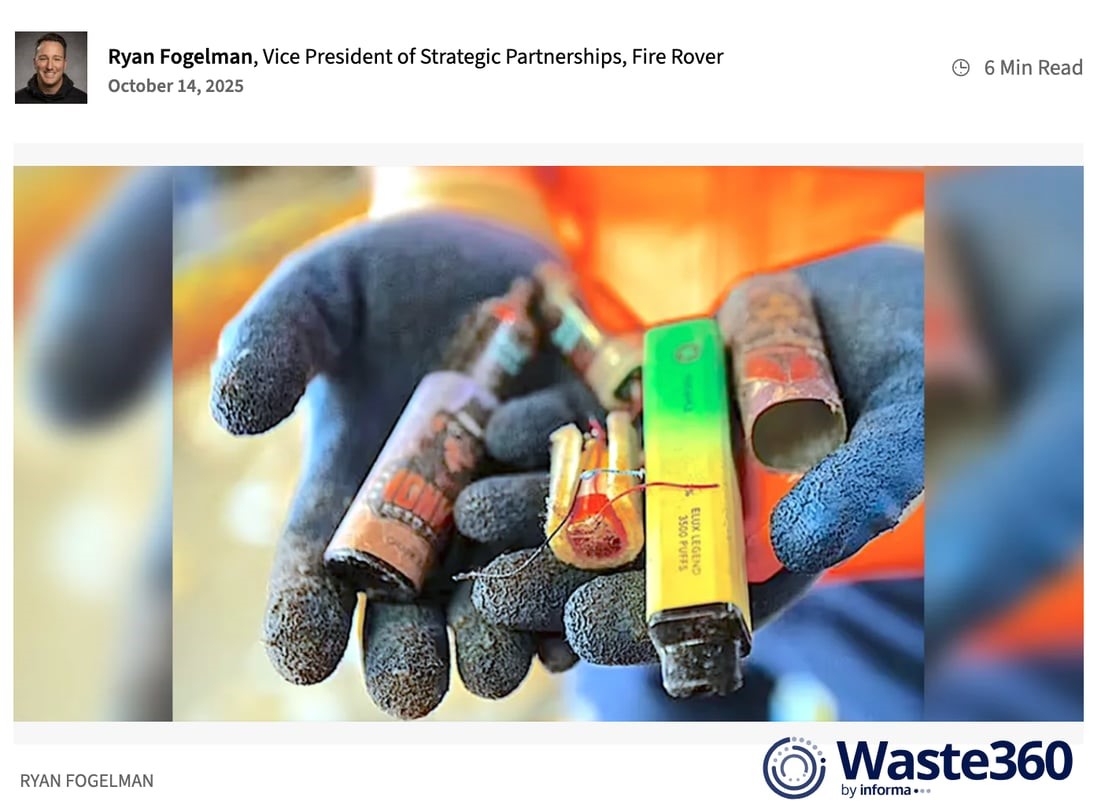
🔥 October Fire Report: How Safe Are Your Lithium-ion Batteries 🔥
Ryan Fogelman, Fire Protection Consultant, Fire Rover
October 14, 2025
| | |
September 2025 Fire Data
The first half of 2025 set new and unfortunate records. It was the worst start to a year since I began tracking and reporting waste and recycling facility fire data in 2016.
July’s 56 fire incidents marked not only the highest number on record for that month but also the highest single-month total for publicly reported fire incidents in the past 10 years. August also reached a new monthly high, with 49 reported fire incidents. September then followed suit, setting yet another monthly record with 45 reported fires. This data reveals the traditional “summertime spike” in fire incidents is not only worsening but extending deeper into fall.
Of those 45 incidents, we saw a reversal in the number of fires by material type. Scrap metal recycling yards experienced the most, with 21 publicly reported fires. Waste, paper and plastics facilities followed with 17 incidents. Organics facilities reported three, electronics recycling facilities reported two and one each occurred at a construction and demolition operation and a rubber recycling yard.
Check out the monthly data and more on ways to keep your friends and loved ones safer with lithium-ion batteries that you purchase and more at Waste360: https://www.waste360.com/industry-insights/october-fire-report-how-safe-are-your-lithium-ion-batteries-
| | | | |
| |
| |
Congratulations to the 2025 Mike Roshar Shining Star Award | |
Congratulations to the 2025 Mike Roshar Shining Star Award
Brian Adesso, Director of Business Services for Menasha Joint School District, and WERMC Board President
The purpose of the Mike Roshar WASBO Shining Star Award is to recognize, celebrate, and encourage outstanding contributions to WASBO through member participation in committees, regional leadership, and program development. Brian Adesso is being honored with WASBO’s Shining Star Award for his visionary leadership, innovative contributions, and lasting impact on the school business profession. As Director of Business Services for the Menasha Joint School District and a former Treasurer and Director on the WASBO Board, Adesso has advanced financial operations both locally and statewide. He co-founded the highly successful “Money Talks” Webinar Series, creating an invaluable platform for sharing financial strategies and professional development across Wisconsin. His commitment to collaboration, education, and continuous improvement exemplifies the spirit of the Shining Star Award.
This honor carries with it a $1,000 grant, sponsored by Quarles & Brady, to be used to fund training opportunities, staff development, or attendance at relevant conferences.
| | |
Celebrating Educational Excellence
Do you have news of recent awards or recognitions for your District, CESA, or team members? We are thrilled to celebrate your accomplishments and look forward to sharing your success stories with the WERMC Membership. Let us showcase the exceptional work happening in your educational community!
Recognize a Member of Your Team
| | | | | |
Howards Grove Students Collect Over
6,600 Boxes of Cereal for Local Food Pantries
| | |
Howards Grove School District recently completed an extraordinary service project, collecting 6,645 boxes of cereal in just one month to support local food pantries—far exceeding its original goal.
The cereal drive comes during a time when local resources are strained by increased demand for food security in the community, making this effort especially impactful.
Students and staff across the district worked together to organize donations and celebrated with a creative domino release event, where thousands of cereal boxes were arranged through the middle and high school hallways in designs that showcased school pride and community spirit.
Each donated box included a kindness card with an encouraging message for families in need. Donations were distributed to Sheboygan County Food Bank, Sheboygan Falls Food Pantry, and Immanuel UCC, helping provide essential meals and support during a critical time.
This project demonstrates the district’s commitment to service and teamwork, showing what can be accomplished when schools unite for a common cause. Howards Grove School District plans to continue this annual tradition, reinforcing its dedication to making a difference.
| | | | | |
| |
WERMC Committees Hard at Work | | |
Join A Committee!
Are you interested in learning more about our WERMC Committees?
Email the Committee Chair or Jodi Traas to find out more.
| | | | |
Upcoming Risk Management Events | | | | |
New WASBO University Wisconsin School Risk Manager Designation | |
Wisconsin School Risk Manager (WSRM) Designation
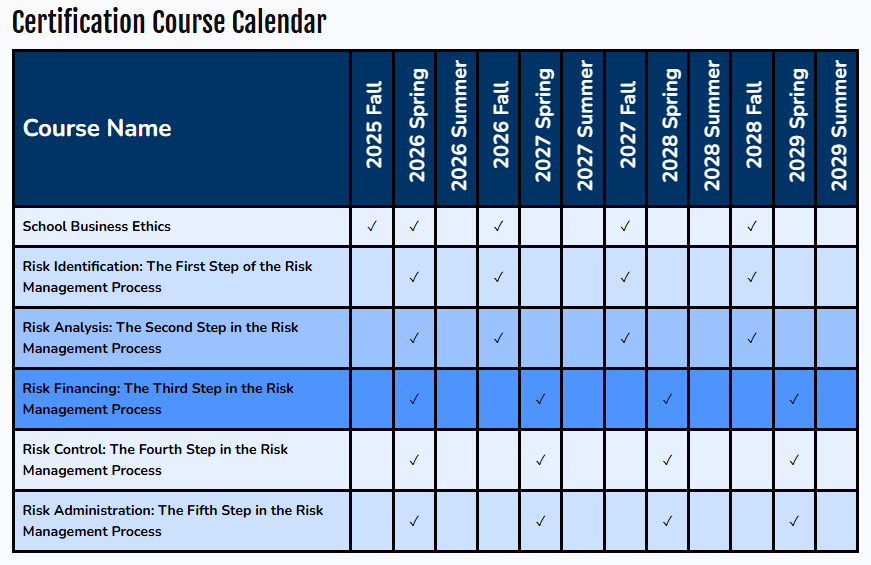
WASBO University has introduced the Wisconsin School Risk Manager (WSRM) designation. The program consists of six courses, with Jodi Traas, WERMC Dedicated Consultant, instructing two of them. The first course Jodi will lead is Risk Identification, scheduled for January 27–29.
As part of this transition, individuals holding the CSRM designation will automatically be recognized as WSRM designees once they complete the required Ethics course. This ensures continuity for current designees while establishing a Wisconsin‑specific credential for school risk management.
Links and descriptions for each course are provided to the right for easy reference.
| |
CIC Continues Its Support!
WERMC Thanks CIC for Continuing to Support WERMC Members’ Risk Management Efforts. CIC Will Reimburse the Cost for One Participant Per WERMC Member District or CESA to Pursue the Wisconsin School Risk Manager (WSRM) Designation, With Reimbursement Provided Upon Completion of the Program.
| | | |
School Business Ethics
This course empowers education leaders to foster a culture of ethics, integrity, and transparency across their districts. Participants will explore real-world ethical dilemmas and develop the skills to navigate complex decisions with confidence.
Risk Identification: The First Step of the Risk Management Process
Learn the first step in risk management: identifying exposures, hazards, and losses in property, people, liability, and finances. Explore tools like checklists, data, and reviews, and see how risk identification drives insurance and more.
Risk Analysis: The Second Step in the Risk Management Process
Explore risk analysis in schools by assessing financial and non-financial impacts of incidents and hazards. Learn forecasting, root cause analysis, and key indicators to guide treatments, refine insurance, and communicate risks with data and reports.
| | | |
Risk Financing: The Third Step in the Risk Management Process
Focus on risk financing: learn to fund and manage losses with retention, transfer, and insurance. Explore TCOR, deductibles, contracts, budgeting, claims reserves, and working with brokers, insurers, and vendors to align coverage with district needs.
Risk Control: The Fourth Step in the Risk Management Process
Learn risk control strategies to reduce losses in schools: avoidance, prevention, reduction, segregation, and transfer. Topics include safety, cyber risks, liability, crisis planning, investigations, and compliance.
Risk Administration: The Fifth Step in the Risk Management Process
Learn the final step of risk management—risk administration. Explore building teams, coordinating stakeholders, managing contracts, and aligning with goals. Emphasis on proactive management, compliance, data use, and continuous improvement.
| | Register to Attend Risk Identification, January 27–29, Instructed by Jodi Traas, WERMC’s Dedicated Consultant. | | | | | |
Safety Planning for Volatile School Board Meetings
December 18th, 2025 @ 1 PM ET
| | Photo via Adobe, by Andrei Korzhyts | |
Gary Sigrist
Safeguard Risk Solutions
|
Amy Rock
Campus Safety Magazine
| | |
School board meetings have become flashpoints for tension in many communities.
This session will walk participants through proactive strategies to anticipate and manage disruptions, using the four phases of emergency management: prevention, planning, response, and recovery.
Attendees will learn how to set clear expectations for conduct, coordinate with law enforcement, design safe meeting spaces, and establish exit and communication protocols.
Practical tips and case examples will help districts protect staff, board members, and community stakeholders while ensuring open, respectful dialogue.
| | | | |
|
WERMC Members Only Training Discount - 50%
Free to EMC ESHC Customers
|
| | | | | | |
Winter Salt Week - January 26-30, 2026 | |
Winter Salt Week January 26–30, 2026
Winter Salt Week is a week dedicated to raising awareness around salt pollution and reduction solutions. Governmental and non-governmental organizations across the United States have been tackling this issue in their own communities, watersheds, and states for years.
During the last week of January each year, we come together to highlight challenges, showcase successes, and elevate the need for broader policy and societal action. Winter salt use damages infrastructure and threatens the health of lakes, streams, and drinking water. An informed public can support the adoption of best practices in snow and ice control and advocate for the protection of freshwater resources.
Join us daily at 1:30 ET / 12:30 CT for a series of free, live YouTube events.
Register and learn more at www.wintersaltweek.org.
Together, we can keep winter roads safe and our waters healthy.
| | | | |
Upcoming Risk Management Training Opportunities | |
-
December 17, 2025 - NTAC - Preventing Mass Attacks in Our Communities
-
December 18, 2025 - Safety Planning for Volatile School Board Meetings
-
December 31, 2025 - WSSCA - School Safety Certification Program Phase One (self-paced)
-
January 12, 2026 - WASBO University - School Business Ethics
-
January 13-15, 2026 - WSRM - School WSRM - School Business Ethics
-
January 19, 2026 - Science Staff Chemical Hygiene Officer (CHO) Training Class
-
January 21, 2026 - NTAC - Enhancing School Safety Using Behavioral Threat Assessment
-
January 21, 2026 - CIC Sponsored - Networking Reception Hilton Milwaukee City Center Crystal Ballroom
-
January 21-23, 2026 - WASB - 2026 Wisconsin State Education Convention (CIC Booth 811)
-
January 26-30, 2026 - National Winter Salt Week
-
January 27-29, 2026 - WSRM - School WSRM -Risk Identification - Instructor Jodi Traas, Dedicated WERMC Consultant
-
February 5, 10 & 12, 2026 - WSRM - School WSRM -Risk Analysis
-
February 18, 2026 - NTAC - Preventing Mass Attacks in Our Communities
-
February 24, 2026 - WSSCA Member Only The 4 Seasons of School Safety | Spring
-
February 24, 26 & March 3, 2026 - WSRM - Risk Financing: The Third Step in the Risk Management Process
-
March 5-6, 2026 - WSSCA Annual Safety and Security Conference Registration Preliminary Agenda
-
March 18, 2026 - NTAC - Enhancing School Safety Using Behavioral Threat Assessment
-
April 15, 2026 - NTAC - Preventing Mass Attacks in Our Communities
-
May 5, 2026 - WSSCA - Member Only The 4 Seasons of School Safety | Summer
-
August 4, 2026 - WSSCA - Member Only The 4 Seasons of School Safety | Fall
These also qualify for your CIC Risk Management Rewards (RMR)! Click to visit the WERMC Meetings and Events Calendar
| | | | |
| |
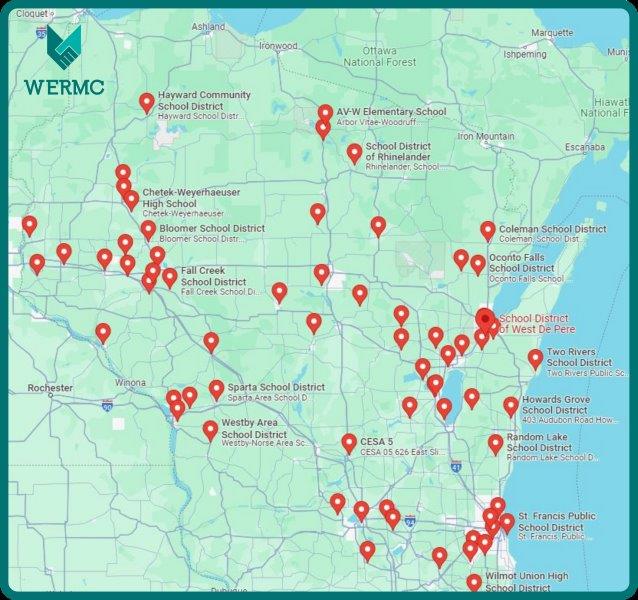
WERMC provides support to 69 districts and CESAs across Wisconsin. Membership in WERMC includes every staff member in your district or CESA! | | | | | |
| |
| |
Thank you for your diligence and efforts in keeping our students, staff, and communities safer! | | | | |