|
Infrastructure
When we talk about infrastructure, we are not talking about pipes, pumps and pavement in the abstract.
We are talking about families in neighborhoods that no longer flood after summer storms. We are talking about clean water flowing reliably to homes and businesses. We are talking about a city ready for tomorrow, not just reacting to yesterday.
Infrastructure is the quiet promise of government. You don’t see it every day, but you rely on it every hour. And I want to share how we are keeping that promise.
We all remember April 2023. Streets became rivers, homes were damaged and our resiliency was tested. Out of that hardship came determination.
That’s why we launched Fortify Lauderdale and fast-tracked projects across the city. When the first and second phases are complete, we will have invested more than $1.6 billion.
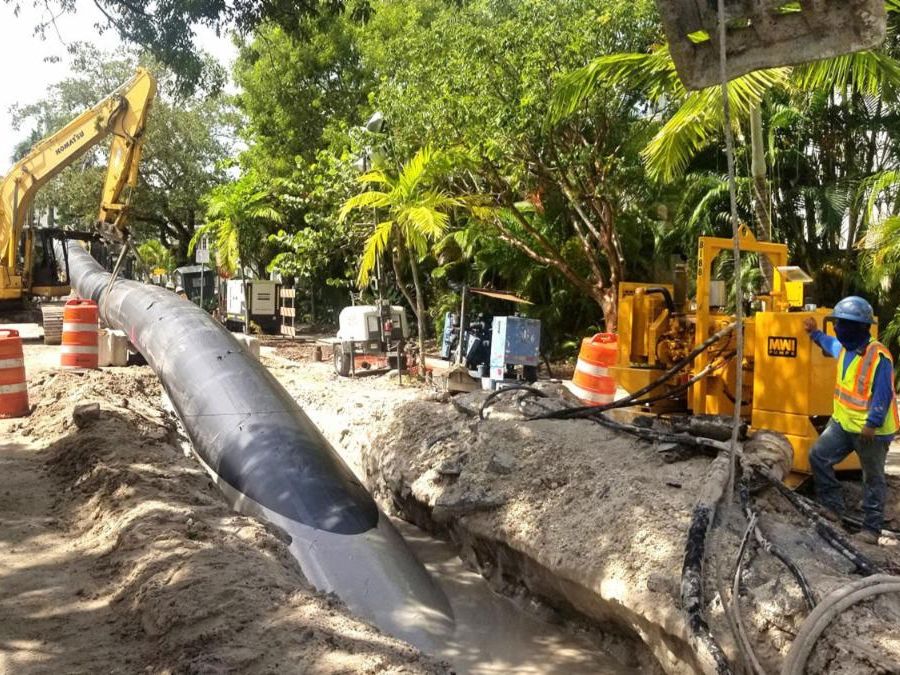
In the Durrs neighborhood alone, we laid 30,000 feet of stormwater pipe, installed 330 drainage structures and rebuilt 81,000 square yards of swales — finishing the job ahead of schedule. In Dorsey-Riverbend, work is almost complete with 21,000 feet of pipe, 90 drainage structures and a new pump station.
We made Edgewood and River Oaks more resilient, too. We’ve added 828 drainage structures, 52,000 feet of new pipe and 5,500 feet of repaired pipe. We even rebuilt 84,500 square yards of swales. And we backed it all up with three new pump stations.
We didn’t stop there. We restored Osceola Creek —clearing debris, reinforcing banks, dredging channels, removing invasive plants, and improving water flow from Southwest 32nd Place to Marina Mile.
In Progresso Village, $39 million in improvements are underway — 14,500 feet of pipe, 78 drainage structures and another pump station. Next year, we’ll break ground on work in Victoria Park, Melrose Manors, and Riverland.
This is not one neighborhood at a time. This is a citywide strategy.
Phase 2 of Fortify Lauderdale covering 17 neighborhoods is in conceptual design. We are sequencing the work, expanding our fleet of jet-vac trucks, adding staff and implementing a robust inspection program so our system is always ready for the next storm.
And residents will see benefits directly in their pocket books. Because of these improvements, Fort Lauderdale will apply to FEMA for an additional 10 percent discount in flood insurance premiums.
On top of this, we have secured $88 million in federal disaster recovery funding. This money will help us repair homes, mitigate flood risks, restore infrastructure, expand services and strengthen our resiliency.
Beneath our streets runs another critical system — our sewers. Sewers are something that are too often ignored until something goes wrong. But in Fort Lauderdale, we continue to turn attention into action.
We conducted smoke testing and manhole inspections citywide to reduce inflow and infiltration. We completed the first phase of the 54-inch effluent force main rehabilitation from the Lohmeyer Treatment Plant to the injection wells. And we finished work on the NE 25th Avenue, NE 38th Street, and NE 19th Avenue force mains.
Construction is underway on new mains along SE 9th and 10th avenues, also serving Lohmeyer. Next year, we’ll secure a dedicated contract for emergency sewer line repairs, so when problems arise, we can move fast.
And soon we’ll complete Phase 2 of the Tarpon River A-11 basin rehabilitation project—more evidence that every corner of our system is getting attention.
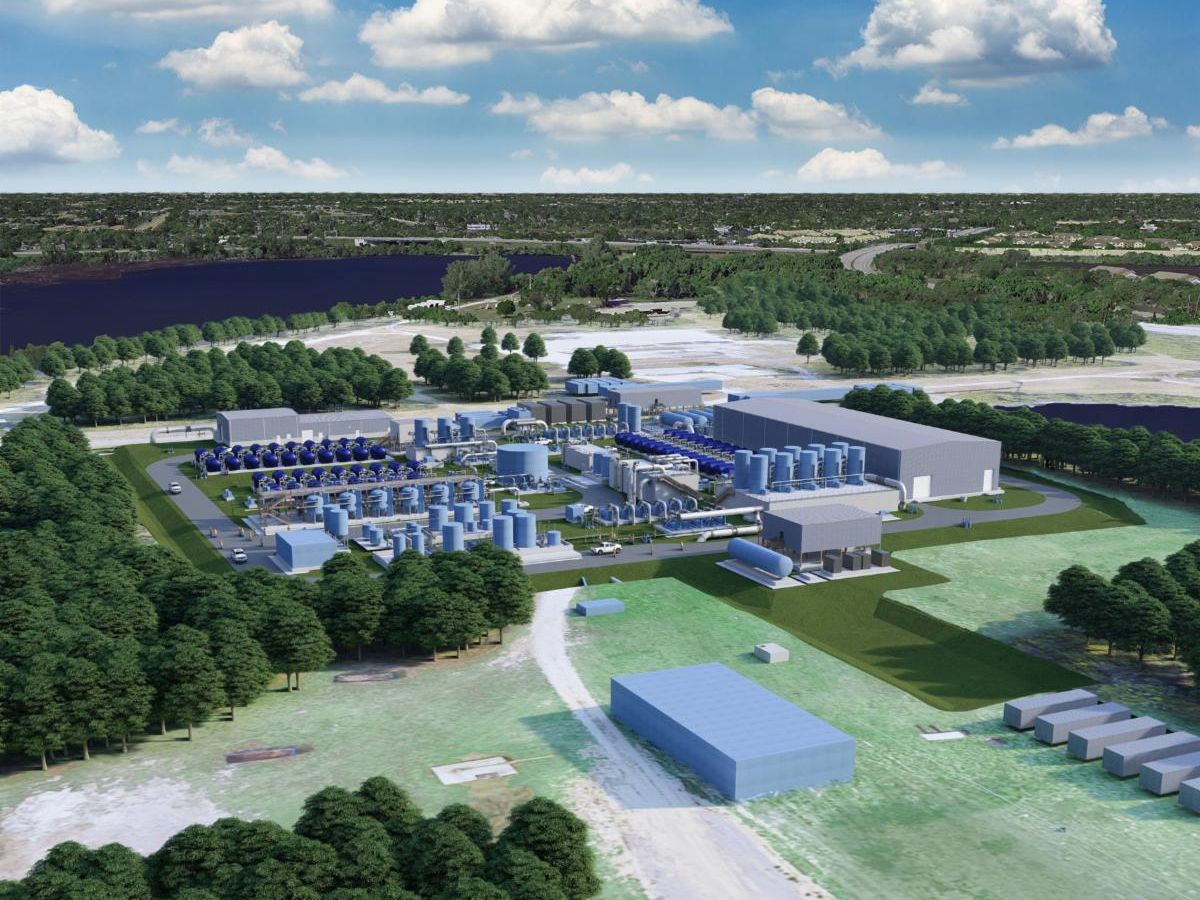
Perhaps the most exciting milestone is in our water system — the ongoing construction of the Prospect Lake Clean Water Center.
Set to be in operation at end of next year, it will produce 50 million gallons of clean, clear water every day. Built through a public-private partnership, it is designed to withstand a Category 5 hurricane. It replaces the outdated and problem-plagued Fiveash Plant.
Alongside this, we are rolling out 65,000 new smart water meters. These devices let residents monitor usage online, receive leak alerts and prevent high bills before they arrive. Transparency and technology — delivered straight to your home.
We also completed a comprehensive water system mapping project, fulfilling the last major requirement of a consent order we have with state regulators. This gives our crews the ability to quickly locate and isolate mains during emergencies, saving time, money, and water.
Fort Lauderdale is renown for its waterways, and we are putting an emphasis on their protection.
Next year, we’ll partner with Coastal Conservation of Florida to cultivate oysters in the New River — natural water filters that improve quality and biodiversity. We’ll also expand waterway testing to five new sites, using molecular source tracking to pinpoint bacteria sources.
We also have created a new marine facilities fund that will ensure public boat ramps and marinas are clean and well-maintained.
We are taking other steps to protect the environment.
We adopted our first Net Zero Plan, charting how to cut emissions with solar energy, EV chargers and alternative transportation. We are completing an Urban Forestry Master Plan, expanding the canopy that cools our streets and cleans our air.
These steps protect your homes. They are investments in your family’s health. These are commitments to fairness. Whether you live in River Oaks or Victoria Park, Progresso Village or Durrs, you deserve the same security against floods, the same clean water, the same reliable services.
And there’s another impact: confidence. Businesses look at these investments and see a city prepared for growth. Residents see a city that doesn’t just talk about resilience, but delivers it.
Our work is not done.
As we face global climate change, more extreme weather and sea-level rise, it is paramount to maintain this priority on investing in infrastructure.
Every mile of pipe, every drainage structure, every pump station must work when called upon. That means inspections, maintenance and community input are as vital as construction.
When we talk about the future of Fort Lauderdale, we are also talking about how we move — how we get to work, to school, to the beach, to our businesses and to each other.
We are investing more than ever before to fix our roads and sidewalks, improve traffic flow, expand transit options and make our city safer for everyone — whether they are walking, biking or driving.
For next year, we budget $8.6 million to repair roads and to install and upgrade sidewalks. That’s nearly double when we spent in the budget year that is ending. We also will leverage $27.9 million from an upcoming infrastructure bond issue to make further enhancements to roads and sidewalks.
Results are occurring citywide.
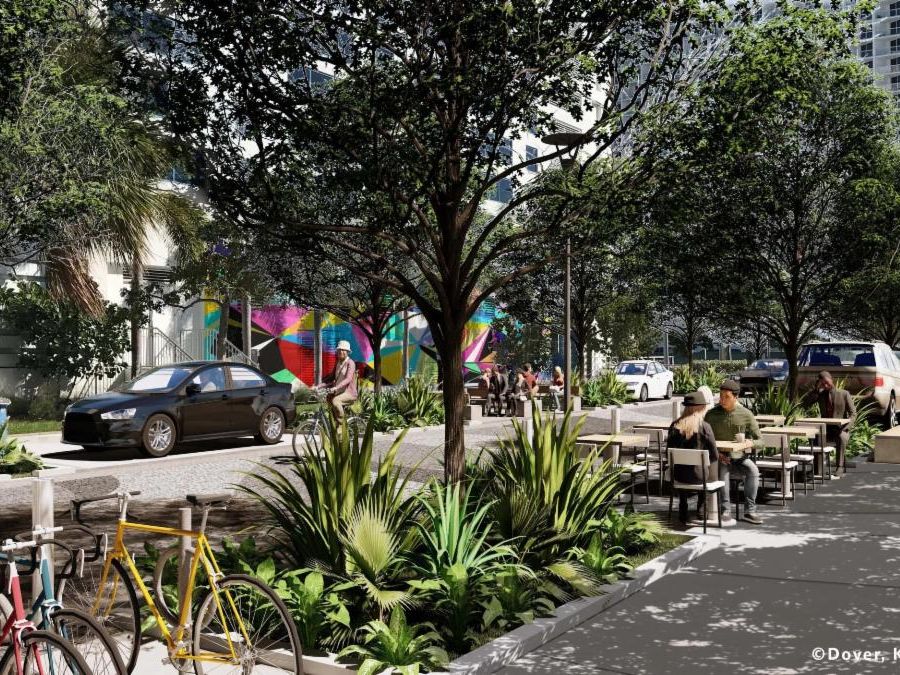
On NE 4th Avenue, our Complete Streets program is adding wider sidewalks, new lighting and trees — making the corridor safer for pedestrians while giving the area more of a neighborhood feel.
On Breakers Avenue, with $3.8 million in grants from the state and county, we will construct a climate-resilient, walkable corridor with landscaping and pedestrian lighting.
A bypass road will soon open, built by the county at our behest to improve traffic flow on Southeast 17th Street by providing an alternate route from southern parts of Federal Highway through the port and onto the barrier island.
This way, visitors who arrive at our airport and head to their cruise ship will no longer crowd 17th Street. It will free up roads our nearby neighborhoods rely on.
And on Andrews Avenue, between Sunrise and Oakland Park boulevards, we are advancing a corridor improvement plan with the county that will bring landscaped medians and safer crossings.
From Riverland Road to Northeast 15th Avenue, we are listening to neighbors, walking the streets with HOA leaders and turning feedback into safer, calmer roadways.
But our city cannot rely on cars alone.
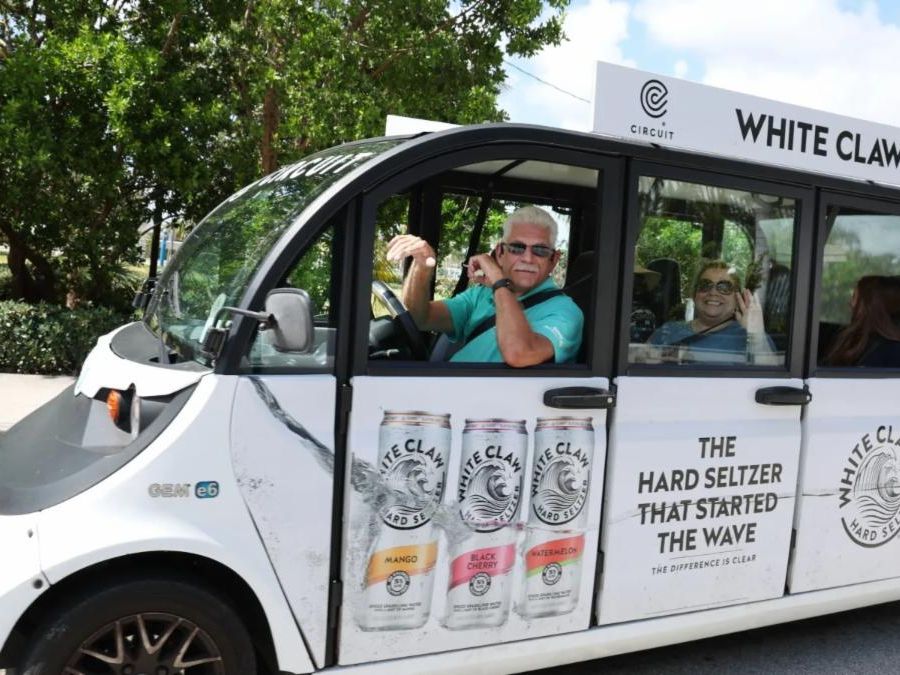
That’s why we’ve expanded the Circuit shuttle program into the northwest, reaching neighborhoods like Rock Island, Golden Heights, Lauderdale Manors and Dillard Park. Ridership has grown dramatically — proof that when we provide affordable, reliable alternatives, people use them.
The biggest decision ahead of us in transportation remains the commuter rail plan from Miami to West Palm Beach and its crossing at the New River in our downtown.
Let me be absolutely clear yet again: For Fort Lauderdale, a tunnel is the only option for that crossing.
In the past, I’ve talked about how a bridge would divide our city — cutting off the river, harming property values, impeding boat traffic and creating a wall between neighborhoods.
But in the past year, we’ve learned the designs presented so far for bridge work have serious flaws. Consultants hired by the city found that the cost is significantly higher than what has been portrayed and that the engineering challenges are far greater.
That’s why we’ve met directly with Meridiam — the corporate team that delivered the Port of Miami tunnel ahead of schedule and under budget -- in hopes they might make a proposal for a tunnel here.
We since hosted a Tunnel Industry Day, drawing nearly 60 participants and international construction firms to gauge their interest in participating in building a tunnel. As a result, we are receiving interest from firms who see this project as both achievable, affordable and transformative.
Fort Lauderdale is a city looking toward the future. And on the New River crossing, we cannot compromise because the decision there will impact us for generations to come.
Road work is important, but so is transportation technology. We continue to partner with regional, state and federal agencies to find ways to reduce traffic congestion.
We are working with Broward County to modernize our traffic signals.
Already, new adaptive signal technology is running on Federal Highway from Broward Boulevard to Southeast 30th Street. More corridors, including Sunrise, A1A, and Southeast 17th Street, are next in line — with completion expected by the end of this year.
This technology responds in real time to traffic flow, reducing backups and cutting down on idling. Add to this the county’s retiming of signals along key corridors, and we are seeing real progress toward smoother commutes.
Traffic in our city doesn’t just depend on roads — it depends on bridges.
On the SE 17th Street bridge, we worked with the Coast Guard to test a new schedule that eliminates two openings during both morning and afternoon peak commuter hours. That study is underway now. If successful, we will push to make it permanent.
Meanwhile, the South Ocean Drive bridge replacement was completed earlier this year. More bridge replacements are to come.
A truly livable city is one where kids can walk to school safely, where seniors can cross the street without fear and where tourists can explore without fear of being hit by a vehicle.
That is why we are also updating our Vision Zero Plan and are finalizing a Sidewalk Master Plan. Once the commission approves the master plan this fall, we’ll begin building those projects neighborhood by neighborhood across the city.
We are already moving forward:
- The state and county have agreed that new pedestrian crosswalks are warranted on A1A, Broward Boulevard, Federal Highway and Andrews Avenue.
- We secured a grant for mobility improvements in South Middle River and on Northeast 15th Avenue in Poinsettia Heights and Lake Ridge.
- We’ve entered into an agreement for similar improvements on Southeast and Southwest 17th Street between Southwest 9th Avenue and Federal Highway in Croissant Park and Poinciana Park.
- Through the Urban Core Master Plan, we are reimagining downtown so that residents and visitors can move around more freely without a car.
Yes, we are improving our traffic and transportation system to keep pace with growth and meet our future needs.
|