|
While overseeding (discussed last issue) often gets the spotlight, aeration is the foundation of a healthy lawn. Over time, soil becomes compacted from foot traffic, mowing, pets, and even heavy rainfall. Compacted soil hinders the flow of air, water, and nutrients to grass roots, making it difficult for lawns to thrive.
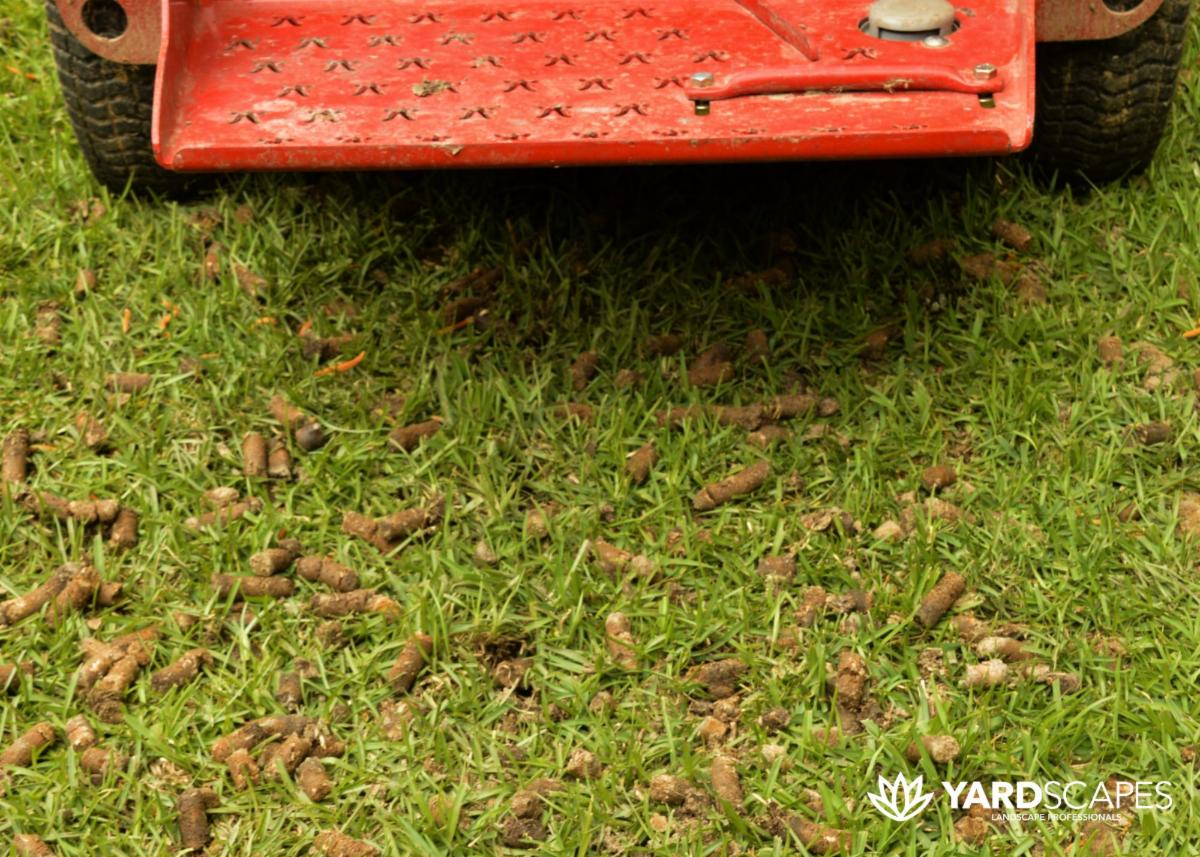
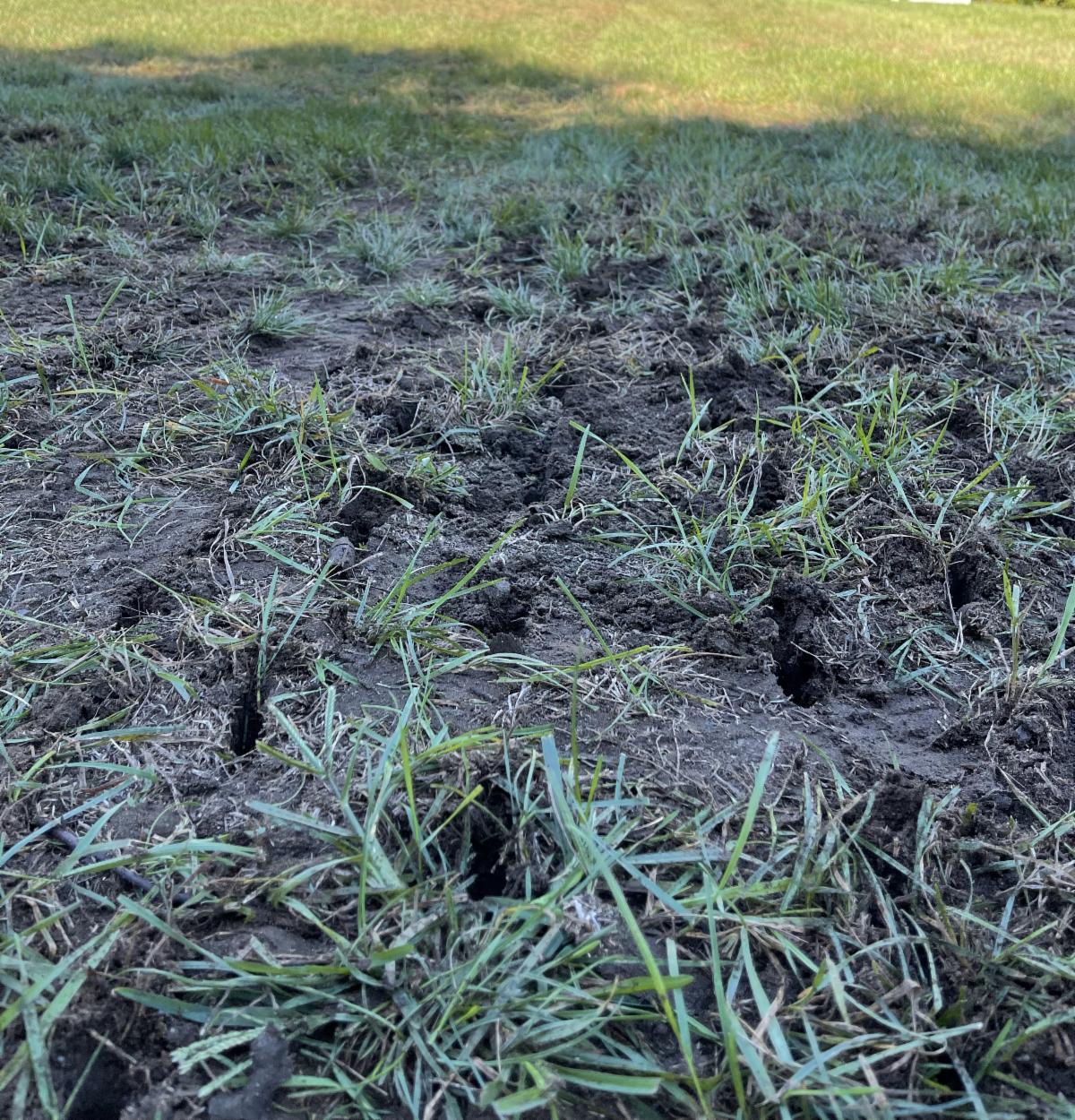
Core aeration removes small plugs of soil, creating channels that allow oxygen, moisture, and nutrients to penetrate deeper into the root zone. The result is stronger root development, improved drought tolerance, and a thicker, healthier lawn.
Fall is the ideal time to aerate cool-season grasses because lawns are actively growing and can recover quickly. Aeration also helps reduce thatch buildup and improves overall soil structure, setting the stage for vigorous growth next spring.
If your lawn feels hard underfoot, struggles during dry periods, or has areas that remain thin despite regular care, aeration may be one of the most beneficial services you can provide. Think of it as giving your lawn room to breathe before heading into winter.
|