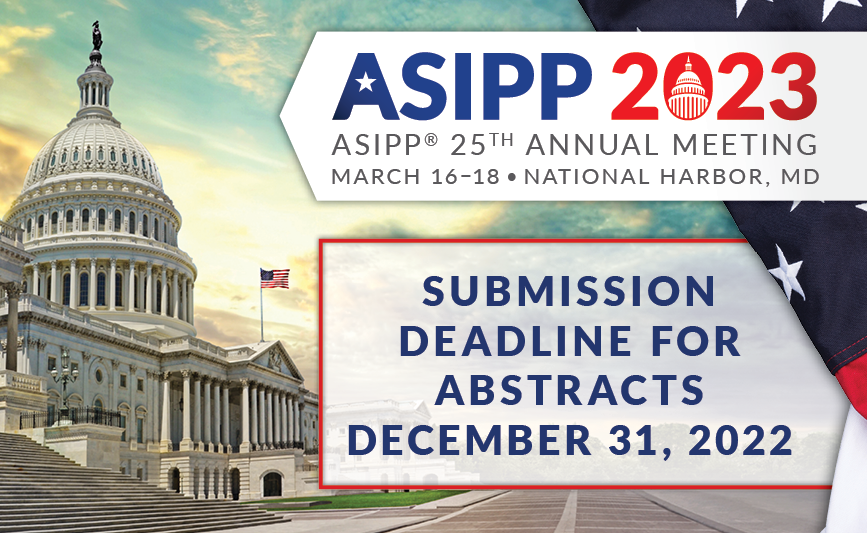
Submit your abstracts by December 31, 2022
Questions should be directed to Savannah Gold at
|
|
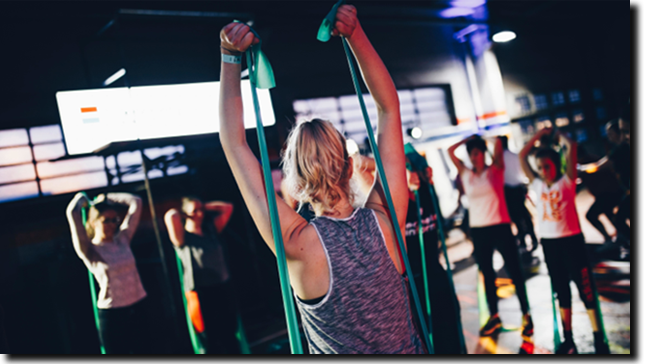
The world faces an epidemic of avoidable diseases like cancer, diabetes, high blood pressure, and dementia unless swift action is taken to persuade people to become more active, according to a new analysis by the World Health Organization (WHO).
Based on a study of activity levels among people in 174 countries, the report says that physical inactivity is a serious threat to health in all countries across the world, with 500 million new cases of preventable diseases likely to occur by 2030 unless governments act.
This new disease burden will cost $300 billion, adding $27 billion a year to already stretched global healthcare costs. Nearly half of the new cases of non-contagious diseases will result from high blood pressure and more than a fifth from depression.
|
|
On average, overdose deaths resulted in more than three decades of life lost
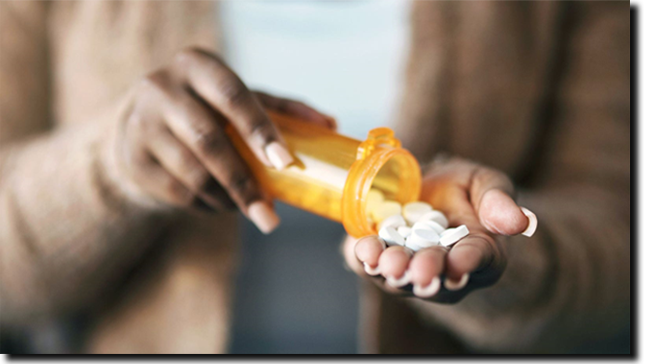
Fatal drug overdoses rose among Black women in recent years, CDC data showed.
Annual overdose deaths among Black women nearly tripled from 2015 to 2021 -- from 1,725 to 5,060 deaths -- according to Rebecca Arden Harris, MD, MSc, and David Mandell, ScD, both of the University of Pennsylvania in Philadelphia.
The number of years of life lost more than tripled from 58,170 to 178,822, Harris and Mandell reported in a JAMA Psychiatry research letter. On average, an overdose death resulted in 34.8 years of life lost.
|
|
FASIPP nomination applications are due no later than January 15, 2023. |
|
Resident/Fellow News and Updates |
|
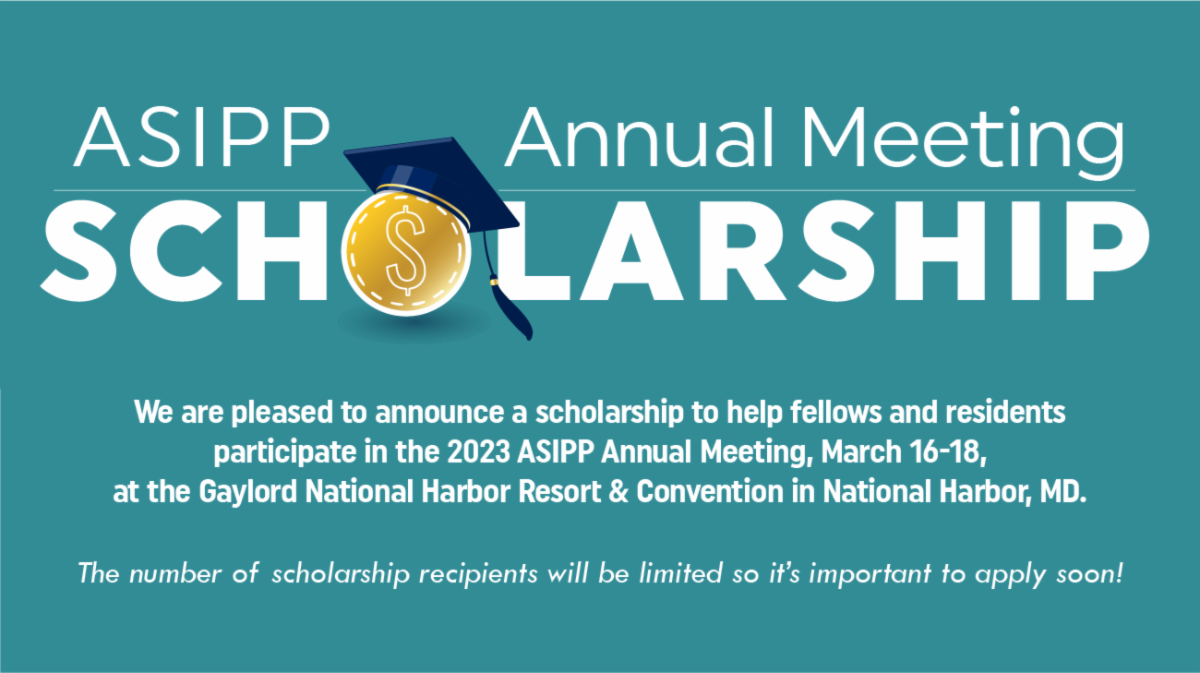
A limited number of qualifying residents/fellows will receive a travel scholarship to attend the ASIPP 25th Annual Meeting, March 16-18, 2023 at the Gaylord National Harbor, MD.
Recipients of this scholarship will receive reimbursement for up to three nights' stay at the host hotel at the official ASIPP single-occupancy room block rate. This includes room, tax, and resort fees.
Qualification Requirements:
• Residents and Fellows must register for the meeting to be eligible for reimbursement (The meeting fee is only $25 for Residents and Fellows) Click here to register for the meeting.
• Residents and Fellows must be active participants in their fellowship or residency programs during the meeting dates.
• Residents and Fellows must be active ASIPP members.
• A letter of recommendation from the (non-industry) residency or fellowship program director must include:
- Proof that the resident or fellow is an active participant in the program during the meeting dates.
- A statement verifying that no other travel scholarships for the ASIPP 2023 Annual Meeting have been or will be awarded.
• Must be willing to share your email with sponsoring company of the scholarship program.
|
|
|
|
Limited number of scholarships available.
|
|
|
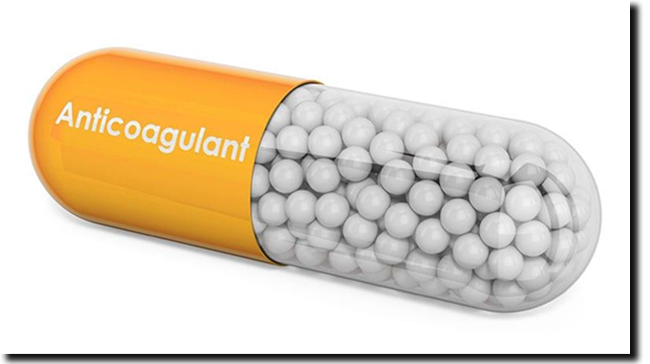
The relevance of oral anticoagulants (OACs) for older adults with atrial fibrillation (AF) does not need to be reiterated.
It has been posited that the availability of direct oral anticoagulants (DOACs) would substantially increase the prevention of thromboembolic events in older adults with AF, given the superior safety profile of these agents and the relative ease of use. Nevertheless, several factors, especially the risk of hemorrhage, may influence the nonprescription or inappropriate prescription of these medications, as well as nonadherence to treatment.
Two recent studies are helpful regarding these factors.
|
|
But alcohol use among high school seniors rose significantly in 2022 compared with 2021
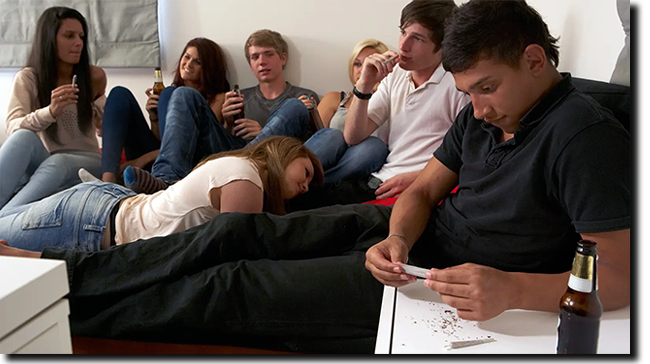
Most types of substance use among teens held steady in 2022 after falling sharply in 2021, according to results released Thursday from a survey funded by the National Institute on Drug Abuse (NIDA).
Eleven percent of 8th graders, 21.5% of 10th graders, and 32.6% of 12th graders reported illicit drug use in the past year, NIDA's Monitoring the Future survey showed. These proportions were similar to those from 2021, which represented a drop from the prior year. "Reported use for almost all substances decreased dramatically from 2020 to 2021 after the onset of the COVID-19 pandemic and related changes like school closures and social distancing," the institute said in a press release.
"It is encouraging that we did not observe a significant increase in substance use in 2022, even as young people largely returned to in-person school, extracurricular activities, and other social engagements," NIDA Director Nora Volkow, MD, noted.
|
|
VA paper will be the focus of a panel discussion during the AMA state advocacy meeting in January
A working paper that's likely to spur debate found that nurse practitioners (NPs) used more resources and had worse patient outcomes compared with physicians in the emergency department (ED), and will be the focus of a panel discussion at the American Medical Association's (AMA) state advocacy meeting next month.
The paper, which was released to little fanfare in October by the National Bureau of Economic Research and has not been peer-reviewed, found that when patients received care from NPs in the ED, their length of stay increased by 11% (18 minutes per visit) and their cost of care increased by 7% ($66 per visit) compared with patients treated by physicians.
NP care in the ED was also associated with a 20% increase in 30-day preventable hospitalizations, according to David C. Chan Jr., MD, PhD, of Stanford University in California, and Yiqun Chen, PhD, of the University of Illinois Chicago.
|
|
Bookmark the ASIPP Annual Meeting Website to stay informed on all announcements and resources related to the meeting.
|
|
They add value to a larger public health strategy to help fight the overdose crisis
It isn't every day that a patient pulls out their phone to show me pictures of their floors. Jason, whom I had just met during a busy Friday afternoon on addiction medicine consults, did just that. "It's not real hardwood, but it's something," Jason said proudly, with tears in his eyes. Why was he getting so emotional over floors? Jason had been homeless, living outside in a tent in San Francisco, for the past 5 years.
About 6 months ago, Jason walked into San Francisco's Tenderloin Center (TLC), a brick-and-mortar location created by the city to link individuals experiencing homelessness with overdose prevention services, referrals to housing, medical care, and basic needs like laundry, showers, and hot meals. He had heard the TLC included a de facto overdose prevention center (OPC), meaning it had an area where people could use drugs with medical staff on site to provide immediate medical attention if they experienced an overdose.
Eventually, Jason explored other services available at the TLC. He connected with the Homeless Outreach Team, who helped him sign up for housing, and he got into a studio apartment a few months later. Since then, he's started medication treatment for his opioid use disorder and significantly cut down on his fentanyl use.
|
|
- ASIPP Members Only Site Information - |
|
-
To log in for the first time you will need to click “forgot password” at the bottom of the login window.
- Check your email and then log in as directed.
-
If you have problems logging into your account, click here.
|
|
By Gabrielle Bauer, MSc
Hint: It's not the science
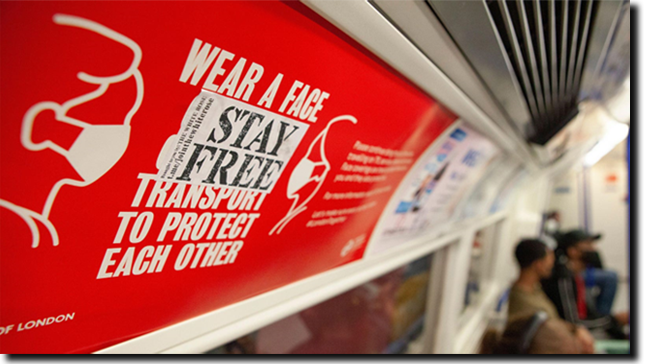
Since joining Twitter a few weeks ago, I've been privy to dozens of such exchanges, each one taut with passion and fury. Ping, pong, ping, pong, back and forth ad infinitum. I call it the Mask Debating Olympics and it's exhausting to watch.
It starts innocently enough: a doctor or science journalist posts a tweet urging people to mask up to ease the strain on ICUs. After a few supportive responses, someone jumps in with data showing that mask mandates have no significant impact on COVID cases. Another tweeter counters with the Boston school masking study. Soon enough, a diagram of aerosol dynamics pops up in the thread, followed by an illustration of cartoon people breathing on each other. Eventually someone brings up the 2021 cluster-randomized Bangladesh trial, which found that people in villages that promoted surgical masks had an 11% lower risk of catching COVID. "That's hardly significant," someone interjects. Yes it is, no it isn't, yes it is, no it isn't...
Next, the conversation branches out to the alleged social costs of masking, from loss of scholastic achievement to impaired communication. "The kids are way behind!" "They'll catch up." "Tell that to all the kids in speech therapy." "Better in speech therapy than dead." "Hypochondriac!" "Egoist!"
|
|
Pain Medicine Case Reports (PMCR) and Editor-in-Chief Alaa Abd-Elsayed, MD, PhD would like to invite you to submit case reports and case series to the PMCR journal. Your article will be published free of charge.
Open access journals are freely available online for immediate worldwide open access to the full text of published articles. There is no subscription fee for open access journals. Open access journals are no different from traditional subscription-based journals: they undergo the same peer-review and quality control as any other scholarly journal.
Interested in becoming a member of the PMCR Editorial Board?
Editorial board members are asked to review 2-6 manuscripts per year. Please submit your most up-to-date CV to sgold@asipp.org for consideration.
For more information or to submit your articles, click here.
|
|
| CASE REPORT |
Ryan Huy Nguyen, MD, Andrew M. Nguyen, MD, and Talin Evazyan, MD
Abstract
BACKGROUND: While spinal cord stimulation (SCS) is a safe and effective treatment for chronic pain, some patients require explantation of their devices due to complications or inadequate pain control. The rate of SCS implantation has steadily increased over the years; however, the complications of percutaneous lead extraction have not been well-documented in the scientific literature.
CASE REPORT: We present an 86-year-old patient at our institution who developed an intraoperative cerebrospinal fluid (CSF) leak during SCS explantation. The leak was conservatively managed with tight surgical closure and placement of an abdominal binder. The patient tolerated the procedure well and only developed a minor headache which self-resolved.
CONCLUSION: Although rare, SCS lead extraction can cause CSF leakage from unintentional intraoperative dural tear. While most CSF leaks can be managed conservatively and do not require surgical repair, pain physicians need to be well-informed on how to manage CSF leaks that occur during SCS explantation.
KEY WORDS: Case report, cerebrospinal fluid leak, chronic pain, explantation, spinal cord stimulation
|
|
| ARTIFICIAL INTELLIGENCE |
Jeoung Kun Kim, PhD, Ming Xing Wang, MS, and Min Cheol Chang, MD
Abstract
BACKGROUND: Transforaminal epidural steroid injections (TFESI) are widely used to alleviate lumbosacral radicular pain. Knowledge of the therapeutic outcomes of TFESI allows clinicians to elucidate therapeutic plans for managing lumbosacral radicular pain. Deep learning (DL) can outperform traditional machine learning techniques and learn from unstructured and perceptual data. A convolutional neural network (CNN) is a representative DL model.
OBJECTIVES: We developed and investigated the accuracy of a CNN model for predicting therapeutic outcomes after TFESI for controlling chronic lumbosacral radicular pain using T2-weighted sagittal lumbar spine magnetic resonance (MR) images as input data.
STUDY DESIGN: Imaging study using DL.
SETTING: At the spine center of a university hospital.
METHODS: We collected whole T2-weighted sagittal lumbar spine MR images from 503 patients with chronic lumbosacral radicular pain due to a herniated lumbar disc (HLD) and spinal stenosis. A “good outcome” was defined as a >= 50% reduction in the numeric rating scale (NRS-11) score at 2 months after TFESI vs the pretreatment NRS-11 score. A “poor outcome” was defined as a < 50% decrease in the NRS-11 score at 2 months after TFESI vs pretreatment.
RESULTS: In the prediction of therapeutic outcomes after TFESI on the validation dataset, the area under the curve was 0.827.
LIMITATIONS: Our study was limited in that we used a small amount of lumbar spine MR imaging data to train the CNN model.
CONCLUSIONS: We demonstrated that a CNN model trained, using whole lumbar spine sagittal T2-weighted MR images, could help determine outcomes after TFESI in patients with chronic lumbosacral radicular pain due to an HLD or spinal stenosis.
KEY WORDS: Deep learning, convolutional neural network, radicular pain, spinal stenosis, herniated disc, magnetic resonance image, chronic pain, lumbar spine
|
|
| ARTIFICIAL INTELLIGENCE |
Sara M. Burns, MS, TIffany S. Woodworth, MPH, Zeynep Icten, PhD, Trenton Honda, PhD, and Justin Manjourides, PhD
Abstract
Background: Rheumatoid arthritis (RA) patients have a lowered immune response to infection, potentially due to the use of corticosteroids and immunosuppressive drugs. Predictors of severe COVID-19 outcomes within the RA population have not yet been explored in a real-world setting.
Objectives: To identify the most influential predictors of severe COVID-19 within the RA population.
Study design: Retrospective cohort study.
Setting: Research was conducted using Optum's de-identified Clinformatics® Data Mart Database (2000-2021Q1), a US commercial claims database.
Methods: We identified adult patients with index COVID-19 (ICD-10-CM diagnosis code U07.1) between March 1, 2020, and December 31, 2020. Patients were required to have continuous enrollment and have evidence of one inpatient or 2 outpatient diagnoses of RA in the 365 days prior to index. RA patients with COVID-19 were stratified by outcome (mild vs severe), with severe cases defined as having one of the following within 60 days of COVID-19 diagnosis: death, treatment in the intensive care unit (ICU), or mechanical ventilation. Baseline demographics and clinical characteristics were extracted during the 365 days prior to index COVID-19 diagnosis. To control for improving treatment options, the month of index date was included as a potential independent variable in all models. Data were partitioned (80% train and 20% test), and a variety of machine learning algorithms (logistic regression, random forest, support vector machine [SVM], and XGBoost) were constructed to predict severe COVID-19, with model covariates ranked according to importance.
Results: Of 4,295 RA patients with COVID-19 included in the study, 990 (23.1%) were classified as severe. RA patients with severe COVID-19 had a higher mean age (mean [SD] = 71.6 [10.3] vs 63.4 [13.7] years, P < 0.001) and Charlson Comorbidity Index (CCI) (3.8 [2.4] vs 2.4 [1.8], P < 0.001) than those with mild cases. Males were more likely to be a severe case than mild (29.1% vs 18.5%, P < 0.001). The top 15 predictors from the best performing model (XGBoost, AUC = 75.64) were identified. While female gender, commercial insurance, and physical therapy were inversely associated with severe COVID-19 outcomes, top predictors included a March index date, older age, more inpatient visits at baseline, corticosteroid or gamma-aminobutyric acid analog (GABA) use at baseline or the need for durable medical equipment (i.e., wheelchairs), as well as comorbidities such as congestive heart failure, hypertension, fluid and electrolyte disorders, lower respiratory disease, chronic pulmonary disease, and diabetes with complication.
Limitations: The cohort meeting our eligibility criteria is a relatively small sample in the context of machine learning. Additionally, diagnoses definitions rely solely on ICD-10-CM codes, and there may be unmeasured variables (such as labs and vitals) due to the nature of the data. These limitations were carefully considered when interpreting the results.
Conclusions: Predictive baseline comorbidities and risk factors can be leveraged for early detection of RA patients at risk of severe COVID-19 outcomes. Further research should be conducted on modifiable factors in the RA population, such as physical therapy.
Keywords: RA; SARS-CoV-2; corticosteroid use; machine learning; physical therapy; predictive modeling; real-world data; real-world evidence; rheumatoid arthritis; COVID-19.
|
|
ASIPP is now in collaboration with Curi Medical Liability Program
Since this malpractice insurance program officially launched in November 2018, ASIPP has signed up hundreds of providers with an average savings of 30%. This is professional liability insurance tailored to our specialty and will stand up for us and defend our practices.
Curi is a full-service advisory firm that serves physicians and their practices. Their valued advice is grounded in your priorities and elevated in your outcomes. They are driven by a deep understanding of your specific circumstances in medicine, business, and life. To read a few important points to keep in mind about the program, including discounts, administrative defense, cyber coverage, aggressive claims handling, and complimentary risk management CME activities, visit our website.
|
|
ASIPP® has formed a partnership with Henry Schein and PedsPal, a national GPO that has a successful history of negotiating better prices on medical supplies and creating value-added services for independent physicians. Working with MedAssets, PedsPal provides excellent pricing on products like contrast media that alleviate some of the financial pressures you experience today.
|
|
ASIPP® is now offering our members the benefit of a unique revenue cycle management/ billing service.
We have received a tremendous amount of interest in the ASIPP® billing and coding program.
Click here to learn more about the negotiated rate for practices and more!
|
|
|
up-to-date news related to you, your practice, and your patients!
|
|
|
|
|
|
|