Weekly Digest Number 44 - November 02, 2020 |
|
Rail Carriers Catering Too Much to Wall Street? |
|
The six Class I railroads that practice the marketing-term model called Precision Scheduled Railroading (PSR)—all of the “Big 7” except BNSF—are now reporting third-quarter financial results in the remaining days of October. There is, however, an opportunity for a more holistic quarterly briefing.
There is an argument for a new checklist of service metrics that would be of interest mostly to customers and, perhaps, public policy groups.
However, instead of a balanced scorecard from the carriers, we are mostly seeing accounting reports that cater exclusively to analysts.
|
|
Bargaining Update: BMWED/SMART-MD Dispute Carriers’ Claims in Latest National Bargaining Meeting |
|
The railroads seek a host of work rule changes under the guise of an alleged need for “modernization.”
They claim these rule changes are necessary in order for rail to remain competitive against other modes of transportation (trucking) and also claim BMWED members desire more flexibility in their work schedules (to work more on weekends and outside regular hours).
But some of the railroads’ work rules changes are directed at illusory problems and others are just plain offensive.
|
|
We’ve been saying for a while now that Amtrak’s move to three-times weekly service is penny-wise and pound-foolish and that by running shorter consists 57% less often they’re leaving badly needed money on the table.
What’s worse is that until now long-distance routes have been consistently the largest single contributor to Amtrak’s revenues in every single month since the coronavirus crisis began.
Amtrak is focusing on avoiding cost while throwing revenue overboard and kneecapping the long-distance routes as they do it. They’re doing this even as Amtrak’s superlative on-board health protocols and the promise of socially distanced travel make Amtrak trains even more attractive in some ways than they were before the pandemic began.
Right when a whole new cohort of eager novice riders is coming to Amtrak’s door ready to pay their fares and ride the trains, Amtrak is turning them away.
|
|
Making a case for Union Pacific to acquire Kansas City Southern |
|
CNBC’s Jim Cramer on Monday, reviewing earnings reports from the railroad companies that have reported thus far, suggested that the rail industry could benefit from consolidation.
Cramer focused specifically on the largest of the bunch in Union Pacific, which has seen its shares fall double digits since releasing results Thursday morning.
“Rather than continuing to buy back huge slugs of stock like CSX, I think Union Pacific should just reach out and acquire Kansas City Southern,” he said.
|
|
What has Trump done for the US rail industry? |
|
Despite making several promises during the 2016 election campaign, US President Donald Trump’s railway policy has been described as inconsistent. We take a look at what the US president has (and hasn’t) done for railways during the first term of his presidency.
|
|
Bipartisan Bill to End Cut to Railroad Unemployment Benefits |
|
A bi-partisan U.S. Senate bill introduced Wednesday would eliminate the sequester on Railroad Retirement Board’s Unemployment insurance, increasing pay for qualified, out-of-work railroaders.
U.S. Senators Rob Portman (R-OH) and Amy Klobuchar (D-MN) are co-sponsors to Senate Bill 4860, which ends the sequester reduction to RRB unemployment payouts. It is expected to increase unemployment payments by almost 6 percent.
With that in mind, we ask our members – and all of rail labor – to again contact their U.S. Senators and request that they support and co-sponsor S.B. 4860. Its passage will result in more money for all unemployed railroaders from every road and craft.
|
|
Arch Resources Will Cut Coal Output At Prolific Western Mines By 50% |
|
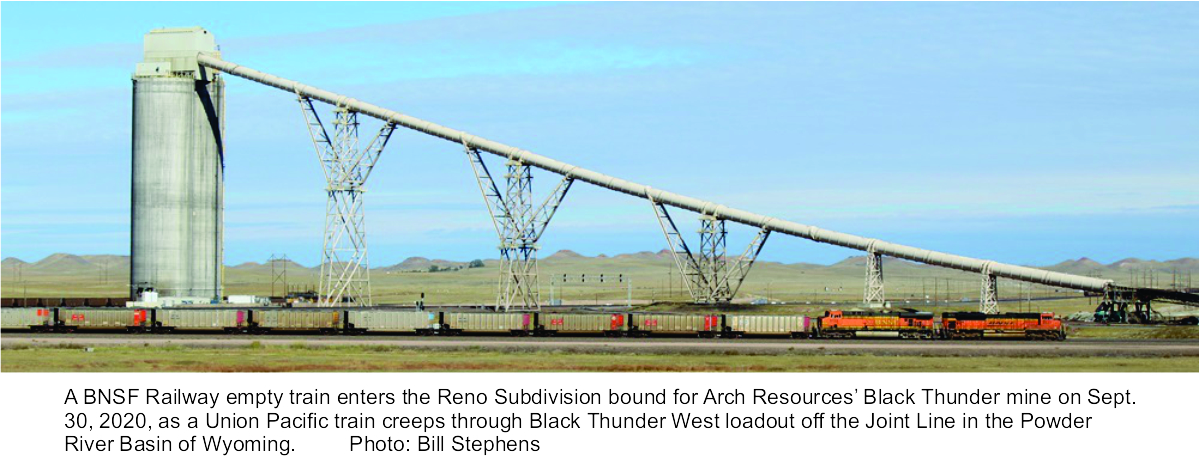
Major U.S. coal mining company Arch Resources will slash output from the prolific Powder River Basin coal mining region in Wyoming and Montana by as much as 50% over the next two to three years, part of the firm's plan to exit the thermal coal market, Arch said today as it unveiled third quarter results.
"Arch’s mines are located on the Joint Line served by BNSF and UP. Based on trains per day, Powder River coal volume is down 24% this year, according to data the railroads file with the U.S. Surface Transportation Board."
"Overall coal volume is down 23% on both railroads for the year to date, according to Association of American Railroads weekly carload reports."
"The railroads’ Powder River coal volumes have declined 36% since 2017 and are down 54% since the 2008 peak, according to a Trains review of daily average loaded train counts."
|
|
Commentary: Management ‘by surprise’ |
|
Did you know that the U.S. rail industry had a chance to be the freight industry leader in offering customers a robust cargo tracking and shipment exception service?
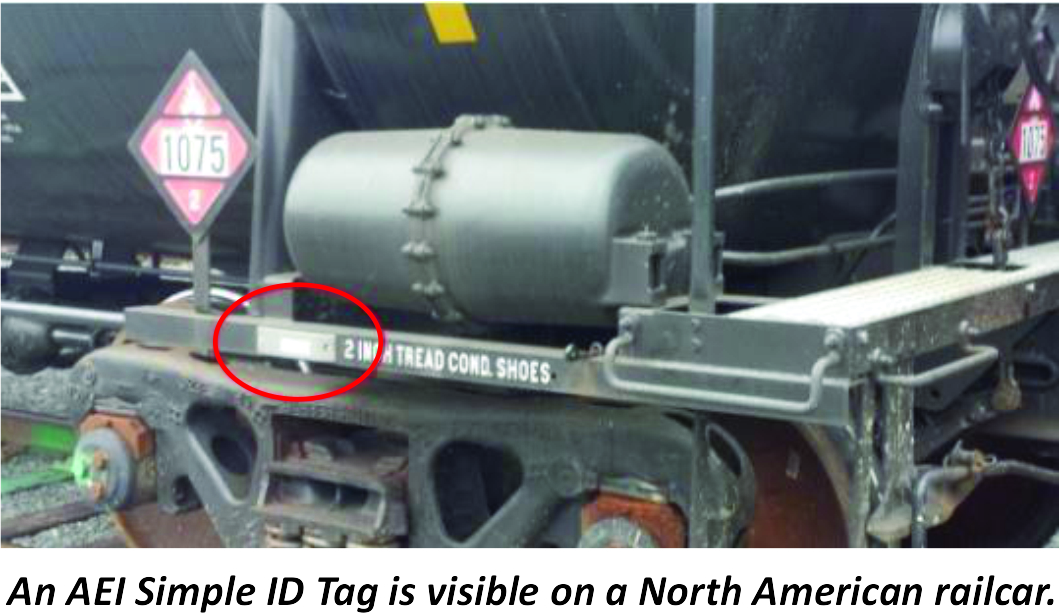
Yes. Between 1992 and 1994, three of the largest Class I railroads were united with American President Lines and Amtech Logistics Corp. in a venture to capture car movement data and package it for their customers’ supply chain management needs. It would have provided “freight car location messaging” (CLM in railroading terminology) with a steroid-quality improvement as to timeliness.
Then, “poof”: In 1995 it was gone. Why?
|
|
Problems with Transport Canada's Dangerous-Goods Registry |
|
Transport Canada isn't always following up when it finds safety violations in the movement of dangerous goods and still doesn’t have the full picture of the companies and locations it is supposed to be monitoring, Canada's interim environment commissioner said Tuesday.
He noted the recommendation to fully review emergency-response plans was also made in a report on the 2013 rail disaster in Lac-Mégantic, Que., where a runaway train loaded with oil derailed and exploded, killing 47 people.
"When I see the rail accidents that happened earlier this year in Guernsey, Sask., I say to myself it's important these (emergency response plans) get done by the department and soon," Hayes said.
|
|
Harnessing public and private contributions proposed as key to advancing major infrastructure projects |
|
In the end, it would be American infrastructure that wins with such an arrangement, as solo efforts are doomed to fail, argued author Karen Hedlund, former Deputy Administrator of the U.S. Department of Transportation’s Federal Railroad Administration and a lawyer with years invested in transportation matters.
“Instead, together they can build new and modern infrastructure and revive America’s old highways, ports, rail, and transit to bring the nation’s transportation systems into the 21st century,” Hedlund said.
|
|
Norfolk Southern's shipments fall and rail carrier cuts staff |
|
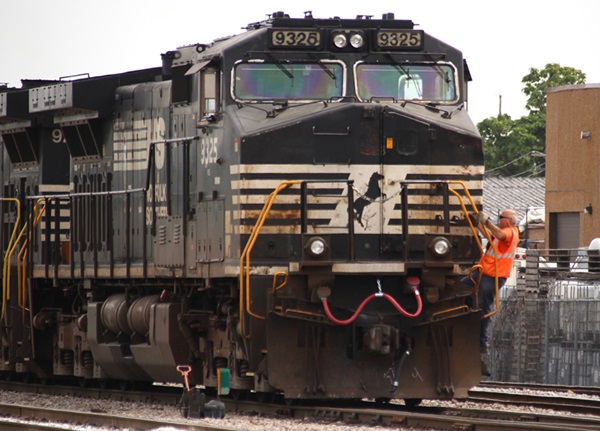
The railroad is in the midst of changing its operations to run on a tighter schedule and move more freight with fewer people.
Edward Jones analyst Jeff Windau said Norfolk Southern's results show it is making good progress on those changes because it significantly reduced costs even as it handled the large increase in volume during the quarter.
Norfolk Southern CEO Jim Squires said the railroad managed to reduce its employee headcount by 2% during the quarter even as it handled the surge in volume because of the changes it is making.
|
|
From 1979 to 2018, net productivity rose 108.1 percent, while the hourly pay of typical workers essentially stagnated—increasing only 11.6 percent over 39 years (after adjusting for inflation).
This means that although Americans are working more productively than ever, the fruits of their labors have primarily accrued to those at the top and to corporate profits, especially in recent years.
Rising productivity provides the potential for substantial growth in the pay for the vast majority. However, this potential has been squandered in recent decades.
The income, wages, and wealth generated over the last four decades have failed to “trickle down” to the vast majority largely because policy choices made on behalf of those with the most income, wealth, and power have exacerbated inequality.
In essence, rising inequality has prevented potential pay growth from translating into actual pay growth for most workers. The result has been wage stagnation.
|
|
|
|
|
|
|