8th Annual National Virtual Friday Forum Series | | Preview Forum 3, Oct. 2, 2026 — The Breast Cancer Outcomes Initiative | | | | |
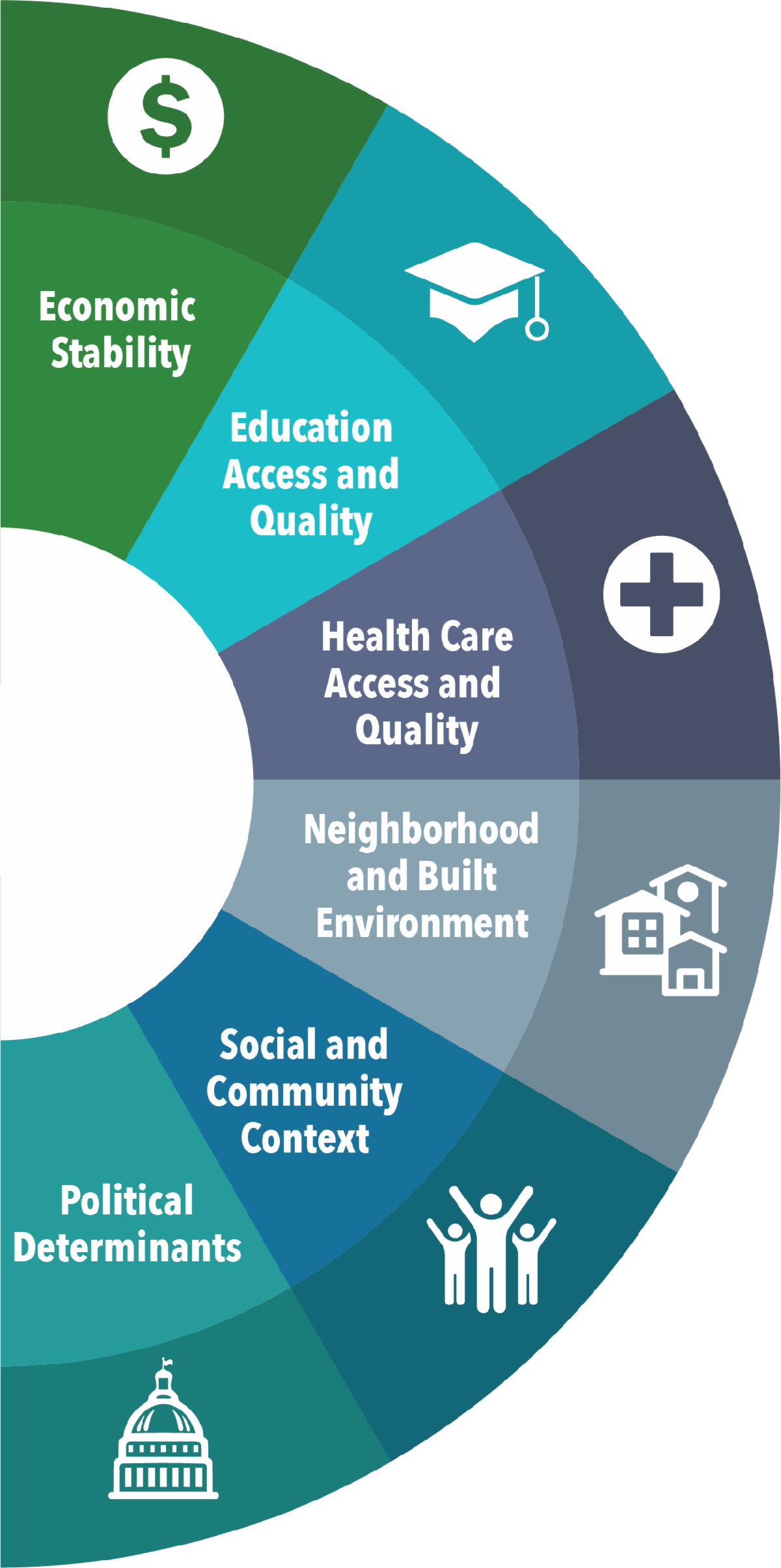
Every Forum in TLCI's 2026 Friday Forum Series starts from the same premise - cancer doesn't begin at the clinic door. Risk is shaped by many factors long before, including biology, income, education, neighborhood, access to care, awareness and lifestyle. In recognition of Breast Cancer Awareness Month, Forum 3 turns its lens on risks and breast cancer, the leading cause of cancer death among U.S. Latinas.
One risk factor - dense breast tissue. It's been recognized as a major breast cancer issue since 19761, yet Latinas were largely absent from dedicated research on breast density for roughly 25 years.2 Research finds that up to 45% of Latinas have dense breasts, making tumors harder to detect on a mammogram and increasing risk. Underrepresentation in research matters. Whose bodies are studied influences whose risks are understood and, ultimately, whose care improves.
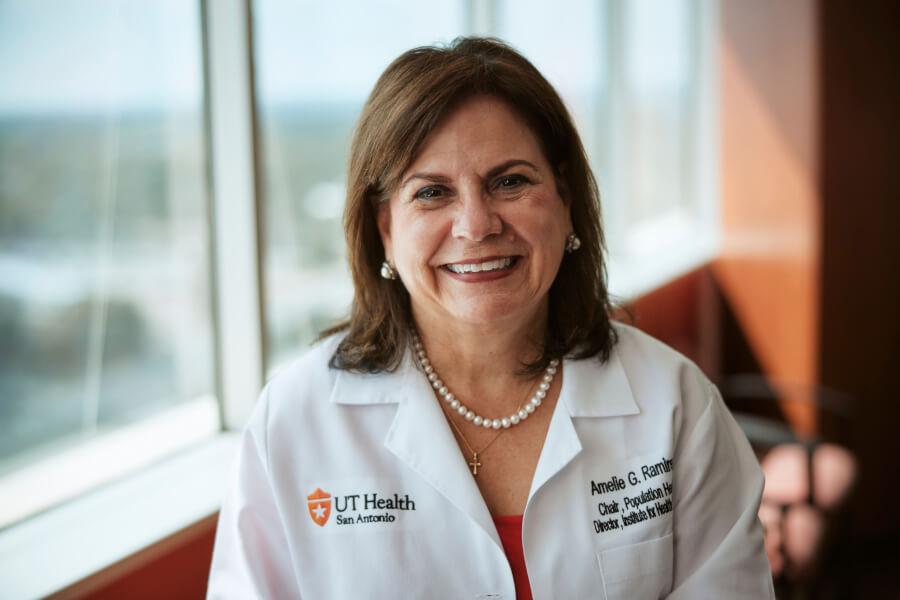
It's also part of a larger pattern. In a 2025 article published in Frontiers in Public Health, the Task Force: Latino Researchers Against Cancer (TFLRAC) wrote: "Recognizing the substantial heterogeneity among Latinos—including differences in national origin, immigration experiences, socioeconomic status, language, and race—is crucial, as oversimplification risks masking key disparities." The article was co-authored by Forum 3 Keynote Speaker Amelie Ramirez, DrPH, MPH, who will unpack these issues at the Forum. (More on her work in the Keynote Spotlight below)
| | What Shapes Breast Cancer Outcomes for Latinas? | | |
Biology, screening access, environmental exposures, and lack of awareness could be contributing factors — and the numbers show it.
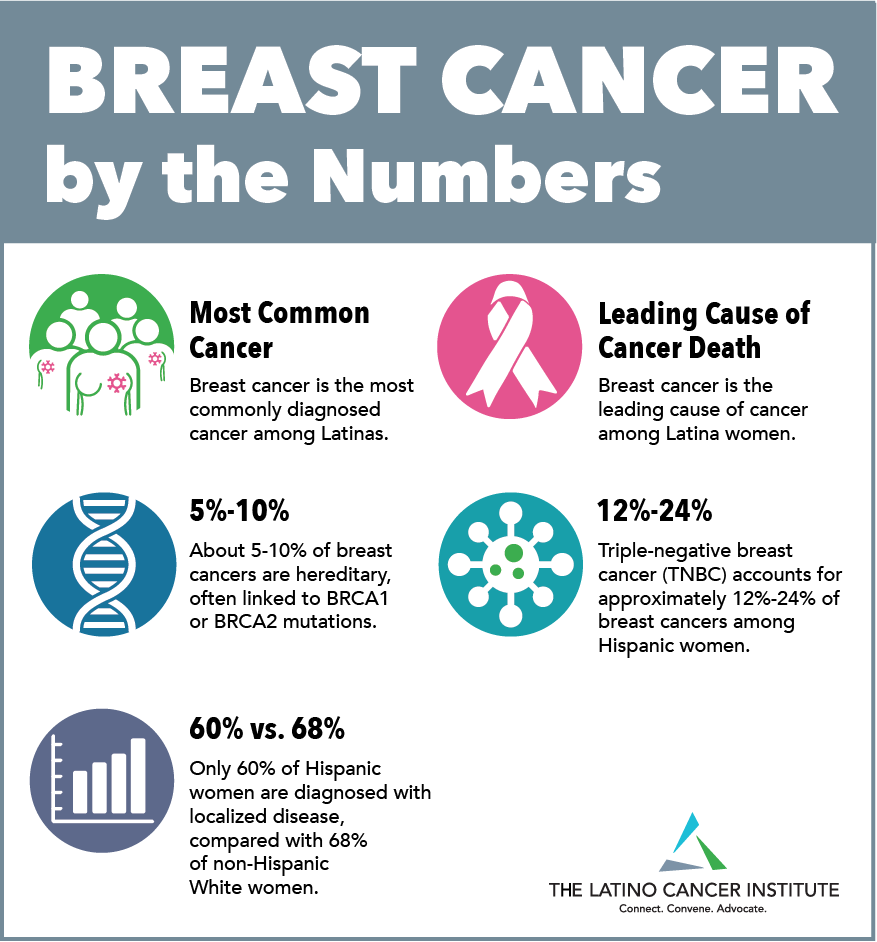
Breast cancer remains the most commonly diagnosed cancer and the leading cause of cancer death among Latina women in the United States. Only 60% of Hispanic women are diagnosed while the disease is still localized, compared with 68% of non-Hispanic White women — a gap tied in part to differences in screening access and timely follow-up care.
Numbers like these tell only part of the story. Forum 3 brings researchers, clinicians, and community leaders together to unpack how these issues interact across the continuum of care.
| | Data sources: American Cancer Society, Cancer Facts & Figures for Hispanic/Latino People, 2024–2026; Disparities in Breast Cancer in American Hispanics (2018). | | The Critical Role of Density | | News coverage puts a human face on breast cancer and more recently about dense breast risk in Latinas. In 2025, a Los Angeles Times/De Los columnist reported on discovery of her own breast density which was mentioned only in passing at her first mammogram at age 39. She was diagnosed with Stage 3 breast cancer nine months later, after a delayed follow-up.3 A separate case reported by NBC News/Noticias Telemundo in 2023 told a similar story. A Latina in her late 30s had an inconclusive mammogram due to breast density, and only a follow-up biopsy confirmed her cancer.4 TLCI Founder Ysabel Duron was quoted in the Times coverage, saying "talking about cancer won't kill us. The silence will." That lament drives TLCI's continual education Forums. | | Internationally recognized breast imaging specialist Dr. Daniel Lehrer, Medical Director of CERIM, Buenos Aires, Argentina, joins us to share the most current knowledge on dense breasts — a health issue for almost half of Latinas. He'll unpack what these risk levels mean in practice, and what patients should ask for when standard screening isn't enough. | Data sources: "Variation in Mammographic Breast Density by Race," El-Bastawissi et al. (2001)1 "Breast density in multiethnic women presenting for screening mammography," Oppong et al. (2018), The Breast Journal.2 "The scary but lifesaving truth about Latinas and breast cancer," Alex Zaragoza, Los Angeles Times/De Los (2025)3 "Told 'it's nothing,' these young Latinas knew otherwise. They had breast cancer," María Fernanda Becerra, NBC News/Noticias Telemundo (2023)4 | | | TLCI has historically partnered with Laura Fejerman, PhD (UC Davis) to build and deploy the Tu Historia Cuenta program educating Latinas about hereditary breast cancer. Most recently, we collaborated with two California federally qualified health centers (FQHCs) to promote education on hereditary risk and increase uptake of genetic testing among Spanish-speaking Latinas. The program surfaced a hard truth: even motivated women often can’t get to genetic counseling or testing, because the system isn’t built to deliver the service. | | | |
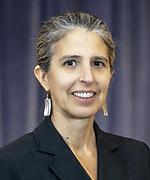
Dr. Fejerman joins us at the Forum to explore continued system barriers, and share results from the latest Tu Historia Cuenta model of engagement and navigation.
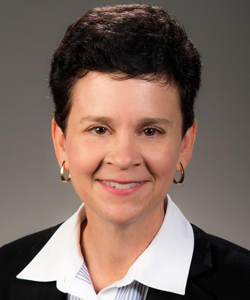
Melissa Thomas, PhD, Strategic Director of the American Cancer Society’s National Breast Cancer Roundtable, will discuss another challenge: how inconsistent provider knowledge can become its own structural barrier, preventing women from receiving appropriate hereditary risk assessment and follow-up care.
| | | Environment, Work, and Breast Health | | |
Breast cancer risk is not only shaped by the places people live and work; it also threatens pocketbooks and jobs.
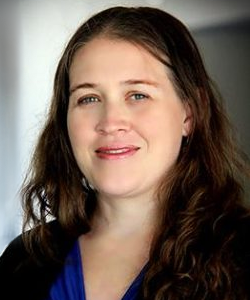
Jill Johnston, PhD, will share findings from the BELLA Project, an ongoing South Los Angeles study examining how environmental exposures and neighborhood conditions may influence breast risk among Latinas.
That risk doesn't stay confined to health outcomes. A 2022 study found that Hispanic/Latino cancer patients are 1.5 times more likely to experience financial harm than non-Hispanic White patients.5
| | | Workplace environments matter, too. Julie Friedman, MPH (UCLA's Women's Health Center) and Jonathan Escalante, MPH, will discuss efforts to reduce occupational exposures among Latina property service workers, highlighting how worker-led advocacy can help reduce breast cancer risk. Studies on breast cancer patients found that Latinas face significantly higher chances of job loss than white women due to the diagnosis and/or chemotherapy.6 | | | | The Forum will also explore culturally responsive communication and strategies for helping more women receive the right care at the right time. | | Data sources: Panzone J, et al. "Association of race with Cancer-Related financial toxicity." JCO Oncology Practice (2022).5 "Racial/ethnic differences in job loss for women with breast cancer." Mahasin S. Mujahid, et al. (Cancer Surviv. 2011 Mar 5).6 | | Keynote Speaker Spotlight: Amelie Ramirez, DrPH, MPH | | | | Few researchers have done more to improve breast cancer outcomes for Latino communities than Amelie Ramirez, DrPH. As Chair of Population Health Sciences at UT Health San Antonio and Director of the Institute for Health Promotion Research, Dr. Ramirez's work has helped increase cancer screening, expand culturally responsive patient navigation, and improve access to timely diagnosis and treatment. | | |
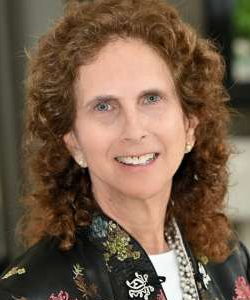
Dr. Ramirez joins TLCI's October 2 Forum to discuss the causes and multilevel drivers of cancer disparities among Latinos in the U.S.
Her biennial conferences, Advancing the Science of Cancer in Latinos, resulted in the 2025 article7 by the Task Force: Latino Researchers Against Cancer (TFLRAC), which documents the intersection of SDOH, structural barriers, and cancer risk among Latinos.
Director of Salud America!, she guides a national network of more than 500,000 community leaders working to improve Latino health.
| | “Uncovering Multilevel Drivers of Cancer Disparities Among Latinos in the United States” (Frontiers in Public Health, 2025).7 | | Related Resource: Helping More Women Understand Their Hereditary Breast Cancer Risk | |
The ACS National Breast Cancer Roundtable’s Risk Assessment Toolkit helps providers identify women who may benefit from genetic counseling and testing — featuring TLCI’s Tu Historia Cuenta as a national case study in culturally responsive community education.
→ Explore the NBCRT Toolkit
→ Read the Tu Historia Cuenta case study (PDF)
| | | |
Study Announcement: Help Improve Support for Families Facing Cancer
Researchers at Yeshiva University are conducting a bilingual study examining how families cope when a parent is diagnosed with cancer, with a particular focus on Latino families, who have historically been underrepresented in this research.
Parents and caregivers of children ages 4–12 are invited to take a brief 5–7 minute survey in English or Spanish. Participants may enter a drawing for one of three $50 Amazon gift cards and will receive a free bilingual parent resource guide.
→ Take or Share the Parent Cancer Survey: English Survey | Spanish Survey
→ Read why this research matters on the TLCI website
| | Save the Date: NCI Workshop on Building Community Trust in Science et al, Monday, August 24, 2026 | | |
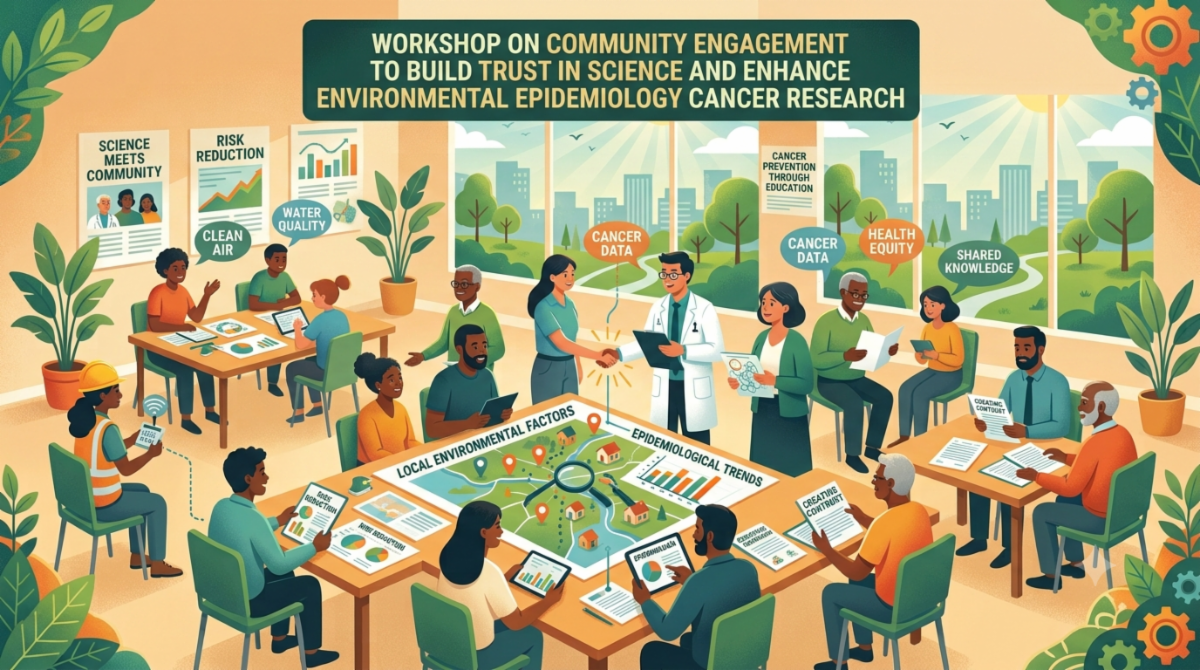
TLCI Founder Ysabel Duron will be a featured speaker at the National Cancer Institute’s virtual Workshop on Community Engagement to Build Trust in Science and Enhance Environmental Epidemiology Cancer Research.
Registration is free but required.
→ Register for the NCI Workshop
| | | |
Thank you for being part of the TLCI community. Every Forum, every partnership, and every conversation brings us one step closer to improving cancer outcomes for Latino communities. We appreciate your support and look forward to seeing you at Forum 3.
Warm regards,
The Latino Cancer Institute
| | | | | |
Before the conversations begin, we'd like to hear from you.
Is there a particular political/social determinant issue you want to explore?
Take the survey.
| | |
Know someone who should be reading this?
Share this newsletter with colleagues, partners, and community members working in Latino health.
| | This Forum Made Possible by Presenting Sponsor | | Thanks to our new and returning Friday Forum Series Sponsors who make our work possible! | | | | |