Faulkner County Agriculture Update
October 9, 2026
| | |
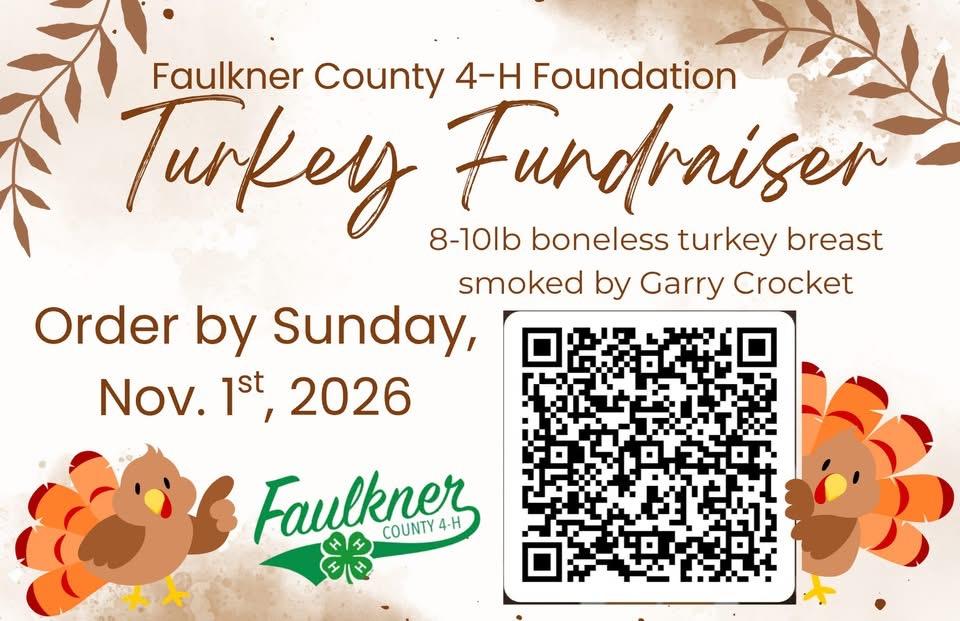
Faulkner County 4-H Foundation Turkey Fundraiser
It is time for the annual smoked turkey fundraiser from the 4-H Foundation. We need orders by November 1, so get your orders in soon because November will be here before you know it.
| | |
Weather
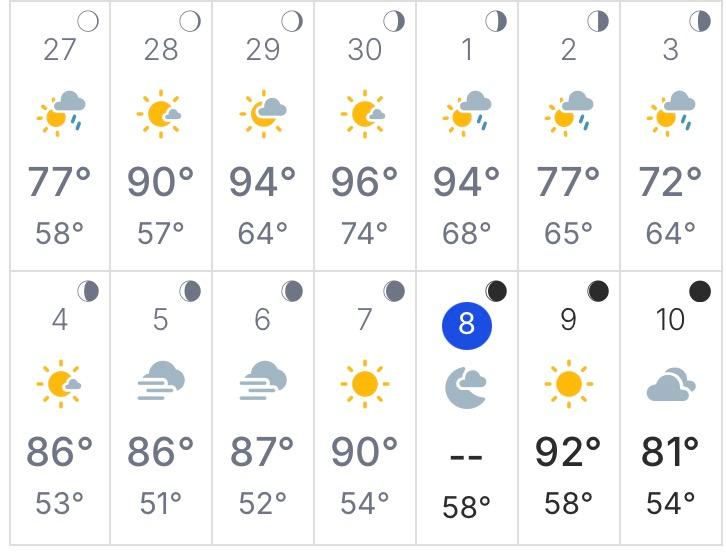
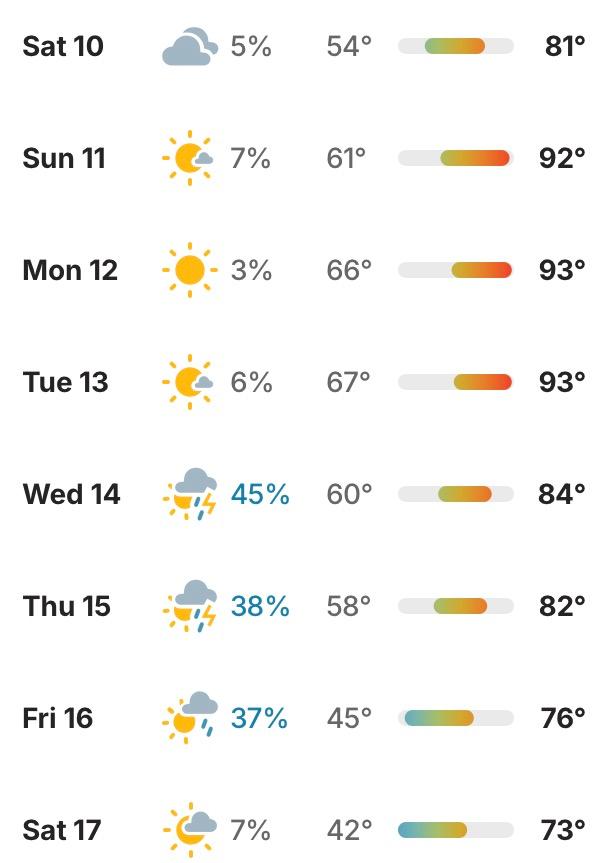
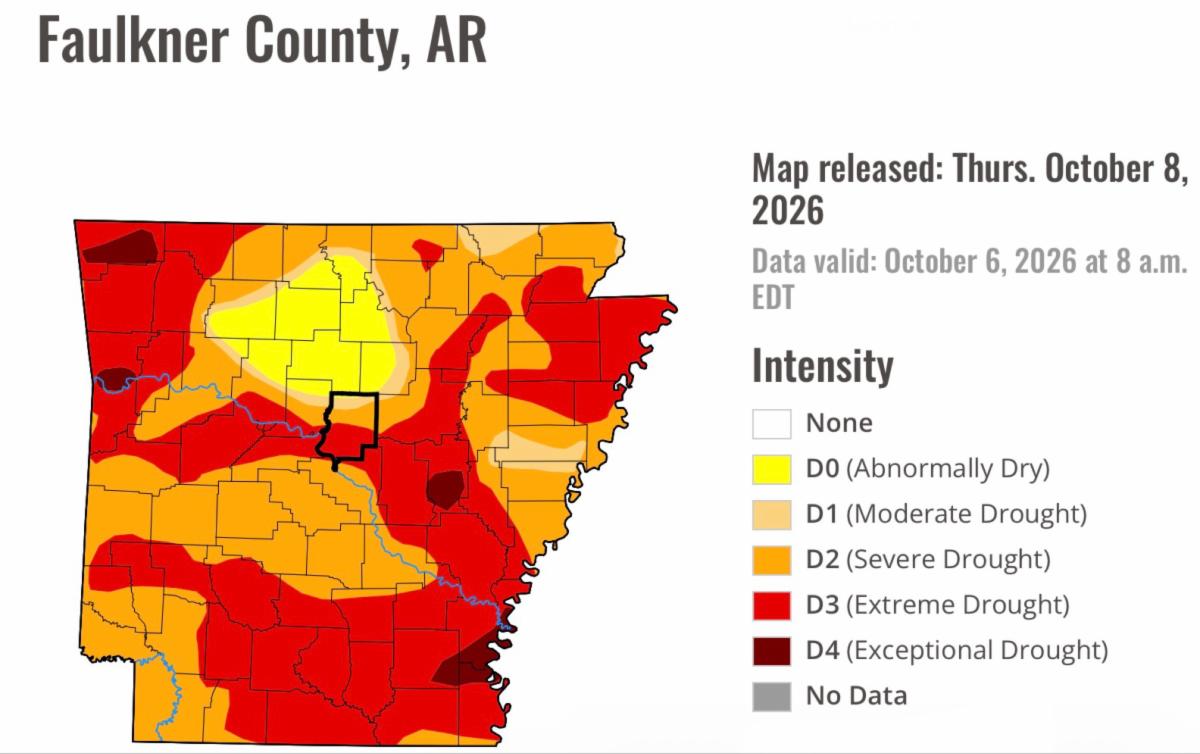
This week has pretty much been cool in the mornings and hot in the afternoon. Earlier in the week there was some hope that the hurricane may shift more west and give us a little relief on the drought, but it has instead moved more east and it looks like we won't be getting anything from the system. Our next big chance of rain is late next week. I hope it stays together because we need some rain bad. The drought monitor has half of Faulkner County in a D3 status, and there are areas of D4 showing up across the state. If we don't get a rain next week, we will be getting close to D4.
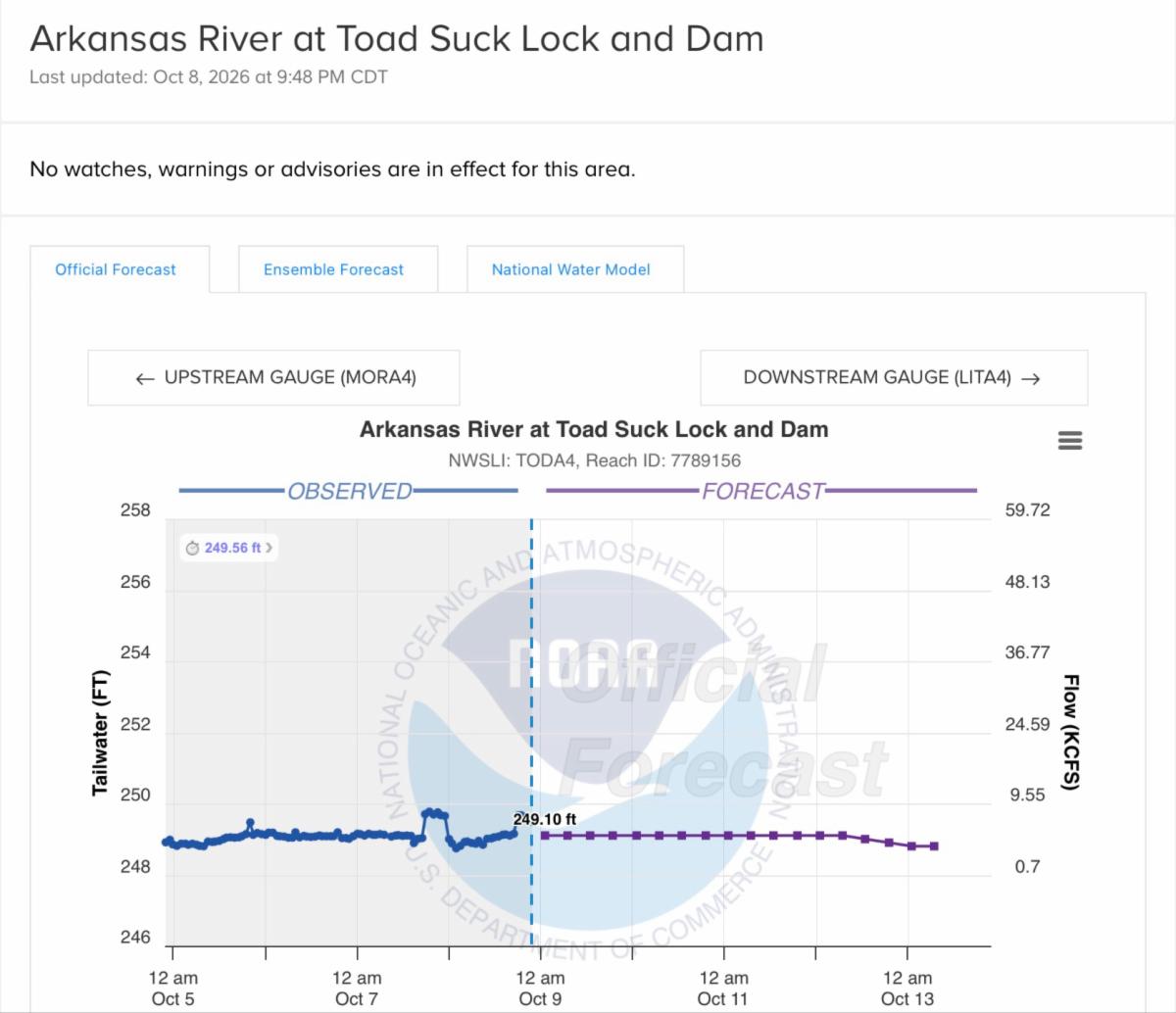
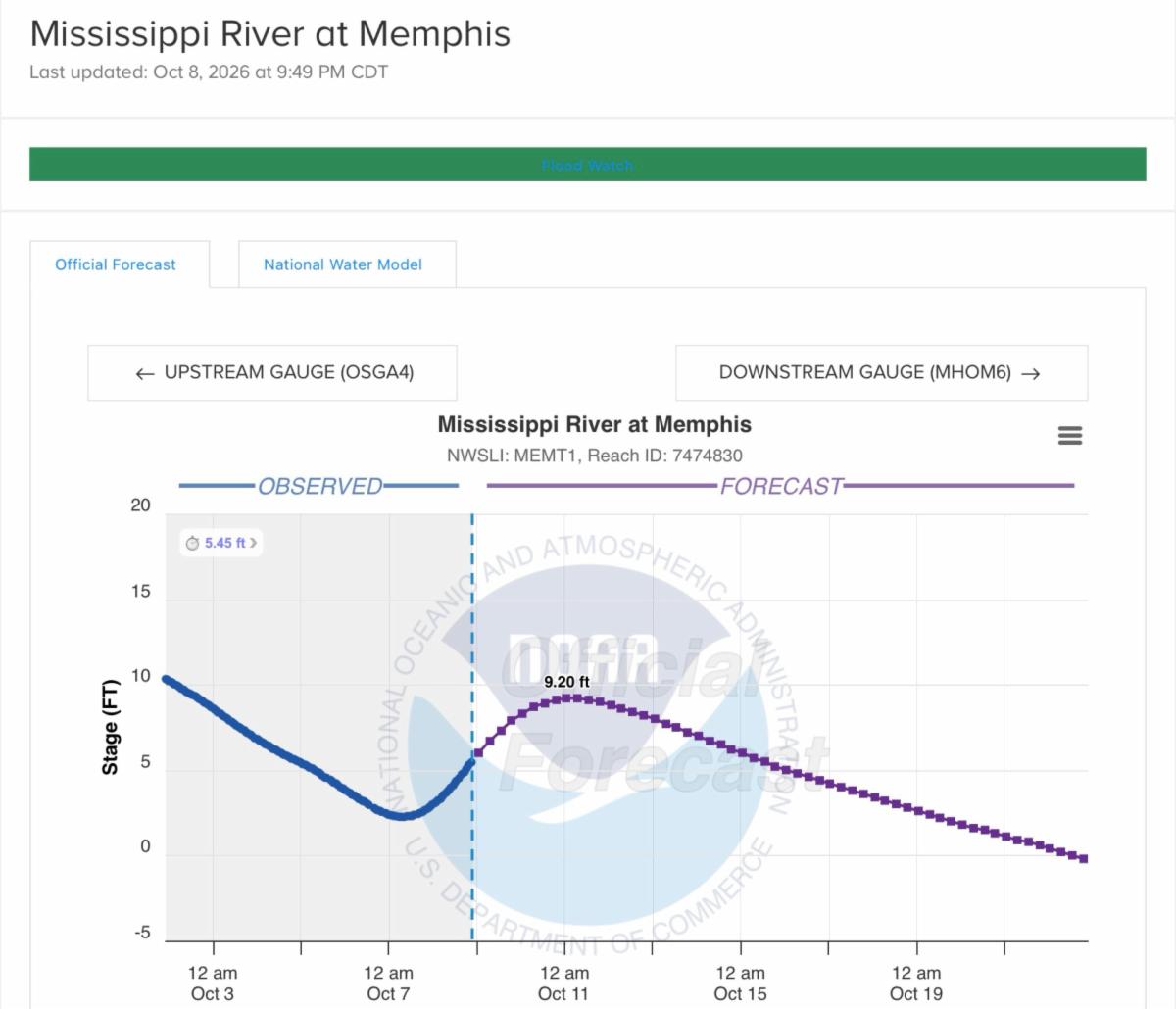
| | Arkansas and Mississippi River | | Variety Trial Information | | |
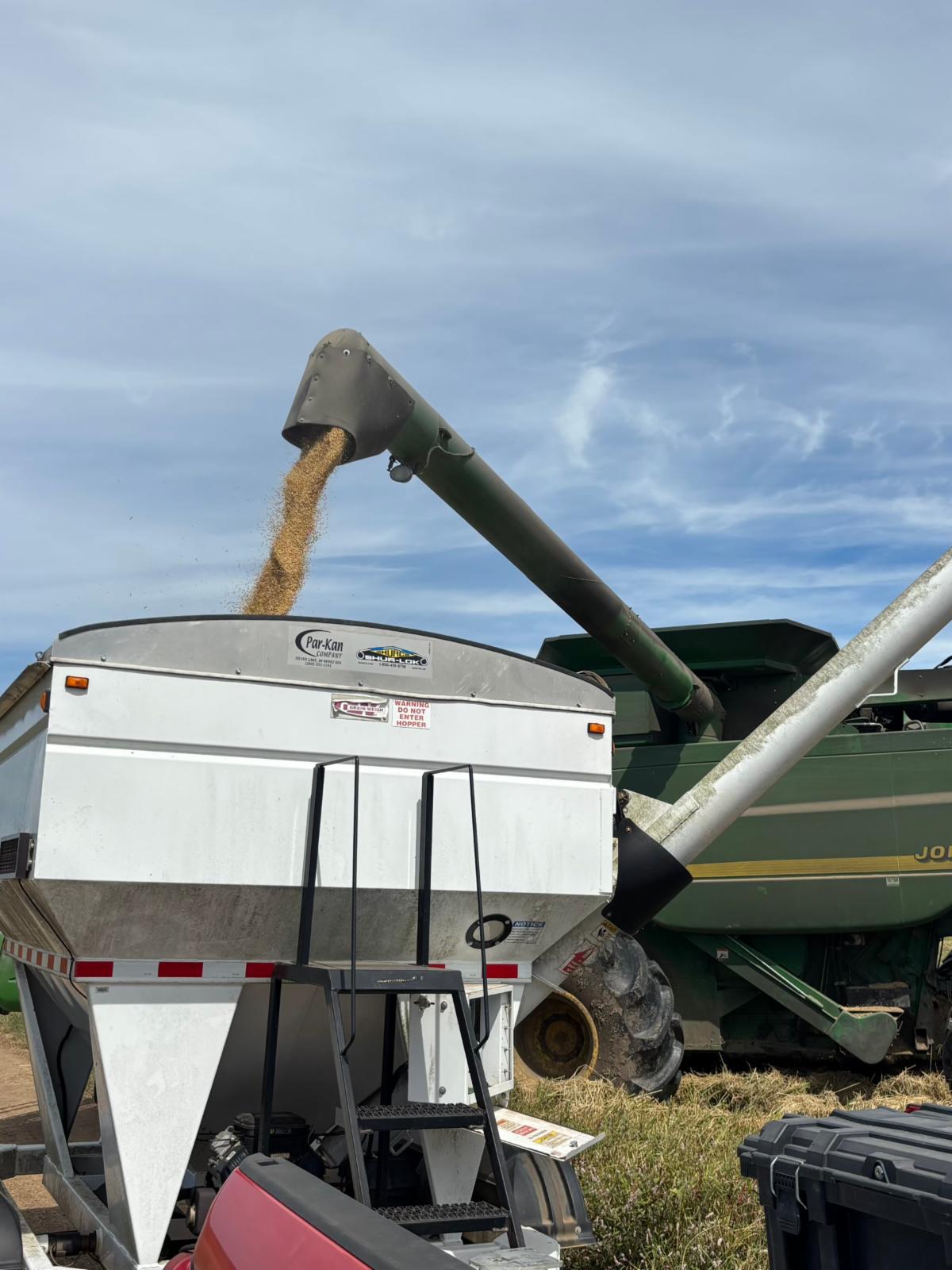
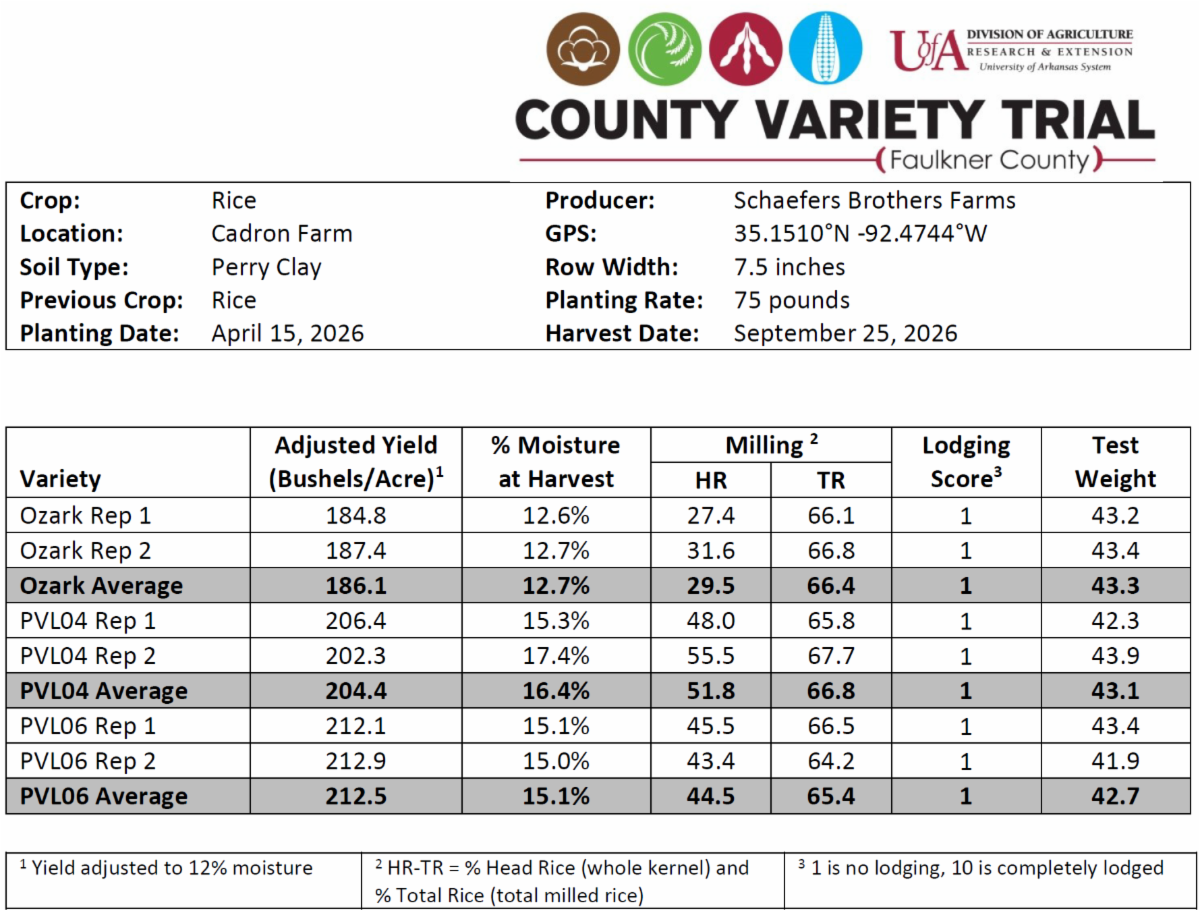
Below is the updated rice variety trial information. Dr. Jarrod Hardke ran milling for us, so I have included that information in the final version.
All of the variety trials can be found on our newsletter and publication webpage. The link is located below. We should have the last two soybean trials harvested in the next couple of weeks.
| | |
Research Trials
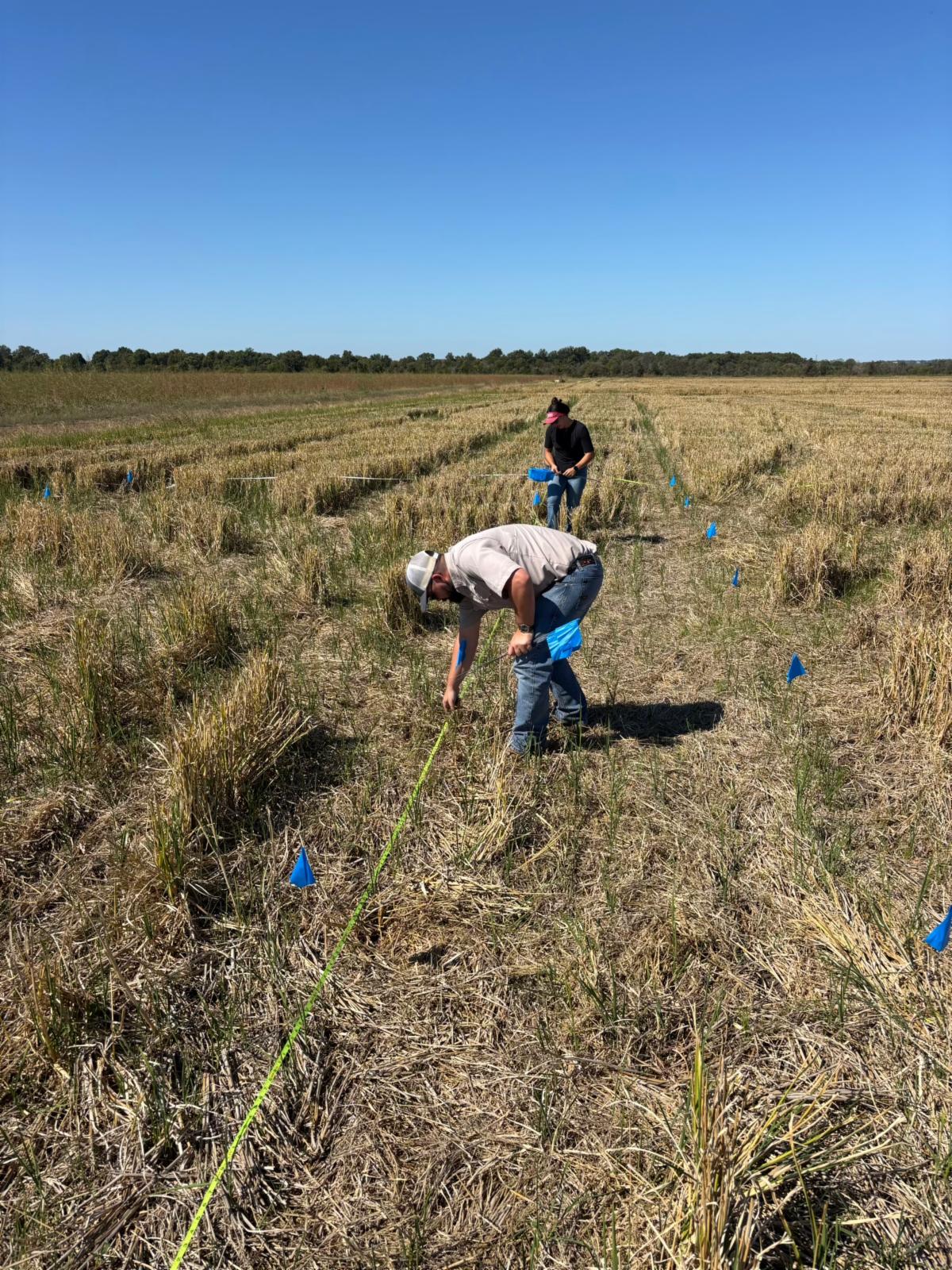
We added a couple of research trials with specialists yesterday.
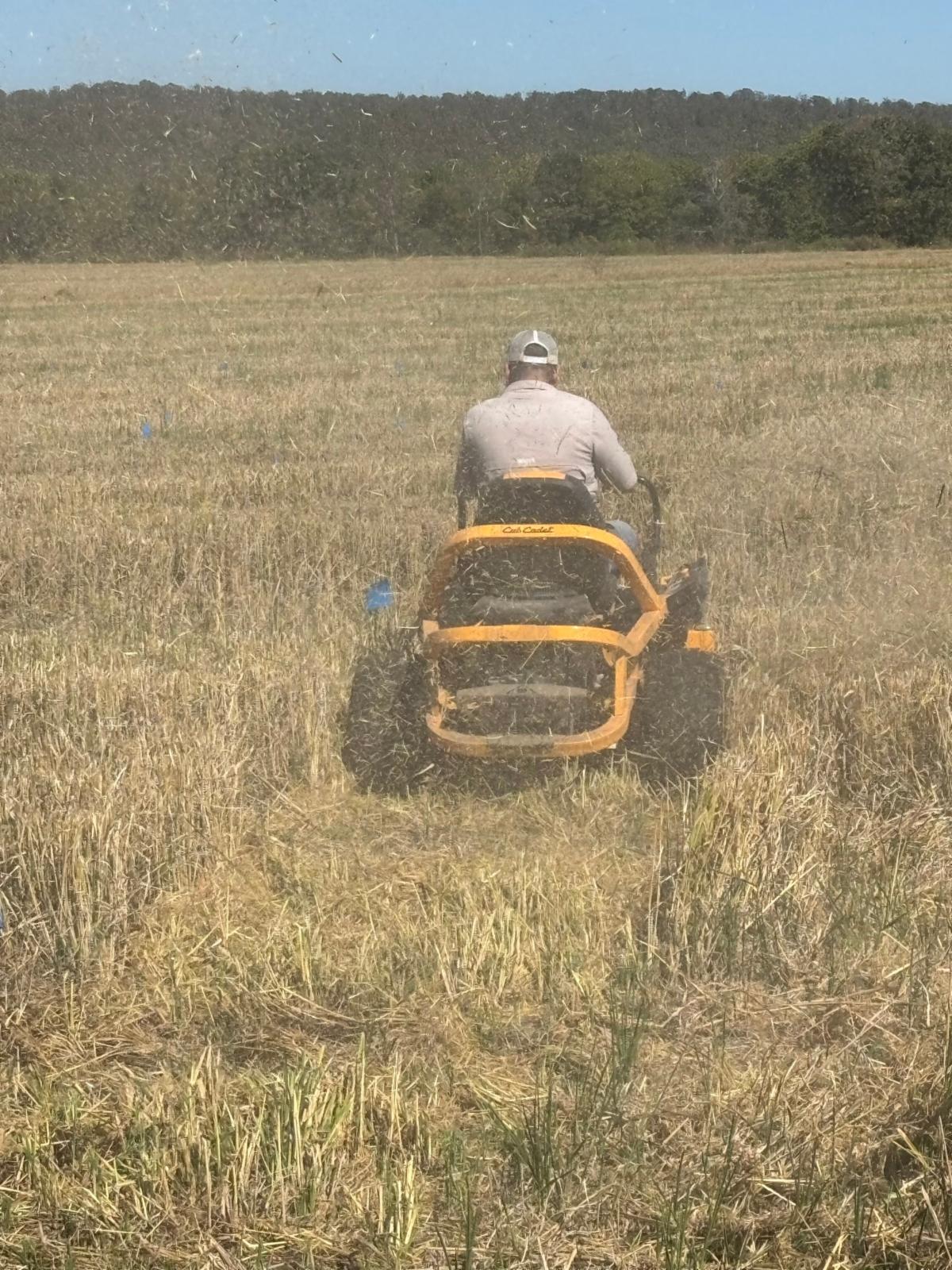
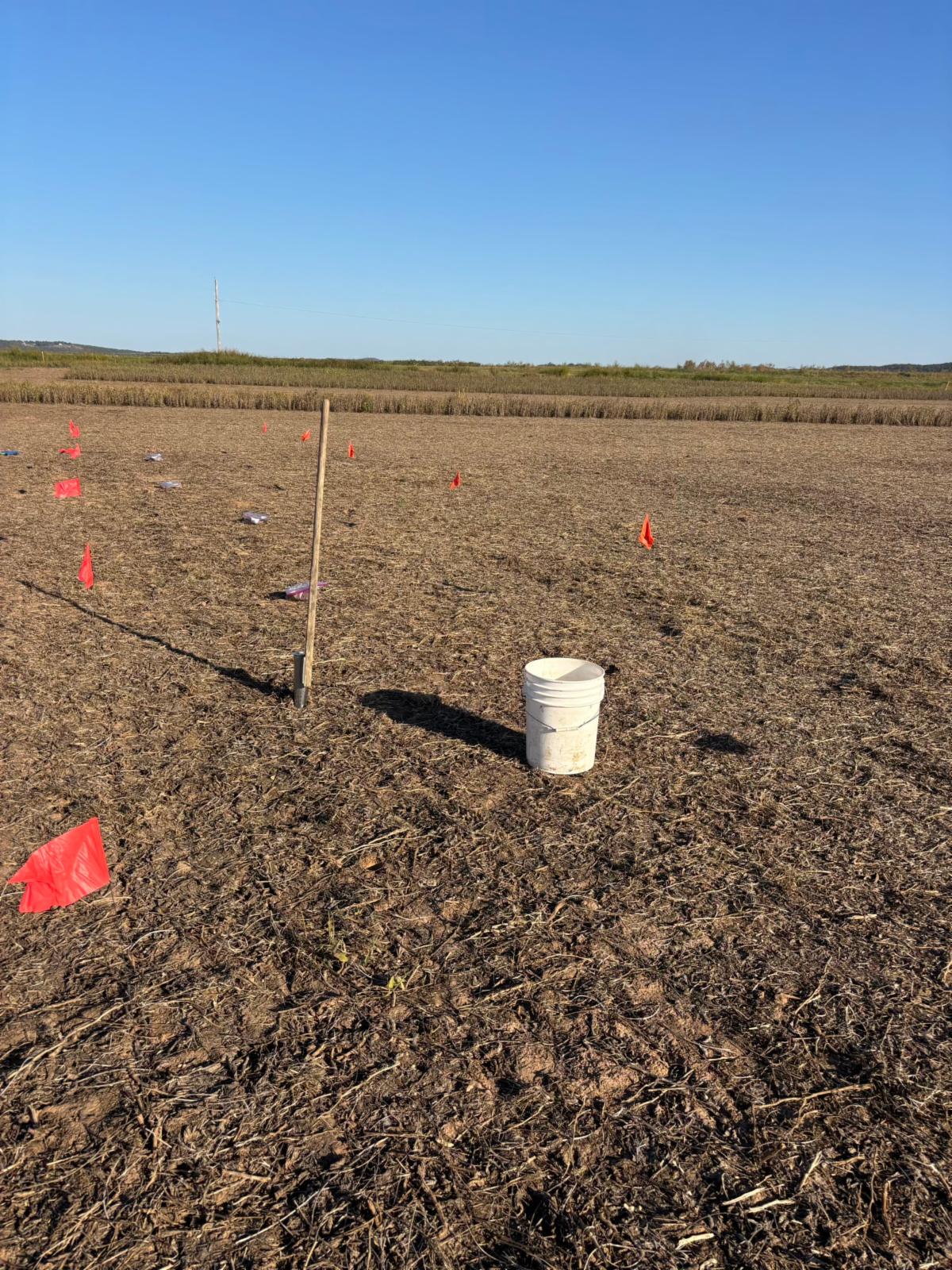
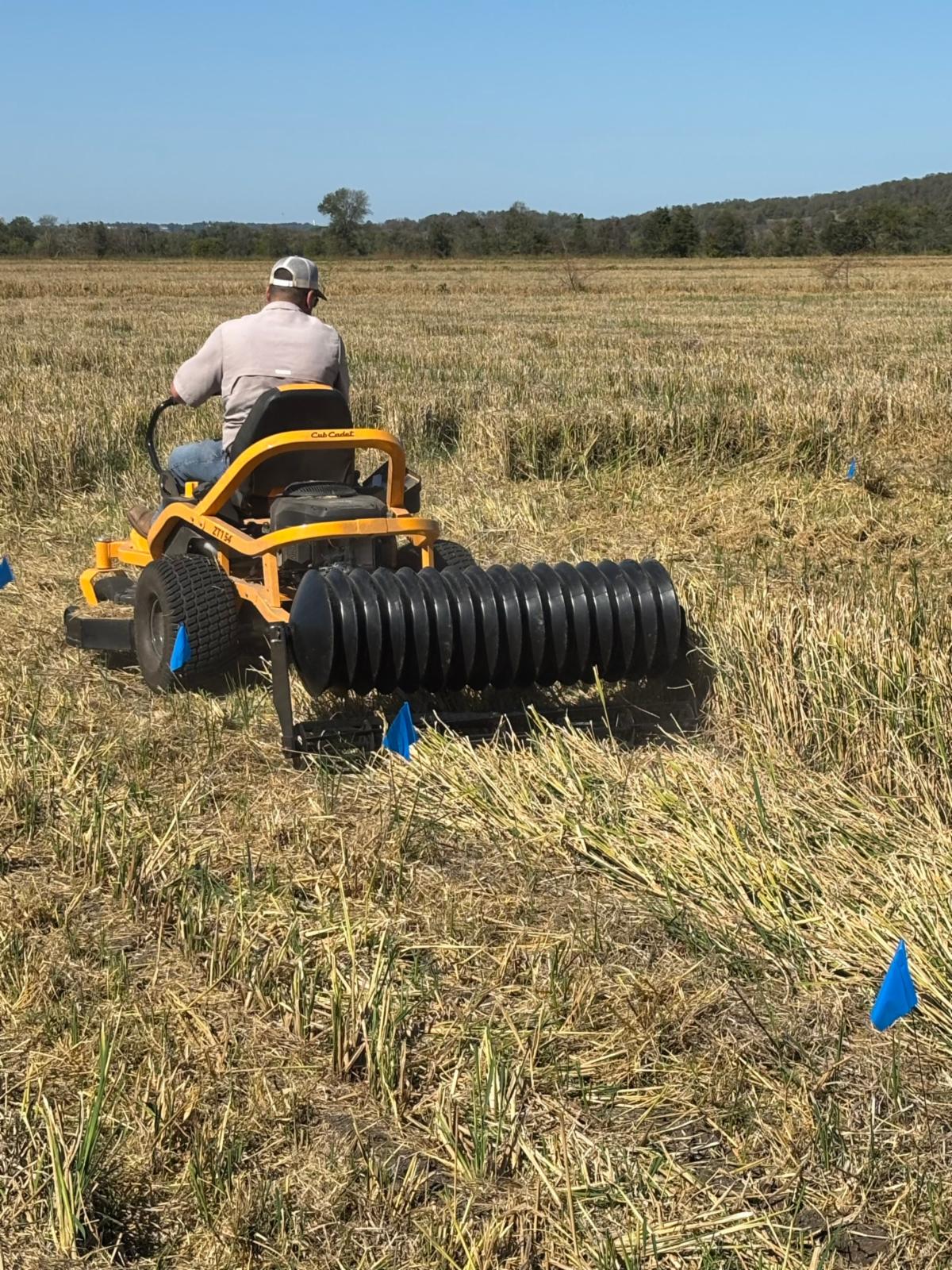
One was looking at stubble management in rice fields with the potential to use as a forage. We mowed some areas, and rolled and crimped some areas. In addition to the different stubble management types, we also fertilized with 0, 50, and 100 pounds of nitrogen.
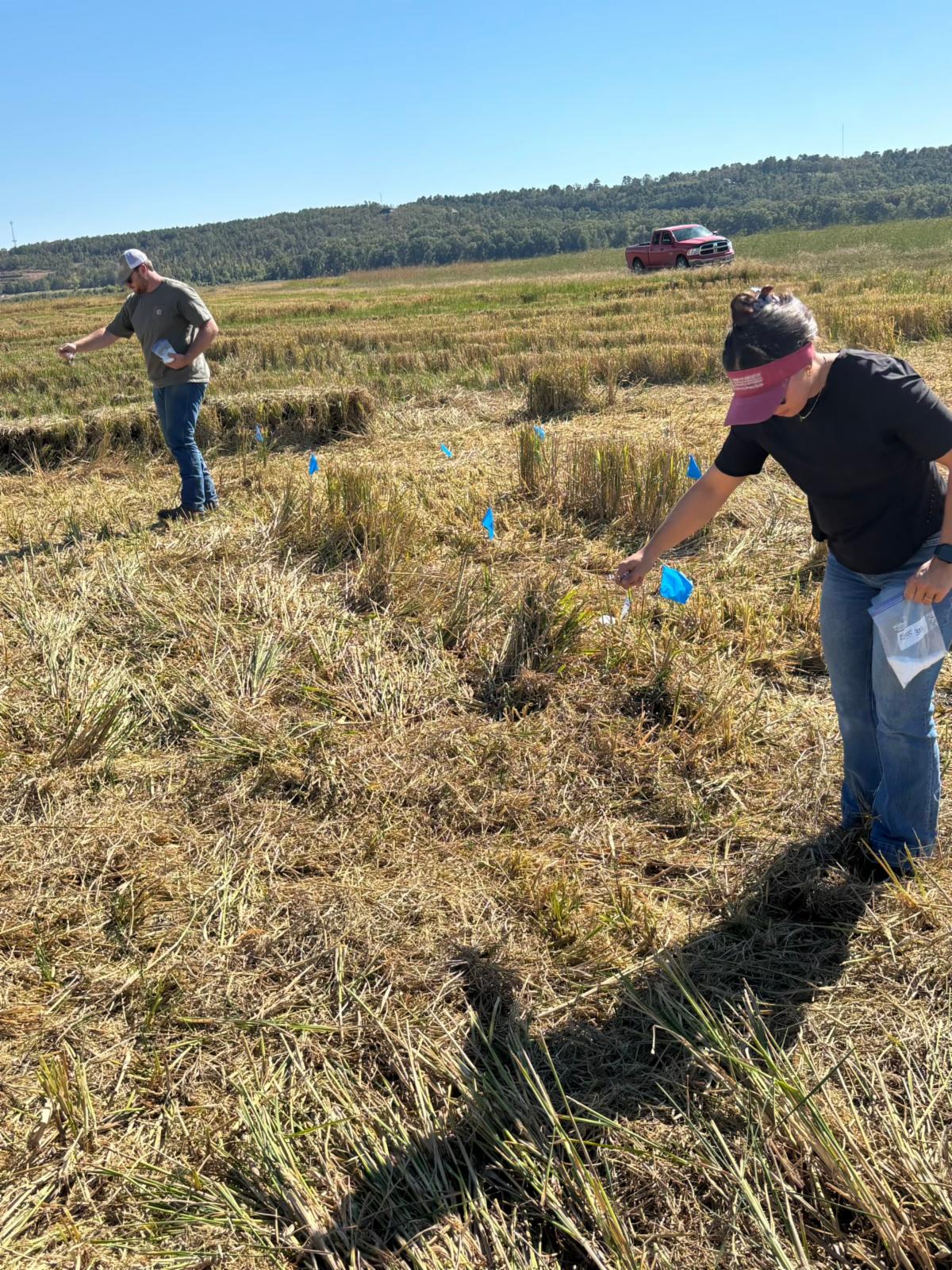
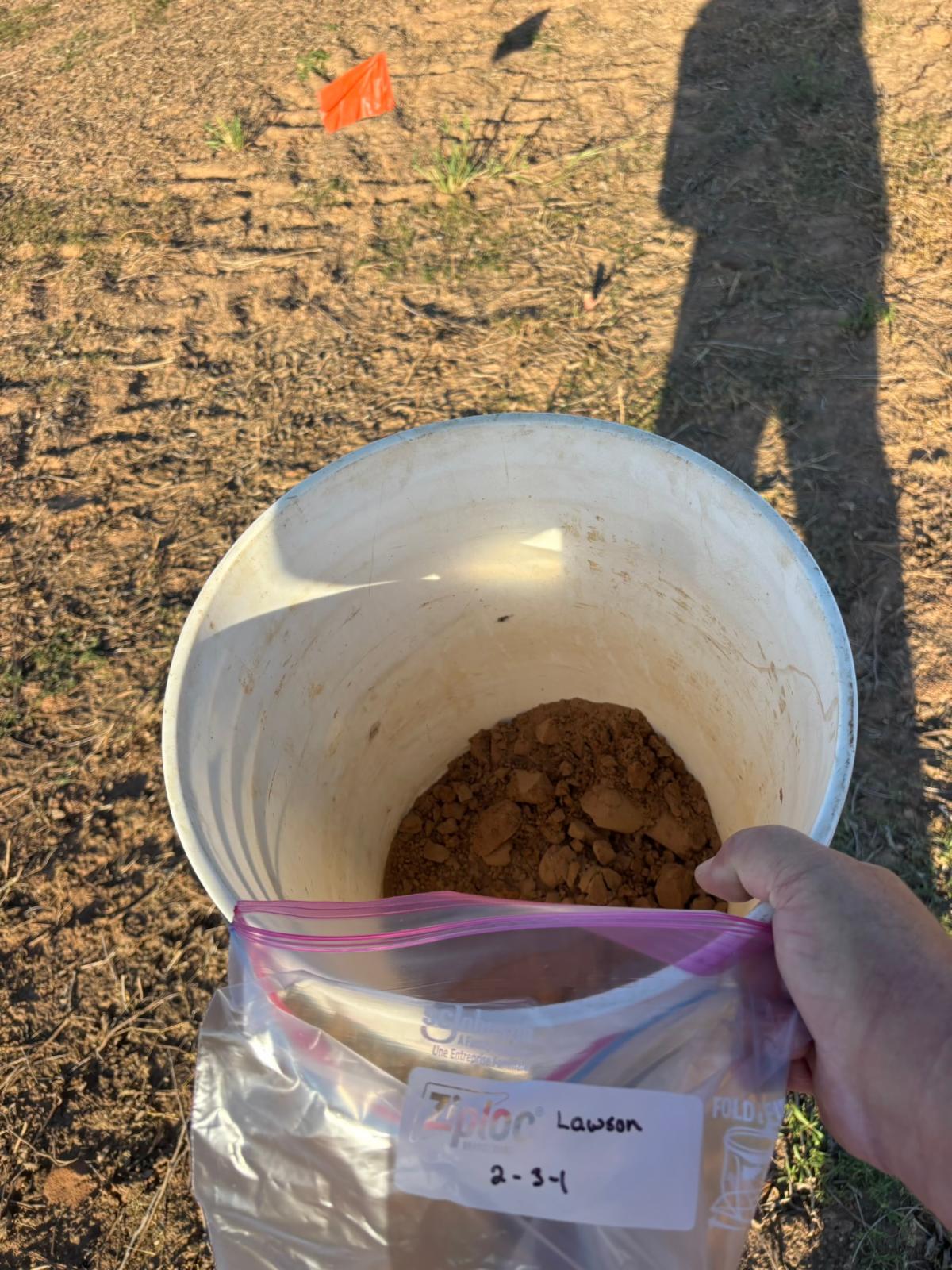
I also established a soil sampling research trial in Lollie on a soybean field that had just been harvested. This trial will be looking at the different results we get from soil samples taken at different times of the year.
| | |
Estimating the Impact of the Iran Conflict on Arkansas Crop Markets
Ryan Loy, Assistant Professor and Extension Economist, University of Arkansas
Scott Stiles, Extension Economist, University of Arkansas
Fuel and fertilizer markets have been under pressure since the beginning of the Iran conflict, mainly because of disruptions at two shipping chokepoints. Iran has largely blocked traffic through the Strait of Hormuz since early March, and in late September the strait was seeing about one transit a day compared to a normal of roughly 85. At the same time, the Houthis resumed attacks on Red Sea shipping in July, adding to the strain on supply chains already hit by the Hormuz closure. Both routes are major corridors for crude oil and fertilizer.
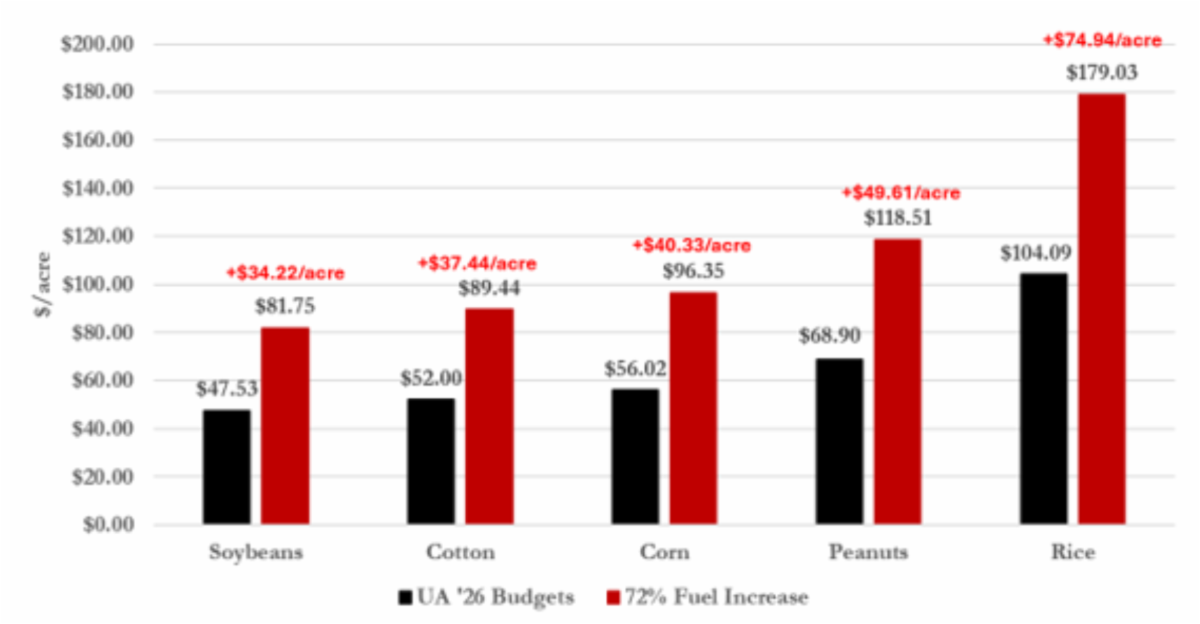
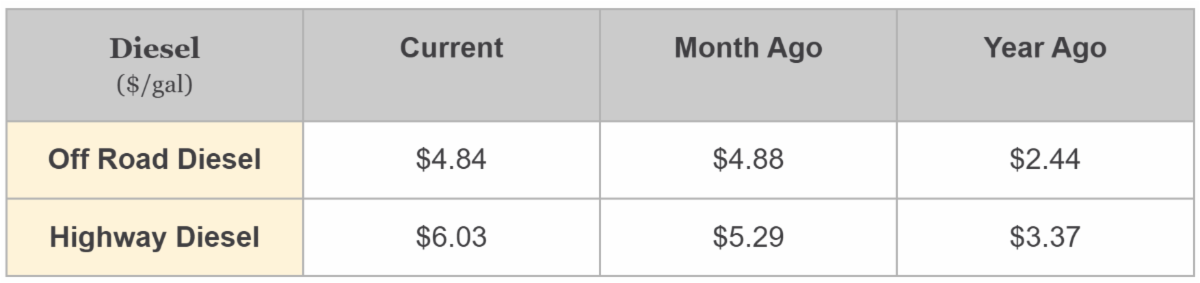
The University of Arkansas 2026 Crop Enterprise Budgets, which were published in November 2025, used a diesel price of $2.46/gal. Based on weekly farm diesel prices, the 2026 YTD average now stands at $3.84/gal, and the average since the conflict began (March 1 through September) is $4.22/gal, or 72% above budgeted expense. Farm diesel averaged $4.17 during planting (69.6% above budget) and $4.72 so far during harvest (92% above budget). The current price is $5.47, which is 122.4% above budget. Highway diesel, used in farm trucks and delivery, is even higher at $5.94 currently and has averaged $4.93 over the farm season.
As shown in Figure 1 below, applying the 72% fuel increase to the UA ’26 budgets adds $34.22 per acre for soybeans, $37.44 for cotton, $40.33 for corn, $49.61 for peanuts, and $74.94 for rice.
| | |
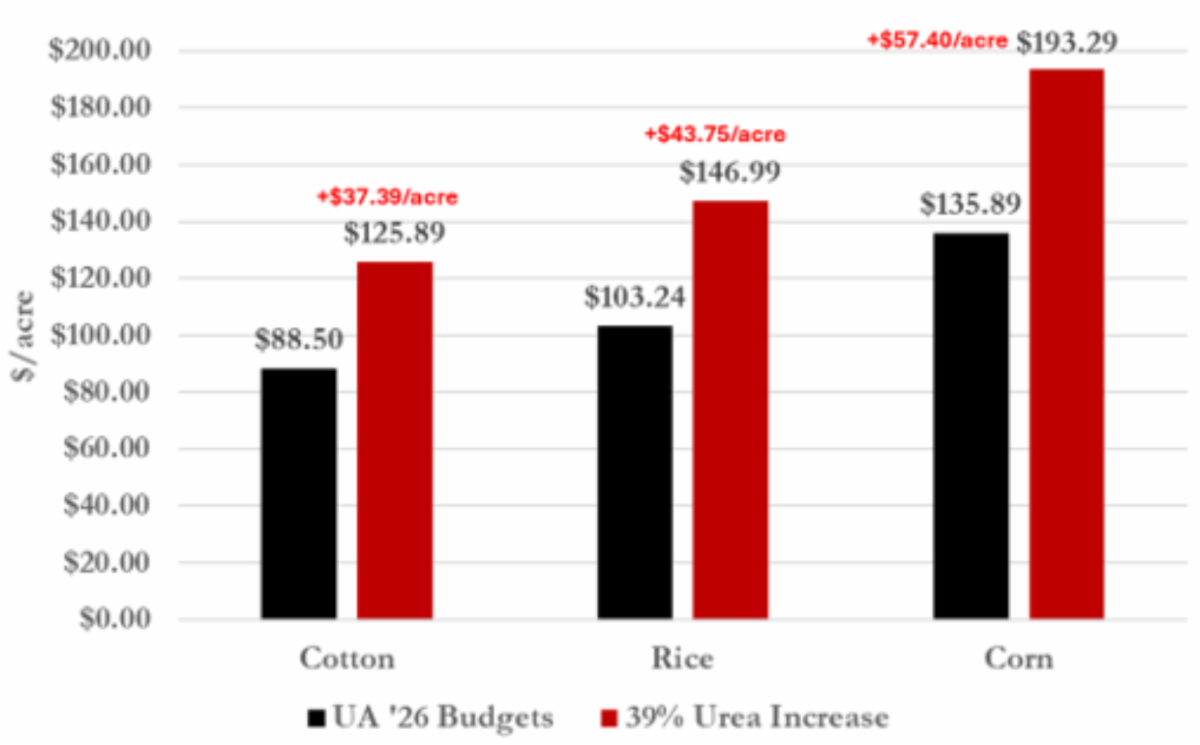
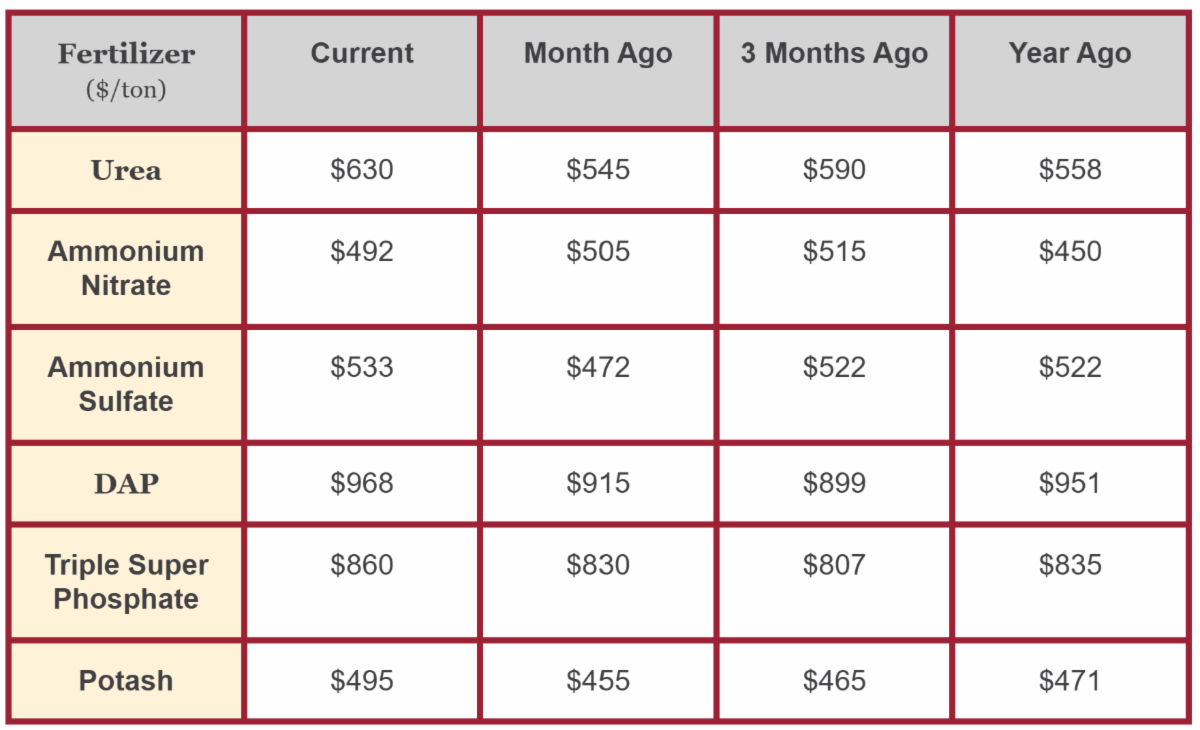
Urea was originally budgeted at $560 per ton for the 2026 season. As of May 2026, prices had increased roughly 39%, adding an additional expense of $37.39 per acre for cotton, $43.75 for rice, and $57.40 for corn.
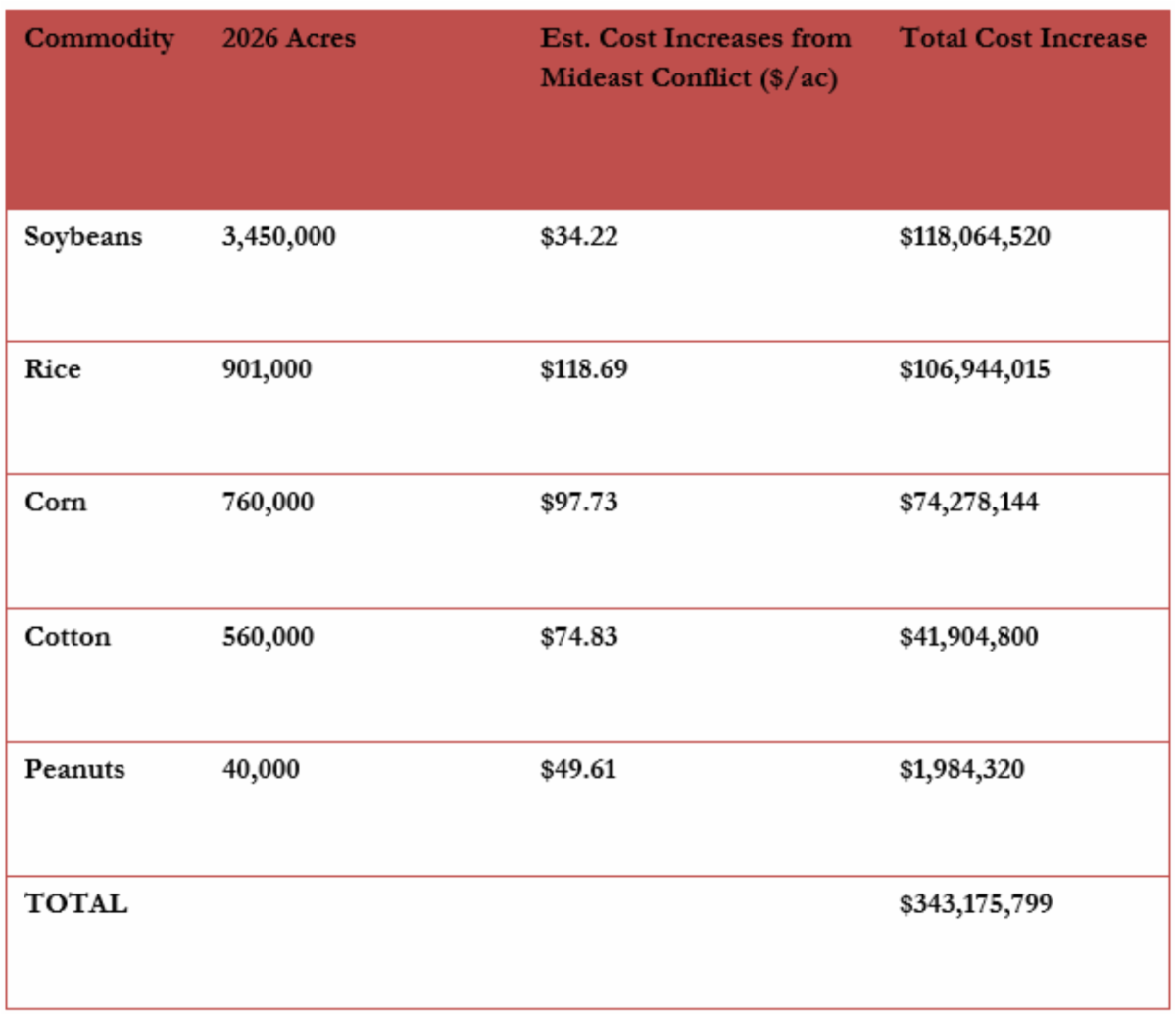
Combining the marginal increases in diesel and urea brings the estimated cost increases to $118.69 per acre for rice, $97.73 for corn, $74.83 for cotton, $49.61 for peanuts, and $34.22 for soybeans. Peanuts and soybeans are assumed to have no urea-related expenses.
| |
According to September 2026 USDA-NASS acreage, Soybeans are up 860,000 acres to 3.45 million. All rice is down 383,000 acres to 901,000, with long grain down 400,000 acres. Corn is down 50,000 acres to 760,000, cotton is up 40,000 to 560,000, and peanuts are down 8,000 to 40,000.
Multiplying these acres by the per-acre marginal expense increases gives an estimated total of $343.18 million in additional costs to the state of Arkansas: $118.1 million for soybeans, $106.9 million for rice, $74.3 million for corn, $41.9 million for cotton, and ~$2.0 million for peanuts. We consider this a conservative estimate since we do not weight fuel use toward planting and harvest, when usage peaks. Current harvest diesel prices are also well above the season average used in this analysis. In response, Governor Sanders signed an executive order on September 29, 2026, which temporarily allows farmers and loggers to use red-dyed diesel in their highway vehicles through late October 2026. This measure will provide some relief on trucking costs over the next few weeks, while the bulk of this year’s added input costs remain.
| | Beef, Small Ruminants, & Forages | | |
Pasture to Plate Carcass Judging
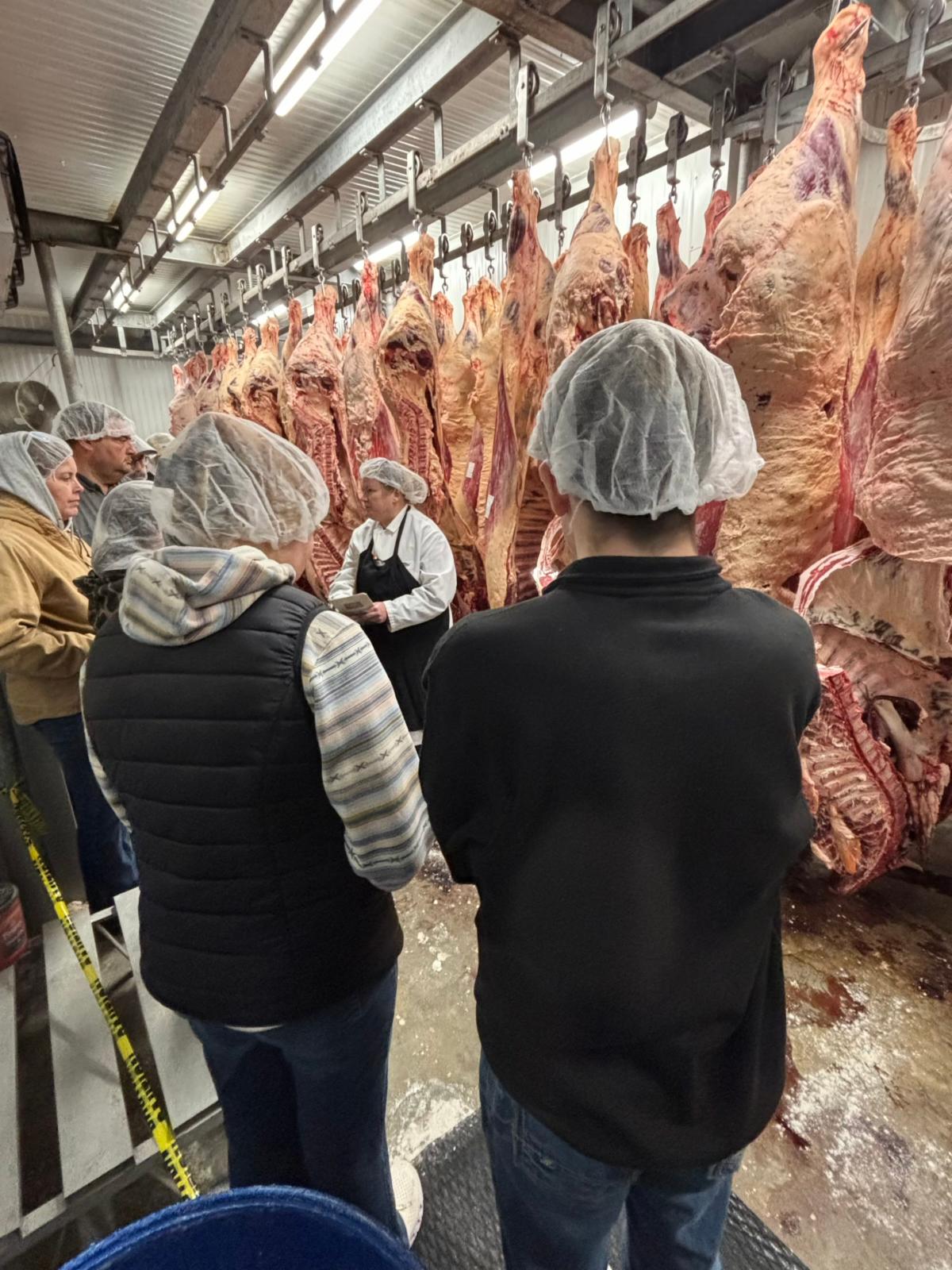
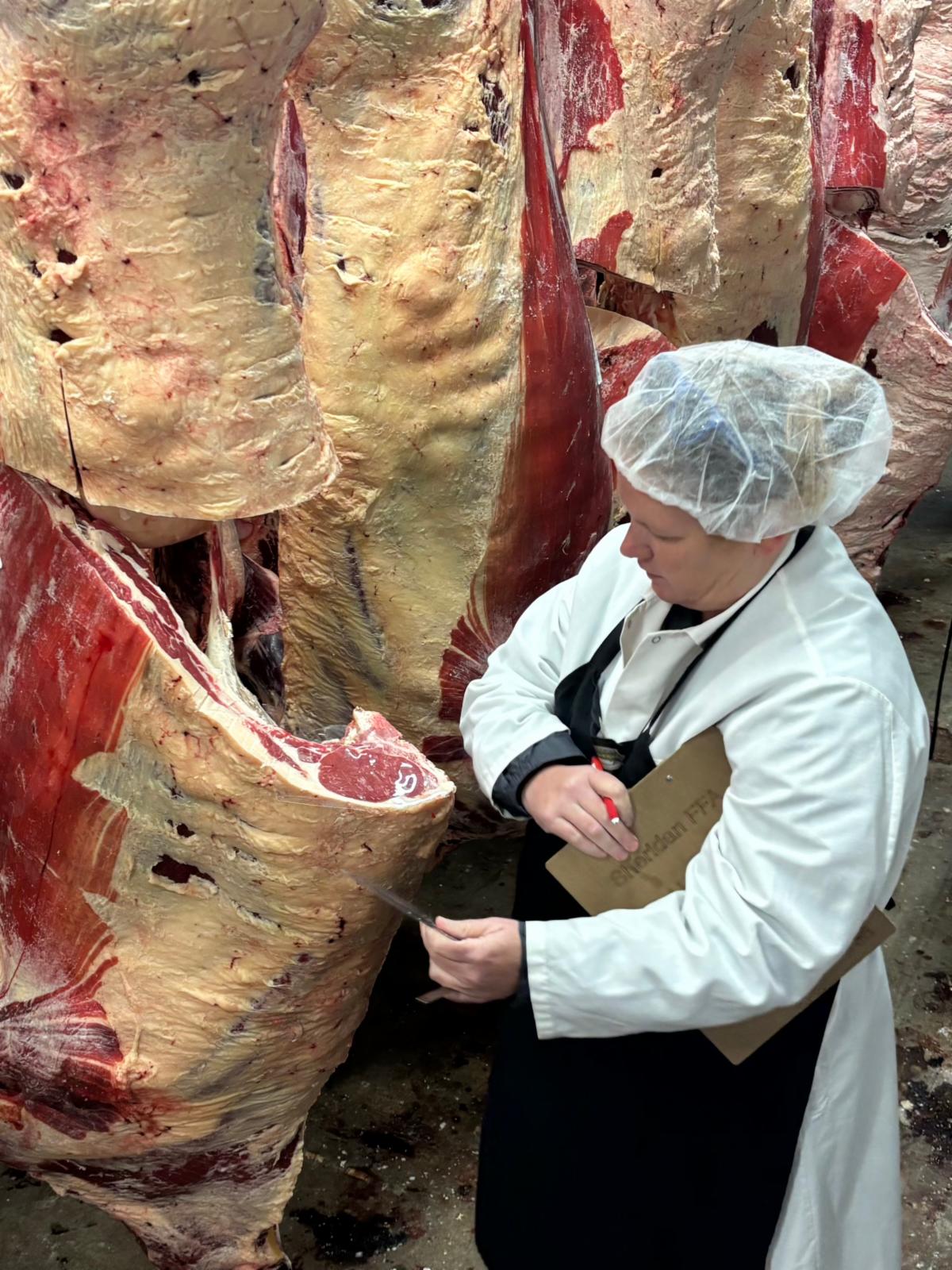
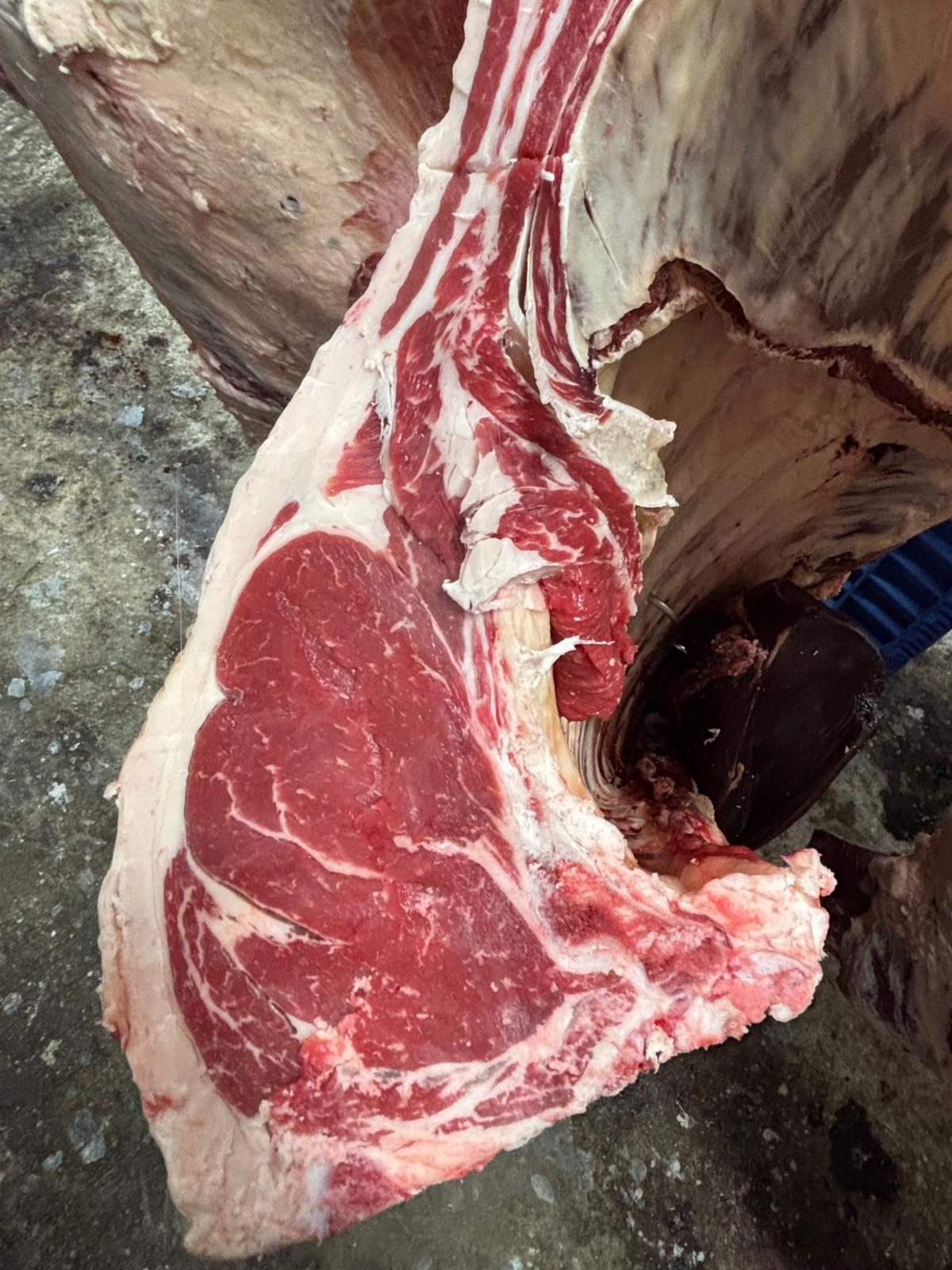
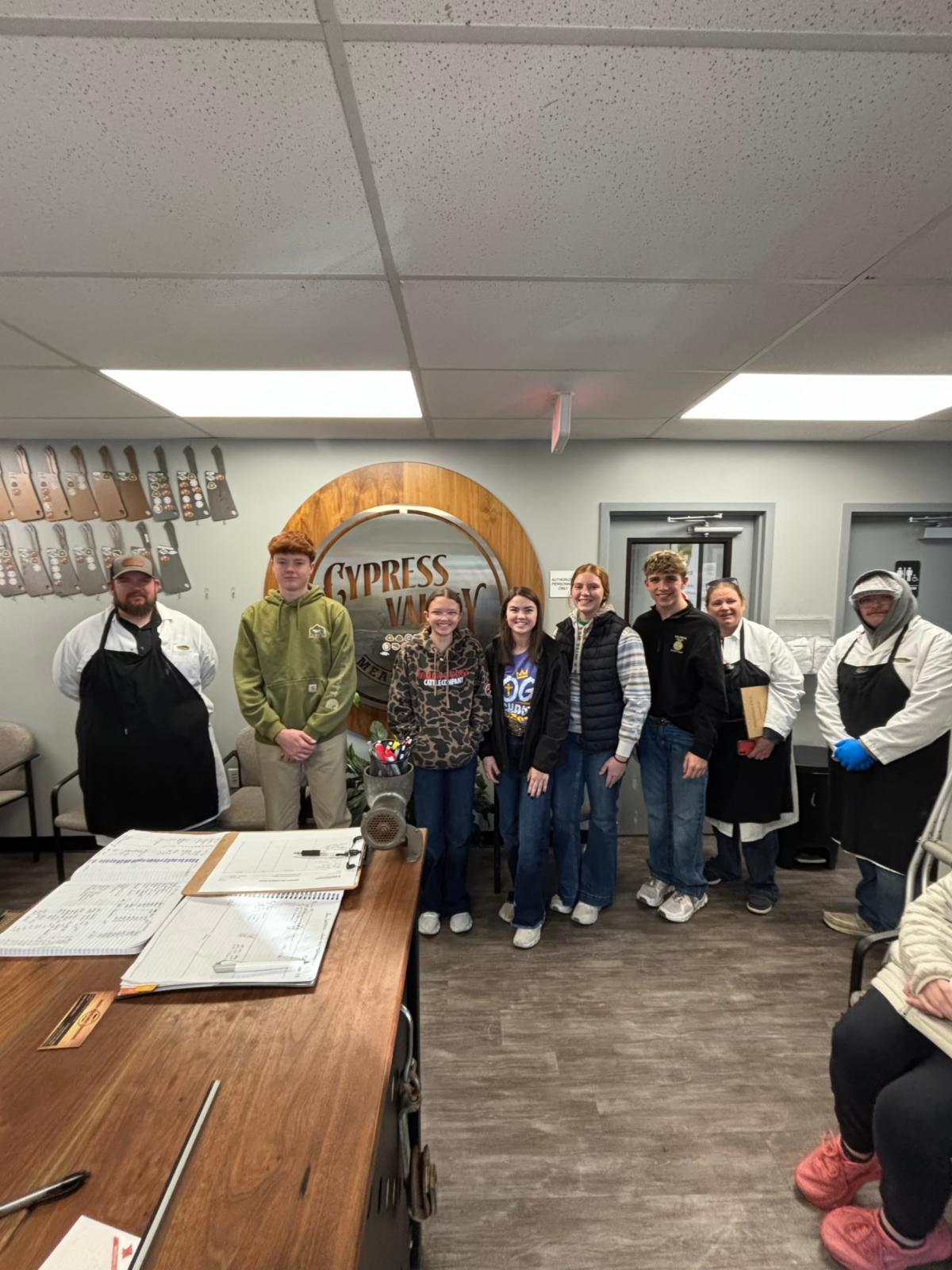
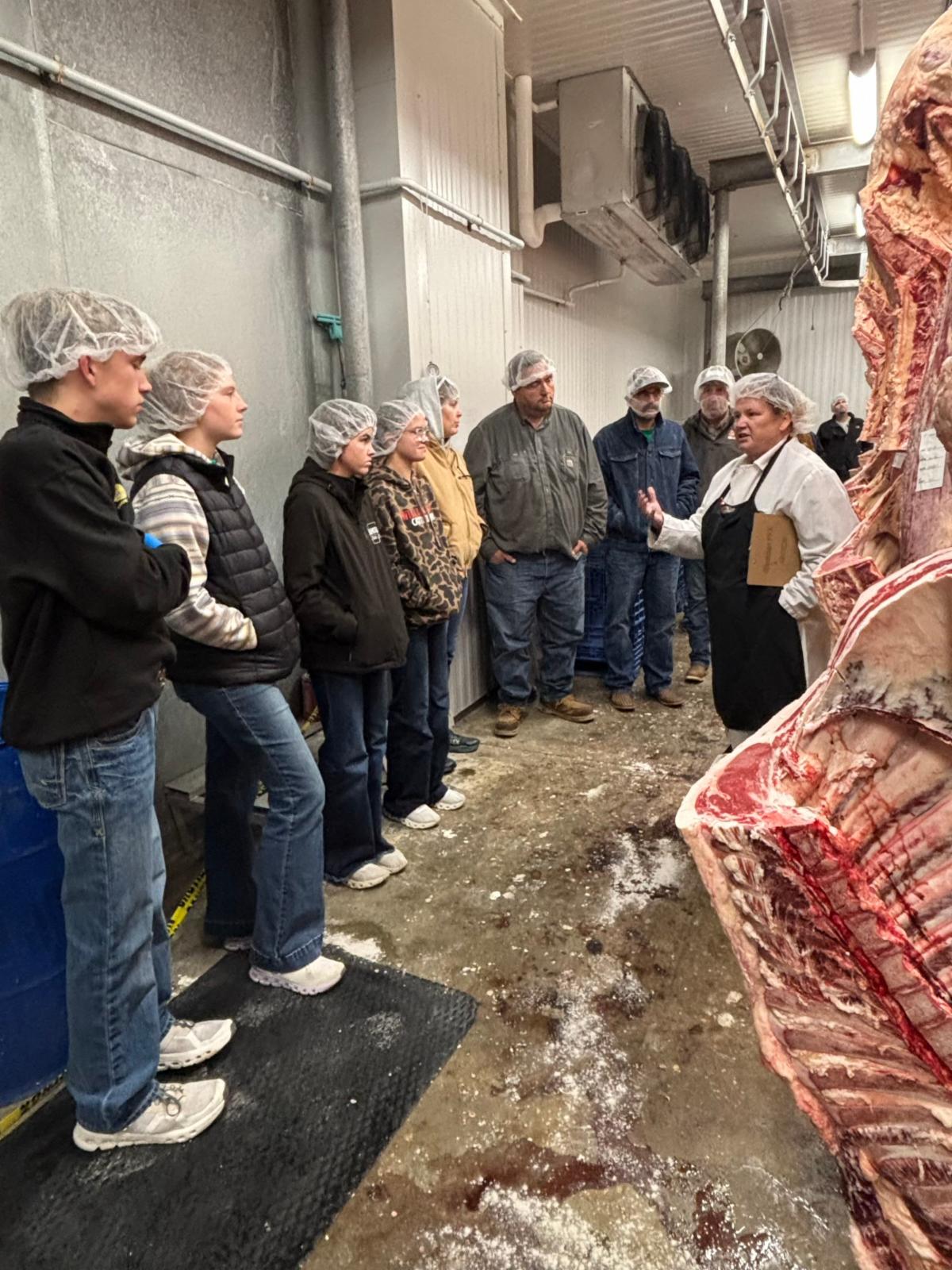
The 4-H Pasture to Plate steers made it to Cypress Valley on September 29 and have been slaughtered and hung on the rail. On Tuesday October 6, Dr. Janeal Yancey from the University of Arkansas came down to judge the carcasses and give them a value. The youth got to come in after she was done and she went over each carcass with the youth and taught them about yield and quality grades of meat. It was a great program and a great opportunity for the youth to see the beef industry full circle.
Average weight of the steers going to the processor was 1289 pounds and the average hanging weight was 768 pounds with an average dressing percentage of 60%.
Thank you to Dr. Yancey for coming down and spending time with the youth and a big thank you to Cypress Valley Meat Processing for staying open and allowing our youth inside to see the processing side of the beef industry!
| | |
Cattle Reproductive Workshop
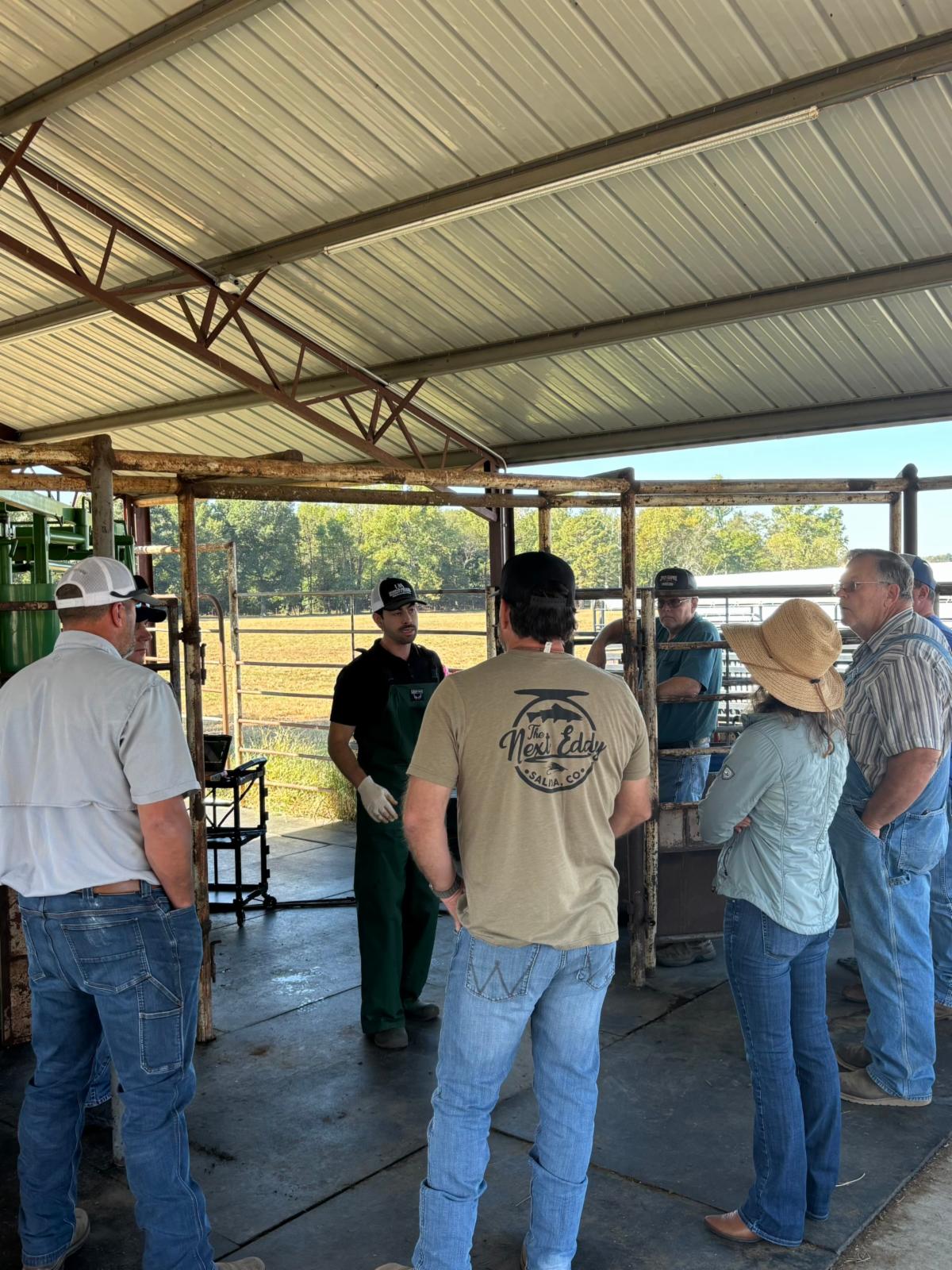
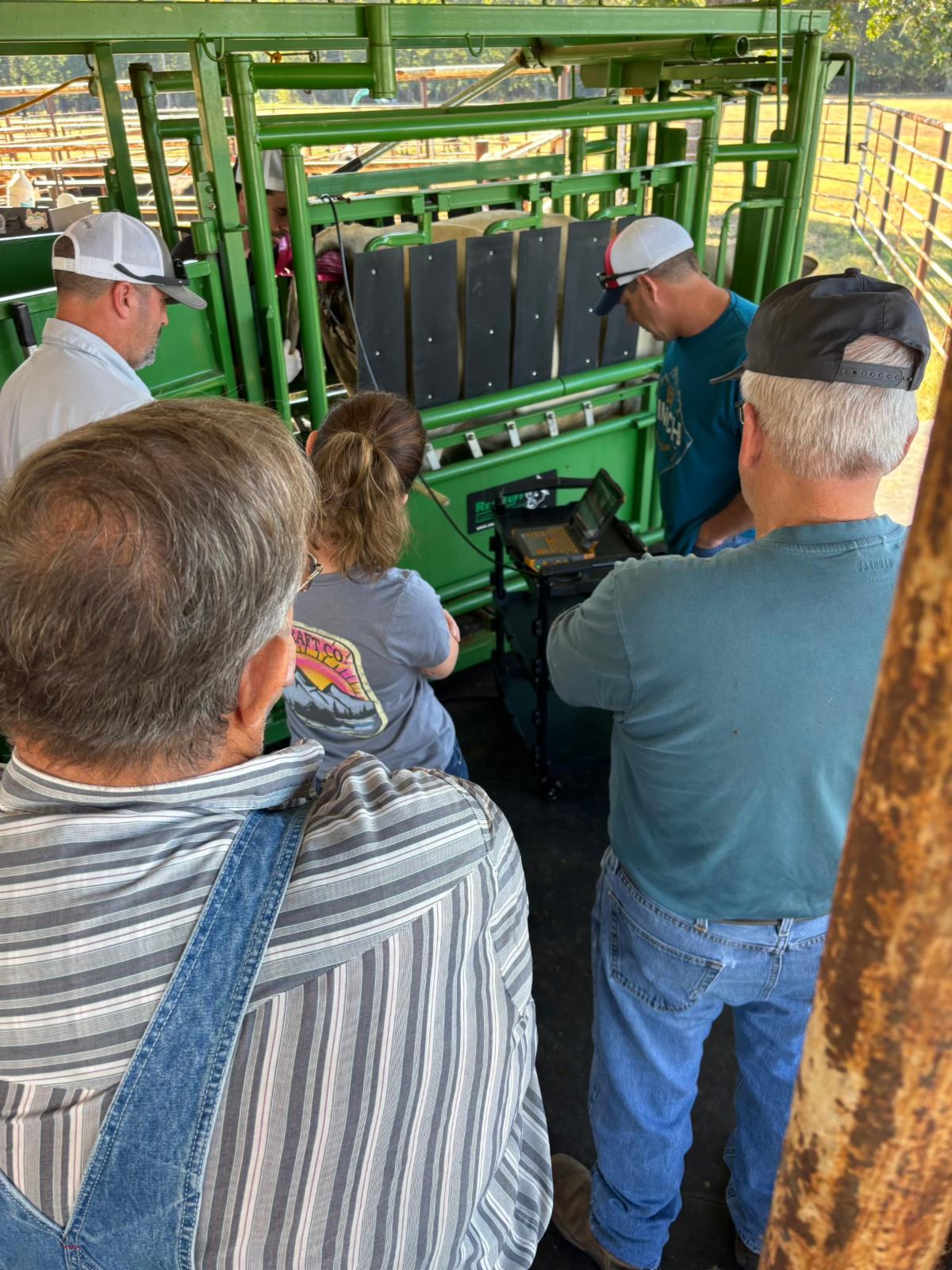
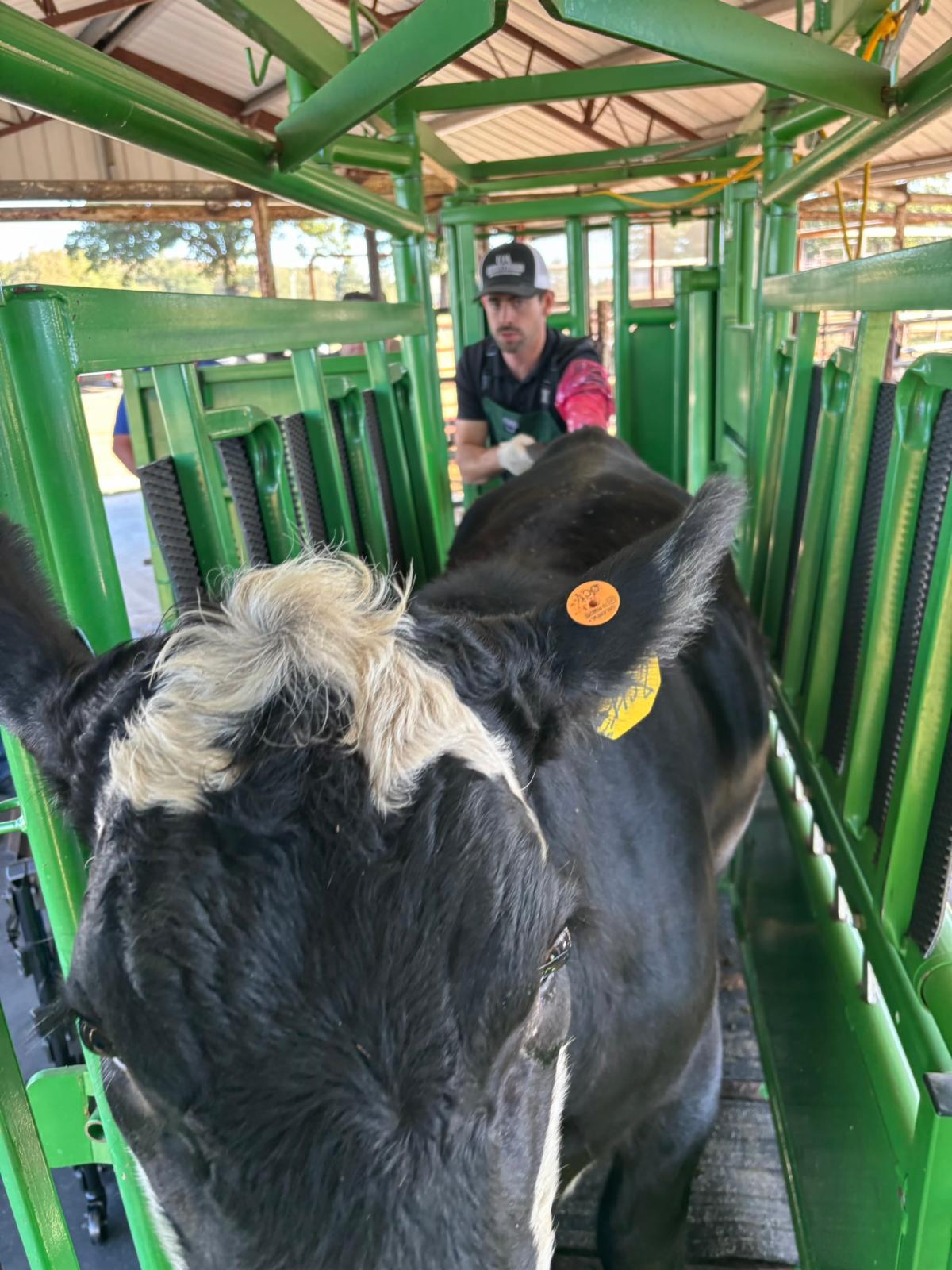
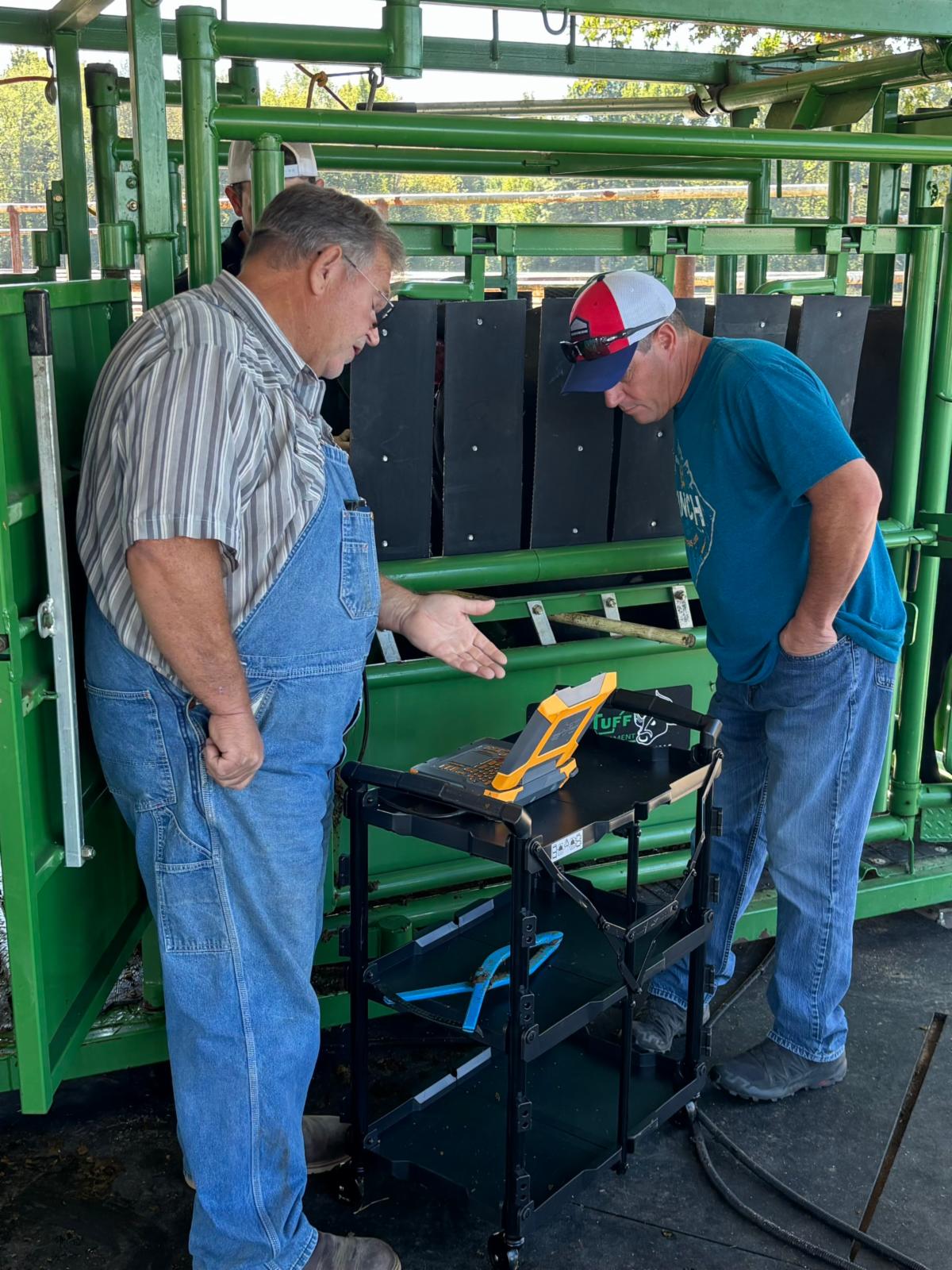
Our chute side cattle reproductive workshop was held on October 7 at Simon Farms in Saltillo. Dr. Ramiro Oliveira, our new Beef Cattle Production specialist, came up from the University of Arkansas Hope Station to discuss and demonstrate with producers heifer evaluation, ultra sounding, pulling blood, and using chute side pregnancy tests. It was a great day and very informative. Thank you to Dr. Oliveira and thanks to Simon Farms for hosting.
| | |
Replacement Heifers: Building Fertility Before the Breeding Season
Ramiro Oliveira, Assistant Professor - Beef Cattle Production
October is an important time for many Arkansas spring-calving operations to evaluate heifer calves and begin planning how replacements will be developed through the winter. With the national cow herd at its smallest since the early 1950s and calf values at historic highs, every heifer held back this fall carries real opportunity cost. Selecting a replacement heifer is more than choosing the biggest or best-looking calf. The goal should be to identify females that can reach puberty before breeding, conceive early, calve unassisted at approximately 2 years of age, and remain productive in the herd for many years.
Fertility should be one of the most important selection criteria. Cushman et al. (2013) evaluated more than 16,000 beef heifers using 9 years of performance records and showed that females calving during the first 21 days of their first calving season had greater reproductive performance later in life, remained in the herd longer, and weaned more pounds of calf than heifers that calved later. An early pregnancy as a heifer can influence productivity for the rest of that female’s life due to the longer interval between calving and the beginning of the subsequent breeding season. This additional time allows females to recover from parturition, meet the nutritional demands of early lactation, and resume normal estrous cyclicity before the next breeding season, increasing their likelihood of conceiving early again.
Selection starts at weaning. Give preference to heifers born early in the calving season from cows with a history of breeding early and raising a calf every year. Evaluate structural soundness, feet and legs, disposition, health, docility and genetic potential. Avoid selecting replacements based only on weaning weight. Continually keeping only the largest heifers can unintentionally increase mature cow size and maintenance requirements.
After selection, development should focus on steady, balanced growth. A useful target for heifers is approximately 60 to 65% of expected mature body weight by the beginning of breeding (14 – 15 mo), generally with a body condition score around 6. For a 1,200 pounds cow herd, that is roughly 720 to 780 pounds at breeding. Depending on starting weight and breed type, heifers may need to gain approximately 1.25 to 1.75 pounds per day from weaning to breeding. Producers should weigh heifers periodically and adjust forage and supplementation before animals fall behind their target.
About 4 to 6 weeks before breeding, consider a pre-breeding evaluation with your veterinarian. Body weight and condition, reproductive tract score, pelvic area, vaccination status, and overall reproductive soundness can help identify heifers that might not be ready to breed. Ideally, heifers should reach puberty before the breeding season because fertility improves after the first estrous cycle.
Finally, give heifers the opportunity to prove fertility early. A defined, relatively short breeding season, combined with pregnancy diagnosis, allows producers to identify females that conceived early and remove open or late-bred heifers when appropriate. Replacement heifer development requires an investment, but selecting for early fertility can help build a more productive, efficient, and long-lived Arkansas cow herd.
| |
|
Estimating Hay Needs
Mark Z. Johnson, Oklahoma State University Extension Beef Cattle Breeding Specialist
Some basic rules of thumb to follow when determining the hay supplies you will need to sustain your cow herd over the next few months.
-
Determine your average mature cow size. This can be done by weighing your 4 – 7 year old cows and calculating the average weight. From mature cow size, we can approximate the amount of forage dry matter cows will need to consume per year or per day. For example: a 1,000 pound cow will consume about 26 pounds of forage dry matter per day. A 1,400 pound cow will consume about 36.4 pounds of forage dry matter per day.
- Determine your cow inventory
-
Estimate the amount of time you expect to be feeding cows.
From this information you can calculate the total amount of hay needed. For example: 100 cows weighing 1,400 pounds will consume about 3640 pounds of hay per day. We should take into account that a certain amount of the hay fed will be wasted and there will be a certain amount of spoilage of each bale fed that won’t be consumed. With this in mind we will add another 10% to the daily total to bump it up to about 4000 pounds (2 tons) per day. Remember the amount of hay wasted or spoiled could be higher. If we are feeding hay from last year expect a higher percentage spoiled in each bale.
If we are expecting to feed hay from mid-October to mid-May, that is approximately 200 days of hay feeding. 4000 pounds of hay needed per day x 200 days equals a total of 800,000 pounds (400 ton) of forage dry matter that cows will consume over this time. If we are feeding or buying large rounds with an average weight of 1,250 pounds that equates to 640 (800,000 divided by 1,250) big bales needed to sustain the 100 cows.
If possible, purchase hay by the ton. It leads to less error in securing the amount of hay you will need to purchase or have on inventory. If buying hay by the bale is your only option, make sure to weigh enough of the bales to have an accurate representation of bale weight. Also, take into account the amount of spoilage of each bale. One of the upsides of hay baled this summer (and the drought over the past few months) is less spoilage.
Other factors such as weather, stage of gestation or lactating versus dry cows will obviously impact nutritional requirements of cows from day to day. Provide hay and other nutritional supplementation accordingly.
| |
ArFGC Fall Forage Conference
“Recovering forage systems”
Has drought got you down? Figure out your next steps! Pastures provide essential forage for livestock; however, severe drought has negatively impacted production throughout the state. The 2026 Arkansas Forage and Grassland Council Fall Forage Conference, themed “Recovering forage systems” will be at the CrossRoads Cowboy Church in El Paso on October 30th. Doors will open at 8am, with the program starting at 8:30.
This year’s conference will focus on practical strategies to reduce these impacts with sessions designed to address the unique challenges facing forages in Arkansas. Educational topics include weather outlook, reviving drought stressed pastures, drought mitigation strategies, as well as reporting local conditions.
You will hear from Arkansas meteorologists, university experts, as well as local producers. Attendees will also have an opportunity to hear from Tim Schankenburg, University of Missouri Southwest Region Field Specialist in Agronomy.
These conferences bring producers, agencies, organizations, and private industry together to promote and advance forages in agriculture. The conference is recommended for forage and livestock producers seeking to mitigate drought impact.
Early registration by October 19 is encouraged for planning purposes.
The pre-registration fee is $40 per person. Students who pre-register may attend at no cost. Registration will be available day of the event $45/person and $20/student. Registration is payable by cash, card, or check.
To pre-register, scan the QR code or contact: Addie Stamps at addie.stamps@arfb.com or 501-607-8978.
Crossroads Cowboy Church is located at 3071 Highway 5 in El Paso, AR 72045.
| |
Winter Annuals
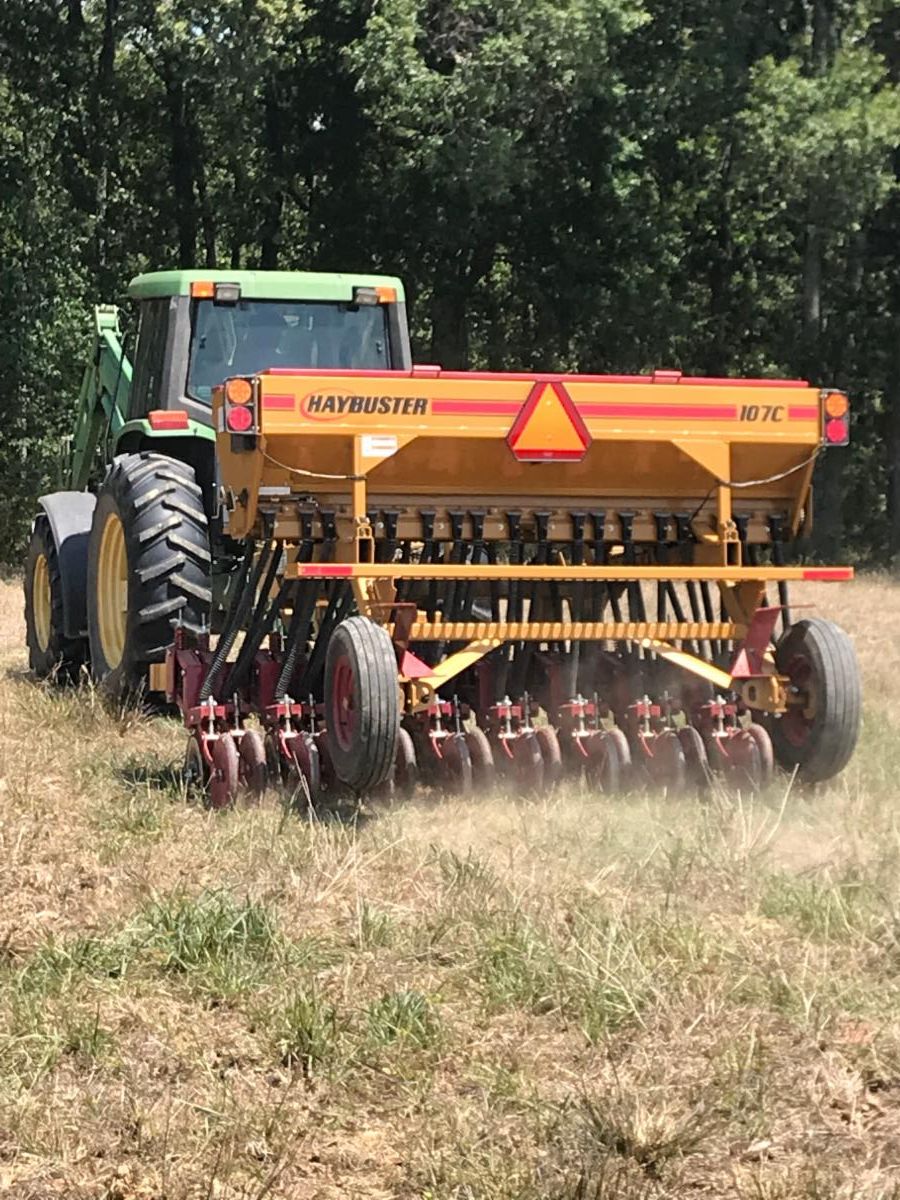
I have added the plant back and postemergence restrictions on cool season forage crops to the other publications about winter annuals. The links below are some good information if you think you want to plant some annuals for fall and winter grazing.
| | |
Small Ruminants for Beginners and Small Farmers
Join us for an introduction to small ruminant production for beginning and small-scale farmers. Topics include an overview of the industry, breed and genetic improvement, reproduction, health management, facilities, pasture management, nutrition, marketing, and the production of meat, milk, and fiber. October 6, 13, and 20, 2026, 06:00 PM (Central Time).
Registration: https://uada.zoom.us/.../register/WN_rOqHFbpXTbmII6X3u-KPSQ
Speakers:
Dr. Dan Quadros, University of Arkansas, Small Ruminant Specialist, Department Of Animal Science - UA
Dr. Kirsten Midkiff
University of Arkansas, Animal Health & Wellbeing Specialist, Department Of Animal Science - UA
Dr. Ian Daniel
University of Arkansas Pine Bluff, Livestock Specialist, School of Agriculture, Fisheries and Human Sciences
Tanya Feagin
President of the Arkansas Shepherds Association - Sheep Community (www.arshepherds.com)/Owner of Rocking TLC Farms LLC (https://rockingtlcfarms.com/).
Leigh Brandon
President of the Arkansas Goat Producers Association (www.argoatproducers.com)/Owner of Happy Bottoms Farm (www.happybottomsfarm.com).
Dr. Sibtain Ahmad
Fulbright Research Scholar, University of Arkansas/Associate Professor at the University of Agriculture, Faisalabad, Pakistan.
Dr. Andrew Milsom
Former Postdoctoral Research Associate, University of Arkansas/PhD Lincoln University, New Zealand.
Emily Reynolds
Master's Degree candidate, University of Arkansas, Animal Science.
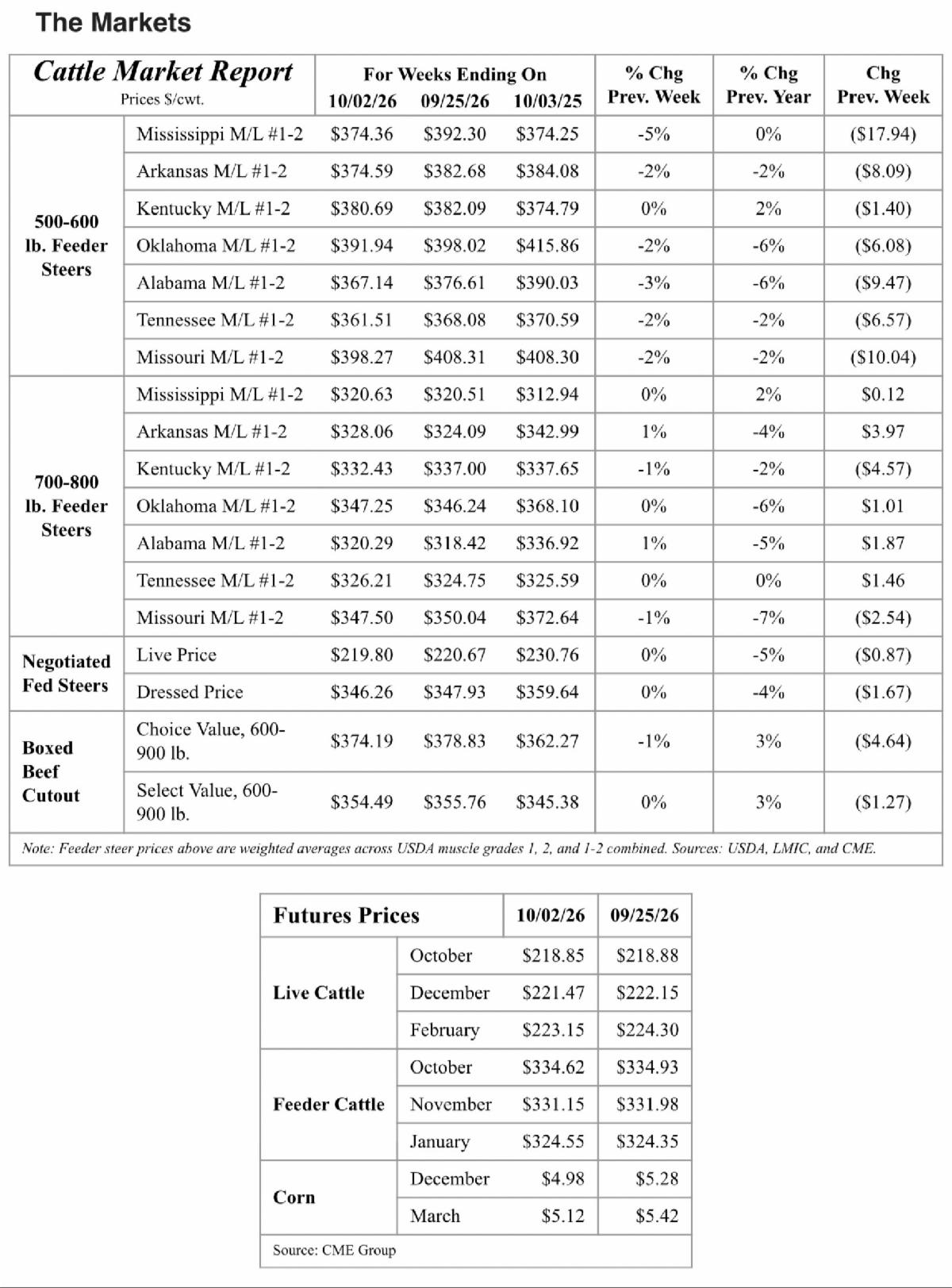
| Here is this weeks Cattle Market Notes Weekly | | |
Pesticide Applicator Trainings
There will be no more in person Pesticide Applicator Trainings until this winter. If you need a license you can still do the training online. There is a link below for the online training and a link to check your license status.
| | |
Livestock Market Report
The following links are for the weekly livestock market report from the Arkansas Department of Agriculture website and the Livestock Auction Dashboard from USDA. Both sites have marketing data for all livestock sold at Arkansas Sale Barns.
| | |
2025 Faulkner County Agriculture Demonstration Summary
The 2025 Faulkner County Agriculture Demonstration Summary is now available at the link below.
The 2025 Faulkner County Demonstration Summary is a collection of on-site demonstration results conducted in Faulkner County by local County Agents. Demonstrations are the cornerstone of the University of Arkansas System Division of Agriculture Cooperative Extension Service’s mission which is:
“We strengthen agriculture, communities, and families by connecting trusted research to the adoption of best practices.”
On-site demonstrations allow producers and homeowners to see firsthand how Extension recommended varieties and best management practices work in their counties and surrounding area.
| | |
Sign up for Text Alerts
You can now sign up for text alerts from me throughout the year. I have two areas you can sign up for which includes Faulkner Livestock or Faulkner Ag (Row Crop Updates). To sign up you can follow one of these links or use the QR Codes below.
| | Pursuant to 7 CFR § 15.3, the University of Arkansas System Division of Agriculture offers all its Extension and Research programs and services (including employment) without regard to race, color, sex, national origin, religion, age, disability, marital or veteran status, genetic information, sexual preference, pregnancy or any other legally protected status, and is an equal opportunity institution. | | | | |