|
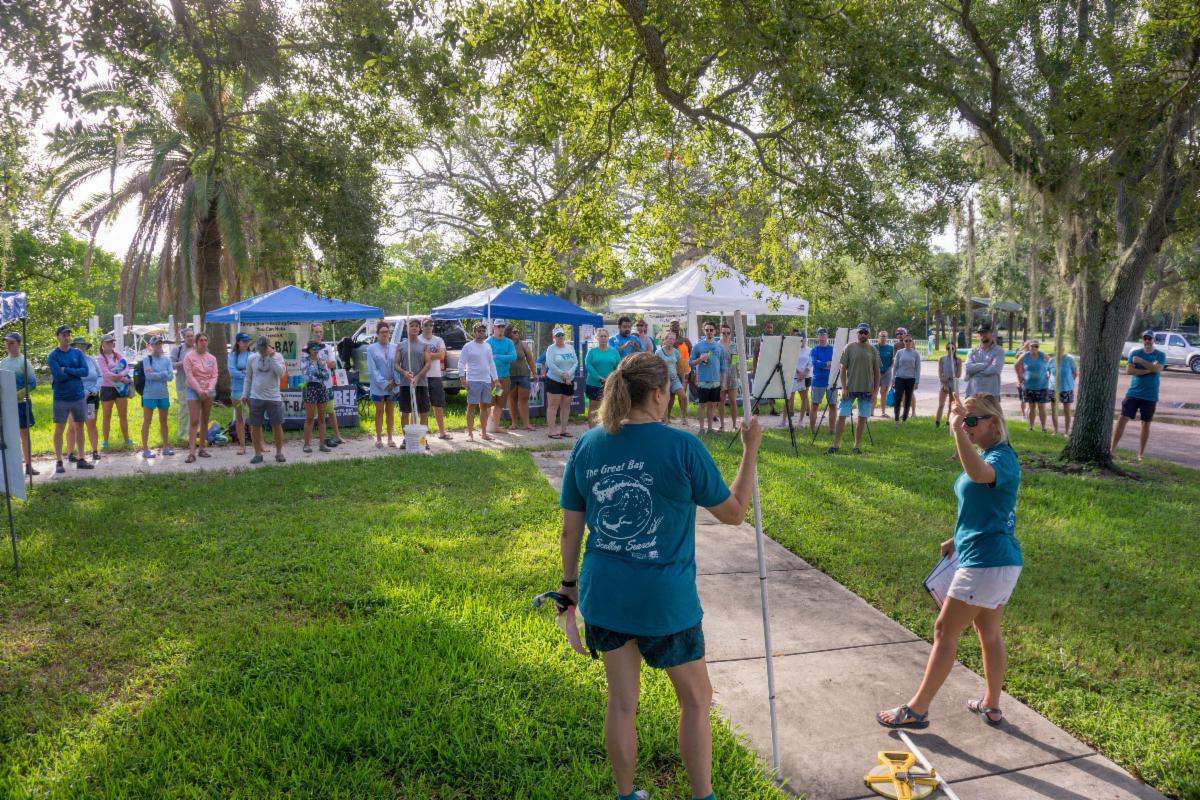
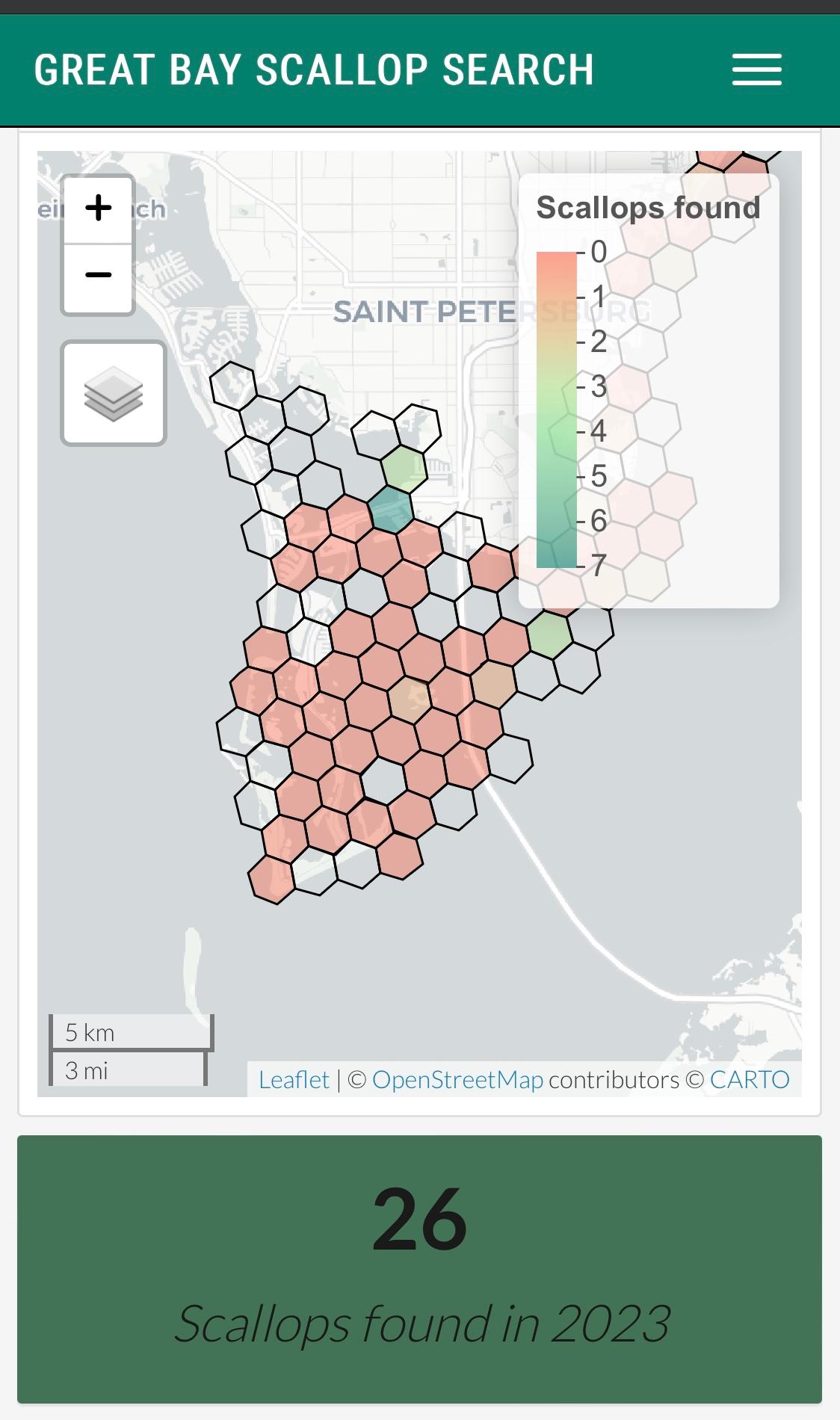
We partnered with Tampa Bay Watch for the 28th annual Great Bay Scallop Search, expanding to two sites and a record high of 45 boats! Unfortunately, the grand total was only 26 scallops.
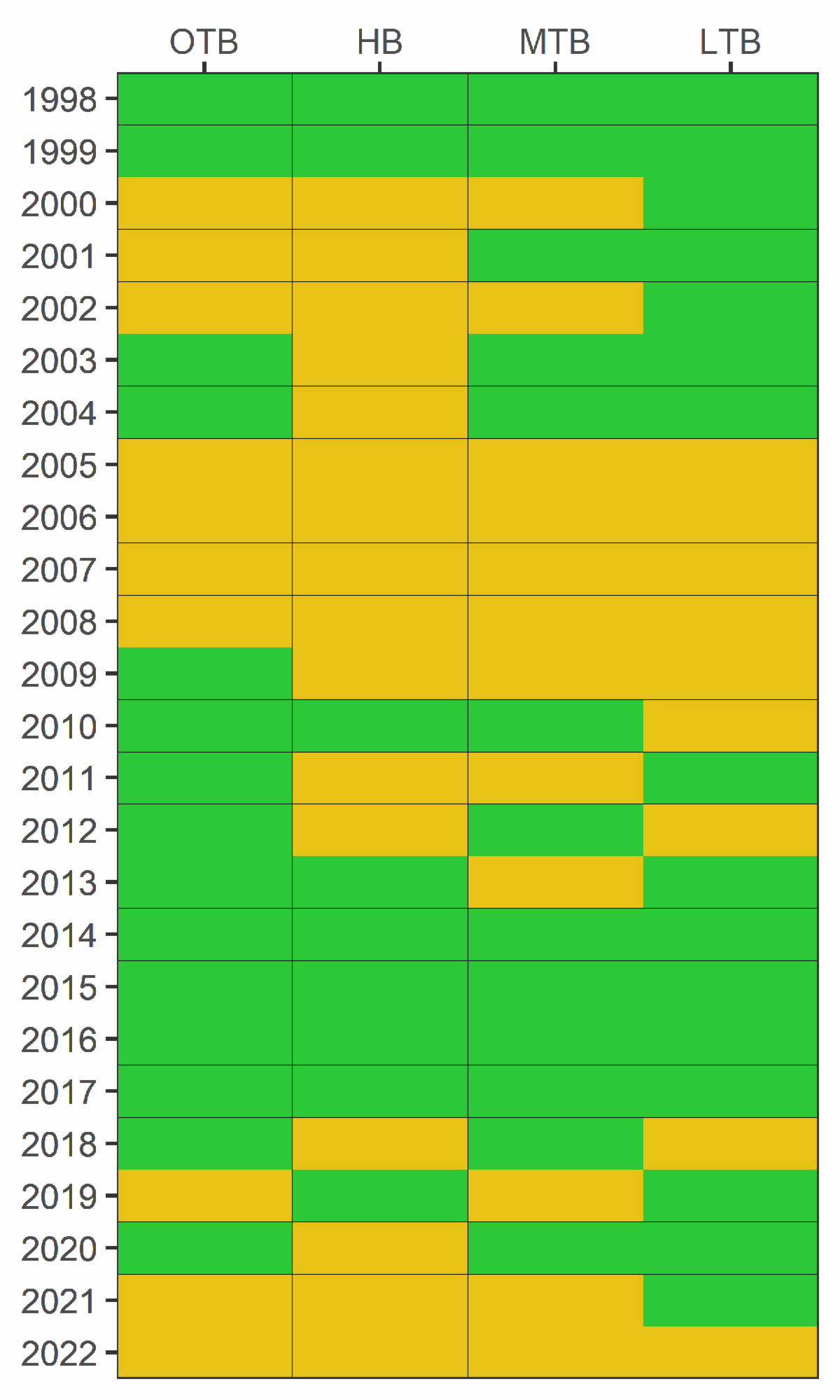
What's behind this year's low scallop count? Here are four things that influence local scallop populations:
1. Seagrass: Although parts of Tampa Bay have experienced significant seagrass loss between 2020 and 2022, seagrass coverage in Lower Tampa Bay remains stable. (Source: https://shiny.tbep.org/seagrass-analysis/)
2. Water quality: Recent harmful algae blooms have been a relatively common occurrence in Lower Tampa Bay, with red tide observed in late 2022 and early 2023. (Source: https://shiny.tbep.org/wq-dash/#section-segment-seasonal-trends; https://www.ncei.noaa.gov/maps/habsos/maps.htm)
3. Predator-prey relationships: Tampa Bay is home to many species of sharks and rays that love to feed on scallops. Changes in shark populations and more rays can result in fewer scallops.
4. Recreational harvest: Scallops are broadcast spawners. The baby scallops (spat) that make their way to Tampa Bay on the tides and currents likely come from areas near Anclote Key. A popular and longer bay scallop season in the nearshore Gulf of Mexico may have an effect on scallop recruitment in Tampa Bay.
With only one out of 12 million eggs surviving to adulthood and a lifespan of only around a year, achieving a stable, sustainable population of these blue-eyed beauties will take time, effort, and community support!
See the results in our dashboard.
|