July 22, 2021
Top stories
Many Americans lacked access to affordable housing before the coronavirus pandemic, a challenge that has disproportionately affected communities of color whether as renters or would-be home buyers. Now, the situation is reaching crisis levels across the country, with millions of renters at risk of losing their housing when a federal moratorium on evictions expires this summer.

The intersection of housing with systemic racism is a coverage area in serious need of deep, nuanced journalism. Registration is open for a program on how to cover these issues, which will take place tomorrow, July 23 at 11:30 a.m. ET.

Participants will learn:

  • How to navigate the obstacles & opportunities in a community-centered approach to journalism about housing & where we live
  • How to select the housing stories that will have the strongest impact; How to balance the short-term with the long narrative arcs
  • Whose voices are authoritative with the audiences for housing stories

The Institute is offering this program at no cost thanks to a generous grant from the Gannett Foundation.
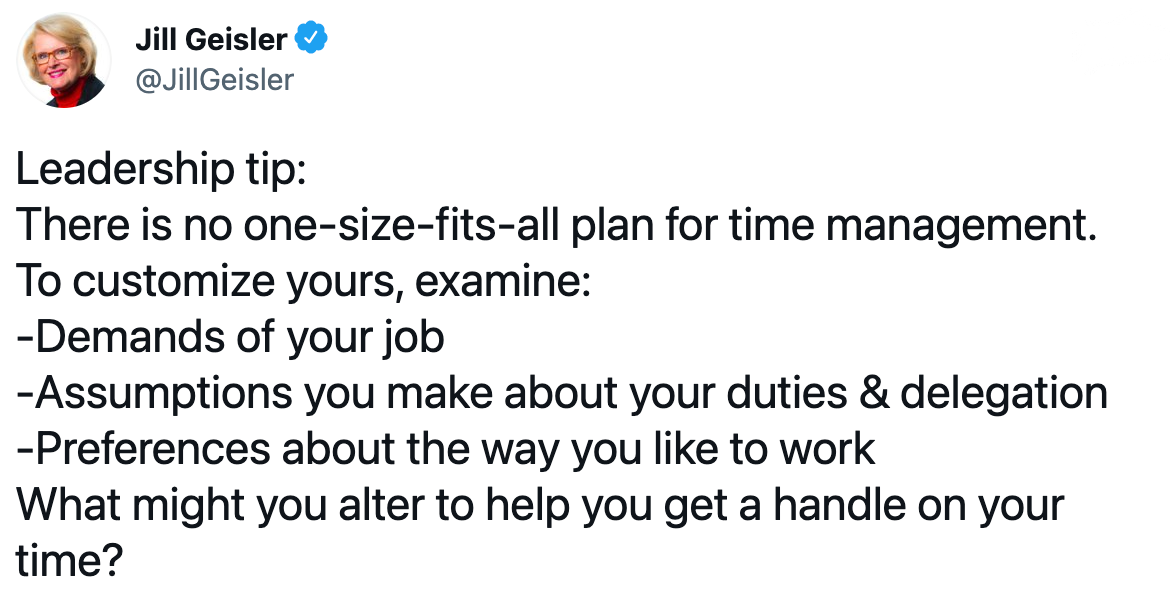
The demands are never-ending in a 24/7 newsroom with more ambition than resources, so how do you manage your time for maximum impact? Consider: What can only you do? Focus on those priorities, and start coaching others so they can learn to master them too. Who is ready for that stretch assignment that helps them grow and lightens your load? Now’s the time to offer it. And if your energy and attention are best when you get started early in the morning, try to avoid extending your workday into late evening, when it will take you longer to get things done. Know your preferences and work with them, not against them.

Advice from Jill Geisler, Bill Plante Chair in Leadership & Media Integrity, Loyola University Chicago, Freedom Forum Fellow in Women’s Leadership

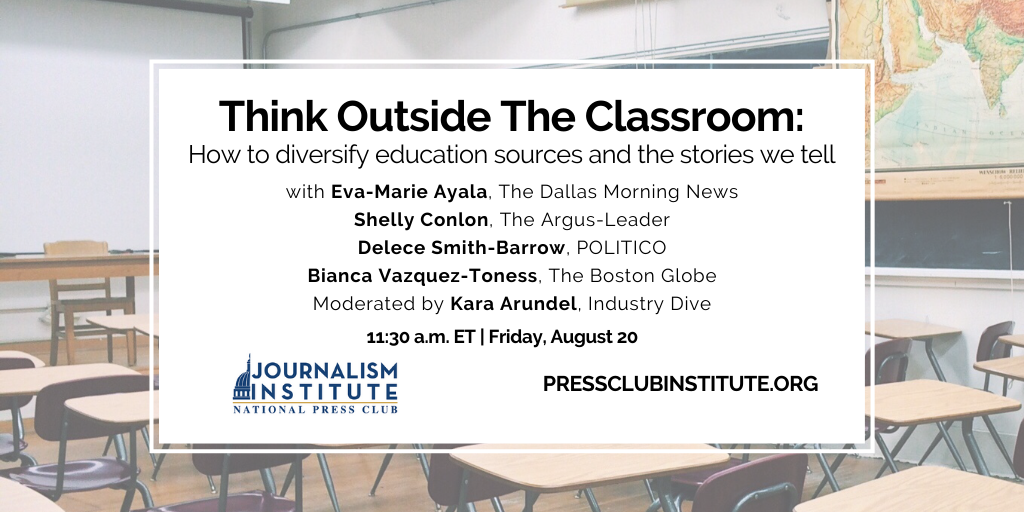
Education reporters have witnessed and documented the pandemic’s enormous effects on students, parents, teachers, administrators, and their communities. With so many voices – and quickly changing policies going into the next academic year – how can an education reporter lift the voices of those most impacted? 

In “Think Outside The Classroom: How to diversify education sources and the stories we tell,” a distinguished panel of veteran education reporters and editors will share their techniques for finding and shaping stories driven by the voices of those underrepresented in education coverage, including families of color, students with disabilities, rural residents, families experiencing homelessness, and others facing circumstances that impact their learning. 

Registration is open for this virtual discussion, which will take place from 11:30 a.m. to 12:30 p.m. ET on Friday, Aug. 20, 2021.

Participants will learn how to: 

  • Move from authority-driven sourcing and framing to community-driven sourcing and framing
  • Avoid tokenism and stereotypes: Listen for and represent the truth between the extremes of success and despair in underrepresented communities
  • Cover dailies and in-depth stories with sensitivity, respect, and completeness

The Institute is offering this program at no cost thanks to a generous grant from the Gannett Foundation.
Resources
This newsletter is written & edited by the National Press Club Journalism Institute staff: Beth Francesco, Holly Butcher Grant and Julie Moos. Send us your questions and suggestions for topics to cover.

Get this from a friend? Subscribe, and view the archives.