|
Dear Clean Coalition friends,
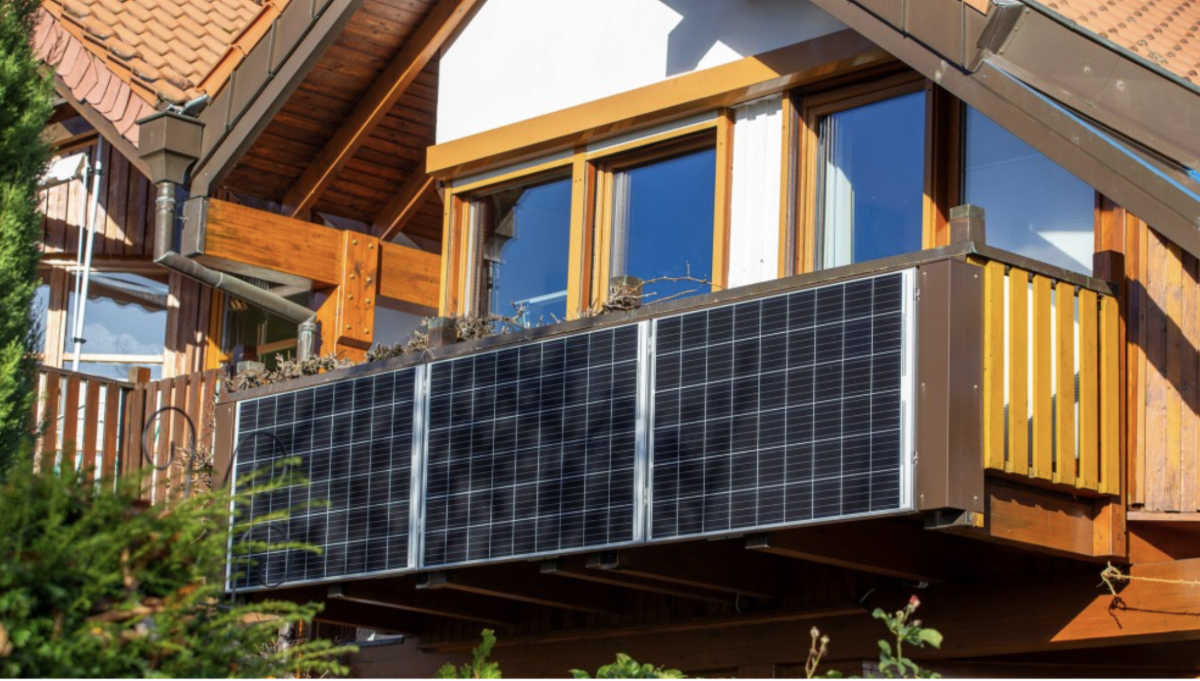
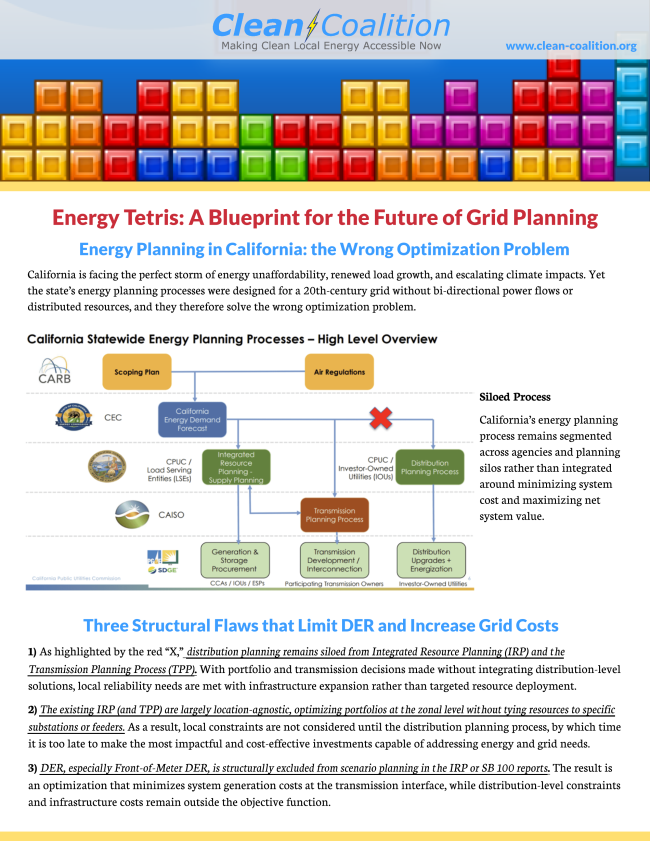
As the first half of 2026 comes to a close, it is striking how many once-separate clean energy policy ideas are beginning to point in the same direction: California’s grid future depends on making local clean energy easier to deploy, fairly compensated, and fully integrated into grid planning. From legislation supporting distributed energy resources (DER), plug-in solar, community solar, front-of-meter storage, and cost-causation-based rates, to local action on solar siting, a clearer vision is taking shape.
For the Clean Coalition, this shift reinforces a long-standing principle: local clean energy is not just a backup plan or a niche resource. Solar, storage, load flexibility, Community Microgrids, and other DER are essential grid assets that can reduce peak demand, lower long-term infrastructure costs, improve resilience, and expand access to clean energy. Realizing that value requires rules and markets that recognize the services that these resources can provide—and utility planning that looks beyond costly centralized infrastructure and remote generation as the default solution.
This quarter’s work reflects that broader transition from isolated clean energy policies toward a more integrated framework for the grid. Whether advancing DER legislation, expanding access to plug-in solar, improving local solar siting rules, supporting microgrid deployment, or engaging in electrification and resilience conversations, the throughline is the same: California’s clean energy future must be built from the distribution grid up, with communities empowered to help solve the reliability, affordability, and resilience challenges ahead.
See some of the work Clean Coalition is doing below and feel free to reach out with any opportunities to collaborate.
Power on!
Craig Lewis
Founder & Executive Director
Clean Coalition
|