SciStarter Newsletter - June 6, 2024 | |
|
It’s the season for emergences, whether you’re a dragonfly, firefly, periodical cicada or fly fishing enthusiast. The warm weather brings a variety of opportunities, some of them fleeting, to get outdoors and experience and document the wonders of nature. In the process, you'll help many researchers better understand and preserve these wonders!
Cheers!
The SciStarter Team
| | | |
Credit: ksblack99, public domain | |
|
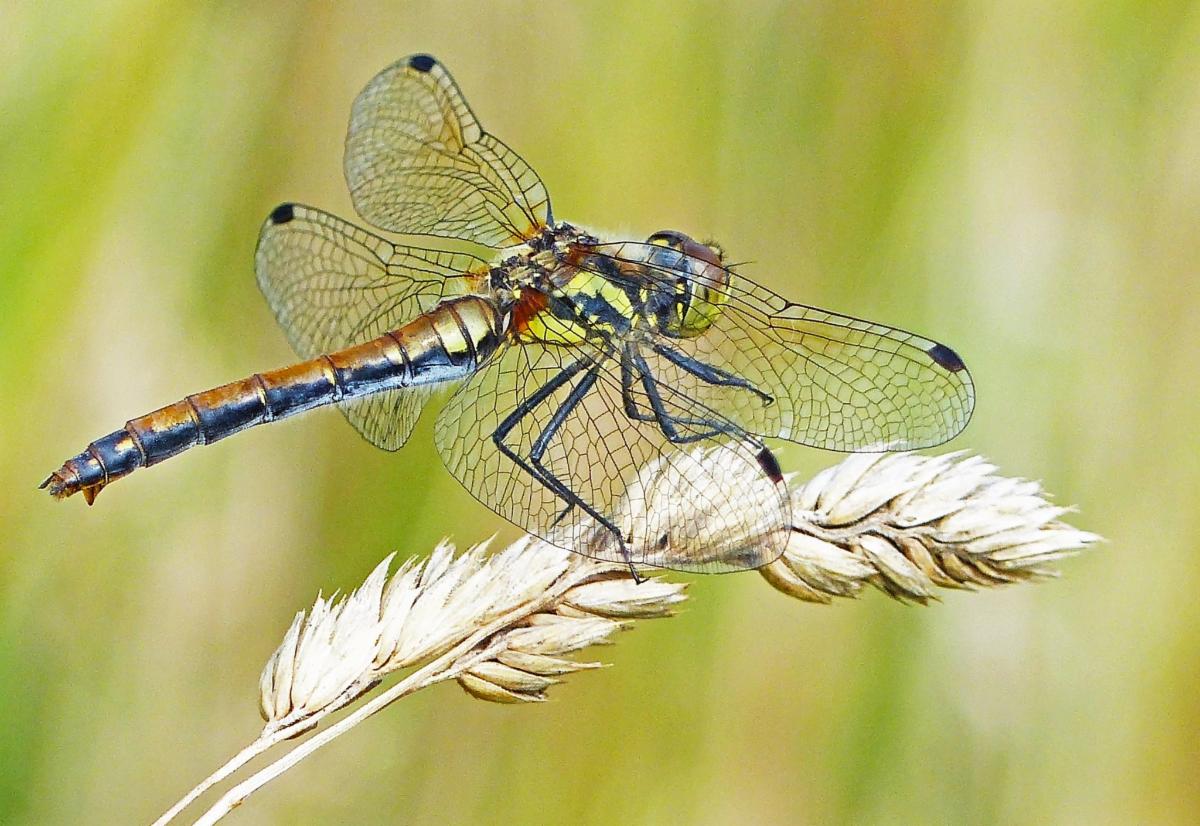
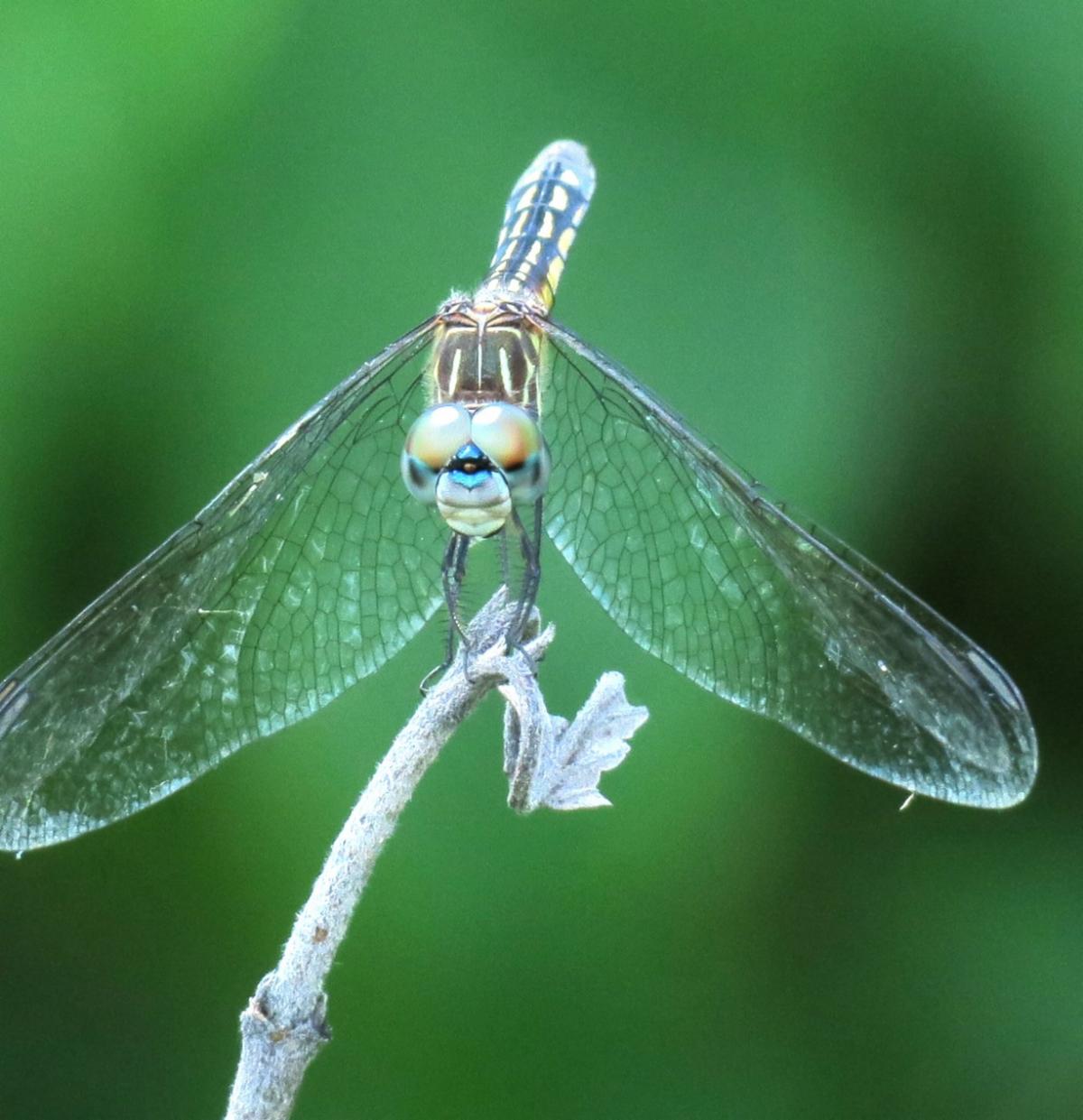
Dragonflies rarely pass up an opportunity to party, so there’s a good chance you’ll see them out munching mosquitoes and sipping dew drops on National Dragonfly Day, June 8th! Also, they are not known for moderation, and will likely continue to congregate throughout the summer. So participate in the Dragonfly Swarm Project and report swarming activity so researchers can learn more about dragonflies' behaviors and distribution.
Location: Global
| | | |
|
Credit: Terry Priest, https://flic.kr/p/VEZyp5
CC BY-SA 2.0 DEED
| |
|
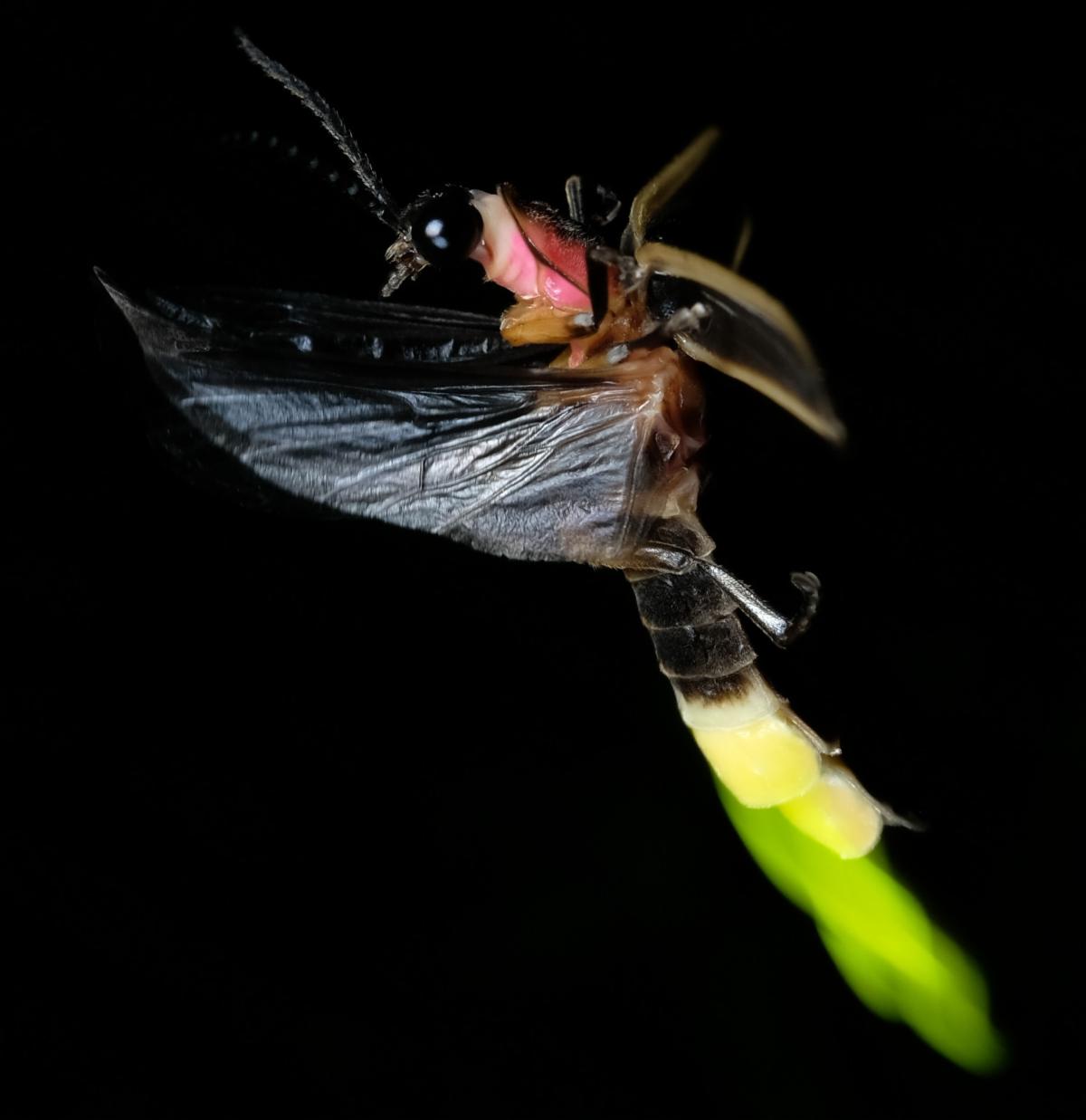
For a male firefly, attempting to mate with the wrong species is unproductive as well as embarrassing. That’s why each type of firefly has its own unique flash color and/or pattern. These unique colors and patterns are flickering out in many places, due to habitat loss and climate change. If you’re lucky enough to live in firefly habitat, consider joining Firefly Atlas! Submit your firefly observations to help project scientists monitor populations of these extraordinary insects.
Location: North America
| | | |
|
|
|
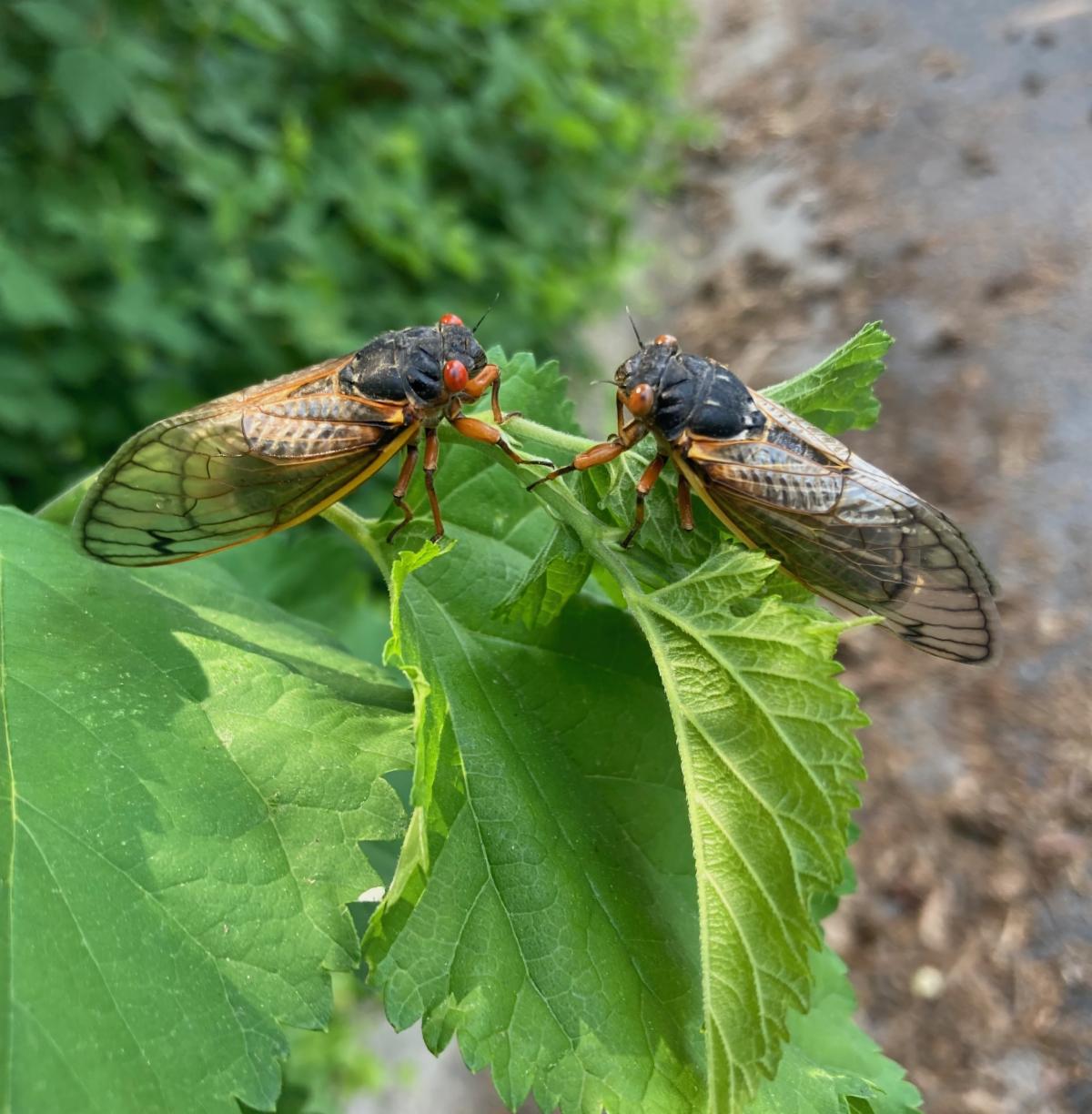
There are over 3000 species of cicadas in the world, but only the seven in the genus Magicicada are “periodical.” That means they live underground for either 13 or 17 years before emerging in swarms so enormous and noisy that they overwhelm predators, as well as many people and their befuddled pets. This year, two broods are emerging, one centered in northern Illinois and the other across a large, adjacent swath stretching down to Alabama and Georgia. Join Cicada Safari to report on this rare double emergence!
Location: Central and SE United States
| | | |
Credit: Papa Pic, public domain | |
|
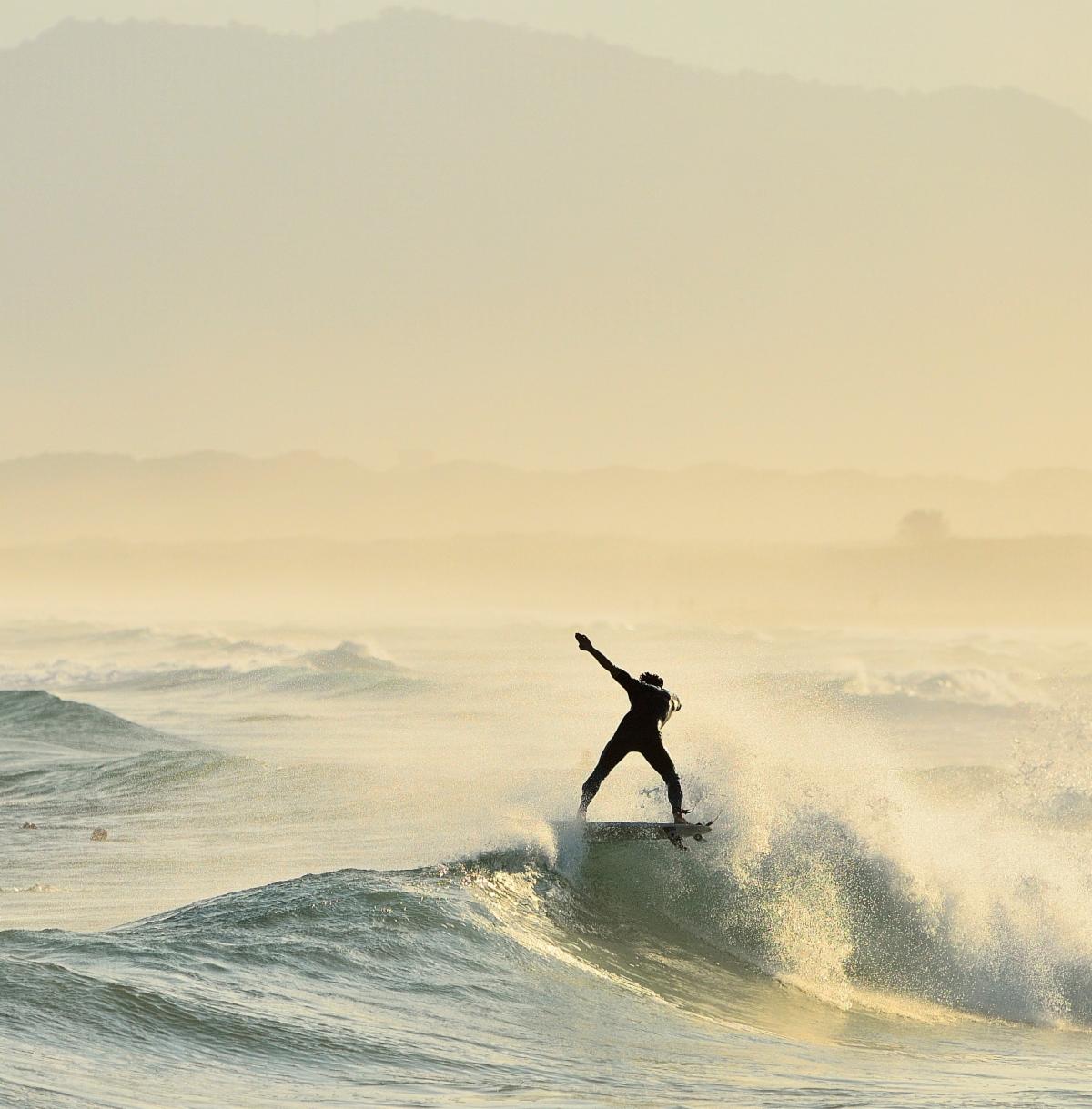
Heading to the beach? Why not download the Save the Waves app before you go, so you can document environmental threats, like marine debris, coastal erosion, sewage runoff and many more. Your data will help partner organizations deal with coastal threats.
Location: Global
| | | |
Credit: ChattOconeeNF, public domain | |
|
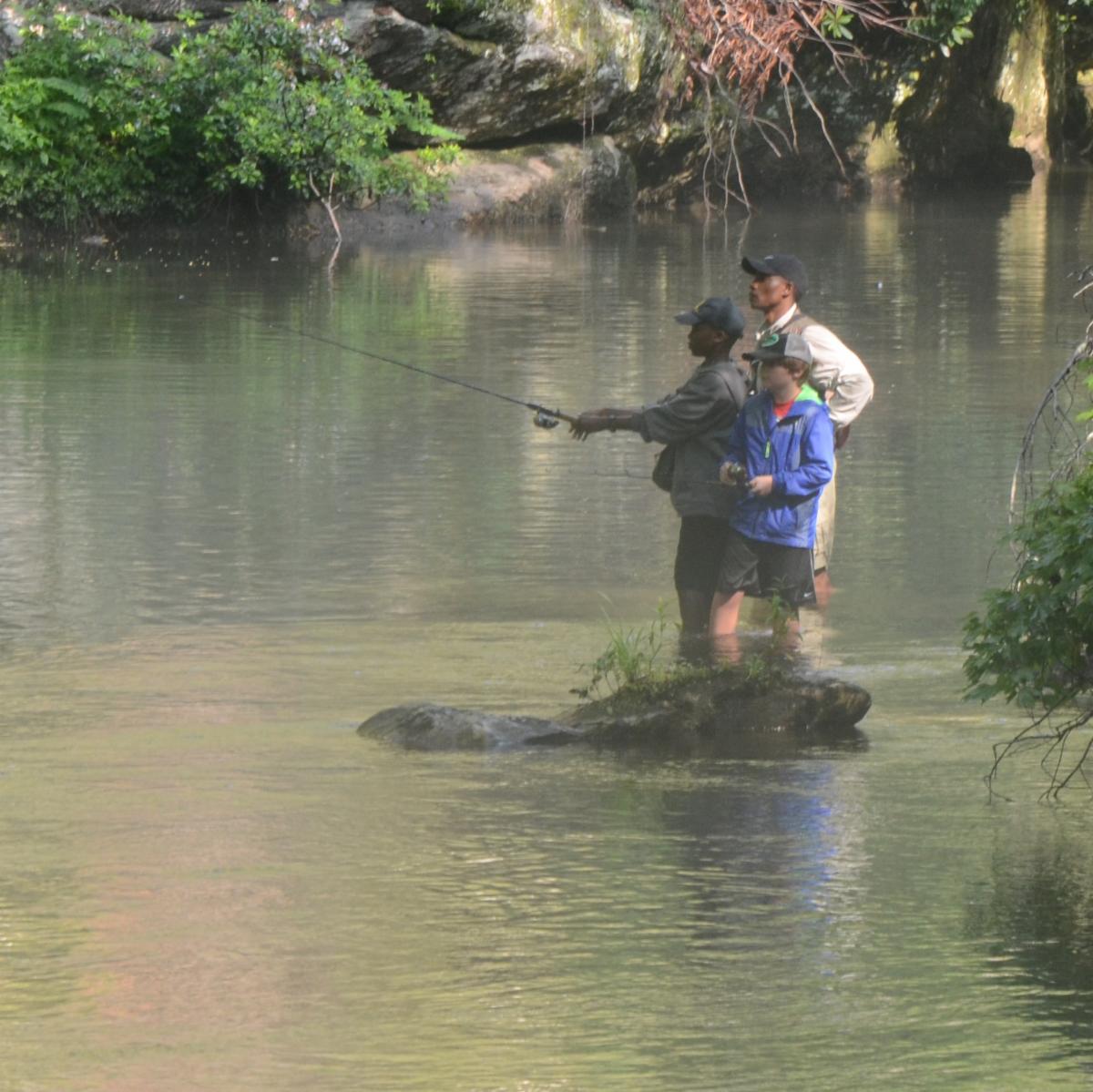
If you love freshwater fishing, consider downloading MyCatch, a mobile app that lets you log the fish you catch in your personal fishing journal and also shares the information to the Angler’s Atlas. That helps conservation biologists monitor and protect fish populations, without revealing your special fishing spots to others.
Location: Canada
| | | |
Credit: Florida Memories, public domain | |
|
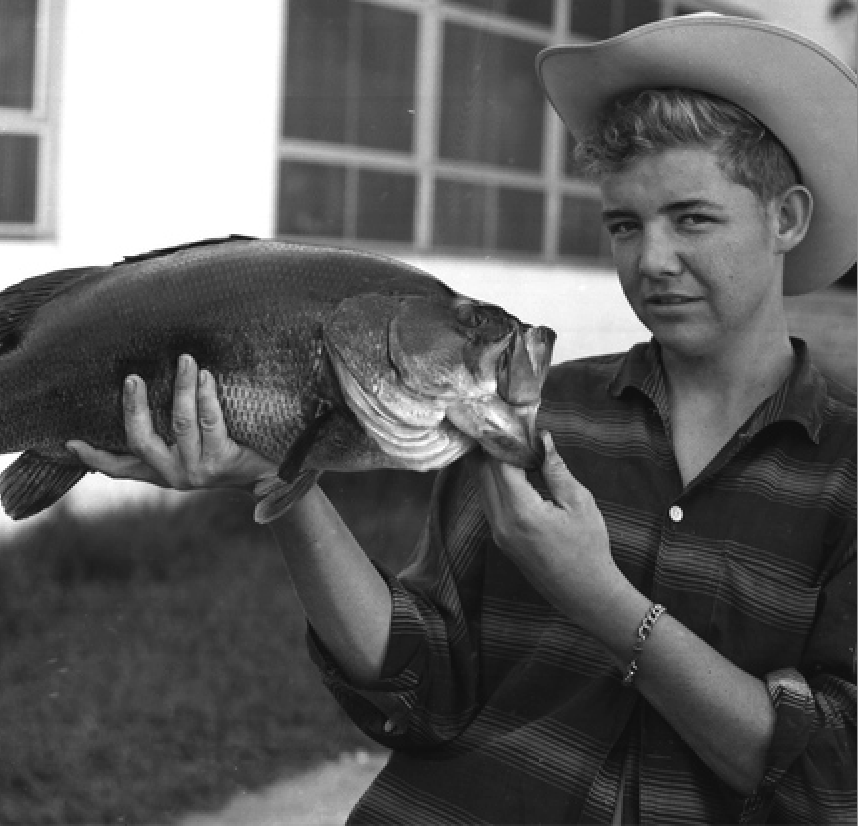
In TrophyCatch, it’s all about the bass! If you fish in Florida waters and catch a bass weighing 8 lbs or more, send photos and other documentation to the Florida Fish and Wildlife Commission (FWC). You’ll be eligible for prizes and, even better, you’ll help Florida FWC biologists manage bass fisheries.
Location: Florida
| | | | |
|
|
SciStarter LIVE!
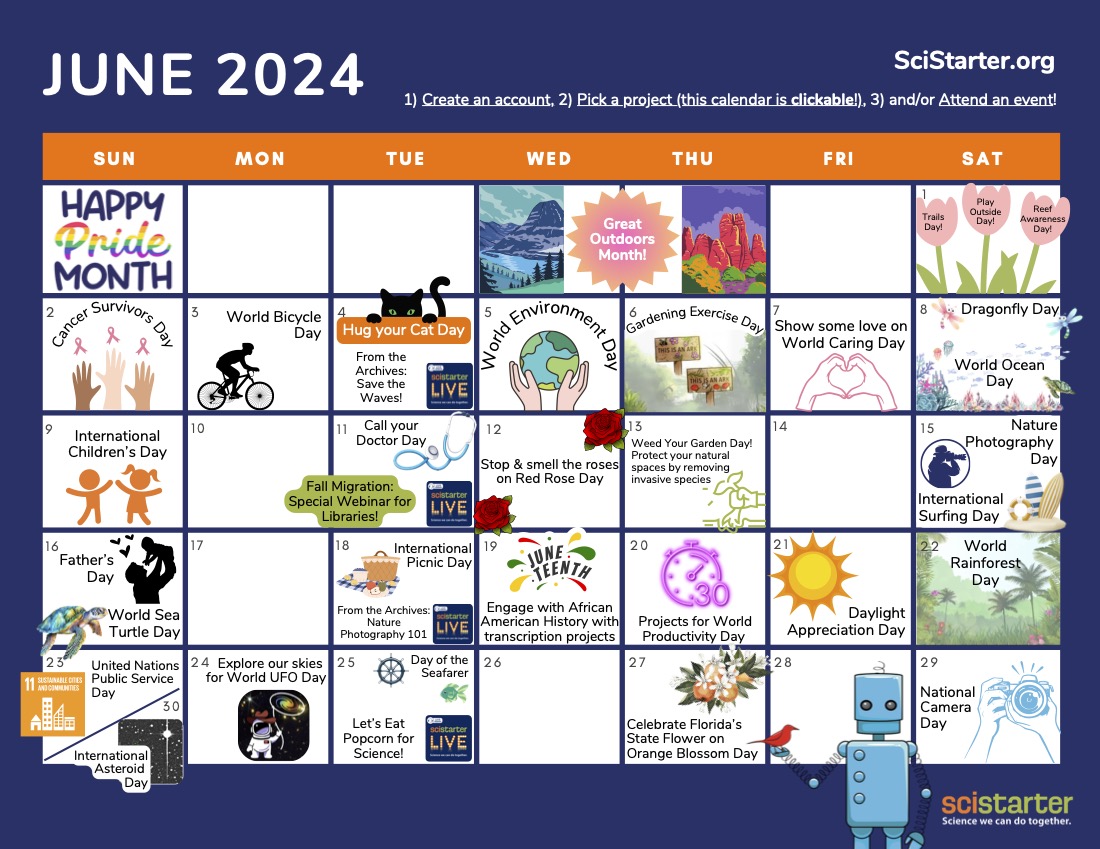
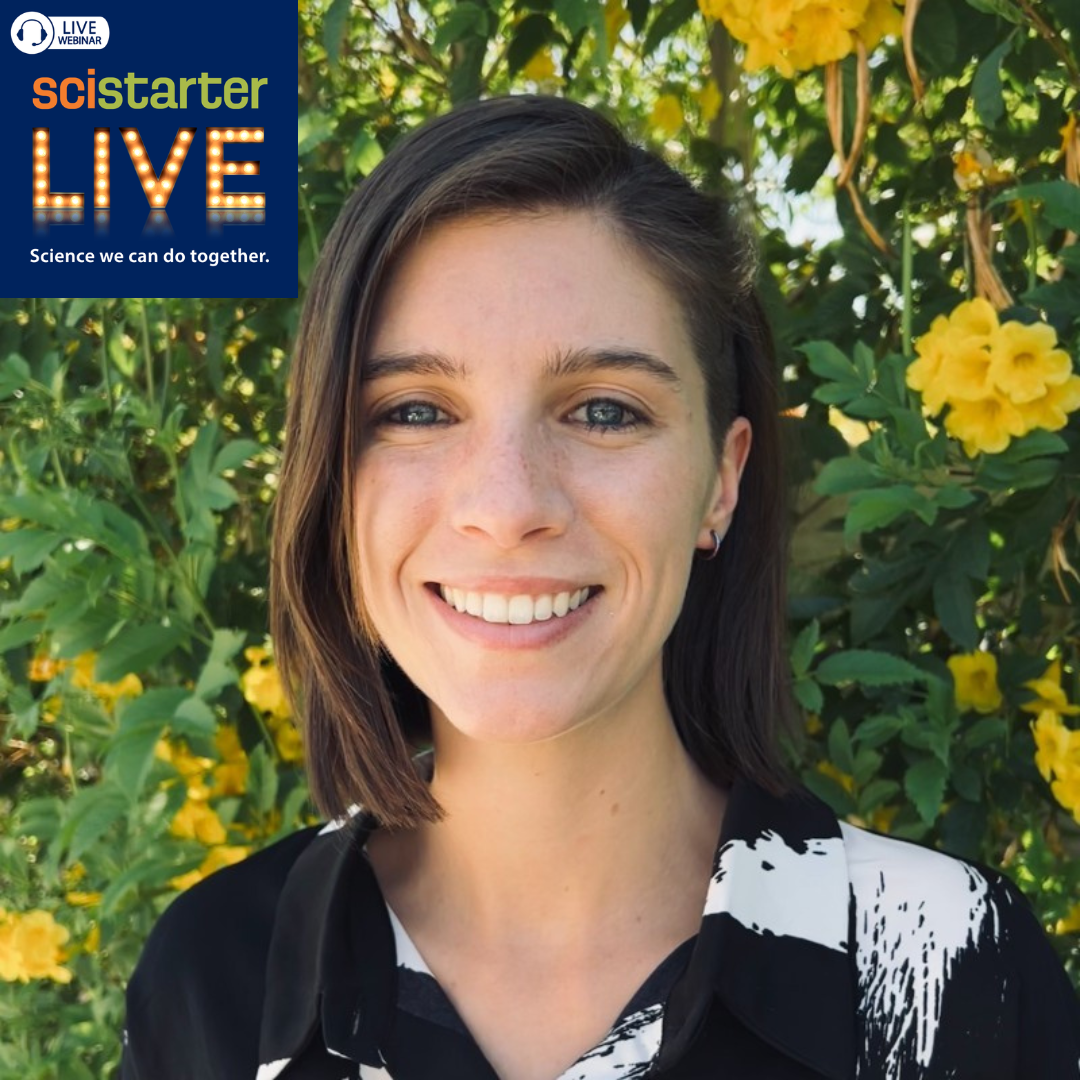
Join Emma Giles and the SciStarter team Tuesdays from 2-3 PM ET, to meet inspiring project leaders, gain valuable tips for participating in citizen science projects, and discover the incredible impact your contributions can make. Join the action via Zoom or catch the live stream on SciStarter’s Facebook page page.
| |
|
June 11th – (For Libraries, but all are welcome!) Prepare for Fall Bird Migrations! Mini Grants Available for Libraries! HHMI Tangled Bank Studios & SciStarter invite you to join a webinar on citizen science ahead of the fall migration. Learn how to monitor bird populations, screen “Flyways” in your community, and apply for mini grants for bird-related citizen science programs at libraries. Register: https://SciStarter.org/go/LIVE
June 18th – From the LIVE Archive: Here’s how to take great photos with your phone that can be used for science! June is full of photography and nature days, from Nature Photography Day on June 15th to World Rainforest Day on June 22nd to Camera Day on June 28th. This week, we want to remind you of how to make the most of these photo ops, even if you only have a smartphone. Watch: https://scistarter.org/go/photography101
June 25th – “Eat Popcorn for Science,” the Omentum Project’s research study aimed at Improving the Quality of Life for Cancer Survivors! Led by cancer survivors and citizen scientists and an IRB-approved study, join us to learn about “Eating Popcorn for Science!” Register: https://SciStarter.org/go/LIVE
| | | | |