REMINDER: YOUR SUBMISSIONS ARE ENCOURAGED AND WELCOMED | |
|
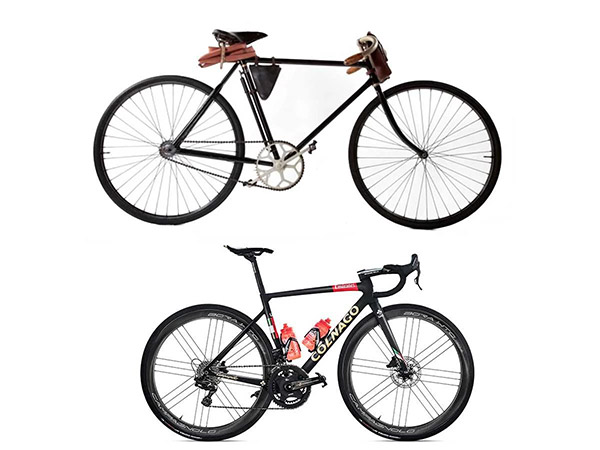
1. We are currently midway through the 111th edition of the Tour de France, the oldest and most prestigious Grand Tour in professional cycling. We start this week by looking at how the bikes of the Tour have changed since the first edition in 1903.
2. Next we have some advice on taking wildlife photography from National Geographic wildlife photographer Jasper Doest.
3. I have a new Quotes section, this first installment contains quotes about the benefits and drawbacks of stubbornness.
4. In Reaching High, we have a preview of the new Netflix documentary about an amazing woman, Lhakpa Sherpa, the Mountain Queen.
5. Mountaineer and adventure photographer Cory Richards has published a new book where he shares the mental health highs and lows, he has grappled with throughout his successful career in our Book Corner.
6. Alexis Nikole is my subject in Big Ideas. She is a young woman who presented on foraging wild edibles at this year’s Aspen Ideas Festival.
7. In Wellness I have some natural statin options to help lower cholesterol without prescription drugs.
8. We have a Pet Wellness entry this week with information on how to check your dog for ticks and recognizing the symptoms of tick-borne diseases.
9. In this week's Pet's Corner we meet Bella, a rescue dog who has found her forever family.
| |
Now, to this week's Flock. | |
1. TOUR DE FRANCE: A History of Tour de France Bikes
| |
In September of 2022 we featured an article on the evolution of the bicycle from the first documented ride in 1817 to the development of the mountain bike in the 1980s that was well received. This week we would like to direct you to a series from the Siroko Cycling Community blog on the history of Tour de France bicycle development. The series covers innovations in cycling technology, geometry, and materials from the first edition of the Tour in 1903 to the current day. | |
Tour de France Bikes History - Part One | |
|
No Brakes and at full Speed
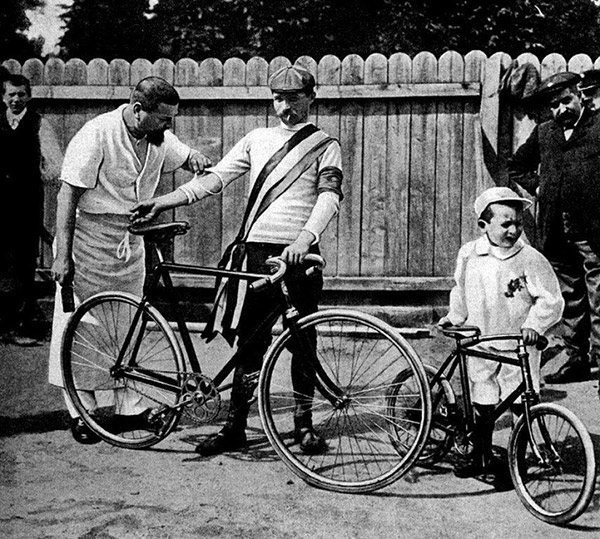
We could say that the first Tour de France winning bicycle in 1903 was half-fixie half-gravel. A steel bicycle, with fixed gear, wooden rims, 32-38 mm wide tires, leather saddle and a handlebar that resembles some current gravel models. The key important thing to keep in mind was that when riding fixed gear, you could not coast unless you took your feet off the pedals and that the only way to brake was by applying back pressure to the pedals to slow down the bike.
| |
|
It's Time to Switch
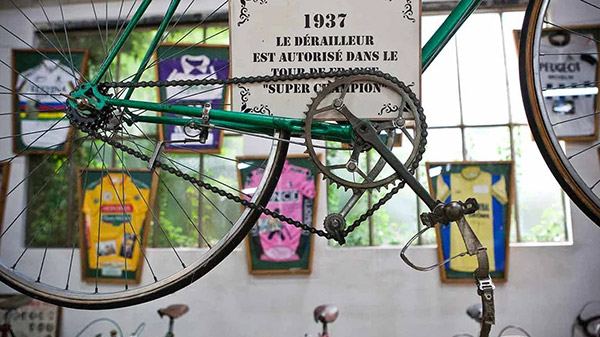
Remarkably, although bicycle dérailleurs had been around since before the first Tour, it was not until 1937 that the Tour director allowed them to be used by all riders in the race.
| |
|
In 1937 the final change took place and all riders were allowed to use only one model of dérailleur : the Super Champion from the Swiss rider and manufacturer Oscar Egg. Who knows if there was an agreement, contract and commission deal between organizers and manufacturer, but the fact is that the 1937 winner (Roger Lapébie) and 1939 winner (Sylvere Maes) used this derailleur and the sales of the Super Champion skyrocketed.
It was a game changer at the time. Not only because it had 3 or 4 gears, but also because you could change gears without having to stop, remove/reattach the wheel and adjust the chain tension.
| |
Have a look at our Osgear Super Champion which stems from 1936 | |
2. PHOTOGRAPHY: Wildlife Photography Tips
| |
photo: Jasper Doest, National Geographic | |
How to Take Wildlife Photos Like a Pro | |
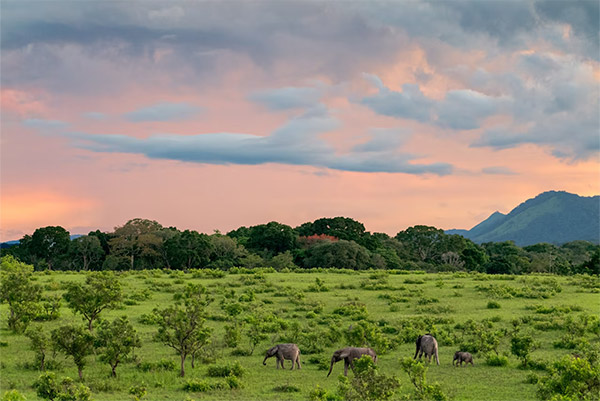
With the right research and enough patience, anyone can get an extaordinary photo of animal life. These are Jasper Doest's tips gleaned from decades as a wildlife photographer. | |
|
My love for wildlife comes from my parents, who raised me to love and respect the natural world. Being a shy teenager, I felt like nature was a place I belonged. Now, I’ve been taking pictures for 39 years. Documenting nature came naturally to me—we're all part of it. You don't need to ask permission to be there: You only need to behave like a guest and you’ll be accepted. Some of my favorite wildlife projects feature everyday subjects that may be taken for granted.
Here are my tips for great wildlife photography.
Start at home
Whether your goal is to become a professional photographer, to photograph a rare animal, or to simply improve your technique, look first to your backyard. Pigeons, squirrels, and deer are all wildlife—and most times, a surprising and unique image of an “ordinary” animal is better than a mediocre image of a rarer one. You want to find an animal’s habitat that you can visit again and again—the more opportunities you give yourself, the better chance you’ll have at getting a photograph you’re proud of.
Do your homework and be patient
Before you shoot, come prepared. First, find out what species are common in the area. It can help to scout a local park or even around your block. While scouting, use apps like iNaturalist and Merlin Bird ID to identify and familiarize yourself with local species.
Go the extra mile
When using a smartphone, a surprising detail people tend to forget is cleaning the lens. Carry some lens wipes with you, or use a cotton shirt.
Ditch digital zoom, and get yourself physically closer to your subject. Get on the ground or up high to be on their level, which will create a more intimate image. You're not going to achieve an amazing image by keeping your clothes clean: You may have to crawl in the mud to get the shot—worry about laundry later.
| |
I'm a born and bred New Englander and along with resourcefulness, self-reliance, sterness, and dedication, stubborness is a Yankee trait. Recently, I came across this list of quotes about the benefits and drawbacks of stubborness. I am sharing a select few here. | |
13 Quotes Every Stubborn Person Needs To Read | |
|
Stubbornness is one of those qualities that can be interpreted as either a virtue or a shortcoming, depending on its motivations and our personal perspective. Without a certain degree of willfulness, many of history’s most memorable names would have given up the first time someone expressed doubt in their dreams or ideas.
So obstinacy has its merits, to be sure. But on the other hand, being stubborn can stunt our personal growth when we use it to shut our minds to other suggestions and possibilities. This is the type of stubbornness that’s often associated with pride, another potential character flaw.
| |
|
I like to say I’m determined; some people would just call it stubborn. It depends on your perspective.
— Peggy Whitson
| |
|
I have never had to face anything that could overwhelm the naive optimism and stubborn perseverance I was blessed with.
— Sonia Sotomayor
| |
|
There’s none so blind … as those who will not listen.
— Neil Gaiman
| |
|
It gives me great pleasure, indeed, to see the stubbornness of an incorrigible nonconformist warmly acclaimed.
— Albert Einstein
| |
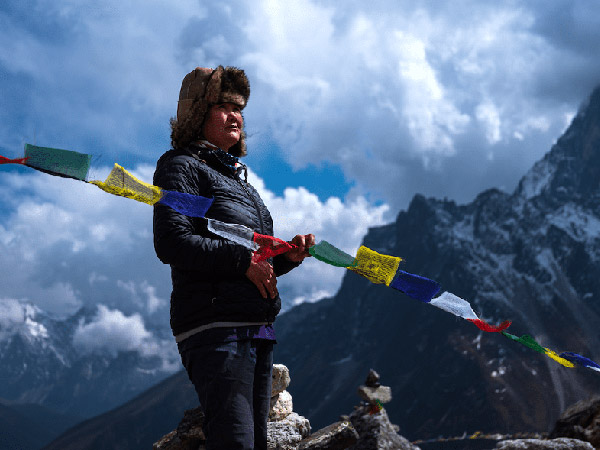
4. REACHING HIGH: The Mountain Queen | |
Lhakpa Sherpa is an elite mountaineer, a survivor, and above all else, a good mom. Netflix is giving this legend her due with a new documentary on her accomplishments. She is the Mountain Queen. | |
Climber Lhakpa Sherpa is the Mountain Queen | |
A must-watch new documentary just dropped on Netflix, check out the trailer below | |
|
She’s the greatest Everest climber you’ve never heard of. Mountain Queen: The Summits of Lhakpa Sherpa tracks Lhakpa Sherpa’s storied mountaineering career against her record-breaking 10th summit to reveal a rich personal history.
The documentary features Lhakpa’s life from her childhood as a girl denied an education in rural Nepal, to her experience as an immigrant in America and survivor of intimate partner violence, to her fight to live as a fearless example to her teenage daughters.
Through it all, Lhakpa climbs – her incredible strength and resilience inspired by her own mother goddess of the universe – Chomolungma, Mount Everest.
| |
Mountain Queen: The Summits of Lhakpa Sherpa | Official Trailer | Netflix | |
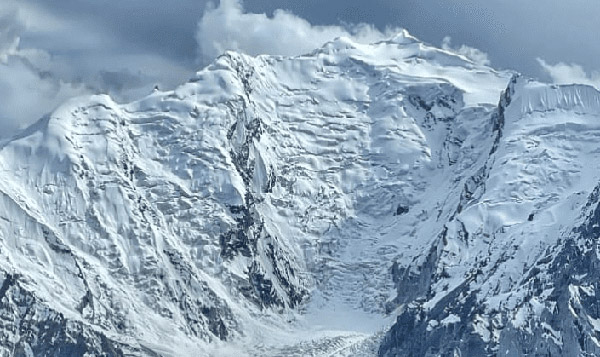
They didn't make it to the top on their first three tries, but a Czech team of climbers persevered and finally reached the summit of the previously unclimbed Muchu Chhish in northern Pakistan. | |
One of World’s Tallest Unclimbed Mountains Is Climbed | |
A Czech team took six days to climb Muchu Chhish, the highest unclimbed peak in the world. | |
|
A team of Czech climbers have summited Muchu Chhish (7,453 m), one of the highest unclimbed peaks in the world, located in the Batura Muztagh range of northern Pakistan. It was the tallest unclimbed mountain in the Karakoram.
ExplorersWeb reported that the climbers who summited were Zdenek Hak, Radoslav Groh and Jaroslav Bansky, and that the ascent took six days. “We started on July 1 after the acclimatization,” Hak told ExplorerWeb. “We climbed via the south ridge to the main ridge, and then we continued westward to the summit. We stood on top on July 5 at 10:20 am and took one more day for the descent. [We] finally re-entered Base Camp on July 6 at 6 pm.”
This is the fourth year in a row that Czech climbers have tried Muchu Chhish, with last year’s attempt ending 250 metres below the summit. “We climbed some 8-10 hours a day and made four bivouacs,” Hak said. “The total length of the route from Base Camp was 20km and 3,687 vertical meters. The length from Camp 1 to the top was 14.29km, and altitude gain was 2,300m.”
| |
5. BOOK CORNER: A Climber's Journey to Mental Health
| |
Only after summiting Everest without oxygen could this climber open Up about mental health | |
The Color of Everything:
A Journey to Quiet the Chaos Within | |
The Color of Everything is a thrilling tale of risk and adventure, written by a man who has done it all: He’s stood at the top of the world, climbed imposing mountain faces alone in the dark, and become the only American to summit an 8,000-meter peak in winter. But it is also the story of a tumultuous life—a stirring, lyrical memoir that captures the profound musings of an unquiet mind grappling with the meaning of success, the cost of fame and addiction, and whether it is possible to outrun your demons. With exquisite prose and disarming candor, accompanied by stunning photos from his career, Richards excavates the roots of his trauma and shares what it took for him to climb out of it. | |
6. BIG IDEAS: Aspen Ideas Festival Highlight
| |
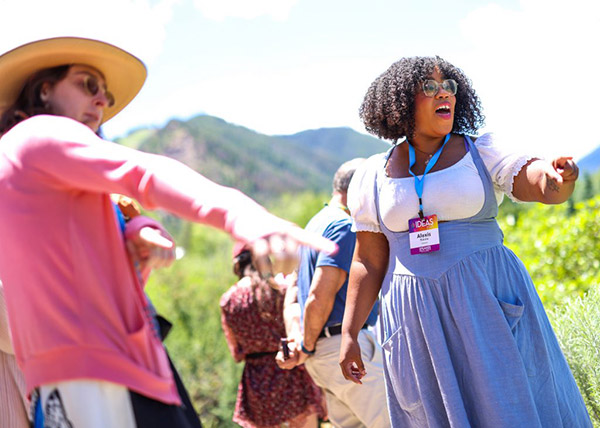
By chance this last week in Aspen, I ran into this wonderful young woman dressed all in pink, and it turns out she was there to speak about foraging wild edibles at this year's Aspen Ideas Festival. I was immediately both charmed and impressed. | |
Explore wild edibles with Alexis Nikole, aka ‘The Black Forager’ | |
|
Alexis Nikole, aka “The Black Forager,” is on a mission to share her passion for wild edibles found in nature with anyone willing to listen, but especially those who haven’t felt included, welcome, or safe in outside spaces.
Nikole credits her mother, an avid gardener, for fostering her love of plants and the outdoors. She recalled spending a lot of time in the garden as her mother pointed out edible vs. medicinal, vs. poisonous and quizzed her on the different names of. plants and their properties.
It opened up an enchanting world for her.
“When my mom started teaching me about edible weeds, my mind was blown by the stuff that we could eat that was delicious. When I was five, she introduced me to some of my first wild edibles and I felt like it was too good to be true,” she said. “And it just stuck with me. For all of these years, I’ve been squirreling away new food plants every time I learned them and just slowly built up this strange mental Rolodex.”
| |
7. WELLNESS: Natural Statins
| |
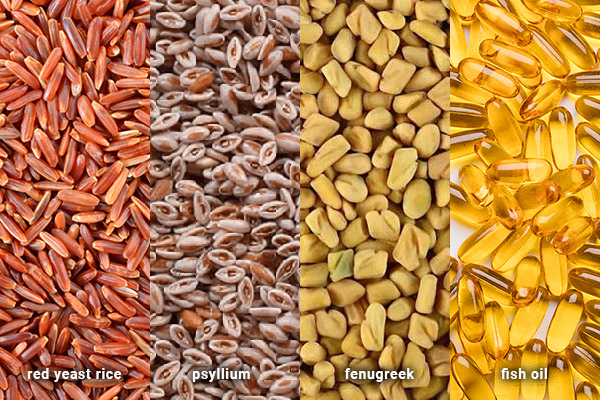
Cholesterol Control: 4 Natural Statins | |
From: Healthline, By: Rena Goldman, April 30, 2019 | |
|
Having high cholesterol puts you at risk for a heart attack or stroke. That’s why it’s important to have your levels checked regularly and to develop a treatment plan with your doctor.
While there are several cholesterol-lowering drugs on the market, there are also natural alternatives. If you’d like to try lowering your cholesterol without medication, talk with your doctor about dietary changes and natural supplements.
The natural options
Natural statins are dietary supplements that are considered helpful in lowering your cholesterol. There’s some evidence that the following are effective when it comes to reducing cholesterol levels.
1. Red yeast rice
Red yeast rice is a product of the yeast that grows on rice. In parts of Asia, it’s a common component of people’s diets. As a supplement, it’s used to treat a variety of medical conditions, including high cholesterol, diarrhea, and heartburn
2. Psyllium
Psyllium is an herb that’s often used to treat constipation because it contains large amounts of fiber. It’s found in products like Metamucil.
The seed and husk are the parts of the plant used for medical purposes. Psyllium is sold in powder form. It can be added to your foods or mixed with water. Daily doses of 10 to 12 grams are recommended for lowering your LDL cholesterol.
3. Fenugreek
Fenugreek is a plant that grows in parts of Europe and western Asia. Its small brown seeds have a long history of being used to help different medical conditions. According to a 2016 studyTrusted Source, there’s some clinical evidence that dietary fenugreek may help lower cholesterol.
4. Fish oil
Fish — like salmon, tuna, sardines, and anchovies — are all rich in omega-3 fatty acids. These can help lower your triglyceride levels and provide protection against heart disease. If you don’t get enough fish in your diet, you can take daily fish oil supplements.
| |
8. PET WELLNESS: Tick Season
| |
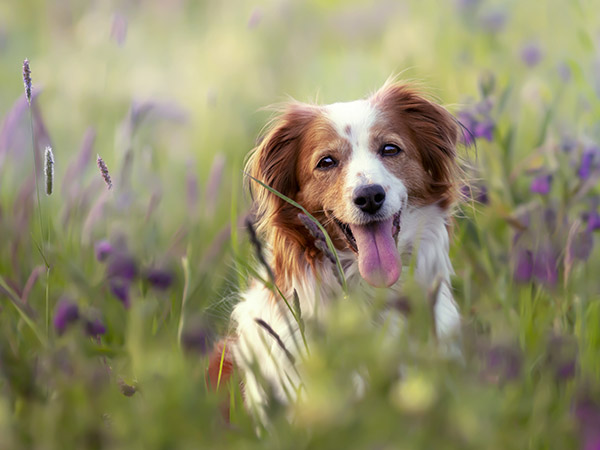
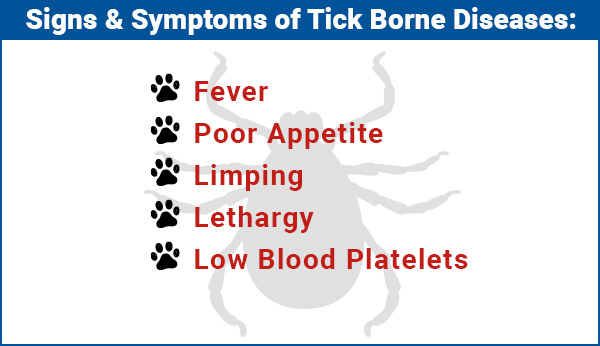
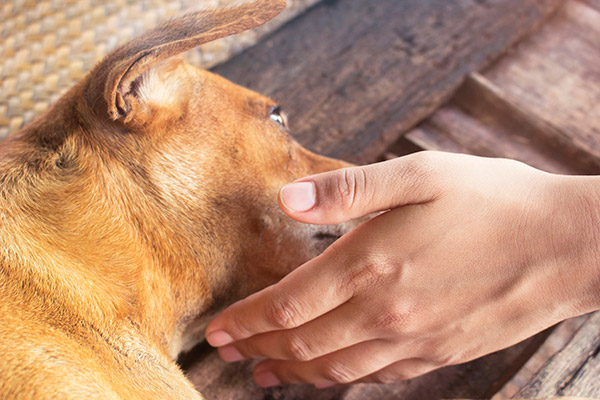
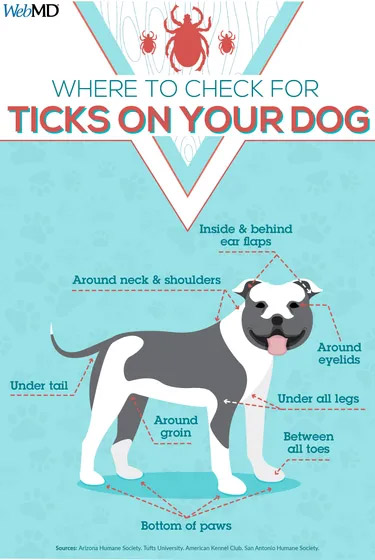
It's the time of year that many of us are getting out with the dogs, heading up into the mountains to get out of the heat, or just letting them cut loose in a field or meadow in the early evening. It’s important to check them for ticks when you get home and to be aware of the signs and behaviors that indicate a tick related infection. | |
Tick-Borne Diseases in Dogs: Symptoms & How to Prevent | |
|
Tick-borne disease is a growing threat to both canine and human health. Ticks are parasites that attach themselves to animals and people, feed on blood, and transmit diseases directly into the host’s system. The disease occurs when an infected tick bites a dog or a human and transmits the disease into the victim’s body.
The geographic distribution of ticks is changing due to climate change, de-foresting, and the changing living and migrating patterns of deer, birds, and rodents. This can vary yearly or even by season. Ticks are in virtually all parts of the United States, including some urban areas, and many parts of the world. They present a danger to both people and pets.
The most important tick-borne diseases that affect dogs are Lyme disease, Ehrlichiosis, Anaplasmosis, Rocky Mountain Spotted Fever, Babesiosis, Bartonellosis, and Hepatozoonosis. All can have serious health consequences for dogs and many can have serious health consequences for people as well.
| |
There is a vaccination for Lyme disease and plenty of other tick preventatives. Though some question its duration and efficacy, the vaccine may reduce the rate and severity of the illness should it appear. Dog owners should speak to their veterinarian to determine if the vaccine is appropriate for their pet. | |
Paw Patrol: How to Find and Remove Ticks | |
From: webMD, By: Camille Noe Pagán, August 11, 2022 | | |
|
|
How to Check Your Dog for Ticks
1. Give them a once-over before you go inside, or just inside the door, to lower the chance that a tick will get into your home.
2. Comb through their fur with your fingers. Press gently so you can feel any bumps on the skin. Ticks can be as small as a pinhead or as big as a grape. Don’t forget to check their feet (including between their toes), inside their ears, and around the face and neck.
3. If you find a bump, part your dog’s fur so you can see their skin. Look for a black, brown, or grayish-brown bug. You might only see the tick’s body, or you might see its legs, too.
How to Remove One
1. You’ll need a pair of latex or rubber gloves, rubbing alcohol, an antibiotic ointment or antiseptic liquid, and a clean pair of tweezers or a tick-removing tool, which you can buy at pet supply stores.
2. Put your gloves on. Find the bug again and part your pooch’s fur so their skin and the tick are exposed.
| |
9. PET'S CORNER: A Rescue Dog Named Bella
| |
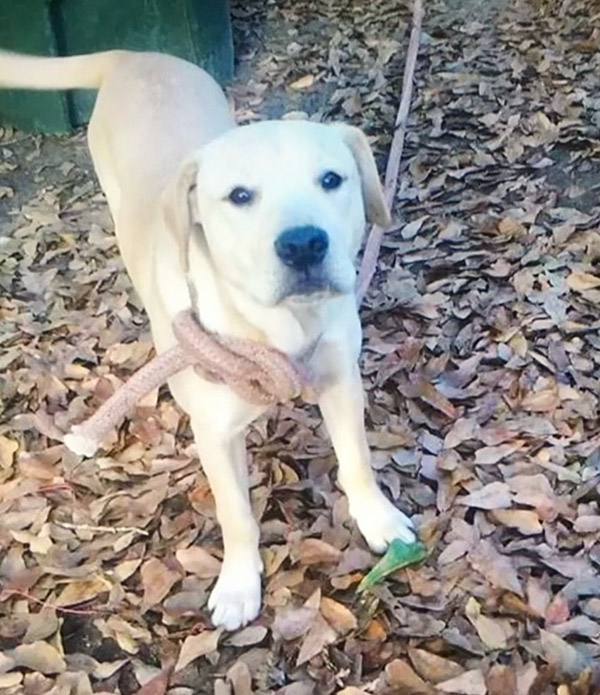
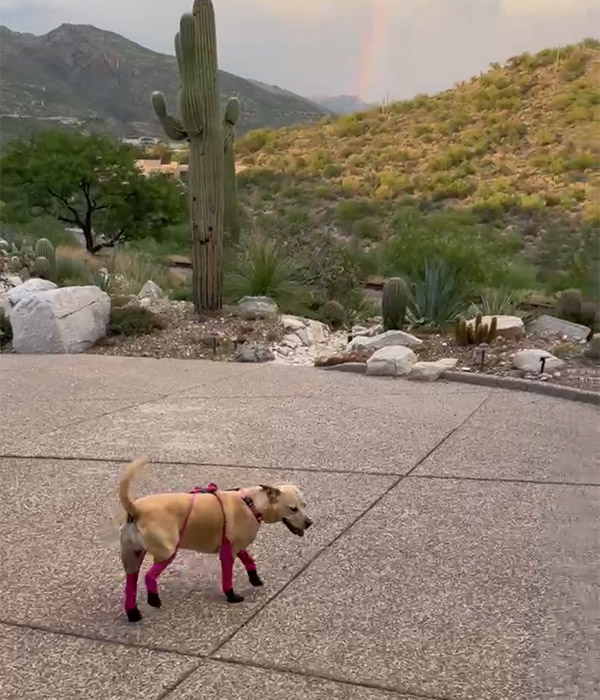
This week, I would like to introduce you to Bella. Bella is an 8-year-old rescue dog who spent the first year of her life tied to a tree with a rope in the back woods of Georgia. Her life has changed dramatically. Now she loves to explore, go for walks, go on hikes, go swimming, and play at the beach. At home, she likes to supervise in the kitchen, watch the monsoon roll in, and meet new people. She's a great dog. | |
Bella is quite the fashionista keeping those paws protected from the hot pavement. | |
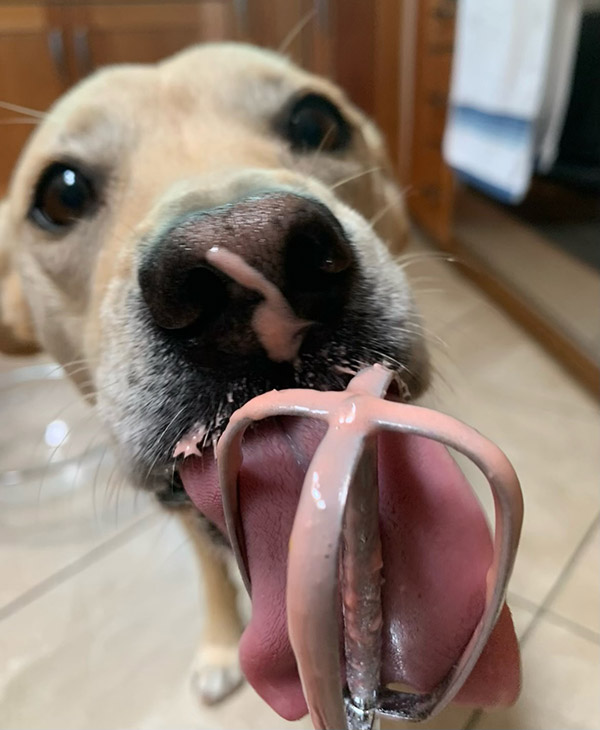
Bella licking the egg beater in the kitchen. | |
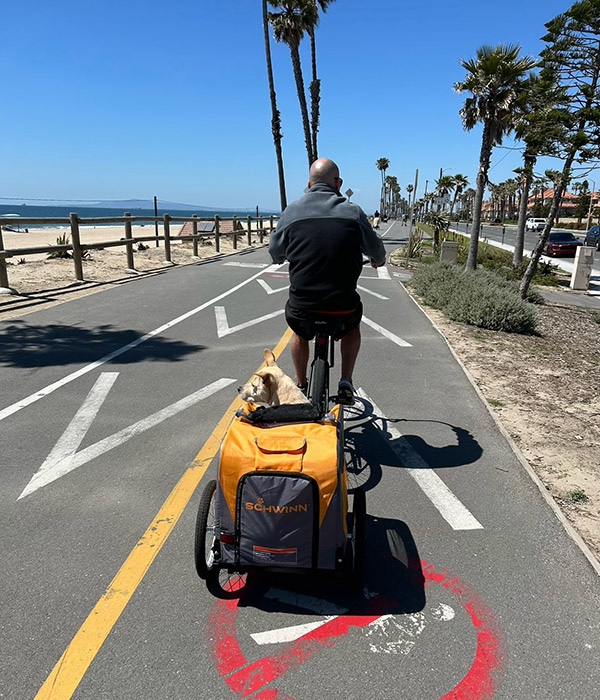
While at the beach, she also loves to ride behind Matt in her bike cart. | |
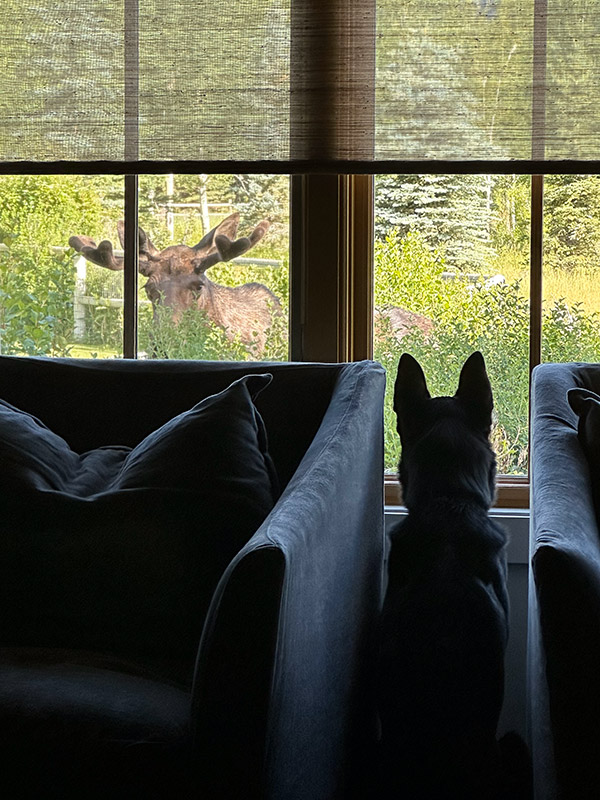
Bella enjoying the home life she pined for in Georgia. | |
These Flock regulars are always here for you: | |
In coming weeks: we'll be sharing more investigative articles from our roving reporter William George, original writing from Flock favorite Dino DeConcini, and an update on the Marolt brothers' coming expedition to Argentina. | |
Don't Be Shy: Share Your Stories! | |
I'm looking forward to sharing more of your personal stories - oral, written, or otherwise, as we enter our third year. I'd so love to present them to The Flock, hit a mailbox below to share your story. | |
Subscriptions & Idea Submissions
Reminder: Your submissions are always welcomed. | |
|
Feel free to forward this email to a friend. If this was forwarded to you and you would like to receive your very own Flock Newsletter, you can sign up here. If you have any questions or suggestions for future Flock resources, don't hesitate to contact me.
Your fan and friend,
Beth
| | |
The information and materials contained or referenced in this newsletter are for informational purposes only and not intended to be a substitute for professional medical advice, diagnosis, or treatment. Always consult a physician or other qualified medical professional with any questions you may have regarding a medical condition or treatment and before beginning a new health care regimen. Do not disregard professional medical advice or delay seeking medical advice or care based on anything contained in this newsletter. | | | | |