|
Dear Colleagues,
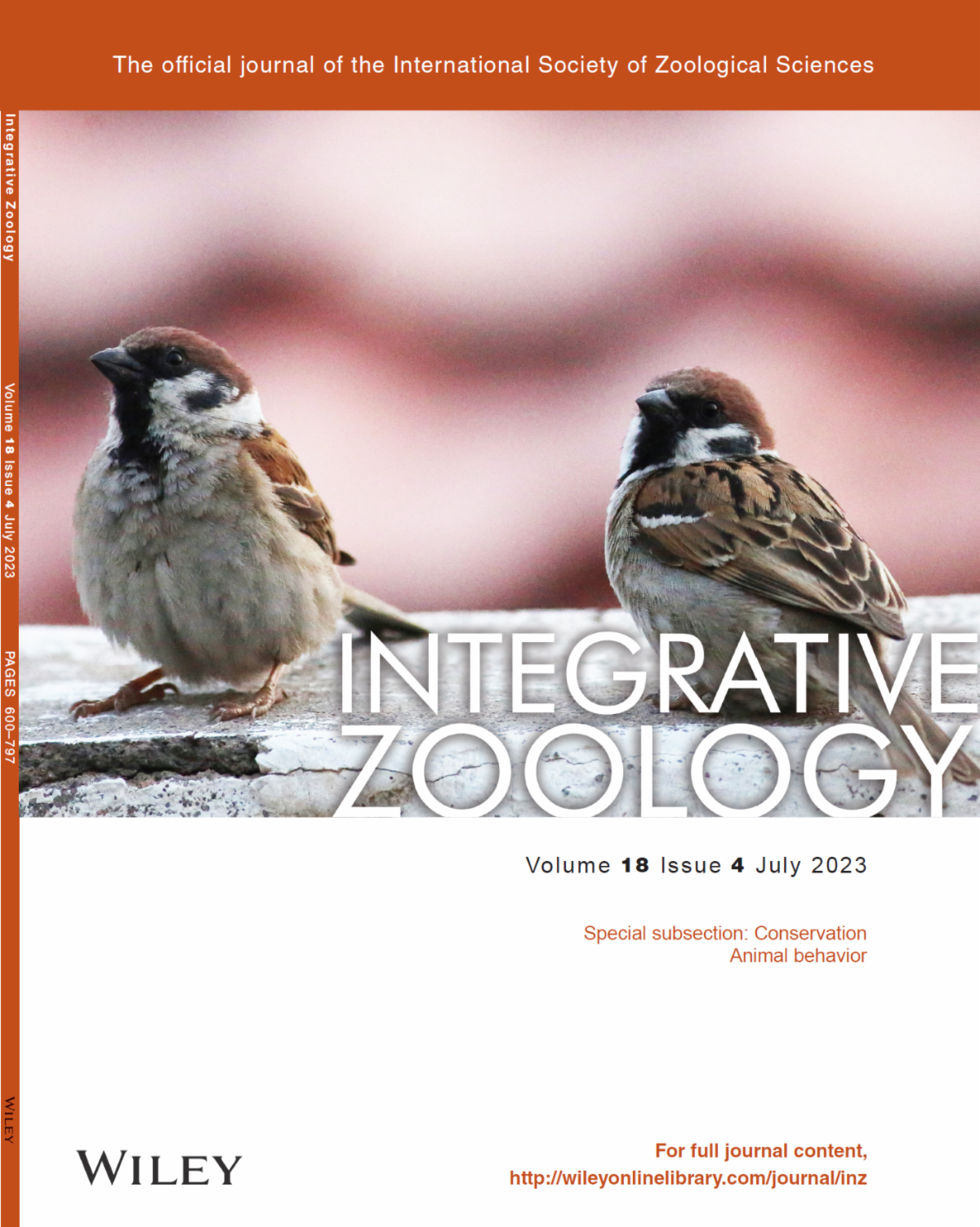
Our summer issue of Integrative Zoology is available ONLINE. Please see the links below to access the issue and individual manuscripts.
Issue 18.4 July 2023
Special subsection: Conservation
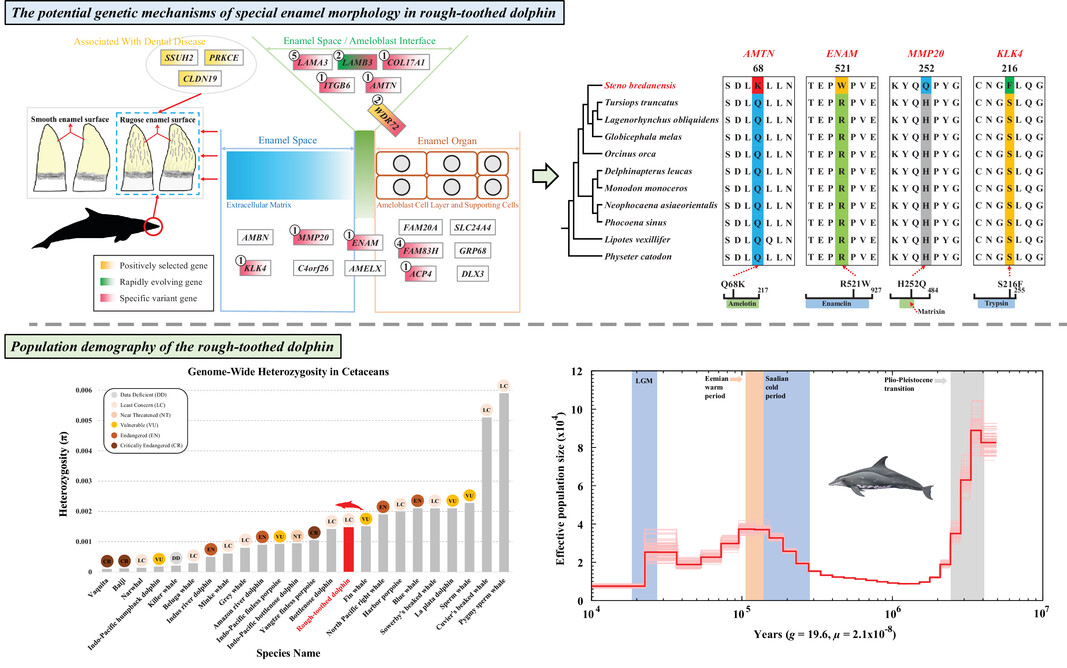
The rough-toothed dolphin genome provides new insights into the genetic mechanism of its rough teeth
Xin HUANG, Huizhong FAN, Wenliang ZHOU, Guang YANG, Fuwen WEI
We assembled a rough-toothed dolphin genome and performed the comparative genomic analysis to reveal the genetic basis of the special enamel. Results showed that genes related to enamel development or dental diseases have undergone diversified adaptive changes that may shape the special enamel morphology of this dolphin species.
Open Access
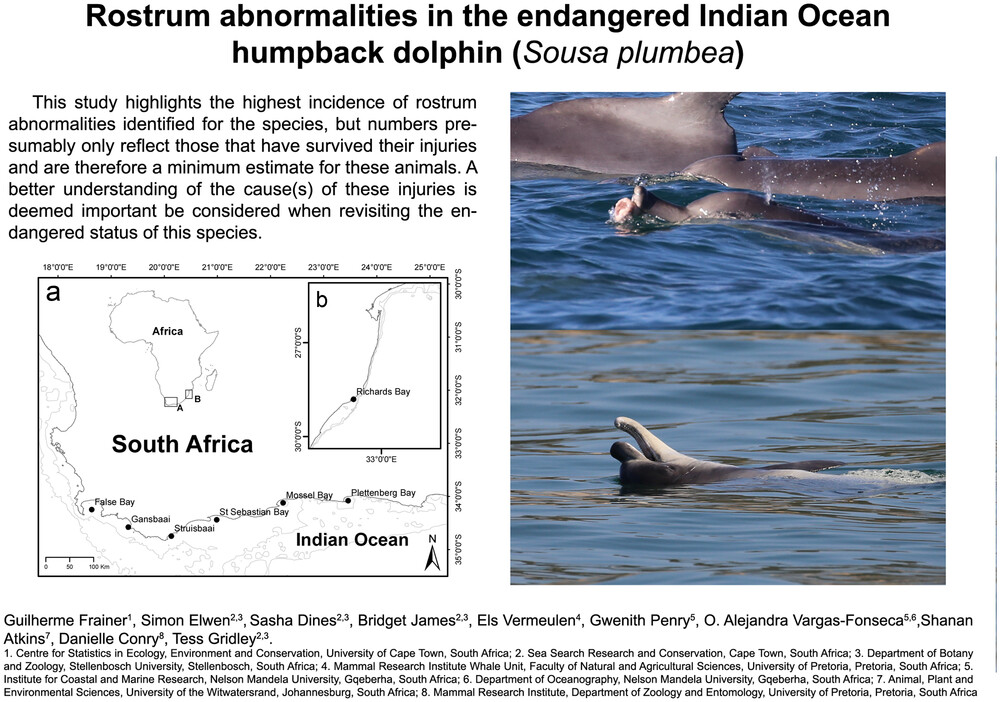
Rostrum abnormalities in the endangered Indian Ocean humpback dolphin (Sousa plumbea) in South Africa
Guilherme FRAINER, Simon ELWEN, Sasha DINES, Bridget JAMES, Els VERMEULEN, Gwenith PENRY, O. Alejandra VARGAS-FONSECA, Shanan ATKINS, Danielle CONRY, Tess GRIDLEY
This study highlights the highest incidence of rostrum abnormalities identified for the species, but numbers presumably only reflect those that have survived their injuries and are, therefore, a minimum estimate for these animals. A better understanding of the cause(s) of these injuries is deemed important to be considered when revisiting the endangered status of this species.
Open Access
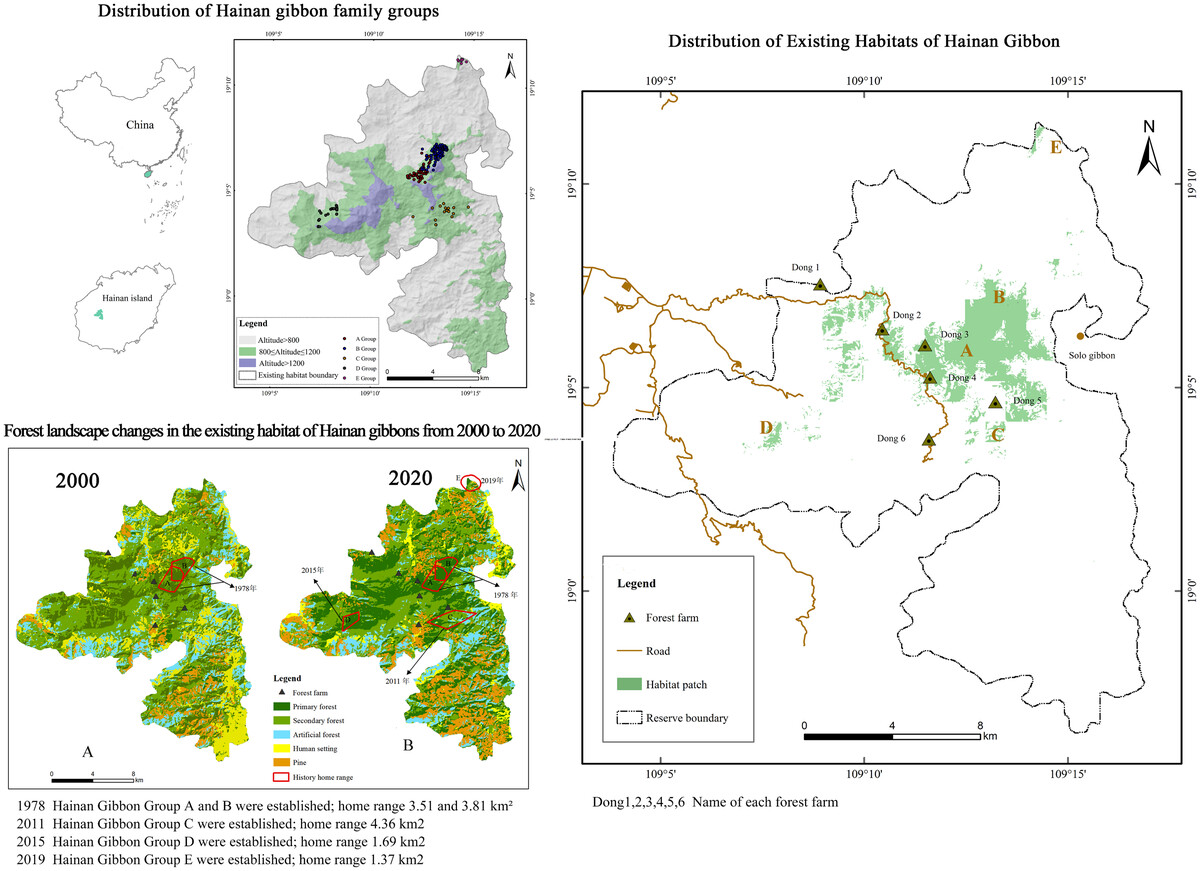
Habitat restoration is the greatest challenge for population recovery of Hainan gibbons (Nomascus hainanus)
Qingqing HE, Shasha YAN, Paul A. GARBER, Baoping REN, Xvming QI, Jiang ZHOU
Our study provides a genetic pattern of the Taihangshan macaque in southern Mt. Taihangshan area. Notably, 3 haplogroups are mainly distributed in Northwest, Central-west, and Southwest areas, respectively.
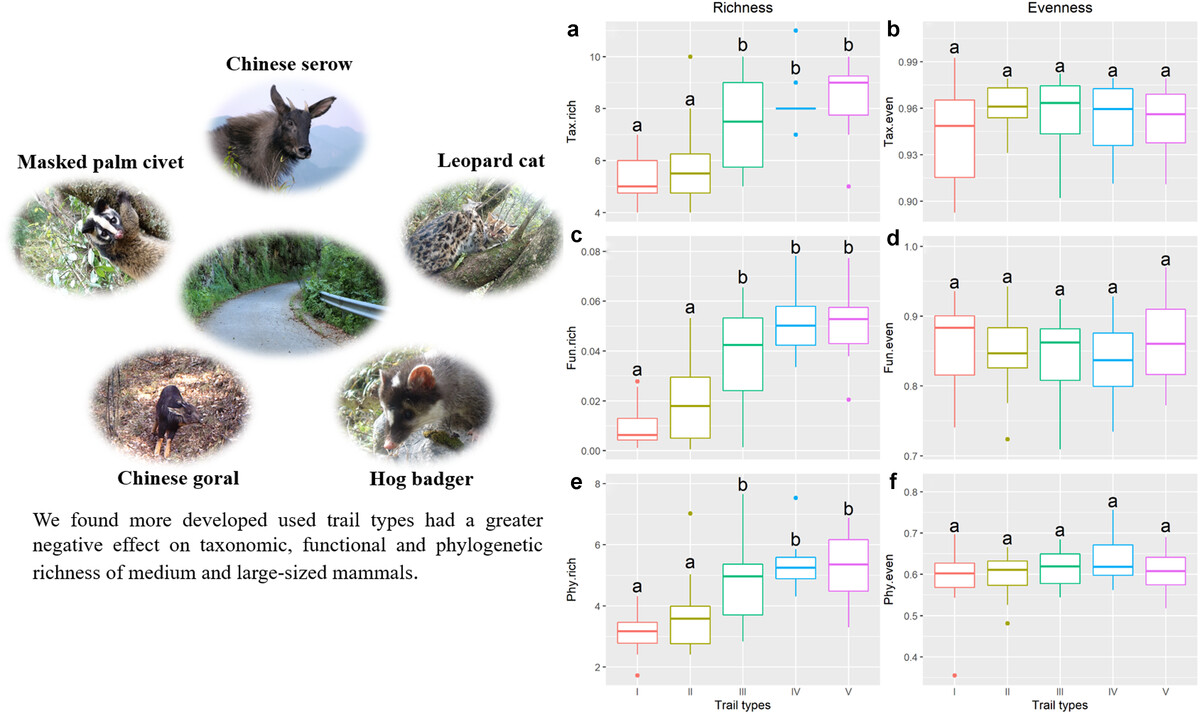
Ecotourist trail-use affects the taxonomic, functional and phylogenetic diversity of mammals in a protected area: lessons for conservation management
Boyu LEI, Zhenfei ZHENG, Jifa CUI, Jin ZHAO, Chris NEWMAN, Youbing ZHOU
We use indices of taxonomic, phylogenetic, and functional diversity to examine how ecotourism can impact forest mammal community assembly, and to inform the conservation of ground-dwelling forest mammals. We found more developed and more heavily used trail types had a greater, significant negative effect on taxonomic, functional and phylogenetic richness, but not for evenness.
Letter to the Editor
The modern state of the European saiga population (Saiga tatarica tatarica): mtDNA, DRB3 MHC gene, and microsatellite diversity
Nadezhda Vladimirovna KASHININA, Anna Anatolievna LUSHCHEKINA, Pavel Alexandrovich SOROKIN, Karina Karenovna TARASYAN, Marina Vladimirovna KHOLODOVA
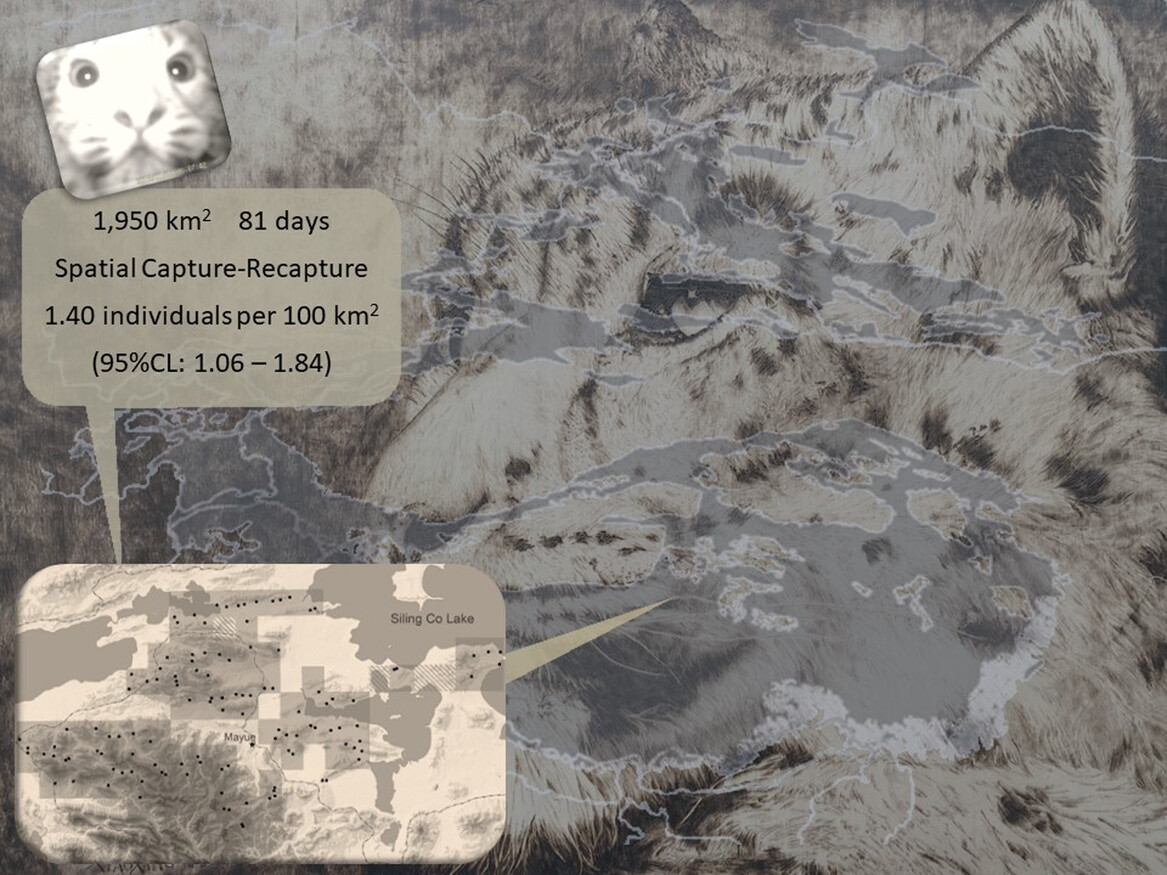
Spatial density estimate of the snow leopard, Panthera uncia, in the Central Tibetan Plateau, China
Xiaoxing BIAN, Xuchang LIANG, Byron WECKWORTH, Dorje JYAL, Vanessa HULL, Le YANG
According to a robust spatial capture-recapture model, we suggested that there were 1.40 (95%CL: 1.06–1.84) snow leopards per 100 km2 within the 2050 km2 area of habitat on the Tibetan Plateau. We also estimated the average home ranges for 3 males and 3 females based on their camera-trapped locations.
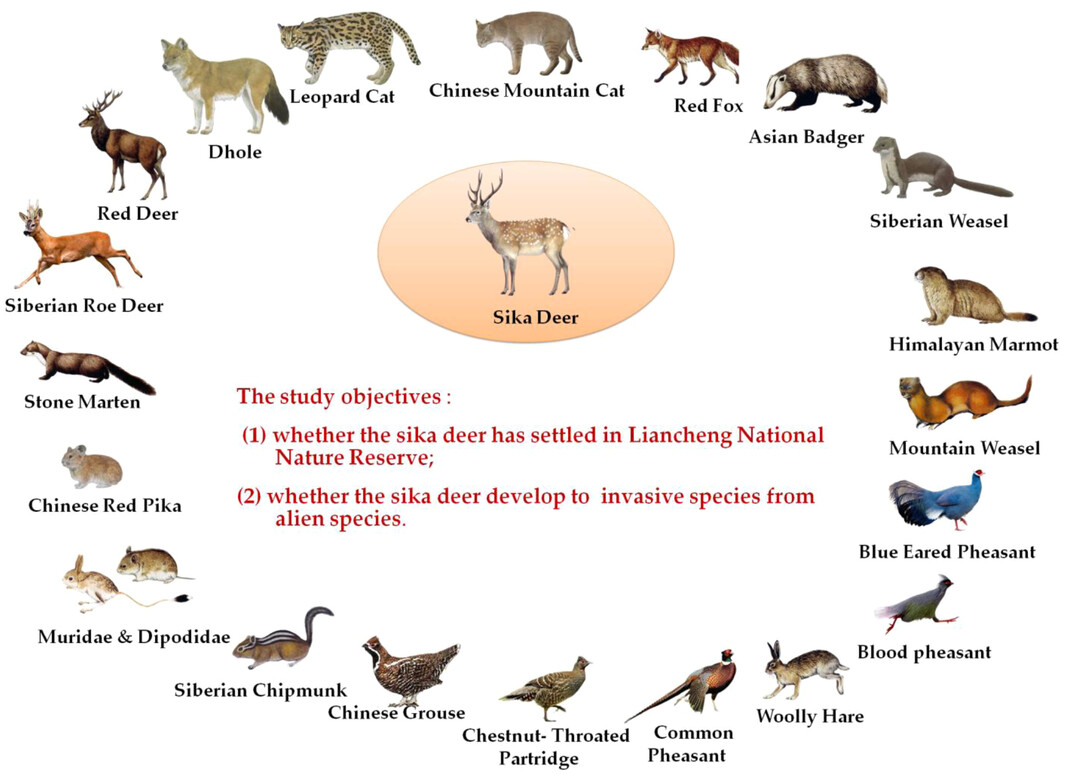
Interspecific association of sika deer in terrestrial animal communities of Liancheng National Nature Reserve, China
Tengwei SU, Guofa CUI, Zihong MAN, Wentao LI, Zhihao HUANG, Jinfeng CHEN, Minyan ZHAO
The objectives of this study included: (1) whether the sika deer has settled in the Liancheng National Nature Reserve; (2) whether the sika deer develop to invasive species from alien species. Our results provide an important basis for conservation management.
OPEN ACCESS
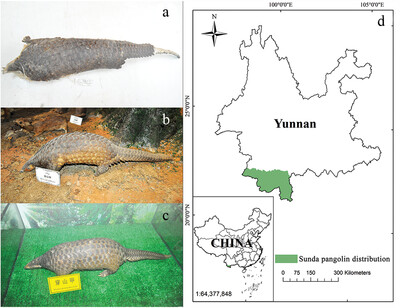
Only Sunda and Chinese pangolin (Pholidota) are naturally distributed in China
Peng CEN, Jiankun SUN, Qiaoyan WANG, Fuhua ZHANG, Lianxian MO, Amna MAHMOOD, Jiaqi LI, Yifu WANG, Shibao WU
Only two pangolin species occur naturally in China, namely the Chinese pangolin (Manis pentadactyla) and the Sunda pangolin (Manis javanica). The Sunda pangolin was found to occur naturally in Yunnan, China, but only with a narrow distribution in the Xishuangbanna and Pu'er City. The Indian pangolin (Manis crassicaudata) did not occur in China. The previous claim that this species is naturally distributed in China was found to originate from a mistake in the book “The Mammals of China and Mongolia” written by Allen in 1938.
Special subsection: Animal Behavior
OPEN ACCESS
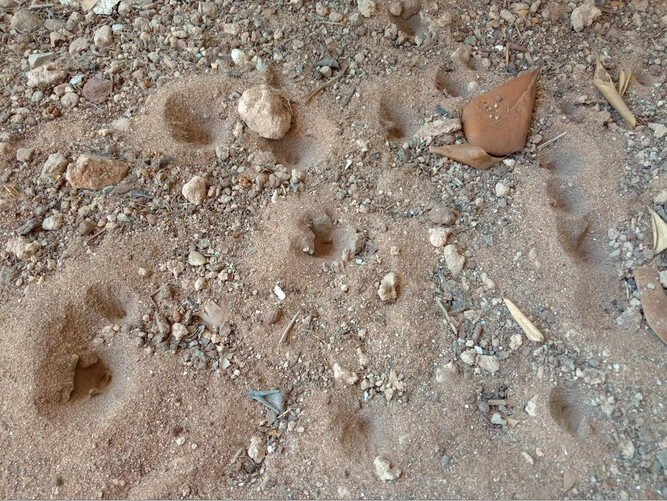
Behavioral differences between pit-building antlions and wormlions suggest limits to convergent evolution
Krzysztof MILER, Inon SCHARF
Convergence between pit-building antlions and wormlions is poorly researched. We compared their behavioral responses to disturbance, prey, and conspecifics. Both taxa enlarged pits over time more when disturbed than undisturbed. Wormlions reacted slower toward prey but improved over time. Only antlions relocated their pits in response to increasing conspecific density. Our results illustrate limited behavioral convergence in 2 insect taxa with seemingly identical pit-building strategies.
OPEN ACCESS
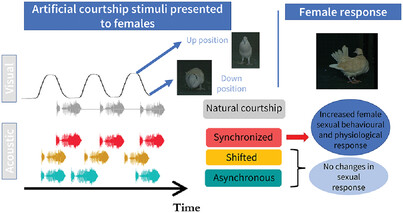
Alteration of the temporal association between courtship audio and visual components affects female sexual response
Clémentine MITOYEN, Cliodhna QUIGLEY, Virginie CANOINE, Silvia COLOMBO, Simon WÖLFL, Leonida FUSANI
We created playback stimuli differing in timing between acoustic and visual components and tested female dove behavioral and physiological response to repeated playback stimulation. We found that playback exposure increased estradiol levels, confirming that this technique can be efficiently used to study doves’ sexual communication. We also found that audiovisual courtship configuration impacted female sexual response, especially chasing behavior.
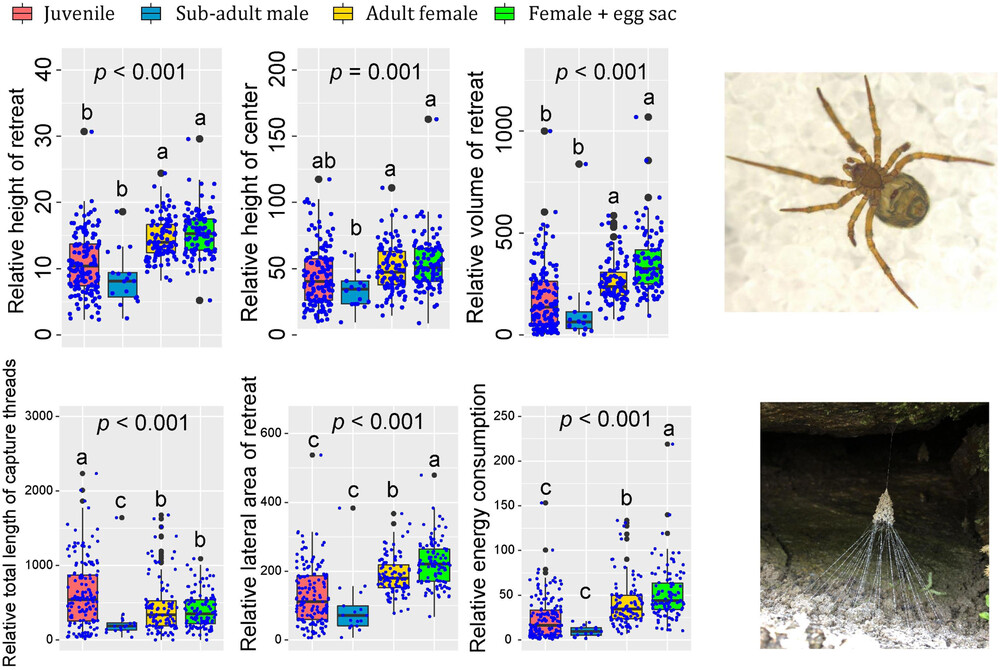
Safety is increasingly important in cobweb spiders based on life history
Haixin ZHANG, Rui ZHONG, Long YU, Jian CHEN, Ingi AGNARSSON, Jie LIU
We performed a thorough field investigation on the web architecture of Campanicola campanulata to research its cobweb architecture variation during the growth process and analyzed the energy trade-offs between foraging and defense at different developmental stages. Our results suggest that as C. campanulata grew, they dedicated more energy to defense and less energy to foraging, while males dedicated less energy to both defense and foraging through the growth period.
OPEN ACCESS
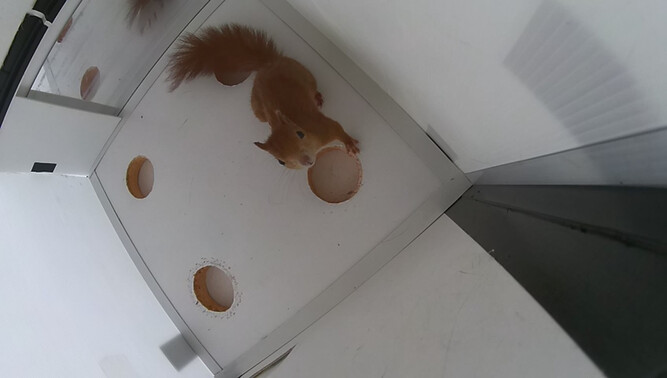
Living on the edge: morphological and behavioral adaptations to a marginal high-elevation habitat in an arboreal mammal
Claudia TRANQUILLO, Lucas Armand WAUTERS, Francesca SANTICCHIA, Damiano PREATONI, Adriano MARTINOLI
Red squirrels in marginal high-elevation habitat have different personality than in higher-quality habitats. Males are smaller and weigh less in the marginal edge-habitat than in the other forest types, but these patterns differ for females, for which high body mass enhances reproductive success. Habitat-related selective pressures result in local adaptation of morphological and behavioral traits in this arboreal mammal.
OPEN ACCESS
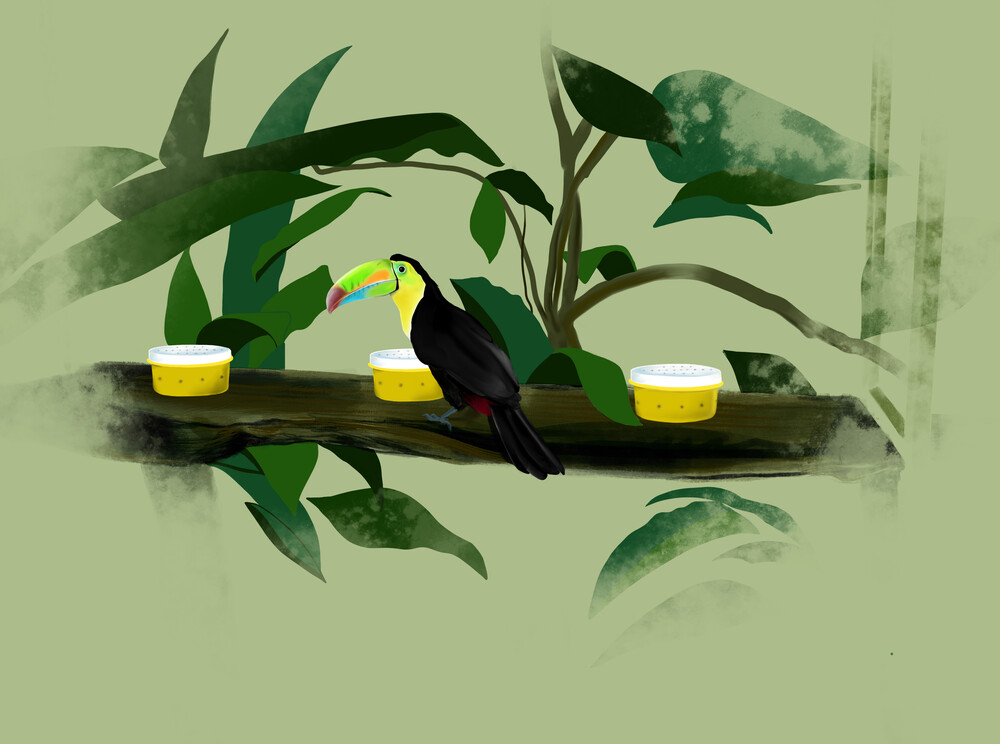
Onto the sense of smell in macaws, amazons and toucans: can they use volatile cues of fruits to make foraging decisions?
M. Carmen HERNÁNDEZ, Ana María VILLADA, Isabel BARJA
We found that scarlet macaws, keel-billed toucans, and yellow-throated toucans can rely on olfactory cues to locate food sources.
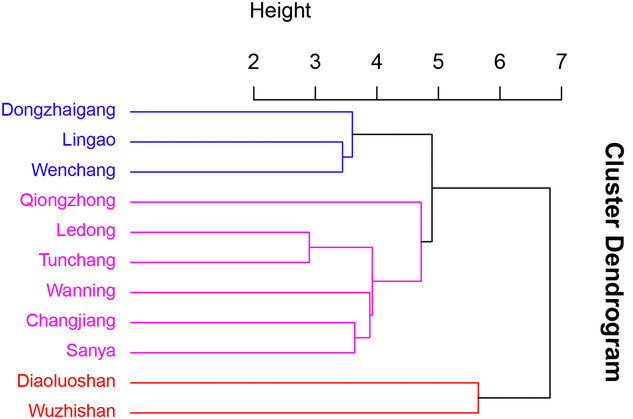
Geographical variation of the acoustic signals in the spot-legged treefrog (Polypedates megacephalus) of Hainan Island
Longhui ZHAO, Qiucheng LIU, Yuanyu QIN, Xiaofei ZHAI, Feiyun TU, Tongliang WANG, Jichao WANG
The hypothesis that environmental factors should shape signals by adjusting for greater propagation efficiency has not been well-examined with multi-signal and multi-habitat types included simultaneously. Polypedates megacephalus of Hainan Island shows a geographic divergence in acoustic signals, which may be caused by the variation of environmental factors (vegetation and/or altitude) across populations. Our results increase our understanding of acoustic adaptation in heterogeneous environments.
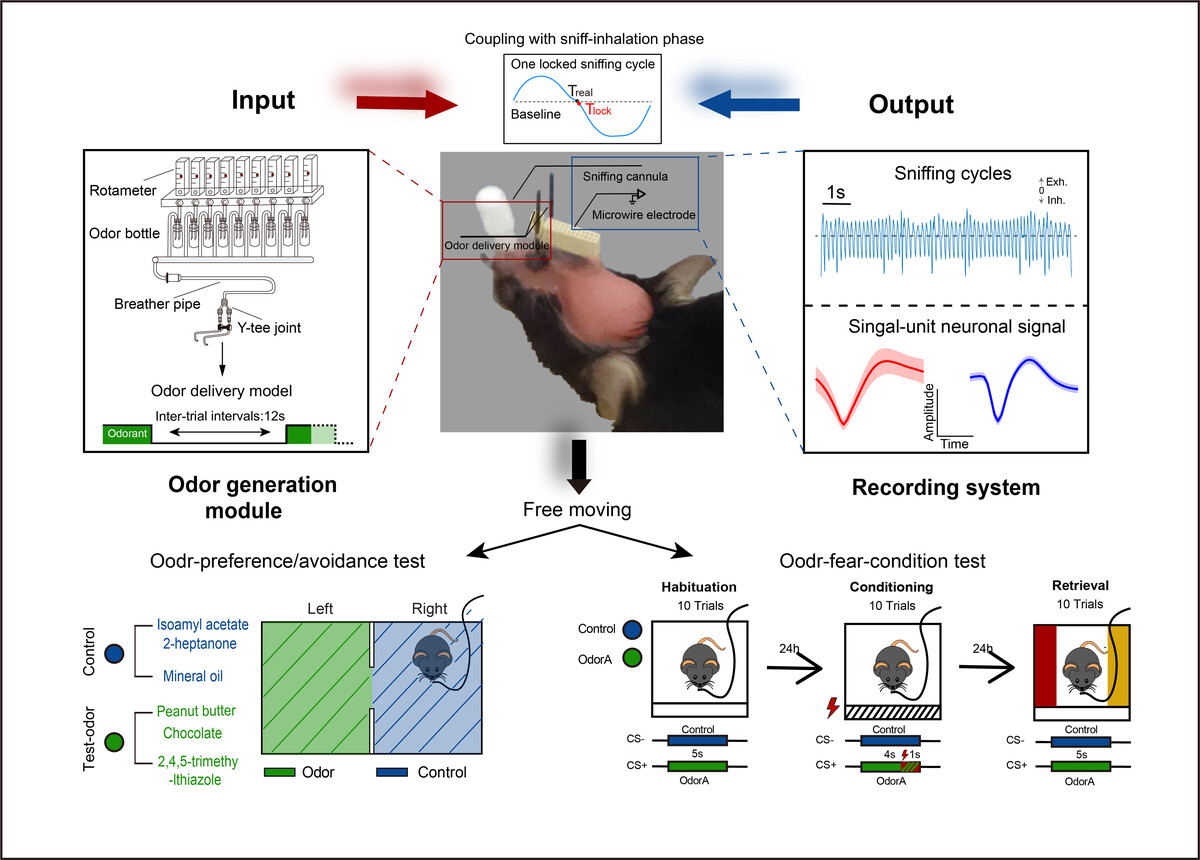
A novel odor stimulation system in freely moving, behaving animals
Xinsong GUO, Shan LI, Xuejie YU, Tingting WU, Penglai LIU, Yufeng SHAO, Anan LI
A new odor stimulation system was developed, which presents temporally precise odor in awake, freely moving animals and can be combined with neural recordings. The stability and reliability of the system have been verified in studies of olfaction-related behaviors in mice.
|