|  |  | |
Dear invitee,
I am excited to personally invite you to an event that brings together our shared accomplishments and vision for the future. As I prepare for a possible tenth term in the Illinois House of Representatives, your voice and agenda must be at the forefront of our continued progress.
Since being elected in 2006 and sworn into office in January 2007, we have achieved significant legislative victories, including expanding support for HIV/AIDS care, advancing prostate cancer and breast cancer prevention, promoting cannabis fairness laws, tackling the opioid crisis, and working to strengthen child care, provide housing for people experiencing homelessness, and make college affordability a reality for many. We have also worked tirelessly on re-entry, voter rights, and other critical issues impacting our communities.
Now, I invite you to attend this free event to celebrate our shared accomplishments and discuss the path forward with your agenda in mind. Your participation will be crucial as we plan the future together, ensuring we continue to pass laws that reflect the needs of our communities.
Join me for a day of great food, drinks, and free parking as we set the stage for 2025 and beyond. Together, we can continue building a more equitable and just Illinois.
I look forward to hearing from you and working together on the next chapter!
La Shawn K. Ford
IL. State Representative, Eighth District
| Click Images Below to Print | |
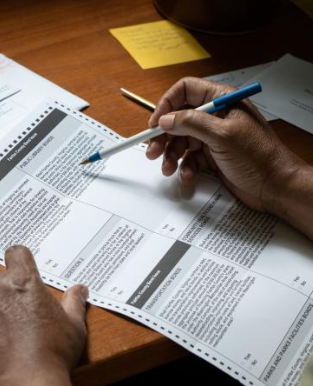
The Power of the Ballot
Key Initiatives That Have Redefined Policy, Society, and Economics
| Ballot initiatives have been a powerful tool for driving change in various areas, from legalizing marijuana to raising the minimum wage. In states like Colorado, these efforts have led to significant shifts in policy, boosting tax revenues and advancing social justice. Similarly, voter-driven initiatives have helped expand Medicaid in places like Maine and Nebraska, providing more healthcare coverage to low-income residents. Renewable energy mandates are another example, promoting environmental sustainability by requiring utilities to use more renewable sources. These initiatives highlight how voters can directly influence critical issues, leading to long-term economic and social impacts. | |
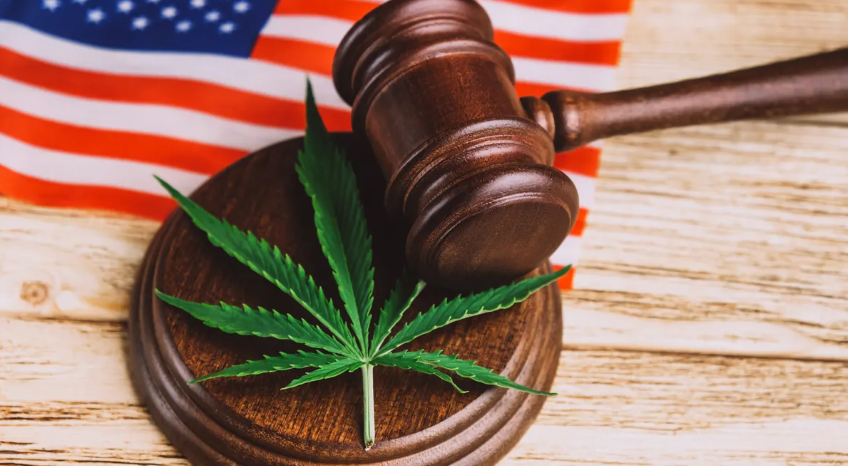
Marijuana Legalization
Breaking New Ground in Policy and Justice
| |
Marijuana legalization has led to groundbreaking changes in policy, social justice, and the economy. States like Colorado and Oregon have pioneered the movement, influencing national debates, increasing tax revenues, and addressing past injustices by expunging criminal records related to marijuana offenses. This shift has not only sparked public support but also created new jobs and economic opportunities, marking a significant step toward progressive reform.
| |
Ballotpedia Reports
August 2024
| Marijuana laws and ballot measures in the United States | 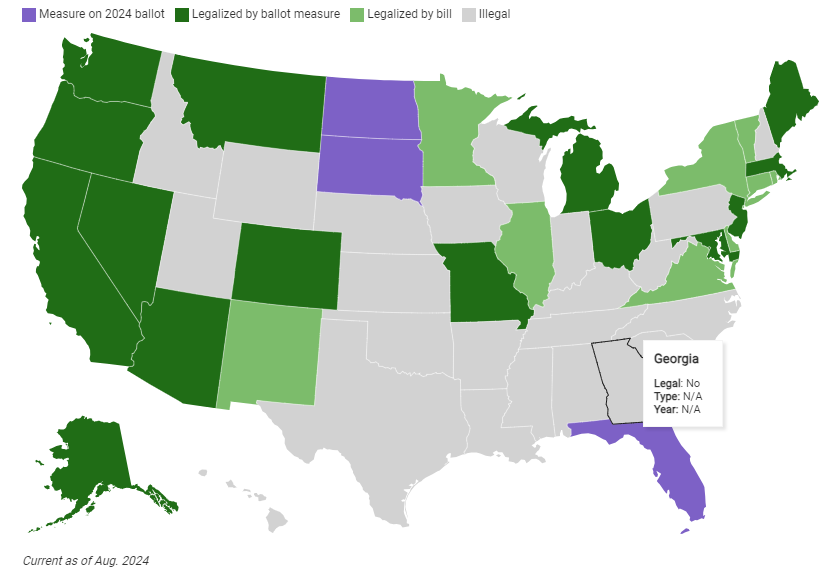 | |
As of July 2024, 24 states and Washington, D.C., had legalized the possession and personal use of marijuana for recreational purposes, and 38 states and D.C. had legalized marijuana for medical purposes.[1][2][3]
HIGHLIGHTS
Ohio became the 24th state to legalize marijuana on November 7, 2023, when voters approved Issue 2.
Minnesota became the 23rd state to legalize recreational marijuana after Gov. Tim Walz (D) signed legislation on May 30, 2023.
Oklahoma voters rejected a marijuana legalization initiative on March 7, 2023.
Delaware became the 22nd state to legalize recreational marijuana after Gov. John Carney (D) allowed House Bill 2 to become law without his signature on April 26, 2023.[4]
On Nov. 8, 2022, measures to legalize marijuana were on the ballot in Arkansas, Maryland, Missouri, North Dakota, and South Dakota. Voters in Maryland and Missouri approved the measures, and voters in Arkansas, North Dakota, and South Dakota rejected the measures.
| |
Forbes Reports
March 21, 2018
| Voters In Illinois' Cook County Approve Marijuana Legalization Ballot Measure | |
The measure in Cook County -- the nation's second-most-populous county, which has more residents than 27 states of the union -- is not binding, but its passage sends a strong message to state lawmakers that ending cannabis prohibition is an issue that voters want the legislature to address.
The question, approved by voters with a greater than two-to-one margin, reads:
| |
ABC 7 News Chicago Reports
March 21, 2018
| Recreational marijuana wins big, if non-binding, vote in Illinois Primary | |
CHICAGO (WLS) -- Pot, MJ, marijuana, weed; it's all on the shelves of medical marijuana dispensary Dispensary 33 in Andersonville. And the owner is not remotely surprised by the landslide victory of the Cook County referendum to legalize recreational marijuana use in Illinois.
"There was nothing surprising about how that referendum ended up. There's been polling over the last couple of years. Public sentiment has been strongly in favor of adult use cannabis in this state for years now," owner Zachary Zises said.
The referendum is non-binding, so it's more like a public poll, but ask anybody who works with or for the legal marijuana industry and they said the same.
| |
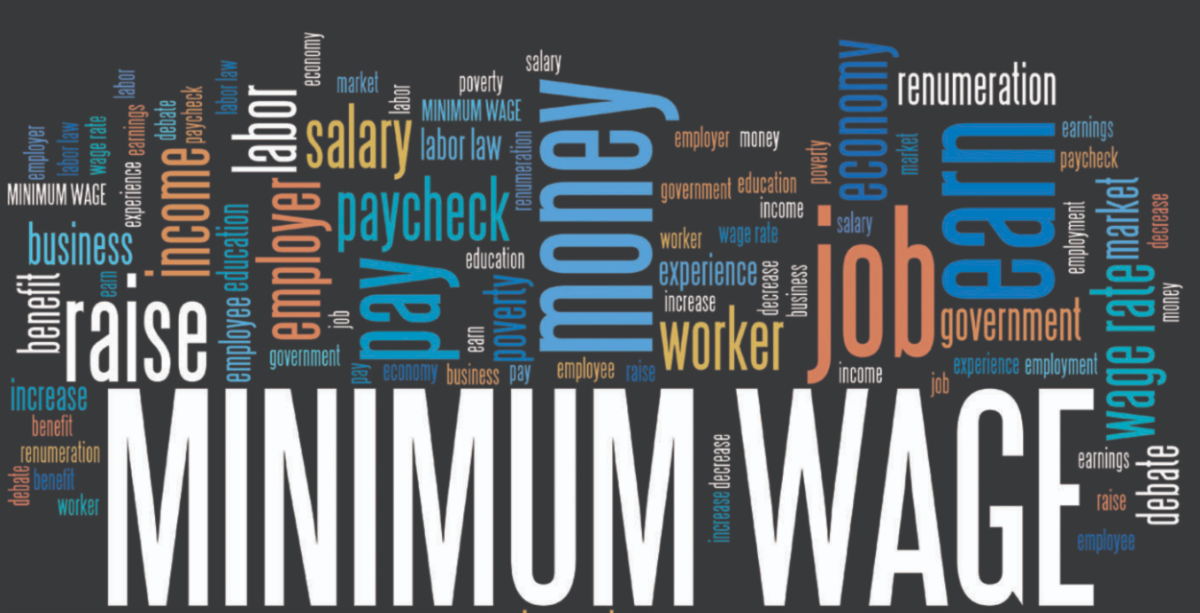
Raising the Minimum Wage
Empowering Workers and Strengthening Economies
| Raising the minimum wage has had a profound impact on workers and local economies. States like Florida have passed initiatives to increase wages, lifting many out of poverty and boosting consumer spending. These wage hikes have empowered workers, improved their quality of life, and stimulated economic growth. However, they also present challenges for small businesses facing rising labor costs. Despite these hurdles, increasing the minimum wage continues to be a key driver of economic and social progress. | |
Economy Policy Institute Reports
December 7, 2022
| Illinois Workers’ Rights Amendment sets new bar for state worker power policy | 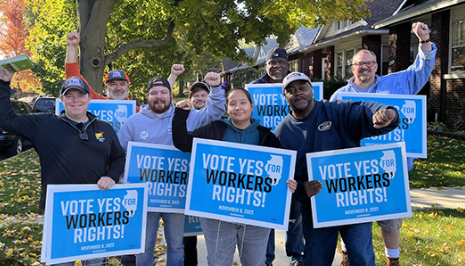 | |
On election day, Illinois voters approved a constitutional amendment guaranteeing all workers organizing and collective bargaining rights, setting a new high bar for state labor policy at a moment when policymakers should prioritize empowering workers to address historic levels of income inequality and unequal power in our economy.
The Illinois Workers’ Rights Amendment adds language to the state constitution affirming that “employees shall have the fundamental right to organize and to bargain collectively through representatives of their own choosing for the purpose of negotiating wages, hours, and working conditions, and to protect their economic welfare and safety at work.” The new clause also specifies that “no law shall be passed that interferes with, negates, or diminishes the right of employees to organize and bargain collectively.”
The amendment’s expansive language creates a legal backstop against two persistent lines of state legislative attack on U.S. workers’ basic rights to unionize: 1) threats to repeal or erode public-sector workers’ collective bargaining rights, and 2) threats to constrain private-sector workers’ collective bargaining rights with so-called “right-to-work” (RTW) restrictions that prohibit unions and employers from negotiating union security agreements into union contracts. Just as importantly, the Illinois Workers’ Rights Amendment opens up promising new pathways for additional groups of long-excluded workers to unionize and pursue collective bargaining with their employers.
| |
The University of Illinois Springfield Reports
March 6, 2023
| The Workers’ Rights Amendment Passed in Illinois. How?! |  | |
On November 9, 2022, the Illinois Constitutional Amendment 1, also known as the “Workers’ Rights Amendment,” was approved by the majority of the 4.1 million voters who cast a ballot in the election (58.1% to be specific). Constitutional amendments must be approved by Illinois voters through a referendum garnering either half the overall vote (as it was in this case) or 60% of votes cast on a particular question. The amendment adds language to the Illinois constitution to establish the right of employees to organize and bargain collectively through representatives of their choosing for the purpose of negotiating wages, hours, and working conditions, and to protect their economic welfare and safety at work. Moreover, it prohibits Illinois lawmakers from enacting legislation that infringes upon employees’ collective bargaining rights to prevent the implementation of “right-to-work” legislation in Illinois. The amendment's passage was a victory for organized labor, re-elected incumbent Democratic Governor J.B. Pritzker, and Democrats who control the Illinois General Assembly (ILGA).
However, the amendment was not a foregone conclusion or universally supported. In particular, the WRA’s passage also noteworthy because despite Pritzker’s stable (50%) approval rating and the Democrats’ supermajority in the ILGA, a “red wave” had been predicted during the 2022 midterms. Moreover, as recently as 2020 during an otherwise excellent year for Democratic candidates and issues, half of Illinois voters rejected Governor Pritzker and his legislative allies’ “Fair Tax Amendment,” which would have enabled a graduated income tax on the state’s highest earners. Like the Workers’ Rights Amendment (WRA), the Fair Tax Amendment (FTA) was endorsed by organized labor and hundreds of influential advocacy organizations; yet it only garnered 45% support among voters. Considering countervailing political forces, what explains the WRA’s success?
| What does the Workers Rights Amendment mean for Illinois? | |
Healthcare Reforms
Expanding School-Based Health Services in Illinois
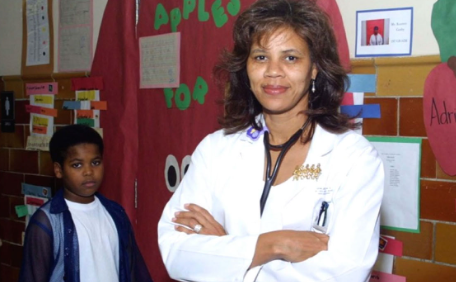
| Expanding school-based health services in Illinois is crucial for improving access to comprehensive care for students, particularly those from low-income families. By providing physical, mental, and behavioral health services directly within schools, these initiatives enhance student well-being and support academic success while reducing absenteeism. Additionally, they alleviate pressure on emergency services and contribute to better public health outcomes, ultimately fostering healthier communities and preparing future generations for success. | |
The U.S. Department of Health and Human Services Reports
April 18, 2023
| HHS Approves Illinois Proposal to Expand Access to Care for Kids in Schools |  | |
Today, the Department of Health and Human Services (HHS), through the Centers for Medicare & Medicaid Services (CMS), approved a state plan amendment (SPA) that will provide Illinois more Medicaid funding for eligible children receiving Medicaid-covered health care services in schools. This approval advances the expansion of school-based health services, a key priority for the Biden-Harris Administration to improve health care access, especially for youth mental health services. Today’s action is also part of ongoing efforts by HHS in support of President Biden’s call to address the nation’s mental health crisis, including its impact on children.
“Today we celebrate the historic action taken by Illinois to expand access to critical health care services in schools for eligible children,” said HHS Secretary Xavier Becerra. “The Biden-Harris Administration is committed to meeting children where they are to provide care that addresses the challenges our nation’s youth are facing, including mental health challenges. I am hopeful additional states will follow Illinois’ lead.”
“We’re thrilled to partner with states like Illinois to seize opportunities in Medicaid to expand access to health care in schools,” said CMS Administrator Chiquita Brooks-LaSure. “CMS encourages all states to consider adopting this flexibility. It just makes sense to deliver health care services and supports to children where they spend the majority of their time: in school.”
| |
Healthy Students, Promising Futures Reports
April 19, 2023
| Illinois Receives Federal Approval to Expand Access to School Health Services | |
CHICAGO (April 19, 2023) — Under the terms of a newly approved state plan amendment, Illinois school districts can seek federal reimbursement for all Medicaid-covered school-based health services, including mental healthcare, provided to all students enrolled in Medicaid — which will amount to a major increase in funding for school health programs.
The U.S. Department of Health and Human Services (HHS), through the Centers for Medicare & Medicaid Services (CMS), announced April 18 that it had approved the state plan amendment Illinois submitted in 2021 to expand access to, and funding for, school health services.
The previous Illinois state plan allowed billing only for students with an Individualized Education Plan (IEP), which limited reimbursement to just 14 percent of the 800,000 students enrolled in Medicaid across the state. The changes are retroactive to July 1, 2021.
| |
The State of Illinois Reports
April 20, 2023
| Illinois Receives Approval from Biden Admin for School-Based Health Services Expansion | |
SPRINGFIELD - The Biden Administration has approved a Pritzker administration proposal to expand the Illinois School-Based Health Services program, which will bring in additional federal matching funds to provide covered services for Medicaid-enrolled students across the state, including critical youth mental health services.
The expansion of the School-Based Health Services program will build on a foundation of currently-offered health care services available in Illinois schools to Medicaid-enrolled children, as well as training offered to staff, and reporting and claiming of federal matching funds that HFS does on behalf of schools.
| |
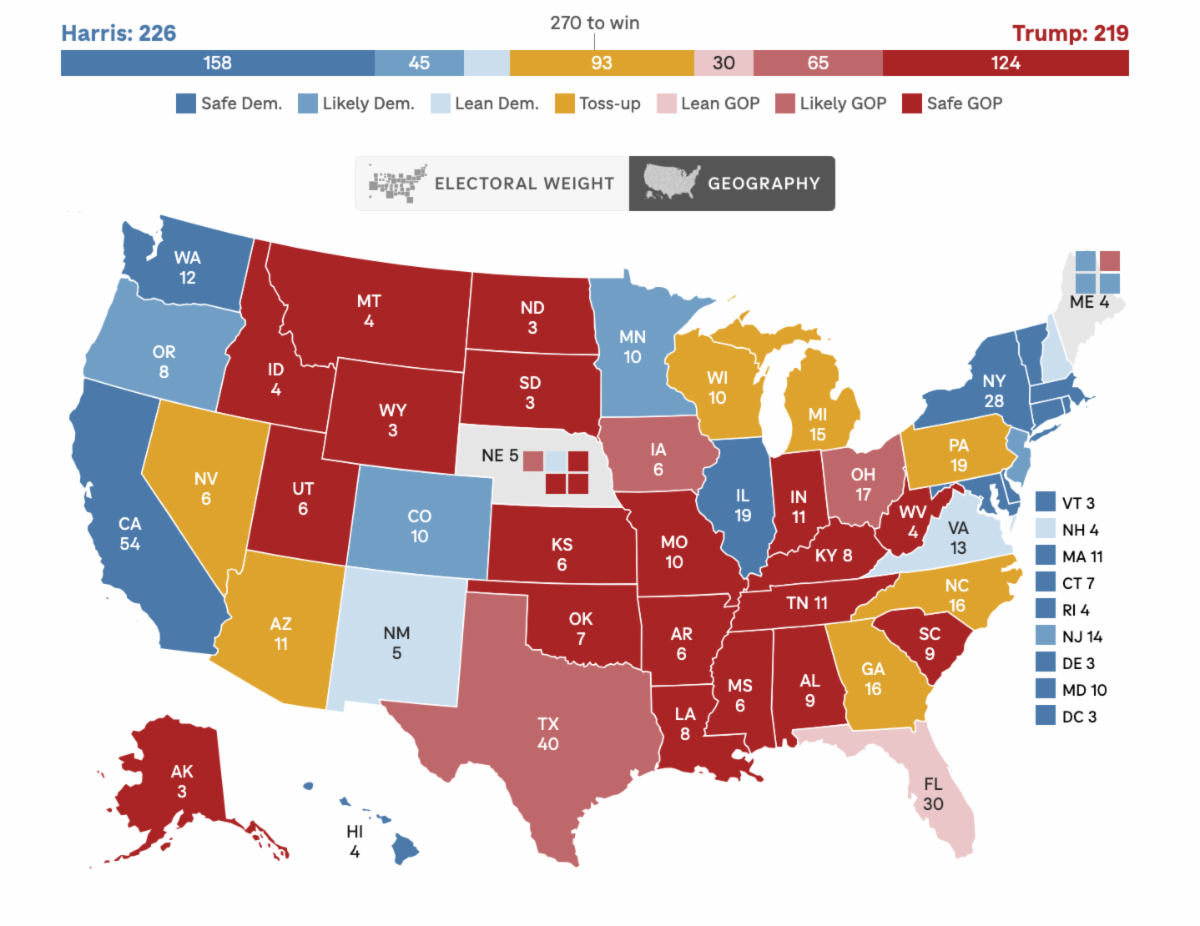
The 2024 Presidential Election
Click Image Below to View Latest Updates and Polling Trends in the 2024 Presidential Race
| |
Click Image Below to View the 2024 Presidential Election Interactive Map
| |
Rep. Ford Asks for Your Input
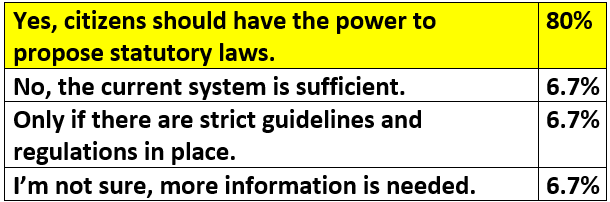
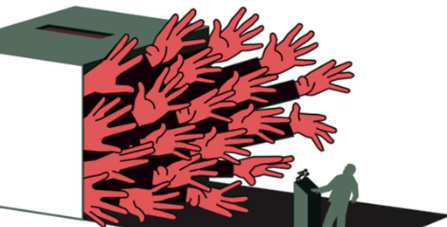
What Are Your Thoughts on Direct Democracy?
| What do you consider the most important aspects of Illinois' marijuana legalization regarding social justice? | Please select the option that most accurately reflects your opinion and vote accordingly. | What do you consider the most important benefit of the minimum wage increases enacted in Illinois? | Please select the option that most accurately reflects your opinion and vote accordingly. |
Click Image Below to Learn How to Register to Vote, Change Your Registration Name, and Change Your Registration Address
| Click the Image Below to Read Rep. Ford's Previous Special Editions in Preparation for Election Day. | |
Click Image Below to Learn More About Federal Safety and Security Grants available to
NonProfit Organizations Statewide
| |
Click Image Below to Learn 10 Things You Should Know About Filing Unemployment Insurance
| Click Image Below to Learn About Cash, SNAP and Medical Assistance | Key Facts Every Illinoisan Should Know | |
Click Image Below to Read a List of Important Words Americans Should Know | |
|
Click Image Below to View Rep. Ford's Hot
Job of the Day!
| |
|
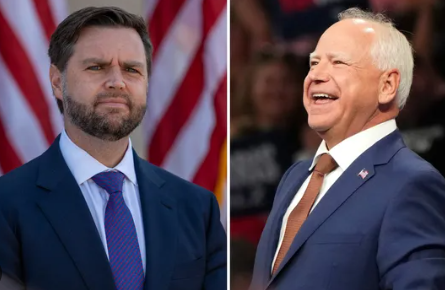
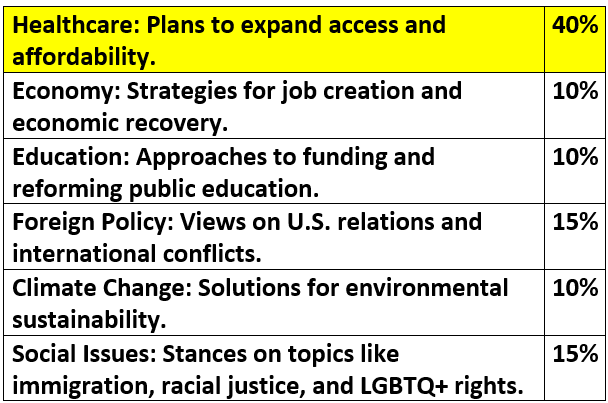
What issue do you think will be most important in the debate?
| |
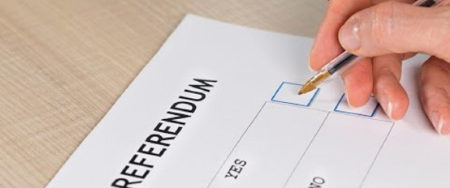
Do you think that the clarity of language in a ballot measure can influence voter turnout? | |
Should Illinois expand its use of ballot initiatives to include statutory measures, allowing voters to propose new laws, not just constitutional amendments? | |
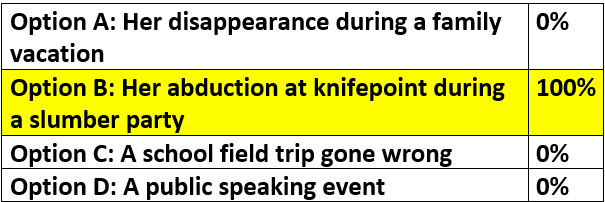
What event led to the national attention surrounding Polly Klaas in 1993? | |
|
Congratulations! If you've selected
option , you've picked correctly.
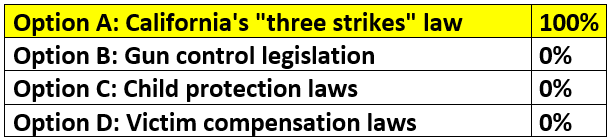
| What law did Marc Klaas advocate for after his daughter’s murder? | |
|
Congratulations! If you've selected
option B, you've picked correctly.
| |
Click Image Below to Learn More About Homeowners Assistance | |
On This Day in History
October 2, 1967
| |
History Reports
October 2, 1967
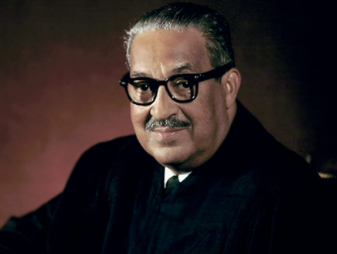
| Thurgood Marshall sworn in as first Black Supreme Court justice | |
Chief Justice Earl Warren swears in Thurgood Marshall, the first Black justice of the U.S. Supreme Court. As chief counsel for the National Association for the Advancement of Colored People (NAACP) in the 1940s and ’50s, Marshall was the architect and executor of the legal strategy that ended the era of official racial segregation.
The great-grandson of an enslaved person, Marshall was born in Baltimore, Maryland, in 1908. After being rejected from the University of Maryland Law School on account of his race, he was accepted at all-Black Howard University in Washington, D.C. At Howard, he studied under the tutelage of civil liberties lawyer Charles H. Houston and in 1933 graduated first in his class. In 1936, he joined the legal division of the NAACP, of which Houston was director, and two years later succeeded his mentor in the organization’s top legal post.
| The First Black Supreme Court Justice | Which landmark case did Thurgood Marshall win in 1954, which led to the end of segregation in public schools? | Who appointed Thurgood Marshall to the U.S. Court of Appeals in 1961? | Knowing History Spotlight Moment | |
Lead Story
Black History
1967
Thurgood Marshall sworn in as first Black Supreme Court justice
Sports
1965
Gatorade invented at University of Florida
U.S. Presidents
2020
President Trump announces he and the first lady tested positive for COVID‑19
World War II
1944
Warsaw Uprising ends
World War II
1941
Operation Typhoon is launched
U.S. Presidents
1919
Woodrow Wilson suffers a stroke
19th Century
1835
First shots of the Texas Revolution fired in the Battle of Gonzales
Crime
2006
Gunman kills five students at Amish school
Cold War
1958
The Cold War comes to Africa, as Guinea gains its independence
American Revolution
1780
Benedict Arnold accomplice hanged
| |
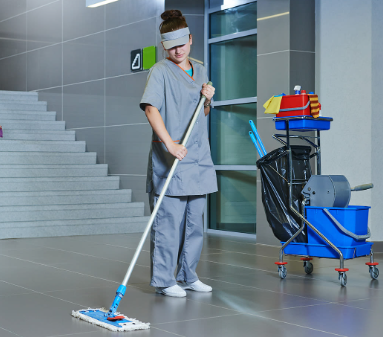
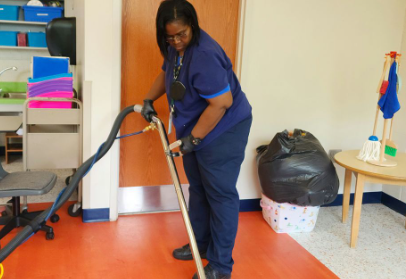
It's National Custodian Day | |
They work while we sleep. Sometimes we walk around them in the halls not always “seeing” them or their work as important. That’s why we love this day, National Custodian Day, which rolls around every October 2. It recognizes the hard work that it takes to keep our public facilities in tip-top shape as well as the people who dilligently work, often at low wages, to make sure we have schools and workplaces that are spotless and sanitary. | |
|
Unlock the Rewards
Benefits of Becoming a Custodian Worker
| |
|
Click Video Below to Learn More
A Day in the Life of a School Custodian
| |
|
Help is available; speak with someone today:
Suicide Prevention & Crisis Lifeline - Dial 988
| |
|
“You do what you think is right and let the law catch up.”
-Thurgood Marshall, Former Associate Justice of the Supreme Court
| |
Employers
Learn How to Become a Janitor
| |
Click Below to View Today's Job Highlights | |
|
Accountant
Date: Sep 24, 2024Location: Springfield, IL, US, 62702
Job Requisition ID: 41626
Agency: Department of Healthcare and Family Services
Posting ID: DF41626
BPIS: 13871
Start Date: 9/24/24
Closing Date: 10/08/2024
Salary: Starting salary $4,766 - $6,632 Month / Anticipated
non-state $4,766/month
Job Type: Salaried
Category: Full Time
County: Sangamon
Number of Vacancies: 1
Click Here to Apply
IES Applications Developer
Date: Sep 24, 2024
Location: Springfield, IL, US, 62762
Job Requisition ID: 41636
Agency: Department of Innovation and Technology
Position Title: IES Applications Developer (INFORMATION
SYSTEMS ANALYST II OPT A)
Podting Date: 09/25/2024
Closing Date/Time: 10/09/2024
Salary: Anticipated Starting Salary $7,491.00 a month;
Full Range $7,491.00 - $11,015.00 a month
Job Type: Salaried
Category: Full Time
County: Sangamon; Cook
Click Here to Apply
Datacap Analyst
Date: Sep 24, 2024
Location: Springfield, IL, US, 62762Job Requisition ID: 41789
Agency: Department of Innovation and Technology
Position Title: Datacap Analyst (INFORMATION
SYSTEMS ANALYST II, OPT. A)
Posting Date: 09/25/2024
Closing Date/Time: 10/09/2024
Salary: Anticipated Starting Salary $7,491.00 a month;
Full Range $7,491.00 - $11,015.00 a month
Job Type: Salaried
Category: Full Time
County: Sangamon; Cook
Number of Vacancies: 3
Click Here to Apply
Staff Specialist
Date: Sep 24, 2024Location: Springfield, IL, US, 62704-1874
Job Requisition ID: 41770
Agency: Department of Innovation and Technology
Position Title: Information Technology/Communication
Systems Specialist II
Posting Date: 09/24/2024
Closing Date: 10/07/2024
Salary: Anticipated Starting Salary $7,966/monthly;
Full Range $7,966-$11,759/monthly
Job Type: Salaried
Category: Full Time
County: Sangamon
Number of Vacancies: 4
Click Here to Apply
| |
Click Below to View Job Highlights From Previous Dates | |
Click Image Below to View Jobs Based on Industry | |
Click Image Below to View
Federal, State and City Jobs
| | Eighth District Community | |
Explore Local Small Businesses Through the Eighth District Chamber of Commerce | |
|
Despite losing 9.1 million jobs in the first two quarters of 2020, small businesses job growth rebounded swiftly following the COVID-19 recession. In the four quarters following, small businesses have gained 5.5 million jobs, making up for 60 percent of the decline during the early pandemic.
Small businesses have generated 12.9 million net new jobs over the past 25 years, accounting for two out of every three jobs added to the economy. For more, read Advocacy’s latest fact sheet, “Small Business Job Creation”.
| Click Image to Connect with a local Chamber of Commerce and Explore Job Postings in the Eighth Legislative District | Ford's Upcoming Events and Community Events | |
Rep Ford's Special Edition Newsletters | |
Stay connected with Rep. Ford to stay up-to-date with the latest news and upcoming events! | | | | |