|
Rapido UK Newsletter No. 66
©2026 Rapido Trains Ltd
| | |
You may have noticed that our newsletter is a little early this month. With two shows approaching fast like the APT-E on its record-breaking run, we wanted to make sure you had a full update on our latest news before the fun begins.
We also have some big news to share and didn’t want to keep you waiting any longer!
This month, we can finally show our hand on what we’ve been working on for ‘The Railway Children’. We have had lots of questions about what we were going to be making for it, and have some rather special announcements that we’ve been working on, but you are going to have to read on to find out more about those.
| | |
March hasn’t just been a delightful nostalgic trip to the movies for us. We have another announcement that we think you are going to tank us for, the aforementioned shows to prepare for, and lots more progress on upcoming projects. If you’ll pardon the pun, we are well and truly marching on.
Oh, and to top it all off, we have welcomed a few new faces to the Rapido Team. We’ll introduce them later, too.
As much as we like to tease you with upcoming projects where possible, we don’t think it's fair to make you wait any longer. So, without further ado, let's roll the title screen on our latest adventure.
| | If you are using a web-based email service such as Gmail, be sure to click on the link near the bottom of the email that says something like "[Message clipped] View entire message". That will ensure you don't miss any of this newsletter. | | |
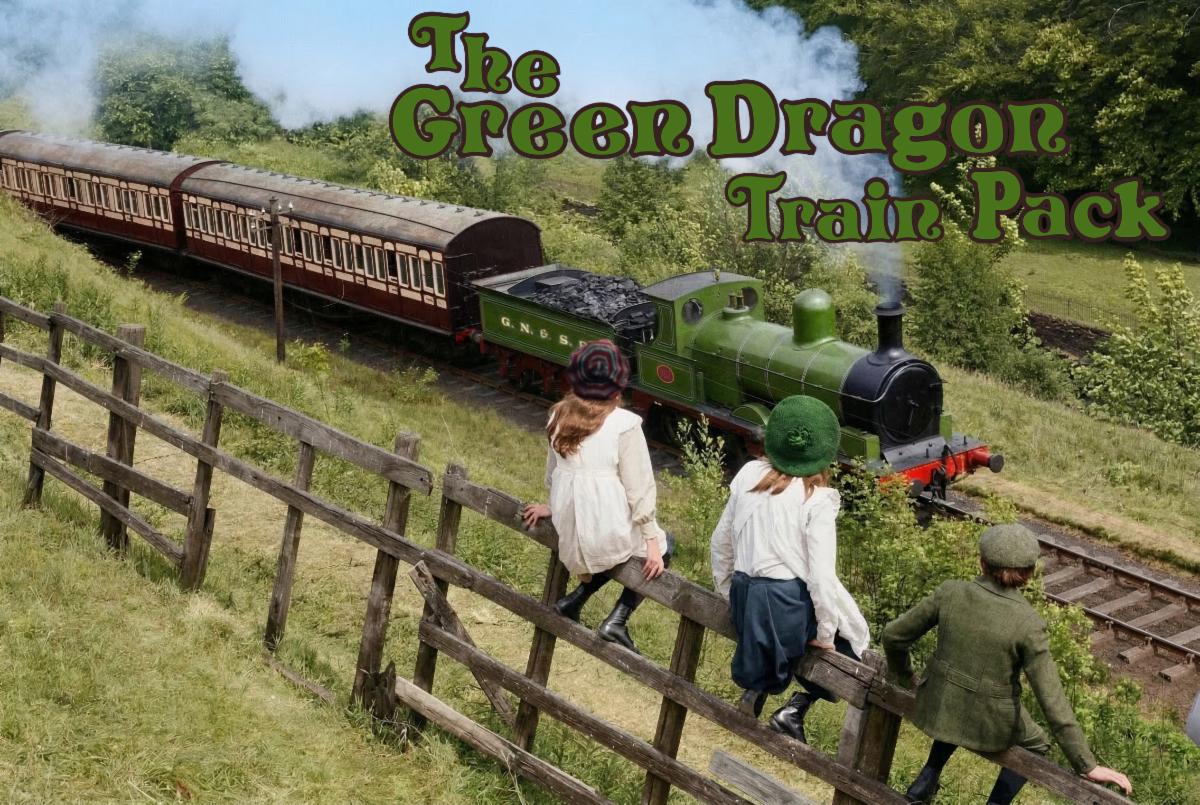
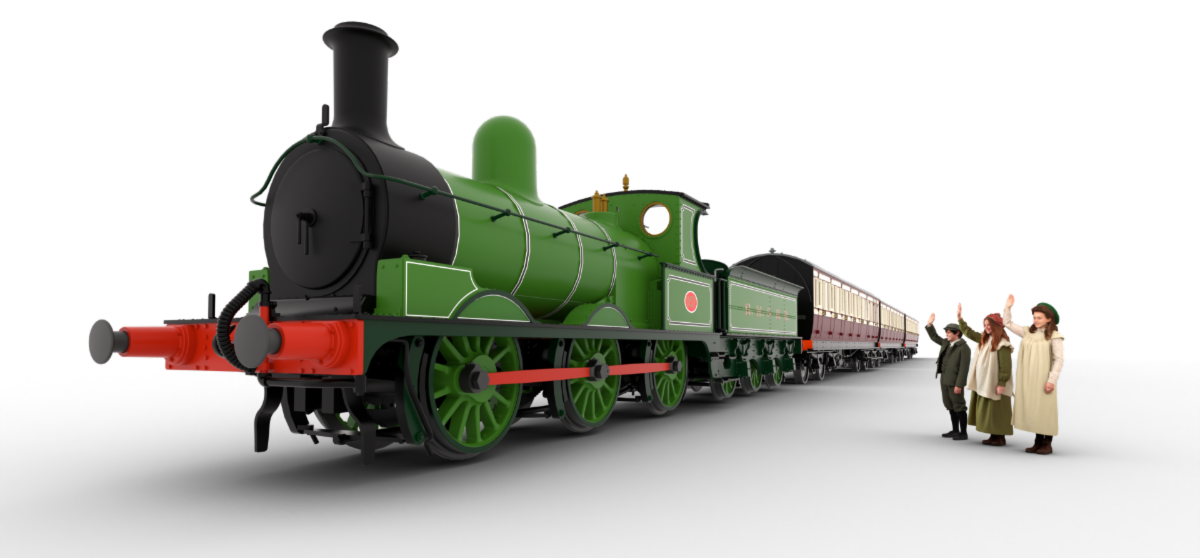
We are incredibly proud to announce ‘The Railway Children’ OO Gauge Train Pack from the much-loved 1970s movie.
‘The Railway Children’ is an enchanting children’s novel that was written by Edith Nesbit in 1906. Nesbit lived a tumultuous life in a variety of abodes across Kent and the Southeast throughout her lifetime. Many of these had one thing in common: their proximity to the railway line.
Nesbit was an established children's writer by 1906, when she published her most famous work, ‘The Railway Children’.
| | |
The story follows Peter, Phyllis and Bobbie. The three children are torn away from the comforts of their middle-class London lifestyle to live in the Yorkshire countryside. They arrive to find their new home is a dilapidated cottage named ‘Three Chimneys’ that faces the railway line.
With their lives thrown into chaos, they pass the time by waving at trains, which were often hauled by a locomotive they dubbed ‘The Green Dragon’. Their adventures include befriending the local station porter, Mr. Perks, and an old gentleman who regularly travels on the 9:15 am train.
As the story progresses, they assist a Russian man who's searching for his family, saving the day by preventing a train from colliding with a landslip and aiding a young boy who was injured during a paper chase.
| | |
The old gentleman (a Director of the railway company) in turn helps them reunite the Russian man with his family and free their father from prison, who had been wrongly accused of spying.
Since its publication, this wholesome tale has had many interpretations on the big screen, small screen, and stage. However, the definitive rendition is considered to be the 1970 movie.
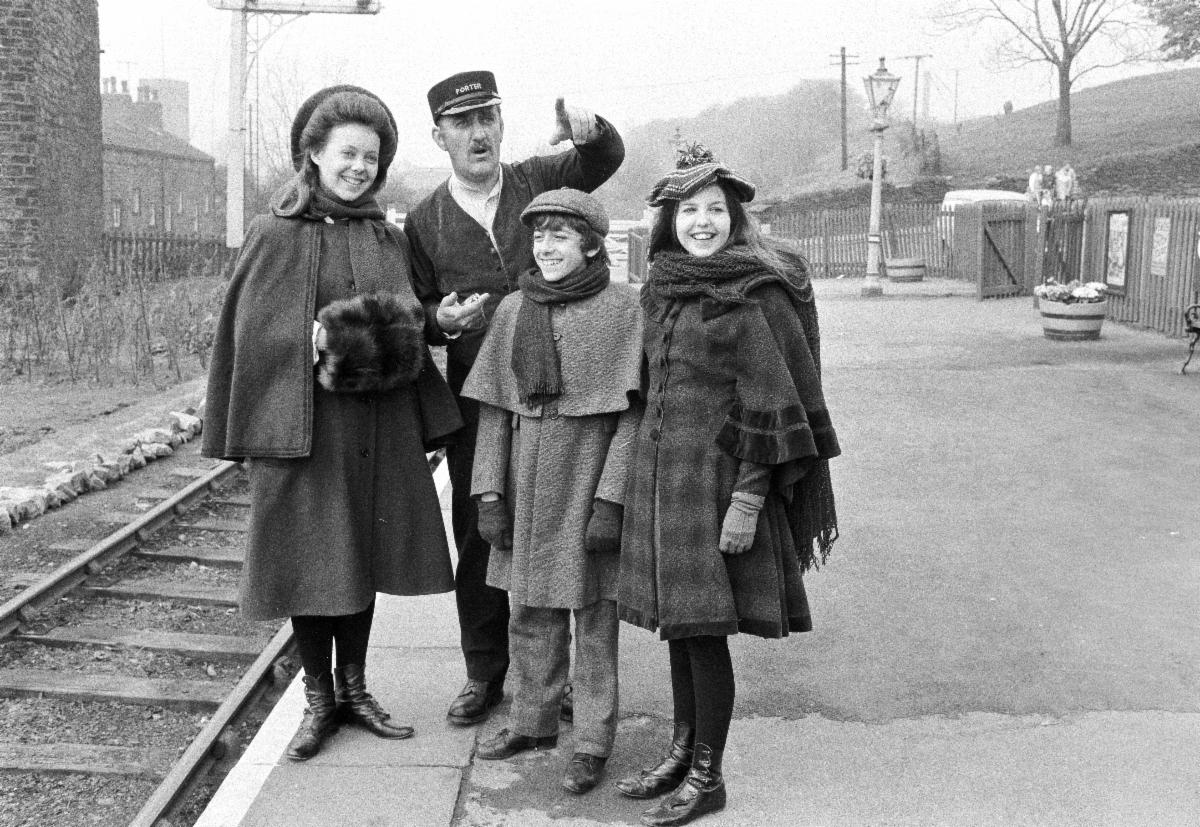
Amongst a fantastic cast, the movie stars Jenny Agutter as Bobbie, Sally Thomsett as Phylliss, Gary Warren as Peter, and the legendary Bernard Cribbins as Mr. Perks.
Capturing the imagination of people of all ages, this classic movie is heralded as one of the greatest family films of all time. Beloved by railway enthusiasts and their families alike, it has charmed fans across generations.
| | |
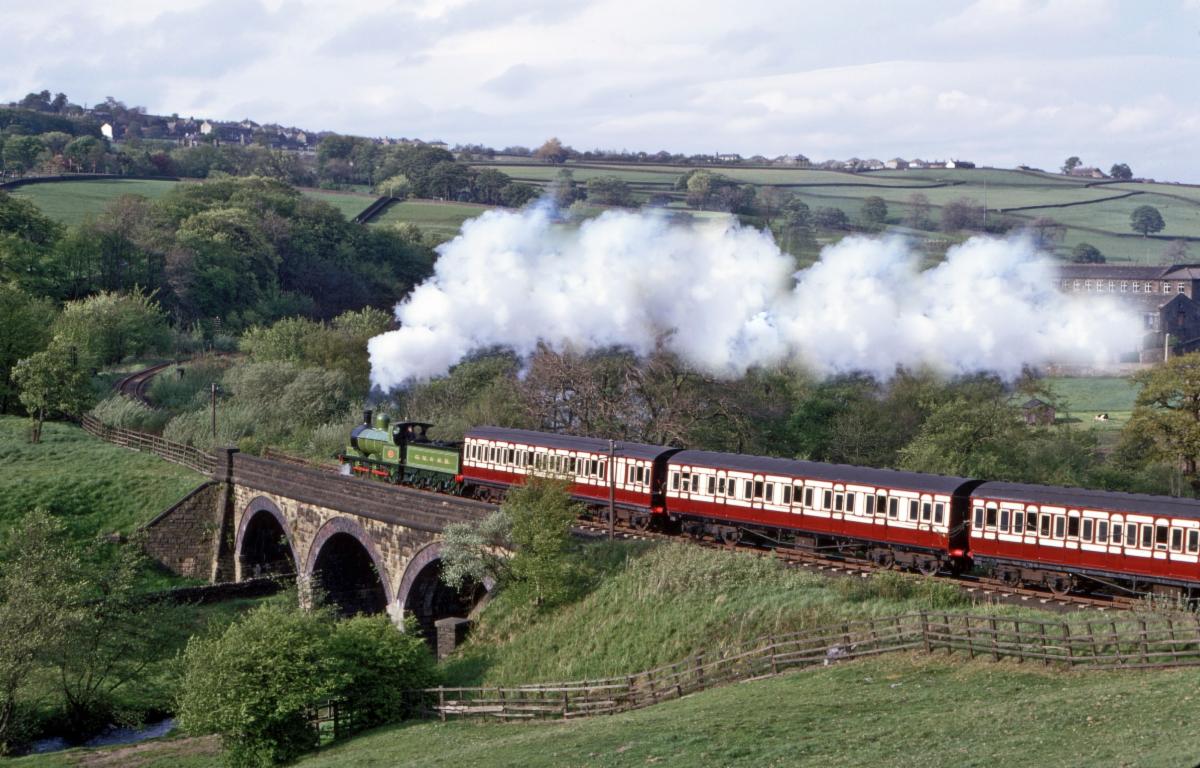
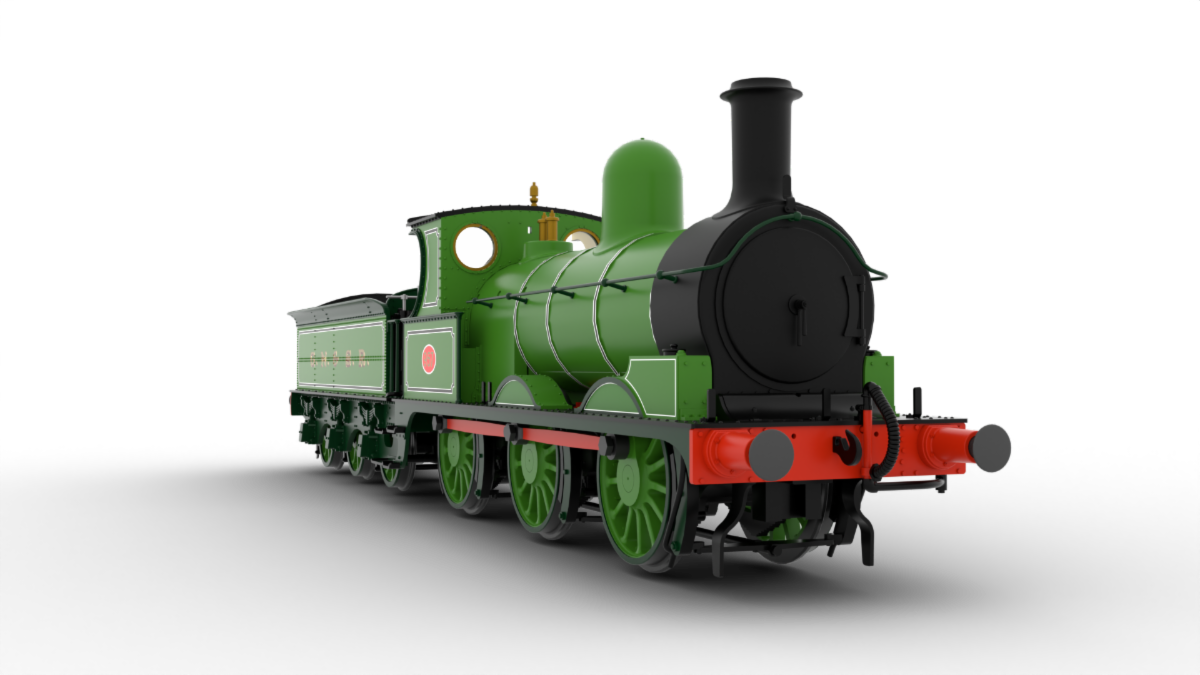
Great Northern and Southern Railway No. 957 ‘Green Dragon’ 0-6-0
The ‘Green Dragon’ has the following features:
- Highly detailed diecast metal and injection moulded construction.
- Lots of separately fitted details.
- Firebox flicker with a dynamic fire draw effect.
- Factory-fitted speaker.
- Smooth-running mechanism.
- Fitted with MoPower stay-alive and a 21-Pin DCC decoder socket.
- NEM 362 coupler pockets and sprung buffers.
- For modellers who prefer etched brass number plates, painted plates for No. 957 are included in the detail bag.
- DCC Sound-fitted versions of the pack also upgrade the ‘Green Dragon’ to include a full range of sounds and dialogue from the original motion picture. This is in addition to the detailed sound file of the locomotive itself.
| | |
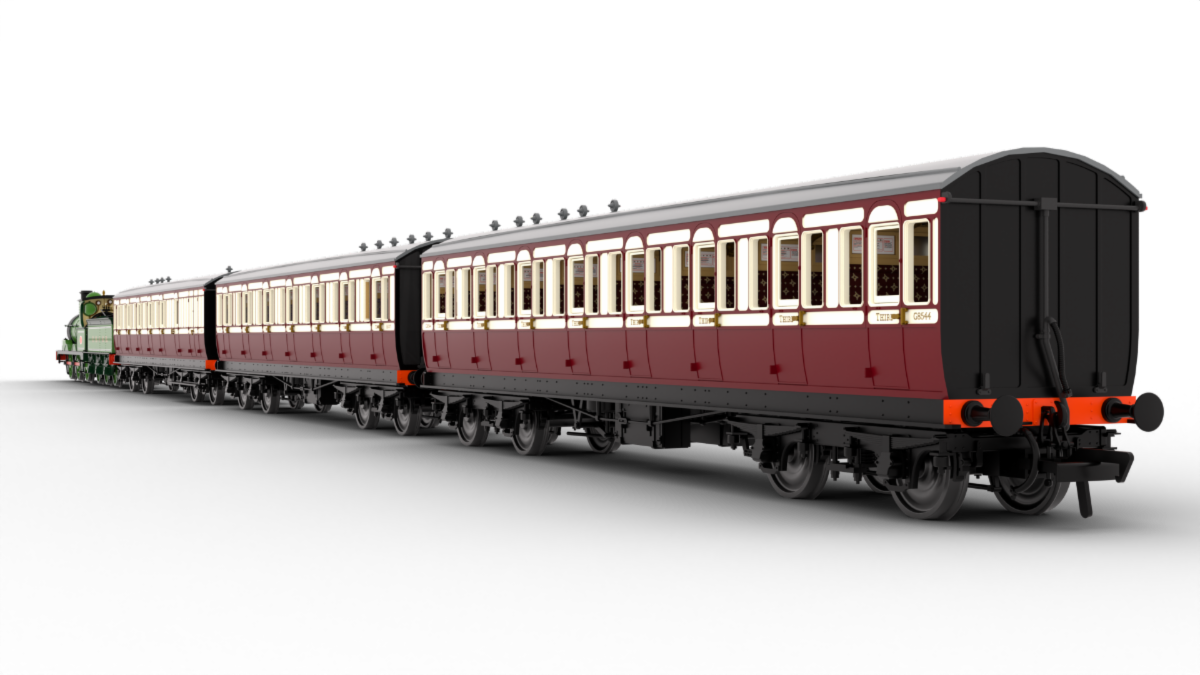
Great Northern and Southern Railway 'Evolution' Coaches
It wouldn’t be ‘The Railway Children’ if our heroes didn’t have a train to wave at, so we have included a rake of three 'Evolution' coaches that are finished in the Great Northern and Southern Railway livery.
The GN&SR Evolution Coaches have the following features:
- Triple pack featuring a non-corridor brake third, all-third, and all-first in GN&SR livery.
- Working internal lighting controlled by our magnetic magic wand, and fitted with a potentiometer, so you can set the lights to a level of your choosing.
- Easily removable roofs so that you can fit figures into your coaches, should you wish.
- Arc roofs, round-topped doors, and electric lighting fittings.
- Disc wheels.
- Lots of separately fitted parts, internally and externally. These include luggage racks, picture frames on compartment dividers and foot boards.
- Fully detailed guard's van/luggage compartment interior.
- Fitted NEM pockets, with optional close-coupling bar included.
| | |
Additional Content
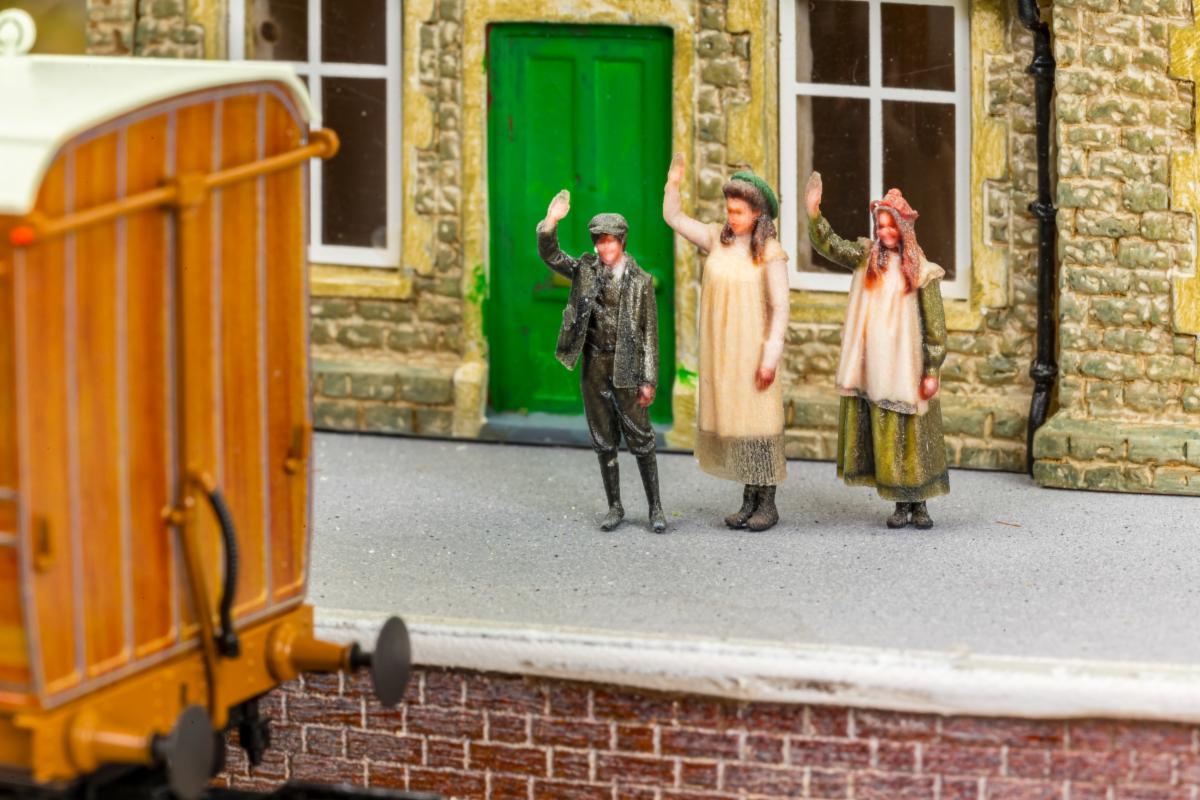
The train packs also include full-colour 3D-printed figures of the movie's main characters Peter, Phyllis and Bobbie, produced exclusively for these packs by Modelu.
Much like our previous train packs, we have included some memorabilia as a treat for you to collect and enjoy. In addition to the train and figures, you will find a Great Northern and Southern Railway poster and tickets, and a print of the famous ‘Green Dragon’ by well-known railway artist Jonathan Clay.
| | |
‘The Railway Children’ Train Packs are a perfect gift for those who love the film and want to relive this wonderful memory from their childhood.
We are pleased to say that the project is already at the tooling stage. The order book is open, and you can pre-order your models directly from us today or from any of our Official Retailers.
| | L&Y Class 25 ‘Ironclad’ 0-6-0 (OO Gauge) | | |
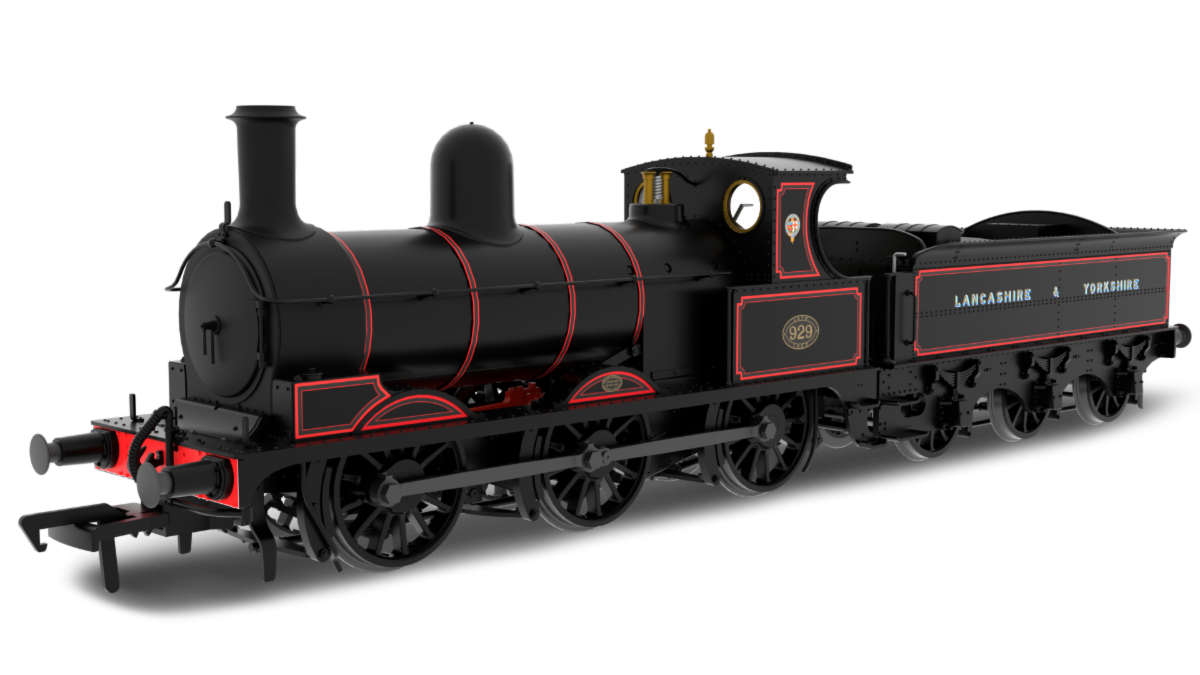
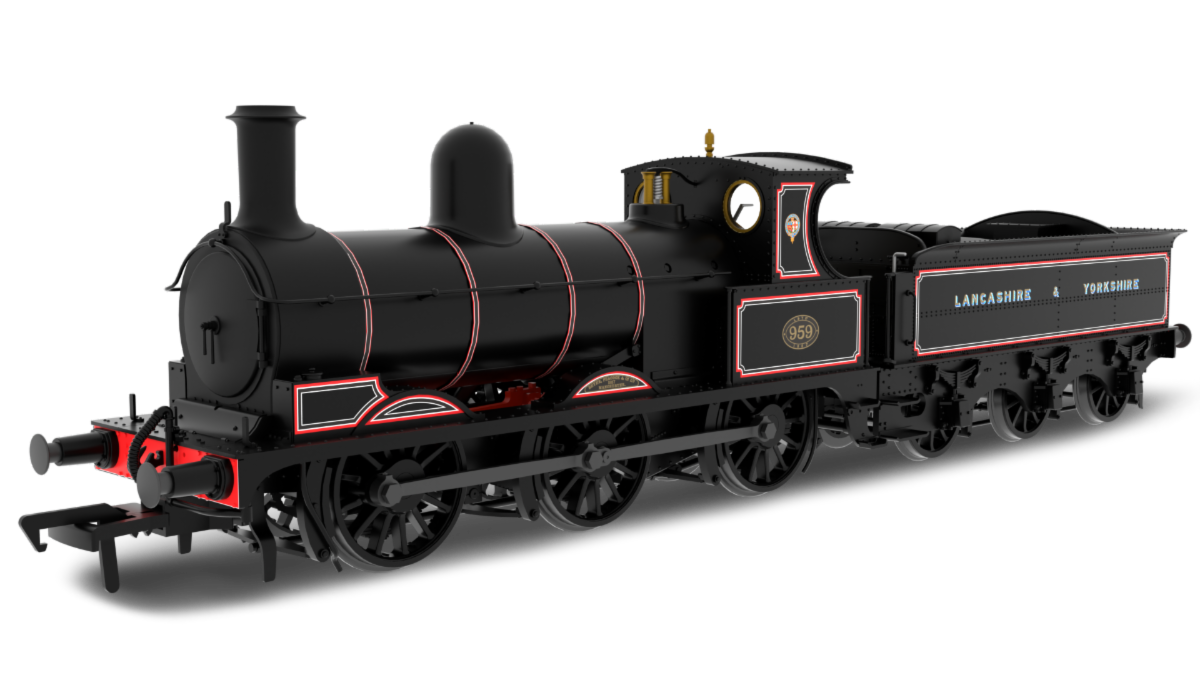
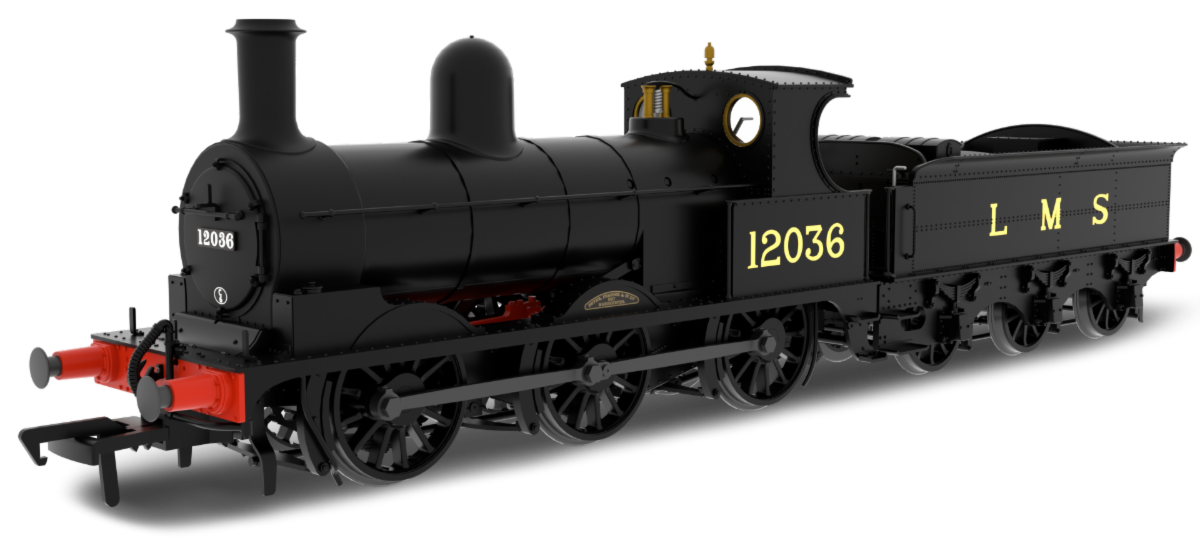
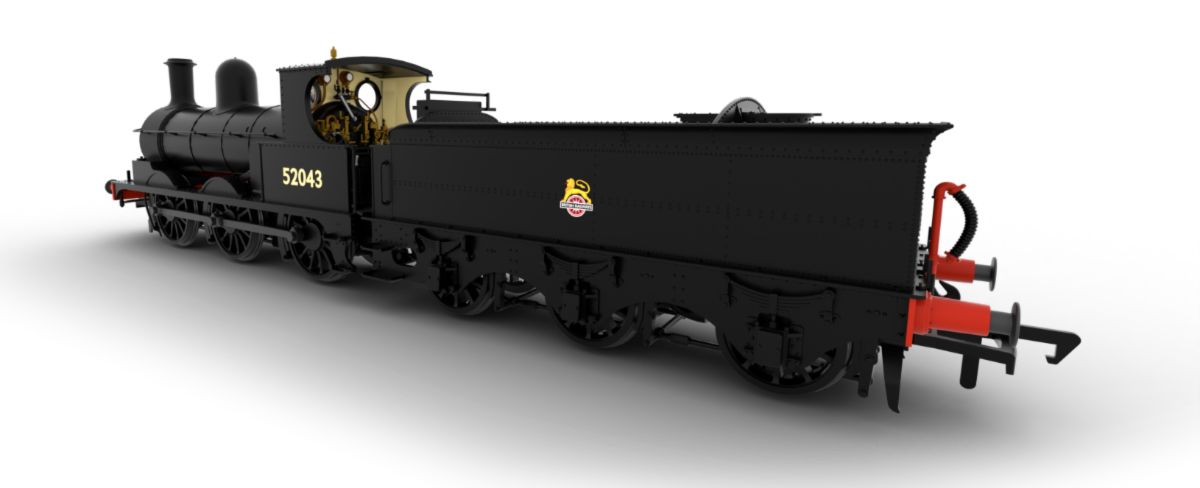
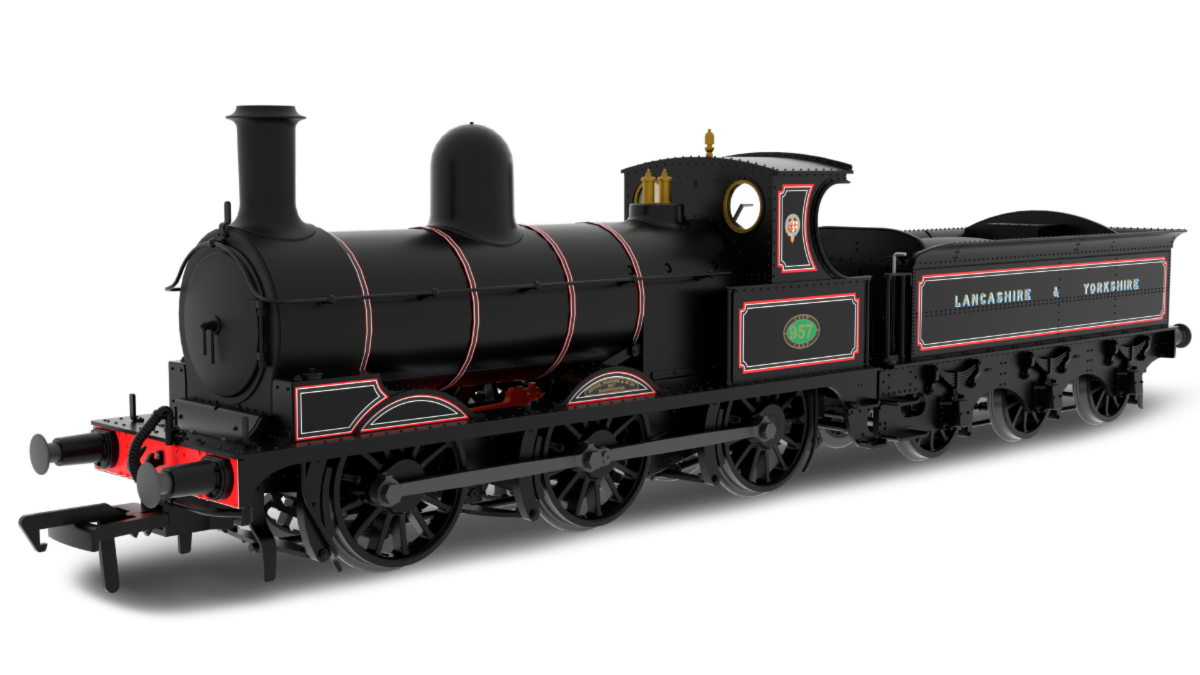
Alongside ‘The Railway Children’ Train Pack, we will also be adding the locomotive star of the movie to our range in its real-world guises. We are really pleased to announce the L&Y Class 25 ‘Ironclad’ 0-6-0, our first Lancashire and Yorkshire Railway loco in OO Gauge.
When William Barton Wright took the position of Locomotive Superintendent of the Lancashire and Yorkshire Railway in 1875, he began replacing the L&Y’s ageing loco fleet immediately.
An order was placed with Kitson & Co. for the first batch of 0-6-0 tender locos. These new engines were based on a small batch of locomotives that Kitson’s had recently completed for the Taff Vale Railway.
Kitsons delivered 22 examples between the summer of 1876 and early 1878; the new locos would be designated the Class 25.
| | |
The Class 25s had clearly met Barton Wright’s expectations, as 18 more were ordered from Sharp, Stewart & Co. in 1877. This was before all the Kitson examples had been delivered. The following year, the L&Y then began building Class 25s at their own works at Miles Platting in Manchester.
Further batches would later be outsourced to other private manufacturers, with orders continuing through to 1885. These included Vulcan and Beyer Peacock in addition to further examples from Kitson’s. The last of the class was delivered in 1887.
| |
Between the five builders of the Class 25, a total of 280 locos were completed. Though there were subtle differences from batch to batch, much of the design remained the same.
Although conceived as a freight loco, they proved themselves effective at mixed traffic duties and soon earned the nickname ‘Ironclad’. This was inspired by the battleships that were built around the same time. As they were efficient and quite numerous, Class 25s were assigned to most sheds throughout the L&Y.
| | |
Barton Wright’s successor, John Aspinall, took over in 1886. His new designs of larger freight locos quickly outclassed the Class 25. So Aspinall promptly set about repurposing the older Class 25 examples for local goods and shunting duties. This was done by converting them to saddle tanks. By the time the conversions had been completed, only 50 ‘original’ Class 25 locos remained in service.
The remaining locos would be inherited by the LMS, which gave them the power classification 2F. Withdrawals began in 1930. By the time British Railways took ownership of the Class 25s, just under half remained.
After an impressive 72 years of service, the last surviving member of the class was withdrawn in 1959. This was loco No. 52044 (L&Y No. 957).
| | It would have been the final curtain for this long-lived class had it not been for the fortuitous intervention of Tony Cox. Mr. Cox was keen to save an L&Y loco and purchased No. 957 from British Railways in 1960. This made it the second mainline British Railways loco to avoid the scrapheap and move to private ownership. No. 957 would be moved to the Keighley & Worth Valley Railway in 1965, where it remains to this day. | | |
To many people, No. 957 is better known as the ‘Green Dragon’. Repainted into the striking green livery of the fictitious Great Northern and Southern Railway, it took a starring role in the 1970 feature film ‘The Railway Children’. Earning itself worldwide fame. It also featured in several other BBC motion pictures, such as ‘Born and Bred’ and the remake of ‘The Hound of the Baskervilles’.
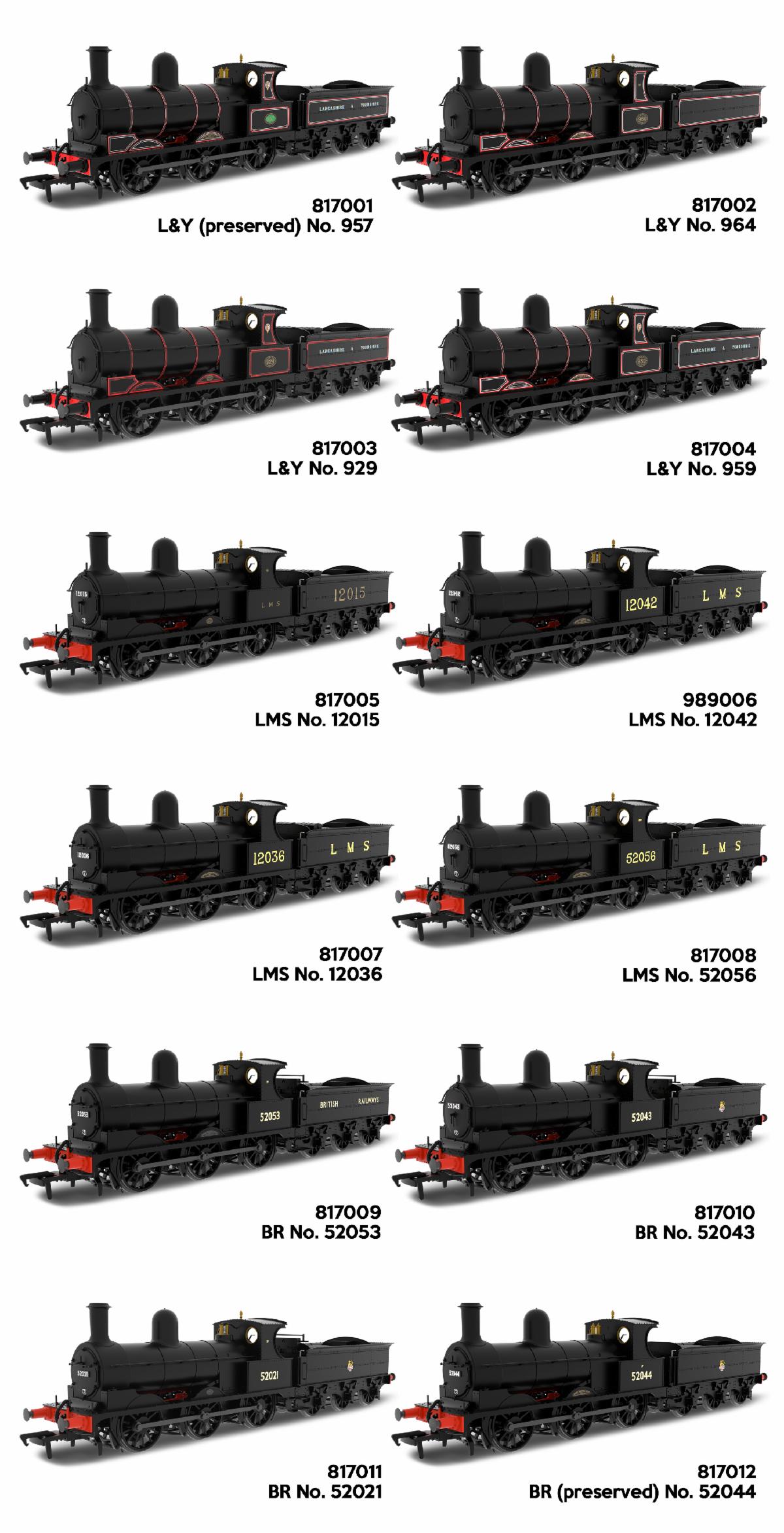
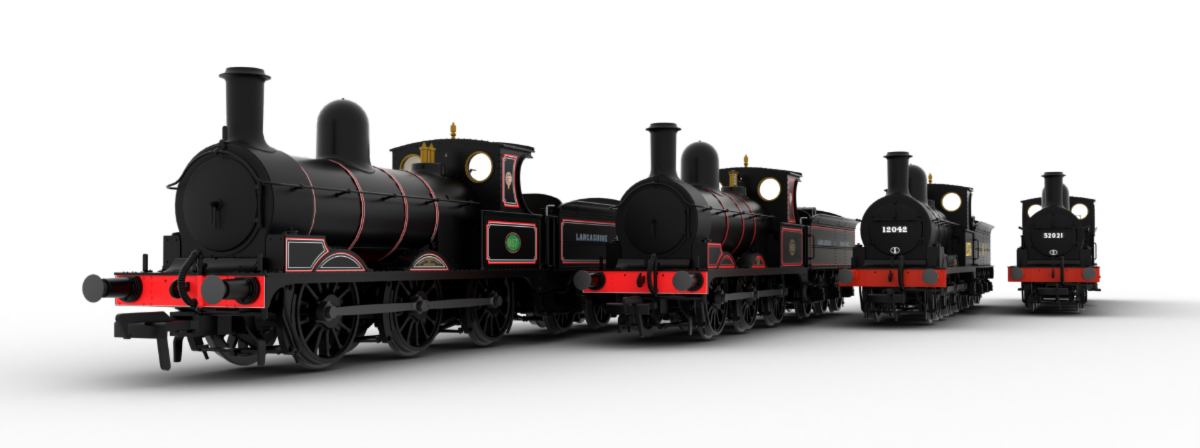
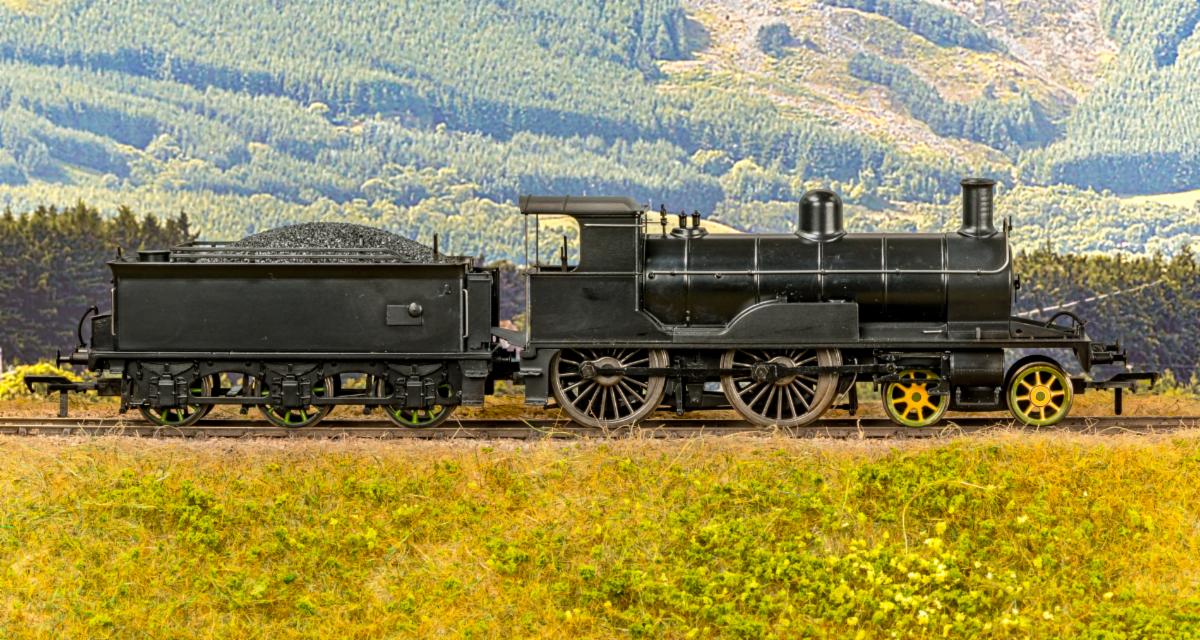
Our OO Gauge rendition of the L&Y Class 25 ‘Ironclad’ 0-6-0 will be available in a variety of liveries, including two that represent it during different periods of its preservation history.
| | |
You can look forward to a smooth-running mechanism, enhanced with a MoPower stay-alive capacitor, plunger pickups fitted to the loco and wheel bearing pickups on the tender.
Other features include a factory-installed speaker, NEM 362 coupler pockets, sprung buffers, a 21-pin DCC decoder socket, and firebox flicker with a dynamic fire draw effect on DCC-fitted models.
For modellers who prefer etched brass number plates, we will include painted plates appropriate to the relevant version in the detail bag. This is in addition to a selection of other optional details for you to personalise the model.
We are pleased to say that the project is already at the tooling stage.
| | The order book is open, and you can pre-order your models directly from us or any of our Official Retailers today. | | War Department 35T Rectank Bogie Wagon (OO Gauge) | | |
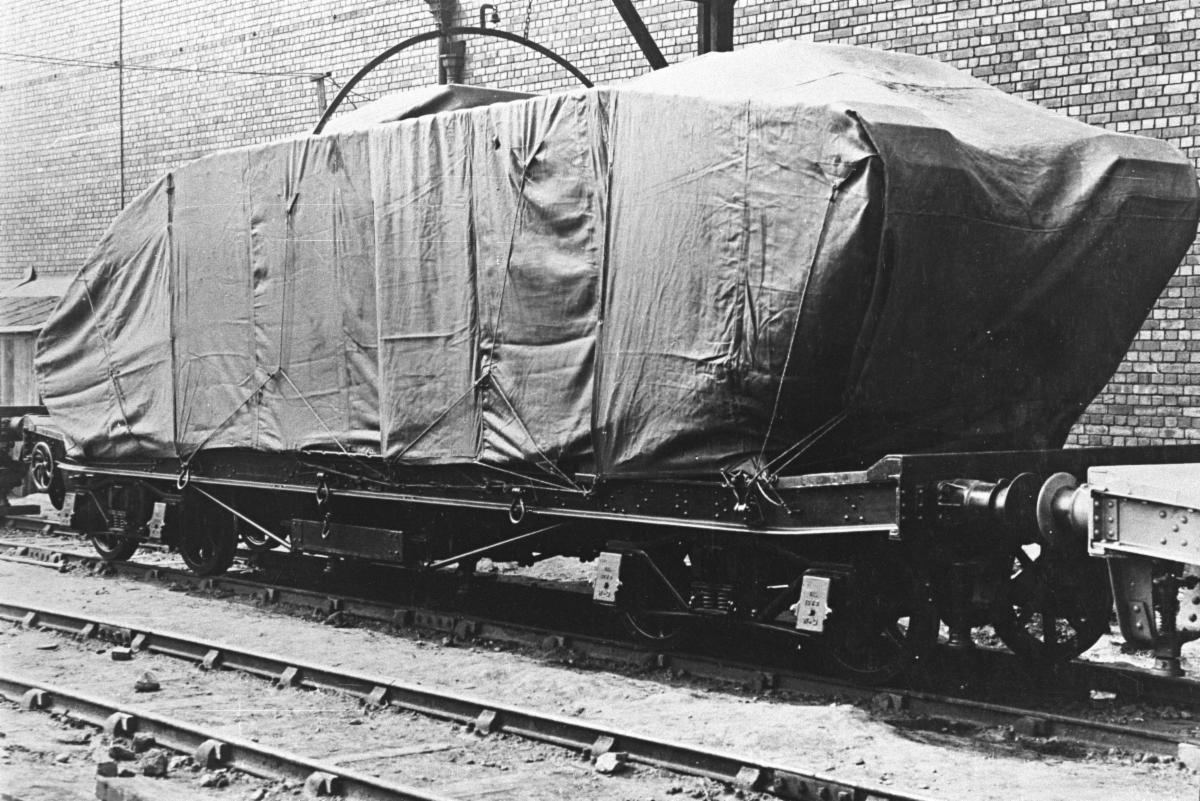
In 1916, the British Army introduced the world to their latest development in military technology. Kept secret by designating them as a type of all-terrain water carrier, they were dubbed the ‘Tank’ by those in the factory. This nickname would later be adopted as their formal title and was listed as ‘Water Tanks for Mesopotamia’.
By 1918, the tank was being used regularly across the Great War battlefields. Due to their destruction at the hands of the enemy and mechanical failures, a steady stream of replenishment of this new and terrifying war machine was required.
| | |
Efficient transport of the tank was vital for the war effort, so the War Department ordered purpose-built wagons to aid in their transfer from the factory to the frontline. These new 35-ton bogie machinery trolleys were better known as the Rectank. Its name came from an abbreviation of the Railway Executive Committee Tank Wagon.
The War Department ordered 200 Rectank wagons. The majority are believed to have been built by the Midland Railway at Derby. However, forty were made by the GWR in Swindon, and a surviving preserved example was built by the Lancashire and Yorkshire Railway. So the exact number of who built what and where remains somewhat of a mystery.
| | |
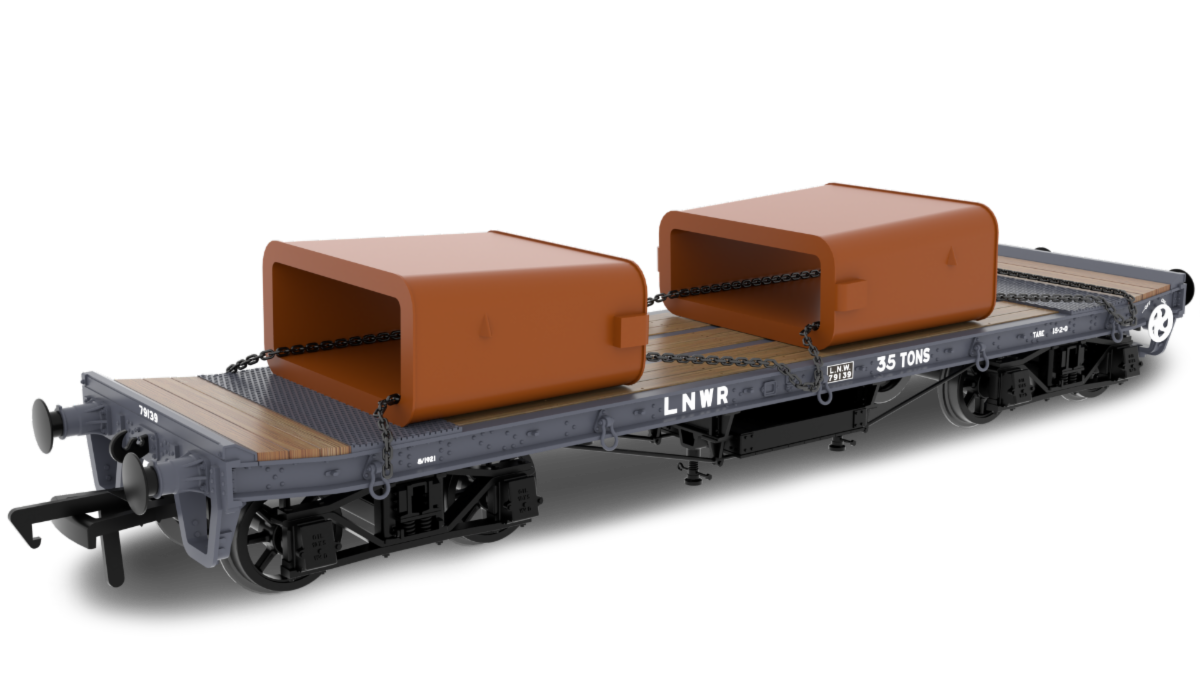
The Rectank is 34 feet in length over headstocks and features Midland-designed diamond-framed bogies. In addition to a strengthened wagon bed, screw jacks with two stirrups were fitted to each buffer beam and behind the outer queen posts. This was to brace the wagon against the track while the tanks were driven aboard.
Two boxes were fitted under the wagon bed. These were for storing the load-securing chains safely when they were not in use.
| | |
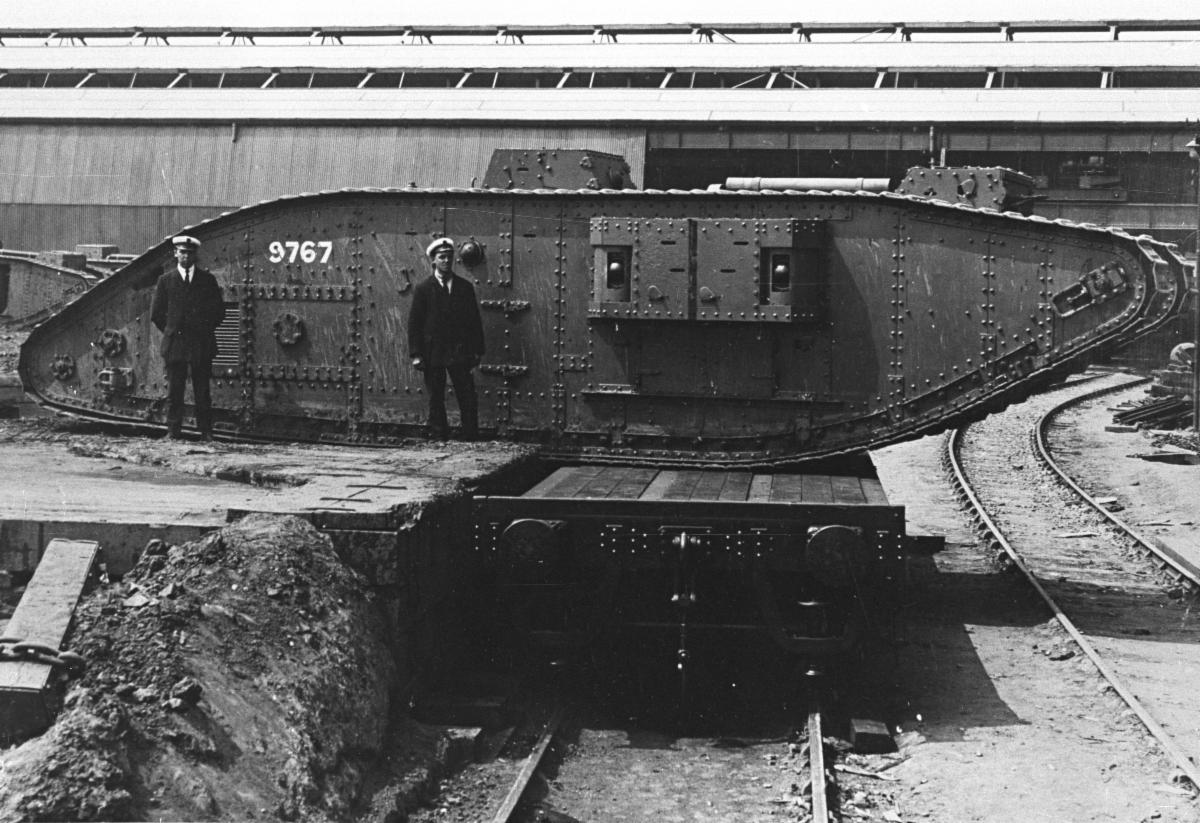
Tanks were loaded by driving them in from the side and then turning them while on the wagon, which was a very precise, delicate manoeuvre indeed.
They were then chained down to prevent them from moving. As British tanks were designated as landships at this time, they were tended to by members of the Royal Navy.
| | |
With most tanks being built in Lincoln, the Rectanks would have traversed a variety of pre-grouping lines, bound for the secret port at Richborough, near Dover. They were then loaded onto purpose-built roll-on / roll-off ferries and transferred to France. Rectanks were also used to transport other heavy vehicles and equipment, so would have travelled from the relevant factories to ports such as Portsmouth or Southampton.
With the conclusion of WW1, the Rectank was purchased by, and returned to service under the ownership of, numerous pre-grouping companies. This included the LNWR, Midland, GWR, and NER. This is where they remained until the grouping of the railways in 1923.
| | |
Moving to GWR, LMS and LNER ownership under the 'Big Four', these incredibly effective flat-bed wagons carried a multitude of heavy or long loads. Bolsters were fitted to some to diversify their carrying capability further.
During World War 2 the Rectank returned to its original purpose, transporting tanks and equipment. Many were carried across to France to deliver supplies, which resulted in some being lost in action.
Upon the Nationalisation of the railways, several surviving examples were inherited by British Railways. Other than a handful that were used for departmental and industrial purposes, and a number that had previously gone to the Longmoor Military Railway, the remaining Rectanks were withdrawn between 1959 and 1962. The departmental variants soldiered on until the late 1960s.
BR would build a further 78 Rectanks in 1959-60. These featured a fresh style of bogie and a different truss frame to the original design.
| | |
Thankfully, quite a few Rectanks were preserved. Dotted across the country, these inconspicuous wagons are an important historic link to the Great War and the vital role they played over one hundred years ago.
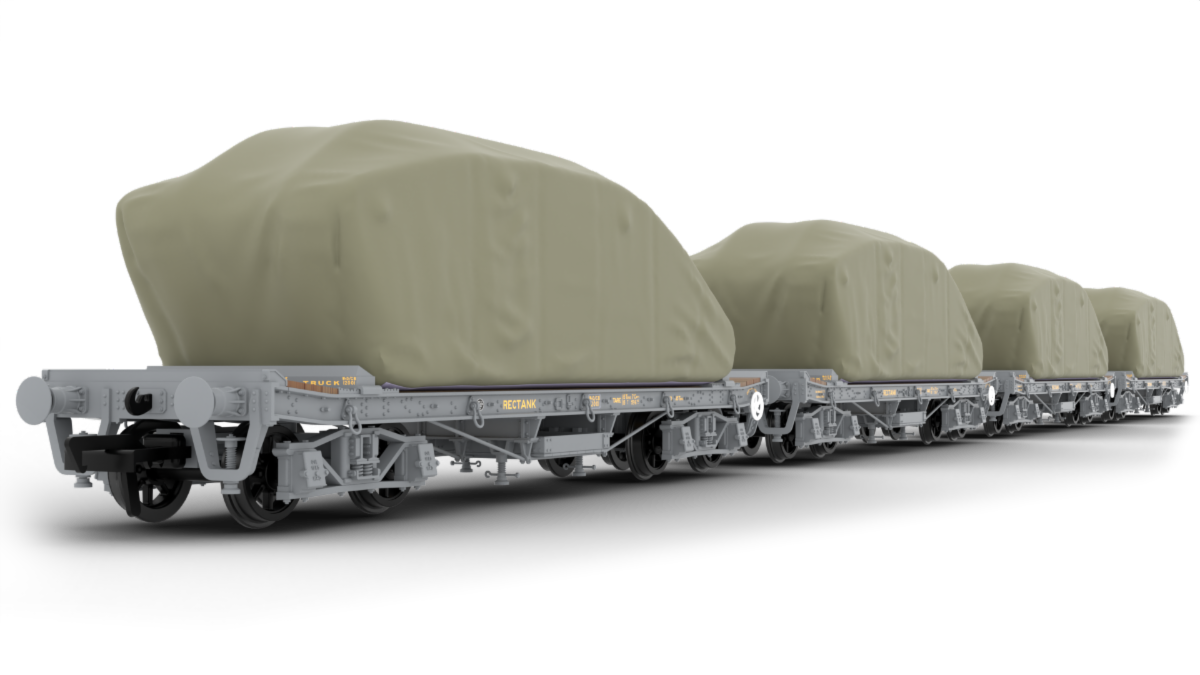
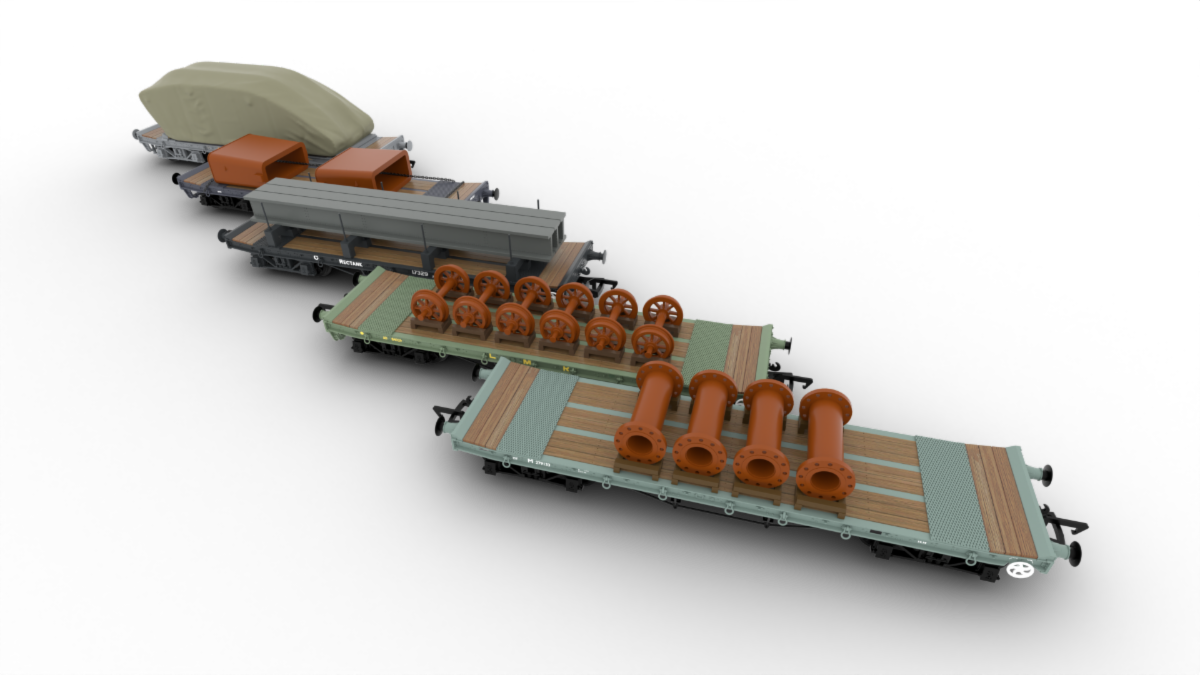
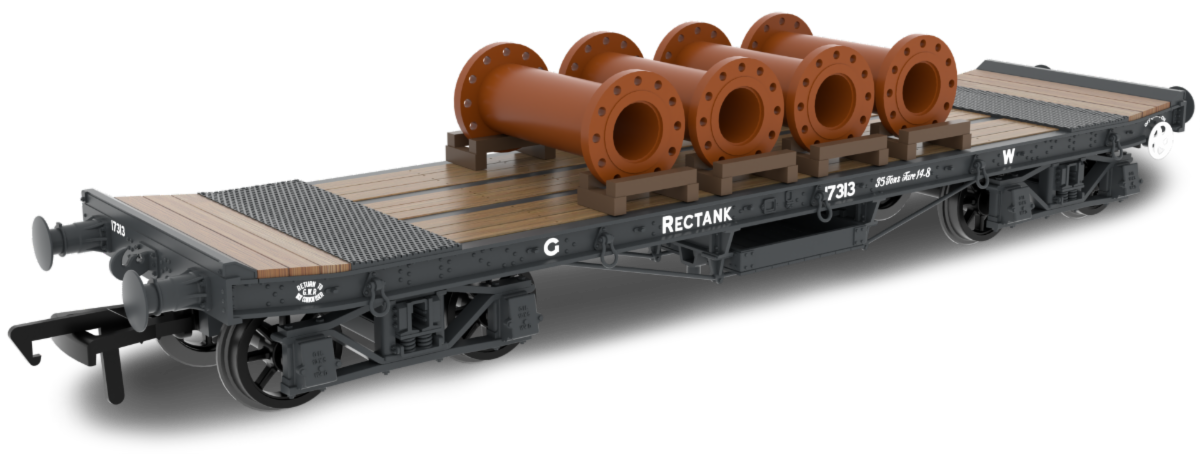
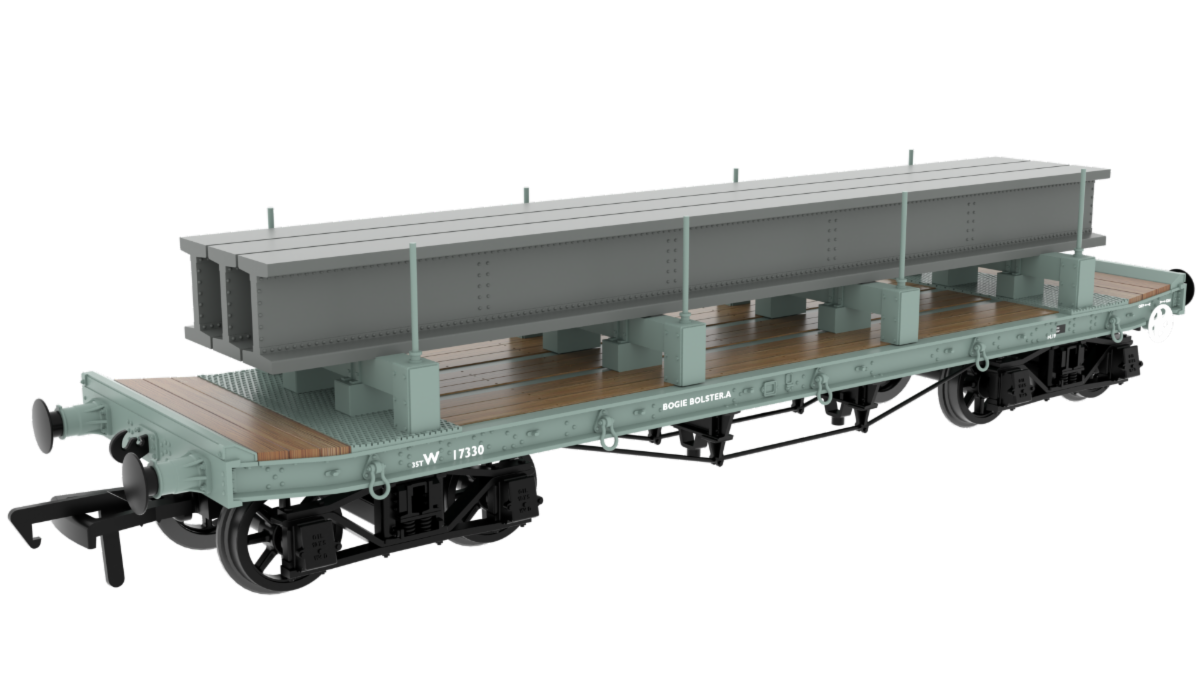
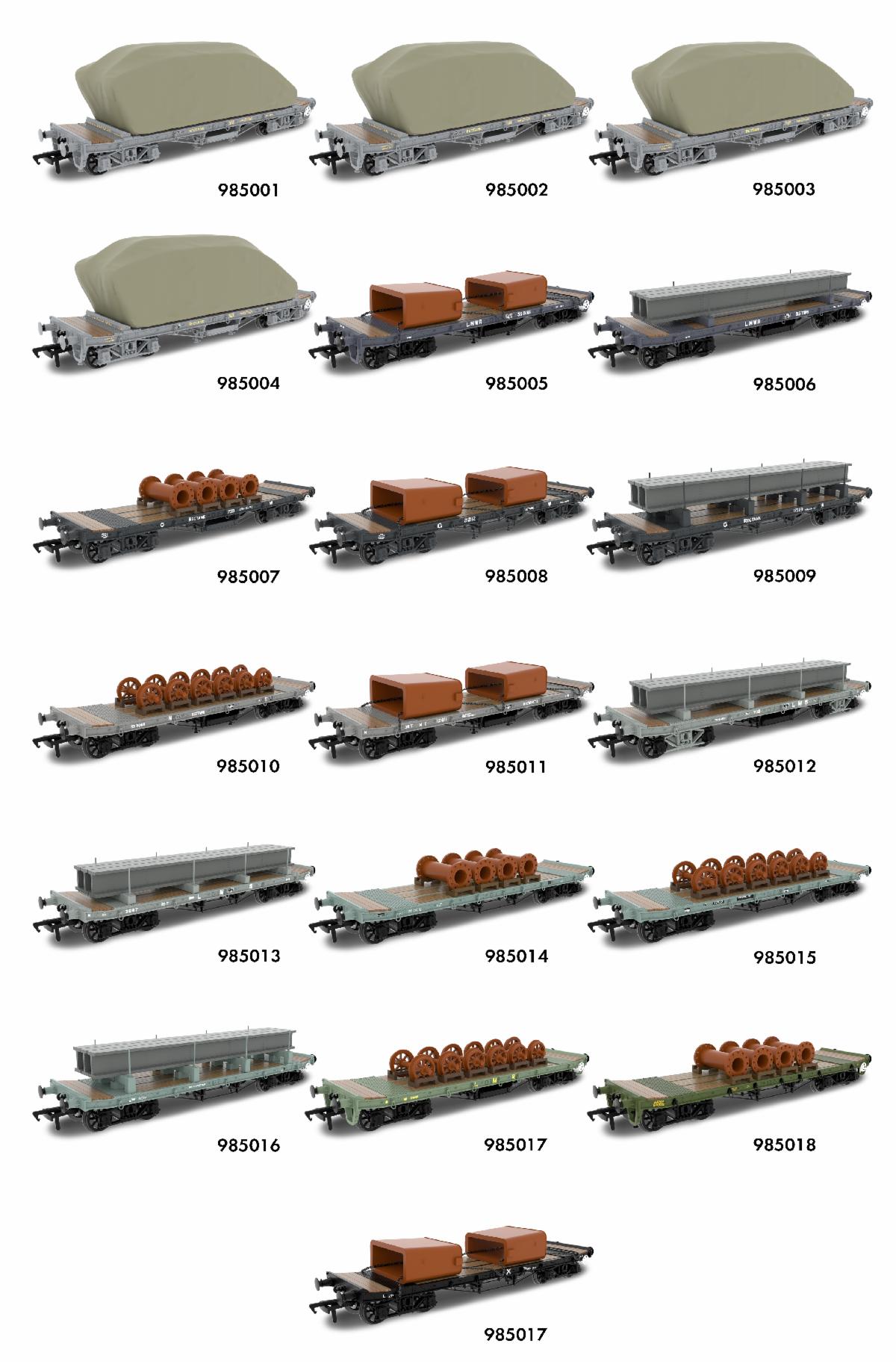
Our new OO Gauge WD 35T Rectank Bogie Wagon will have the usual wealth of full external and underframe detail and feature numerous tooling variants.
Detail differences within the range include jack mounts, jacks on the ends and centre, chain boxes, bolsters and additional tiedowns.
Each model features a detailed load that is appropriate to the era; these include a covered Great War tank, steel girders, Ingot moulds, wagon wheels, and flanged pipes. All loads provided aren’t fixed down, meaning you can replace them with any load of your choosing.
| | |
You can personalise your models further with the additional tiedowns and chocks provided in the detailing pack for the relevant versions.
All models feature 8-spoked wheels and are finished with brass bearings, NEM 363 coupling pockets and a high-quality livery application.
These models are currently in tooling, and the order book is open. You can order yours directly from us today or from any of our Official Retailers.
| | We know this month's news is very much dominated by the epic announcements, but let us assure you that we haven’t forgotten our existing projects. We’ve got some great news for those who model the Eastern Region! | | LNER C12 4-4-2T Engineering Prototypes (OO Gauge) | | We took the 3D printed samples of the LNER C12 to the National Festival of Railway Modelling last year, which went down a storm. Which means we know that many of you will be over the moon when you see our latest engineering prototype. | | |
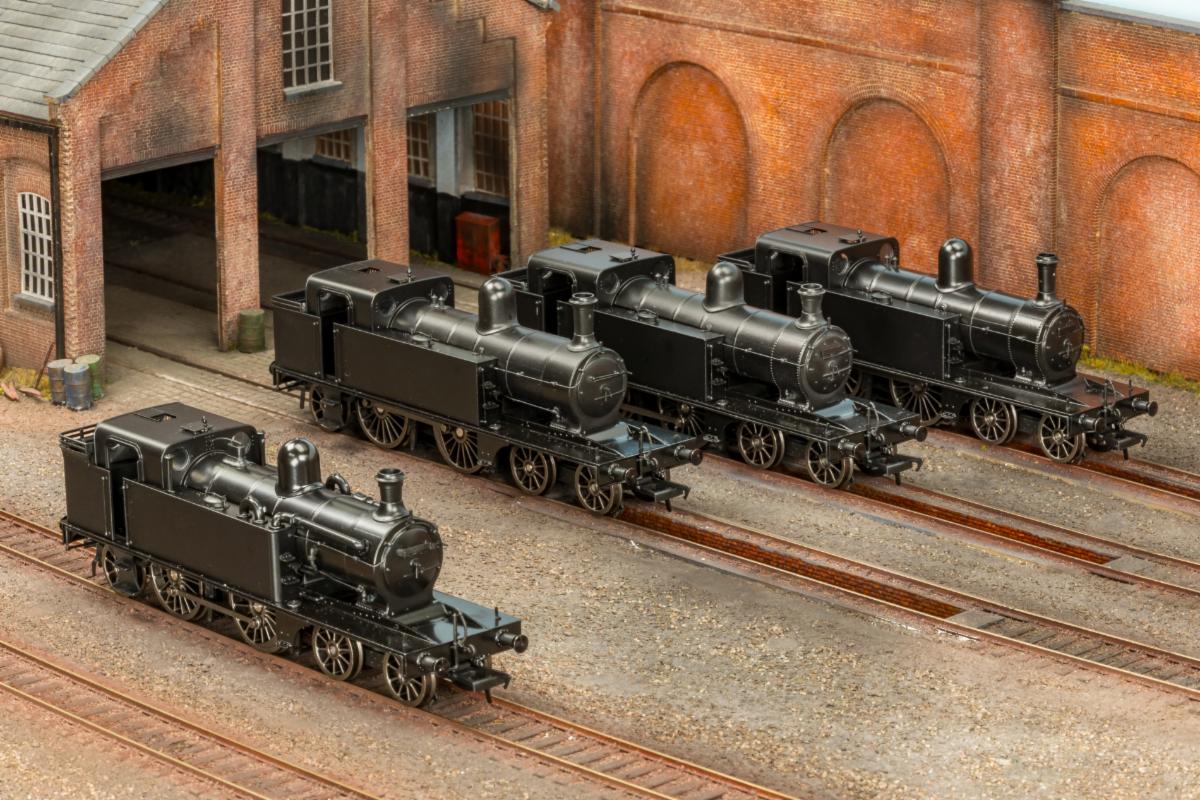
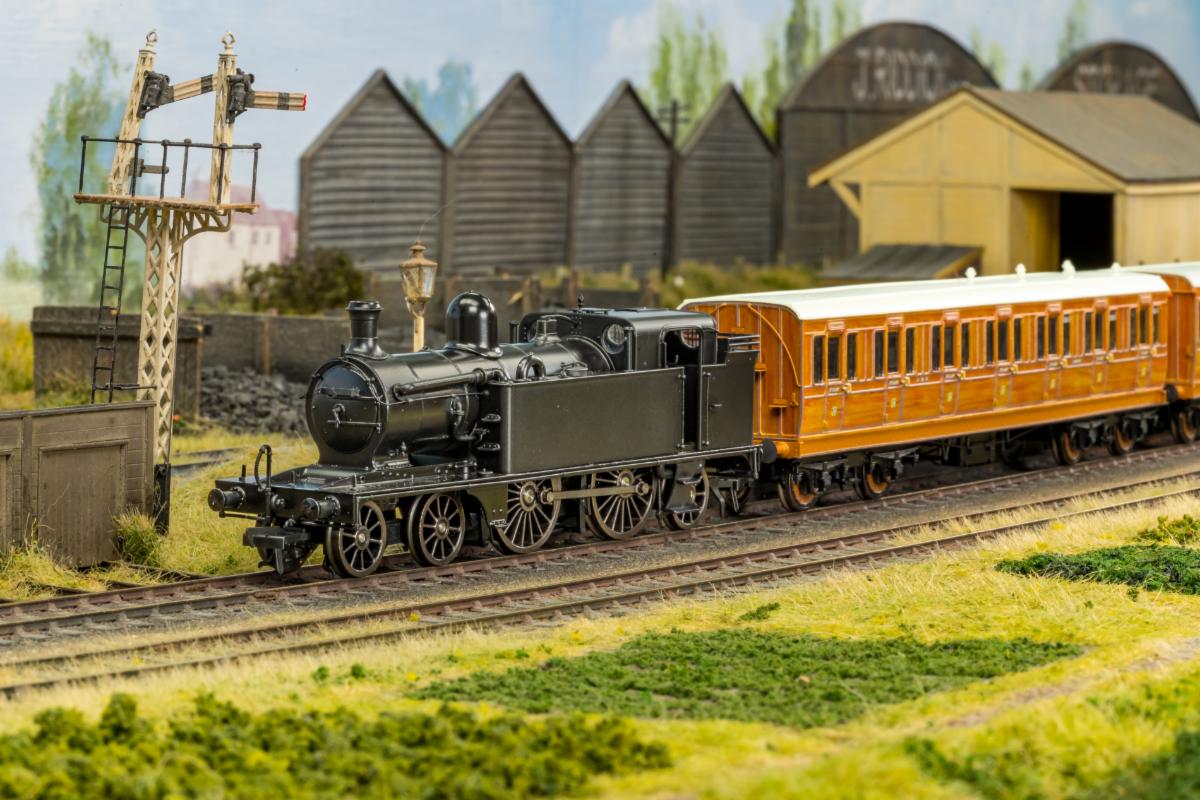
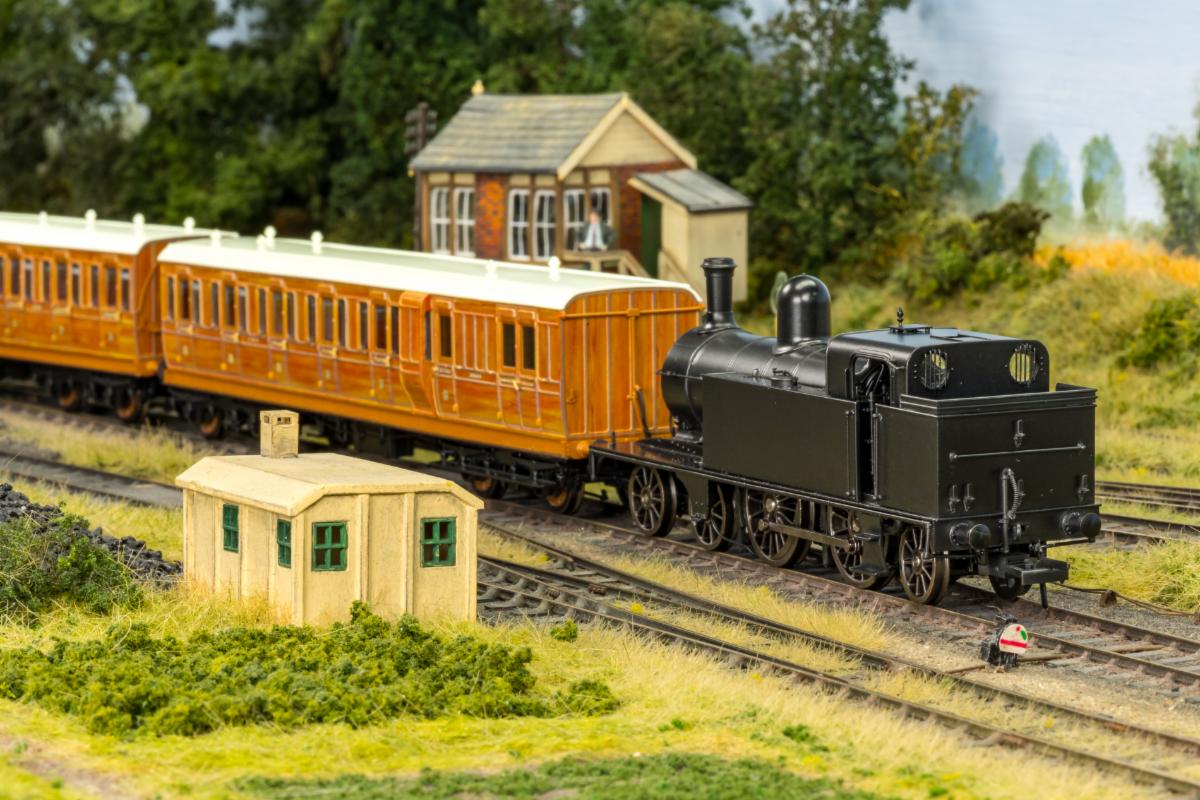
There are quite a few interesting tooling variants throughout the range, but the most noticeable examples are those fitted with condensing pipes. We are rather pleased with how the prototypes have turned out, and there appears to be a smooth connection between the pipes, the boiler and the tank.
With all of those separately fitted parts, the LNER C12 has a rather impressive cab. This is going to look great with the firebox flicker illuminating all of these subtle details.
| | |
We cannot wait to see what these graceful tank engines are going to look like in their finished paintwork. Given how handsome the J52 and Stirling Single looked in their striking Great Northern Railway livery, we suspect this is going to be quite an elegant loco.
These latest samples arrived just in the nick of time before we were due to head to the London Festival of Railway Modelling this weekend. So, for those of you who are planning on attending the show, make sure you visit our stand and take a peek at these for yourself.
| | |
The engineering prototype will also be on show at Model Rail Scotland next weekend, so if the London show is a bit too far south for your Great Northern liking, then we will be heading to the opposite end of the country soon after.
We know not all of you can make either of the shows, so we thought we would treat you all to a few close-ups. That way, everyone can appreciate just how much progress we have made and, of course, how nice they look.
The order books are still open for the OO Gauge LNER C12, and you can place your pre-order directly through our website, or via any of our Official Retailers.
| | GCR Wagon Engineering Prototypes (OO Gauge) | | |
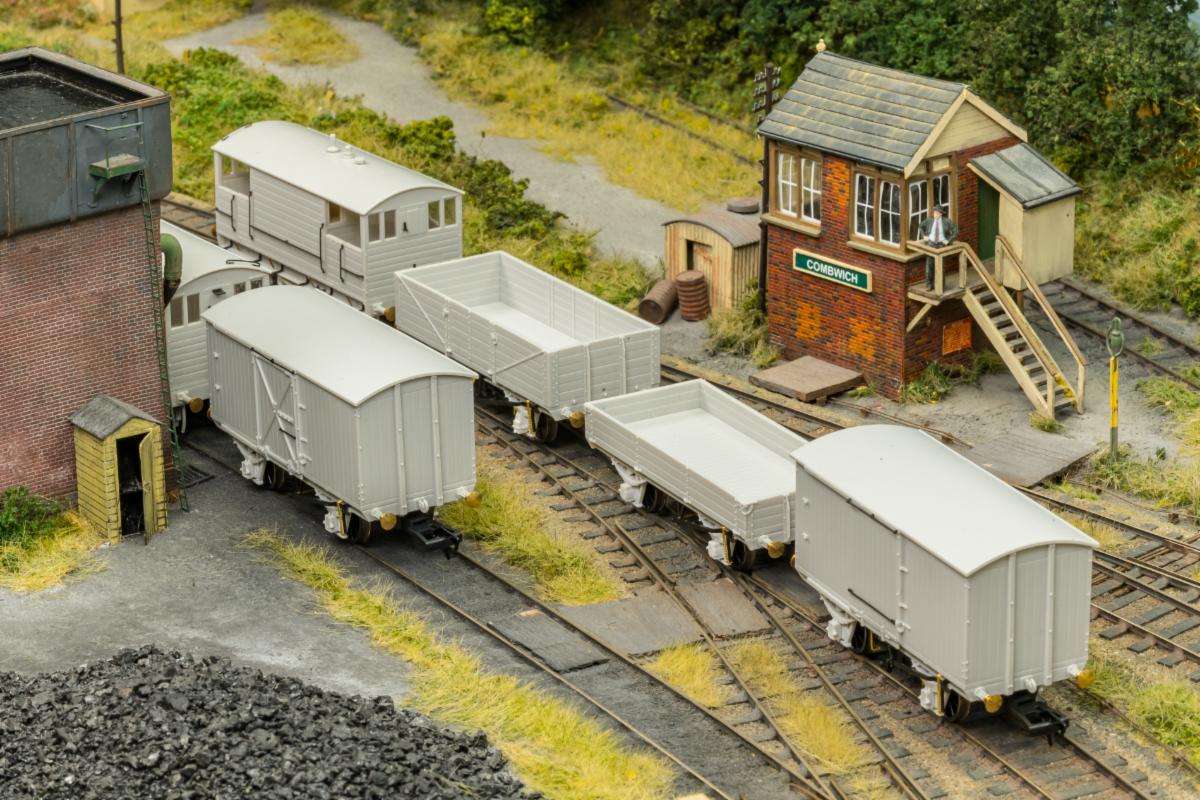
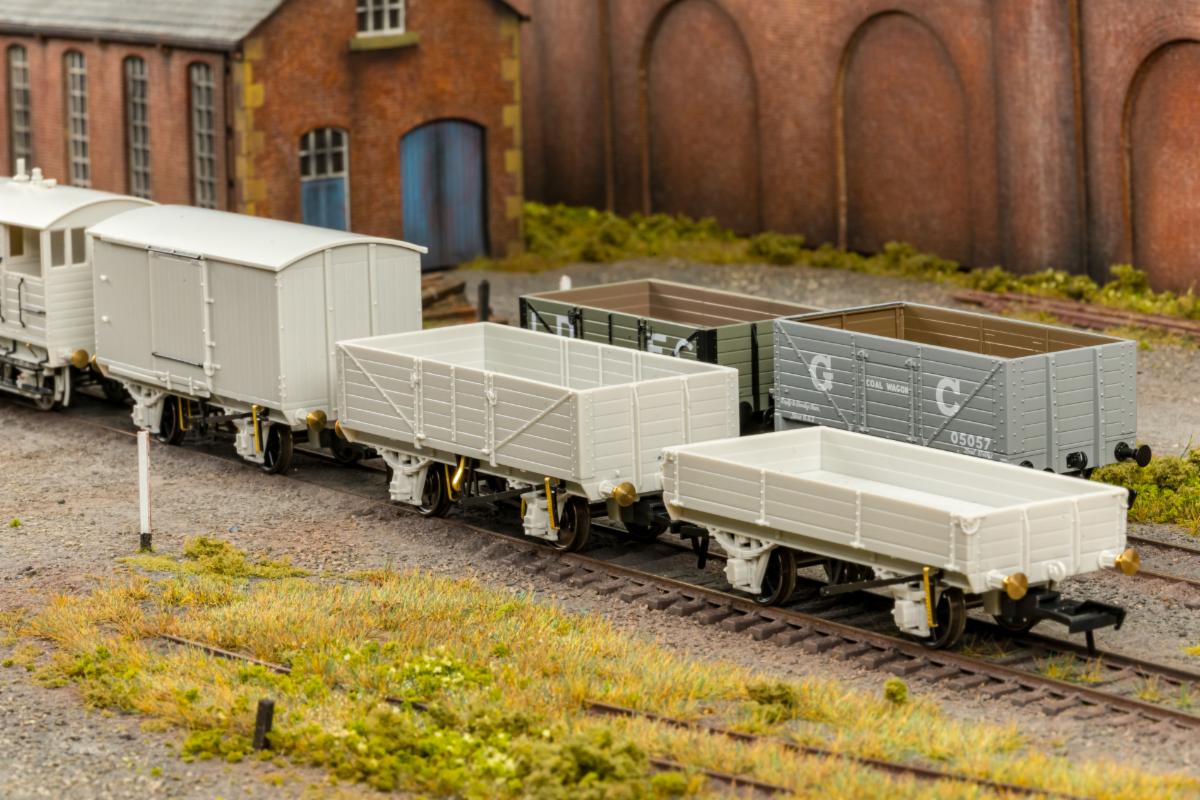
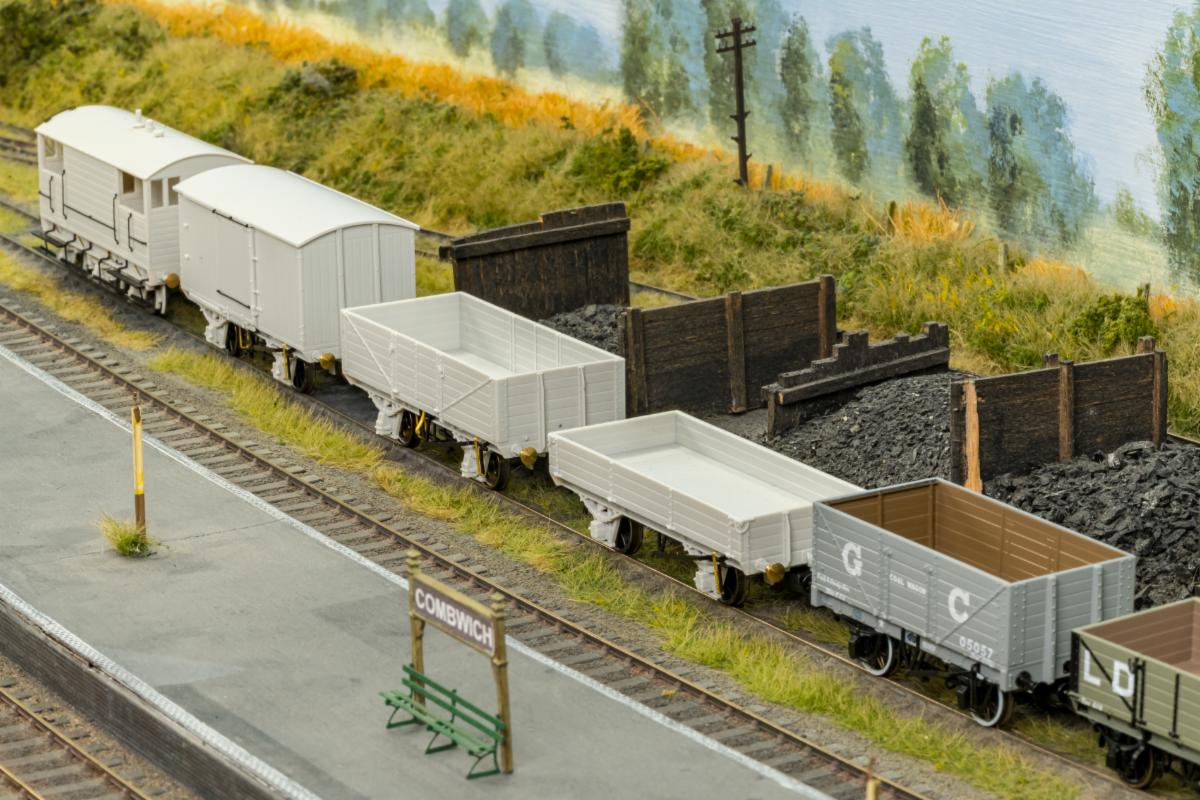
Our recently announced OO Gauge Great Central Railway Wagon range has progressed quickly since its announcement a couple of months ago, and we have already received engineering prototypes of each type.
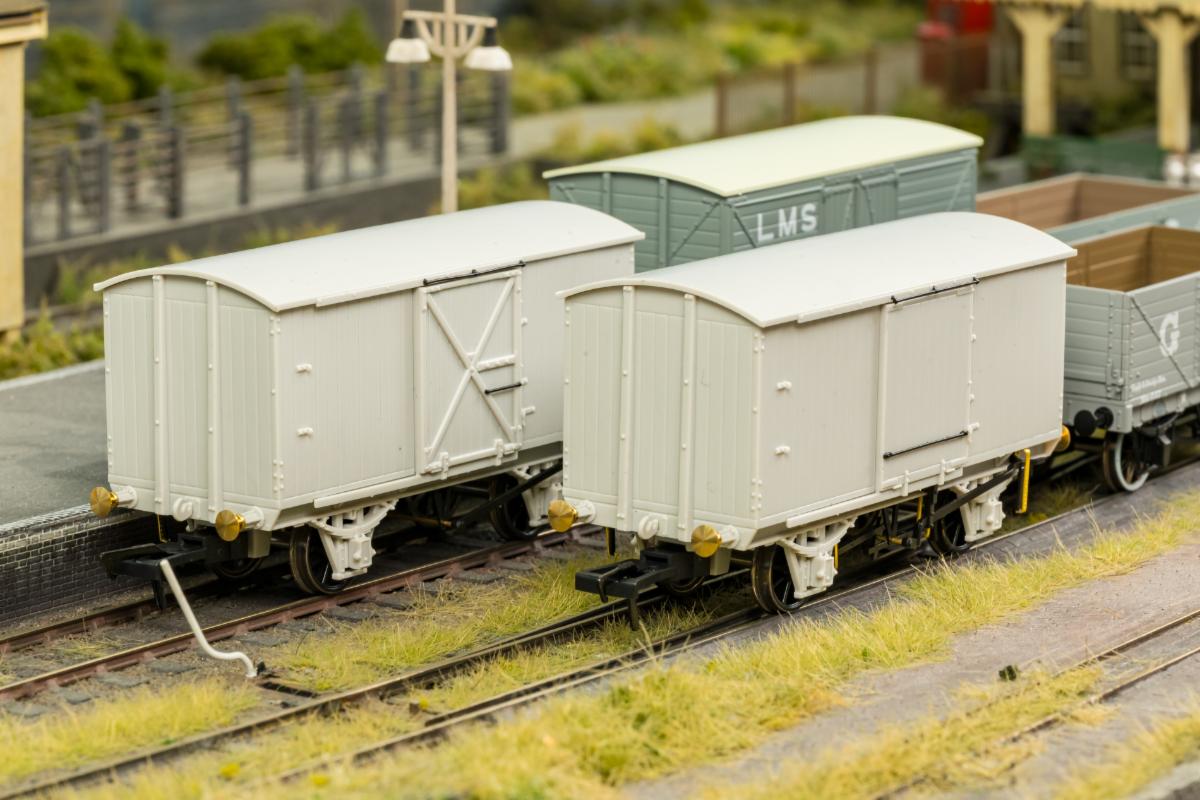
These samples really highlight the details of the new wagons nicely, giving you a greater insight into the attention to detail that we have put into the underframes and separately fitted parts to ensure they are prototypically correct.
| | |
The sliding door on the Dia.17B Covered Vans has several interesting little details, such as the separately fitted door bangers, rails and handles. The later LMS variants also have a different door that has cross braces.
All three wagons are the perfect complement to our upcoming GCR brake van; this upcoming range gives you the freedom to tailor a full GCR freight train to your liking. As the 3 and 6-plank open wagons are of different sizes, you can get creative with the types of loads you fill them with. With both the wagon and brake van ranges also featuring Cheshire Lines Committee versions, you also have everything you need to model freight on the CLC if you please.
| | As part of our review of these samples, we noticed that we needed to make a change to the two earliest versions of the Dia. 6C 3-Plank Opens. We have since updated the tooling, so they now have independent brakes. So, if you have already pre-ordered these for your collection, the final model will look slightly different to how it was originally advertised. But it is now correct, so we are sure you will be pleased! | | |
Order Book Closing Dates
Model Rail Scotland is next weekend, and a host of Scottish prototypes are heading with us to the show. We thought you would appreciate a bit more time to place your pre-orders for the OO Gauge HR Loch Class, once you’d set your eyes on its spectacular samples. So, we have decided to move the order book closing date to the following month.
Please get your pre-orders in by Monday, the 27th of April for the Highland Railway Loch Class 4-4-0 (OO Gauge).
| | |
As this newsletter hits your inbox, we will have just arrived at the Alexandra Palace in London for the first of two massive exhibitions that are occurring over two back-to-back weekends. We have made lots of exciting announcements since we attended these shows last year, and made massive leaps with existing projects. So we think there are plenty of great reasons to come and see us.
We have done everything we can to make sure we have all of the latest samples and prototypes ready by the time the show starts. You can look forward to such treats as painted samples of our upcoming 009 locos, Caledonian No.123, the Midland 483, Ivor the Engine and more. There will also be engineering prototypes on show for projects such as the GWR County, LNER D40, HR Loch Class, and loads of different wagon projects too.
Based on today's announcement, we’re willing to bet many of you are keen to ask us lots of questions about ‘The Railway Children’.
Whatever your questions may be, make sure you visit our stand and introduce yourself. We genuinely look forward to hearing your thoughts and feedback about all things Rapido.
We will be attending the following shows in March:
With March behind us, we will then be attending our very first dedicated narrow gauge show in April. Our entry into 009 has gone down very well with the narrow gauge modelling community. With such a great response, it would be most improper not to attend the biggest show on the narrow gauge calendar. We are pleased to confirm that we will be bringing all of our latest 009 samples to the following show in April.
Do come and say hello!
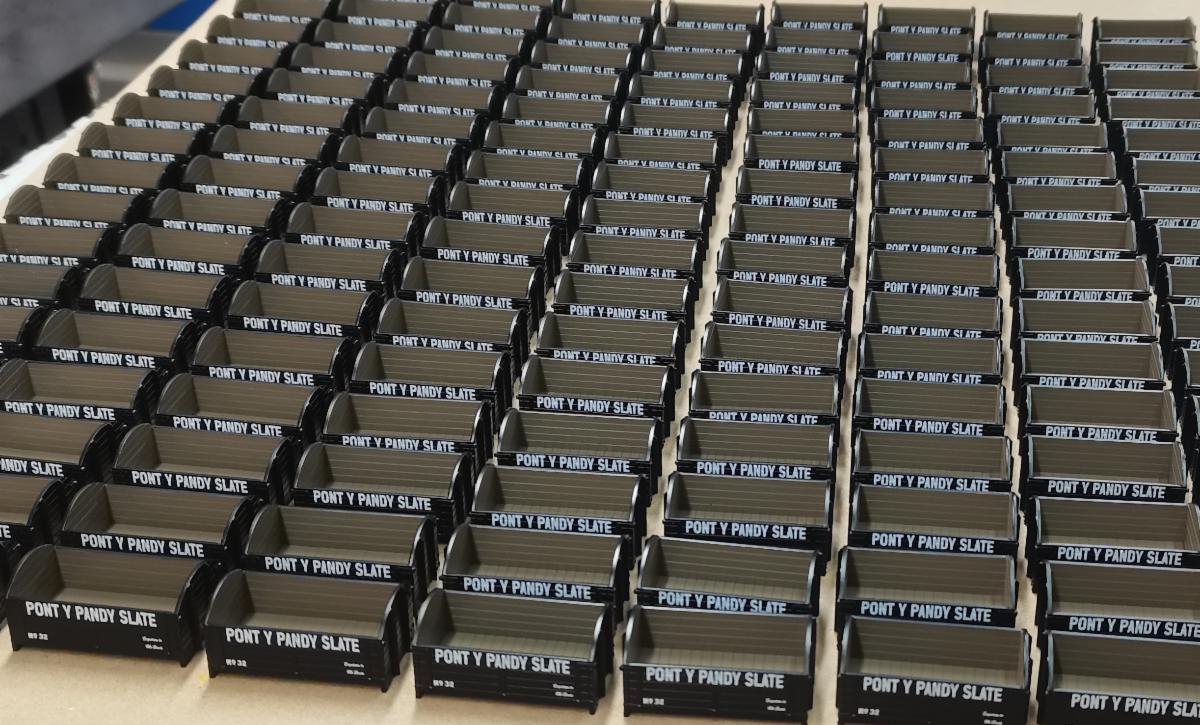
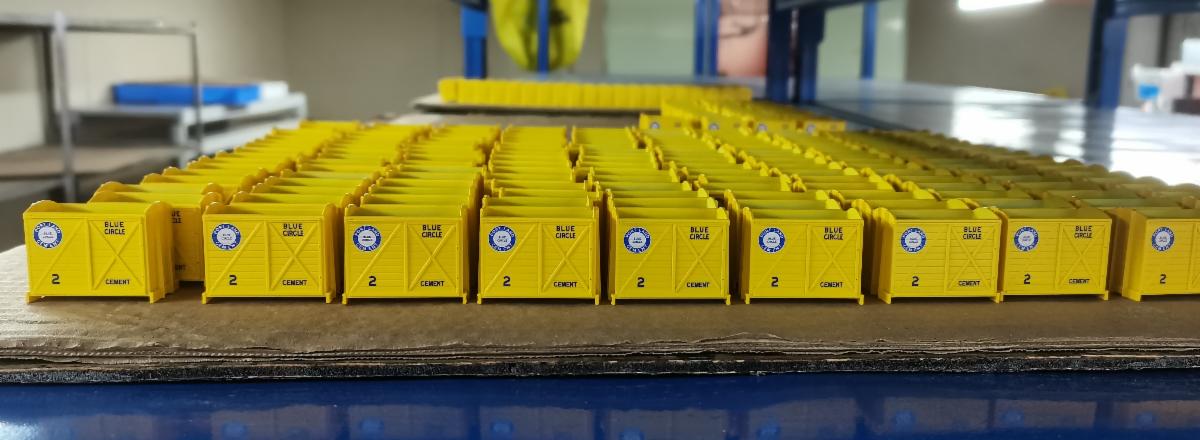
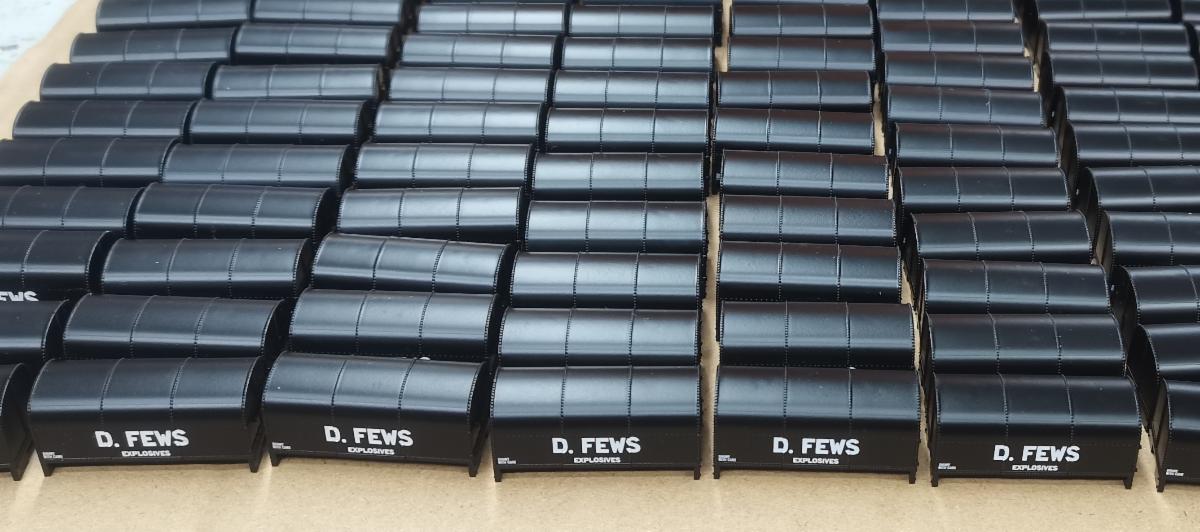
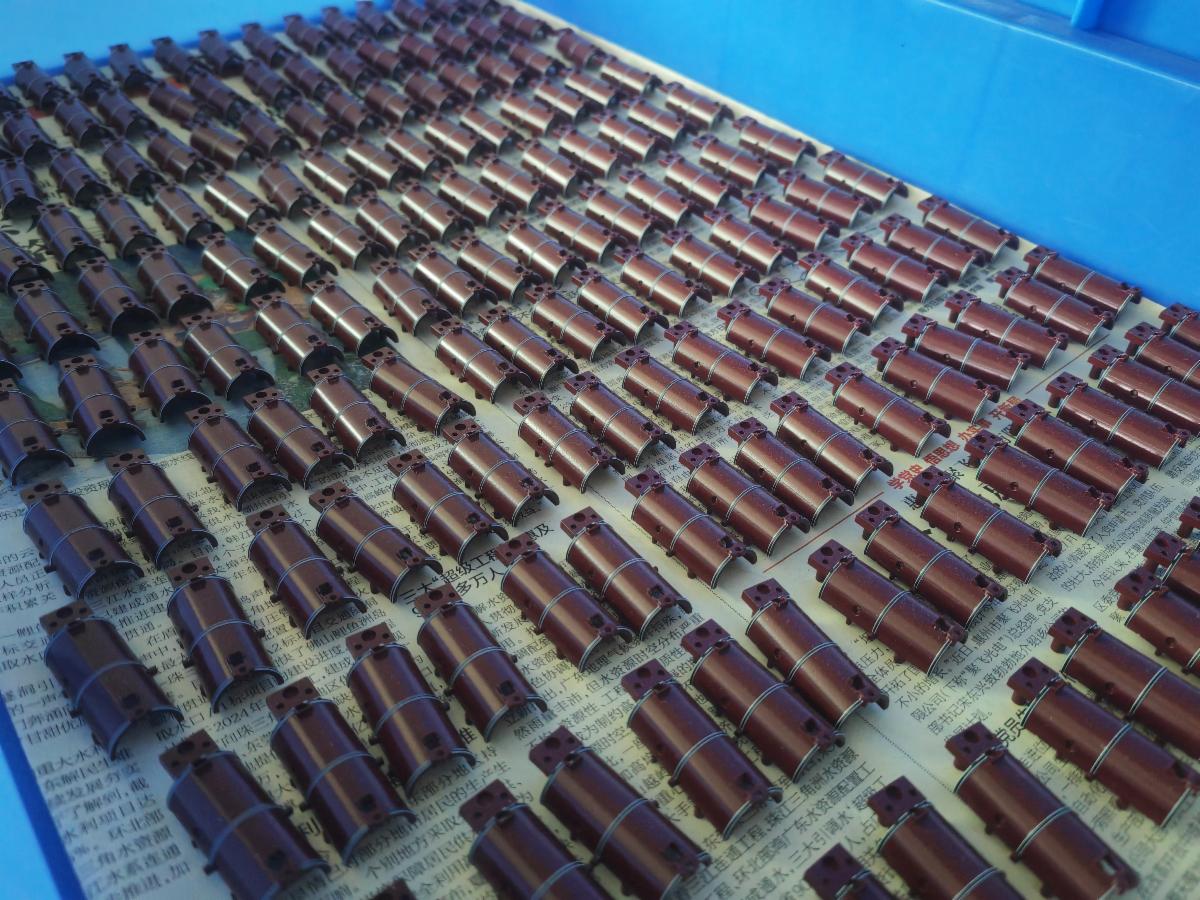
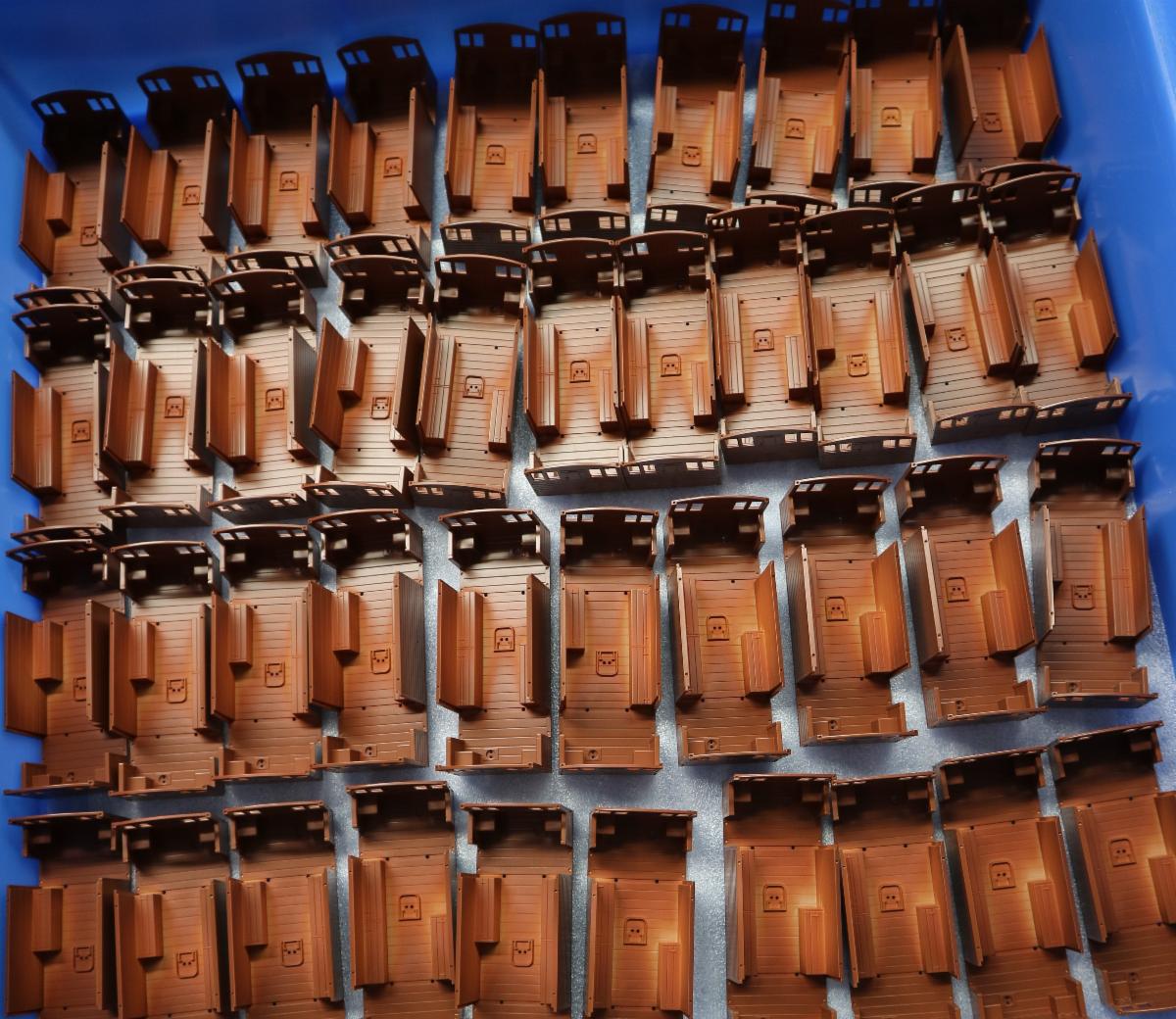
| | The factories have been busy working on many projects this month. The highlights are the first glimpse of our 009 All Purpose Wagon range... | | Wales is known for its slate - so we couldn't resist an open slate wagon. These examples have all received their decoration. | | These bright yellow cement vans are now ready for assembly. | | One of our fun gunpowder vans is nearly complete. | | The first stages of decoration have been applied to our GCR 6-wheel brakes - starting with the interiors. | | Ivor the Engine has been progressing nicely through the works with progress on the locomotive and rolling stock items. | | |
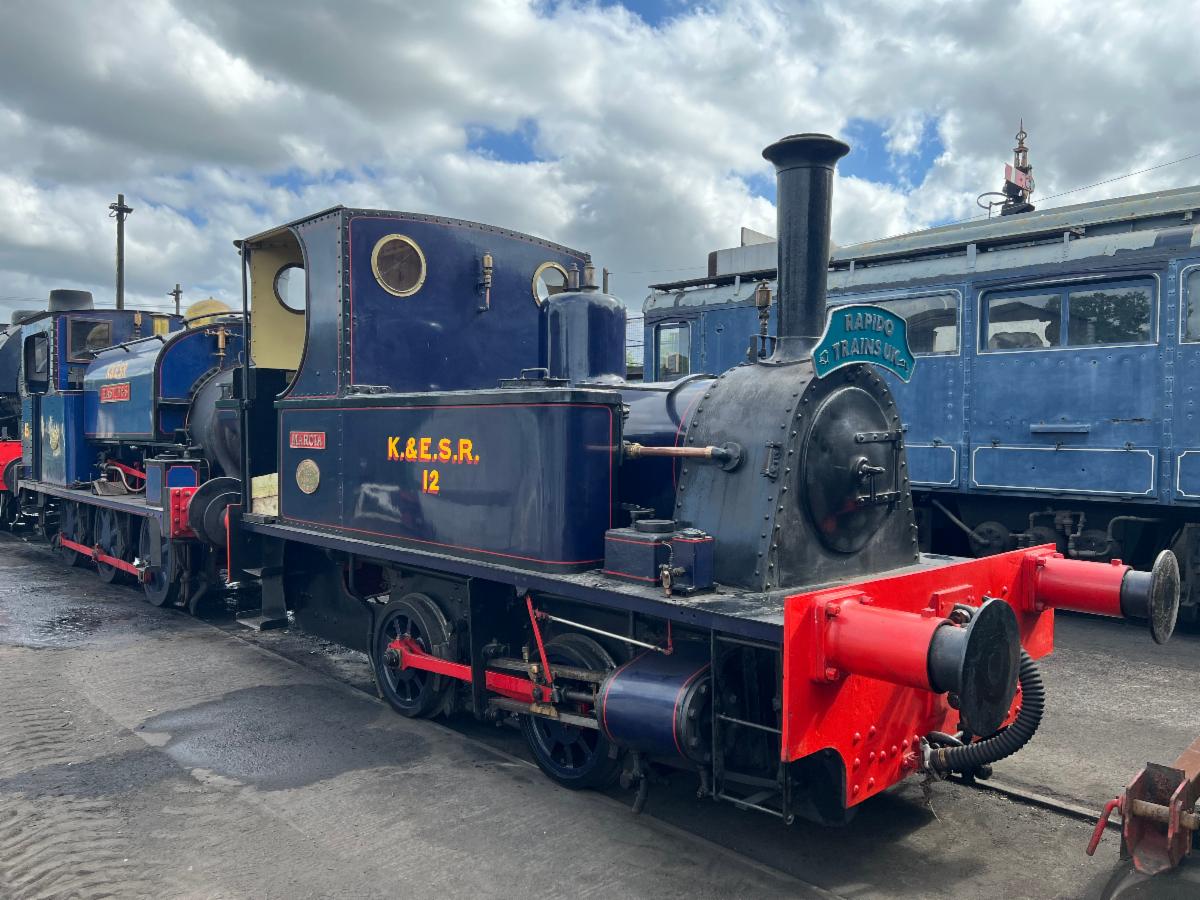
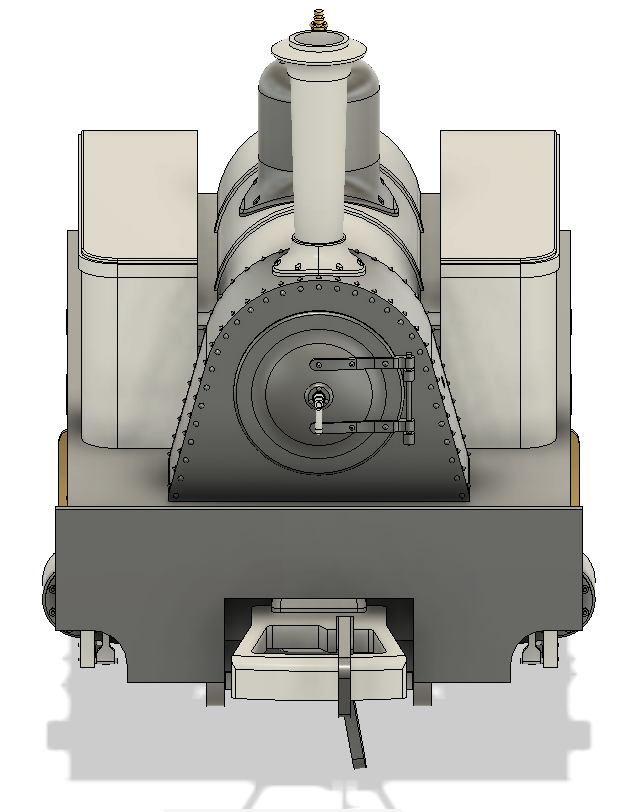
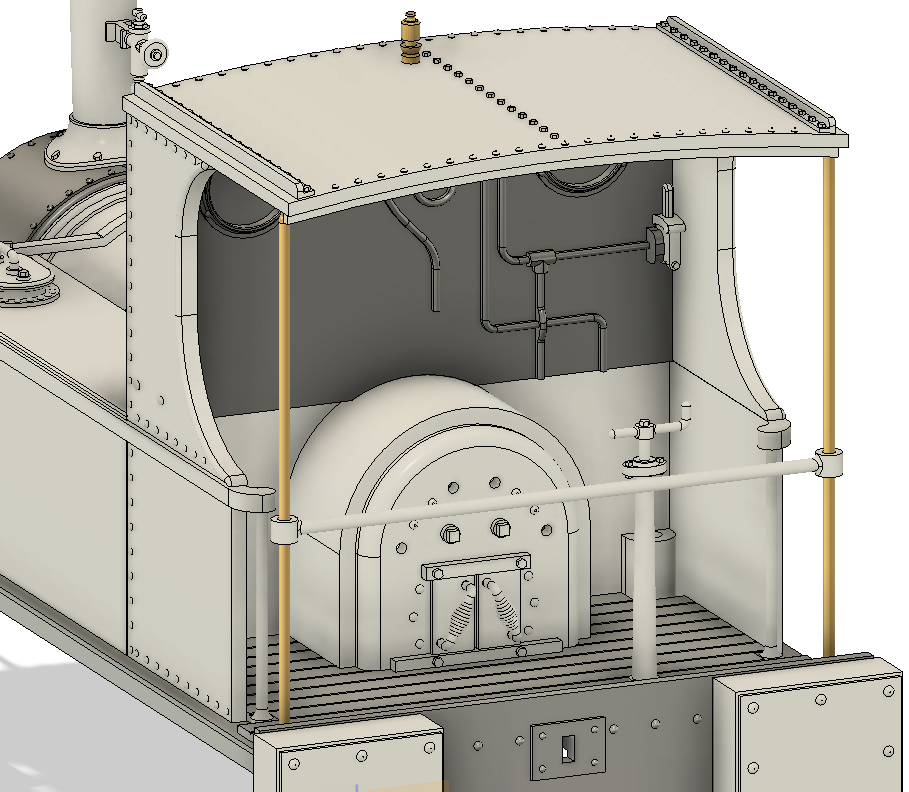
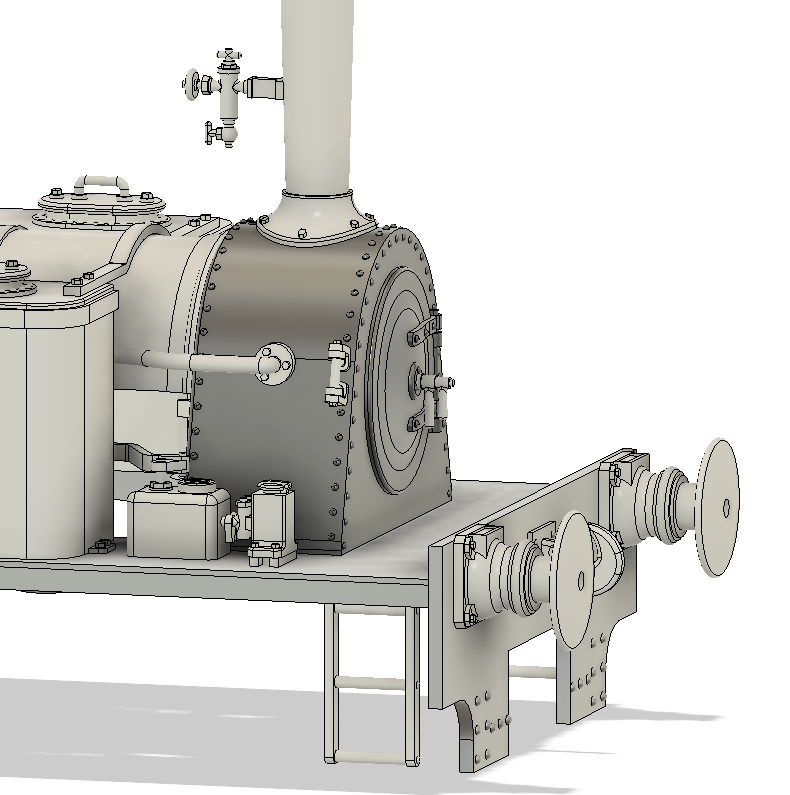
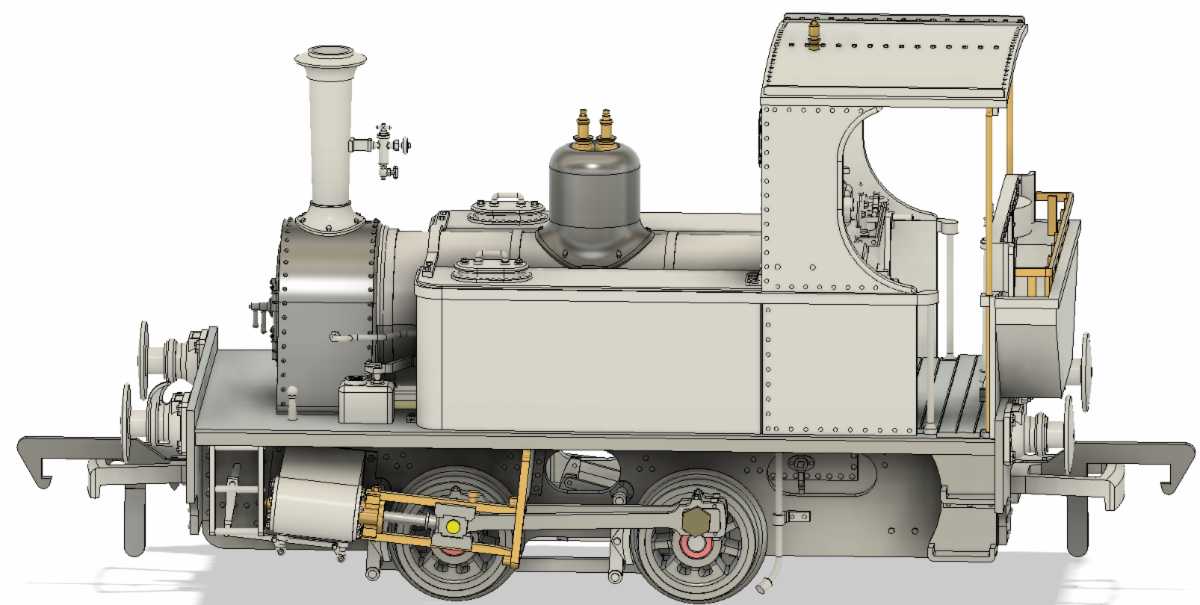
A Model of Marcia
Part 2 - CAD (and the price)
| | |
'A Model of Marcia' is an occasional series of articles that illustrate how we create a new Rapido model.
With an idea of what we want to create, it’s now time to turn our heads towards the in-depth research. To create any model, we need to undertake several studies. Firstly, we create a summary document, which we call an admin sheet, that includes all of the important detail variations and features that the model will require.
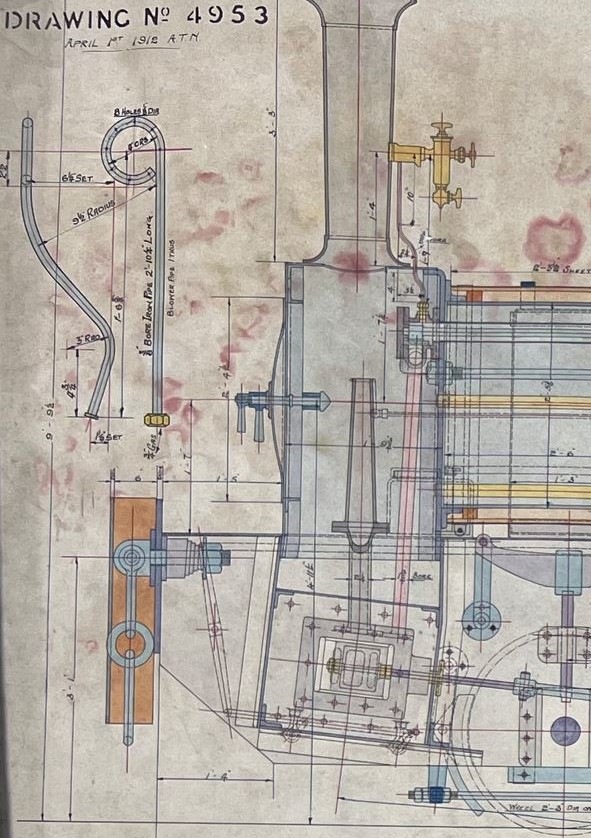
Secondly, we will look for original works drawings. If a locomotive survives in preservation, we will also undertake a full photo survey of the locomotive taking thousands of detail photographs alongside measurements to help us produce the most accurate model possible.
| | |
Of course this is rather easy to do when you own your own locomotive and can visit it whenever you want!
Fun fact – While our North American sister company used 3D laser scanning for the APT-E and the Brummie Guy Arabs, Rapido Trains UK has been able to create accurate CAD (computer-aided design) work for our locomotives and rolling stock without the need of a 3D scan.
Thankfully the Peckett locomotive drawing archive is partially preserved at the National Railway Museum. Sadly, however, only a few of Marcia’s original drawings remain. These were consulted alongside a detailed survey of the locomotive as it stands today. This has allowed us enough information to start work on our own CAD.
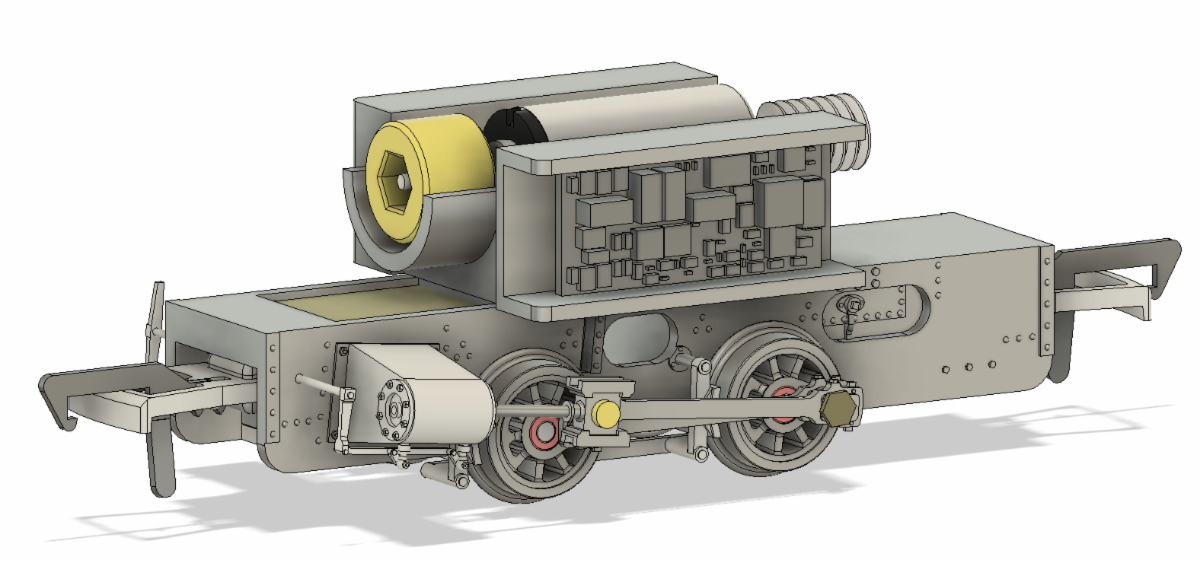
| | Initially the UK-based CAD team will rough out the basics of the locomotive. This is intended to show where major components like motor, speakers and DCC equipment will fit. Once we are sure of the basic dimensions and layout details, we will start to fully develop the model, including the physical variations to make all the different options found in our admin sheet. | | Once the UK CAD is complete, we pass it over to our factories in China. Our factories are experts at fitting the working mechanisms and electrical systems required in our models. They do this to our specifications which can include pickup type, speed, electrical specification (like stay-alives and pre-fitted speakers and lights) before returning the model to us in a digital format for checking. We may undertake several rounds of corrections until we are happy with the design. | | |
Once complete we will sign the model off and check over the suggested tooling mould layout for any issues. With this complete we can get an accurate price for the tooling.
Now this gets us to the delicate subject of price. Contrary to popular opinion, we don’t just pull the price out of thin air and all drive fancy cars!
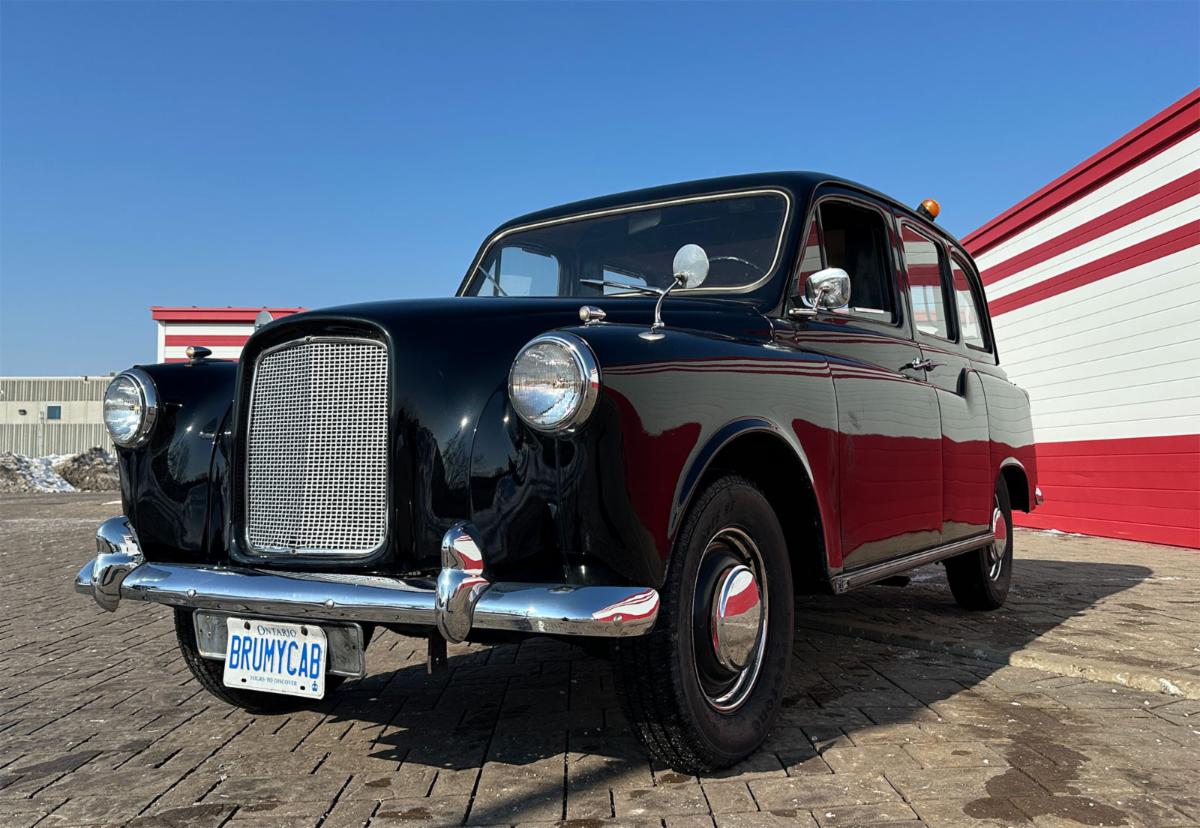
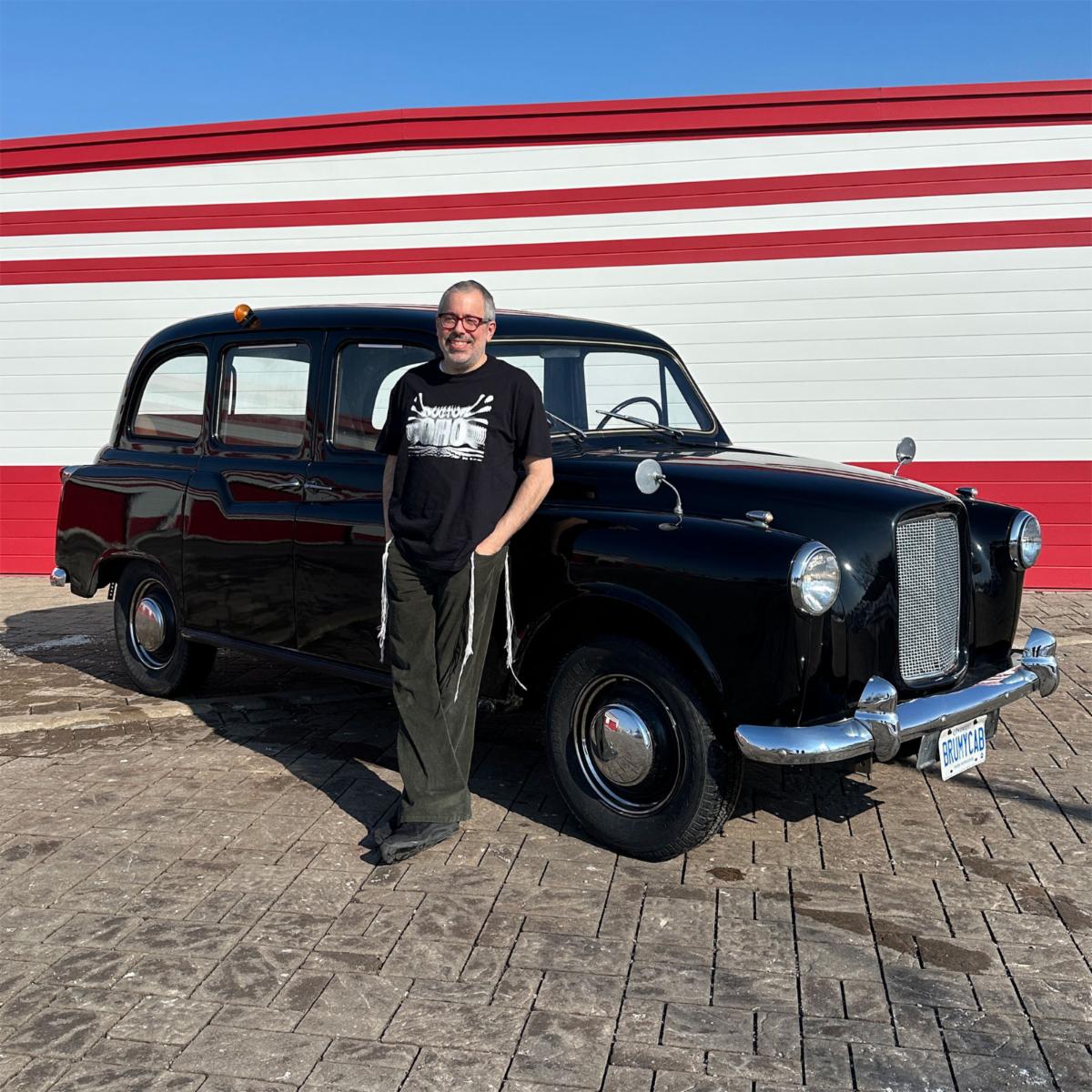
Jason: I drive a 1961 Austin FX4 taxi!
Rapido UK: That cost you $5000 and has barely worked since you bought in nine years ago.
Jason: Touché. Can I show a picture?
Rapido UK: At the bottom, because although it is completely irrelevant for this part of the newsletter, we will concede that it is actually pretty neat. We're continuing now.
| | |
For pricing, we have an equation. We take our costs, including the cost of tooling and the cost of producing each unit and DCC chips for the DCC Sound-Fitted models. We then input our projected sales based on previous experience and speaking to retailers. Finally, we will put in our planned RRP. Our nifty spreadsheets then automatically run the figures and tell us our total expected sales and our Gross Margin as both a value in pounds and a percentage.
Without giving any secrets away, we need a certain return on our projects to cover our overheads and staff costs and to reinvest in other projects. If the output is not what we desire, then we have a few choices: increase the number of units we make, increase the RRP or reduce costs like tooling by offering fewer physical variations (or a combination off all three). We must consider these carefully and weigh up any risks. Of course, it is possible that a project may not be viable. Thankfully, this is the exception rather than the norm.
Once we are happy, we can lock in our prices and move towards publicly announcing the project.
| | Watch this space for Part 3 in due course. | | |
Meet the Team – The Rapido Team Gets Even Bigger
Over the last six months we have welcomed some new people to our growing team. Let's introduce you to them.
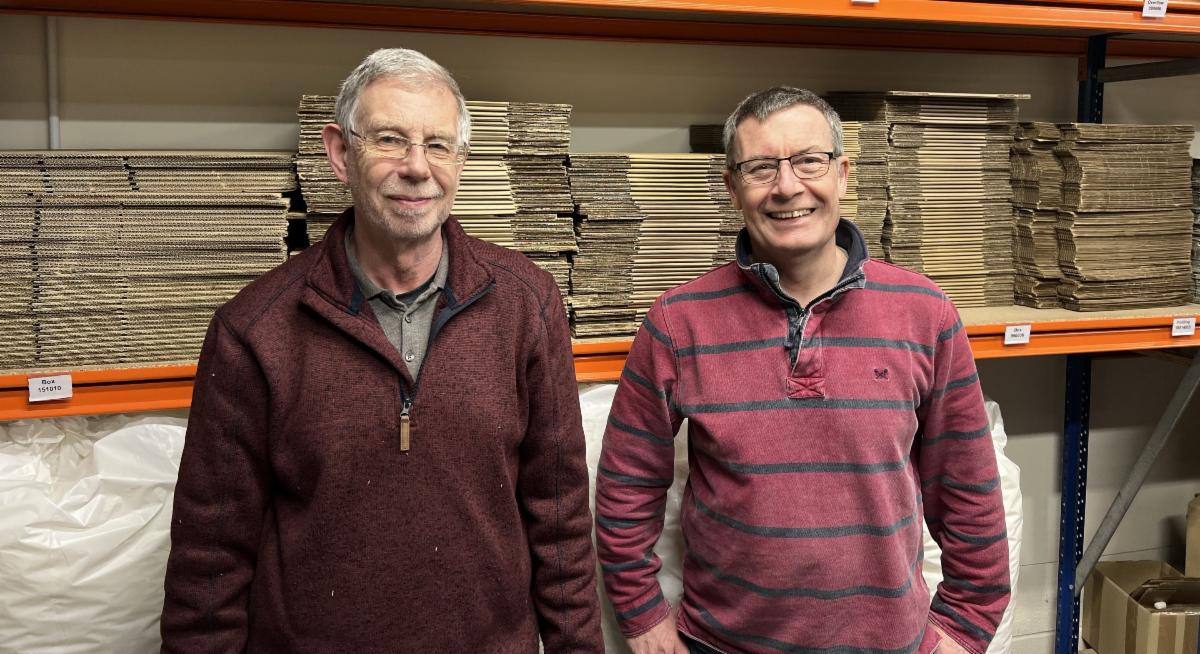
Dave Walton – General Assistant
With all of these deliveries arriving, we thought it was about time we expanded our warehouse team. Dave has stepped up to lighten the load. Dave has many years of experience in the model railway industry, having formed several long-running clubs in various locations across the UK and even run his own model railway shop.
So, he knows a thing or two about unloading deliveries from model railway companies; now he's lending a hand at the other end of that chain.
He also pointed out that he is the oldest member of the team. But we think the term veteran hobbyist sounds nicer!
Mark Williams – Deputy Operations Manager
"This week I have been mostly fixing computers!"
Mark has joined us as our Deputy Operations Manager, which was nice! We quickly got over the fact that this is a completely different Mark Williams, and sadly, not the one from The Fast Show and Harry Potter. Mark is a keen railway enthusiast who volunteers as a driver at the Kent and East Sussex Railway and brings a wealth of railway knowledge to the team. He will be assisting Steve Hardy and working his magic on our systems and website.
The photo below shows Dave (left) and Mark at our HQ.
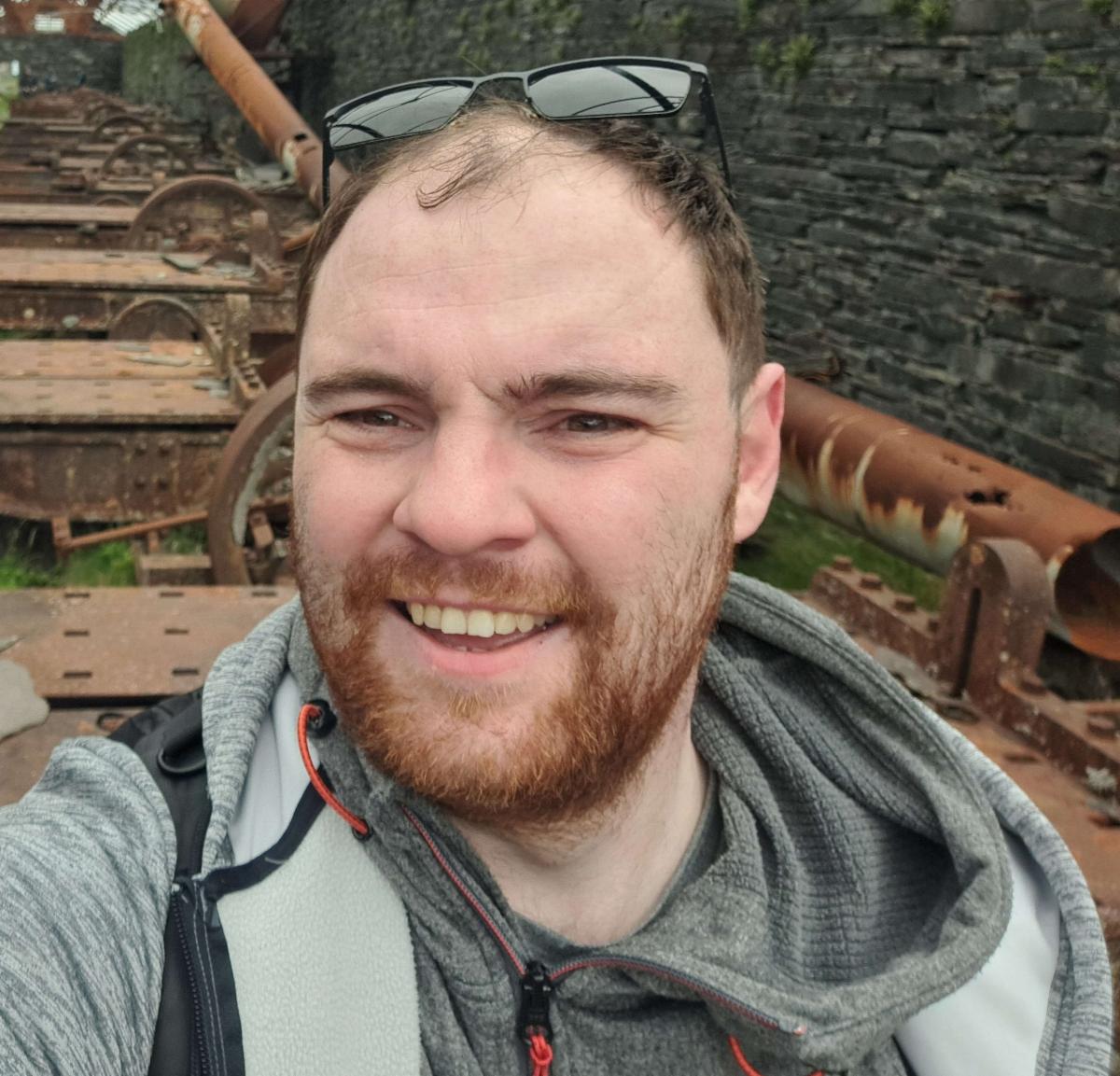
| | Twmos Bayliss – Project Engineer | | | | Bolstering our ever-expanding team of talented CAD designers is Twmos (pronounced Two-Moss, to us uncouth English sorts). Much like our other new starters, this cheery Welshman also loves his trains. With a passion for industrial railways and narrow gauge (well, he is Welsh after all), we know he's going to fit in with our love of quirky railways brilliantly. He's already been set to work designing some upcoming projects, so you’ll just have to watch this space to find out what he has turned his hand to. | | |
Welcome aboard, all of you, and good luck!
With the appointment of these gentlemen, we now have two Daves, two Marks, two Dans, two Steves, two Chrises and two Toms/Twms as part of our modest team at Rapido. So, if anybody knows a designer who has an interest in railways and goes by the name of Corwin or Linny, we would love to complete our set! We think we might be a tad optimistic on that one.
| | |
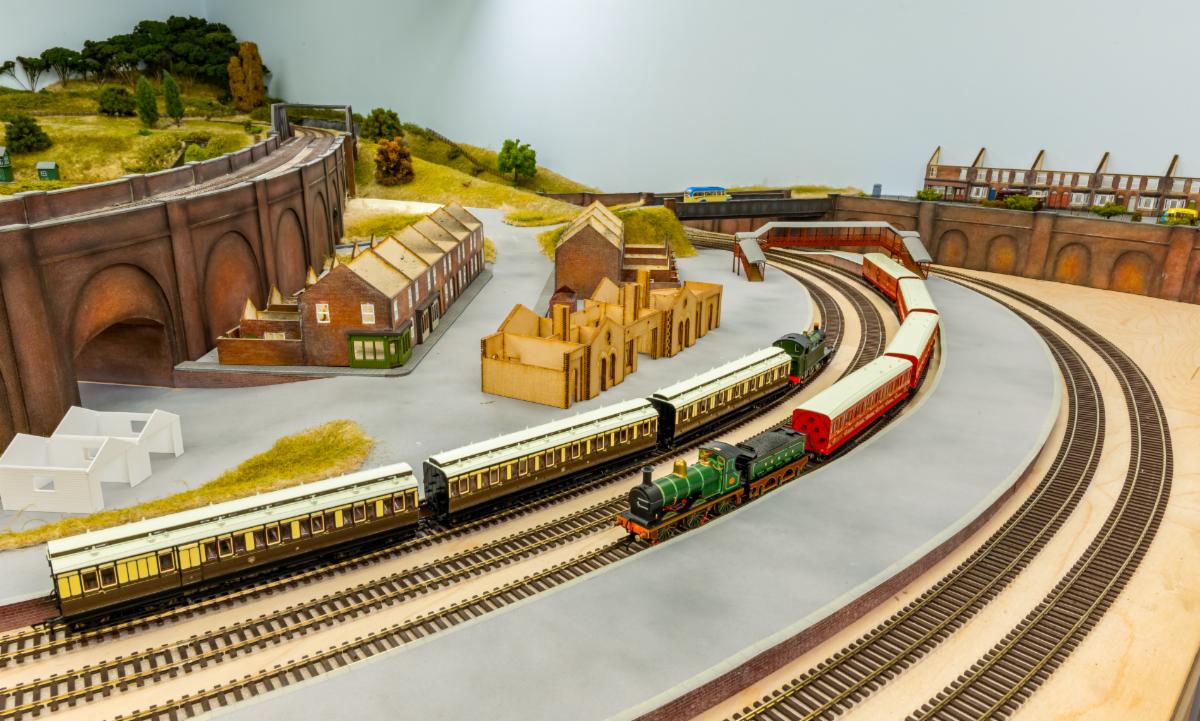
Going to Town on the Rapido Layout
With the majority of scenic sections for the upper part of the Rapido layout complete, it was time we turned our attention to the lower section again.
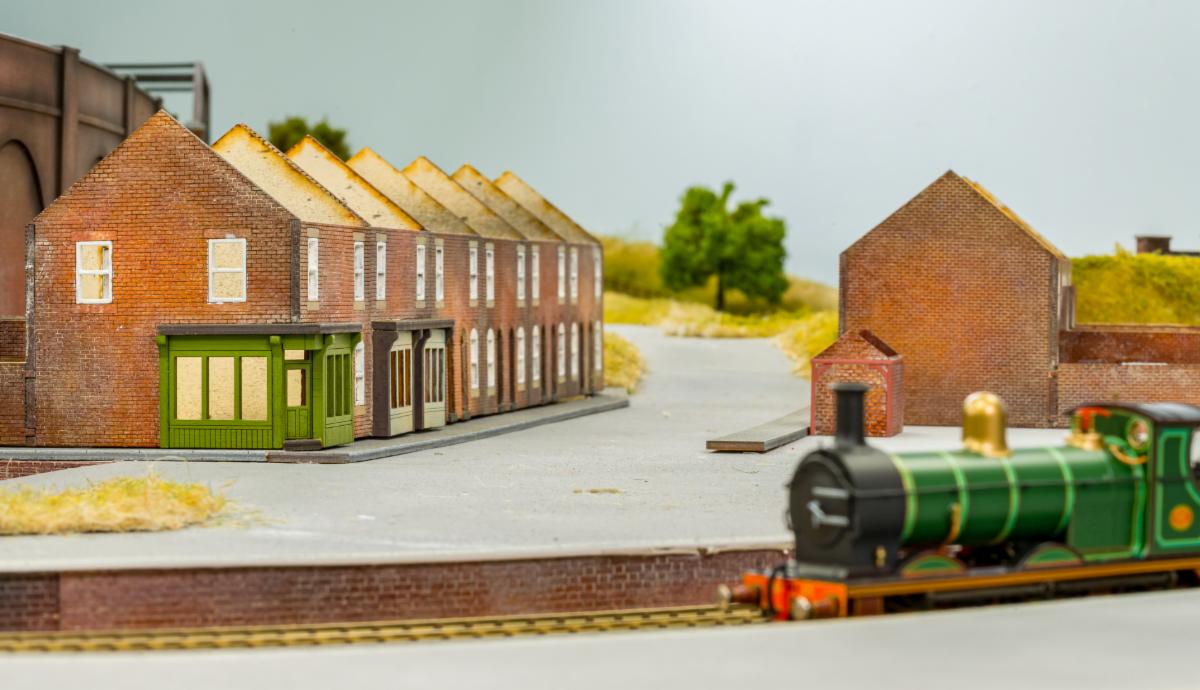
For the most part, it is considerably easier to work from the back to the front when creating layouts, so we set our sights on adding the town that sits behind the main station next.
We asked the ever-talented Dan Everson from Tunnel Lane Model Railways to come back and help us for a few days, and he kindly agreed.
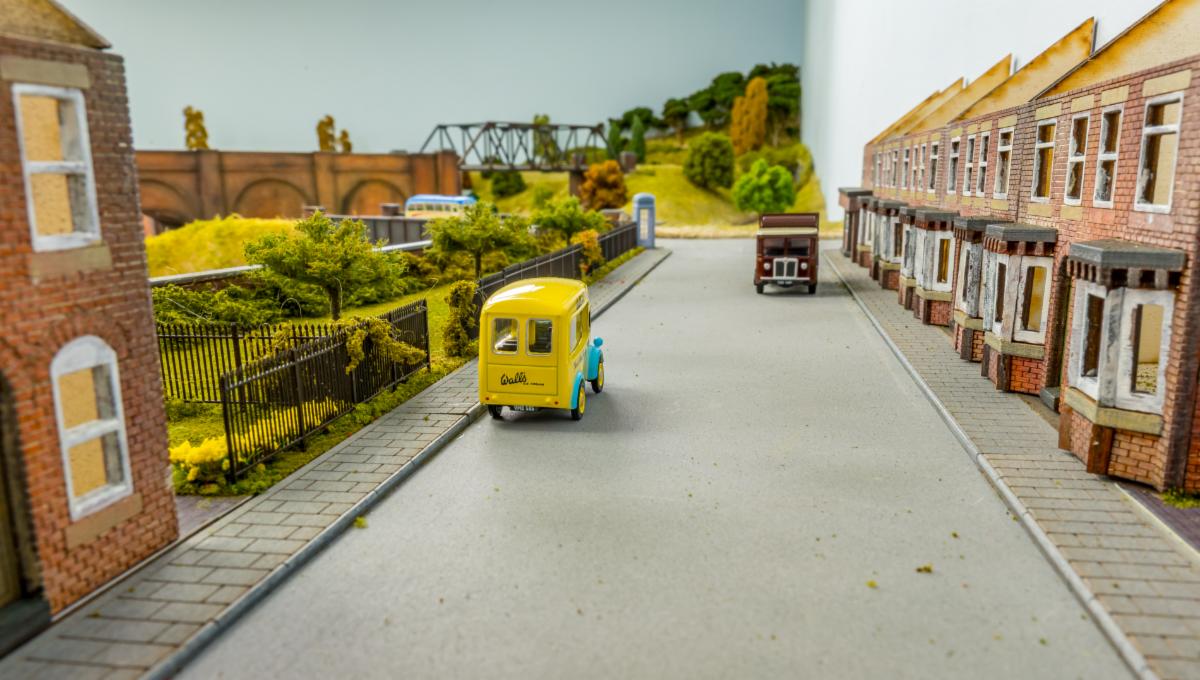
| Dan and the team then set about painting brick, after brick, after brick, after brick, on the houses and shops supplied by In The Greenwood Laser. They then detailed things like lintels, window frames, doors and shop fronts with a splash of colour. Once constructed and weathered, these were added to the layout along with the roads and paths that start to add a bit of character to the layout. | |
With limited space, giving the impression that the large station serves a sizable town is important, and we think that what Dan and the team have created so far is certainly heading in the right direction to achieve this.
There is still plenty more work to be done on these buildings, most notably the roofs, but it's certainly taking shape, and we are excited to see the next stages installed.
| | |
In addition to the work done on the roads and buildings, Dan has also added this rather nice little park for the locals to enjoy.
Looks like we should probably consider getting some figures ready for it in the near future. What funny or interesting scenes do you think we should include?
Jason: Cybermen!
Rapido UK: No.
Jason: Really?
Rapido UK: Well, maybe.
| | |
Thought of The Month
Our thought this month is simple. We really could have done with this month being 60 days long. So, sadly, we don’t have any thought-provoking or amusing anecdotes this month. However, as is the case with every show we attend, we are sure we will return with much to muse on and will have plenty of fresh ideas to discuss next month.
“Oh! Daddy, my Daddy!” what an awesome month!
Make sure you visit our stand at the upcoming shows, as we are looking forward to answering all of your questions.
Tanks a lot for reading, and don’t forget to smile and wave at every passing train, as you never know who you might meet!
The Rapido Trains UK Team
Jason?
Jason: What?
Rapido UK: Your taxi?
Jason: Oh, right! Thanks!
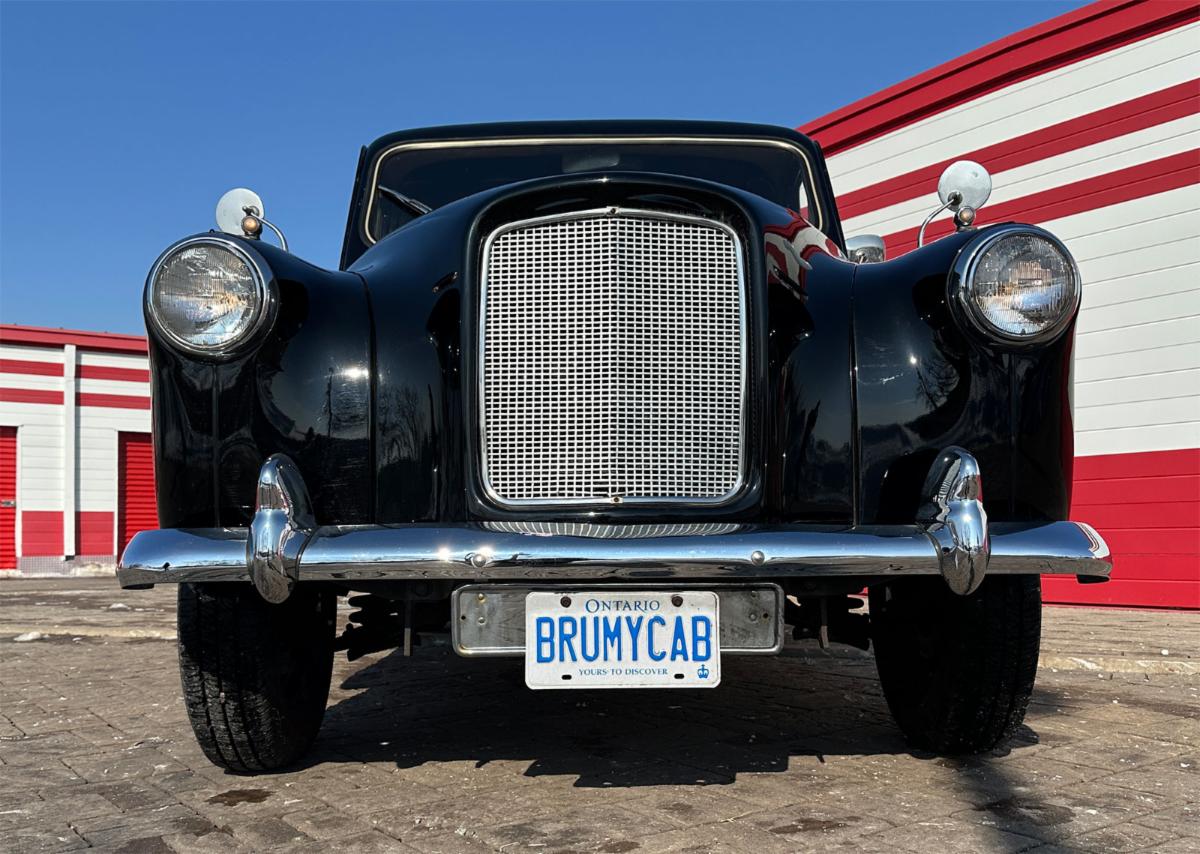
My taxi is Austin FX4LD620 - it was a "one of one" left-hand drive taxi built in 1961 for a hotel in Portland, Oregon. I acquired it in 2017 and it never worked properly. I finally found a garage a couple of years ago that could get it working again and upgrade the brakes (as they were terrible). He just finished it in December, but Toronto has been buried in snow for most of the time since then. Every time it is above zero and not chucking down I have taken it for a drive around the lockup where it's parked. I'm looking forward to driving it around town once the roads are dry and not covered in salt and dirt!
Here are a couple of photos. Right now it has the registration "Brumycab" in recognition of the wonderful years I lived in Birmingham, but as it never operated there I may change the licence plate to something different. Any suggestions? It has to be eight characters or fewer, including spaces. So FX4 TAXI would be acceptable but FANCY A RIDE would not...
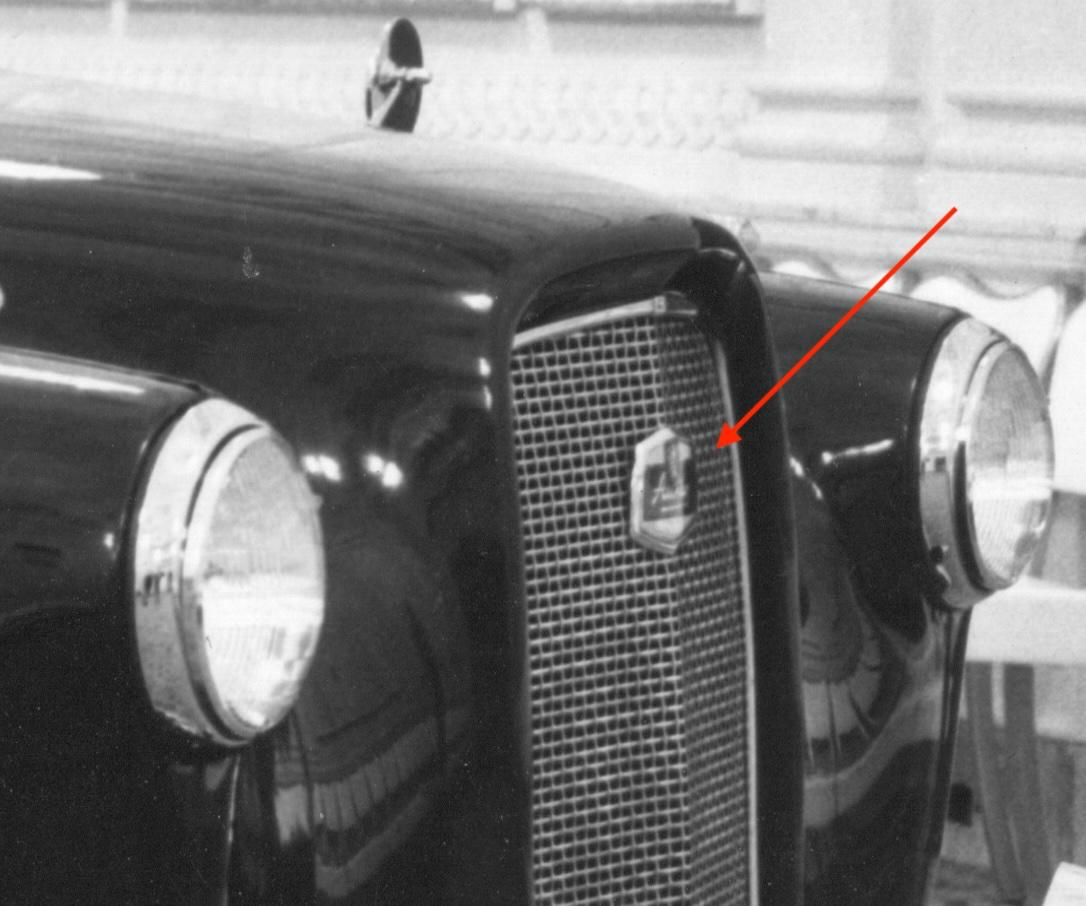
| | Incidentally, if anyone has an Austin badge from an old taxi bonnet grille they would like to sell me please get in touch. It's not the angled one, but the original shield as seen in the photo below. | | The full story of this unique taxi will be in the May/June issue of Vintage Taxi magazine. Thanks for indulging, and see you in next month's newsletter! | |
You can write to us at Rapido Trains UK, Unit 3, Clinton Business Centre, Lodge Road, Staplehurst, Kent TN12 0QF. Alternatively, you can call us on 03304 609496 or you can
e-mail us at customerservice@rapidotrains.co.uk
| | Check out our YouTube channel, Facebook page, Instagram and Twitter! | | | | |