Olmstead Community Newsletter | October 2024 | |
Celebrate progress, foster inclusion, and amplify voices – join us in building a more accessible and equitable community for Rhode Islanders with disabilities and their families. | |
Welcome to our October Newsletter! This newsletter is here to keep you informed and involved as we work to make Rhode Island's communities more accessible for people with disabilities and their families. We'll share updates on our Olmstead efforts and information on how you can provide us feedback, stories from our community, and more. Let's make a difference together! |
|
Governor's Executive Order on Olmstead | |
On August 14th, 2024, Governor Dan McKee signed an executive order to strengthen collaboration across Rhode Island’s government and community to improve systems for people with disabilities. The Executive Office of Health and Human Services (EOHHS) has been tasked with finalizing the priorities of the Olmstead Plan by February 2025, with input from an Olmstead Advisory Group. This group, made up of individuals with lived experience and experts, will inform and monitor progress. EOHHS will review and revise the plan every five years, ensuring continuous improvement in accessible service delivery. | |
|
The Olmstead Advisory Group has been actively working to guide and inform the development of the Rhode Island Olmstead Plan.
The group focuses on ensuring that the voices of individuals with lived experience are integrated into the planning process to enhance community engagement and support for people with disabilities
Rhode Island Department of State advisory group membership and meeting notes.
On behalf of the Executive Office of Health and Human Services and the JSI Team, we want to thank you for filling out your availability in the scheduling poll. The October Advisory Group Meeting will be held on Wednesday, October 23rd, from 1 PM - 3 PM at the Virks Building, 3 West Road, Cranston, RI 02920. The meeting agenda will be sent out closer to the meeting date
As a reminder, in-person participation is required. If you require accommodations to participate virtually, please fill out the TeleComm Waiver from the Rhode Island Governor’s Commission on Disabilities available here. Waivers are approved by a hearing committee, and submissions should be placed as soon as possible.
Please reach out if you require any accommodations, including but not limited to interpretation services. We may contact you for additional information to ensure we can best support your attendance and participation at this meeting. Feel free to contact me if you have any questions, ideas, or concerns. We welcome your input.
| | |
|
Gov. McKee, RI Officials Recognize 60th Anniversary of
White Cane Awareness Day
| |
|
Governor Dan McKee and state officials held a ceremony recognizing the 60th anniversary of White Cane Awareness Day at the State House. This event celebrated the achievements, success, and innovations of the blind community.
“The white cane is an essential tool for millions of visually impaired people across the world and helps them to achieve independence in their own lives,” said Governor Dan McKee. “White Cane Awareness Day not only educates the public but reinforces that Rhode Island is an inclusive community.”
In North America, the introduction of the white cane has been attributed to the Lions Clubs International in the 1930s. In the 1960s, the National Federation of the Blind became a leader in fighting for the rights of the blind and pioneering innovative training programs using the white cane. At their urging, the United States Congress adopted a joint resolution in 1964 designating October 15 of each year as White Cane Safety Day, recognizing that white canes enable blind people to travel safely and independently.
Lyndon B. Johnson, in October 1964, issued a proclamation declaring October 15th as White Cane Safety Day to make people more aware of the meaning of the white cane and the need for motorists to exercise special care for blind individuals who carry it.
“The white cane and the history of advocacy for which it stands are essential to ensuring blind and vision-impaired Rhode Islanders can travel safely and live their lives to the fullest,” said Lieutenant Governor Sabina Matos. “As we recognize this important anniversary of White Cane Awareness Day, Rhode Island is reaffirming our commitment to making our state accessible and welcoming to all.”
“As we pause to recognize 60 years of white cane awareness, it is important to see how much progress has been made over this time in terms of independence and opportunity,” said RI Department of Human Services Director Kimberly Merolla-Brito. “And to those living with blindness or vision impairment, you are an inspiration to so many. Your determination and advocacy ensures more great success to come.”
“Rhode Island Services for the Blind and Visually Impaired was established in 1930 as the Bureau for the Blind and has remained in continuous operation for over 94 years. Our mission is to provide opportunities, training, and support to eligible individuals with visual impairments, enabling them to be independent, active, self-sustaining members of their communities, while living the lives they wish to live,” said Laurie DiOrio, Administrator, Rhode Island Services for the Blind.
“My white cane symbolizes freedom and independence. It provides me with key information that allows me to navigate safely and confidently through the world,” said Graciela Pires, President of the National Federation of the Blind.
“As the chair of the Governor’s Advisory Council for the Blind and Visually Impaired, I believe White Cane Awareness Day offers the opportunity for the public to see that individuals who are blind can contribute fully in society, exhibiting a wide range of talents and strengths as their sighted peers. For people who are blind, a white cane is not merely a symbol, but an essential tool for independence and access to employment, education, and community activities,” said Regina Connor, Chair of the Governor’s Advisory Council for the Blind.
| |
Support Services for the Blind and Visually Impaired | |
|
DHS’s Office of Rehabilitation Services, Services for the Blind and Visually Impaired, is here to help support you. Should you need assistance, please call 401.462.7908, go online at https://ors.ri.gov/programs/services-blind-and-visually-impaired or send an email to: ors.sbviinfo@ors.ri.gov.
Programs and services available include:
- Information, referral to community resources, and support to individuals and their families.
- Vocational evaluation, career assessment and educational planning, training, job development, job placement and job retention through the business enterprise (Randolph Sheppard Act) vending facility program.
- Independent living services to adults and older individuals to help maintain independence.
- Educational advocacy and supports for children aged 3+.
- Orientation and mobility training/white canes.
- Rehabilitation teaching/assistive technology and low-vision aids, providing training and helping individuals fund and obtain assistive technology, including iOS and Android devices, Braille devices, and computers.
- Certification of legal blindness to obtain property tax exemptions (city/town) and income tax deductions.
- Parking placards and RIDE/RIPTA reduced fare applications.
- Talking books; Newsline.
- Services to Veterans.
- Low-vision aids and devices for daily living, assistance with paying for eyeglasses.
| |
|
This month, we focus on creating a more inclusive community by raising awareness of key issues. Each of these observances highlights the importance of accessible services and community integration—principles at the core of the Olmstead Plan:
Hispanic Heritage Month: This observance highlights the contributions of Hispanic individuals in disability advocacy, while also addressing the disparities they face in accessing services. The Olmstead Plan aims to ensure equity in service delivery for all communities, including the Hispanic population.
National Disability Employment Awareness Month: Celebrating the contributions of employees with disabilities and promoting their inclusion in the workforce.
Mental Health Awareness Month: Raising awareness about mental health issues and the importance of accessible mental health services.
World Mental Health Day (October 10): A day focused on mental health education, advocacy, and support.
National Bullying Prevention Month: Addressing the impact of bullying and promoting prevention strategies, particularly for students with disabilities.
International Day of Persons with Disabilities (October 4): Promoting awareness and support for the dignity, rights, and well-being of persons with disabilities.
ADHD Awareness Month (October): October is ADHD Awareness Month, dedicated to educating the public about attention deficit hyperactivity disorder (ADHD). This month highlights the importance of understanding ADHD and promoting effective treatment options to support individuals living with this condition.
Acknowledgment of any recent observances that were missed in the previous newsletter, including:
Deaf Awareness Month (September): September was Deaf Awareness Month, a time to promote awareness about the deaf community, highlight their contributions, and advocate for the rights and accessibility needs of individuals who are deaf or hard of hearing.
|
|
Community Voices: Stories of Inclusion and Impact | |
|
Partner Spotlight: NAMI Rhode Island
NAMI Rhode Island, under the leadership of Executive Director Beth Lamarre, plays a crucial role in advocating for mental health and supporting individuals and families affected by mental illness. Through a variety of programs and events, NAMI RI aligns with the principles of the Olmstead ruling by promoting community-based support and integration.
Key Initiatives and Programs
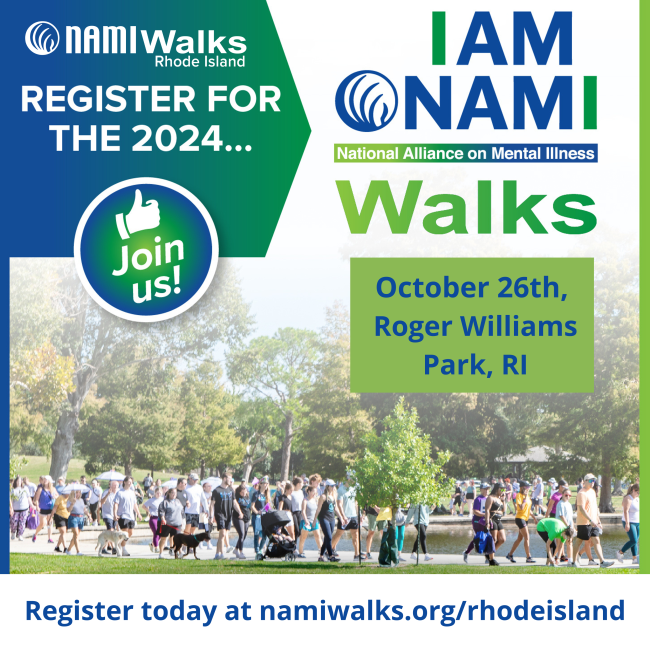
NAMI Rhode Island engages with the community through impactful initiatives such as the annual NAMI Walks in the Fall and the "Bridging the Gaps" conference in May during Mental Health Month. These events bring together hundreds of participants, raising awareness and fostering a supportive community.
Addressing Challenges
One of the major challenges NAMI RI faces is the lack of insight individuals often have into their mental health conditions, which can hinder access to necessary community support. Additionally, the shortage of mental health-specific housing and community-level treatment options further complicates support efforts. Under Beth Lamarre’s leadership, NAMI RI has launched extensive awareness campaigns through TV, radio, and community partnerships to address these challenges and connect people with vital resources.
A Heartwarming Impact
While Beth finds it difficult to pinpoint a single most rewarding experience, she highlights the numerous instances where individuals and families have reached out, expressing gratitude for the support and improvements in their mental health conditions. These stories of positive transformation underscore the profound impact of NAMI RI’s work.
Looking Ahead
NAMI Rhode Island is in the midst of a strategic planning process aimed at expanding program offerings, reaching more diverse populations, and enhancing the mental health landscape in Rhode Island. Upcoming projects include expanding programs into other languages and increasing participation in their support groups and community presentations.
By championing mental health advocacy and providing essential support, NAMI Rhode Island continues to make a significant difference in the lives of individuals and families, aligning closely with the goals of the Olmstead ruling.
Click here to learn more about NAMI Rhode Island
| |
Recent Accomplishments & Updates | |
New Website Launch: Visit Our Olmstead Website
We are excited to announce the launch of the new Rhode Island Olmstead website! This platform is designed to keep you updated on our ongoing efforts to create a more inclusive and accessible community for individuals with disabilities. On the website, you will find:
- Olmstead Plan Updates: Stay informed on the progress of the Rhode Island Olmstead Plan and upcoming community initiatives.
- Survey Participation: Share your voice by taking part in the Olmstead Prioritization Survey and helping to shape future priorities.
Visit us at eohhs.ri.gov/Olmstead-Planning and get involved in making Rhode Island a more inclusive place for all.
| |
Call to Action: Take Our Olmstead Prioritization Survey | |
Resources for the Community | |
Looking Ahead: Upcoming Events and Engagement Opportunities | |
Contact Us & Stay Connected | |
Community Partner Updates
Does your organization have a story to share? We would love to feature you here next month!
- Share updates on events, programs, or initiatives that promote community integration, accessibility, and inclusion for individuals with disabilities.
- Provide information about resources, services, or support groups available to individuals with disabilities and their families.
- Highlight success stories, testimonials, or personal experiences that demonstrate the impact of community-based programs or services.
- Include opportunities for collaboration, volunteerism, or advocacy efforts to support the aims of the Olmstead.
Reach out to Edy at edy.pineda.ctr@ohhs.ri.gov to submit any updates you would like to share! Please ensure that content is inclusive, respectful, and supportive of diverse perspectives within the community
| |
Why Does Olmstead Matter? | |
| Executive Office Health & Human Services, State of Rhode Island | 3 West Road, Virks Building | Cranston, RI 02920 US | | | | |