2023 California Wheat Crop Quality Reports

Hard Red Winter & White Wheat | Desert Durum®


California Wheat Crop Conditions

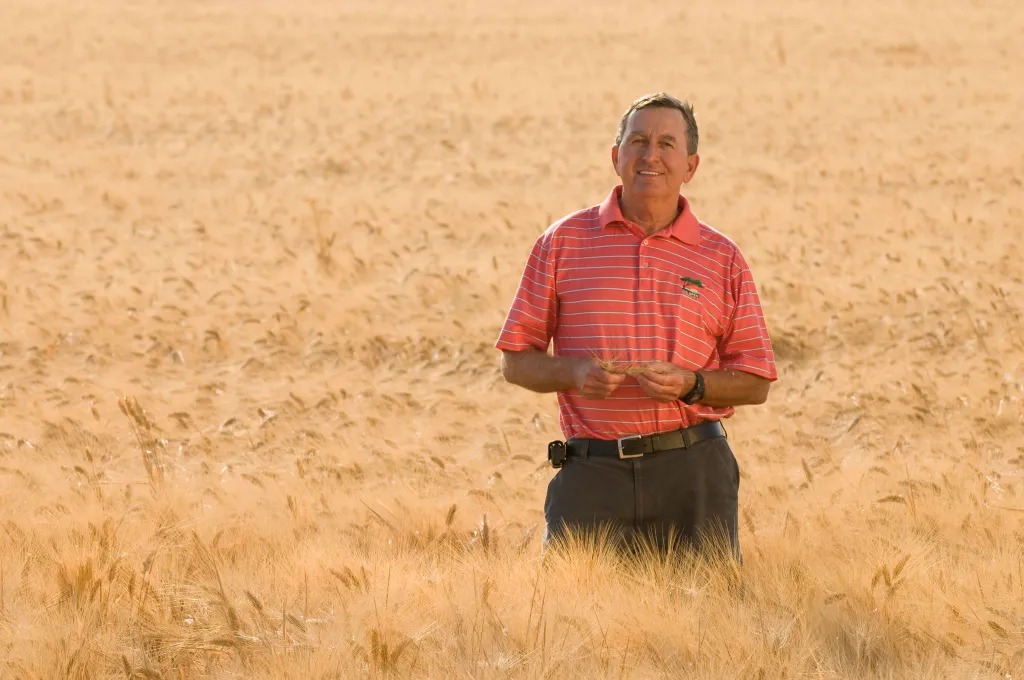
by Dr. Mark Lundy, UC Davis Associate Professor of Cooperative Extension

Precipitation totals for the 2022-23 season were much greater than average in the main wheat-growing regions of California (approximately 160% to 200%, depending on the location). For the period between October 1 and March 1, rainfall in the Sacramento and San Joaquin Valleys was 155% and 215% of normal, respectively, and rainfall during this period accounted for 73% and 75% (respectively) of the yearly total. Wet early-season conditions narrowed the planting window for crops in the Sacramento Valley and the northern San Joaquin Valley, and some crops were planted later than normal.


In addition, geese predation was reported in areas around the Sacramento Valley and Delta region, and flooding negatively affected fields in the Delta region and the Tulare Lakebed. Cooler than average temperatures also factored into the growing season, with some crops weeks behind their normal growth stages for equivalent dates in an average season.


The generally cool springtime conditions and abundant rainfall totals led to higher-than-average yields alongside better-than-average grain quality in many locations around the state. In UC trial locations, stripe rust and powdery mildew were observed on varieties with known susceptibility, but overall disease incidence was moderate.


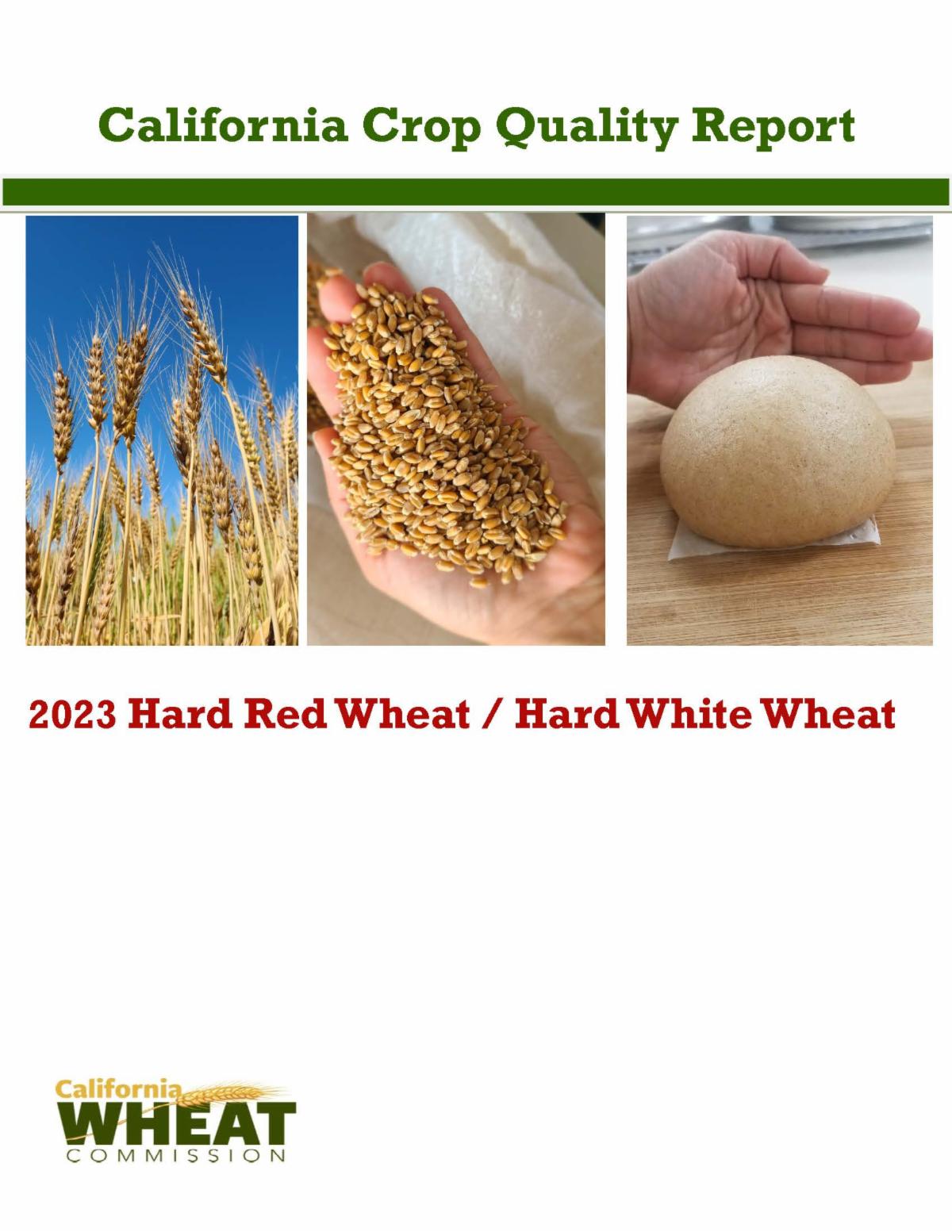
Hard Red Winter & White Wheat Report


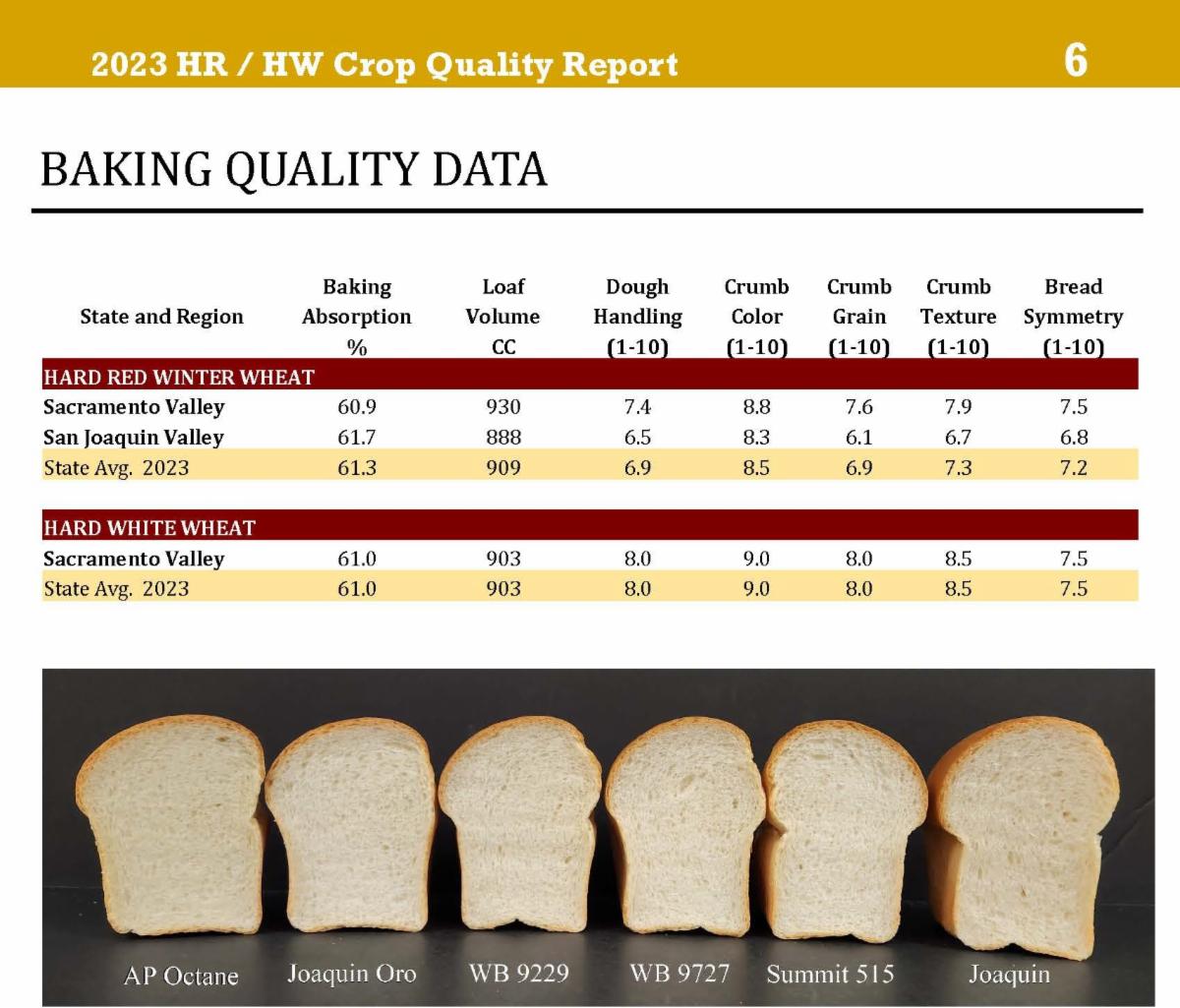
Samples for this year's report were collected from grain handlers and producers around the state. This program collects samples throughout the harvest season, resulting in a crop quality report that is highly representative of the crop. Averages are reported for each growing region: Sacramento and San Joaquin Valleys.


Crop Quality values cannot be used to compare varieties since they are harvested from different fields. Weather, soil, and cultural practices can influence the quality of all varieties between years and of particular lots of any one variety.


OPEN FULL REPORT

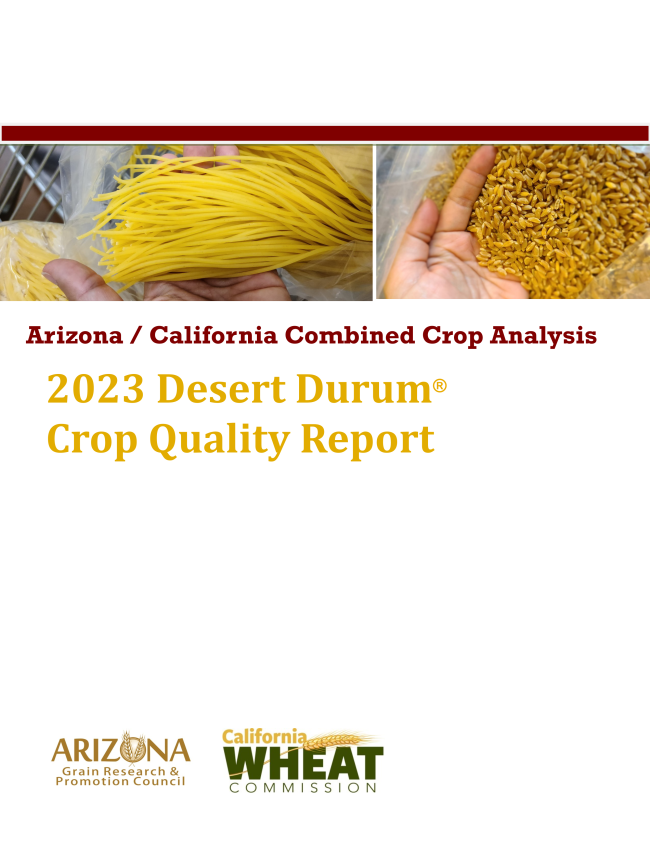
Desert Durum®

Desert Durum® is a registered certification mark owned by the Arizona Grain Research and Promotion Council and the California Wheat Commission, which authorize the use of the mark only to designate durum grain produced under irrigation in the desert valleys and low-lands of Arizona and California.

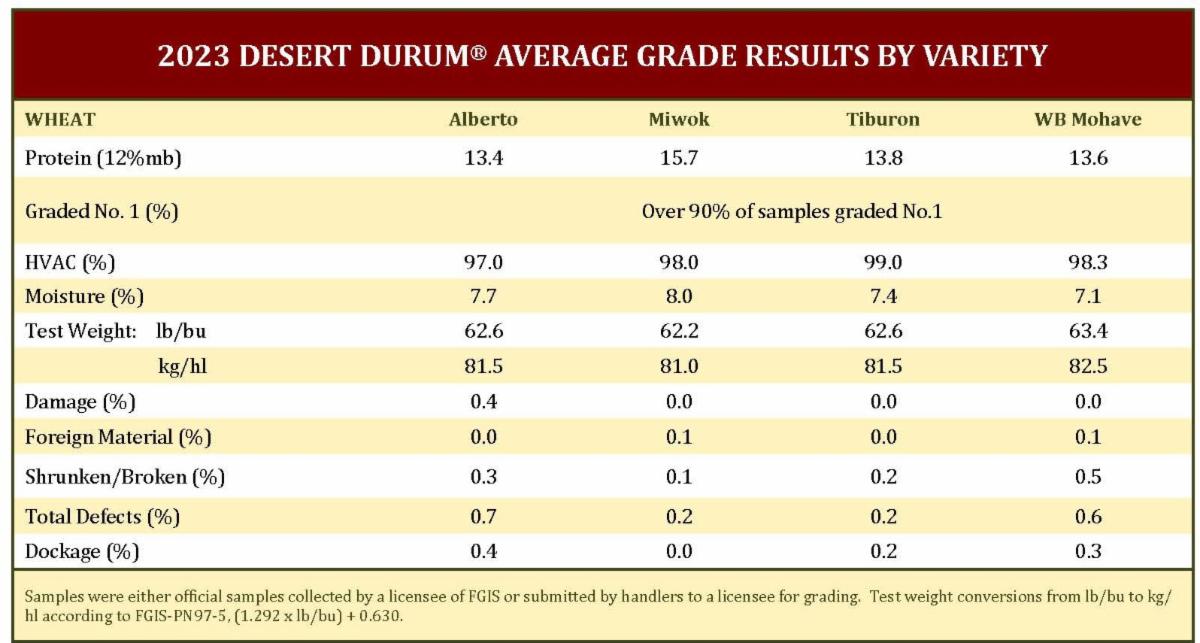
Desert Durum® production acreage in 2023 was lower than 2022. According to USDA, yields were 3.10 tons/acre, and quality was uniformly good. Based on our 2023 variety survey, Desert Gold was the most widely grown variety in California. Tiburon was the second most grown durum variety in California.

In 2023, the average grade is No. 1 Hard Amber Durum (HAD). Test weight average was 63.0 lbs/bu (82.0 kg/hl). The average vitreous kernel content (HVAC) is 98%, a high average typical of Desert Du-rum®. Average damaged kernels are 0.1% and total defects are 0.5%. Desert Durum® is characterized by its kernel low moisture content, and this year’s average was 7.3%. Protein content average was 13.9% (12% M.B.)


OPEN FULL REPORT

Thank you to our Grain Elevators, farmers, breeders, seed dealers, and UC Davis team for supporting the California Wheat Crop Quality program. Thank you to the CWC staff and student interns for data analysis and reporting.

 
Facebook  Twitter  Instagram