THURSDAY | NOVEMBER 05, 2020
|
|
While the American opioid crisis affects all ages, among 16 to 28 year olds, 7.8% reported prescription opioid misuse in 2016, compared to 3.6% of older adults. |
|
Sleep Disturbance in Adolescence Linked to Opioid Misuse in Adulthood |
|
Sleep deficiency in adolescence may be an independent risk factor for the development of prescription opioid misuse, according to results of a study published in Sleep. Sleep deficiency is common among individuals with problematic opioid behaviors, but whether sleep problems precede or are caused by opioid use has not yet been determined.
To estimate the association between sleep deficiency in adolescence and subsequent prescription opioid misuse in adulthood, longitudinal data from 12,213 individuals (51% women) over a 12-year period were analyzed. Individuals were an average of 16±1.7 years of age at the start of the study and an average of 29±1.7 years of age at the final time point.
|
|
ABIPP Exams Will Be Held Online Starting December 5 |
|
The ABIPP Part I Examinations for ABIPP Part I, Written Examination for ABIPP Board Certification, and ABIPP Competency Certification Will Now Be Held Online. |
|
The first opportunity to take the exams will be Saturday, December 5 at 10 am CST. If you are interested in appearing for either of these exams, you must submit an application. All candidates must be approved prior to signing up for the examination. Qualifications are listed in the applications linked below:
Four (4) hour exam beginning at 10 am CST
Two (2) hour exam beginning at 10 am CST
DEADLINE FOR APPLICATIONS IS NOVEMBER 18
We will post an announcement for future examinations as they are set. If you have question about the exam or eligibility, you may contact Melinda Martin at mmartin@asipp.org
|
|
ABIPP Information | abipp.org |
|
|
Amniotic Tissue Intraarticular Injections |
|
Many ASIPP members have recently been approached by sales representatives claiming that amniotic or umbilical cord tissue products are now covered by Medicare and many private insurers for intraarticular injections and interventional pain management procedures.
Based on collective evidence, unfortunately, these claims appear to be INACCURATE, subjecting patients and providers to high risk.
Amnion is covered for limited cutaneous wound healing applications and for a handful of neurosurgical and ophthalmic surgical uses, it has a product reimbursement code (also known as a Q code). If a physician submits the right combination of ICD-10 and CPT codes, Medicare may pay these claims.
Based on review of Medicare local coverage determination (LCD) documents, biologics for intraarticular injections and interventional pain management procedures are Experimental and Investigational. Hence, there is NO coverage for these products for intraarticular injections and interventional pain management procedures.
It's the recommendation of ASIPP that you avoid billing Medicare and private insurance for these products when used to treat orthopedic and pain management conditions. Our concern is that by billing these products to a federal program like Medicare, not only could there be significant Medicare clawbacks, but knowingly billing Medicare for products that you know are not covered can result in serious criminal penalties. Even, initial losses could be extensive.
For additional information on coverage guidelines from many private insurers that state that these products are NOT covered, experimental and investigational. Please check the websites of commercial carriers.
|
|
In some markets, primary care doctors and hospitals in a clinically integrated network may give specialists access to more referrals. |
|
Joining Integrated Networks to Improve Reimbursement |
|
A recent report from the National Institute of Health Care Management (NIHCM) found that vertical integration among physicians allows doctors to negotiate higher reimbursement rates from insurers. According to the study authors, when specialists’ practices are integrated with primary care doctors or other specialties, average prices paid to specialists by insurers is higher. This trend is even stronger when the doctors they integrate with have good concentration within a market.
One option is to join a clinically integrated network (CIN), which is a contractual arrangement among providers who work together to treat patients based on agreed-upon protocols. The goals typically are controlling costs, improving quality of services provided to patients, and increasing third-party reimbursement. Physicians have some accountability for meeting goals and measuring outcomes set by the network and they usually incur some financial risk. But they can remain independent and maintain a patient load outside the network.
|
|
|
|
Live Webinar
Attendees Price
|
|
|
Controlled Substance Management |
|
|
|
Documentation, Coding, Compliance,
and Practice Management
|
|
|
|
Tracking Diversion During COVID-19 |
|
New Orleans—Drug diversion may be an unrecognized offshoot of the ongoing COVID-19 pandemic.
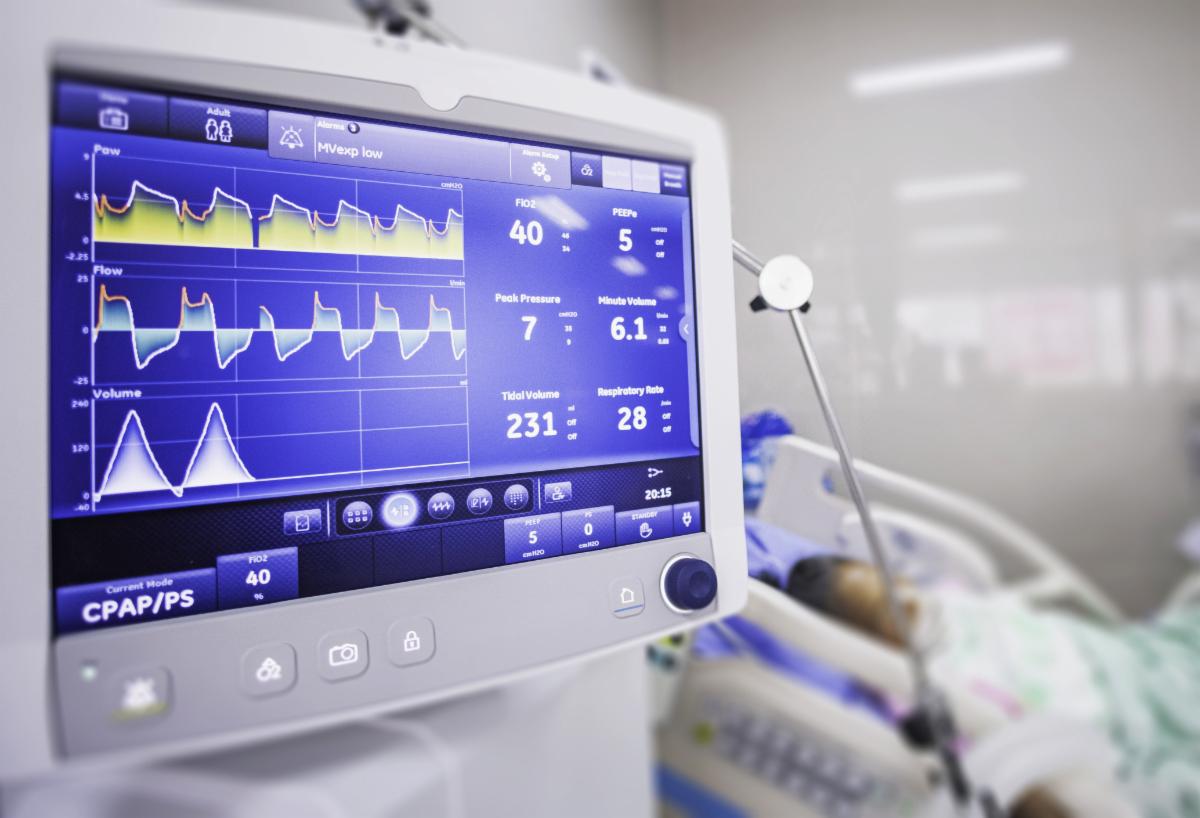
Security experts cite several high-profile examples, including a pharmacy technician who was charged with the theft of more than 700 hydroxychloroquine tablets and azithromycin from Harbor-UCLA Medical Center in West Carson, Calif., and several other cases of diverted morphine, ventilators, personal protective equipment (PPE) and other key items that are crucial to patient care during the pandemic.
|
|
NIH Center to Collaborate on Development of Pain Drug |
|
The National Center for Advancing Translational Sciences, an institute of the National Institutes of Health in the Department of Health and Human Services, has entered into a Cooperative Research and Development Agreement for the continued development of NES100 (Virpax Pharmaceuticals), an intranasal peptide being studied as a treatment for the management of acute and chronic noncancer pain.
NES100 is an enkephalin drug product based on a nanotechnology delivery approach. Enkephalin is a naturally occurring peptide that is not easily administered in its original form. Developers of the experimental drug believe that the nanotechnology may enable and enhance the delivery of this metabolically labile peptide drug into the brain.
|
|
Recordings of Virtual Annual Meeting Now Available |
|
If you missed the ASIPP Virtual Annual Meeting in September, you may still register to view the recorded version. All sessions from the September 4-6, 2020 meeting are available through June 2021 for a reduced fee. On-demand registration also provides access to all of the great re|sources available in the exhibit hall.
A significantly reduced add-on fee is available for those who pre-registered for the live meeting, as well as for fellows, residents and medical students. Registrations for those who did not pre-register for the live meeting will also be accepted.
CME Statement
Recorded sessions for this meeting are not eligible for CME credits.
|
|
20% Of US Adults Face Chronic Pain, CDC Finds |
|
About one-fifth of adults in the U.S. experienced chronic pain in 2019, with 7.4 percent reporting frequent high-impact chronic pain that prevented them from life or work activities, according to a new CDC report.
The CDC analyzed data from the 2019 National Health Interview Survey, which includes insights on the amount of Americans who reported experiencing chronic pain within the past three months.
Four report findings:
- Chronic pain and high-impact chronic pain were more prevalent in women than men. About 22 percent of women experienced chronic pain, with nearly 9 percent reporting high-impact pain. For men, 19 percent suffered chronic pain and about 6 percent reported high-impact pain.
- Older Americans had higher rates of chronic pain. Nearly 9 percent of people ages 18 to 29 experienced chronic pain compared to about 31 percent of people age 65 and older. The prevalence of high-impact pain also increased with age.
- Rates of chronic and high-impact pain were highest among non-Hispanic white adults compared to other races at 24 percent and 8.4 percent, respectively. About 19 percent of non-Hispanic Black adults, 13 percent of Hispanic adults and 6.8 percent of non-Hispanic Asian adults had chronic pain.
- People who lived in more rural areas saw higher chronic and high-impact pain rates. About 28 percent of people who lived in rural areas reported chronic pain compared to about 16 percent of those who lived in large cities.
|
|
NcP was found among 20%, 36.9%, and 28.6% of patients according to the DN4 questionnaire, clinical impression, and retrospective clinical classification, respectively. |
|
Standardized Approach
Needed to Evaluate Neuropathic Cancer Pain
|
|
A standardized approach is crucial for the assessment of Neuropathic cancer Pain (NcP) in order to improve treatment results and clinical/pre-clinical studies, according to study results published in Pain.
While NcP is associated with specific therapy indications and worse treatment responses, data is lacking regarding the standardized clinical diagnosis of it. Consequently, study researchers sought to compare different clinical approaches to NcP assessment.
Patients (N=350) were recruited for a prospective cross-sectional study between May 2015 and June 2019 at the Palliative Care and Pain Outpatient Clinic at the National Cancer Center Institute of Milan. Participants were over 18 years old and had solid, locally advanced or metastatic tumors, were experiencing pain of at least 4 (on a 0 to10 scale) during the past 24 hours, and were receiving or needed to begin morphine, oxycodone, fentanyl, or buprenorphine. Patients were assessed for NcP by the Douleur Neuropathique 4 (DN4) questionnaire, clinical impression, and retrospective clinical classification.
|
|
Under The Cover Of COVID-19 News, The Epidemic Of Opioid Overdoses Silently Surges |
|
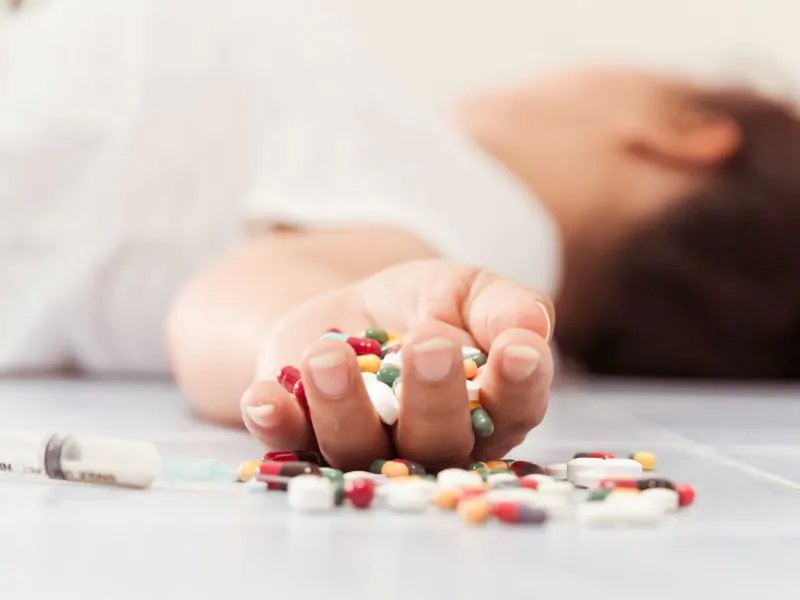
The COVID-19 pandemic has drastically altered health systems’ priorities, leading to the redistribution and reallocation of human and financial resources towards pandemic-related prevention and treatment efforts. During this time, a parallel public health emergency — the national epidemic of opioid-related morbidity and mortality — has continued unabated, with almost 450,000 opioid overdose-related deaths from 1999-2018.
The latest evidence from 2020 indicates that the opioid crisis has continued to worsen, with over 40 states reporting increases in opioid overdose fatalities. While the ongoing increase in overdose deaths pre-dates the COVID-19 pandemic, this problem has likely been exacerbated by pandemic-related increases in stress, grief and anxiety from social isolation, loss of economic opportunity, and illness and deaths among loved ones, coupled with decreased service utilization due to fear of COVID-19 infection. Understandably, during the initial crisis, health systems had to make COVID-19 response their top priority. Now, however, in spite of the ongoing COVID-19 pandemic, it is imperative that organizations, as part of recovery and resurgence planning, continue to focus their efforts to readdress the opioid crisis, as a lack of attention and resources can result in more morbidity and mortality for this vulnerable population.
|
|
Novel Coronavirus Pain Signaling Disruption Leads to New Research |
|
Research into the novel coronavirus isn’t just looking at halting infection.
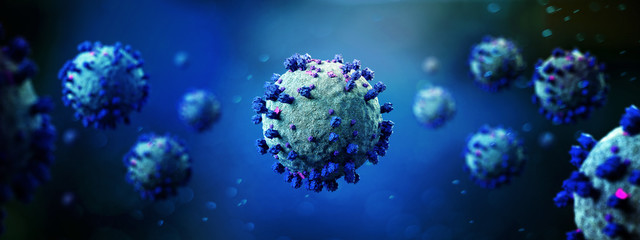
As investigators continue learning more about how the virus interacts inside the body—specifically how its proteins may dull pain signaling—some are optimistic that new findings could open up avenues for innovative, nonopioid drug exploration.
Emerging research, much of it pre-publication and not yet peer reviewed, seems to show that spike proteins on the virus’ surface not only bind with ACE2 receptors but also neuropilin-1 proteins—so that they can enter nerve cells. When a spike protein does this binding, it can block the neuropilin from combining with another protein, that would have triggered pain signaling. “Recent findings in my lab suggest that this scenario may be one reason that people infected with SARS-CoV-2, the virus causing COVID-19, may be spreading the disease without knowing it,” Rajesh Khanna, PhD, a professor of pharmacology at the University of Arizona, in Tucson, wrote in a recent article on The Conversation.
|
|
Newly Legal Edible Cannabis Sparks More ED Visits |
|
Seniors, toddlers among those treated for bad trips
With recreational as well as medical marijuana now legal in Michigan, hospitals in the western part of the state are seeing a small jump in patients – including seniors -- seeking treatment for the infamously super-powered after-effects of eating too much cannabis in foods like brownies.
|
|
ASIPP® Partners with Fedora Billing And Revenue Cycle Management Company
|
|
ASIPP is now offering our members the benefit of a unique revenue cycle management/billing service. We have received a tremendous amount of interest in the ASIPP billing and coding program. One question we continue to receive is what the negotiated rate is for practices. The rate is 3% for ASIPP members and includes all the following services:
- Reporting
- Credentialing
- Charge and Payment Posting
- Credentialing
- Pre-certification/Prior Authorization
- Denials and A/R Management
- And more!
Fedora is a company known to many of our board members and others. ASIPP has reached an agreement with Fedora to provide exclusive discounts on billing or revenue cycle management that will decrease practice costs and promote growth, or at least stop deterioration. It is not just a billing company; they streamline the billing and receivable process and constantly update payor regulations keeping your practice up to on date on a daily basis.
|
|
The American Society of Interventional Pain Physicians (ASIPP) is pleased to announce a partnership with Willow Risk Advisors to create an exclusive policy available to ASIPP members. In an effort to further increase value to its physician members, the American Society of Interventional Pain Physicians (ASIPP) has endorsed Willow Risk Advisors as their professional liability insurance broker. Teaming up with the NORCAL group, Willow Risk has developed an exclusive Medical Malpractice Insurance Program tailored specifically to serve interventional pain physicians. This new program will offer necessary benefits including risk management, premium discounts, consent to settle, aggressive claims handling, and administrative defense. |
|
Join The Group Purchasing
Organization Today
|
|
ASIPP® has formed a partnership with Henry Schein and PedsPal, a national GPO that has a successful history of negotiating better prices on medical supplies and creating value added services for the independent physician. Working with MedAssets, PedsPal provides excellent pricing on products like contrast media that alleviate some of the financial pressures you experience today. While the cost of contrast media has skyrocketed due to the single dose vial issue, because we have partnered with Henry Schein, this could enable you to purchase Omnipaque 240mg/50mL for slightly above $4.50.
Click on “view our discounted supplier prices” (Username: ASIPPmember and Password: Save) or click on the words "join for free now" and begin saving today!
|
|
Essentials of Regenerative Medicine in Interventional
Pain Management
|
|
|
|
Essentials of Regenerative Medicine in Interventional Pain Management is a book to bring concise, collective, and comprehensive information to interventional pain physicians practicing regenerative medicine in managing chronic pain. Regenerative medicine is an integral part of interventional pain management within the definitions of interventional pain management and interventional techniques.
Each chapter contains an introduction of the subject, historical context,pathophysiology, applicability of regenerative medicine with its evidence base, indications, anatomy, technical aspects, complications, and precautions for each topic when available and applicable. This comprehensive book consists of 35 chapters, more than 350 figures, and 50 tables.
|
|
| ORDER | Essentials of Regenerative Medicine in IPM
|
|
Take Control Of Your Waiting Room TV With ASIPP-TV |
|
Customized waiting room TV exclusively for ASIPP® members. Create your own ad-free television broadcasts using our videos, custom informational slides and your own YouTube videos. Even add local weather reports, news and live messages.
|
|
|
In addition, PainExam has now collaborated with ASIPP and offer 2 new programs:
|
|
|
|
|
2020 12th Annual Scientific
Meeting
|
|
|
|
|
|
|
|
|
|