Our newsletter sharing PRISSEM's latest efforts to empower HBCU STEM excellence and reminders about important National Science Foundation funding deadlines | | | | |
|
The National Science Foundation is proposing to significantly revise its Proposal and Award Procedures Guide (PAPPG) to align NSF guidance with 2025 executive orders and proposed revisions to the OMB Uniform Guidance. In short, these changes to NSF guidance would formalize a review of all proposals by political appointees, block all efforts deemed to be DEI-related, ban the use of federal funds for disparate-impact studies, and limit international collaborations and professional activities.
Please take a moment to add your voice to the public comments on the matter. The American Physical Society has more information on the matter and resources to facilitate your contribution to the public record (including anonymous submissions).
| | |
Act Now. The public comment period related to the NSF PAPPG changes closes Monday, August 24.
Your voice matters. The public response to the OMB Uniform Guidance revisions has led to congressional action and the response to this public comment period may also help influence NSF's direction.
| | | | |
PRISSEM IS HERE TO SUPPORT YOU | | |
PRISSEM is excited to support you during the upcoming academic year. We continue to hold your goals and aspirations for yourselves, your students, your communities, and your HBCUs at the center of our work. To this end, PRISSEM is sharing timely updates and resources to keep you prepared. We wish all new and returning faculty, staff, students, and administrators a successful and productive academic year.
While it seems that many of the latest funding opportunities at NSF are around AI and Quantum science, the research directorates still have many established programs that fund basic science and accept proposals. We encourage you to submit proposals to programs aligned with YOUR interests. We are available to provide guidance.
Some recent developments:
-
NSF plans to significantly revise the Proposal Award Procedures Guide to implement this administration’s priorities. Read Claudia’s LinkedIn post to learn more.
-
NSF has announced twelve Notices of Funding Opportunity for foundational research.
-
Congress has begun work on the 2027 budget. The House adopted bill H.Rept. 119-652 that includes the budget for NSF. The Senate has not acted yet. See more in the advocacy section below.
- NSF has resumed making awards through the HBCU-UP, HBCU Research in Excellence, and CREST programs. We’re happy to count a few wins (news coming soon) among this initial batch and expect more awards to be made over the coming weeks.
| | | | |
|
The Simons Foundation has a number of funding opportunities available. Two of them are geared towards HBCUs specifically - the Simons Centers of Excellence at Historically Black Colleges and Universities and the Simons Historically Black Colleges and Universities Fellowship. Both opportunities have an LOI submission window of October 1 to November 12, 2026, with full proposals due in February, 2027.
Six of the eight NSF directorates are seeking highly qualified individuals interested in serving in STEM positions through the Intergovernmental Personnel Act (IPA) Mobility Program. Details about these positions are on the NSF website. The application process is simple and applications are reviewed on a rolling basis until positions are filled.
AAC&U is accepting applications to the Keystroke Writing Residency. This virtual writing program is facilitated by leaders in faculty development and offers 90 minutes of protected writing time weekly. Each session begins with a guided mindfulness practice to strengthen your intention, focus, and productivity.
| | | | |
On my walk this morning, I reflected on the upcoming academic year, especially the incoming class of 2030. These students started middle school during the COVID pandemic, lived through a brief period of hope and renewal as universities, companies, and others declared that Black Lives Matter, and then experienced the changing tide with a vicious backlash from the MAGA movement. They saw the rise of AI in their lives, learned without textbooks and from worksheets, and dealt with social media. Please, give these students grace, guidance, understanding, and teach them not only what they need to become successful in the workforce, but to grow into well-rounded human beings who can discern right from wrong and real from fake. | | | | |
PRISSEM has a lot to celebrate! Let’s start by introducing you to three additional HBCU Thrive Fellows. They are part of a cohort of fifteen faculty from fourteen HBCUs, who have been selected to receive support from PRISSEM to submit proposals to the HBCU Excellence in Research program. We are introducing you to three of the fellows in each newsletter in no particular order. Today, please meet: | |
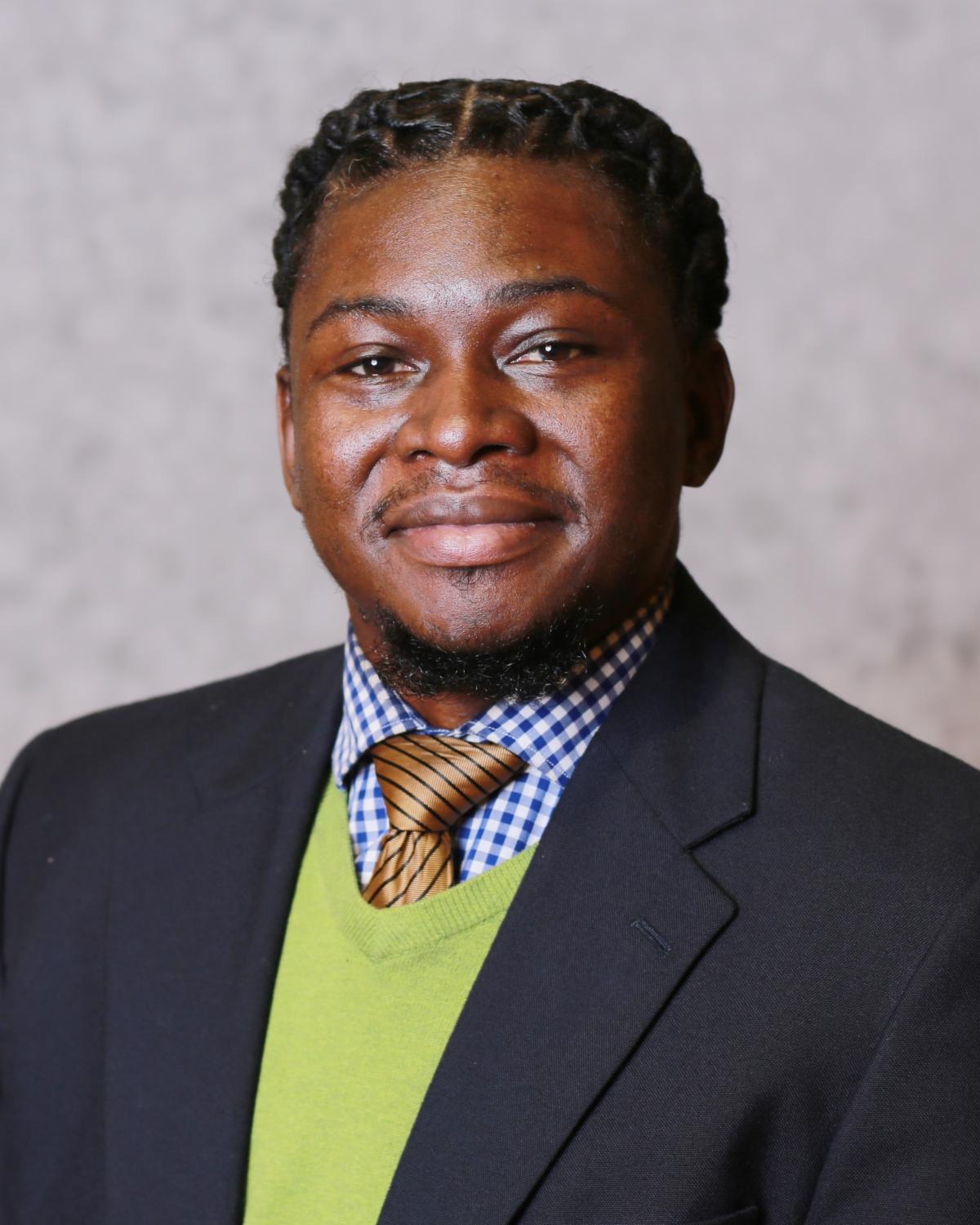
Dr. Ethell Vereen, Jr. is an Associate Professor of Biology at Morehouse College with a STEM Education focus on diversity and inclusion in natural resources, Pan-African pedagogy, and Virtual Reality for teaching, learning and assessment. His research focuses on water quality, microbial ecology, environmental health and justice, and sustainability. Dr. Vereen has been awarded over $1 million in research awards from agencies including NSF, Dept. of Education, and the Environmental Protection Agency, increasing Morehouse research capacity and providing additional training opportunities for STEM students. He currently serves on the board for the Environmental Leadership Program and the NSF NEON Technical Working Group and was recently recognized as one of 1000 Inspiring Black Scientists in America.
| |
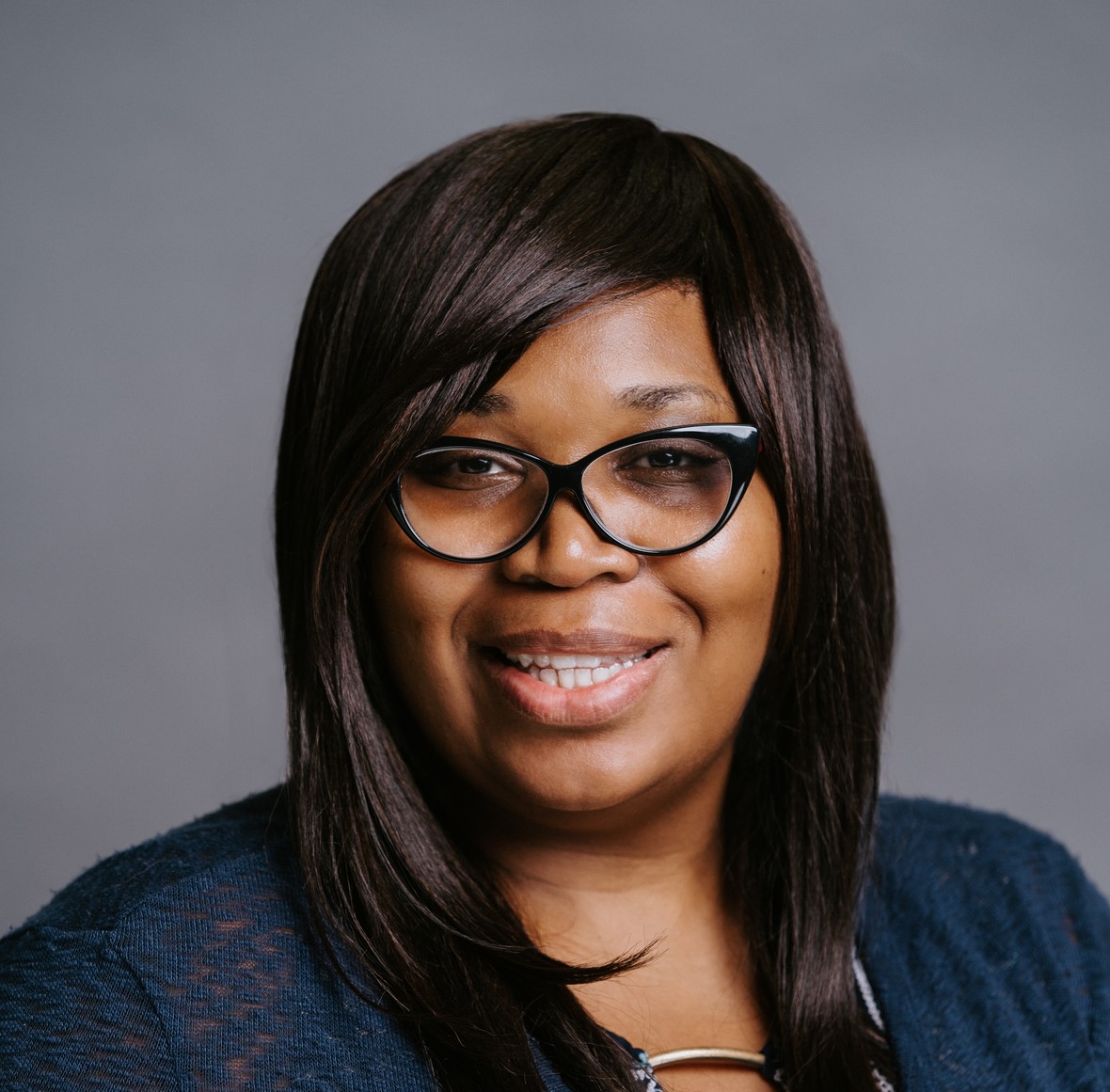
Dr. Tracy Brown is an Assistant Professor of Chemistry at Johnson C. Smith University in Charlotte, North Carolina, where she teaches organic chemistry and mentors undergraduate researchers. Her research centers on cellulose nanomaterials and their applications in high-performance polymer systems. She has established two highly successful undergraduate research initiatives—the NSF Student Minigrant Research Program and the Minority–Polymer Undergraduate Research Experiences (M-PURE) program. Through these programs she has engaged more than 50 undergraduate students and facilitated oral and poster presentations at national conferences, including NOBCChE and the American Chemical Society. She has served as Principal Investigator on two NSF awards that support undergraduate research and led to the development of the Thermal Analysis Instrumentation (TAI) suite and a complementary technical certificate program.
| |
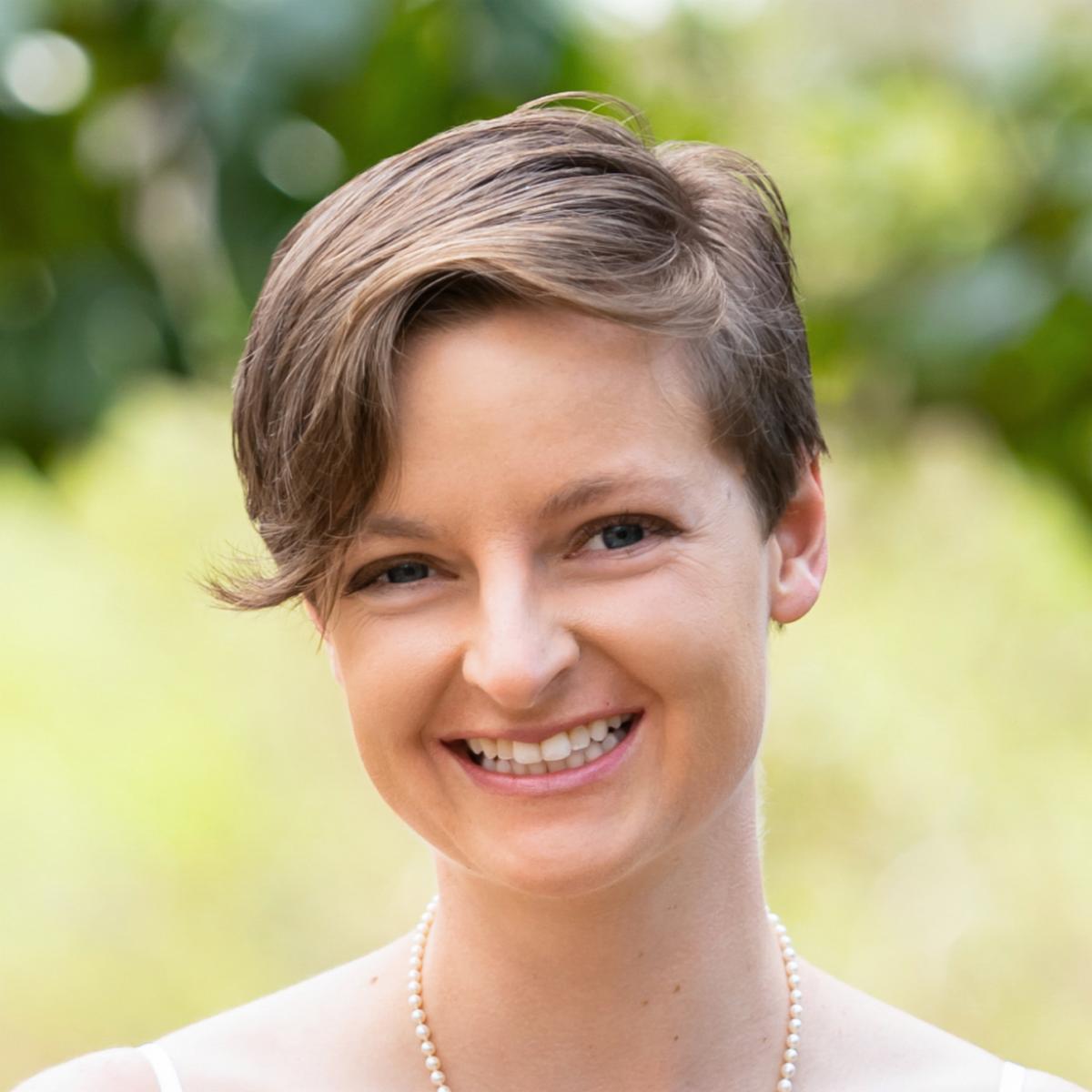
Dr. Mary Van Vleet is an Assistant Professor of Chemistry and Biochemistry at Spelman College. She is originally from Denver, Colorado and obtained her B.S. in Chemistry from Harvey Mudd College and Ph.D. from the University of Wisconsin-Madison. Dr. Van Vleet's research interests lie in molecular simulation and data science. Her lab uses molecular dynamics to simulate a wide variety of non-covalent chemical interactions, with an emphasis on problems of industrial and/or biological relevance.
| | |
PRISSEM congratulates all faculty who have submitted grant proposals during this challenging time in the federal funding landscape. We congratulate all who received an award and encourage those who received a declination to try again.
Here are two NSF awards from the CREST programs we are especially excited about:
Dr. Doyle Temple, along with co-PIs Drs. Leroy Salary, George Miller, Sunil Karna, and Ramakanta Chapai were awarded a $5 million NSF CREST Center for Emergent Chiral Quantum Matter. This center is housed at Norfolk State University.
Dr. Pawan Tyagi, along with co-PIs Drs. Kate Klein, Jiajun Xu, Uche Udeochu, and Rong Zhao, were awarded a $5 million NSF CREST Center for Nanotechnology Research and Education. This center is housed at the University of the District of Columbia.
| | | | |
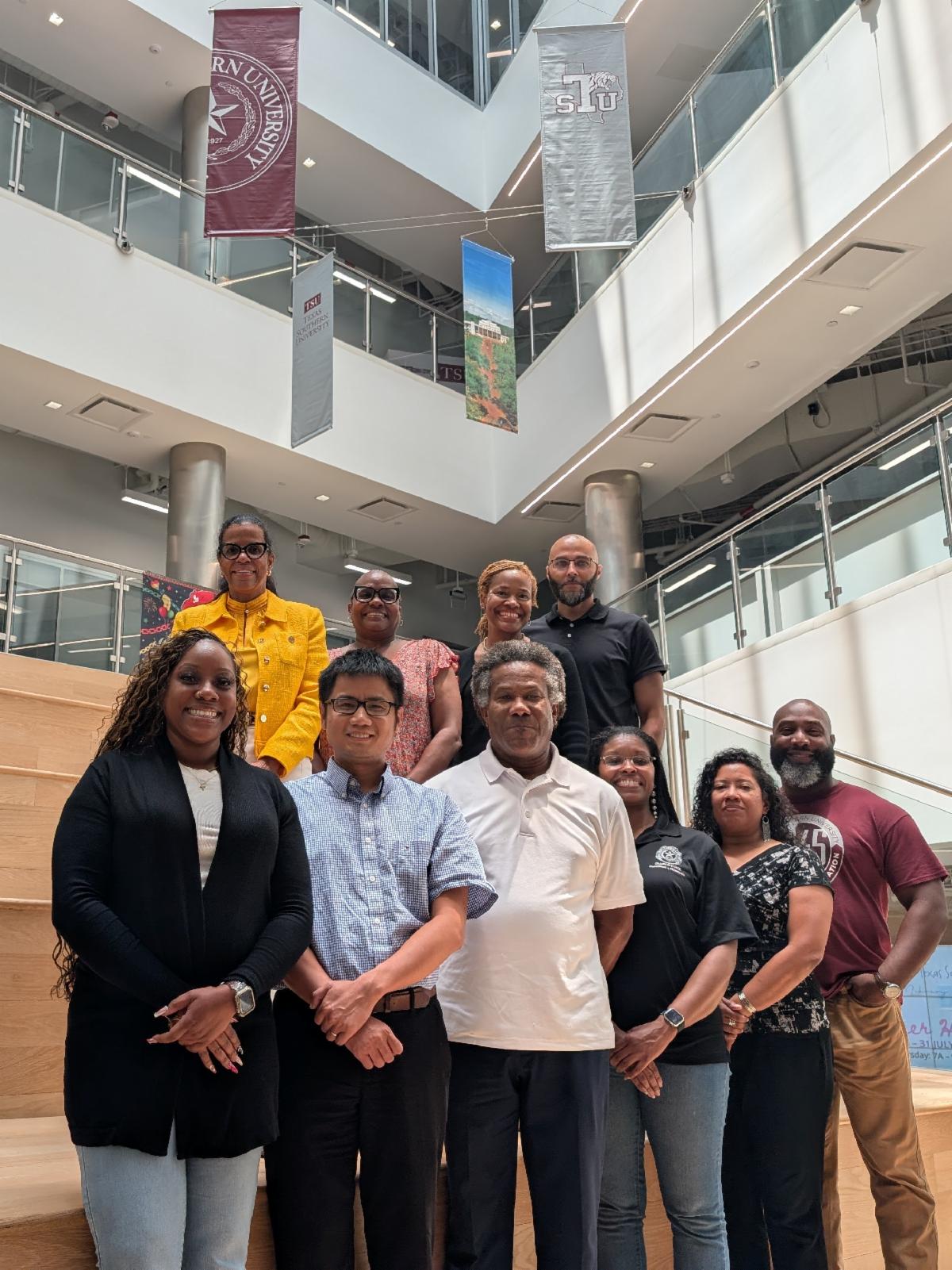
| | PRISSEM thanks Texas Southern University Vice President for Research and Innovation, Dr. Michelle John, and TSU faculty for inviting us to facilitate a hybrid summer writing workshop during the month of June. Building upon their TSU seed grants, participating faculty identified relevant external funding opportunities, finalized 1-pagers, and began drafting their research proposals. On the last two days Koren and Falcon were on-site at TSU to facilitate. Congratulations to the faculty on the great progress they made during this workshop. We are excited to continue working with you. | | | | | |
|
In light of the president’s 2027 budget request, we continue to urge you to advocate on behalf of STEM research and education, with particular attention to the budget requests for funding agencies, notably NSF. Be a part of the movement that will save the NSF Social, Behavioral, and Economics Directorate and restore funding for scientific research. It’s as simple as calling or writing to your congressional representative. It is Congress that ultimately decides what the budget for each agency will look like. Congress’s work on the 2027 budget will begin this summer.
Some organizations have been at the forefront of giving us tools to do so. The American Physical Society has an "Action Center" webpage open to all with helpful information on what we can do. The Save NSF coalition has an Action Toolkit. Check your professional societies and associations for similar calls and MAKE YOUR VOICE heard.
When considering advocacy related to higher education, please be sure to follow all institutional guidelines and understand your options for engagement as a private citizen.
| | | | |
| |
|
Claudia recommends publications focused on HBCU faculty and student success authored by HBCU faculty and students.
Authors: D. Dickens, D. Jackson, A. Patrick, S. Younge, S. Shearin, L. Zheng, M. Malik, J. Talley, and L. Stewart.
This paper examines the perception of STEM faculty of Black students’ successes and barriers in STEM attending a historically Black college or university (HBCU).
“It’s a Small World After All”: Howard University Undergraduate Research Abroad Initiative
This dissertation by Tiffany L. Lathan Smith at Howard University talks about the experiences of undergraduate students who participated in an NSF HBCU-UP funded project to provide international research experiences.
The HBCU Blueprint: A Strategic Guide to Transformation and Thriving
Authors: Herman J. Felton Jr., E. Anthony Pinkard, Hakim J. Lucas, Melva K. Wallace, Roderick L. Smothers Sr., Tashia L. Bradley.
This book offers practical strategies for strengthening HBCUs through leadership, finance, technology, partnerships, and mission, guiding institutions to thrive and lead in the future of higher education.
| | The deadlines appear as they were at the time this newsletter was distributed. Please visit the posted solicitation links below to remain informed of potential changes and abide by all institutional policies before pursuing any opportunity. | | |
Accepted anytime
NSF STEM K-12 NSF 25-545
Accepted anytime
Professional Formation of Engineers (PFE) PD 26-1341
Accepted anytime
Organizational Change in the Professional Formation of Engineers PD 26-1342
August 19, 2026
Research Experiences for Undergraduates (REU) NSF 23-601
September 8, 2026
Improving Undergraduate STEM Education/Professional Formation of Engineers: Revolutionizing Engineering Departments NSF 24-564
September 10, 2026
Computer and Information Science and Engineering: Future Computing Research (Future CoRe) NSF 25-543
Note that the solicitation includes the Computer Education Program
October 20, 2026
HBCU Excellence in Research NSF 23-598 Proposal deadline (Letter of intent required)
March 2, 2027
NSF Scholarships in Science, Technology, Engineering, and Mathematics (S-STEM) NSF 25-514
April 5, 2027
CyberAICorps Scholarships for Service NSF 26-503
Be on the lookout for the NSF Graduate Research Fellowship Program solicitation. Applications are usually due in November. A new solicitation is likely to be posted soon.
| |
Ready to submit? Contact us to learn more about how we can help.
| | | | |
Upcoming PRISSEM Workshops | | PRISSEM will hold an informational webinar about the HBCU Excellence in Research program on September 15, 2026 at noon. Faculty who are planning to submit a HBCU EiR proposal by October 20, 2026 are invited and encouraged to participate. | | Please let us know if you would like PRISSEM to give a talk to your STEM faculty about NSF opportunities, grant writing, and other related topics during the upcoming year or at your Fall faculty institute. | | | | |