Just in case you missed all the buzz, below we recapped all the research highlights from NRG Oncology trials presented at the 2026 American Society for Radiation Oncology (ASTRO) Annual Meeting.

Press Releases

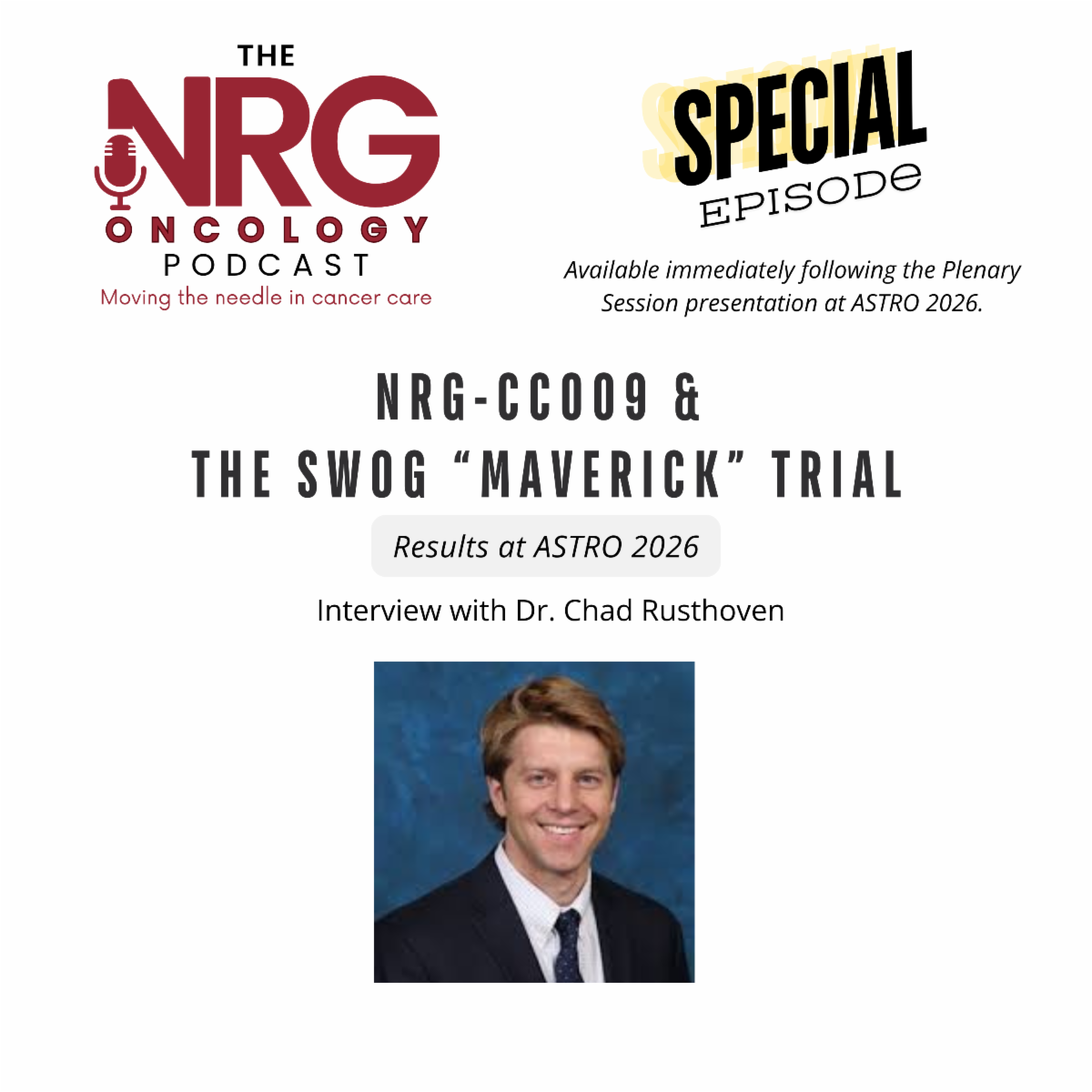
NRG Oncology Trial Finds No Difference in Neurocognitive Outcomes, but Improved Overall Survival with Stereotactic Radiosurgery for SCLC Brain Metastases

Although stereotactic radiosurgery (SRS) is preferred for brain metastases from most tumor histologies because it better preserves neurocognitive function and quality of life compared with whole-brain radiotherapy (WBRT), WBRT has remained the standard of care for patients with small cell lung cancer (SCLC) and brain metastases. This is largely because patients with SCLC have been excluded from the clinical trials that established the role of SRS. Recently reported results from the NRG-CC009 clinical trial, which evaluated SRS versus hippocampal avoidant WBRT (HA-WBRT) with memantine in patients with SCLC and brain metastases, found that SRS did not significantly improve neurocognitive outcomes compared with HA-WBRT and therefore the trial failed to meet its primary endpoint. However, the results demonstrated a potential survival benefit with SRS, along with comparable central nervous system control, suggesting that SRS may offer an effective alternative to HA-WBRT for appropriately selected patients with SCLC brain metastases.


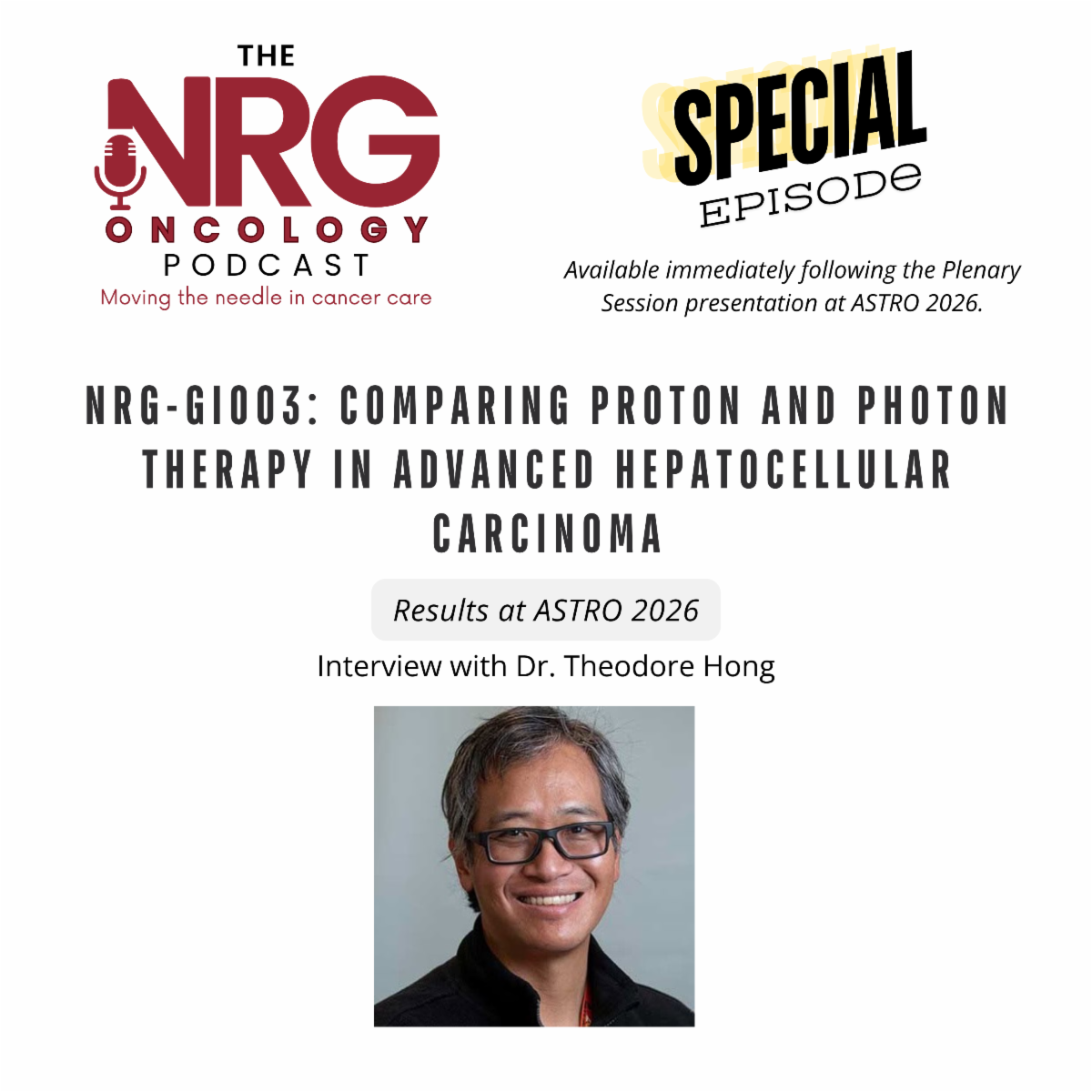
NRG Oncology Trial Results Show No Survival Benefit with the Use of Proton Therapy for Patients with Advanced Hepatocellular Carcinoma 

Initial results of the NRG Oncology NRG-GI003 clinical study comparing proton and photon therapy for patients with advanced hepatocellular carcinoma (HCC) indicate that proton therapy did not improve the primary objective of overall survival (OS) for patients. At the planned interim analysis, the trial was released for reporting as the futility boundary was crossed. In addition to overall survival, proton therapy did not improve any of the secondary endpoints of this trial including progression free survival (PFS) and local progression (LP). Although fewer grade 3 or higher treatment-related adverse events were observed with proton therapy compared with photon therapy (11% vs. 24%), this difference was not statistically significant at alpha=0.05 (p=0.093).


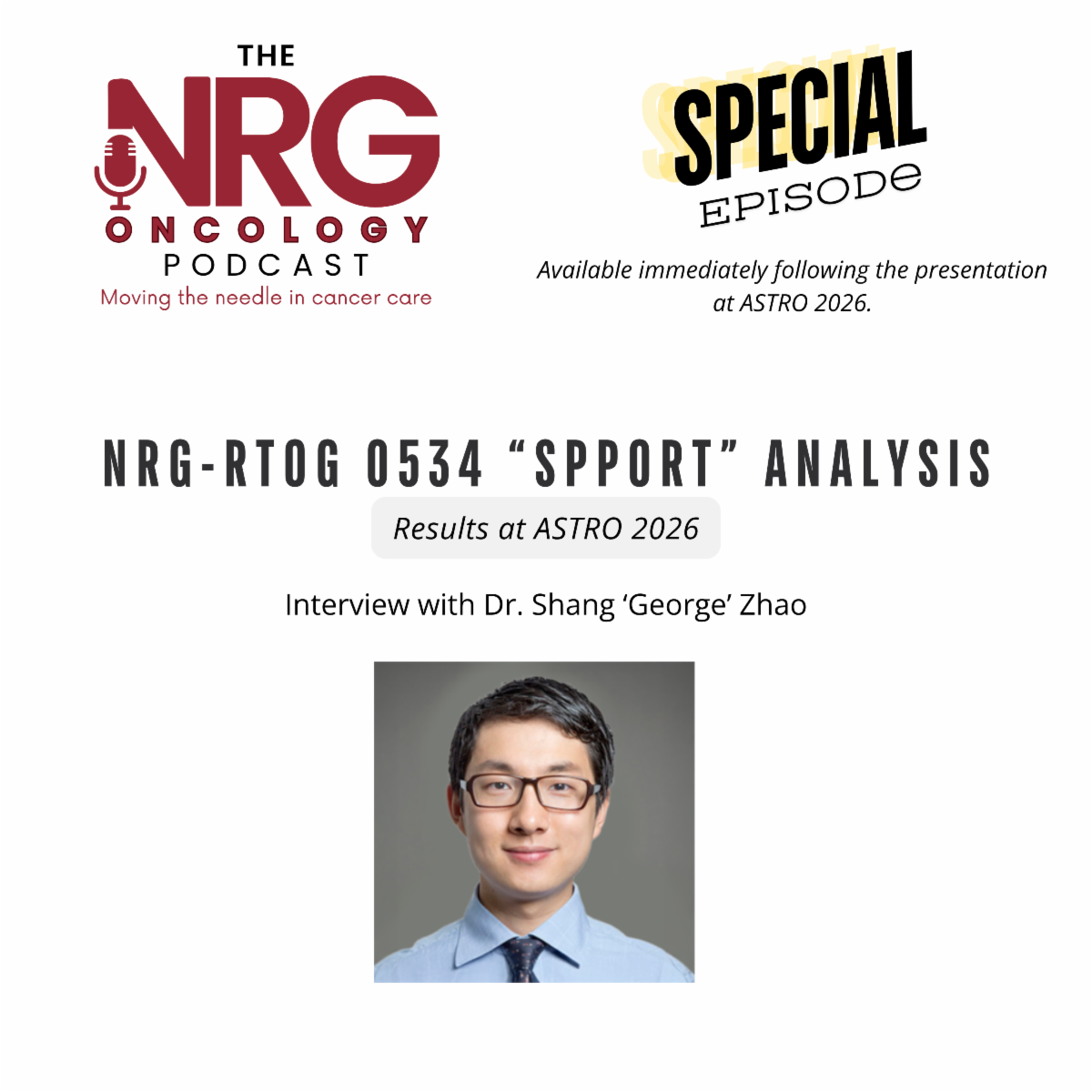
NRG Oncology SPPORT Analysis Highlights Potential Role of Genetic Testing in Identifying Prostate Cancer Patients Who May Benefit Most from Hormone Therapy

A recent analysis of the NRG-RTOG 0534 “SPPORT” clinical trial evaluated the Luminal B (LumB) molecular subtype using the PAM50 genomic classifier to determine whether tumor biology could help identify patients most likely to benefit from hormone therapy. The analysis found that adding short-term androgen deprivation therapy (STADT), with or without pelvic lymph-node radiation therapy, provided a greater benefit in freedom from progression and metastasis-free survival among men with LumB tumors compared with those whose tumors were not classified as LumB. LumB prostate cancers are generally associated with more aggressive disease and increased androgen receptor signaling, leading researchers to hypothesize that these tumors may be particularly responsive to hormone therapy.


Shortened Radiation Schedule Provides Similar Cancer Control and Patient-Reported Outcomes to Standard Radiation Following Surgery for High-Risk Prostate Cancer in NRG Oncology Trial

Men with high-risk prostate cancer have a higher likelihood of having residual disease following prostatectomy and may require radiation therapy after surgery, particularly when PSA levels begin to rise. Conventional postprostatectomy radiotherapy (COPORT) is typically delivered over 37 fractions, while hypofractionated postprostatectomy radiotherapy (HYPORT) delivers a slightly lower total radiation dose over just 25 fractions. Five-year results from the NRG-GU003 study showed that HYPORT and COPORT provided similar patient-reported urinary and bowel outcomes, overall quality of life, and biochemical control. However, HYPORT was associated with a statistically significant increase in physician-reported grade 3 urinary adverse events, particularly cystitis and hematuria.


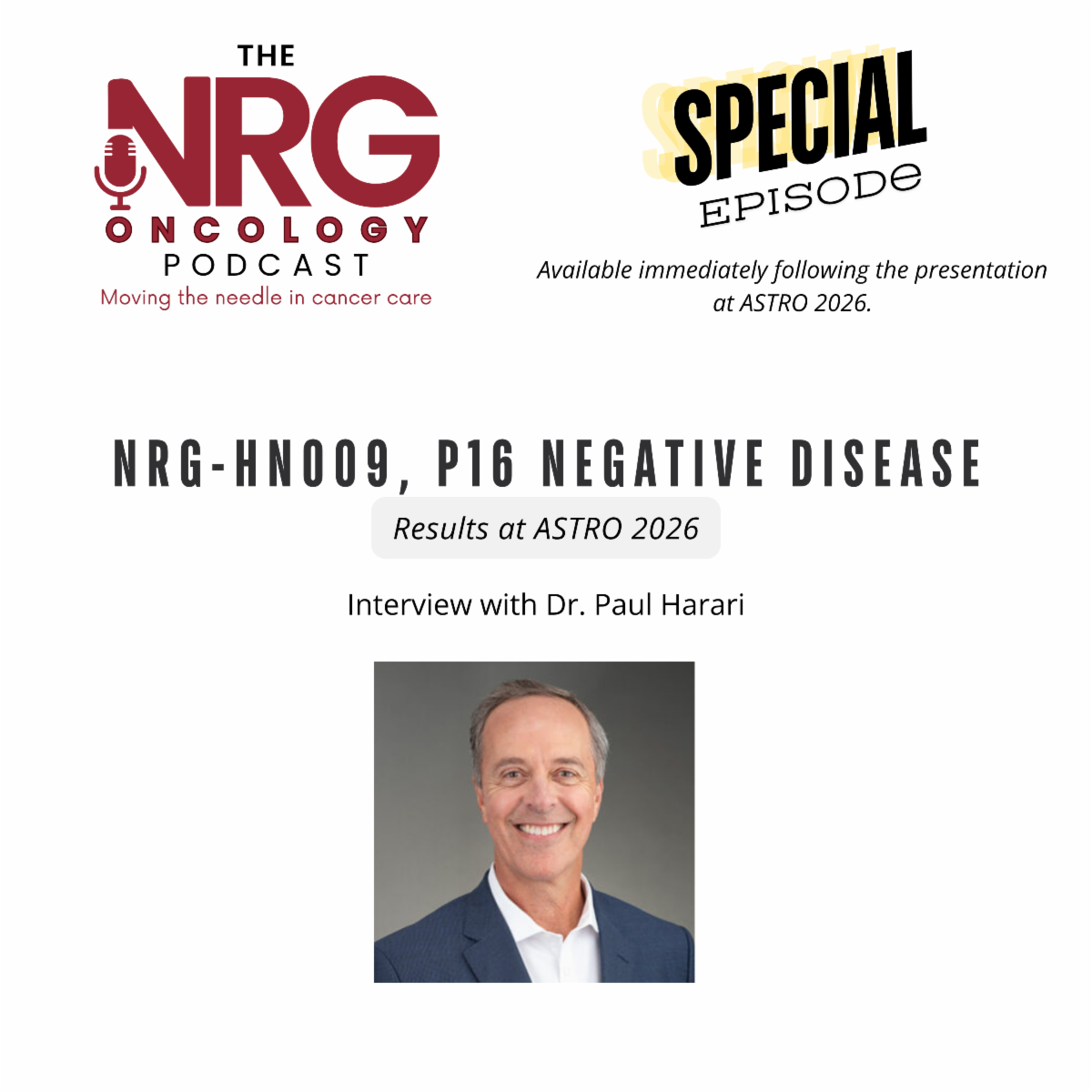
Weekly Cisplatin Shows Similar Burden of Acute Treatment Side Effects as Every 3-Week Schedule for Patients with p16-Negative Head and Neck Cancer on NRG Oncology Trial

Physicians typically use either a higher dose of cisplatin given every three weeks or a lower dose given weekly in combination with radiation to treat locally advanced head and neck cancer. However, prior to NRG-HN009, there was limited randomized evidence to determine which regimen provided the best balance of cancer control and treatment-related side effects. This question is particularly important for patients with p16-negative disease, who often have multiple comorbidities and may have a lower tolerance for intensive chemoradiation. The Phase II portion of NRG-HN009 compared these two treatment regimens in patients with p16-negative disease and found that weekly cisplatin failed to show significantly lower acute toxicity compared with cisplatin given every three weeks. Because the study did not meet its predefined criteria for reduced acute toxicity with weekly cisplatin, the p16-negative cohort did not advance to the Phase III portion of the trial.

New Podcast Episodes

Follow the NRG Oncology Podcast on Apple, Spotify, and YouTube to listen to all of our special episodes at ASTRO 2026.

Twitter      Facebook      Instagram      LinkedIn      YouTube