|
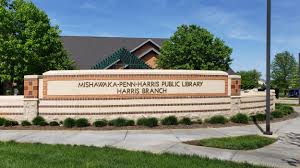
.Here in Harris and Penn Townships, as well as greater Mishawaka, we are blessed with a well run, highly accessible library system that has embraced modern technology while maintaining hometown charisma. At the September 10th general meeting of the St. Joseph County Council, we had to choose which bonding strategy to use in order to pay for needed upgrades to Mishawaka Penn Harris Public Library's facilities. Without going into mind mumbling detail, I would like to explain the needs of the library system and the decision of the Council.
The library system came to us to approve a 4.2 million dollar bond. This money will be used for four separate projects. First, the Bittersweet Library in Penn Township needs several upgrades. Roof work needs to be done, the HVAC system needs extensive work or replacement, and the library has decided to go to LED lighting at that facility. Second, the main library in Mishawaka also needs extensive roof work done. Third, the Elm Street library in Granger needs a fair amount of tuckpointing done to the outside of the building. Finally, the library's leadership would like to build a garage on property that is being donated in order to house three library vehicles, including a new book mobile. The book mobile will be used, among other things, to take a collection of books to low income neighborhoods in which the children underutilize the library system.
As a Council, we had two bond options to choose from. These choices had some things in common. They were both for the same principal amount, covered the same projects, and would be fifteen year bonds. The important differences boiled down to three factors. First, bond A is front loaded with principal payments. In the long run, the taxpayers would have paid less interest and therefore a lower total cost once the bond was paid back. On the other hand, bond B is paid back on a regular repay schedule, so more interest is paid up front in a similar fashion to a 15 year home loan. The total cost of that loan is higher. From this information, along with the fact that paying principal earlier would give the library more flexibility if they needed to bond again in the next ten years, you would assume that bond A is the better deal for the taxpayer.
Not quite so fast! We have to consider how it is possible that bond A is frontloaded with more payment on principal. The answer is that the payments would be higher earlier in the repayment cycle to pay the extra principal and would therefore require more revenue coming into the library; and that, my friends, would mean a slight increase in property taxes. Yes, the cost of choosing bond A would be a slight increase in property taxes for those of us living within the library district and who are not already capped out at the state mandated maximum of one percent of assessed value on a homestead, two percent on farmland, and three percent on a business (Your property taxes may be higher if your school system has "pierced the cap." See issue three of Liberty and Progress for a general explanation of property taxes). Bond B would require no property tax increase.
I discussed the bonding options the Council faced with roughly sixty of my constituents. The response wasn't like the Anderson Road garage with a very large minority against the project. It wasn't like rezoning St. Joe Farms for the Microsoft purchase with a smaller minority against the project. It was almost unanimous that property taxes are high enough and that the Council should do absolutely nothing that would cause those taxes to go even the slightest bit higher. Given that response from the overwhelming majority of my constituents, I voted for bond B, which passed the Council on a 5-4 vote. Between the inflation we have experienced over the last three years and the large increases in property taxes over the last six years, folks are just tapped out. We had to and must continue to consider how each decision we make effects the lives and wallets of our taxpayers.
Respectfully,
Dan
|