Cellular recycling changes with age, but not how we expected | | | | |
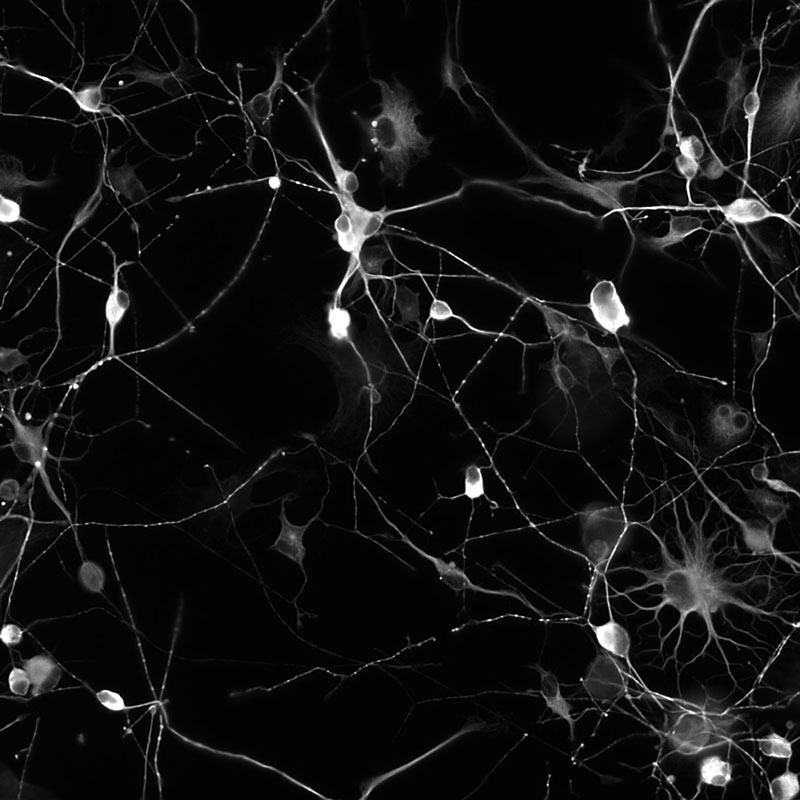
A study from the Kumsta lab in Aging Cell adds new wrinkles to our understanding of the links between aging and autophagy.
The study showed that autophagy rates do not simply decline with age but instead vary in different types of cells and based on the sex of research participants.
| | Modifying heart cell metabolism unlocks self-repair system after heart attack | | | | |
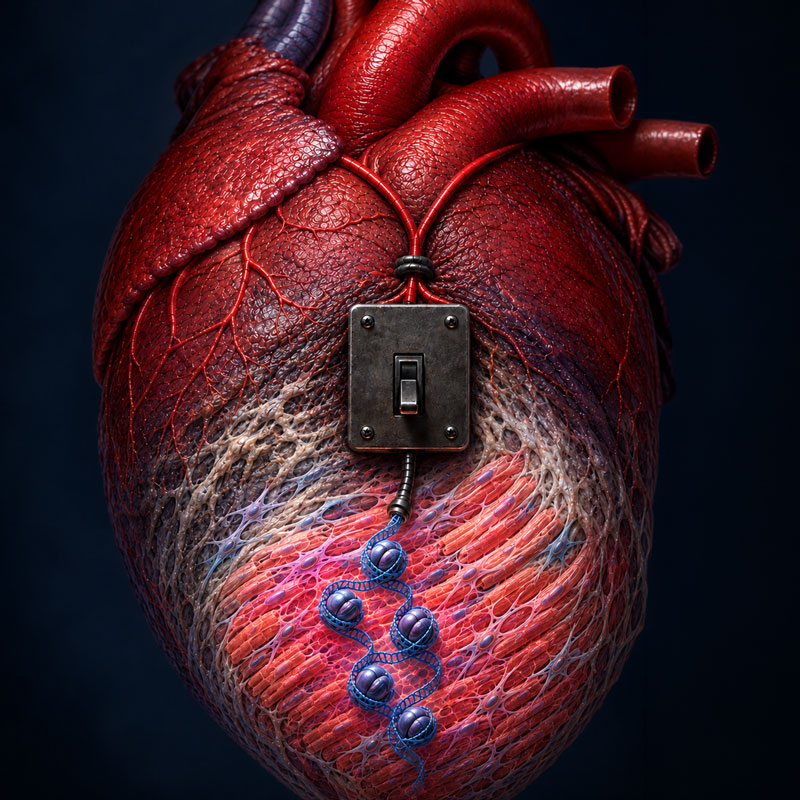
The Mahmoud lab recently published findings in Nature Cardiovascular Research detailing how a treatment enhances cardiac regeneration and function in mice.
Changing how heart cells produce energy triggers coordinated changes in gene regulation across cell types, promoting regeneration after a heart attack.
| | Lukas Chavez named recipient of 2026 AWS Children’s Health Innovation Award | | | | |
Chavez and his team in the Center for Data Science and Artificial Intelligence are developing an AI-powered system to integrate complex pediatric cancer data and help clinicians identify personalized treatment options more quickly.
The award provides $100,000 in funding and $100,000 in Promotional Credit from Amazon Web Services (AWS) to support the project.
| | Sanford Burnham Prebys scientists support national aging research network | | | | Scientists at Sanford Burnham Prebys are contributing to the NIH’s Cellular Senescence Network (SenNet), a nationwide effort to map and understand senescent cells, which accumulate with age and contribute to disease. A newly published collection of research in Nature Portfolio journals highlights discoveries, technologies and publicly available resources from the initiative, advancing our understanding of aging and opening new possibilities for treating age-related diseases. | | Celebrating 50 years. Investing in what’s next. | | |
In recognition of Estate Planning Week, take a meaningful step toward protecting your wishes and creating a lasting legacy. Our free resource, Planning Your Legacy, can help you get started.
We are grateful to those who believe in investing in biomedical research and discoveries that can transform patients’ lives. You don’t need a fortune to make a difference. A gift of any size to Sanford Burnham Prebys in your estate plan can help inspire future scientific breakthroughs and advance tomorrow’s treatments for patients and families. For more information, contact Sandy Liarakos at sliarakos@sbpdiscovery.org.
| | Innovation Night at the La Jolla Playhouse | | Visionary leaders from San Diego’s thriving innovation community gathered on October 19, 2026, at the La Jolla Playhouse for the 19th annual Innovation Night celebrating creativity, collaboration and discovery in the region. | | David Brenner, MD, president and CEO of Sanford Burnham Prebys, was recognized as Innovation Night’s 2026 Honoree. | | Celebrating 50 years of discoveries | | |
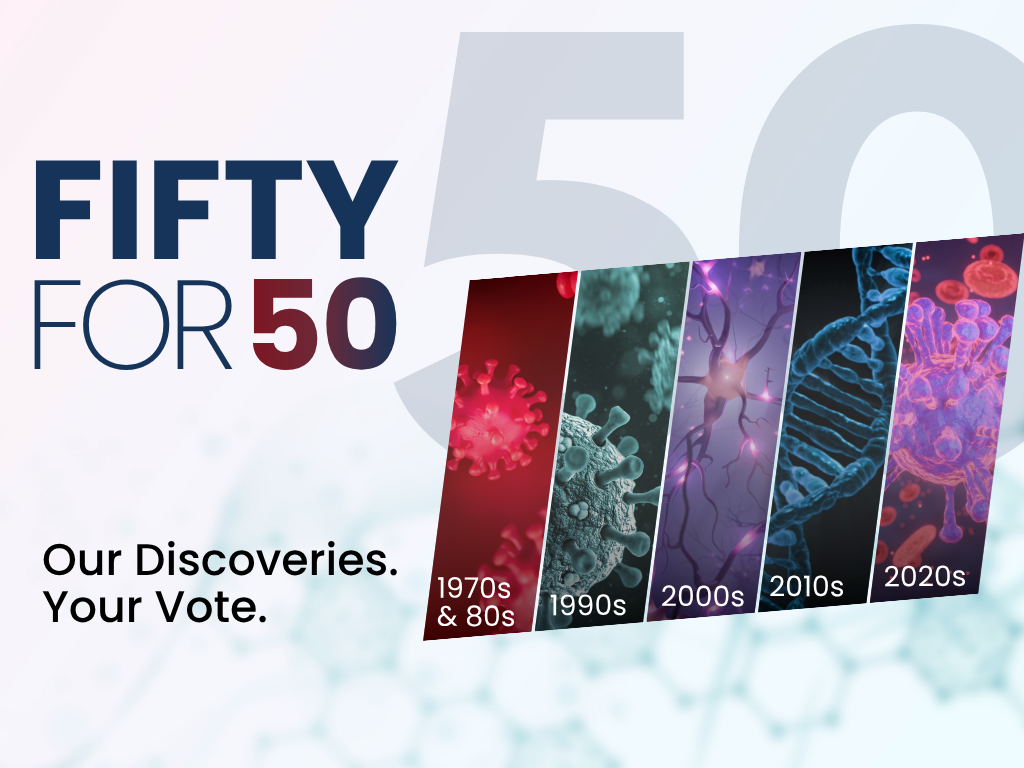
For five decades, our scientists have pursued bold ideas and asked difficult questions with one shared purpose: to advance discoveries that improve human health.
As we celebrate this milestone, we invite you to explore Fifty for 50, a collection of 50 notable scientific contributions from our first half-century.
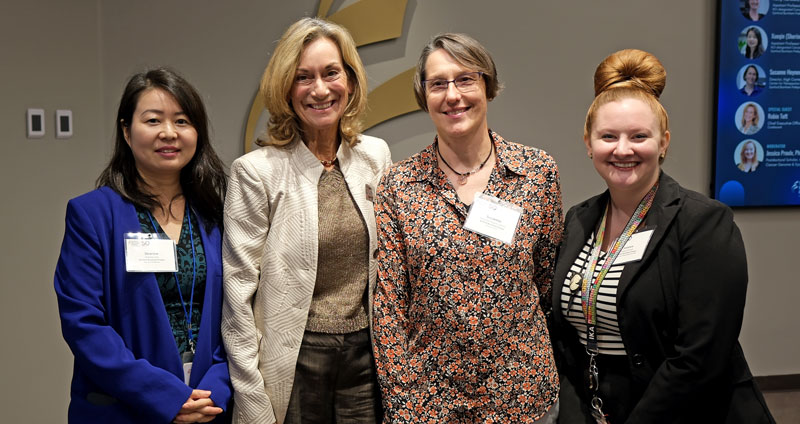
| | | Discover the achievements that have shaped our history, then help us celebrate by voting for your favorite discovery from each decade. | | Women in Science Lecture Series features cancer research fundraising leader and entrepreneur | | Sanford Burnham Prebys recently hosted Robin Toft, CEO of Curebound, on campus for the Women in Science Lecture Series. The event also featured a fireside chat and audience question-and-answer session with Toft and Curebound grantees Susanne Heynen-Genel, PhD, and Xueqin (Sherine) Sun, PhD. | | | Sanford Burnham Prebys launches new graduate student scholarship | | |
This summer, ARCS Foundation San Diego voted to add the Institute to its family of educational partners.
The ARCS Foundation will fund two ARCS Scholars for the 2026-27 academic year, with each graduate student receiving a $12,500 award to support their research.
| | | Erik Hultenius awarded Melvin and Phyllis McCardle Clause Scholarship | | Congratulations to Erik Hultenius, a third-year doctoral student in our Graduate School of Biomedical Sciences, for being named the 2026 recipient of the Melvin and Phyllis McCardle Clause Scholarship. | | | |
The scholarship supports graduate student education in age-related neurodegeneration.
Hultenius investigates the brain’s immune cells, which are called microglial cells. He wants to understand how they change with aging and how those age-related changes might contribute to how Alzheimer’s disease progresses.
| | |
Giving Back Magazine September 30, 2026
Get To Know: David A. Brenner, MD
Read more »
| |
Scienmag October 5, 2026
AI System Aims to Speed Personalized Cancer Care for Children With $200,000 Cloud Award | Chavez lab
Read more »
| |
Science Daily October 13, 2026
Scientists discover a surprising paradox in how our cells age | Kumsta lab
Read more »
| |
Yahoo News October 16, 2026
What Happens Inside Our Cells as We Age May Depend on More Than Age | Kumsta lab
Read more »
| |
MSN October 24, 2026
This human brain protein may help hold off dementia: in mice, it meant less toxic tau and less brain shrinkage | Huang lab
Read more »
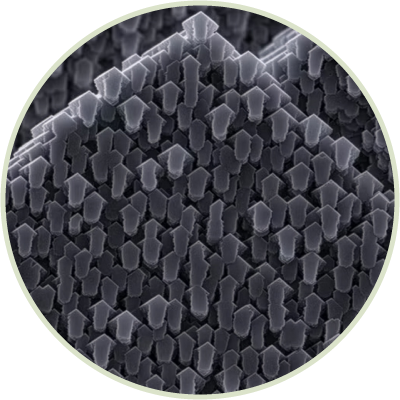
| | The only way is up. What appears to be manmade is actually a scanning electron micrograph of a growing calcite crystal. The apparent arrows on the surface are formed by the crystal’s natural growth and the way proteins bind. Image courtesy of David Green. | | | Sanford Burnham Prebys | 10901 N Torrey Pines Road | La Jolla, CA 92037 US | | | | |