Bright Spot
 

BRIGHT SPOTS


The first-ever Head Start Day at the Ohio Statehouse on November 10 brought together more than 100 Head Start parents, educators, and leaders to call for continued state investments in early care and education.  


Tuned In is taking break next week for the Thanksgiving holiday. We will be back in your inbox on Friday, December 4.


QUOTABLE & NOTABLE

“Universities mobilize extraordinary financial resources when they consider something essential to their competitiveness. Why is childcare rarely afforded the same institutional urgency?


“This is where the economist in me becomes particularly frustrated. Budgets are statements of priorities. Every dollar committed to one activity has an opportunity cost. Yet universities discuss athletics facilities as investments while frequently treating childcare as an expense.


“Childcare is not simply a benefit for parents. It is economic infrastructure. It allows faculty to teach, researchers to conduct research, staff to work and students with children to finish their degrees.


“When childcare disappears from the campus, its costs do not. They are transferred from institutional budgets to individual households, disproportionately onto women. Those costs show up in missed meetings, delayed publications, reduced work hours, and careers quietly derailed. They may never appear on a university balance sheet, but they are real.”

Who:

Misty L. Heggeness, professor of public affairs and economics, the University of Kansas

Where:

“Universities Can Afford Football Stadiums. Why Not Childcare?” — essay published by Inside Higher Ed


FACT OF THE WEEK

 
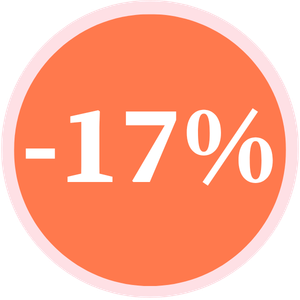
negative 17 percent

Postsecondary education has had trouble keeping up with the demand and need for childcare by parenting students. Over the past two decades, the number of community colleges offering childcare has dropped 17%, while the federal CCAMPIS grants supporting childcare for students with low income also shrunk sizably during the latest round of funding awards. Inside Higher Ed reports on these trends and recent childcare closure announcements at several universities.


CRANE IN THE NEWS

Crane faculty associate Dr. Arya Ansari recently spoke about chronic absenteeism on the Inspire podcast from The Ohio State University’s College of Education and Human Ecology.


EVENTS & HAPPENINGS

The Women’s Fund of Central Ohio is hosting a screening of the Moms First documentary No Country for Mothers on Thursday, December 3, from 5-8:30 p.m. ET at the Gateway Film Center in Columbus. You can purchase tickets here.

The Children’s Funding Project is hosting a webinar called “2026 Election Reflections: Examining What This Year’s Results Mean for the Children’s Funding Movement,” on Tuesday, December 8, at 2 p.m. ET.


BEYOND THE BUCKEYE STATE

Child Care Aware of America is launching a new pilot in Florida, Kansas, Michigan, North Dakota, and Ohio to expand access to the Child Development Associate (CDA) credential. The pilot began last month and runs through May 2028, and it provides each state with funding to promote CDA access, and to offer continued coaching to educators. Ohio’s goal is to recruit more than 400 early childhood professionals and support at least 288 in earning a new CDA credential over the pilot period.


WHAT WE’RE READING

An article from New America emphasizes the importance of keeping childcare quality front and center amidst conversations about access and affordability. It outlines the need for investments — especially any new federal ones — to be grounded in evidence about child development, reduce burdens on providers, and focus on building systems of care that go beyond a minimum threshold of health and safety, influencing children’s long-term growth and well-being.


RESEARCH ROUNDUP

Two new studies — using data from Ohio and Indiana — demonstrate positive benefits of state third-grade retention policies. The Ohio study was conducted by researchers associated with the Annenberg Institute at Brown University, who examined the impacts of Ohio’s third-grade reading guarantee policy that began in the 2012-13 school year. Using administrative data from the Ohio Department of Education and Workforce from 2014 through 2022, they examined 1,869 public schools and 503,783 students’ fall and spring English Language Arts (ELA) and math state test scores. About 34% of the third-grade sample faced the threat of retention based on their fall ELA test scores. Students who narrowly missed the promotion threshold and faced possible retention made significant gains by the end of that year, particularly in reading, with ELA scores improving by 0.077 standard deviations. While some effects diminished over time, positive reading outcomes persisted through seventh grade, especially among students initially identified as not on track. The study also found improvements in absenteeism and math scores for children who faced the threat of retention. Possible explanations may include the school interventions used to support children who are struggling, and more parental involvement once a family is made aware that their child is at risk for retention.

The Indiana study from the Wheelock Educational Policy Center at Boston University examined administrative data on state tested reading scores for third-grade students from 2011 to 2024. Researchers found that students who were flagged for possible third-grade retention experienced measurable short-term gains in reading and math achievement. Students who narrowly failed the early reading assessment gained the equivalent of roughly 10% of a year’s reading growth in just 4-6 weeks. These effects persisted for students’ reading scores in eighth grade, and math scores until at least seventh grade. Interestingly, there was a policy change in the middle of the study years, when Indiana loosened retention policies in 2017. Researchers still found that the “threat” of retention seemed to improve reading scores for children at risk of retention.


This edition was written by Jamie O’Leary and Janelle Williamson.

If you like this newsletter, forward to a friend! Subscribe here.


crane.osu.edu

X  LinkedIn