Weekly Newsletter:

July 30, 2025


Balance and Fall Prevention


Here are 10 minutes of YouTube videos of kids, dogs, babies, and adults falling—on stairs, in snow, on grass—you name it. I dare you not to laugh.


Okay, it’s not funny, when it’s you, and you get hurt...

And especially not when you are older!

As promised, here’s more on how to improve your balance to prevent falls for older adults.


Just to wake you up:

“Each year, approximately 20 to 40 percent of older adults experience falls, often leading to fractures, traumatic brain injuries, and increased mortality rates. Beyond physical harm, the psychological consequences such as the fear of falling—frequently result in reduced physical activity, social isolation, and a diminished quality of life.”

Research shows:

  1. Regular exercise is key – enough of and the right kind of exercise.
  2. Managing medications that increase fall risk (Review with your doctor.)
  3. Wearing supportive shoes that stay on your feet – good support that don't slip off.
  4. Managing clutter in your home.
  5. Good lighting.

As we learned from the Humpty Dumpty story, it is hard to put everything back together again. And often the worst consequence is the fear of falling, resulting in less activity, depression, and pain and stiffness.


For Older Adults — The Nitty-Gritty: What Kind of Exercise, and How Much?

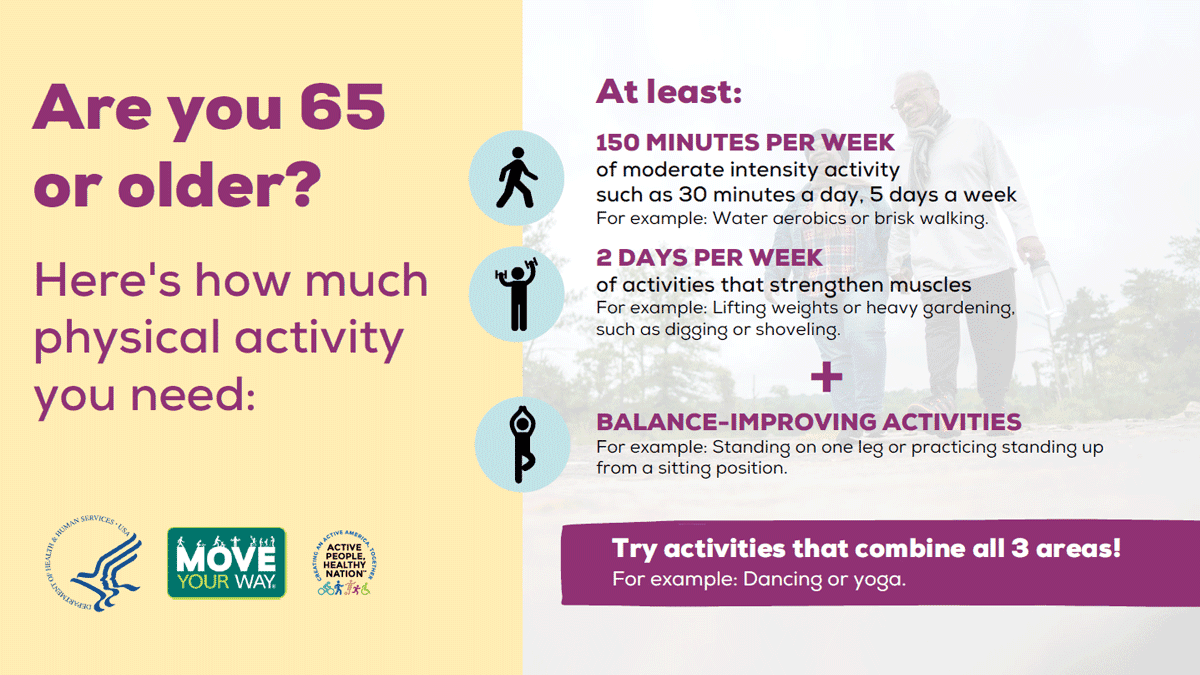
1. Aerobic or Cardiovascular Activity: At least 150 minutes at moderate intensity. This could be 30 minutes a day, 5 days a week.


2. Strengthening or Progressive Resistance Training

In addition to aerobic activity, older adults need to do things to strengthen muscles at least 2 days a week. For example, lift weights, work with resistance bands, and use your body weight (lunges, push-ups, and some yoga exercises; gardening could be strengthening).


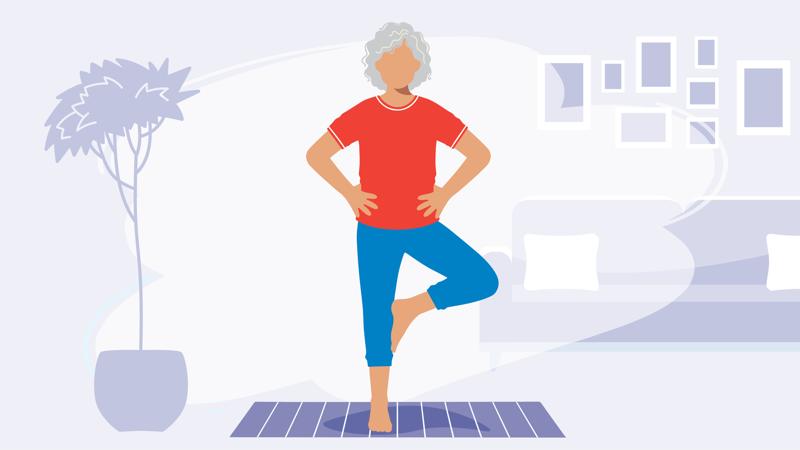
3. Practice Balance: Walking backward, standing on one leg, or using a wobble board are examples of balance activities and some yoga poses.


CDC Recommendations:

How to Start and Establish a Good Habit:

  1. Start small
  2. Be specific
  3. Track your progress
  4. Reward yourself
  5. See the bigger picture


National Institutes of Health (NIH) - Creating Healthy Habits: 

newsinhealth.nih.gov/2018/03/creating-healthy-habits


“The good news is that decades of research show that change is possible, and there are proven strategies you can use to set yourself up for success.”


Repetitive behaviors that make you feel good can affect your brain in ways that create habits.


Make it fun!

  1. Exercise outside—in nature
  2. Grow a garden
  3. Use music
  4. Exercise with friends
  5. Exercise in community

Here are 16 programs listed in “National Council on Aging” that are shown to be effective at fall prevention for older adults in alphabetical order:

  1. A Matter of Balance
  2. Bingocize
  3. CAPABLE
  4. EnhanceFitness
  5. Falls Talk
  6. FallScape
  7. Fit & Strong!
  8. Healthy Steps for Older Adults
  9. Healthy Steps in Motion
  10. Home Hazards Removal Program
  11. Otago Exercise Program
  12. Stay Active and Independent for Life (SAIL)
  13. Stepping On
  14. Tai Chi for Arthritis and Fall Prevention
  15. Tai Ji Quan: Moving for Better Balance
  16. YMCA: Moving for Better Balance

And last but not least:

"GET YOUR ZOOM ON."


  • No cost
  • Live sessions online
  • Led by Dr. Susan Musicant, a Geriatric Certified Physical Therapist: musicant.net


LEARN MORE:

🔗 www.daybreakac.org/gyzo

— Susan Musicant, DPT

Injury Prevention Coordinator at DayBreak


Upcoming Events & Workshops 📣


Stand With Us to Support Seniors in Need


Help us bring care, safety, and connection to seniors who are aging alone. Join us in building a community of care—where every senior feels seen, safe, and supported. Your gift can make all the difference.

If you know an elder in need of our care and coordination services, or a caregiver seeking support, please encourage them to reach out to us at: 

510-834-8314

Web  LinkedIn  YouTube  Facebook  Instagram