|
Smart Municipal Growth, and Strong Towns
look to leaders who know the numbers
| |
If you’ve spent enough time hanging around town halls, scrolling through social media, or listening to neighborhood chatter, chances are you’ve heard all the complaints about PILOT programs. After three decades navigating Wall Street’s residential housing markets, I've come to recognize, the real problem, is that most people argue over what they think PILOTs are, and not what they really are.
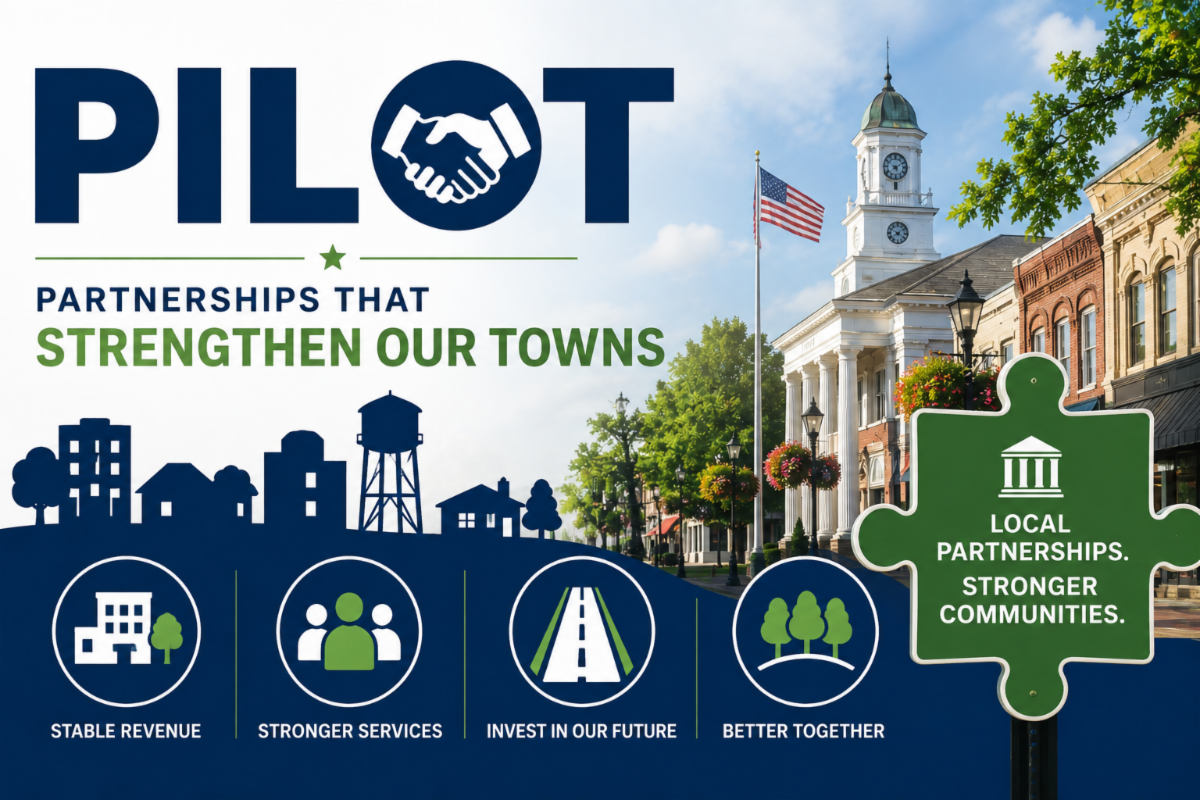
A PILOT (Payment In Lieu Of Taxes), sounds like a structured "developer loophole" and a free pass on paying taxes, right? Wrong. A PILOT is an annual "Payment" that goes directly from the developer, to the town! Moreover, that annual "payment" is far greater than the taxes that would normally be collected without a PILOT (in most cases, up to 3 times more!). It can also last up to thirty years providing decades of revenue and stability! Structured properly, PILOT's provide only upside for the town.
| |
But here's what many fail to understand, and where your town leadership comes into play: With a PILOT, your town receives as much as 95% of those payments, to do with it as town leadership sees fit, including investing in schools, roads, infrastructure, and other municipal expenses - all designed to keep a lid on your local taxes!
However, without a PILOT, the town only receives about 18% to 25% of the tax revenue. Its that simple. Do the math.
| PILOT programs were created in New Jersey to help those towns with empty factories, contaminated land, vacant lots, crumbling buildings, and areas in need of re-development, that are dragging down property values. Very few developers would take on the risk of rebuilding without this incentive. | |
If for example, if your town has chosen to build more affordable housing - given the state’s latest housing mandates - a PILOT can be a lifesaver. Otherwise, the math may not add up, leaving the town with expensive lawsuits instead of new homes and increased tax revenue. These agreements can mean the difference between vacant lots and revenue-producing developments.
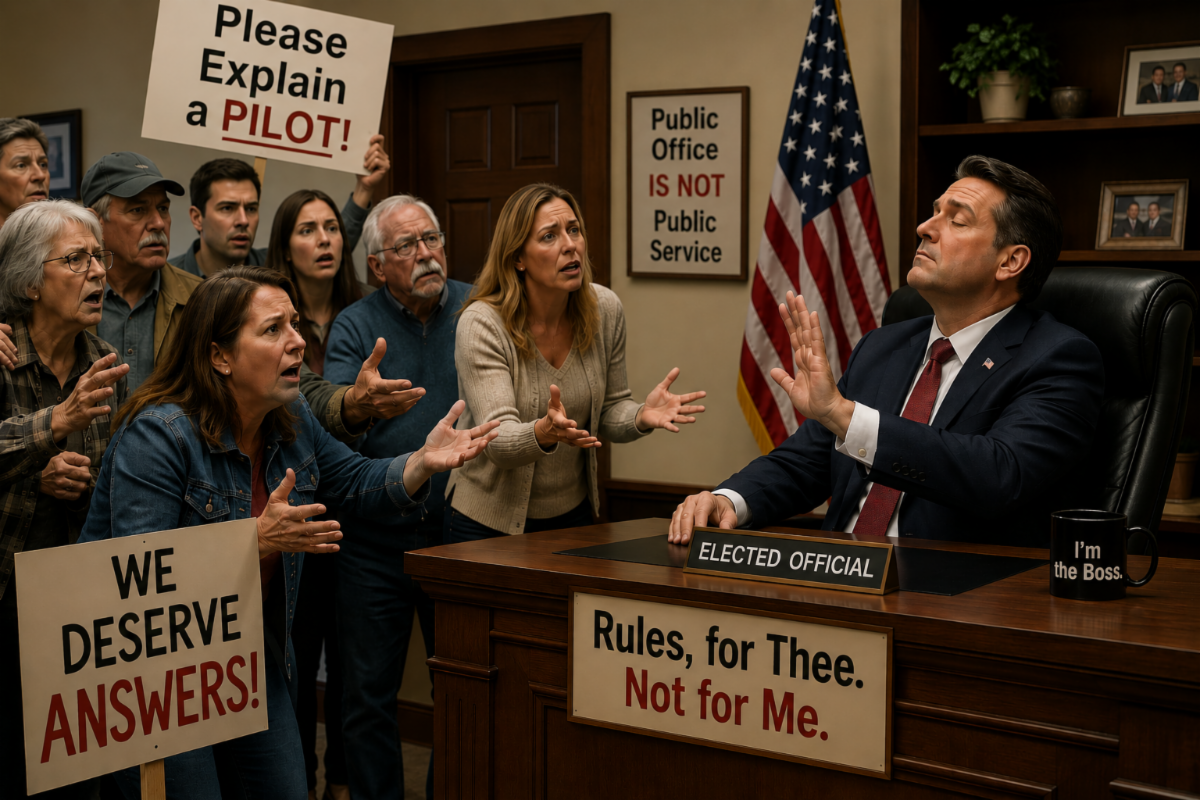
A well-crafted PILOT however, takes homework, negotiation skills, and some backbone at the bargaining table along with open dialogue and communication with your residents.
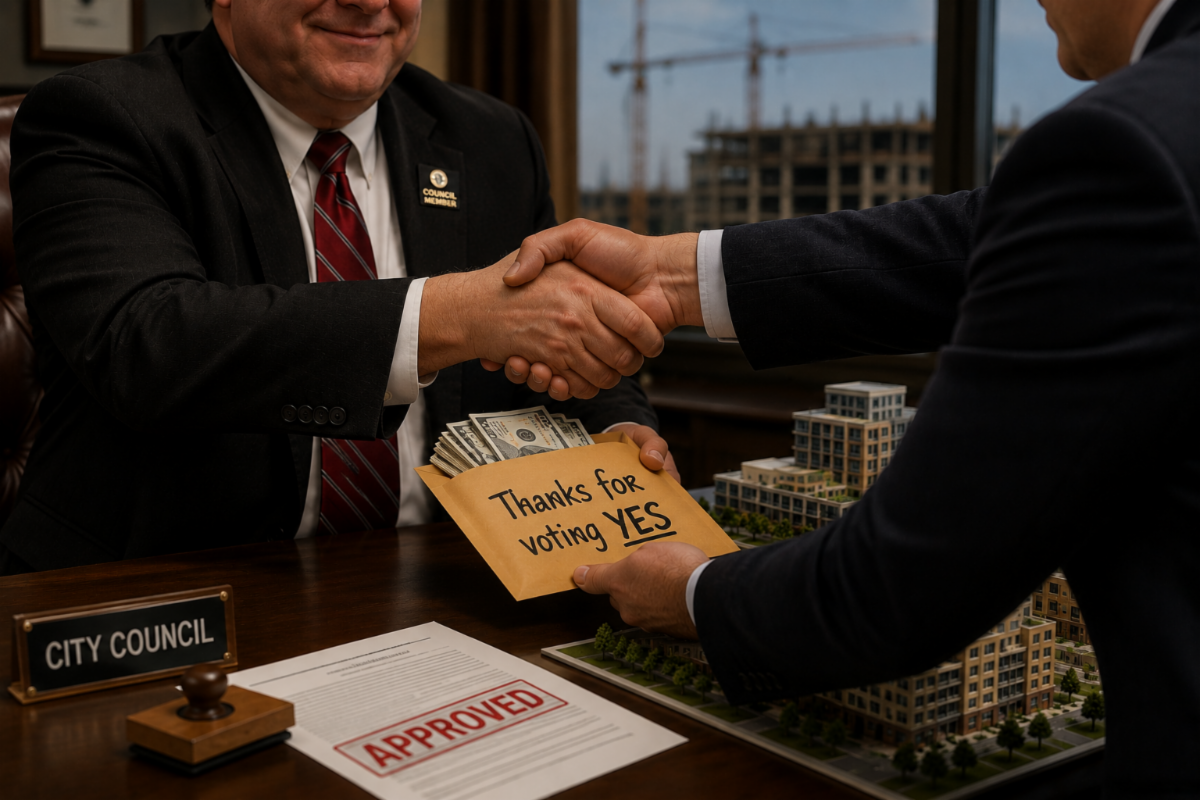
It’s not enough to hammer out a good backroom deal. Local leaders owe it to their residents to spell out exactly how the PILOT will work, who benefits, and what the town stands to gain. When residents understand the mechanics, the opposition often fades away. Transparency is the key to ensuring a PILOT delivers for everyone.
| |
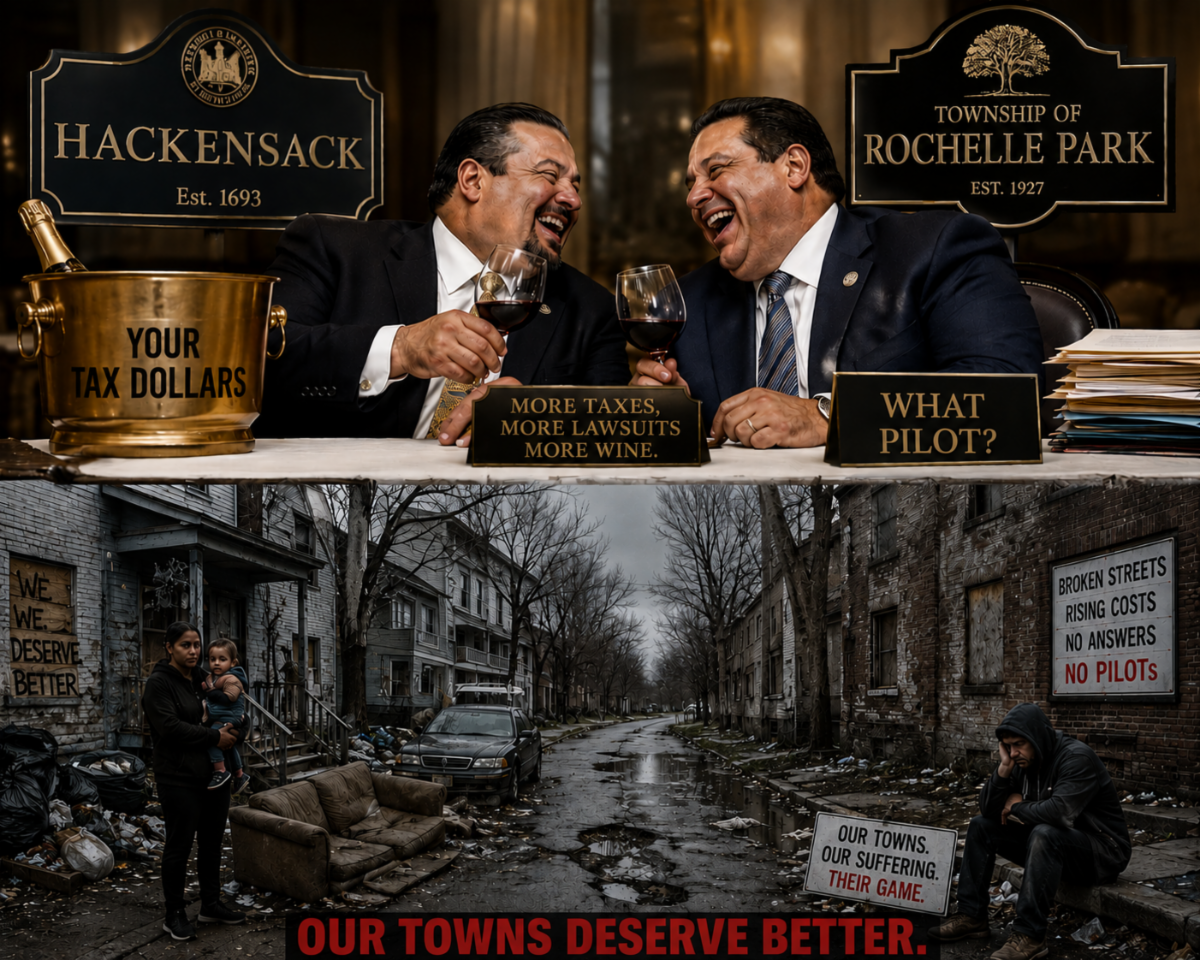
Unfortunately however, there are rare cases in towns like Hackensack, and Rochelle Park, where local leadership has inexplicably chosen to dismantle existing PILOT agreements. In Rochelle Park, for example, folks like Bill Coleman, have worked to unravel PILOT programs that were already in place!
This isn’t something you see every day, because it doesn’t make financial - or legal sense. Additionally, it has exposed the town to millions of dollars in legal fees and lost tax revenue. Rather than protecting taxpayers, Rochelle Park has done the opposite, burdening their residents with unnecessary lawsuits and squandering the very benefit a PILOT was designed to provide. Elect bad leaders... Expect bad results.
In summary, PILOT Programs, are not a magic bullet - they take work. In the wrong hands, they can backfire. But smart, transparent use of these tools can turn eyesores into cash-flowing assets that help towns finally get ahead - and stay afloat. The real question is not whether a town should chose to enter into a PILOT. It’s whether the PILOT is the only available path to get that project off the ground, and whether that program works for the community as a whole.
From where I stand, with one foot in US residential housing and the other in Municipal finance, PILOTs - when executed properly - can be one of the most practical ways for New Jersey towns to (re)build for the future.
| | |
Here's to smart growth and lower tax bills across New Jersey.
Frank Pallotta
Former Congressional Candidate, NJ05
Wall Street Veteran
| | |
Frank T. Pallotta
'20, '22, Republican House Candidate, NJ05
Steel Curtain Capital, LLC
145 N. Franklin Tpke. Suite 203
Ramsey, NJ 07446
201-921-8384
| | | | | |