|
Pass the potatoes, then pass the data! Thanksgiving is full of scientific mysteries. Where did our food come from, and what was its environmental impact? What makes bread rise? Which birds are visiting the feeder outside? What can the stories we tell around the table—and the way we listen to them—teach us?
Some projects take a minute and some take a season, but all of them count. Pull up a chair to the table and explore five projects below.
Whether you’ve participated in a project or are still waiting for the right moment, we’re thankful you’re part of SciStarter. Maybe this holiday season, or 2027, will be your year to discover something new!
Cheers!
The SciStarter Team
| |
| | |
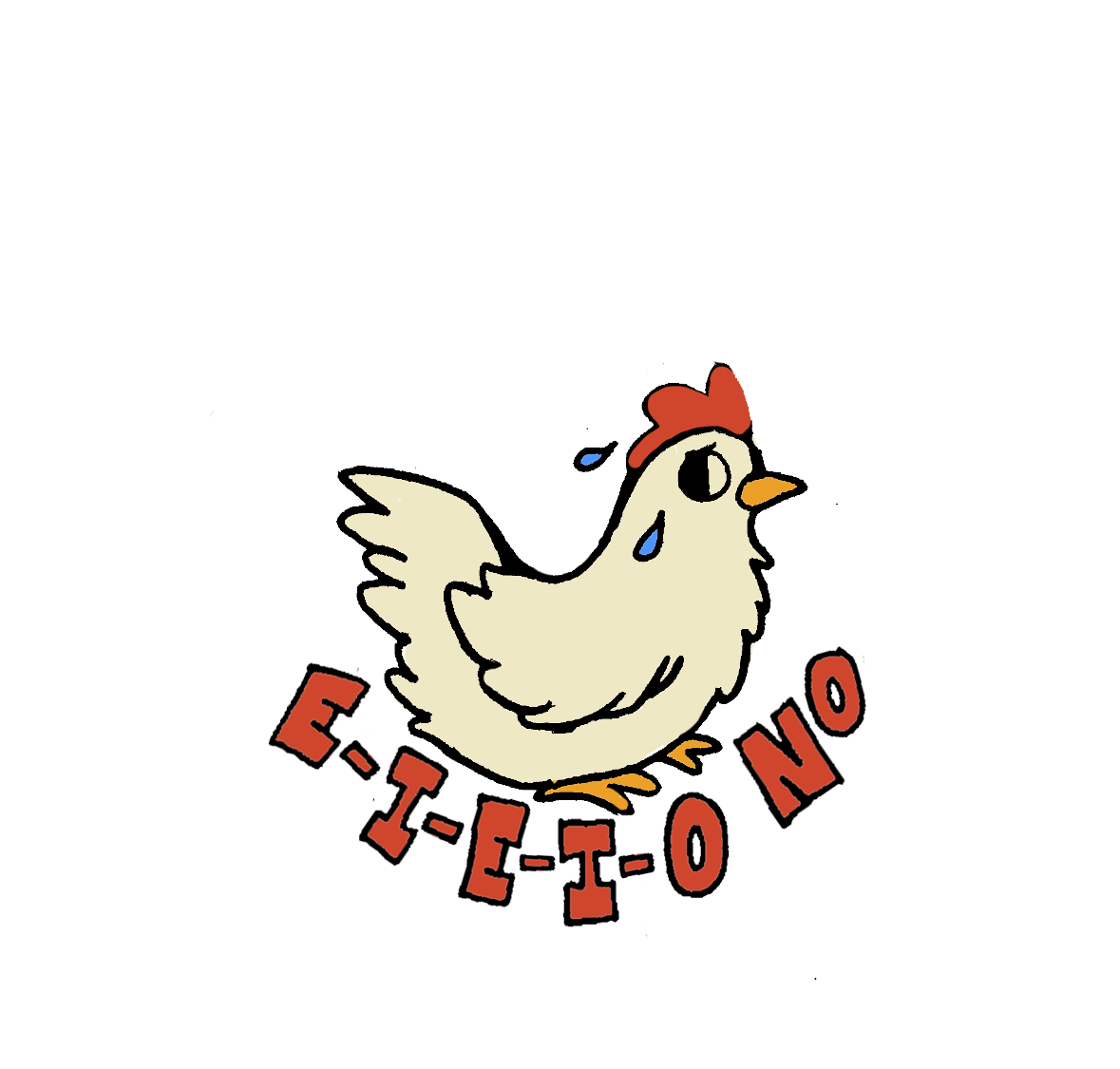
Old MacDonald had a farm. But how many factory farms are out there? Help find out.
Look through aerial photos from North Carolina and mark the long barns that signal a factory farm, where thousands of birds are raised indoors and contribute to local pollution.
No public record tracks these farms, so the map you help build gives nearby residents the evidence they need to push for cleaner air and water.
Location: Online
| | | |
| | |
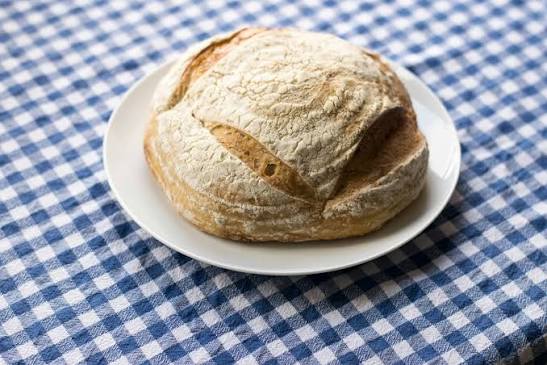
Baking this Thanksgiving? Your sourdough starter can become a science experiment!
Mix flour and water in a jar, then take a few simple measurements over 14 days as your starter comes to life.
Scientists still know surprisingly little about the microbes that make bread rise. Comparing thousands of home starters shows them how these tiny communities form.
Location: Global
| | | |
| | |
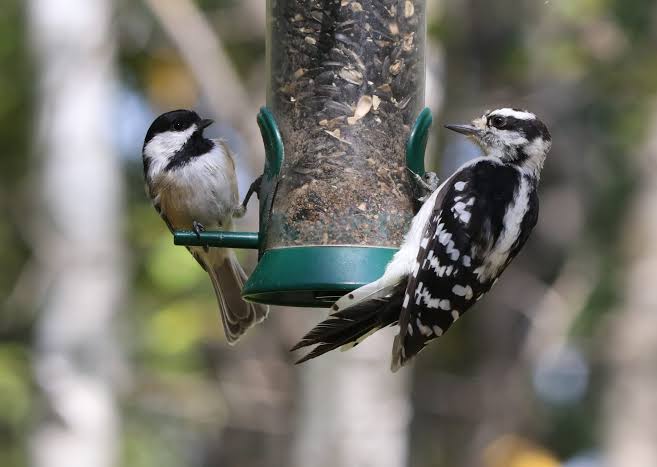
Count the feathered friends that visit you!
Pick a spot you can see from a window, count the birds that show up, and report what you see from November through April each year. It's $18 to join this project, but first-time FeederWatchers can participate at no cost. Just apply the discount code FIRSTPFW at check out.
Nearly 40 years of bird counts help scientists track changes in bird populations.
Location: United States & Canada
| | | |
| | |
Every story has a lesson. Help find it!
Read a short excerpt about a character chasing a goal, from Shakespeare to fan fiction, and say which values they honored and which they gave up.
Researchers are mapping how stories across cultures and centuries teach us what matters, at a scale no single scholar could do alone.
Location: Online
| | | |
| | Are You a Super-Listener? | |
Listen to quick bursts of notes and tell Yale researchers whether each one sounds major or minor.
Some people hear the difference instantly and some never do. Figuring out why helps researchers understand how the brain makes sense of music and speech.
Location: Online
| | | | | | Support the SciStarter Foundation | |
SciStarter is a nonprofit, and we’re grateful for everyone who makes this community possible.
Your tax-deductible donation to the SciStarter Foundation helps keep our project finder, training, and events free, so more people can contribute to real scientific discoveries.
| | | | Get Your Free, LinkedIn-ready Badge! | |
SciStarter's Foundations of Citizen Science training is free, self-paced, and entirely online.
In about an hour, learn how to contribute to real research, find projects you love, and earn a digital badge.
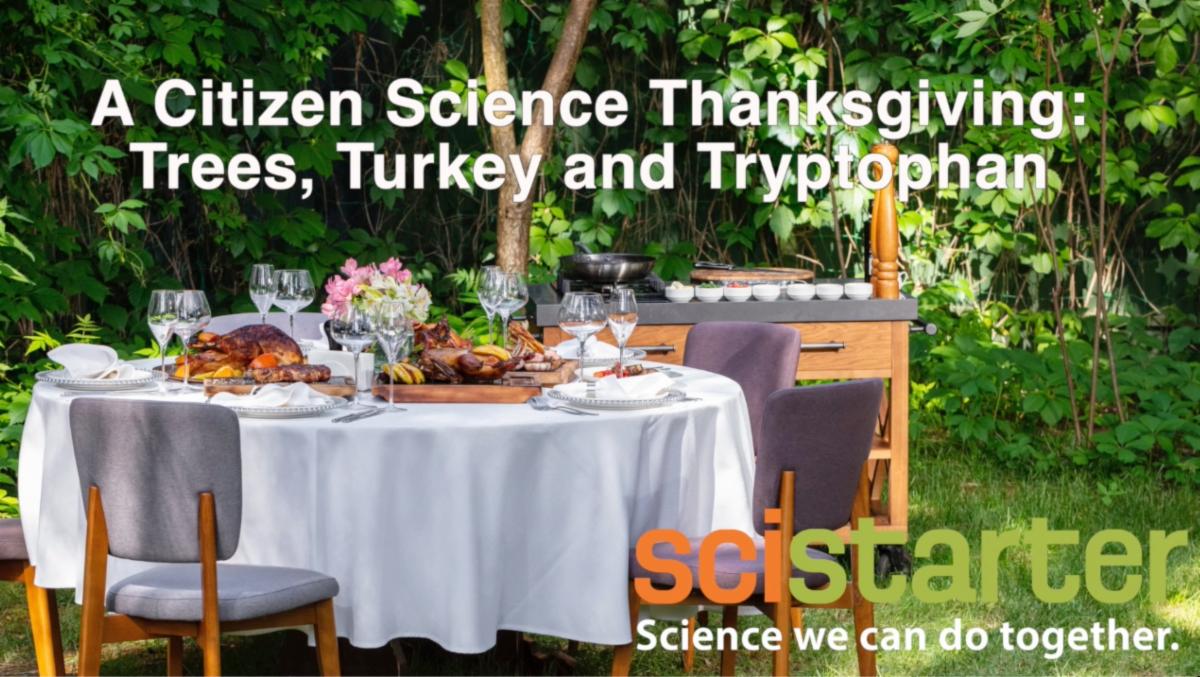
| | | | SciStarter Classic: A Citizen Science Thanksgiving | Last Thanksgiving, the Citizen Science podcast served up a full plate: tree projects, Sourdough for Science, and the truth about whether turkey really makes you sleepy. | | | | Do NASA Science LIVE Event: Help Scientists See Space Better with Machine Learning | |
Join us virtually November 19 for Help Scientists See Space Better with Machine Learning, featuring NASA's Artifact InSPECtor project and astrophysicist Dr. Aimee Schechter.
Explore telescope images and help train computer models to distinguish real cosmic objects from tricky artifacts. No science experience needed—just your curiosity. Register to attend as an individual or host.
Hosts, don’t forget about our free Event Toolkit.
| | | | Available for Pre-Order: The Educator's Guide to Citizen Science | |
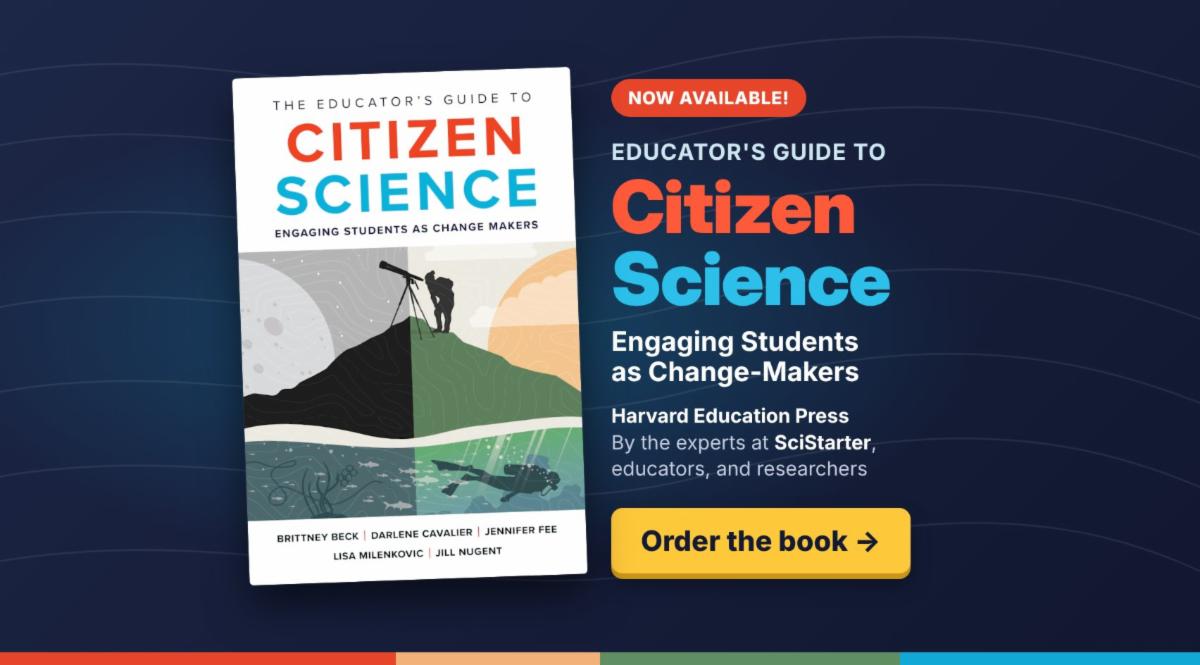
The Educator’s Guide to Citizen Science, co-authored by SciStarter team members, is now available for pre-order from Harvard Education Press! Discover how citizen science can transform K–12 education by engaging students and educators in real research.
The book is officially out in February, but you can pre-order today and save 20% with code HCPR26 at checkout.
| | | | Shine Bright for Voyager's Light-Day on November 17 | |
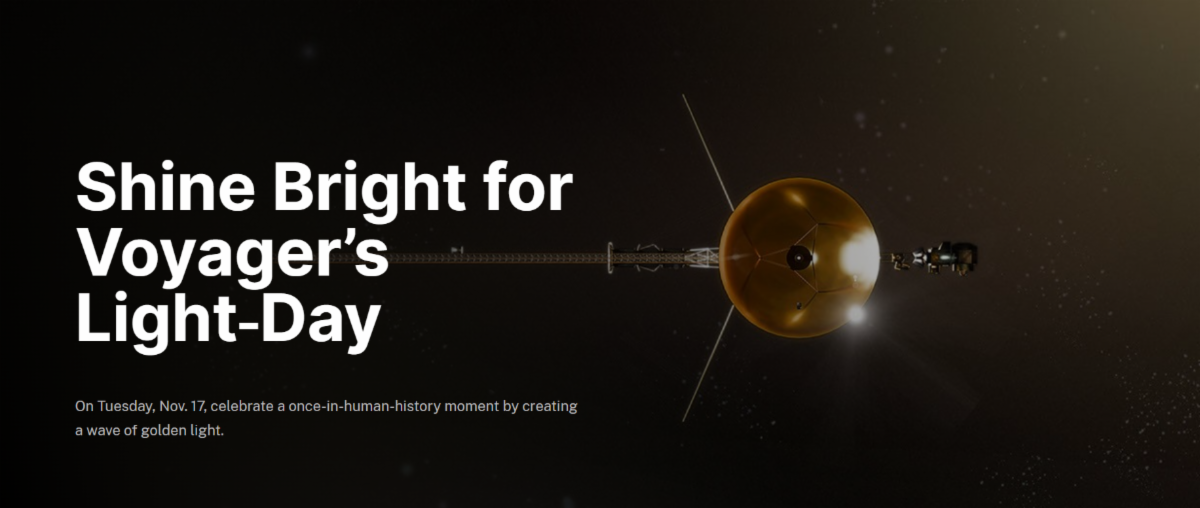
On November 17, Voyager 1 reaches one light-day from Earth, farther than any other human-made object has ever traveled. NASA is asking everyone to mark the moment.
After sunset, point a light at the sky and flash Voyager's call sign, V-G-R, in Morse code. The easy way: open NASA's automated flasher at go.nasa.gov/vgr on your phone and hold the screen up.
Snap a photo or video of your signal and tag @NASA.
| | | | New Partnership: SciStarter x Museum of Science, Boston | |
Museum of Science, Boston visitors can now go straight from an exhibit to a real project through the Museum's new Take Action page with SciStarter, featuring projects like Rubin Comet Catchers, Globe at Night, and Stall Catchers.
Not in Boston? The Take Action page is open to people everywhere, and every project on it welcomes new volunteers.
| | |
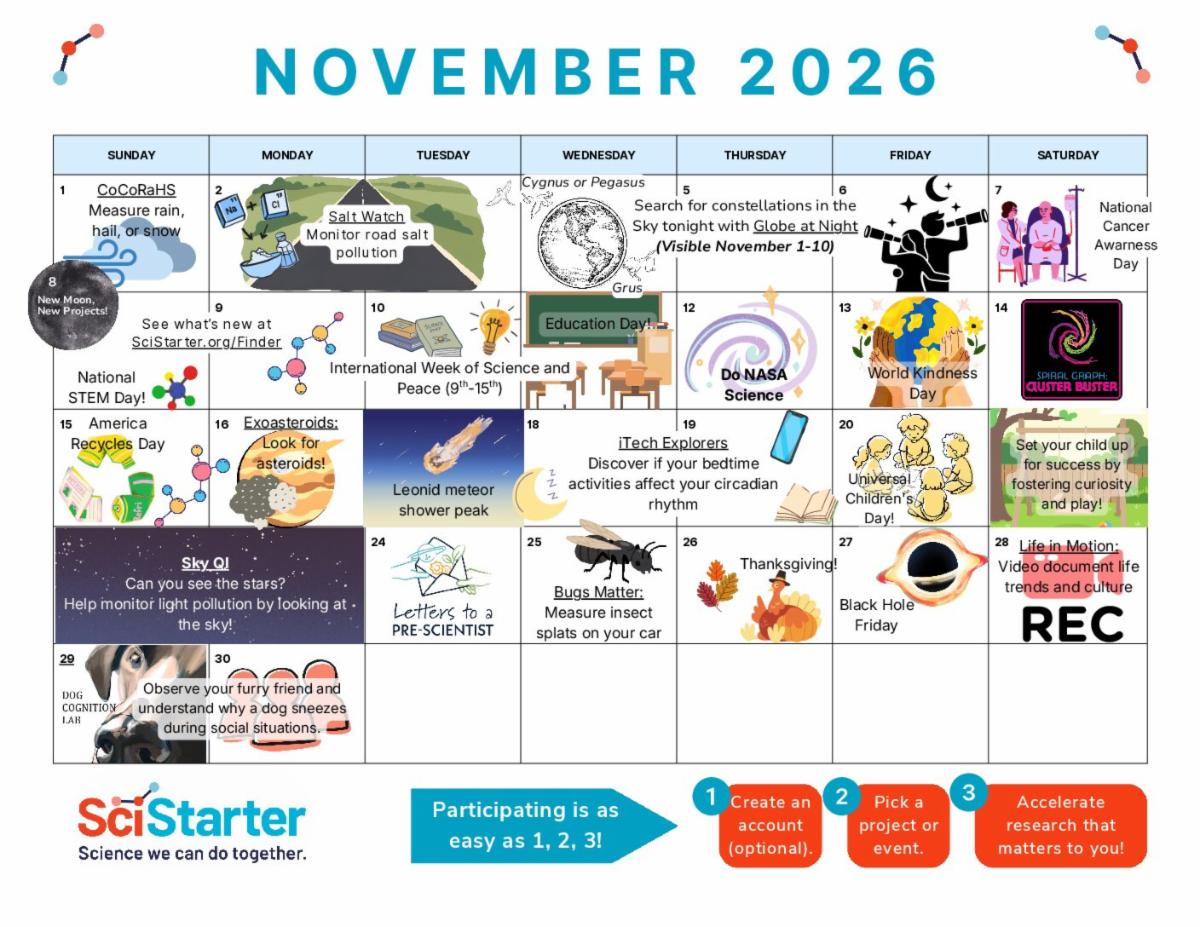
SciStarter offers something for everyone.
Click here to explore and print the calendar.
| | |
New projects & events featured on SciStarter
…and thousands more featured on the project finder and the event finder! Find an online or local project or event near you.
| | | | |