Early Bird Registration Deadline EXTENDED
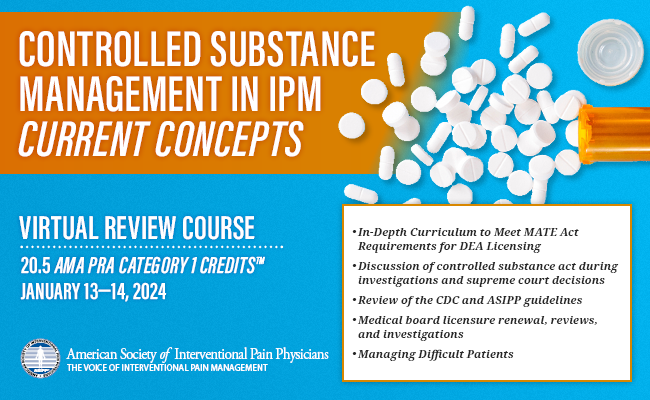
Register before January 18th for 10% off!
| |
|
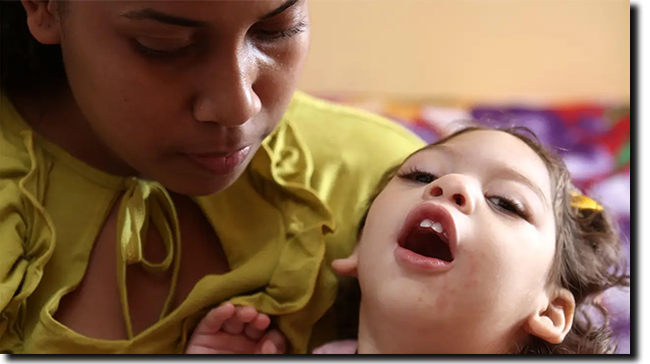
Prenatal Fentanyl Exposure Suspected in Novel Syndrome
Causality has yet to be determined for what resembles Smith-Lemli-Opitz syndrome
A possible link between a novel cholesterol metabolism disorder and prenatal fentanyl exposure is under investigation.
The hypothesis is that prenatal fentanyl exposure possibly interferes with cholesterol metabolism, leading to findings resembling Smith-Lemli-Opitz syndrome (SLOS) in 10 infants. However, Erica Fernandes, DO, a clinical geneticist at Nemours Children's Health in Wilmington, Delaware, and study co-authors cautioned that causality has yet to be determined in their report, which was published in Genetics in Medicine Open.
Infants included in the report were born after a pregnancy complicated by multiple drug exposures, including nonprescription fentanyl, Fernandes and colleagues noted.
Read More
| |
|
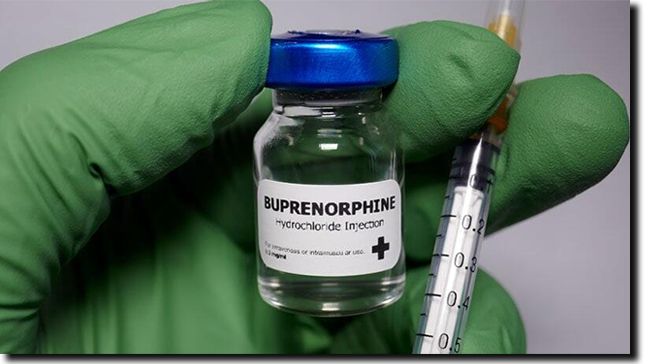
To-Go Buprenorphine: A Boon for Opioid Misuse Patients
Topline:
Patients with opioid use disorder (OUD) discharged from emergency departments (EDs) with to-go buprenorphine packs demonstrated improved adherence to withdrawal therapy, ensuring continued care for these individuals.
Methodology:
- Researchers performed a retrospective analysis of adult patients discharged with to-go buprenorphine packs from one of the 10 EDs within a major health system between August 1, 2023 to May 30, 2023.
-
To-go buprenorphine packs contained six buprenorphine/naloxone 8-2 mg films or tablets and were provided to ED patients upon discharge with an offer to counsel.
- The primary outcomes were the number of follow-up ED visits and prescription fill history of buprenorphine from the state monitoring program within 30 days of ED discharge.
Read More
| | |
|  |
|
|
Virtual
January 20, 2024
ABIPP Part I; ABIPP Path - Combined DCCPM/CSM virtual exam;
ABIPP Competency Exam in IPM; ABIPP Competency Exam in Regenerative Medicine;
Controlled Substance Management (CSM) Competency Exam
February 17, 2024
ABIPP Part I; ABIPP Path - Combined DCCPM/CSM virtual exam;
ABIPP Competency Exam in IPM; ABIPP Competency Exam in Regenerative Medicine;
CSM Competency Exam; DCCPM Competency Exam
In Person
October 18, 2024
ABIPP Part II - Practical Examination
Lab Venue: MERI, 44 S. Cleveland Street, Memphis, TN 38104
| |
|
ChatGPT Misdiagnosed Most Pediatric Cases
Older version of the chatbot was wrong in 83% of kids' clinical scenarios
A large language model (LLM)-based chatbot gave the wrong diagnosis for the majority of pediatric cases, researchers found.
ChatGPT version 3.5 reached an incorrect diagnosis in 83 out of 100 pediatric case challenges. Among the incorrect diagnoses, 72 were actually incorrect and 11 were clinically related to the correct diagnosis but too broad to be considered correct, reported Joseph Barile, BA, of Cohen Children's Medical Center in New Hyde Park, New York, and colleagues in JAMA Pediatrics.
For example, ChatGPT got it wrong in a case of rash and arthralgias in a teenager with autism. The physician diagnosis was "scurvy," and the chatbot diagnosis was "immune thrombocytopenic purpura."
Read More
| |
|
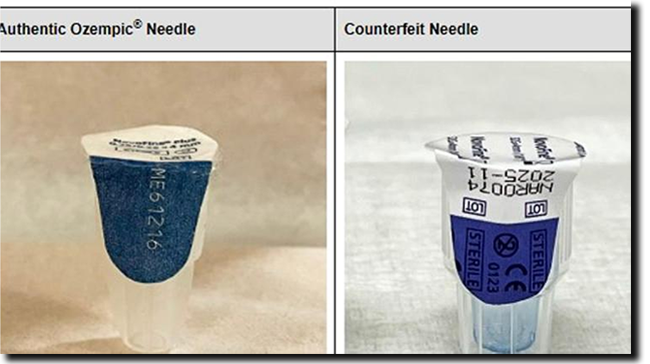
Health authorities around the globe issue warnings about fake Ozempic
Health regulators around the world are sounding the alarm about counterfeit versions of Ozempic. Fake versions of the hugely popular diabetes drug, which is often prescribed off-label for weight loss, have been reported in over a dozen countries, including the U.S., and have also caught the attention of the World Health Organization.
“The thing about this product is that it’s very popular; people are going to use it,” said Timothy Mackey, a professor of global health at the University of California, San Diego, who studies counterfeit drugs. “Global regulators are trying to shut down the counterfeit drugs wherever they may go. Americans or anyone around the world are susceptible to counterfeits.”
Last month, the WHO’s Member State Mechanism on Substandard and Falsified Medical Products discussed counterfeit semaglutide products, WHO spokesperson Daniel Epstein said. Semaglutide is the active ingredient in Ozempic.
Read More
| |
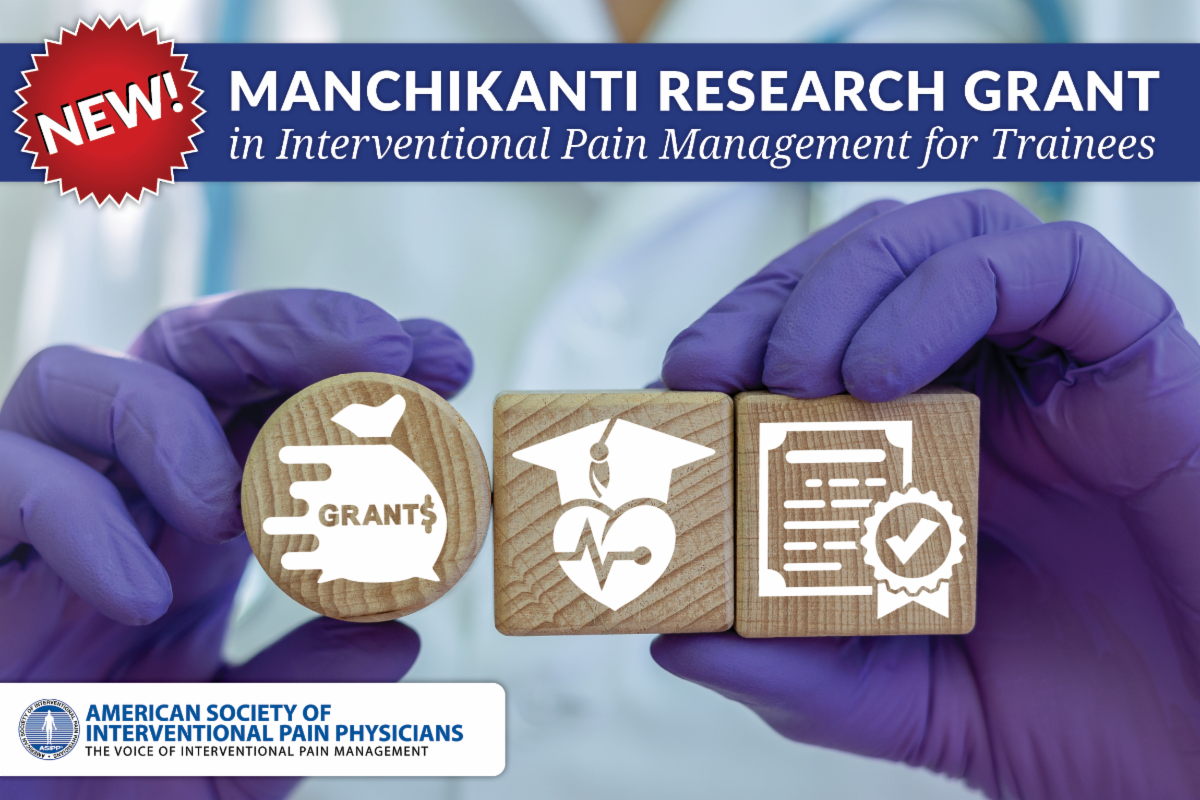 | |
Award Specifics:
- Annual Research Grant awarded to two (2) residents in the amount of $2,500 each; and two (2) fellows in the amount of $5,000 each for one-year project in IPM.
- Projects must be IRB approved, submitted or in pending status
- Mentor supervised by an ASIPP member in good standing.
- Must not overlap with current ongoing studies.
Application Requirements:
-
Applicant and mentor curriculum vitae (CV current, and updated within 4 weeks of the application date)
- Project proposal should include: title, abstract, specific aims, research approach (Background, Methods, Statistical Analysis, Timeline)
- Detailed budget
- Detailed mentorship plan by the mentor
- Specify the role of any collaborators/co-investigators that might be involved in the study.
- Applicant must be ASIPP member (in good standing) and Recipients must maintain ASIPP membership for at least 3 years post-award.
Application Deadline: January 31st, 2024
Recipients will be notified at ASIPP's 2024 Annual Meeting in Dallas, Texas.
Program Administration:
Inquiries about the Manchikanti Grant should be directed to: Melinda Martin
For more information, click here.
| |
|
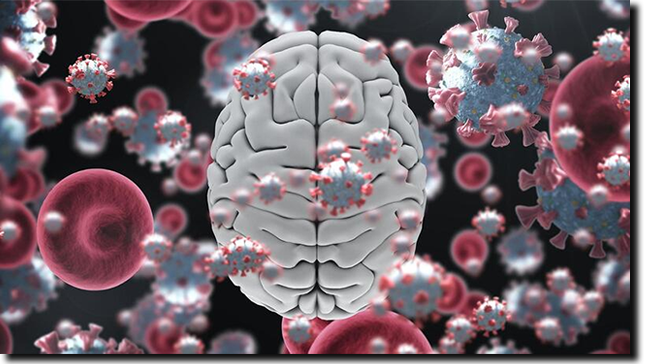
Brain Impairment Persists at Least 18 Months After COVID Hospitalization
Cognitive dysfunction similar to that seen in other illnesses of comparable severity
Cognition was impaired for at least a year and a half after severe SARS-CoV-2 infection, but overall cognitive problems were like those seen in patients hospitalized for other severe diseases, a prospective study showed.
Compared with healthy controls, people hospitalized for COVID-19 had significantly worse long-term overall cognition, measured by the Screen for Cognitive Impairment in Psychiatry (SCIP) and the Montreal Cognitive Assessment (MoCA), according to Michael Eriksen Benros, MD, PhD, of Copenhagen University Hospital in Denmark, and co-authors.
But compared with people hospitalized for other severe illness -- pneumonia, myocardial infarction, or other conditions requiring intensive care -- scores on the SCIP (P=0.12) and the MoCA (P=0.07) at 18-month follow-up were similar, the researchers reported in JAMA Network Open.
Read More
| |
|
New Findings Show Mitochondrial DNA Fragments in Blood as Important Biomarkers for Aging and Inflammation
High levels of cell free DNA in blood is linked to chronic inflammation, a known risk factor for severe aging symptoms and frailty in older adults
In an eight-year study of more than 600 community-dwelling older adults, Johns Hopkins Medicine researchers say they have further linked levels of cell-free DNA (DNA fragments resulting from cell death) circulating in the blood to chronic inflammation and frailty. The study is novel and expands on previous work, the investigators say, because it focused on mitochondrial DNA rather than solely genomic DNA, as previously reported in October 2022.
The new findings, published May 23 in Immunity & Ageing, add to evidence that relatively high levels of DNA fragments found in routine blood samples could be accurate and useful biomarkers, or signals, for a wide range of cognitive and physical decline. Analysis also found correlations between such DNA fragments and the presence of other well-known biomarkers for aging, including cytokine proteins, tumor necrosis factors (proteins made by the immune system in response to tumor growth) and proteins made by the liver when inflammation is present.
“By expanding the types of DNA screened for in the blood, the new research has expanded efforts to better understand and predict physical and cognitive declines that come with aging,” says Peter Abadir, M.D., associate professor of geriatric medicine and gerontology at the Johns Hopkins University School of Medicine.
Read More
| |
|
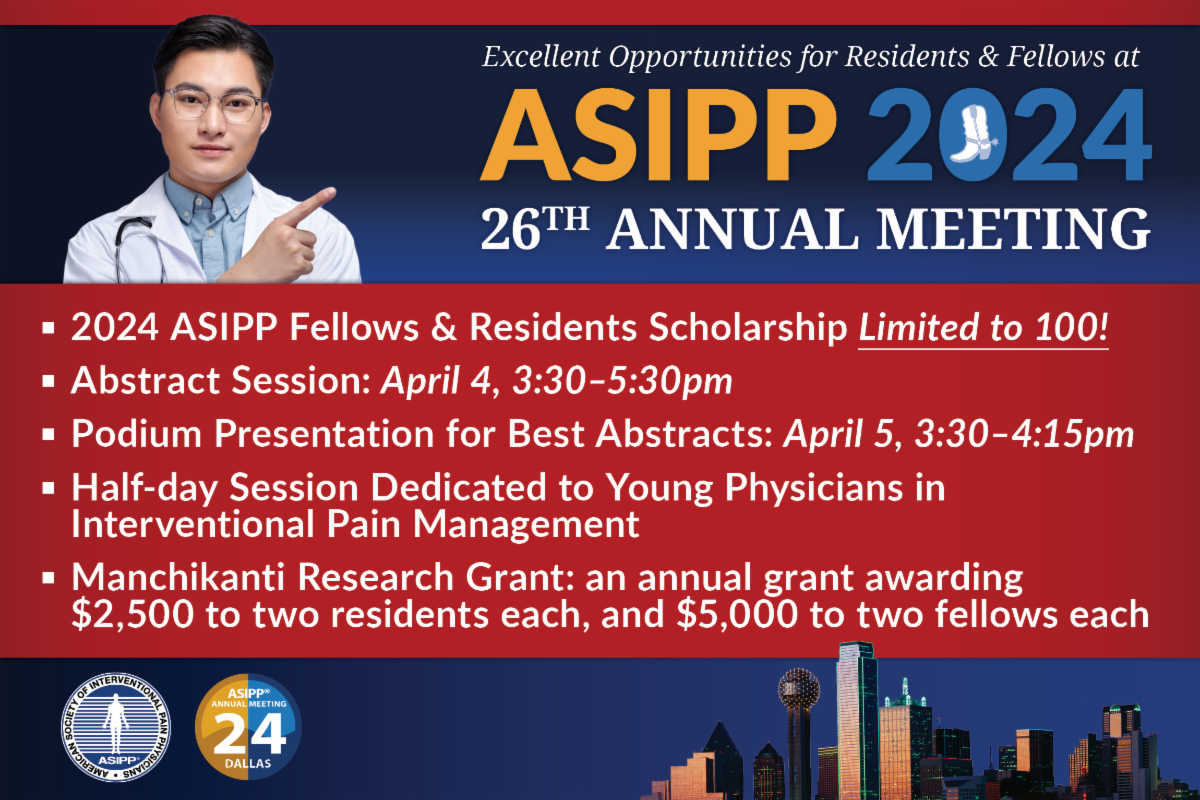
Excellent opportunities for Residents & Fellows
at ASIPP's 2024 Annual Meeting:
-
Resident & Fellow Scholarship — Limited to 100
- Abstract Session (April 4, 3:30–5:30pm) and Podium Presentation for Best Abstracts during General Session (April 5, 3:30–4:15pm)
- Half-Day Session dedicated to Young Physicians in Interventional Pain Management
-
Manchikanti Research Grant, awarding $2,500 to two residents each, and $5,000 to two fellows each
| |
|
Eating with Your Eyes and Gut? How Your Brain Decides When to Eat
The science of eating behavior goes beyond hunger cues; it involves sensory stimuli, internal signals, and the gut-brain connection. External cues like food packaging and advertisements influence our eating decisions, but internal signals, such as hunger and fullness, play a profound role.
Research shows that animals, including rodents, use internal cues to shape their food-related choices. The vagus nerve, which connects the gut and brain, communicates nutrient information rapidly and can induce pleasurable states. Understanding interoceptive signals can lead to more mindful and intuitive eating during the holiday season and beyond.
Key Facts:
- Eating behaviors are influenced by sensory stimuli, internal cues like hunger and fullness, and the gut-brain connection.
- Animals, including rodents, use internal cues to shape their food-related choices, even in the absence of taste.
- The vagus nerve plays a crucial role in communicating digestive and interoceptive signals, affecting learning, memory, and mood regulation.
Read More
| |
Abstract submissions are open for
ASIPP's 2024 Annual Meeting!
The submission deadline is January 22, 2024.
Don't miss your chance to be part of an exceptional event,
sharing insights and discoveries that shape the future of pain management.
| |
|
'They See a Cash Cow': Corporations Could Consume $50 Billion of Opioid Settlements
Pitches land daily in the inboxes of state and local officials
The marketing pitches are bold and arriving fast: Invest opioid settlement dollars in a lasso-like device to help police detain people without Tasers or pepper spray. Pour money into psychedelics, electrical stimulation devices, and other experimental treatments for addiction. Fund research into new, supposedly abuse-deterrent opioids and splurge on expensive, brand-name naloxone (Narcan).
These pitches land daily in the inboxes of state and local officials in charge of distributing more than $50 billion from settlements in opioid lawsuits.
The money is coming from an array of companies that made, sold, or distributed prescription painkillers, including Johnson & Johnson, AmerisourceBergen, and Walgreens. Thousands of state and local governments sued the companies for aggressively promoting and distributing opioid medications, fueling an epidemic that progressed to heroin and fentanyl and has killed more than half a million Americans. The settlement money, arriving over nearly two decades, is meant to remediate the effects of that corporate behavior.
Read More
| |
|
Sepsis-Detection AI has the Potential to Prevent Thousands of Deaths
The new system identifies patients at risk for the illness, which is notoriously difficult to detect and develops quickly
Patients are 20% less likely to die of sepsis because of a new AI system developed at Johns Hopkins University that catches symptoms hours earlier than traditional methods, an extensive hospital study demonstrates.
The system scours medical records and clinical notes to identify patients at risk of life-threatening complications. The work, which could significantly cut patient mortality from one of the top causes of hospital deaths worldwide, is published today in Nature Medicine and Nature Digital Medicine.
"It is the first instance where AI is implemented at the bedside, used by thousands of providers, and where we're seeing lives saved," said Suchi Saria, founding research director of the Malone Center for Engineering in Healthcare at Johns Hopkins and lead author of the studies, which evaluated more than a half million patients over two years. "This is an extraordinary leap that will save thousands of sepsis patients annually. And the approach is now being applied to improve outcomes in other important problem areas beyond sepsis."
Read More
| |
|
Save $250 on Your TOBI Conference Registration
by Completing Our Quick Survey
| | |
|
|
TOBI is dedicated to providing the best possible experience for our conference attendees—we ask that you complete this 60-second survey for us to better understand your preferences.
Those who complete the survey will receive a $250 discount on their TOBI Conference registration as our thanks!
*Discount unavailable for fellows, residents, and medical students
| |
- ASIPP Members Only Site Information - | |
-
To log in for the first time you will need to click “forgot password” at the bottom of the login window.
- Check your email and then log in as directed.
-
If you have problems logging into your account, click here.
| |
Pain Medicine Case Reports (PMCR) and Editor-in-Chief Alaa Abd-Elsayed, MD, PhD would like to invite you to submit case reports and case series to the PMCR journal. Your article will be published free of charge.
Open access journals are freely available online for immediate worldwide open access to the full text of published articles. There is no subscription fee for open access journals. Open access journals are no different from traditional subscription-based journals: they undergo the same peer-review and quality control as any other scholarly journal.
Interested in becoming a member of the PMCR Editorial Board?
Editorial board members are asked to review 2-6 manuscripts per year. Please submit your most up-to-date CV to sgold@asipp.org for consideration.
For more information or to submit your articles, click here.
| |
|
| CASE REPORT |
Aortoesophageal Fistula Following a Cervical Epidural Steroid Injection: Case Report
Fangyu Chen, MD, and Praba Boominathan, MD
Abstract
BACKGROUND: Immunosuppression after cervical epidural steroid injection (CESI) is a potential complication. This report discusses the development of an aortoesophageal fistula following a CESI.
CASE REPORT: Patient is a man in his early 60s with a history of central spinal cord syndrome status post (s/p) anterior cervical discectomy and fusion of C3-C6 and thoracic aortic aneurysm s/p thoracic endovascular aortic repair (TEVAR) who presented with cervical radiculopathy. He underwent a CESI without immediate complications.
Twelve days postop, the patient presented with shortness of breath, fatigue, and change in mental status. He was found to have a pleural abscess and an aortoesophageal fistula from his previous TEVAR stent. He subsequently was admitted to the surgical intensive care unit and received mechanical ventilation, antibiotics, and high-dose vasopressors. Patient was eventually transitioned to comfort care and expired one day after admission.
CONCLUSIONS: Systemic steroid absorption from ESIs can lead to complications, such as infection, due to immunosuppression.
KEY WORDS: Epidural steroid injection, corticosteroids, spinal stenosis
Read More
| |
|
| PILOT STUDY |
Output Current and Efficacy of Pulsed Radiofrequency of the Lumbar Dorsal Root Ganglion in Patients With Lumbar Radiculopathy: A Prospective, Double-blind, Randomized Pilot Study
Jae Ni Jang, MD, Soyoon Park, MD, Ji-Hoon Park, MD, PhD, Yumin Song, MD, Young Uk Kim, MD, PhD, Dong Seong Kim, MD, Jeong Eun Sohn, MD, PhD, and Sukhee Park, MD
Abstract
BACKGROUND: Lumbar radicular pain (LRP) is a common but challenging clinical symptom. Pulsed radiofrequency (PRF), a neuromodulation technique that uses short pulses of radiofrequency current, is effective in treating various pain disorders. However, few studies have been conducted on the effects of PRF and its modifying parameters.
OBJECTIVES: Our study aimed to determine the intraoperative parameters of PRF of the lumbar dorsal root ganglion (DRG) that are related to clinical effects in patients with LRP unresponsive to transforaminal epidural steroid injections (TFESI).
STUDY DESIGN: Prospective double-blind randomized controlled trial, pilot study.
SETTING: Single medical center in the Republic of Korea.
METHODS: Patients were allocated to one of 2 groups, high-voltage (60 V) or standard-voltage (45 V), according to the preset maximum voltage at which the active tip temperature does not exceed 42°C. Intraoperative parameters, such as output current, sensory threshold, and impedance, were measured. The primary outcomes were radicular pain intensity, physical functioning, global improvement and satisfaction with treatment, and adverse events. The assessments were performed up to 3 months postprocedure.
RESULTS: The patients in the standard-voltage group showed significant improvements in the Numeric Rating Scale pain score (P = 0.007) and Oswestry Disability Index (ODI) (P = 0.008) scores at 3 months post-PRF; however, no difference was observed in the high-voltage group. Among the intraoperative parameters, the output current showed a significant negative linear relationship with analgesic efficacy. The output current also showed a significant association with pain intensity (P = 0.005, R2 = 0.422) and ODI score (P = 0.004, R2 = 0.427) at 3 months postprocedure in a multiple regression analysis. The optimal cut-off value of the output current to lower pain intensity after 3 months was 163.5 mA with a sensitivity of 87.5%, specificity of 100%, and an area under the receiver operating characteristic curve value of 0.92 (95% CI. 0.76 – 1.00).
LIMITATIONS: Limitations of our study include an imbalance of baseline characteristics, small sample sizes, and short follow-up periods
CONCLUSIONS: Lower output currents during PRF application to the lumbar DRG were associated with greater analgesic effects in patients who did not respond to therapeutic TFESI.
KEY WORDS: Lumbar radicular pain, pulsed radiofrequency, dorsal root ganglion
Read More
| |
|
| RETROSPECTIVE STUDY |
Assessment of Radiation Exposure with Mandatory Two Fluoroscopic Views for Epidural Procedures
Laxmaiah Manchikanti, MD, Rachana Pasupuleti, MD, Vidyasagar Pampati, MSc, Mahendra R. Sanapati, MD, and Joshua A. Hirsch, MD
Abstract
BACKGROUND: Various regulations and practice patterns develop on the basis of Local Coverage Determination (LCD), which are variably perceived as guidelines and/or mandated polices/ regulations. LCDs developed in 2021 and effective since December 2021 mandated a minimum of 2 views for final needle placement with contrast injection which includes both anteroposterior (AP) and lateral or oblique view.
Radiation safety has been a major concern for pain physicians and multiple tools have been developed to reduce radiation dose, along with improvement in technologies to limit radiation exposure while performing fluoroscopically guided interventional procedures, with implementation of principles of As Low As Reasonably Achievable (ALARA).
The mandated 2 views of epidural injections have caused concern among some physicians, because of the potential of increased exposure to ionizing radiation, despite application of various principles to minimize radiation exposure. Others, including policymakers are of the opinion that it reduces potential abuse and improves safety.
OBJECTIVE: To assess variations in the performance of epidural procedures prior to the implementation of the new LCD compared with after the implementation of the new LCD by comparing time and dosage for all types of epidural procedures.
STUDY DESIGN: A retrospective, case controlled, comparative evaluation of radiation exposure during epidural procedures in interventional pain management.
SETTING: An interventional pain management practice and a specialty referral center in a private practice setting in the United States.
METHODS: The study was performed using the Strengthening the Reporting of Observational Studies in Epidemiology (STROBE) criteria. The main outcome measure was radiation exposure time measured in seconds and dose measured in mGy-kG2 (milligray to kilogray squared per procedure).
RESULTS: Changes in exposure and dose varied by procedural type and location. Exposure time in seconds increased overall by 21%, whereas radiation dose mGy-kG increased 133%. Fluoroscopy time increased most for lumbar interlaminar epidural injections of 43%, followed by 29% for cervical interlaminar epidural injections, 20% for caudal epidural injections, and 14% for lumbar transforaminal epidural injections. In contrast, highest increases were observed in the radiation dose mGy of 191% for caudal epidural injections, followed by 173% for lumbar interlaminar epidural injections, 113% for lumbar transforaminal epidural injections, and the lowest being cervical interlaminar epidural injections of 94%.
This study also shows lesser increases for cervical interlaminar epidural injections because an oblique view is utilized rather than a lateral view resulting in a radiation dosage increase of 94% compared to overall increase of 133%, whereas the duration of time of 29% was higher than the overall combined duration of all procedures which only increased by 21%.
LIMITATIONS: A retrospective evaluation utilizing the experience of a single physician.
CONCLUSION: The results of this study showed significant increases in radiation exposure time and dosage; however, increase of dosage was overall 21% median Interquartile Range (IQR) compared to 133% of radiation dose median IQR. In addition, the results also showed variations for procedure, overall showing highest increases for lumbar interlaminar epidural injections for time (43%) and caudal epidural injections for dosage (191%).
KEY WORDS: Spinal interventional procedures, cervical epidural injections, lumbar epidural injections, caudal epidural injections, lumbar transforaminal epidural injections, radiation exposure time, radiation dose
Read More
| |
|
ASIPP is now in collaboration with Curi Medical Liability Program
| |
|
Since this malpractice insurance program officially launched in November 2018, ASIPP has signed up hundreds of providers with an average savings of 30%. This is professional liability insurance tailored to our specialty and will stand up for us and defend our practices.
Curi is a full-service advisory firm that serves physicians and their practices. Their valued advice is grounded in your priorities and elevated in your outcomes. They are driven by a deep understanding of your specific circumstances in medicine, business, and life. To read a few important points to keep in mind about the program, including discounts, administrative defense, cyber coverage, aggressive claims handling, and complimentary risk management CME activities, visit our website.
| | |
|
Group Purchasing Organization Offer Better Pricing and Creates Added Value
ASIPP has formed a partnership with Henry Schein and PedsPal, a national GPO that has a successful history of negotiating better prices on medical supplies and creating value-added services for independent physicians. Working with MedAssets, PedsPal provides excellent pricing on products like contrast media that alleviate some of the financial pressures you experience today.
Learn More
| | |
|
ASIPP, Fedora Billing,
and Revenue Cycle Management Partnership
ASIPP is now offering our members the benefit of a unique revenue cycle management/ billing service.
We have received a tremendous amount of interest in the ASIPP® billing and coding program.
Click here to learn more about the negotiated rate for practices and more!
| |
|
Like and follow ASIPP® on Facebook, X, and LinkedIn for the most
up-to-date news related to you, your practice, and your patients!
| | | | |