Healthy Hits!
When Substances
Get Spooky
|
|
|
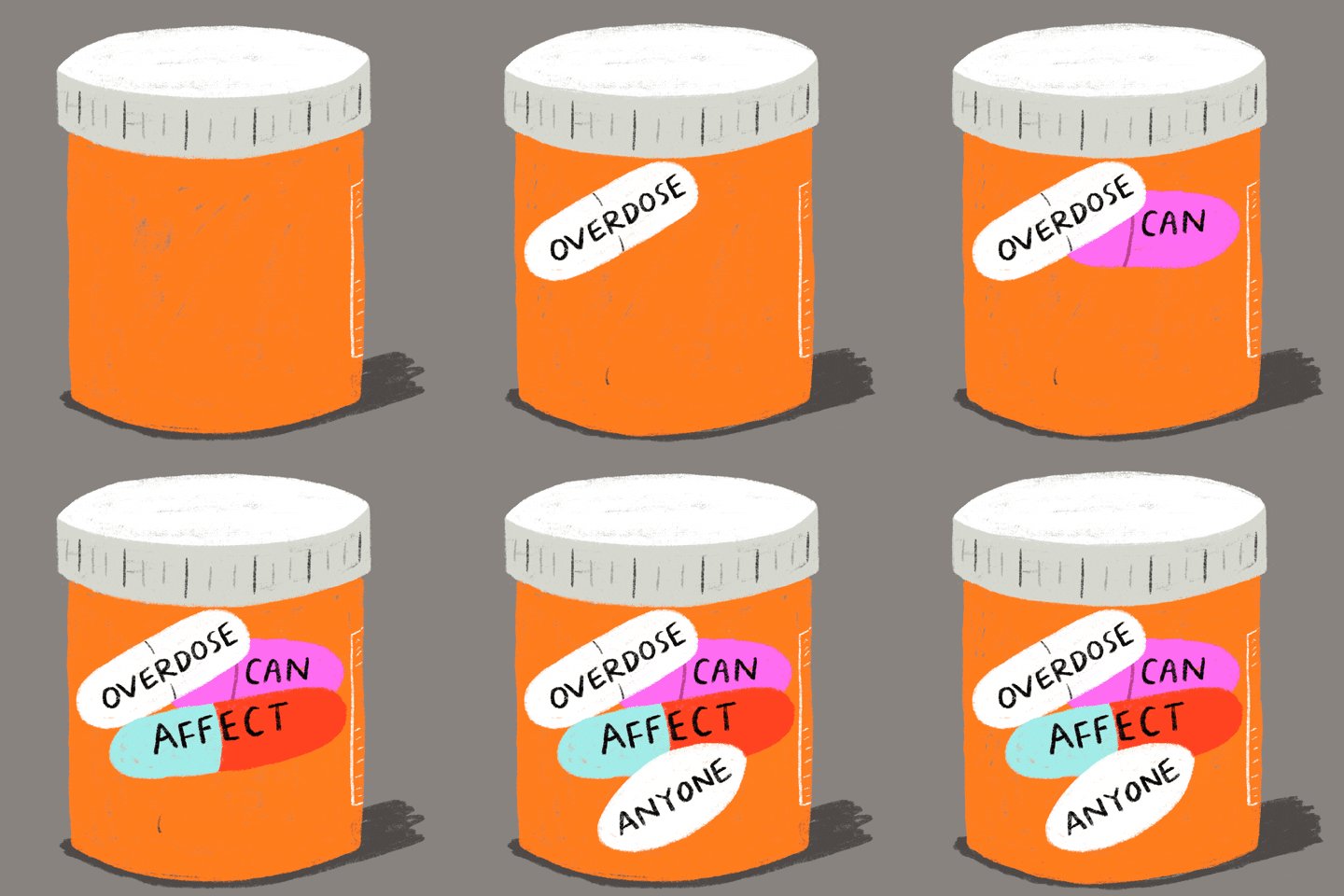
In this Halloween Edition, we discuss substance and abuse, and how to response in an emergency. Today is the last day of Substance Abuse Prevention Month!
Our next edition will be about the why and how of quitting tobacco use. Send us your questions!
| |
This Health Promotion and Wellness Office Newsletter is student-run and student-centered. We want you to be heard! What health-related questions do you have, and what topics do you want to read about? Click below to let us know! | |
Throwback: Drugs and Consent | |
In the April 2023 edition (Dem Darn Drugs) Sophia answered the question below (check it out here). You should read her answer for a detailed explanation of how different types of drugs impact sexual experiences!
Student-submitted Question: How does doing certain drugs affect sex? What are good things to keep in mind about consent while inebriated?
One way to think about consent and substances is to relate it to how we often escalate substance use as drugs begin to take effect. In other words, we might be more willing to do shots or go smoke with a friend after that first or second drink (or joint or pill).
Sure, we planned to drink. We went in with an informal plan for how inebriated we would like to be based on our own tolerance (and what time we have to be up in the morning). We may have planned to take an uber home, or stay with friends for the night. But then that first drink kicks in. The plans we made seem less necessary or sensical. We feel great, and in part because of that, we are more optimistic. How good we feel in the moment becomes more important in our minds than how bad we know we will feel later if we drink/smoke/take more than we should.
Sex and consent with substance use are similar We might expect to have sex with a partner beforehand, and we have conscious or subconscious expectations for what will happen, how we will check in with the other person, and how we will feel. But being drunk or high changes the way we percieve and respond to the boundaries or signs we had planned ahead of time. We might be dismissive of our own or others' discomfort, or we might impulsively try something new that we wouldn't have tried otherwise. It isn't just about whether or not we choose to have sex, it is also about how what we choose to do, who we do it with, and how we notice and process our own and others' changing consent/comfort throughout the experience.
It doesn't necessarily help to be scared of substances. If done carefully, they can be fun, and can help us enjoy experiences in a new way. In addition to checking out Sophia's answer to this throwback question (link), you can consider some of these harm reduction tips:
Link: Harm Reduction Tips for Consent While Inebriated
| |  |
- Use vs. Abuse
- L&C Policy
- Resources on + off campus
- What to do in an emergency
- Sociopolitical factors in drug stigma
- Journal prompts
|
Addictionary (The Recovery Research Insititute) | Lots of substance, legal, diagnostic terms, etc.! | | | | |
|
|
Upcoming LoveSHAC Event:
"Consent and Substance Use"
Want to learn more?Come join us for a LoveSHAC even and learn more about consent and substance use!
11/16/23, from 4-5 PM in Miller 102
| | | |
What is Substance Use vs. Abuse? | |
Student Orgs & Campus Resources | |
|
Link: The Pio Support Network
PSN is an awesome peer support organization here on campus run by students, for students. Facilitators hold weekly meetings with small groups. A great place to hang with folks with no substances involved, or to talk through what is going on among peers!
| |
Harm Reduction Community Outreach Club
@lc_harmreductioncoc on insta
harmreductioncoc@lclark.edu
This is a new club working to increase educational access/programming around substances, help provide harm reduction tools (sharp disposal, test strips, naloxone), and work with community organizations doing harm reduction work.
| |
|
Health Promo & Wellness: Alcohol and Other Drugs (Check out the subpages for more resources, policies, organizations, etc.)
Counseling Center: Self Help You can set up an appointment with the counseling center, or check out these resources.
| |
What to do in an Emergency | |
|
Overdoes occurs when one consumes a toxic amount of a substance. One can be at a higher risk of overdose if:
- They have low tolerance, mental or physical health challenges, or they are using alone
- They mix multiple substances, ingest them in a more dangerous way, or unknowingly use a laced or impure substance.
Read more: Overdose Symptoms, Risks, and Treatment (signs listed below are quoted)
| |
|
The main idea: Knowing signs and symptoms may help you recognize and respond to an emergency quickly. If you're confused or unsure about what's happening or if something just doesn't feel right, it's never wrong to call for help!! | |
Alcohol
- Mental confusion or stupor
- Difficulty remaining conscious (or unconsciousness)
- Lack of responsiveness, or being unable to be roused or woken up by others
- Seizures
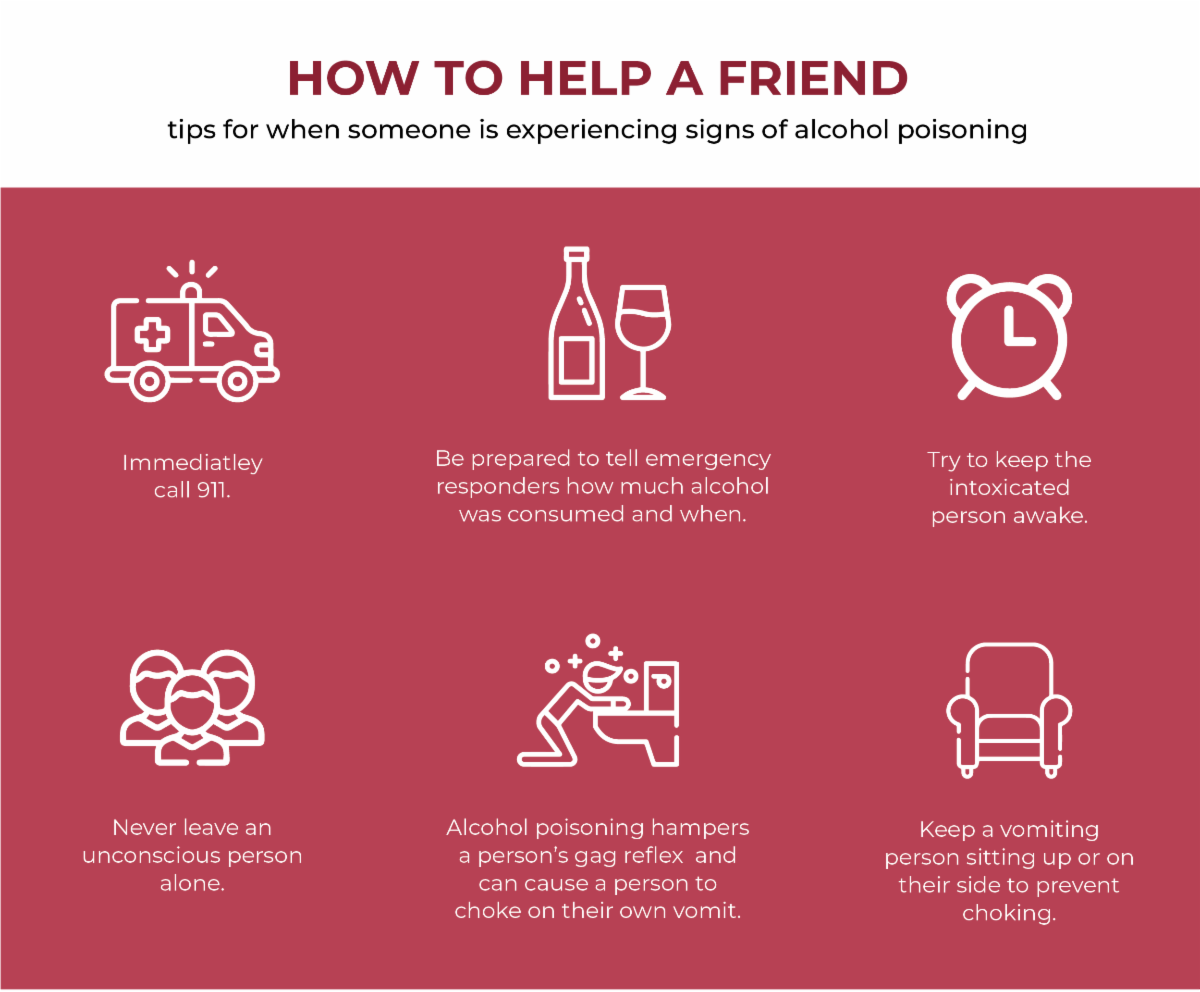
- Vomiting (particularly dangerous given the potential for diminished gag reflex)
- Slowed or irregular breathing
- Heart rate that slows or stops
- Very low body temperature
- Pale or blueish, clammy skin
| | |
Opioids
- Loss of consciousness
- Markedly constricted or pinpoint pupils
- Breathing difficulties (slowed, labored, and/or irregular breathing)
- Respiratory arrest (no breathing)
- Choking, gurgling, or snoring sounds
- Blue/purple lips or fingertips
- Unresponsive to loud noises, shaking, or painful stimuli
| | |
Benzodiazepines
(e.g. Xanax, Valium, Ativan)
- Profoundly impaired mental status
- Marked confusion
- Slurred speech
- Slowed, labored breathing or respiratory arrest
- Coma
| | |
Stimulants
(e.g. cocaine, speed, amphetamine)
- Dangerously high body temp
- Rapid breathing
- Rapid/irregular heartbeat.
- Very high blood pressure
- Cardiovascular events (e.g., stroke, heart attack)
- Panic, hallucinations, paranoia or other features of psychosis
- Aggressive behavior
- Seizures and convulsions
| | |
Responding to Opioid Overdose | |
|
If someone has overdosed, it is important to act fast. The steps to do so are similar to those you may have learned about if you've ever done CPR or first aid training.
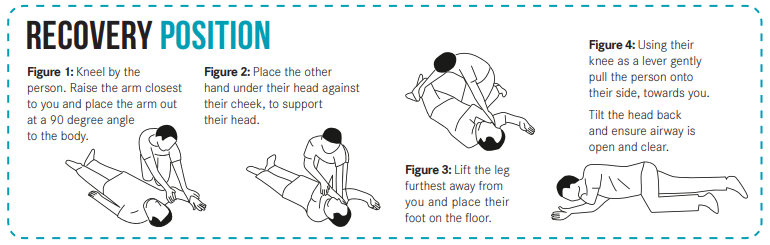
Note: while Naloxone does not help for overdoses caused by a substance that isn't an opioid, it doesn't hurt to administer it if you do not know what substance was taken. In the case of other substances, you should still call 911, stay with the person, provide rescue breaths and compressions if they stop breathing or have no pulse, and place them in the recovery position.
You never know when it could be useful to know how to administer Naloxone and how to provide CPR! To learn more, look for tutorials online that make sense to you, or you can consider attending a training:
1: Assess the scene: Is the space safe for you and the person?
2: Call 911, and check if the person is responsive: You can tap on their shoulders, and loudly ask if they are alright.
3: Administer Naloxone: Naloxone (also called Narcan) is a drug usually sprayed into the nose which can reverse opioid overdose.
-
You can get Naloxone over the counter (Check GoodRx (link) for coupons) or through community organizations (read more) to keep in your home or emergency kit
- You can also contact campus safety at L&C in an emergency as they have some, as well!
4: If no breathing and or/pulse, give rescue breaths and chest compressions: If there is no improvement following naloxone, first check that there is nothing in the mouth or throat that might get in the way of breathing. (See video below)
5: Put the person in the recovery position, and wait with them until help arrives: Help the person lay on their side, arm under the head and knees bent. This improves breathing.
| |
Notes: Drugs and Addiction in a Sociopolitical Context | |
|
Here are some journal prompts for reflecting on our relationships with substances and/or addiction:
- What role do substances play in my relationships? How does it feel to spend time with friends when we are inebriated? When we are sober?
- How were you first introduced to substances? How has this influenced the way you think abd feel about them?
| | |
Check out our Healthy Hits Playlist on Spotify! |
- "Sober" by Pink
- "Sedated" by Hozier
- "This Is Me Trying" by Taylor Swift
| | |
Thanks for Reading!
Check in next week for...
If you would like to chat about anything in this newsletter, you can reach out to me, Miri, at mrinehart@lclark.edu, or the Health Promotion and Wellness Office at healthed@lclark.edu, or you can utilize any of the resources throughout this email or below. You deserve to feel safe and well!
| |
| | | |