|
Every autumn, billions of birds migrate between breeding and wintering grounds, many traveling thousands of miles. Most fly at night, when artificial light can pull them off course and toward dangerous window collisions. Turning off nonessential outdoor lights on busy migration nights can help (learn more).
Migration peaks soon, with three ways to take part: October Big Day and World Migratory Bird Day on October 10, inviting people around the world to get outside and record the birds they see, followed by Birdability Week, October 19–25, celebrating accessible birding for all.
You don't need to be a birder—or a scientist—to join in.
Step outside. Look or listen for a bird. Snap a photo. Check tonight's migration forecast. Or simply turn off an outdoor light. However you participate, you can help scientists understand and protect migrating birds. Choose your adventure, below!
Cheers!
The SciStarter Team
| |
| | |
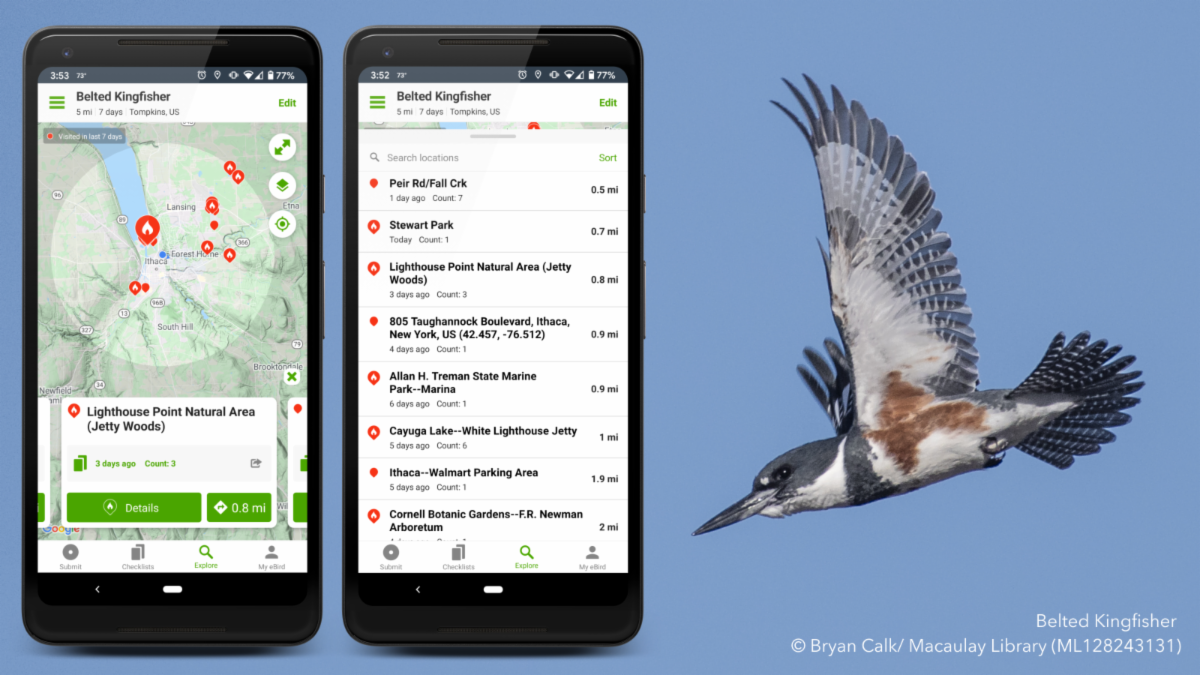
This free Cornell Lab of Ornithology app empowers you to log simple lists of the birds you see or hear, and every checklist joins an international network that scientists mine to track migration, map abundance, and protect habitat.
Beginner lists count just as much as expert ones.
Location: Global
| | | |
| | |
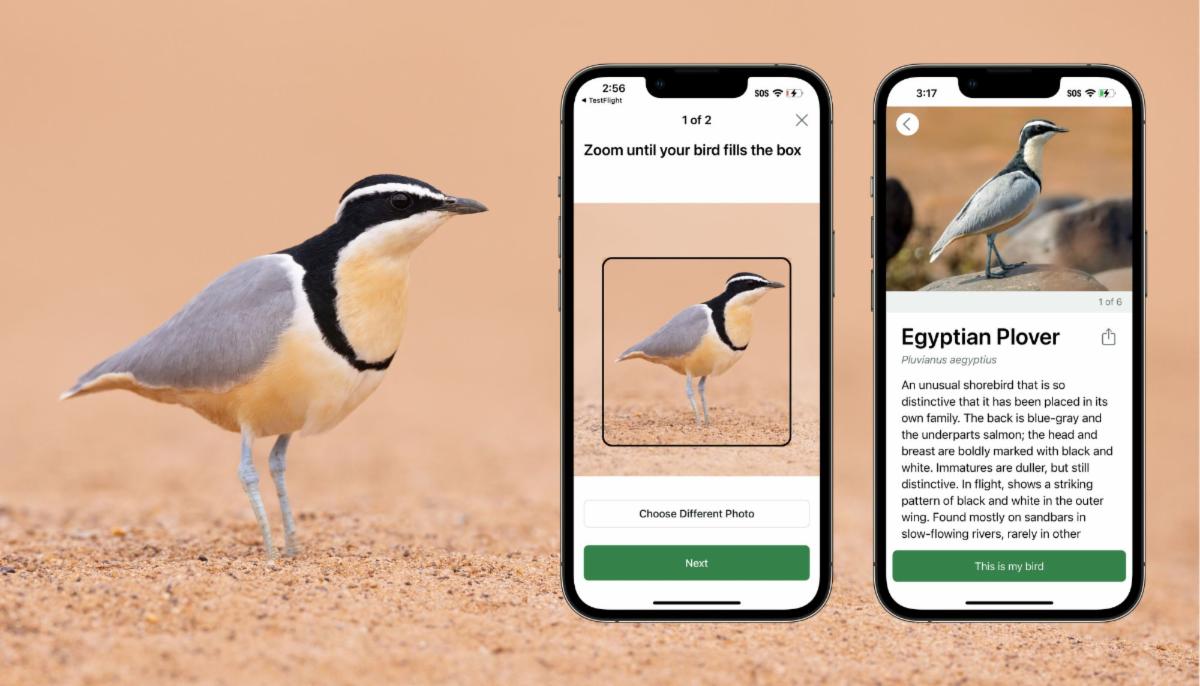
Not sure what you are looking at? Use this free Cornell Lab app to ID a bird from a photo, a sound, or a few simple questions.
Its Sound ID picks out species by call, even in the dark, and anything you log can flow straight into eBird to multiply your impact.
Location: Global
| | | |
| | |
Sharper IDs make for better data. This online training game connects to eBird's API to quiz you on the species recently seen in your exact area, leaning hardest on the ones you keep missing.
Each answer opens into recent local sightings, recordings, and photos of lookalikes, so you learn the bird, not just the picture.
Location: Global
| | | |
| | |
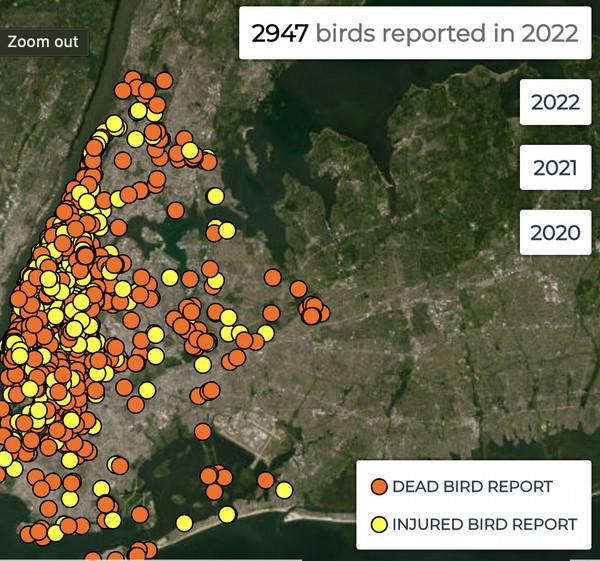
Found a bird that hit a window? Up to a billion die that way each year in the U.S., a toll that light pollution makes worse.
This tool invites you to report a dead or injured bird in under two minutes, handing researchers the data they need to map collision hot spots and push for bird-safe buildings.
Location: Global
| | | |
| | |
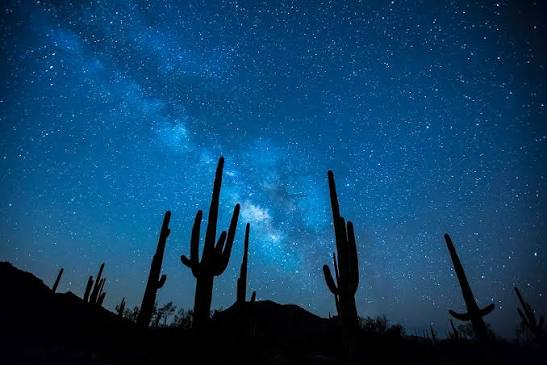
Here is the flip side of the lights-out message. Artificial light disorients night-flying birds, pulls them off their flyways, and steers them toward deadly collisions.
Globe at Night asks you to measure how bright your night sky is and report it, building a worldwide map of light pollution that makes the case for darker, bird-safer skies. Pair it with BirdCast: one tells you when to go dark, the other measures the glow that makes it matter.
Location: Global
| | | |
| | |
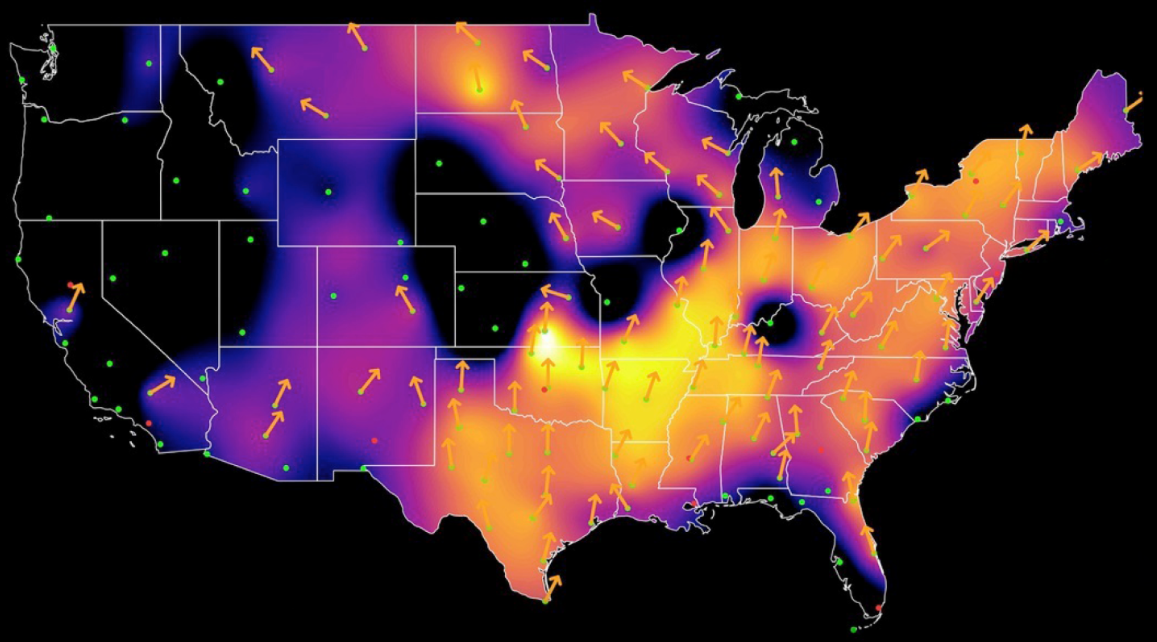
Using radar and machine learning, BirdCast predicts how many birds will cross your area each night, so you know when a big wave is coming and when to dim or shut off nonessential outdoor lights to keep birds on course.
Location: Contiguous U.S. (Lower 48)
| | | | Welcome, Claire and Brooklynn, to the SciStarter Team! | We are thrilled to introduce two new colleagues who are already making SciStarter better. Get to know them, below! | | |
Claire Conway came to SciStarter in 2026 after five years building STEM programs across Arizona, and she pairs a biomedical engineering degree with a knack for community engagement.
She is building newsletters and emails for libraries, ambassadors, and champions for our growing library network community, which is projected to exceed 2,000 libraries under Claire's leadership.
| | |
Brooklynn Joyner, PhD is leading Do NASA Science LIVE!, our virtual series that brings you face to face with NASA scientists and the citizen science projects that need your help.
A botanist, social scientist, and environmental educator, she has a passion for connecting people with science and nature. Say hello on Instagram at @smalltown_scientist.
| | |
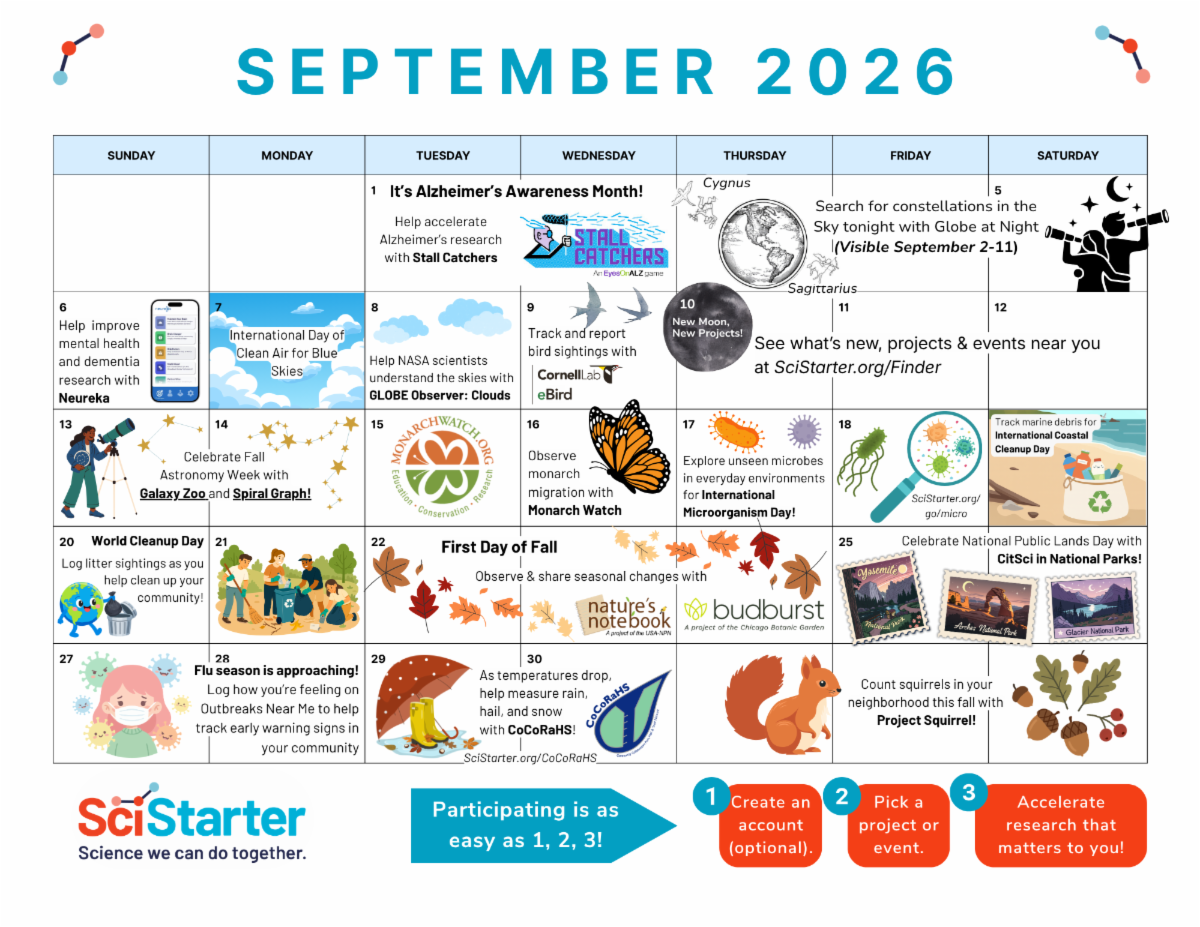
September offers something for everyone.
Click here to explore and print the calendar.
| | | | Not Sure Where to Start? Citizen Science for Beginners | |
Consider taking your citizen science journey to the next level by earning SciStarter's LinkedIn-ready digital credential. SciStarter's Foundations of Citizen Science training is free, self-paced, and entirely online.
In about an hour, you'll learn how to contribute to real research, find projects that match your interests, and build skills in data collection and scientific inquiry.
| | | | Webinar: Make Your Library a Community Hub for Citizen Science | Discover how your library can become a community hub for citizen science. Join Arizona State University and SciStarter to explore free training, ready-to-use programs, and professionally designed resources that make it easy to connect patrons of all ages with real scientific research. | | | | New on the SciStarter Blog | |
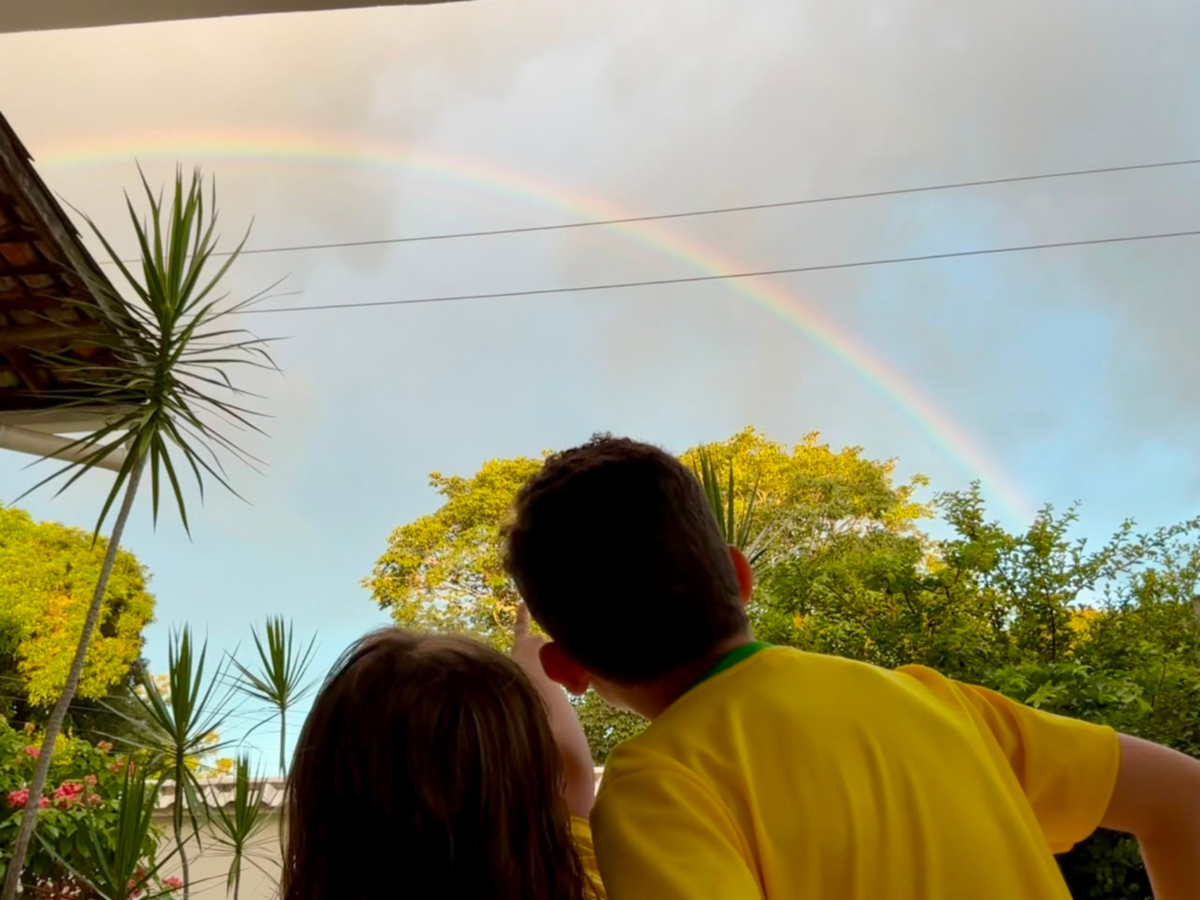
The Rolim family of Igarassu, Brazil, turned their backyard into a science mission, documenting biodiversity and tracking an invasive snail that threatens public health.
Their story shows how curiosity and a smartphone can help explore and protect the world around us.
| | |
New projects & events featured on SciStarter
...and thousands more featured on the project finder and the event finder! Find an online or local project or event near you.
| | | | |