Mendelson Insights

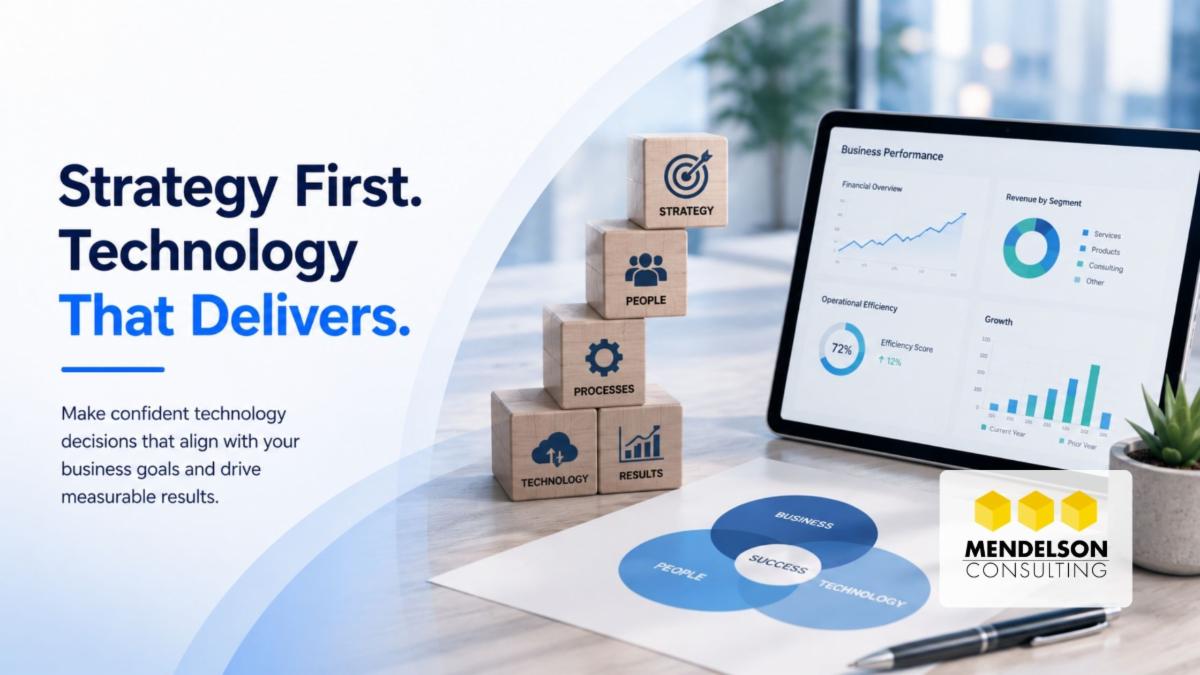
Choosing new technology is often seen as the first step toward improving business performance. In reality, it's usually the last.


The most successful technology projects begin long before software is selected. They start with understanding how the business operates, identifying opportunities to improve processes, and defining the outcomes that matter most. Only then can organizations confidently choose the tools that best support their goals.


Whether you're evaluating new financial systems, looking for better reporting, or planning your next stage of growth, technology should never drive the strategy. It should enable it.


In this month's Mendelson Insights, we explore why successful software implementations require both business and technical expertise, how connected data helps organizations make better decisions, and what's new in Intuit Enterprise Suite to support growing businesses.

From the CEO

Technology projects do not fail because businesses choose the wrong software. More often, they struggle because the technology was expected to solve problems that were never clearly defined in the first place.


Over the years, I have learned that successful implementations begin with understanding the business. Before evaluating features or comparing platforms, it is important to understand how information flows through the organization, where operational bottlenecks exist, and what success looks like for the people who rely on the system every day.


That is why we encourage our clients to start with strategy rather than software. When technology aligns with business objectives, it becomes more than a tool. It becomes an investment that improves visibility, supports better decision-making, and creates a stronger foundation for long-term growth.


Every business is different. The right solution is not necessarily the most advanced one. It is the one that best supports your organization's goals today while preparing you for tomorrow.


Sincerely, 

Mario Nowogrodzki, CPA.CITP 

CEO and Founder


Featured Insight

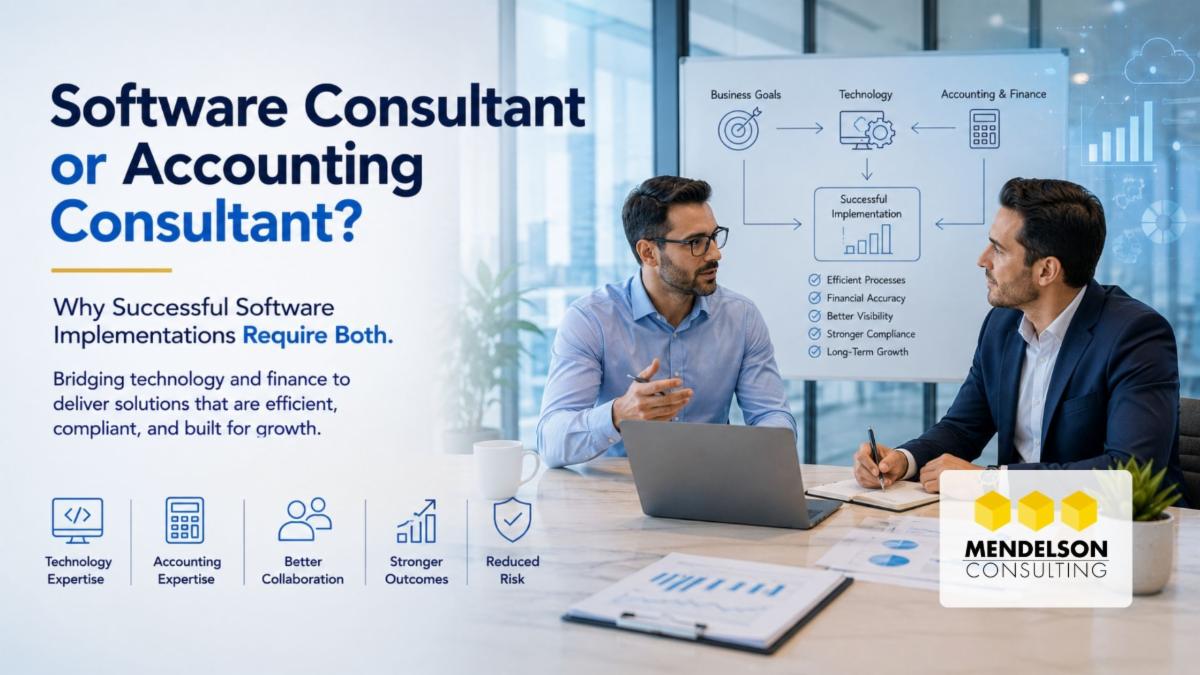
Software Consultant vs. Accounting Consultant:

Why Successful Implementations Need Both

Selecting new business software is one of the most important investments a growing organization can make. Whether you are implementing an ERP system, accounting software, CRM, or another business platform, success depends on much more than the technology itself.


Software consultants and accounting consultants bring different areas of expertise to a project. One focuses on implementing and integrating the technology, while the other ensures financial processes, reporting, internal controls, and accounting workflows continue to support the business. When these perspectives work together, organizations are better positioned to achieve a successful implementation and long-term return on their investment.


Our latest article explores why the most successful projects combine both technical and financial expertise, helping businesses reduce implementation risk and align technology with their operational goals.


Why it matters

Technology alone does not transform a business. Successful implementations happen when software, financial processes, and business objectives are aligned from the beginning.


Read the full article →


Technology Spotlight

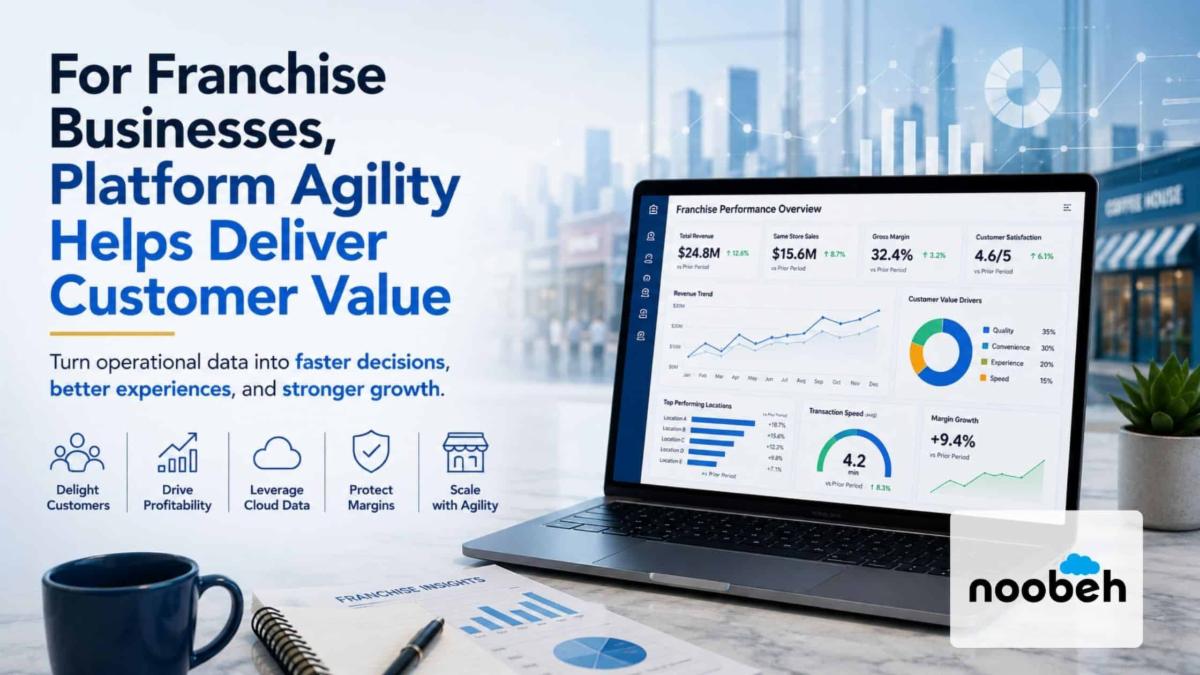
How Connected Data Helps Franchise Businesses

Make Better Decisions

For franchise organizations, growth brings both opportunity and complexity. As more locations, systems, and data sources are added, it becomes increasingly difficult to maintain a clear, consistent view of business performance.


Modern cloud data platforms help address this challenge by bringing operational and financial information together into a centralized environment. Rather than relying on disconnected reports or manual spreadsheets, franchise leaders gain access to timely insights that support better decision-making across the organization.


Our latest article explores how connected data can improve visibility, strengthen operational consistency, and help franchise businesses respond more quickly to changing business conditions.


Why it matters

Better decisions begin with better information. When leaders have access to consistent, connected data across their organization, they can identify trends earlier, improve collaboration, and make more informed strategic decisions.


Read the full article →

Solution Spotlight

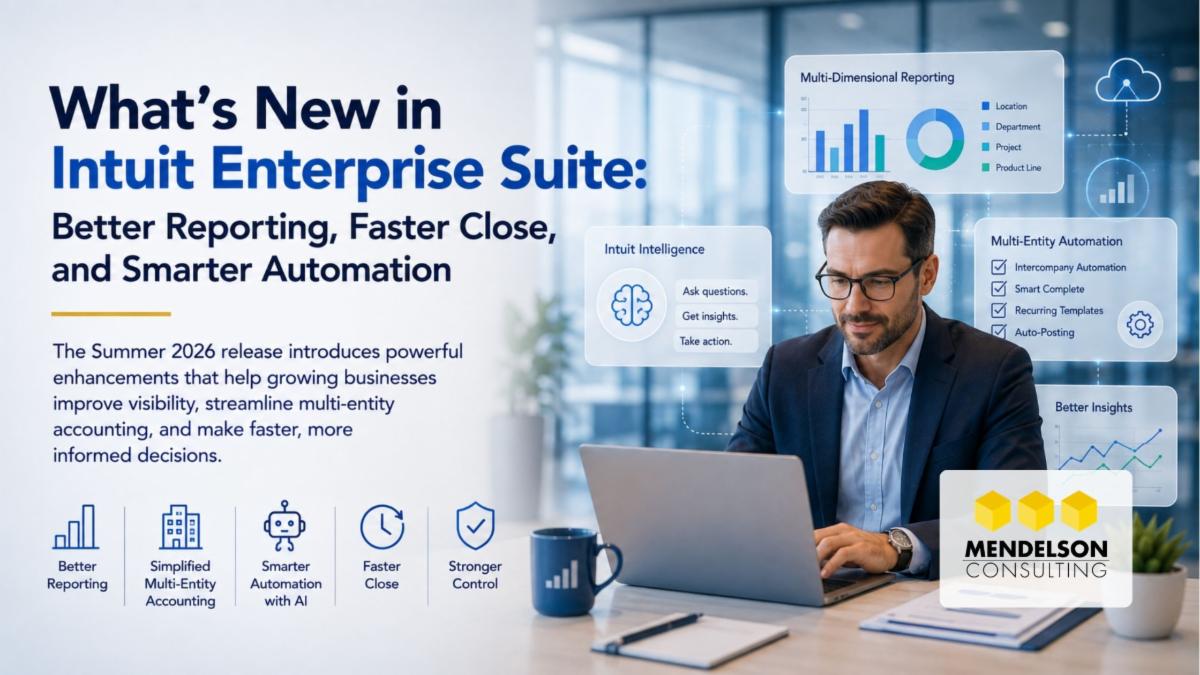
What's New in Intuit Enterprise Suite:

Better Reporting, Faster Close, and Smarter Automation

As businesses grow, so do the demands placed on their financial systems. Better reporting, streamlined multi-entity accounting, and greater operational visibility are becoming essential for organizations managing increasing complexity.


In our latest article, we take a closer look at the Summer 2026 Intuit Enterprise Suite release and explain how the newest capabilities help growing businesses improve financial reporting, simplify multi-entity processes, and leverage AI-powered automation to support faster, more informed decision-making.


Rather than reviewing every new feature, we focus on what matters most: how these enhancements can help organizations operate more efficiently while preparing for future growth.


Why it matters

Technology delivers the greatest value when it helps your team spend less time managing processes and more time making informed business decisions. Understanding how new capabilities align with your operational goals is an important step in evaluating your long-term technology strategy.


Read the full article →


Practical Takeaway

Four Questions to Ask Before Your Next

Technology Investment

Before evaluating a new platform or planning your next implementation, take a moment to consider these questions:


  • Are your technology decisions being driven by business goals or software features?


  • Do your financial systems provide the visibility your leadership team needs to make informed decisions?


  • Does your implementation partner understand both your business processes and your technology requirements?


  • Will your current systems continue to support your organization as it grows and becomes more complex?


The answers to these questions can help you determine whether it is time to optimize your current systems, improve your reporting, or begin evaluating new solutions that better support your long-term objectives.


Final Thought

Technology will continue to evolve. New platforms, AI capabilities, and automation tools will keep changing the way businesses operate.


What will not change is the importance of making technology decisions that support your business strategy, your people, and your long-term goals.


The organizations that realize the greatest value from technology are not always the first to adopt something new. They are the ones that take the time to understand their business, define the outcomes they want to achieve, and choose solutions that help them get there.


Thank you for reading this month's Mendelson Insights. We look forward to continuing the conversation and helping your business make confident technology decisions for the future.


Need guidance on your next technology decision?


Whether you are optimizing your current systems, evaluating new software, or planning for future growth, our team is here to help.

Know someone navigating business growth?

If you found this edition of Mendelson Insights valuable, please share it with a colleague or business leader who may also benefit from these insights.

Dynamics 365 Business Central

Cloud Services

QuickBooks

About Us

Facebook      LinkedIn      X