Can't see the full newsletter? Please accept images and add Lawson LEADS (lawsonresearch-sjhc.london.on.ca@shared1.ccsend.com) to your safe list. | | |
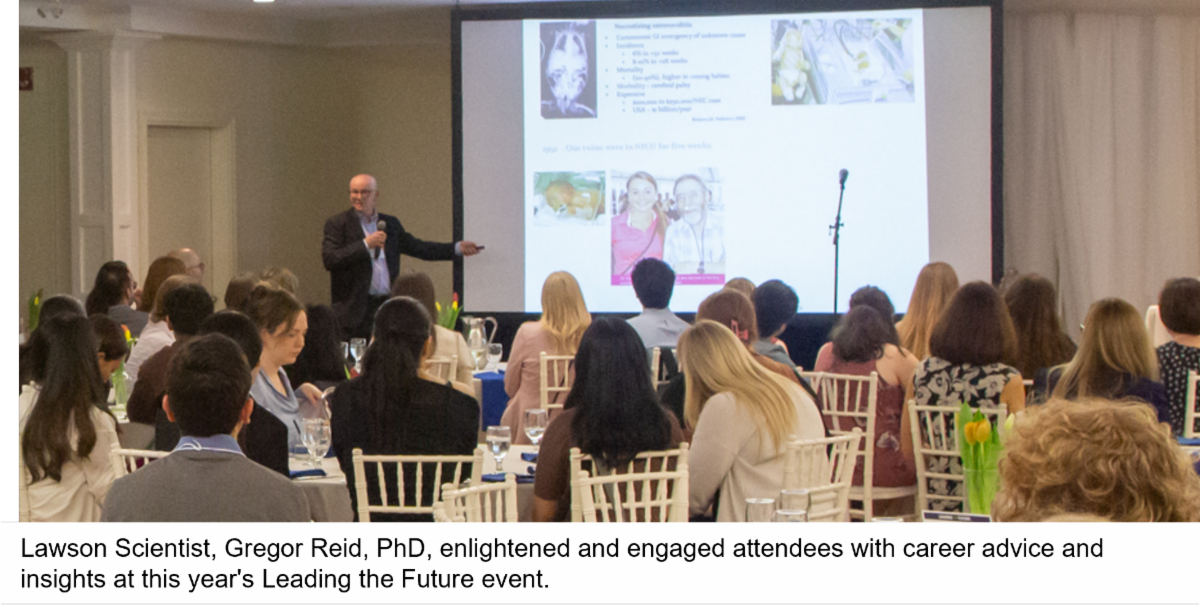
What does it take to build a lasting career in research? At Leading the Future 2026, an event hosted by the Lawson Association of Fellows and Students (LAFS), one message came through clearly: patience, persistence and passion matter. Held on April 16, the event brought together trainees and scientists for an evening of honest advice, practical insights and inspiring reflections on the realities of research careers. Lawson Scientist Gregor Reid, PhD, delivered the keynote, sharing lessons from his career in microbiology and women’s health, and a panel discussion moderated by Dalton Wolfe, PhD, featuring Kait Al, PhD, Janelle Unger, PhD, and Dr. Kristin Clemens, highlighted candid reflections about career growth, setbacks and staying motivated. Photos from the event are available by request by emailing LAFS.
Are you interested in attending future LAFS events? Join the LAFS mailing list or follow them on Instagram.
| | Envisioning new pathways for treatment-resistant schizophrenia | | |
What if we could predict who will not respond to standard schizophrenia treatments earlier and more accurately? That question was at the heart of the April 8 Mental Health Research Pillar Imaginarium session, Envisioning the future of treatment-resistant schizophrenia: Innovations and insights. Guest speaker, Dr. Mohamed Adil Shah Khoodoruth, Consultant Child and Adolescent Psychiatrist and Assistant Professor in the Department of Psychiatry at Western University, explored emerging research on the molecular and biochemical mechanisms behind treatment resistance. His talk highlighted the growing potential of inflammatory and metabolic biomarkers to improve detection and guide personalized care. Interested in future Lawson Mental Health Pillar Imaginarium sessions? Contact Nicole North for more information about the speaker series.
| | Seeing eye to eye: Inside the Interprofessional Eye Forum |
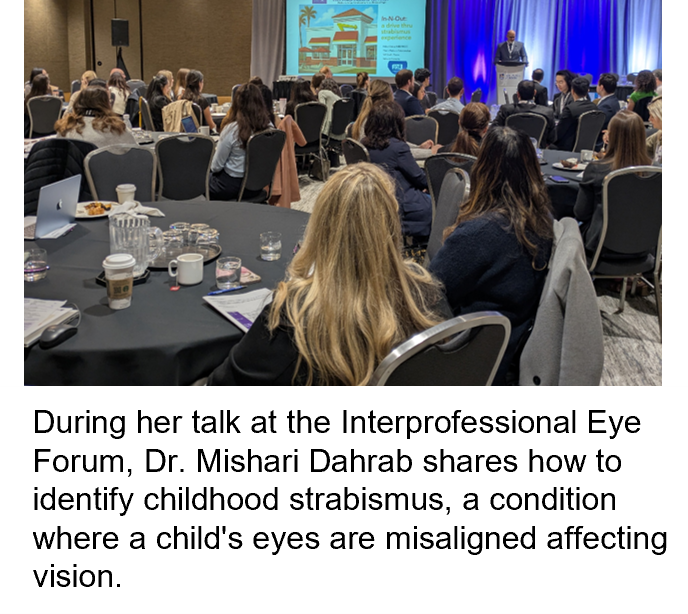
| |  | On April 10, the Interprofessional Eye Forum brought clinicians and researchers together at RBC Place to advance interprofessional care in pediatric eye health. The forum focused on strengthening collaboration across disciplines to improve care for children with ophthalmic conditions. Chaired by Dr. Munir Iqbal, with input from organizing committee members Dr. Matthew Anderson and Dr. David Plemel, the event featured expert-led discussions on complex pediatric ophthalmic conditions and collaborative care approaches. The program also included presentations from Lawson Associate Scientists Dr. Sapna Sharan, who addressed diagnostic considerations in pediatric glaucoma, and Dr. Lulu Bursztyn, who spoke on differentiating papilledema and related conditions. The event underscored the critical role of cross-disciplinary collaboration in improving outcomes across pediatric vision care and reinforced Lawson’s commitment to supporting clinically embedded research and knowledge exchange. Learn more about the Interprofessional Eye Forum on their website. For information on upcoming ophthalmology events, contact Alicia O’Neil.
| | Trending but troubling: Allergy myths thrive online | | |
Scrolling for health advice? New research lead by Lawson Associate Scientist, Dr. Samira Jeimy, an immunology and allergy expert, reveals allergy misinformation is thriving on social media, especially posts promoting “natural cures.” An analysis of viral content across TikTok, Instagram, Facebook and X found misleading allergy claims reached more than 12 million views and often went unchallenged. Dr. Jeimy notes these narratives can shape patient expectations, strain clinical visits and divert attention from evidence-based care. The findings underscore the growing need for trusted research voices to counter misinformation and support informed health decisions. Read the full story online to learn more about the research and its impact.
| | Do spring allergies seem to be starting earlier and lasting longer? | | |
Spring has arrived, but for many, so have sniffles, itchy eyes and fatigue. In a recent Rogers TV segment, Lawson Associate Scientist Dr. Jeimy explains why allergy season is starting earlier and lasting longer across Southwestern Ontario. Research shows that over the last two decades, allergy season has lengthened by approximately 20 days, with pollen counts up 21 per cent. Dr. Jeimy also highlights the risk of “thunderstorm asthma,” a phenomenon where storms break pollen into smaller particles that can travel deeper into airways. She shares practical tips to reduce exposure and when to seek specialist care. Curious about how allergy seasons are changing and what you can do to stay well? Watch the full story and learn more online.
| | Can digital minimalism improve brain health? | | |
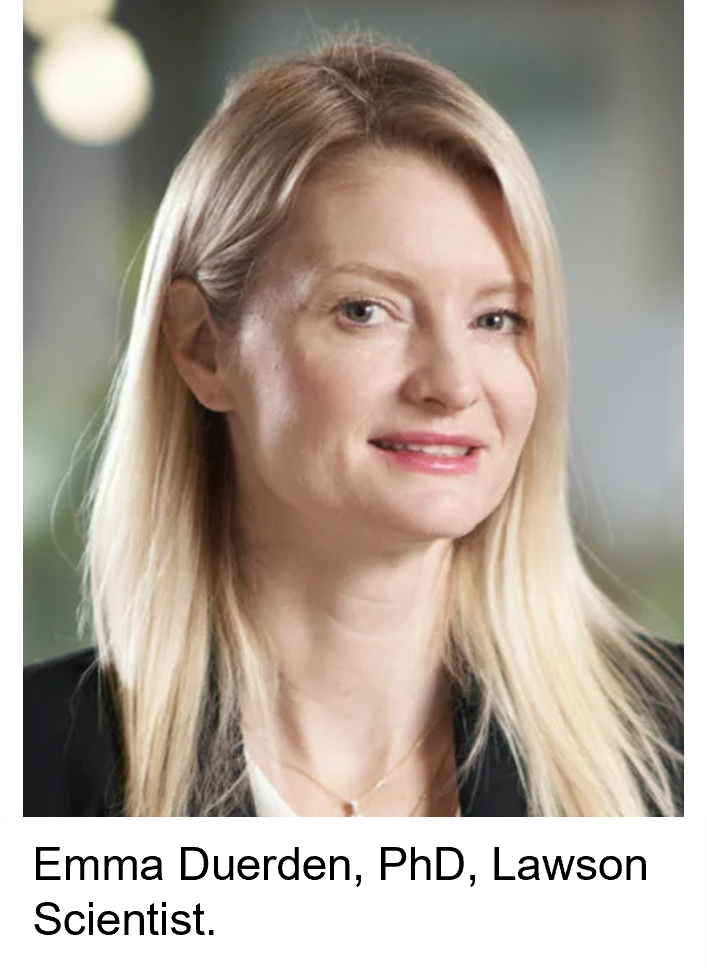
Feeling mentally drained by constant pings and screen time? A growing movement known as digital minimalism is encouraging people to rethink their relationship with technology. In a recent question and answer segment with CBC News, Lawson Scientist Emma Duerden, PhD, explains how nonstop digital stimulation can affect brain health, attention and well-being - and why stepping back, even a little, may improve focus and mental health. From flip phones to app-free hours, the science behind “disconnecting” may surprise you. Read the CBC story to learn what the research shows and how small changes can make a big difference.
| | Can your diet deliver better skin health? | |
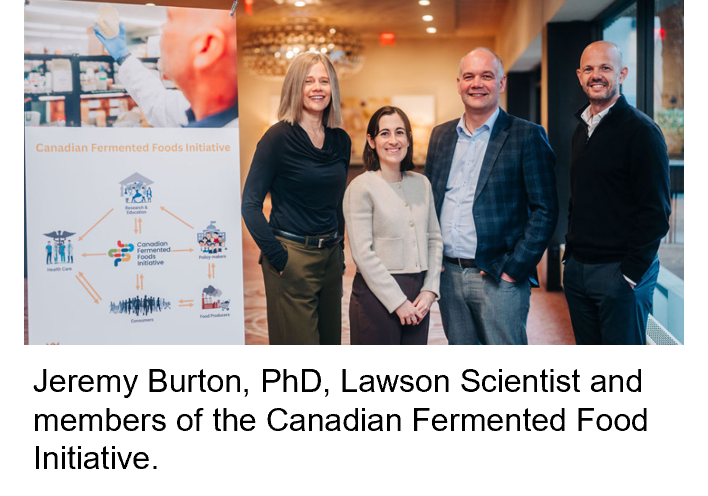
Could your grocery list be influencing your skin more than your skincare routine? A recent Western Gazette feature explores the growing fascination with “skin care diets” and whether food trends translate into healthy skin. Lawson Scientist, Jeremy Burton, PhD, microbiologist and lead of the Canadian Fermented Food Initiative, weighs in on how nutrition, evidence and misinformation intersect, underscoring where the science supports dietary choices and where claims go too far. Curious about what holds up under scientific scrutiny? Read the Western Gazette article to learn more.
| From questions to impact: Trainees lead the way | | |
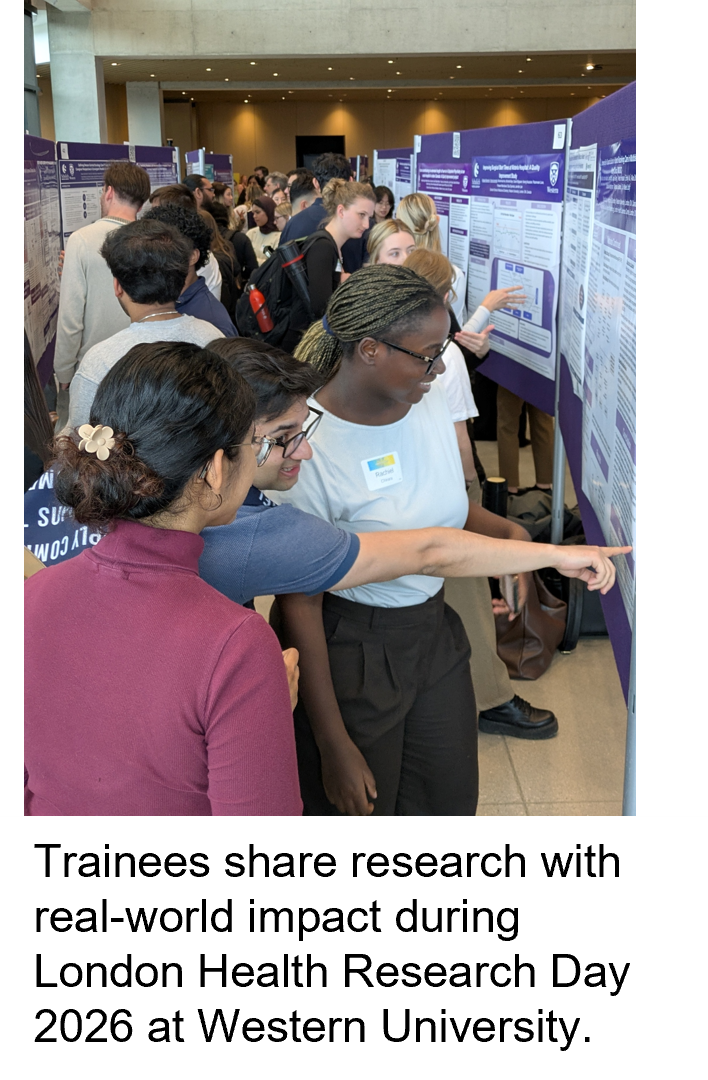
On April 29, London Health Research Day 2026 brought together hundreds of trainees at Western University to showcase research with real-world impact across discovery, health care delivery and health-system improvement. Through oral and poster presentations spanning basic science, clinical research, population health and health systems innovation, trainees shared work aimed at improving care for patients, families and communities while building interdisciplinary connections. The day also featured a keynote from Paula Cannon, PhD, a world-renowned leader in gene and cell therapy who shared insights into how rapidly advancing gene therapies are shaping the future of medicine. More than a showcase, London Health Research Day is a reminder that today’s trainees are actively shaping tomorrow’s health care. Watch coverage from Rogers TV and CTV News, hear from organizers on CBC Listens and explore highlights from Lawson and Western.
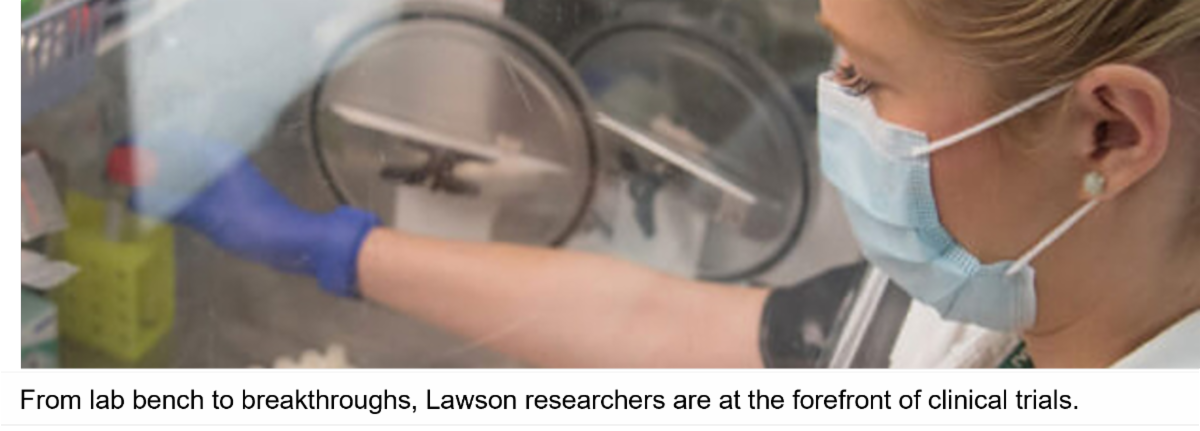
| | Clinical trials are a vital part of how new treatments, devices and care strategies are discovered, tested and improved for patients. In April, Lawson supported 925 clinical research studies, underscoring the dedication to advancing patient-centered medical innovations. Visit Lawson’s Webpage to discover more about our clinical trials and how to get involved. | | Medication safety in older adults with low kidney function | Could the dose of a commonly prescribed antidepressant affect safety for older adults with low kidney function? A large population-based study led by researchers at Lawson and London Health Sciences Research Institute is examining whether higher doses of serotonin norepinephrine reuptake inhibitors (SNRIs) including venlafaxine and duloxetine - commonly prescribed for depression, anxiety and neuropathic pain - increase the risk for serious adverse events. Using real-world data from Ontario, this Lawson-linked clinical study aims to inform safer prescribing practices and improve outcomes for older adults with kidney function. Read the study details online to learn how Lawson research is shaping medication safety improving patient care. | May 20 is Clinical Trials Day, an opportunity to raise awareness of Clinical Trials and celebrate the people and partnerships that turn discovery into better care. At Lawson, clinical trials are a vital part of our discovery-driven, patient-focused mission. Clinical trials are advancing new treatments, improving health outcomes, reducing costs and shaping the future of care. Hundreds of trials are underway across Lawson, powered by dedicated researchers, trainees, research staff, patient partners and community collaborators. Together, they ensure research is rigorous, inclusive and impactful. On this day, we proudly recognize the people behind clinical trials at Lawson and the lasting value this work brings to patients and communities. To learn more about Lawson clinical trials, visit our webpage. | Explore the world of pragmatic clinical trials with HDRN Canada Pragmatic Trials Training Program | | |
Each week, the Health Data Research Network (HDRN) Canada Pragmatic Trials Training Program releases open-access learning modules that dive into key aspects of trial design and implementation - from randomization and data analysis to truth and reconciliation in pragmatic trials. Whether you’re a clinician, researcher or health professional, these modules offer practical insights to strengthen your understanding of how trials can improve real-world care. Discover the full series at pragmatictrialstraining.ca
| |
| |
RESEARCH TIP
Have you reviewed the updated clinical research SOPs?
Updated Clinical Research Standard Operating Procedures (SOPs), effective May 4, 2026, are now available. SOPs provide clearer guidance and streamlined workflows to support your work. Reviewing them can reduce risk, save time and help prevent issues during startup, audits and onboarding. Principal Investigators and learners share responsibility for training on new or revised SOPs when needed. Record all training using the Individual Training Record and keep it in your research files.
Quick win: Add SOP reviews to your routine to prevent issues later.
| | | | POLICY, GUIDELINE AND PROCEDURE UPDATES | |
Research teams are advised of the following new and updated policies, guidelines and procedures available on the intranet. Use your St. Joseph’s corporate username and password to access these materials:
| | LAWSON ASSOCIATION OF FELLOWS AND STUDENTS | | LAFS bring Lawson to Western Rehab Expo | LAFS was pleased to attend and host a booth at the Western Rehab Club Rehab Expo on April 25. The event brought together undergraduate students from Western University to learn more about the wide range of rehabilitation-focused programs, clinical opportunities and research initiatives taking place across London, Ontario. The expo provided a valuable opportunity for students to connect with trainees, clinicians and researchers, while gaining insight into potential career and academic pathways in health sciences. LAFS was proud to help showcase the trainee-led research initiatives taking place across Lawson-affiliated sites and the innovative work being done to advance research, education and knowledge within the London community. | | New fellow is advancing care for neurological conditions | |
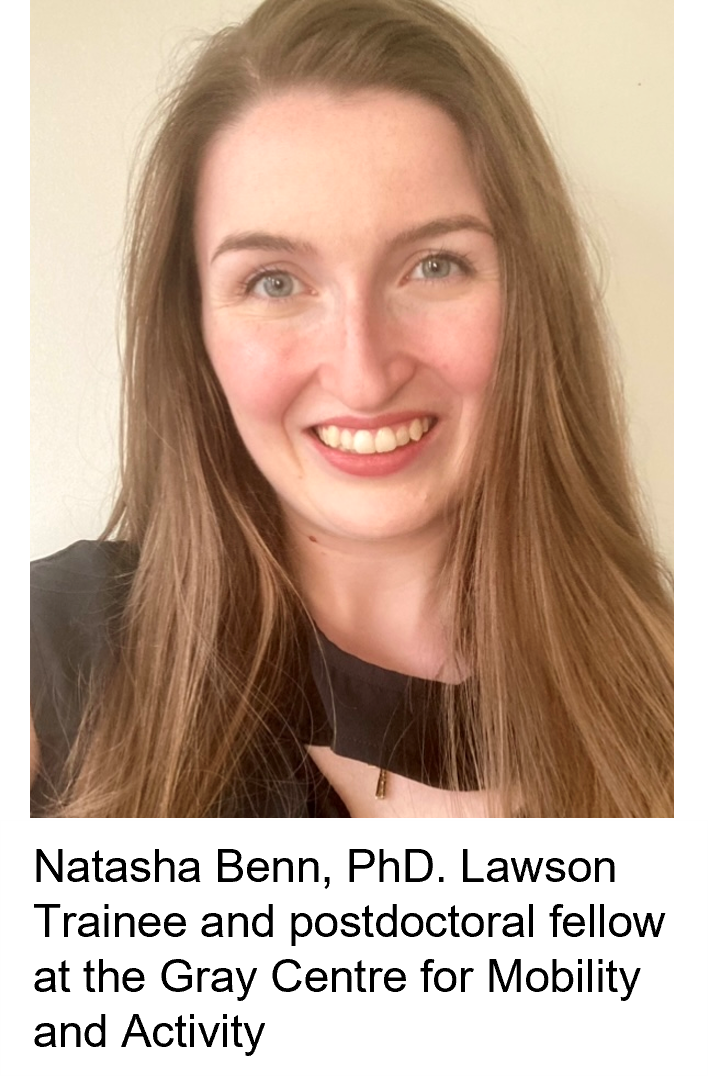
Inspired by a love of the outdoors and a high school exercise class, Natasha Benn, PhD, is now the postdoctoral research fellow at the Gray Centre for Mobility and Activity. With donor support, she’s striving to improve the quality of life for people living with neurological conditions. She approaches her work with equal parts determination, to find answers for her patients, and gratitude, for the donors who funded her position. “It’s a blessing,” she says of the funding she has received. “It means the world to me that donors are giving me the opportunity to pursue research and advance my skills so I can make a difference.” Read more about Benn and the innovative research she is undertaking on the Foundation’s website.
| | Qualities for a Sacred Moment: Ultimacy | | |
We have been exploring the qualities of a sacred moment as a St. Joseph's community. It's those moments of deep connection in our work that can inspire a profound sense of meaning and purpose. In the last Lawson Leads we reviewed the five qualities of a sacred moment outlined by Pargament et al. (2014): transcendence, boundlessness, ultimacy, interconnectedness and spiritual emotions, before unpacking the second quality, boundlessness. In this edition, we explore the third quality: ultimacy.
Ultimacy is what researcher Kenneth Pargament describes as “experiences of deep truth” – moments when something fundamental about life comes into focus. Philosopher and theologian Paul Tillich connected this idea to an urgency of spiritual concerns in everyday life, a reaching toward faith in the ultimate. In his best-selling book Man’s Search for Meaning, Victor Frankl saw love as being “the ultimate and the highest goal” that emerged from his experiences in a concentration camp during World War II. Love is just one example of ultimacy in one's perspective on life.
Whether a moment with a patient or colleague inspires a deep love of humanity, or a client encounter reminds you about the importance of justice, or another moment invokes an important truth like compassion in all its simplicity, a sacred moment can carry a sense of ultimacy where life-truth comes into clarity. For some, these moments of ultimacy are spiritual or religiously interpreted, and for others they may be more philosophical or psychologically understood.
Have you experienced a sacred moment that seemed to reveal ultimacy? Check out our SharePoint Page to learn more about sacred moments with links to podcasts and more resources
Contributed by: Dale Nikkel, Manager Spiritual Care, Lawson Scientist
| | We encourage researchers to submit grants, publications and awards for us to showcase. Please provide a one- to two-sentence plain-language description along with the submission. | | |
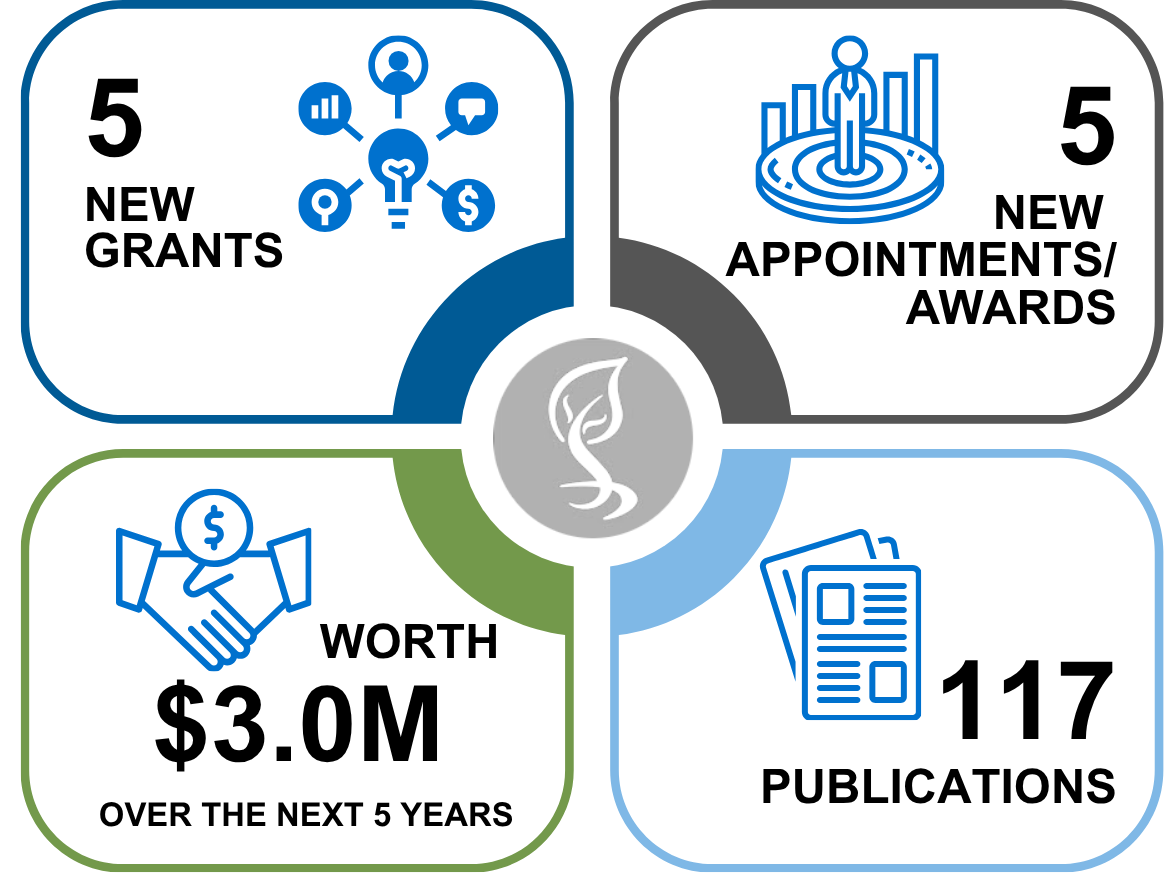
We recognize and congratulate some of the recent external funding awarded to our researchers:
A team led by Jeremy Burton, PhD, Lawson Scientist, has received funding from the Weston Family Foundation POP 2025 Program for the study “Improvement of metabolic biomarkers of psychiatric patients through modulation of the gut microbiota with apple cider vinegar powder in delayed release capsules,” totaling $303,874. The multidisciplinary research team includes Lawson scientists, Elizabeth Osuch, David Walton, Kristen Clemens and Lisa Cameron along with collaborators Kait Al and Robert Hegele.
This project will investigate whether targeted modulation of the gut microbiota using a novel apple cider vinegar formulation in delayed-release capsules can improve metabolic biomarkers in individuals with psychiatric conditions. The study aims to generate new insights into scalable, nutrition-based interventions that support both physical and mental health outcomes.
Daniel Milej, PhD, Assistant Professor in the Department of Medical Biophysics at Western University and scientist at Lawson, has been awarded funding through the BrainBody Connect Call for Proposals for his project "Quantifying the impact of controlled hypercapnia on task-evoked fNIRS signals using multimodal brain–body monitoring".
This study will examine how controlled increases in carbon dioxide affect brain signals measured by near-infrared spectroscopy (fNIRS). The goal is to improve the precision of non-invasive brain monitoring and advance multimodal methods, ultimately deepening our understanding of brain function during cognitive activities and enhancing research on brain–body interactions. BrainBody Connect 2025 | Call for Proposal | BIOPAC
Cynthia Ziebart, PhD, has been awarded funding from the Chronic Pain Centre of Excellence for Canadian Veterans for the study “What is the prevalence of MSK conditions and pain in Canadian Veterans?”, valued at $82,010 over one year (November 2025-2026). The research team includes Lawson scientists Joy MacDermid and Don Richardson, along with co-investigators J. Lui and S. Shariff.
This study will examine the prevalence and patterns of musculoskeletal (MSK) conditions and pain among Canadian veterans to better understand their scope and impact. Findings will help inform future research priorities and support the development of targeted clinical and policy interventions to improve pain management and MSK health for veterans across Canada.
A multidisciplinary team led by Dr. Susan Scollie and Lawson Scientist, Dr. Joy MacDermid, has secured $2.48 million for the next five years (2025-2030) from the Canadian Foundation of Innovation to establish ”RehabInnovation: A hub for advanced mobility and communication technologies.” The research team includes: Alvarez L, Birmingham T, Rehman U, Roberts A, Rushton A, Teeter M, Trejos AL, Viswanathan P.
This state-of-the art hub will bring together researchers, clinicians, engineers and trainees to advance innovative technologies that improve mobility, hearing, communication and rehabilitation outcomes across the lifespan. By providing shared access to cutting-edge infrastructure, the hub will accelerate collaboration, support technology development and evaluation and strengthen trainee opportunities.
CIHR Priority Funding Strategy for Patient-Oriented Research has awarded $100,000 to support STRIDES (OK TRANSPLANT), a patient-oriented research initiative led by Dr. Kristin Clemens, Lawson Associate Professor, with co-investigators Ahmed SB, Ali S, Bohm C, Chiu M, Dixon SN, Ernst J, Gerstein HC, Glavinovic T, John-Baptiste AA, Khan TS, Levin A, Madill J, Molnar A, Nesrallah G, Sener A, Suri R, Vinson A, Wald R, Yau K, Zimmerman DL, Irwin JD, Moist LM.
The PIVOT project explores how semaglutide therapy can support kidney health in transplant patients through a comprehensive approach that combines individualized nutrition, daily exercise and patient engagement via coaching and support systems. By integrating medical therapy with lifestyle and behavioural supports the team aims to improve outcomes that matter most to patients.
| | |
Check out a few examples of the research published in March-April:
Mieling M, Yousuf M, Bunzeck N, Spicer K, Longmire CF, …, Lee T-Y, Borrie M, …, Weiner M. (2026). Predicting the progression of MCI and Alzheimer’s disease on structural brain integrity and other features with machine learning. GeroScience.
Can artificial intelligence help predict who will develop Alzheimer’s disease? Researchers studied brain scans and health data from people with mild cognitive impairment, using machine learning to track changes over time. The researchers identified patterns linked to faster progression, offering earlier warning signs. Clinicians, caregivers and researchers should read more about the implications for diagnosis and care in the full article online. #Aging
Patrick H, McAlister L, Pourtousi A, Badesha J, Liu SL, Tunio S, Clemens KK. (2026). Opportunities to improve the care of individuals with polycystic ovary syndrome in Canada. Canadian Family Physician.
Could care for polycystic ovary syndrome (PCOS) be better in Canada? Researchers examined how PCOS is currently diagnosed, managed and why gaps matter for long-term health. By reviewing evidence and clinical practice, they identified missed opportunities in screening, education and coordination. Findings point to clearer pathways and more consistent care. Those interested in evidence-based policy and practice how Canadian care for PCOS could be improved will find this an important read. #EndorinologyMetabolismChronicDiseases
Policelli R, Ward A, Dammak S, Kassam Z, Ramsewak D, Kalia V, Nadrah A, Wang D, Madubuobi H, Abbott C, Dawson C, McCarthy D, Balki I, Ladak I, Knezevic S, Marshall H. (2026). Testing remote feedback using a virtual semi-automated educational tool for the detection of pancreatic tumour-vessel contact on staging CT. Current Problems in Diagnostic Radiology.
Can virtual education tools improve how doctors learn to spot pancreatic cancer? Researchers tested a remote, semi-automated training tool to help clinicians identify critical tumour-vessel contact on computed tomography (CT) scans. By providing structured feedback from experts, they found learning could be improved even at a distance. Radiologists and residents will discover practical, innovate approaches to enhancing imaging education and building diagnostic competency by reading this article. #Imaging
Marshall CA, Holmes J, Easton C, Ward B, Perez S, Isard R, Kerman N, Forchuk C, Gewurtz R. (2026). Better than nothing? A scoping review on tiny homes and sleeping cabins as a response to homelessness in high-income countries. Wellbeing, Space and Society.
Are tiny homes a real solution to homelessness or just a stopgap? Researchers reviewed international studies to examine how small housing options like cabins are being used and why it matters. They found benefits such as safety and stability, alongside ongoing challenges and gaps. The review highlights policy and design implications. Health, housing and social service leaders should read the full article to learn more. #MentalHealth
Unger J, Singh H, Perez OH, Benn NL, Chan K, Musselman KE. (2026). Establishing the reliability and validity of the Falls Efficacy Scale-International among people with motor incomplete spinal cord injury: A secondary analysis. Journal of Spinal Cord Medicine.
Can the fear of falling be measured accurately after spinal cord injury? Researchers asking this question examined whether a widely used falls confidence questionnaire works for people with motor incomplete spinal cord injury. By analyzing participant data, they found the scale reliable and valid. Clinicians, therapists and researchers should read the full article online to understand how this validated scale can be used to screen fear of falling, guide rehabilitation plans, monitor progress and provide support for safer, more patient-centered care for people with motor incomplete spinal cord injury. #Rehabilitation
Tat J, Cadieux C, Grewal R, Athwal GS, Faber KJ, Drosdowech DS, King GJW. (2026). The effect of an associated Monteggia or transolecranon fracture dislocation on outcomes of radial head arthroplasty. Journal of Hand Surgery.
Do complex elbow injuries affect recovery after radial head replacement? Researchers studied patients with radial head arthroplasty - a surgical procedure in which a damaged or shattered part of the forearm bone that helps the elbow rotate, to see whether different fracture dislocation change outcomes. By comparing recovery and complications, researchers found these combined injuries can influence surgical results. The findings inform surgical planning, patient counselling and is a valuable read for surgeons, trainees and care teams who want to better anticipate outcomes and tailor patient care. #SurgicalSpecialties
| | Dr. Arlene MacDougall receives Faculty Scholar Award | | |
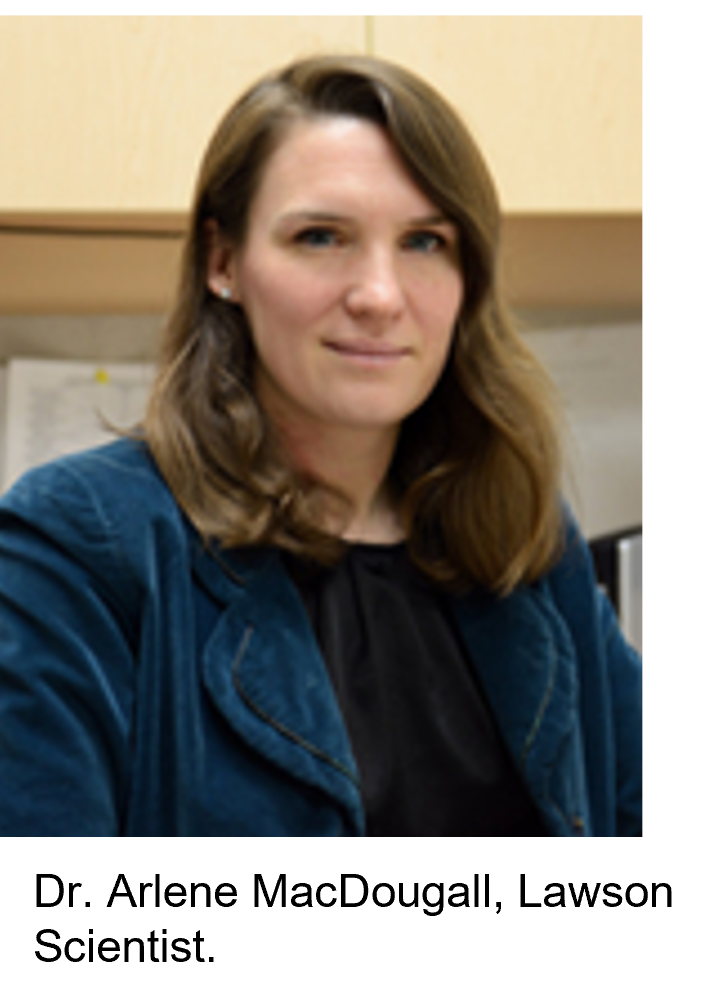
Congratulations to Dr. Arlene MacDougall who is the recipient of a Faculty Scholar Award from Western. The Faculty Scholar Awards are limited in number and recognize scholarly achievements of a faculty member at a critical point in their career. The award celebrates the complete scholar who has maintained an excellent record in teaching and research and who has recently achieved prominence in one of these two domains. The award includes a research grant of $15,000 in each year of the award (2026-27 and 2027-28). Join us in congratulating Dr. MacDougall on this achievement!
| Celebrating Dr. Jim Mendonca's retirement and lasting impact | | |
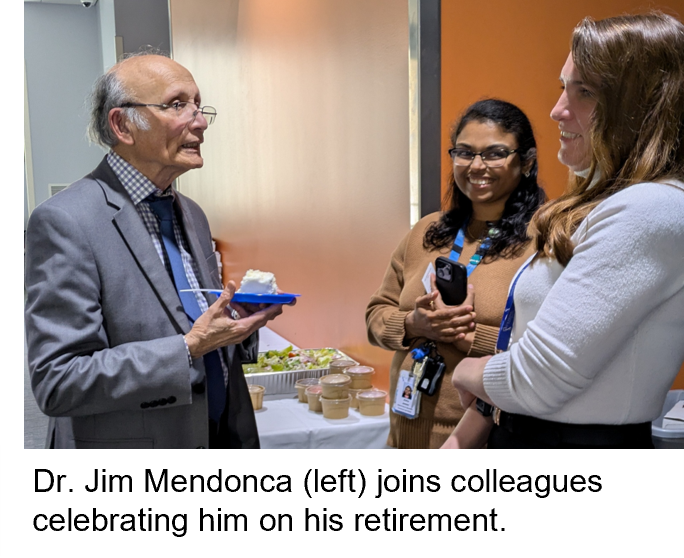
After a distinguished career supporting mental health research and innovation, Dr. James (Jim) Mendonca has retired. Jim is best known across Lawson and St. Joseph’s Health Care London as the creator and long-time editor of Research Insights, where for over 25 years he championed local research, mentored authors and helped share impactful work across our community. We thank Jim for his leadership and lasting contributions and wish him all the best in this next adventure.
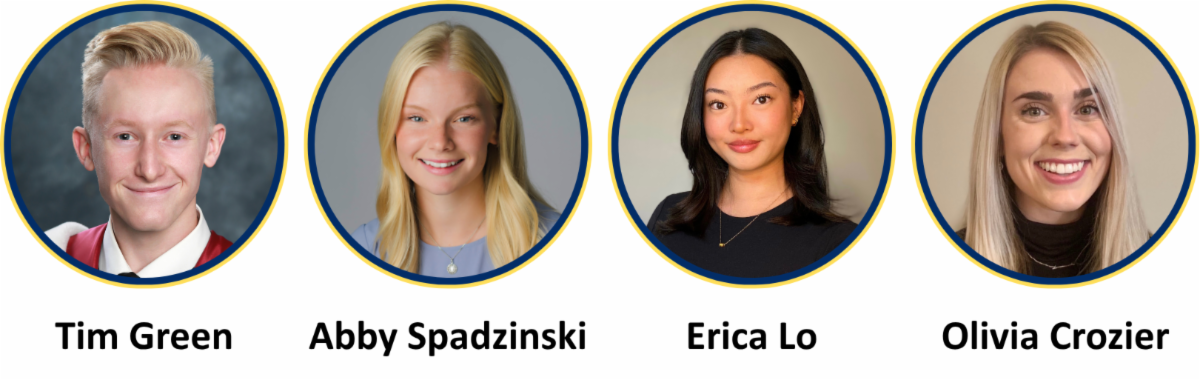
| | Honouring excellence in trainee leadership | | At this year’s Leading the Future event, Abby Spadzinski, Tim Green, Erica Lo and Olivia Crozier were presented with a Lawson Trainee Leadership award in recognition of their outstanding leadership within LAFS. As past and current LAFS Co-Chairs, they have demonstrated exceptional commitment to building an engaged, inclusive trainee community while balancing the demands of research, academics and service. Their leadership has strengthened cross-disciplinary connection, elevated trainee voices and supported the success of initiatives such as Leading the Future, leaving a lasting impact on Lawson’s trainee community. Congratulations Abby, Tim, Erica and Olivia! | | THANK YOU FOR YOUR FEEDBACK | Lawson Intranet feedback survey | |
Thank you to everyone who completed our intranet feedback survey. We appreciate the time you took to share your insights and especially thank those who offered to be contacted for further input. We are currently reviewing the feedback and expect to make changes to improve the site’s relevance and ease of navigation. As updates are implemented, we will share progress with our community. Congratulations to Tamara Tompkins, winner of the Lawson prize pack, including a laser-etched tumbler, stickers, pen, and treats!
If you have additional ideas, feedback, or questions about the Lawson intranet, please contact us at LawsonResearch@sjhc.london.on.ca
| Applications for the 2026 Professional Practice Awards and bursaries are now open. The deadline for submissions is Friday, June 26. Learn more about the awards and bursaries on the Professional Practice SharePoint Page. | UPCOMING GRANT COMPETITIONS | | General information about Grants Development services | | |
If you are considering applying for future research funding opportunities, please notify the Grants Development Team as soon as possible. To obtain institutional signatures for your application, you will need to:
1. Complete the Request for Institutional Approval of Grant Application Form
2. Email the completed form along with the full application package to grantsubmission@sjhc.london.on.ca either:
· 1 week in advance of the application deadline for a mandatory admin review, or
· 2 weeks in advance of the application deadline for an optional enhanced review.
To have Lawson administer your grant, indicate "Lawson Research Institute" for St. Joseph's (Lawson) applicants as the Institution Paid in all grant management systems and applications.
For more information about grant opportunities and grant applications please email grantsubmission@sjhc.london.on.ca.
| | |
Please visit the research funding announcement page to find out more:
| | |
The 2026 Exploration Competition of the New Frontiers in Research Fund (NFRF) has launched. If you are considering applying to this competition, please email us at grantsubmission@sjhc.london.on.ca.
The objective is to support high-risk, high-reward and interdisciplinary research. Projects may range in value and duration, up to $250,000 for two years ($200,000 direct research costs, plus $50,000 indirect costs; maximum $125,000/year total). Individuals can participate in only one Exploration stream application or grant at one time as either an NPI, co-PI or co-applicant.
The competition has two mandatory stages - Notice of Intent and full Application
| | | Notice of Intent (NOI)
Not adjudicated
Webinar: May 21, 2026 1 pm | Internal deadline: Aug. 11
- Submit your NOI to our Research Office using the Convergence Portal by 10 am
NFRF deadline: Aug. 18
- Submit your NOI to our Research Office using the convergence Portal by 10 am
| | Application
Invitation to submit is NOT required
Webinar: TBA | Internal deadline: Aug. 11
- Submit your NOI to our Research Office using the Convergence Portal by 10 am
NFRF deadline: Aug. 18
- Submit your NOI to our Research Office using the convergence Portal by 10 am
| | | External funding opportunities: | | | Sponsor | Program | Competition | Award Amount | Western/Internal Deadline | Competition Deadline | | Arthritis Society | Ignite Innovation Grant | 2026 Competition | $50K/YR for 2 YRS | 2026-06-19 | 2026-06-26 | | Diabetes Canada | End Diabetes Operating Grants | 2026 Competition | $150K/YR for 3 YRS | 2026-07-03 | 2026-07-10 | | Organization for Autism Research
| Applied Research Grant | 2026 Competition - Full Application | Up to $50K | 2026-07-06 | 2026-07-13 | | Brain Canada | Accelerator Grants | 2026 Competition - Migraine Research | $160K over 3 YRS | 2026-08-27 | 2026-09-03 | | |
|
Funding opportunities for trainees:
These funding opportunities support the next generation of researchers. Trainees and researchers should confirm internal deadlines and application procedures with their institutions (i.e., Western University, Lawson, etc.).
| | |
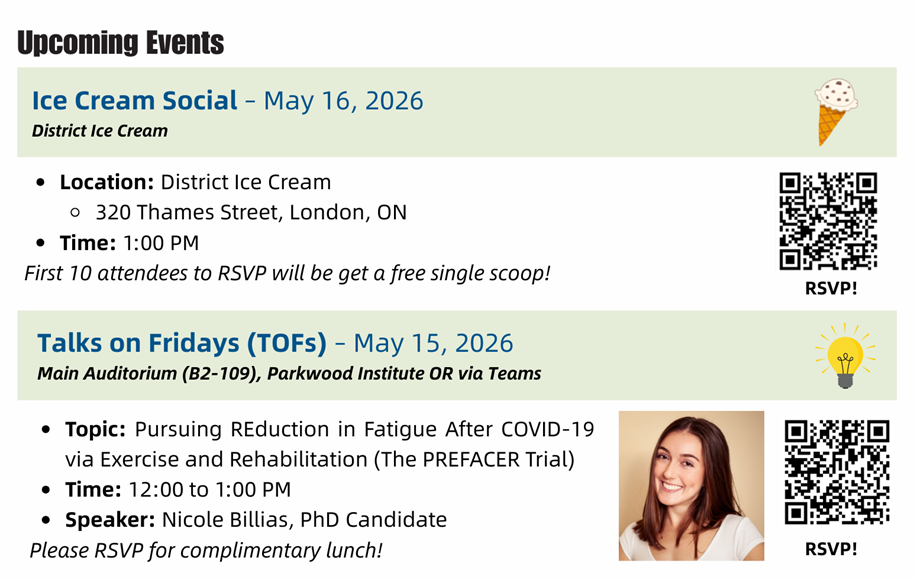
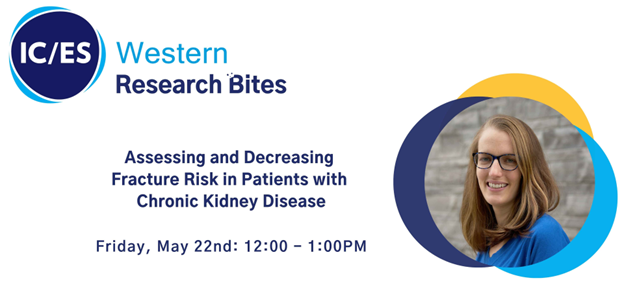
Join our next Research Bites session on Friday, May 22, 12–1 p.m. ET virtually or in-person at the Health Care Research Studio (Victoria Hospital). ICES Western Scientist Dr. Andrea Cowan will present Assessing and Decreasing Fracture Risk in Patients with Chronic Kidney Disease, highlighting research using ICES data.
About the presentation:
Patients with chronic kidney disease face an increased risk of fracture compared to those with normal kidney function. Moreover, fractures in this population are associated with a high risk of mortality and functional decline. Despite this, methods for predicting who may be at highest risk of fracture and how to prevent this have not been well studied. This presentation outlines several completed and ongoing studies using ICES data designed to improve our understanding of how to predict fractures in patients with advanced chronic kidney disease, as well as studies on drug safety in this population.
| | |
Shoulder trauma: From fixation to functional recovery
Date: May 29
Time: 7:30 am – 3:30 pm
Location: St. Joseph’s Hospital
This is a one-day conference for health professionals that focuses on shoulder trauma (fractures/dislocations) from fixation to functional recovery. Roth McFarlane Hand & Upper Limb surgeons, physiotherapists and kinesiologists will share their expertise on traumatic shoulder injuries with an opportunity to watch a re-live surgery and participate in a live panel.
Speakers:
- Dr. George Athwal, MD, FRCSC
- Dr. Yousif Atwan, MD, MSc, FRCSC
- Andrea Carey, PT
- Dr. Darren Drosdowech, MD
- Tracy Elliott, PT
- Dr. Kenneth Faber, MD, MHPE, FRCSC
- Catherine Lane, PT
- Dr. Marie-Eve LeBel, MD, MHPE, FRCSC
- Chris Pizzimenti, R.KIN
- Melanie Werstine, PT
| |
DocTalks with Dr. Rohit Lodhi | |
When mental health challenges and substance use disorders occur together - known as concurrent disorders - they can create complex barriers to diagnosis, treatment and recovery. During the June 9, in-person DocTalks lecture, Dr. Rohit Lodhi will examine the evolving science and real-world impact of these intertwined conditions. The lecture will also explore emerging research on cannabis use and psychosis, insights into the ongoing opioid crisis and innovative clinical approaches supporting affected individuals. Register today.
| |
AI in health care conference
The HEAL (Healthcare Enhanced by Artificial Intelligence and Learning) 2.0 conference is taking place at Western University on June 24, from 8:15 am to 4 pm. Register to explore practical strategies for embedding AI into clinical practice through plenary sessions, interactive exercises and expert panels on ethics, bias, patient trust and regulation. Click to view full registration and event details.
| | | 268 Grosvenor Street | London, ON N6A 4V2 CA | | Lawson Research Institute, the health innovation arm of St. Joseph's Health Care London, is committed to making discoveries that improve lives. Every day, Lawson scientists work to translate their ideas into innovations that improve patient care. Lawson LEADS health research. Find us online at LawsonResearch.ca and on social media @stjosephslondon | | Did someone forward this email to you? You can subscribe here to get Lawson LEADS newsletter delivered directly to your inbox. Missed a previous newsletter? Visit the Lawson News and Events page. | | | | |